Top 3 Mountain Passes around L'Ametlla De Mar
Best mountain passes around L'Ametlla De Mar are found inland from its coastal landscape. While L'Ametlla De Mar itself is a coastal town with an average elevation of 18 meters, the broader region, part of the Costa Daurada, features hilly and mountainous terrain. This area offers routes with significant elevation gains, particularly when venturing towards the Sierra de Cardó. These routes provide diverse landscapes, from rugged coastlines to undulating interiors, suitable for cycling and hiking.
Best mountain passes around L'Ametlla…
Last updated: July 1, 2026
La Creu de Castelló and El Forat del Vent
Highlight • Mountain Pass
Translated by Google •
Tip by

Coll d'Aumet
Highlight • Mountain Pass
Translated by Google •
Tip by

Sign up now to discover places like this
Get recommendations on the best single tracks, peaks, & plenty of other exciting outdoor places.
Sign up for free
Coll de Pins Summit
Highlight • Summit
Translated by Google •
Tip by

Portell de Cosp
Highlight • Mountain Pass
From this point we …
Translated by Google •
Tip by

Start today with a free account
Your next adventure awaits.
Login or Signup
Popular around L'Ametlla De Mar
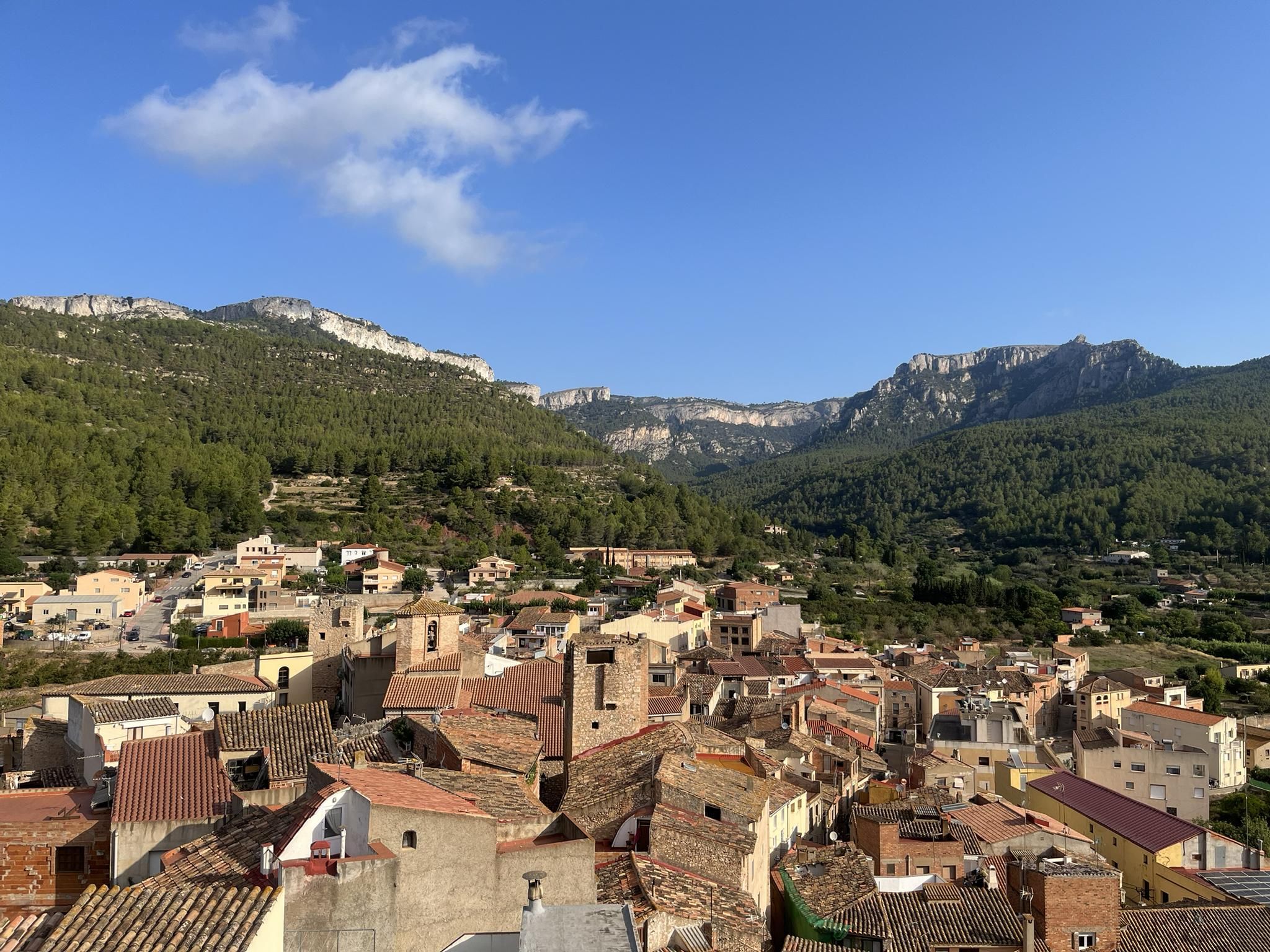
From Cambrils to the Ebro Delta - Camí del Vent (GR 192)
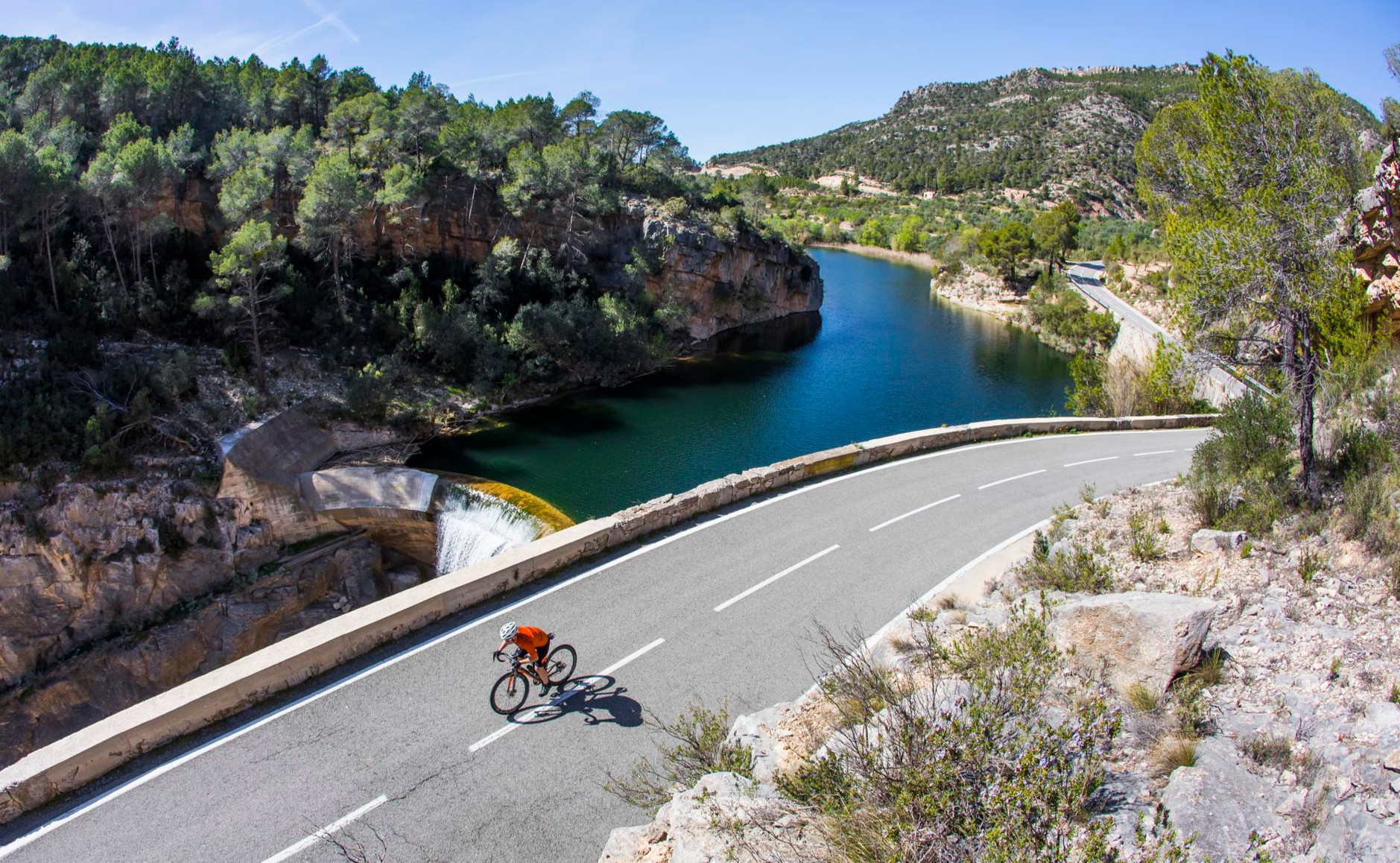
Costa Daurada - Mountains, orchards and monuments by bike
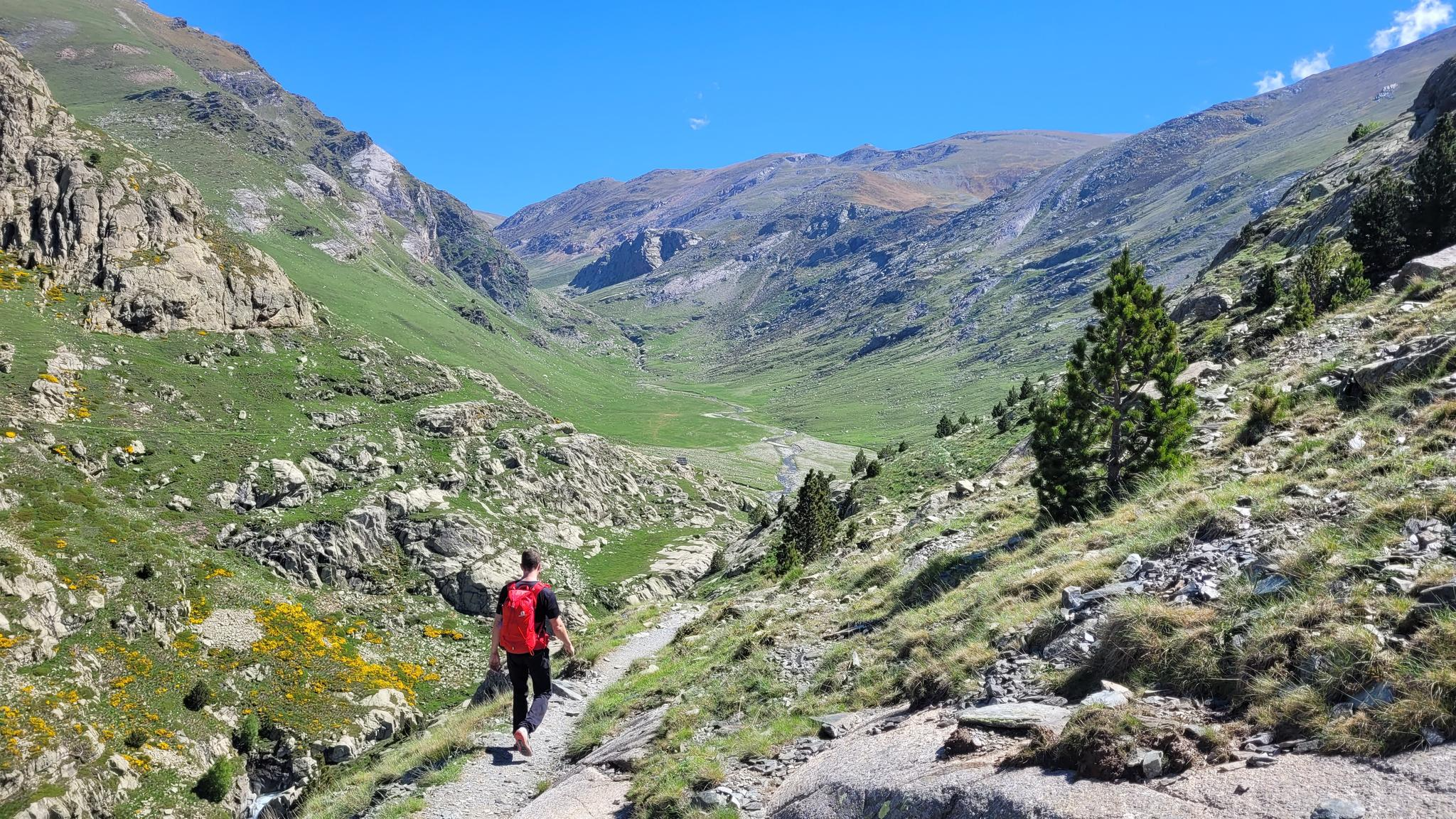
10 hikes with teenagers — Catalan paradises
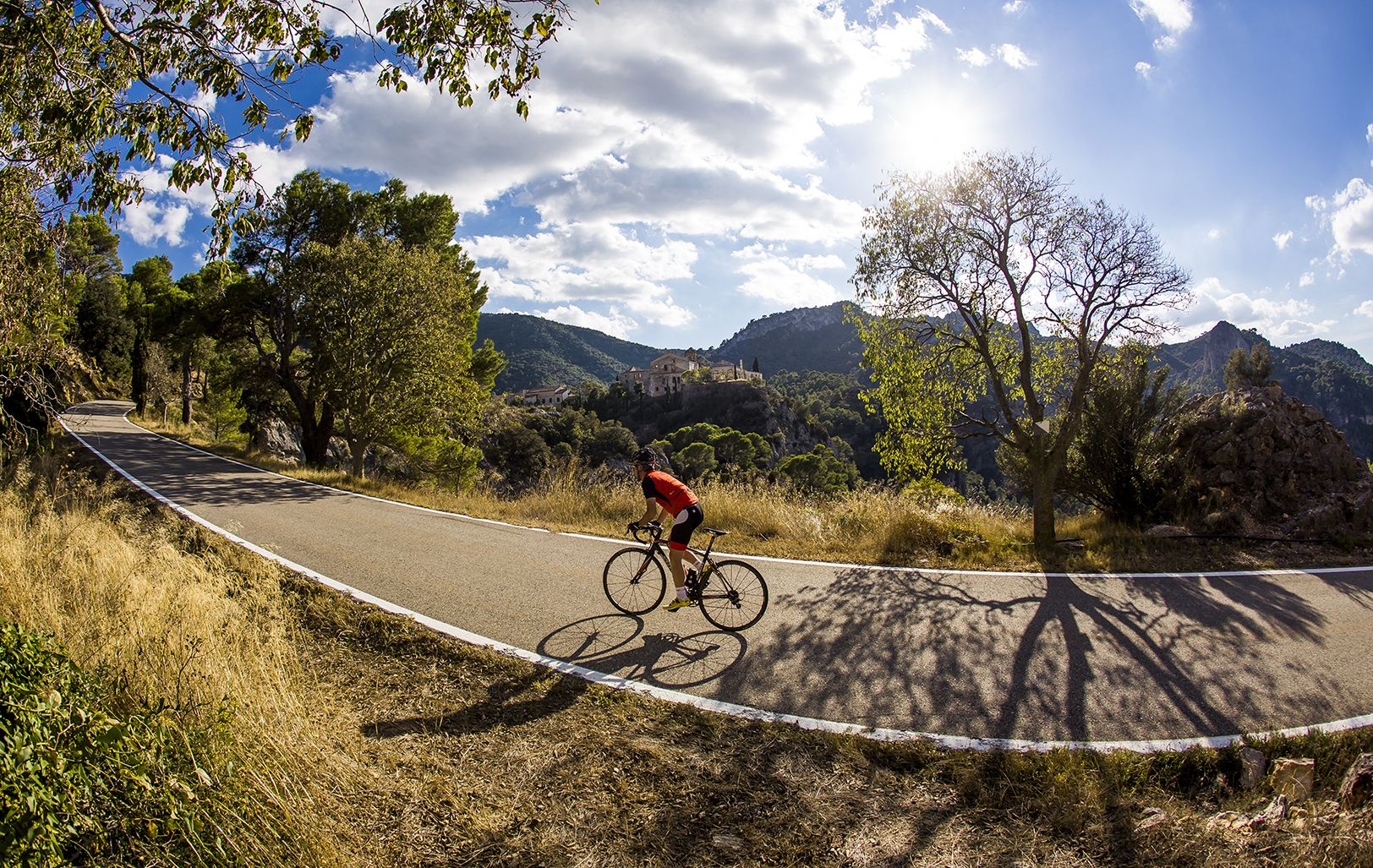
Discover Catalonia by road bike
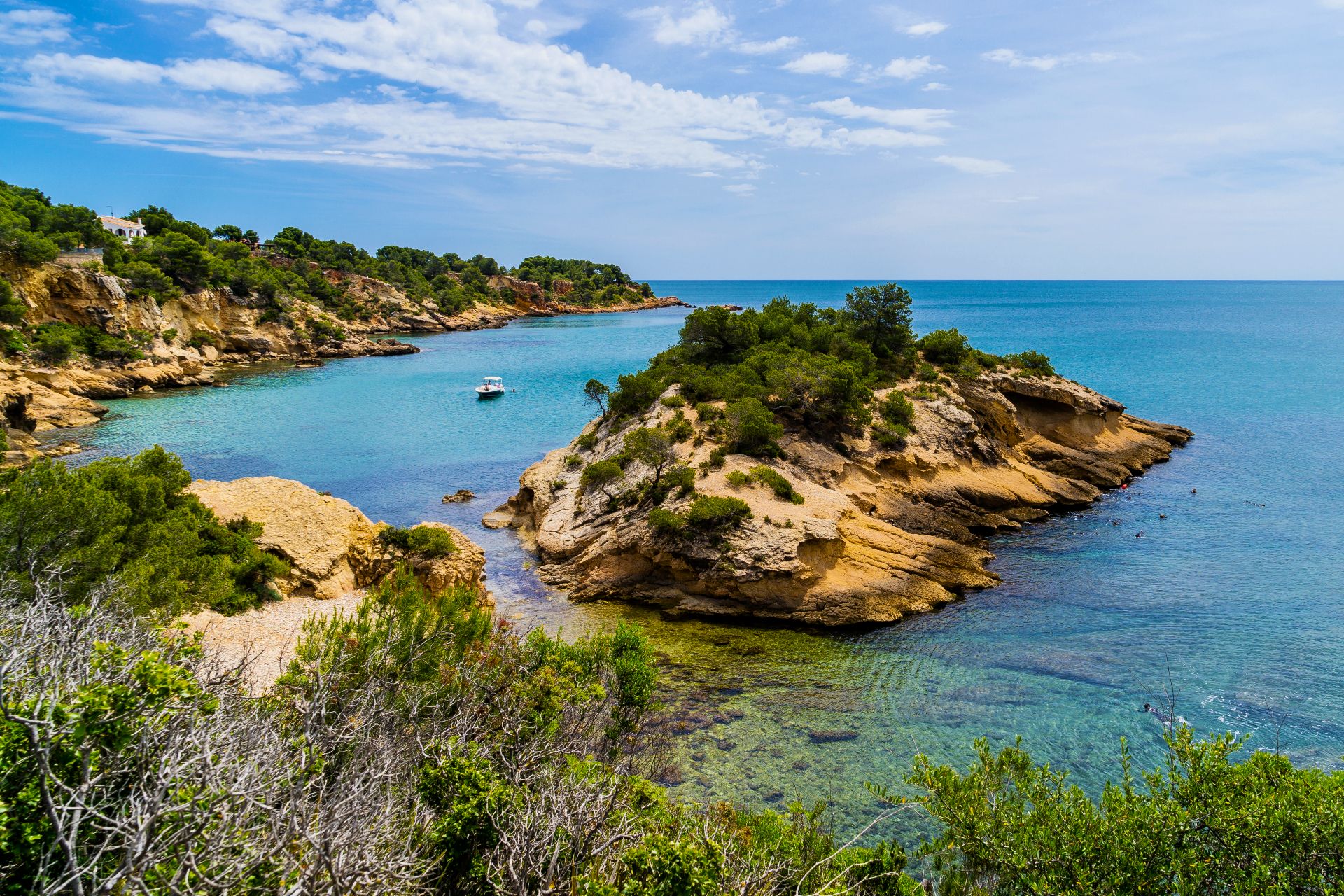
The Catalan coast on foot – Mediterranean Path (GR 92)
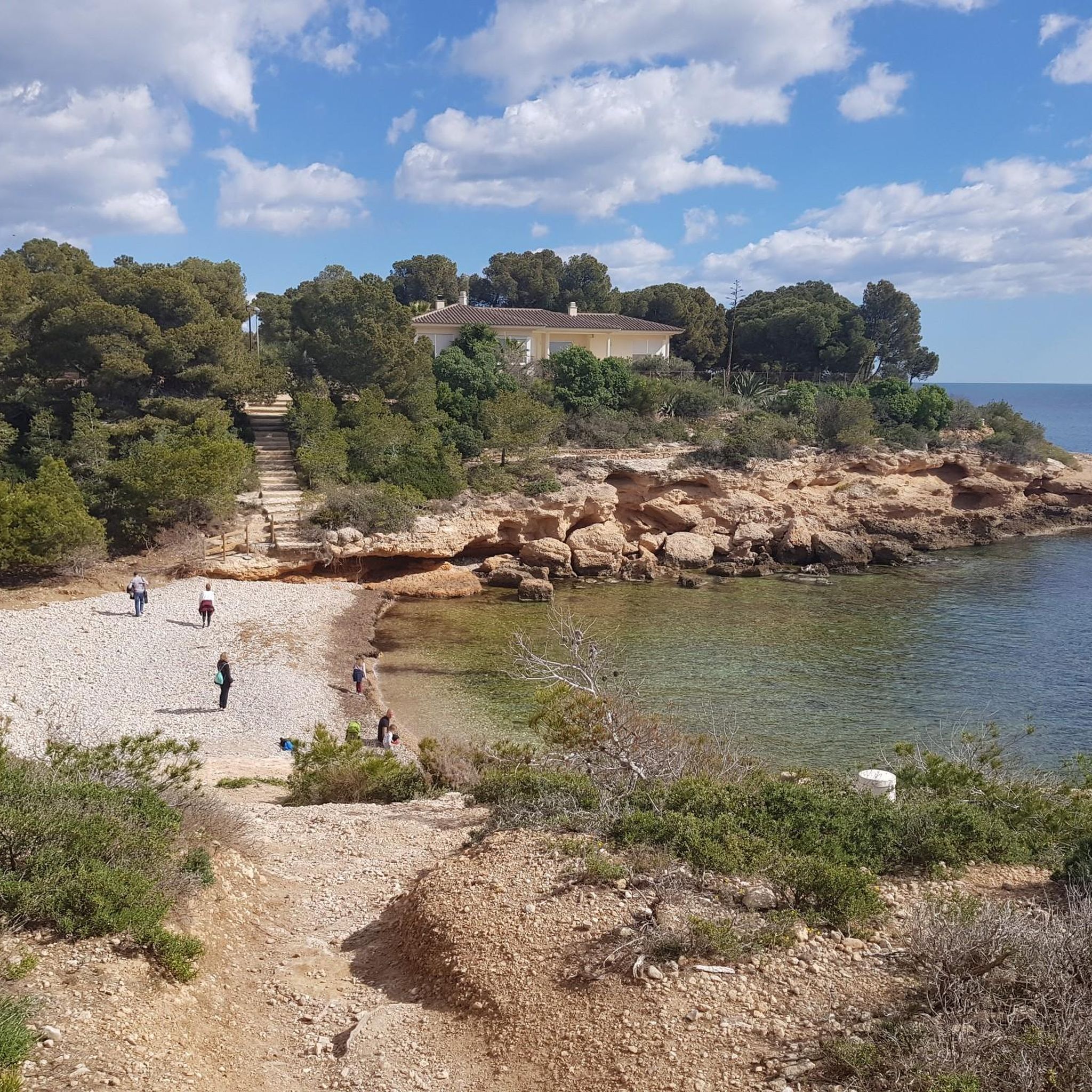
Road Cycling Routes around L'Ametlla De Mar
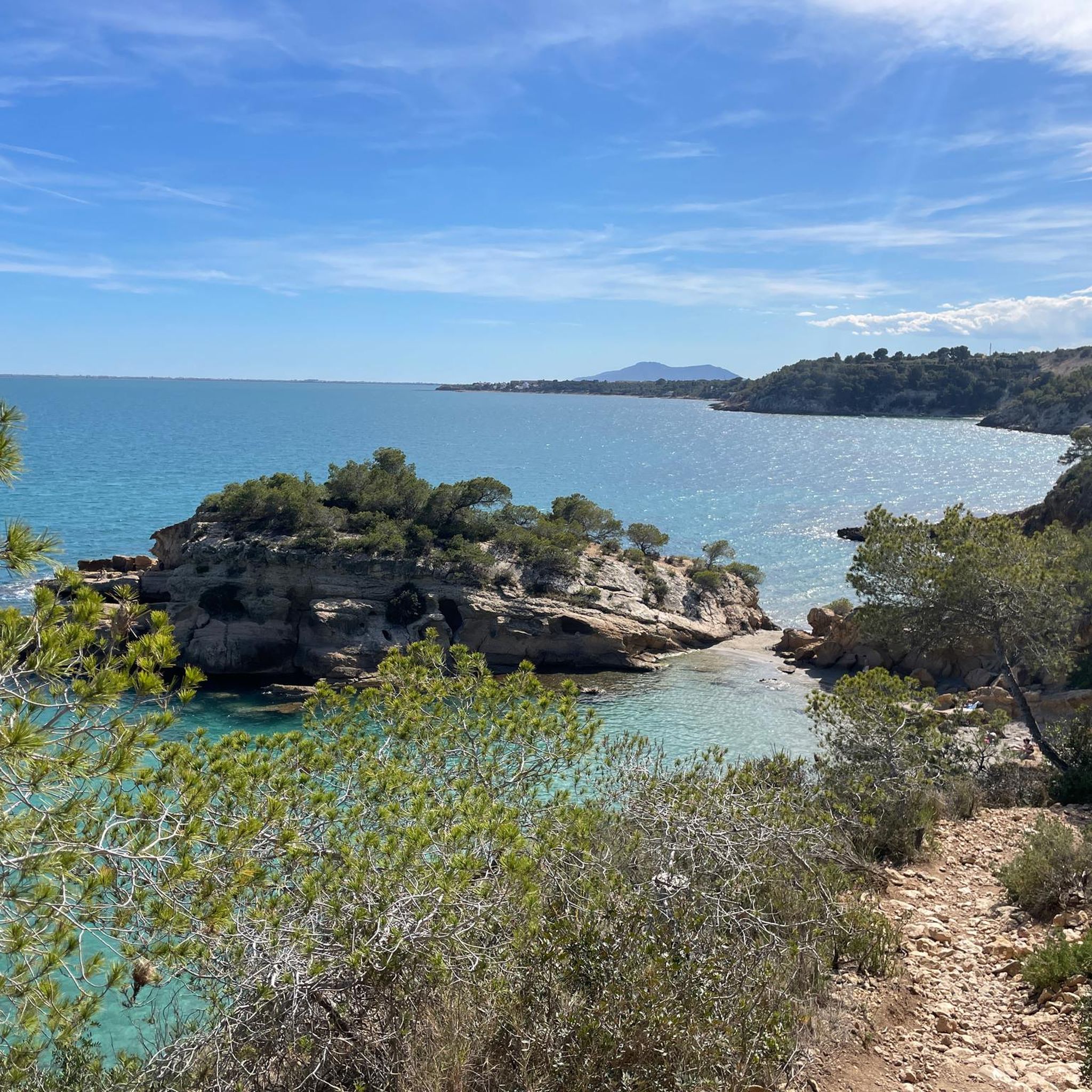
Hiking around L'Ametlla De Mar
Running Trails around L'Ametlla De Mar
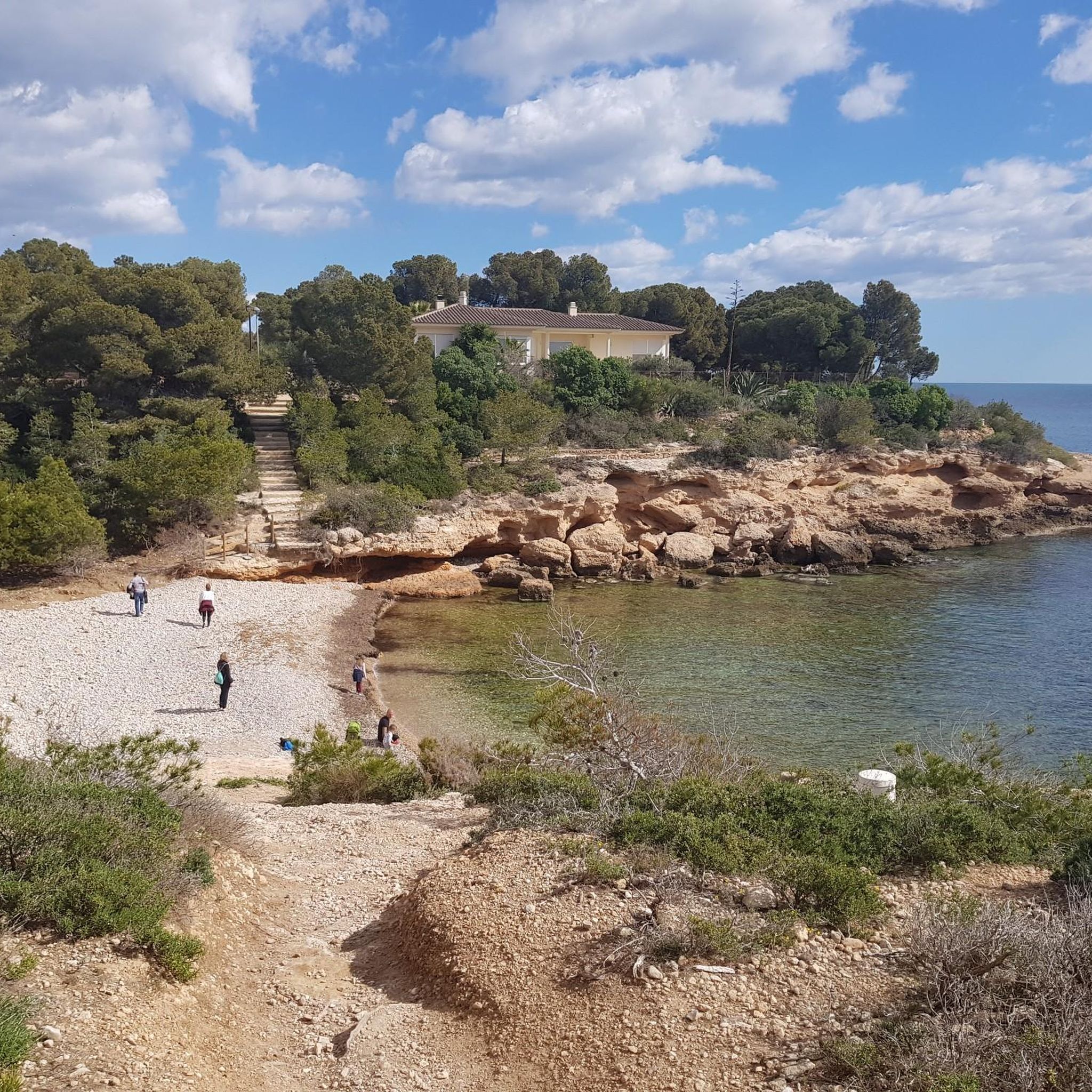
Cycling around L'Ametlla De Mar
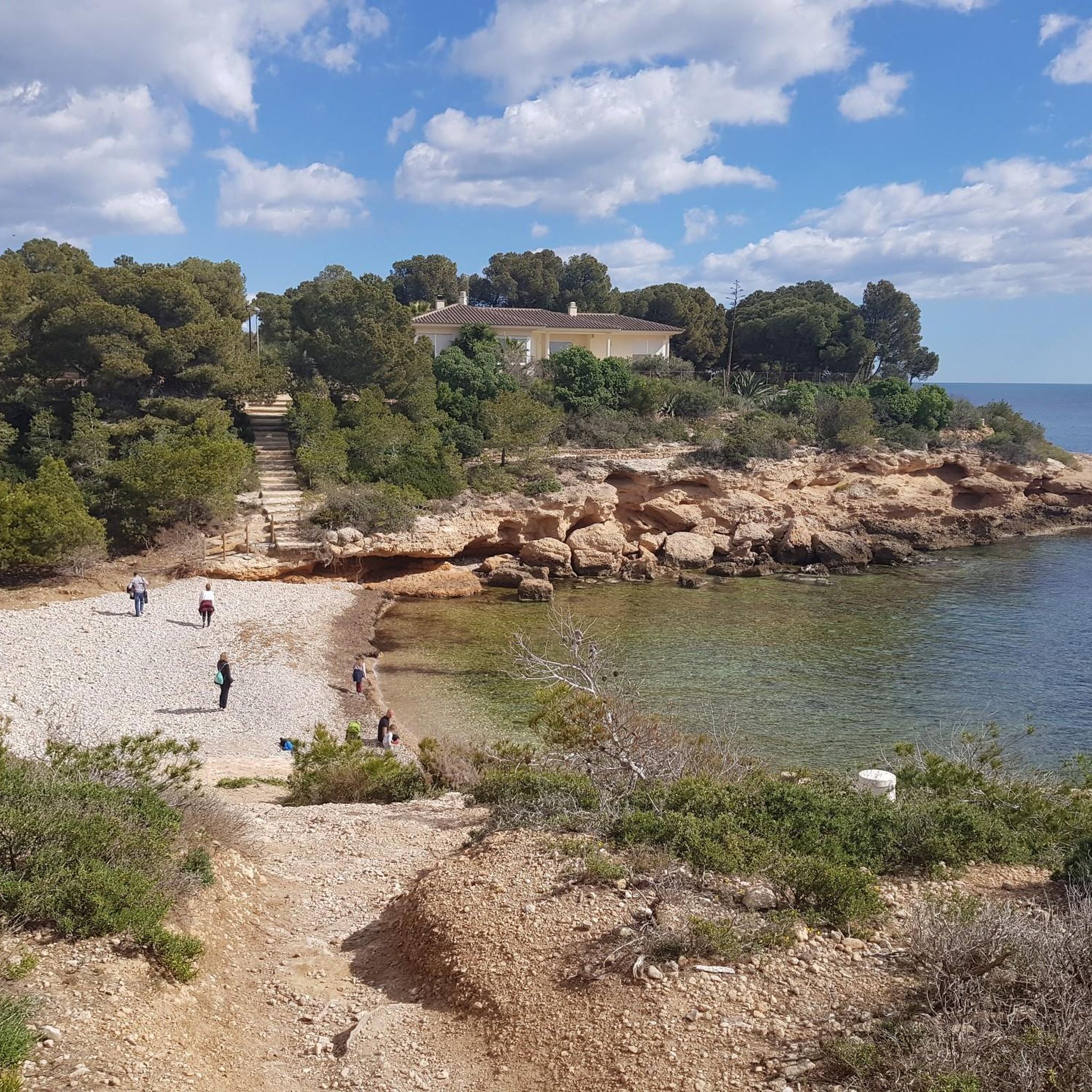
MTB Trails around L'Ametlla De Mar
Other adventures around L'Ametlla De Mar


Tips from the Community

Ideal for getting away from busy roads. Some stretches will make you smile... 📈
1
0

The trail offers stunning views of the Puertos de Beceite and Montsant mountains. It's an ideal hike for a sunny or windy day and is known for its scenic beauty and historical significance.
5
0


500 m high mountain straddling the ridge that runs from SW to NE from Les Llacunas to Rasquera, with Mola de la Llacuna (645m), Punta de Terracuques (568m) as the main peaks. At its summit we find a geodesic vertex as well as the remains of what was Lister's observatory in the Ebro campaign in the war to defend the Republic. Peak included in the list of 100 peaks of the F.E.E.C. https://www.feec.cat/activitats/100-cims/cim/coll-de-pins/
1
0

It is also called the Lister Observatory since it is a point where you can see long views of the region and the Serra de Cardó-Boix.
2
1
Important pass that gives way to the Camí dels Monredons and Camí dels Frares which, from Rasquera, lead to the old Convent converted into Cardó Spa. From this point we can go to Rasquera while following the ridge towards the N through Roca de la Barca, the Picòssies, Punta de Terrecuques and Coll de Pins. Down to the NE towards the Source and Refugi del Teix and towards the SE towards the Cova Luminosa, Roca Foradada and Portell del Bou.
1
0
Also called Collet de la Creu or Forat del Vent, it is the crossing point that joins the path of Graus de Castelló, to the N. with the ridge that joins Collet del Parra, Tossal de Punjabudells and Punta de Castelló. Magnificent panorama of the Serret dels Avencs that we have right in front.
1
0
Frequently Asked Questions
What are the notable mountain passes or challenging ascents near L'Ametlla De Mar?
While L'Ametlla de Mar is primarily coastal, the inland areas offer routes with significant elevation gains. Key passes and challenging points include La Creu de Castelló and El Forat del Vent, known for its very steep valley, and Coll d'Aumet, which features quiet roads and steep sections up to 12%. Another significant point is Coll de Pins Summit, offering expansive views and historical significance.
What kind of views can I expect from the mountain passes and hilly routes?
The passes and elevated points around L'Ametlla de Mar offer diverse and stunning panoramas. From La Creu de Castelló and El Forat del Vent, you can enjoy magnificent views of the Serret dels Avencs. Coll de Pins Summit provides long-range views of the Puertos de Beceite and Montsant mountains, as well as the Serra de Cardó-Boix. The coastal paths, while not traditional passes, also offer breathtaking panoramic views of the Delta de l'Ebre and serene coves.
What is the typical difficulty level of routes involving these passes?
The routes around L'Ametlla de Mar that include these passes are generally considered intermediate to difficult. For example, the Gavada road to Pratdip loop, which includes significant elevation, is a demanding ride for those with very good fitness. Passes like Coll d'Aumet feature sections with 12% gradients. Even coastal sections of the GR 92 involve constant ascents and descents, making them moderately challenging.
Are there hiking opportunities near these passes?
Yes, there are several hiking opportunities. The GR 92 coastal path, particularly the section from L'Ametlla de Mar to L'Ampolla, offers a moderately challenging 15 km hike with constant ascents and descents and stunning views. For more inland options, you can explore various trails around the passes. For a broader range of hiking options, check out the MTB Trails around L'Ametlla De Mar guide, which includes some multi-use trails.
What outdoor activities can I do near these mountain passes?
The region offers diverse outdoor activities. Road cycling is popular, with routes like the challenging 'Montañas de Tivissa-Vandellòs – return from l'Ametlla de Mar by the collado de Fatxes' found in the Road Cycling Routes around L'Ametlla De Mar guide. Gravel biking is also an option, with routes like the 'View of the Ebro Delta – Flamingos in the Ebro Delta loop' detailed in the Gravel biking around L'Ametlla De Mar guide. Additionally, the coastal GR 92 offers excellent hiking.
When is the best time of year to explore the passes around L'Ametlla De Mar?
The Mediterranean climate of L'Ametlla de Mar makes spring (April-May) and autumn (September-October) ideal for exploring the passes and hilly terrain. Temperatures are mild, and the weather is generally pleasant for outdoor activities. Summer can be very hot, especially inland, while winter offers cooler temperatures but can also bring more unpredictable weather.
Are there historical or cultural points of interest near these passes?
Yes, some passes have historical significance. Coll de Pins Summit is notable for being the site of Lister's observatory during the Ebro campaign in the Spanish Civil War. Portell de Cosp is an important pass that leads to the old Convent, now the Cardó Spa, and connects various historical paths.
Are there family-friendly or less challenging options for exploring the hilly terrain?
While many inland routes are challenging, the coastal path (GR 92) offers sections that can be adapted for families, though it does involve constant ascents and descents. For less strenuous options, consider shorter walks along the coast or exploring the gentler parts of the Ebro Delta, which is easily accessible from L'Ametlla de Mar. Always check the specific route details for elevation and distance to ensure it suits your family's fitness level.
Are the trails around these passes dog-friendly?
Generally, many trails in natural areas around L'Ametlla de Mar are dog-friendly, especially if dogs are kept on a leash. However, specific regulations can vary, particularly in protected areas or during certain seasons. It's always advisable to check local signage and respect wildlife. Ensure your dog is well-behaved and that you carry water for them, especially on longer or more exposed routes.
How can I access these mountain passes and trails?
Access to these passes and trails typically involves driving inland from L'Ametlla de Mar. Parking is usually available near trailheads or in nearby villages. Public transport options directly to the more remote passes might be limited, so a car is often the most convenient way to reach these starting points. For coastal paths, you can often start directly from L'Ametlla de Mar or use local buses to reach nearby towns.
What are some lesser-known passes or crossroads worth exploring?
Portell de Cosp is an important pass that serves as a gateway to historical routes like the Camí dels Monredons and Camí dels Frares, leading to the Cardó Spa. Another significant crossroads is Coll de Monetze, where several paths converge, offering a good panorama towards the southeast and connecting to various local trails.
Most popular routes around L'Ametlla De Mar
Most popular attractions around L'Ametlla De Mar

Get inspired with the komoot mobile app


Explore more
See even more epic mountain passes by checking out these guides around L'Ametlla De Mar:
