Top 15 Natural Monuments around Poio
Natural monuments around Poio are situated in a municipality on the northern bank of the Pontevedra estuary, within the Rías Baixas area. This coastal location provides a diverse ecosystem where land meets both saline seawater and freshwater rivers. The region features numerous natural spaces for exploration and relaxation, offering a variety of landscapes.
Best natural monuments around Poio
- The most popular natural monuments is Cabo Udra Coastal Landscape, a viewpoint that is a natural area at the southern end…
Last updated: October 5, 2026
Ulló Salt Flats
Highlight • Structure
Translated by Google •
Tip by

Casto San Pedro Gardens
Highlight • Natural Monument
Translated by Google •
Tip by

Sign up now to discover places like this
Get recommendations on the best single tracks, peaks, & plenty of other exciting outdoor places.
Cabo Udra Coastal Landscape
Highlight • Viewpoint
Translated by Google •
Tip by

Lake Cotorredondo
Highlight • Lake
As …
Translated by Google •
Tip by

Mámoa do Rei Dolmen
Highlight • Historical Site
Translated by Google •
Tip by
Sign up for free to discover even more natural monuments around Poio.
Already have an account?
Start today with a free account
Your next adventure awaits.

Tips from the Community


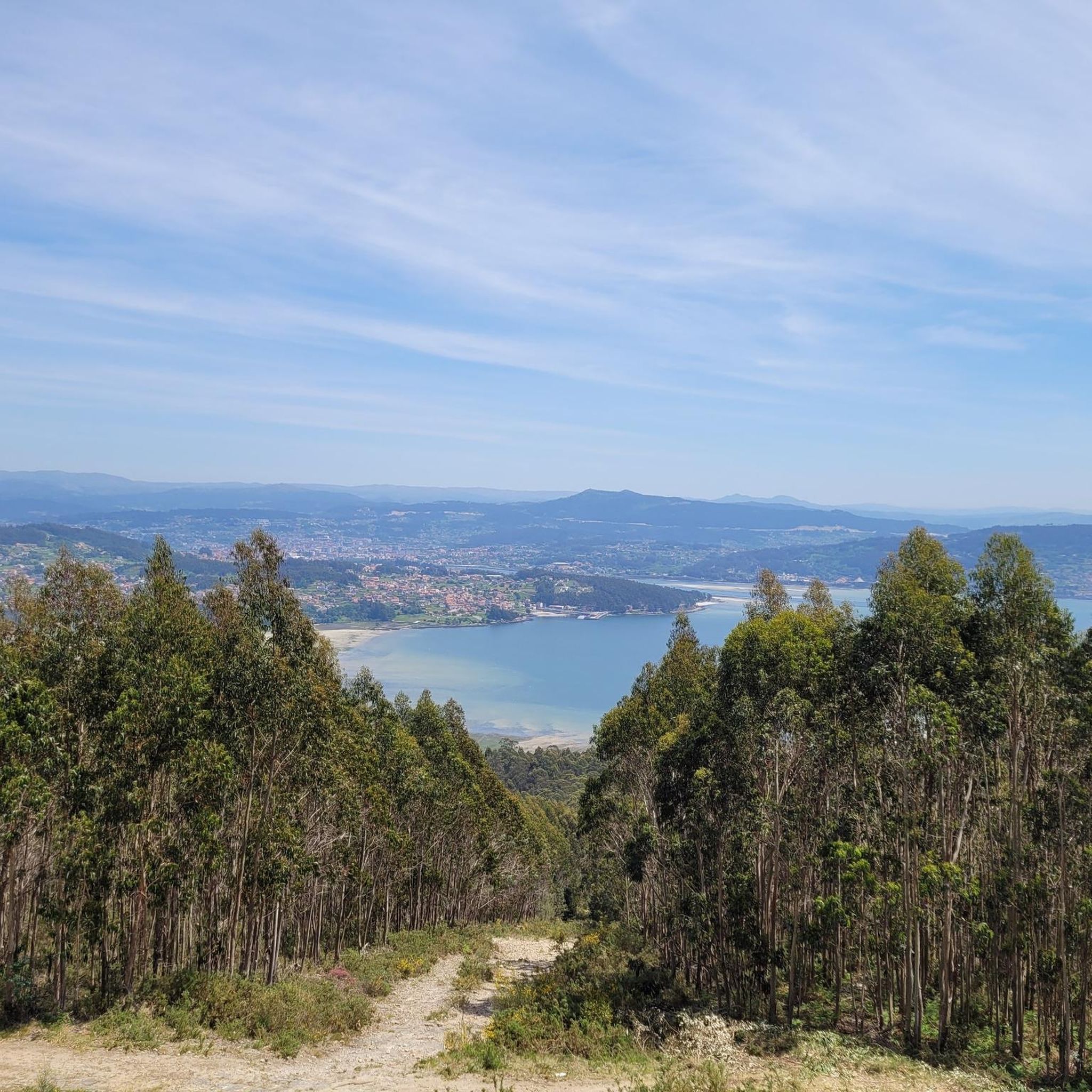
The Cotorredondo Natural Park is structured around the lake and the streams that feed it, creating a unique space where native species coexist with trees of very different origins. As a recreational area, it has perfectly marked paths, numerous fountains, playgrounds and tables and benches.
1
0

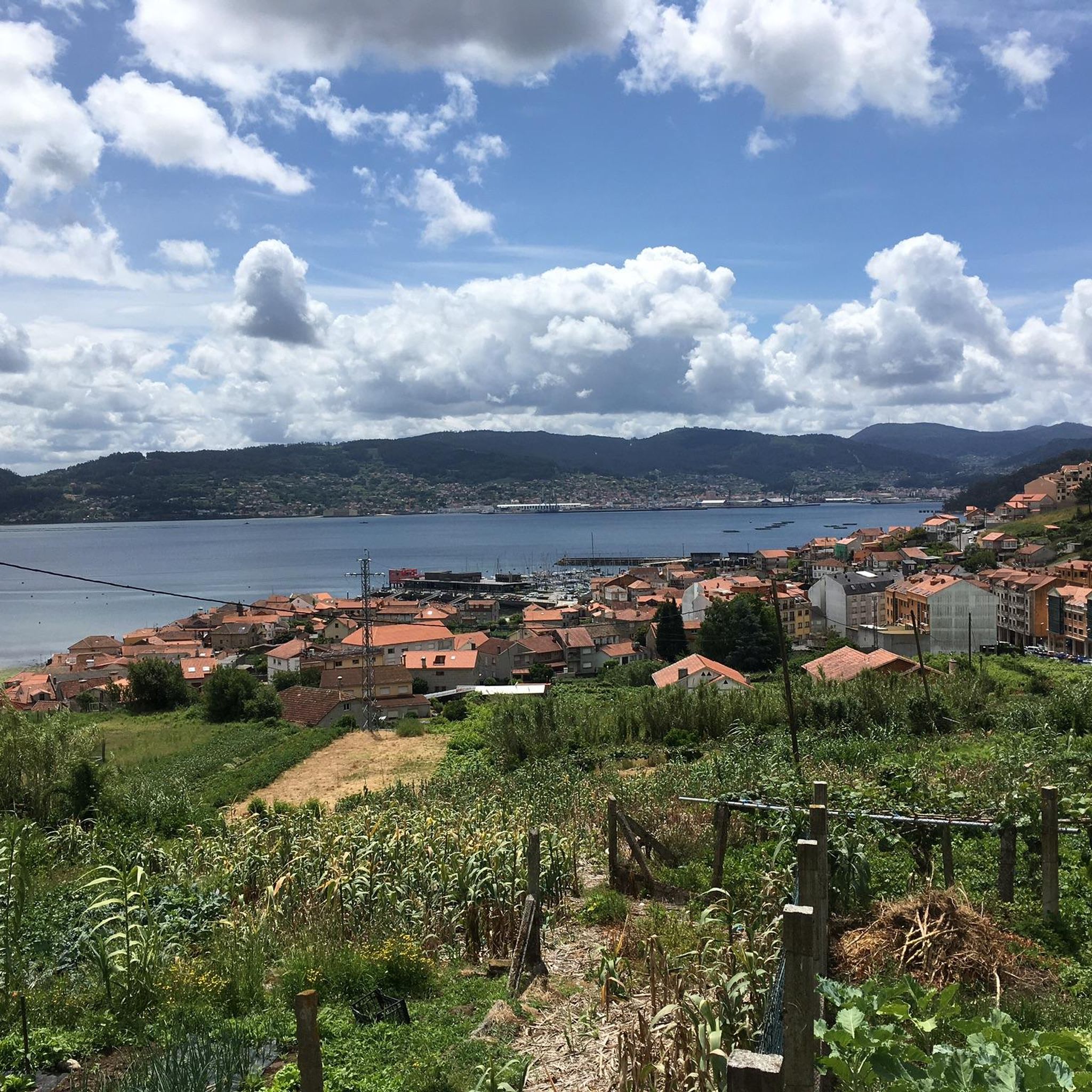
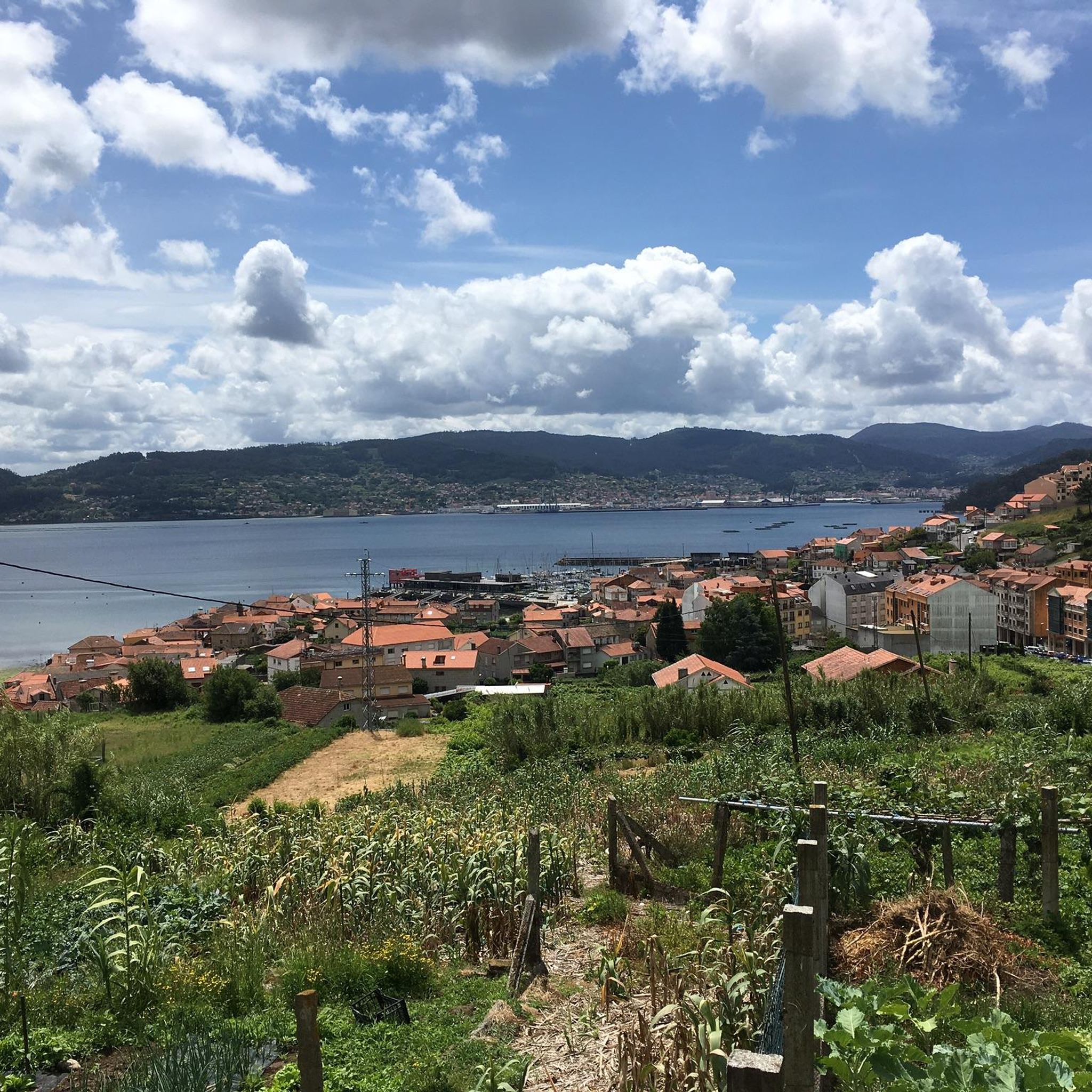
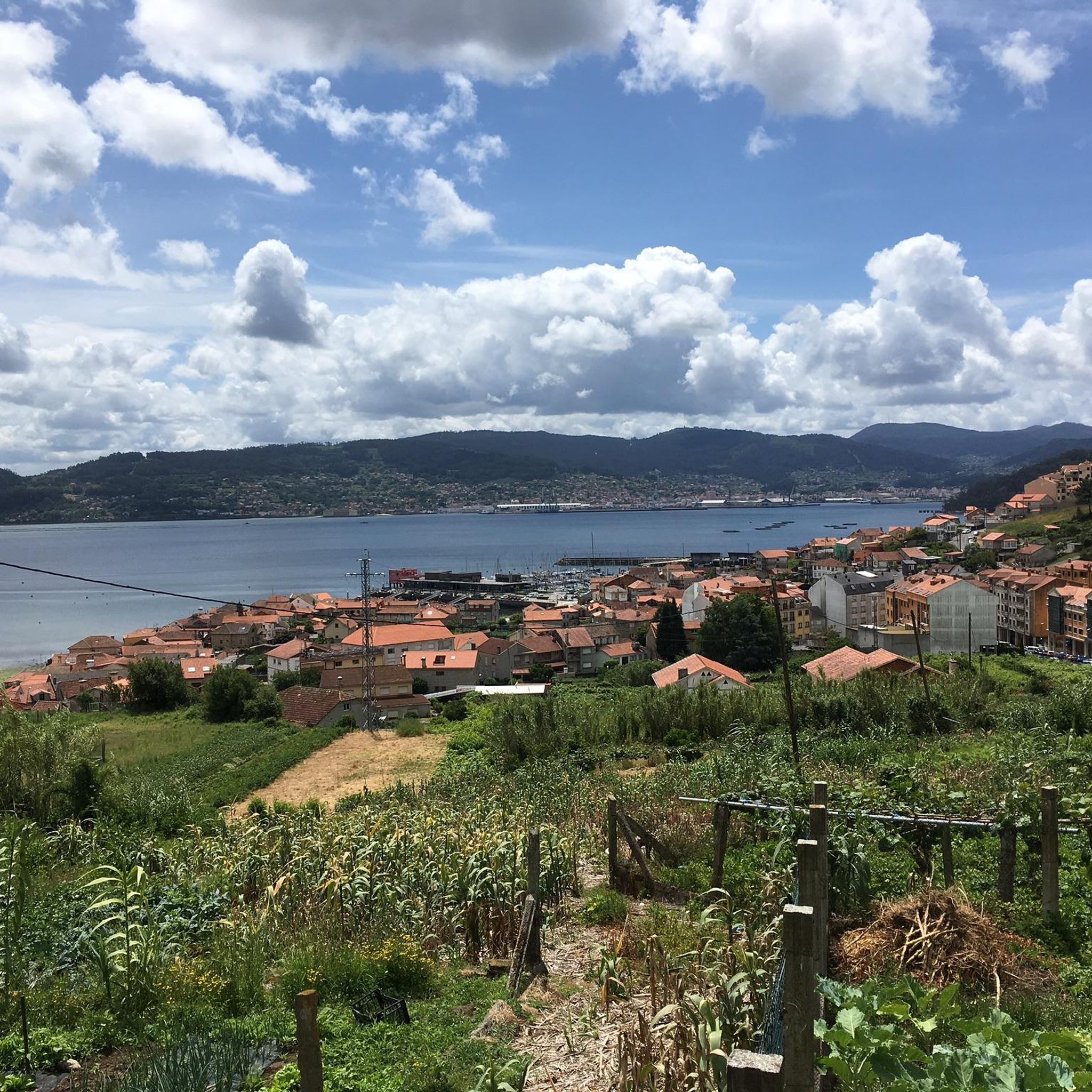
Along the northern coast of the Ría de Vigo is an incredibly diverse natural landscape where the fresh water of the rivers meets the salt water of the San Simón coast, near Vilaboa. This swampy aquatic environment is attractive to explore.
1
0

Former salt extraction area, now a nature reserve
1
0
In this place, close to each other, are the great Mámoa do Rei and the cist of the necropolis of Chan de Castiñeiras: On the one hand, we must highlight the monumentality of the Mámoa do Rei, which aims to stand out and become visible in the landscape , being a mound of approximately 30 meters in diameter with a large corridor dolmen differentiated in height in the central area. On the other hand, there is the cist, much smaller in size and which goes completely unnoticed, almost invisible, which allows us to observe the ritual changes that take place between the full megalithic period (3950-2500 BC) where Mámoa do Rei would be located and the end of megalithism. (2500-2000 BC) where the cist would be located. During the excavations carried out in Mámoa do Res, multiple ceramic and stone fragments were found, such as a series of small idols found at the entrance of the dolmen.
1
0

We took a little break in the garden and let the hustle and bustle of the city sink in. Just great. Unfortunately there was no stamp for our passport
2
0

Magnificent place for a rest before finishing the climb to Cotorredondo.
0
0

The gardens are in the heart of Pontevedra in the old area next to the Plaza de la Herrería. They are in front of the convent and church of San Francisco.
13
0
Frequently Asked Questions
What unique natural features can I explore in Poio?
Poio offers a diverse range of natural features. You can discover the unique Ulló Salt Flats, a former salt extraction area now a nature reserve where fresh and salt water meet. Another distinctive spot is the Colón Forest, home to Californian Redwood trees, one of Europe's largest such forests, offering serene walking paths and picnic areas. The region also features various coves like Ensenada de Lourido, known for its diverse bird species and coastal paths.
Are there any historical natural monuments in Poio?
Yes, several natural monuments in Poio have significant historical context. The Ulló Salt Flats, for instance, date back to the 17th century. Additionally, Tambo Island, a prominent feature in the Pontevedra estuary, boasts a rich history, having housed an Iron Age settlement, a monastery, and serving military purposes. The Casto San Pedro Gardens, while a garden, is also considered a historical site in the heart of Pontevedra's old town.
What kind of panoramic views can I expect from Poio's natural monuments?
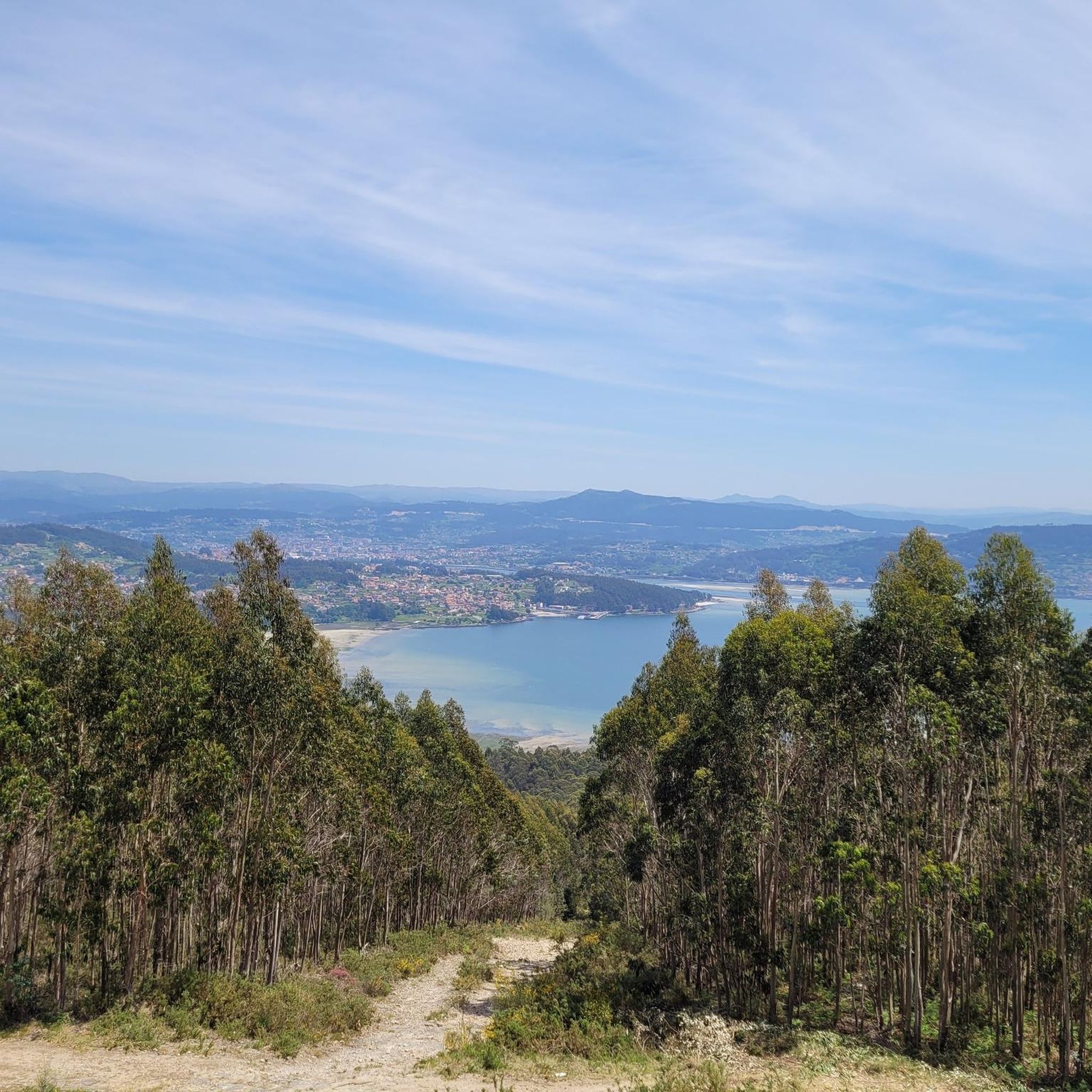
Poio is renowned for its breathtaking viewpoints. The Monte Castrove Viewpoint, at 613 meters, offers one of the broadest panoramic views of the Pontevedra estuary, including the city of Pontevedra, Marín, Tambo Island, and Ons Island. Other impressive viewpoints like Loureiro, Campanario, and Tartaruga provide vistas of the estuary, the historic Combarro, and the A Seca cove. The Cabo Udra Coastal Landscape also provides ingenious views and a unique landscape.
Are there family-friendly natural monuments in Poio?
Absolutely. Many natural monuments in Poio are suitable for families. Lake Cotorredondo is a recreational area with marked paths, fountains, and playgrounds. The Ensenada de A Reiboa, with its Parque da Memoria, offers recreational areas, walking paths, and even a small dog-friendly beach. The Colón Forest also provides walking paths and a rest area with stone tables for picnics, making it ideal for a family outing.
What is the best time of year to visit the natural monuments in Poio?
Poio benefits from pleasant temperatures year-round due to its coastal location. The summer months are particularly popular for visiting Tambo Island, as it's open for visits with boat routes. Generally, spring and early autumn offer comfortable weather for exploring the walking paths, coastal areas, and viewpoints without the peak summer crowds, allowing for enjoyable outdoor activities.
How accessible are the natural monuments in Poio?
Access varies by location. Many coastal paths, such as those along Ensenada de Lourido and Ensenada de A Seca, are easily accessible and feature cycle lanes. For highlights like the Ulló Salt Flats, there's a small parking lot available for visitors to leave their cars and explore on foot. Tambo Island is accessible via boat routes departing from Combarro during specific times.
What outdoor activities can I do near these natural monuments?
The region around Poio offers a variety of outdoor activities. You can find numerous routes for mountain biking, gravel biking, and running. For example, there are MTB trails like 'Monte Castrove - vuelta por Mosteiro Armenteira y Monte Poio' and gravel biking routes such as 'Ponte Sampaio Bridge – Mysterious forest loop'. Running enthusiasts can explore trails like 'Praia do Padrón loop from Poio'. You can find more details on these activities in the MTB Trails around Poio, Gravel biking around Poio, and Running Trails around Poio guides.
Are there hiking trails near the natural monuments in Poio?
Yes, there are several hiking opportunities. Lake Cotorredondo, for instance, is structured around the lake and its feeding streams, offering perfectly marked paths. The Colón Forest also provides pleasant walking paths. Coastal paths along areas like Ensenada de Lourido and Ensenada de A Seca are excellent for leisurely strolls with beautiful views of the Ría de Pontevedra. For more challenging routes, consider the MTB or running guides which often include segments suitable for hiking.
What do visitors enjoy most about the natural monuments in Poio?
Visitors frequently praise the stunning natural beauty and tranquility. Many appreciate the 'ingenious views' and 'paradisiacal' landscapes at places like Cabo Udra Coastal Landscape. The diverse ecosystems where fresh and salt water meet, such as at the Ulló Salt Flats, are also highly valued. The presence of well-maintained recreational areas and paths, like those at Lake Cotorredondo, contributes to a positive visitor experience.
Can I visit Tambo Island, and what makes it special?
Yes, Tambo Island is open for visits during the summer months and on specific dates throughout the year, with boat routes departing from the port of Combarro. What makes it special is its unique blend of natural beauty and rich history. The island has a distinctive pyramidal shape, features two small beaches (Area da Illa and Adreirá), and a lighthouse. Historically, it's been home to an Iron Age settlement, a hermitage, a monastery, and even served as a lazaretto and military arsenal, offering a captivating journey through time.
Are there any natural monuments in Poio that are particularly good for birdwatching?
Yes, the coastal areas of Poio are excellent for birdwatching. The Ensenada de Lourido is notable for its diverse bird species, combining beach areas with extensive green spaces. Similarly, the Ensenada de A Seca is recognized for its marsh vegetation and a wide variety of migratory birds, making it an important ecological area and a prime spot for observing avian life.
What is the Colón Forest, and why is it a significant natural monument?
The Colón Forest, located atop Monte Castrove, is a unique natural monument because it is home to a large number of Californian Redwood (Sequoya roja) trees. Planted in 1992, it symbolizes the brotherhood between the Old and New Worlds and stands as one of Europe's largest forests composed of these majestic trees. Its significance lies in its exotic specimens creating an attractive landscape, offering serene walking paths, and providing views of the Ría de Pontevedra estuary.
Most popular attractions around Poio

Get inspired with the komoot mobile app


Explore more
Extend your search for the best caves by checking out these guides of the top ones around Poio:
