Top 19 Natural Monuments around Corcubión
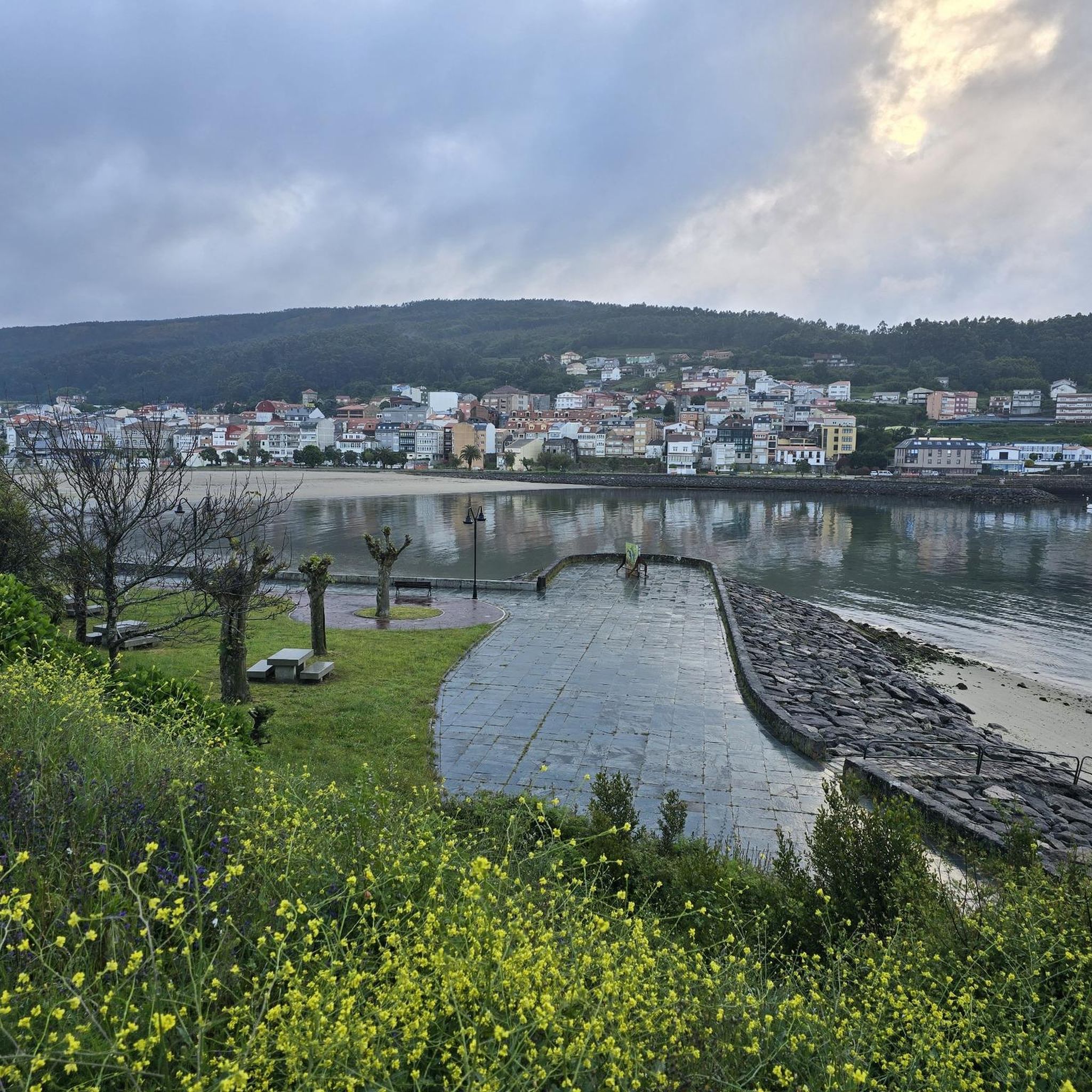
Best natural monuments around Corcubión are found on the Costa da Morte in Galicia, Spain, offering a blend of rugged coastal beauty and diverse ecosystems. The region features dramatic coastal viewpoints, serene beaches, and protected island ecosystems. Corcubión's landscape combines the tranquility of the Rías Baixas with the wild nature characteristic of the Costa da Morte, with a predominantly rocky coast and thick forests.
Best natural monuments around Corcubión
- The most popular natural monuments is Fisterra Lighthouse, a man-made…
Last updated: July 1, 2026
Fisterra Lighthouse
Highlight • Monument
Translated by Google •
Tip by

Pilgrim's Boot Sculpture
Highlight • Monument
Translated by Google •
Tip by

Sign up now to discover places like this
Get recommendations on the best single tracks, peaks, & plenty of other exciting outdoor places.
Sign up for free
Moa Summit (Monte Pindo)
Highlight • Summit
Translated by Google •
Tip by

Fountain of San Pedro Mártir
Highlight • Structure
Translated by Google •
Tip by
Ézaro Waterfall
Highlight • Waterfall
Translated by Google •
Tip by

Sign up for free to discover even more natural monuments around Corcubión.
Sign up for free
Already have an account?
Start today with a free account
Your next adventure awaits.
Login or Signup
Tips from the Community


I don't know if it's drinkable, it doesn't say anything but I drank like an animal from it.
0
0


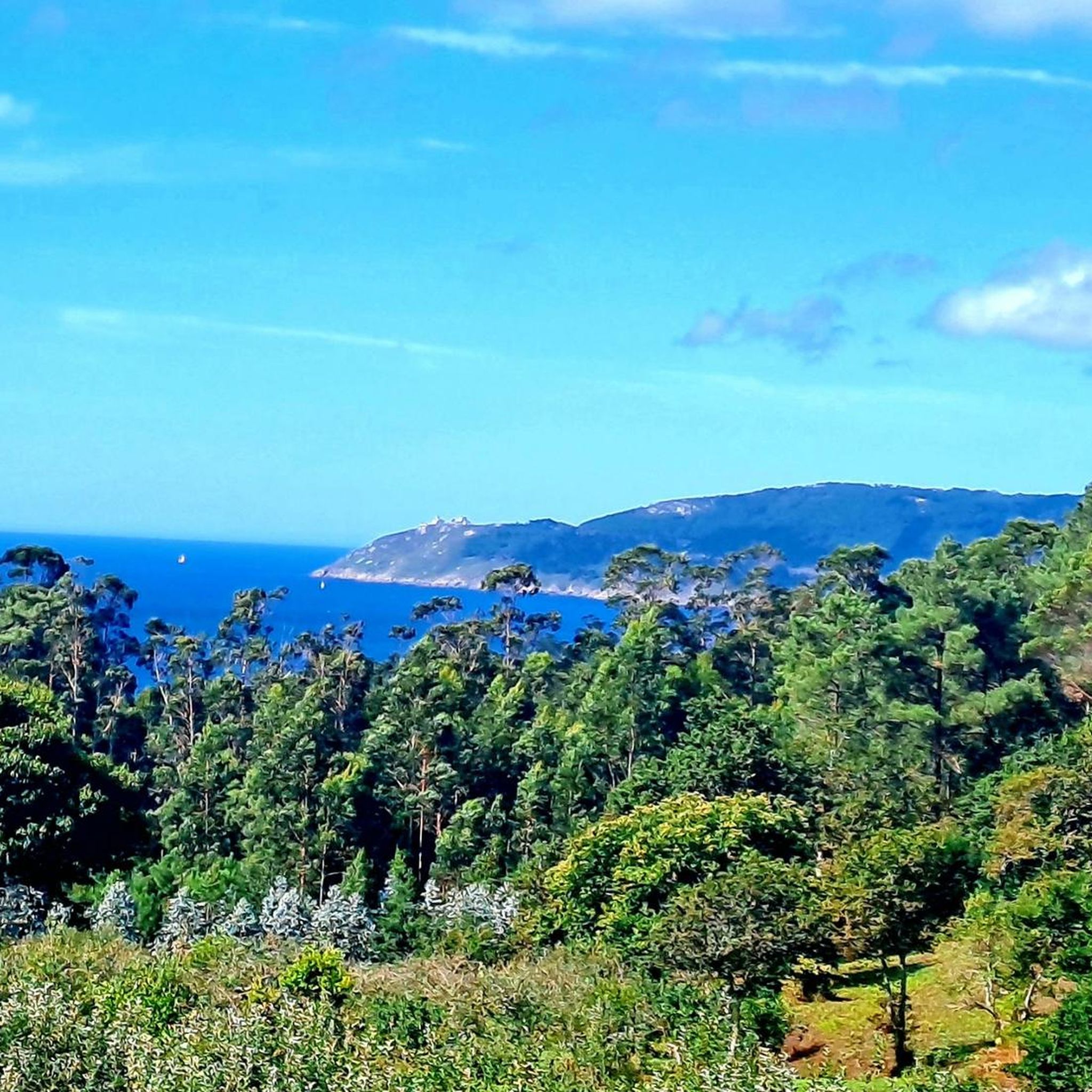
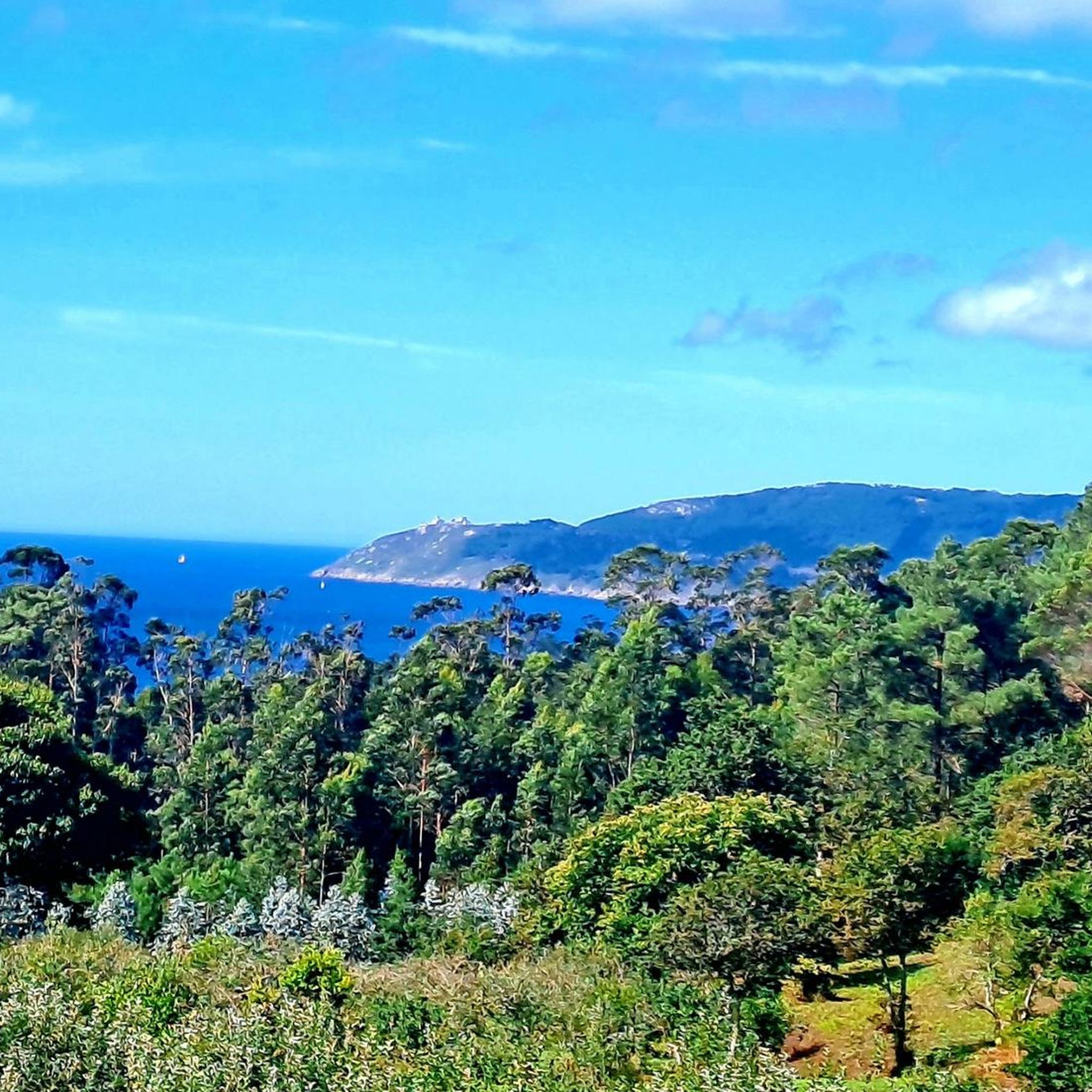
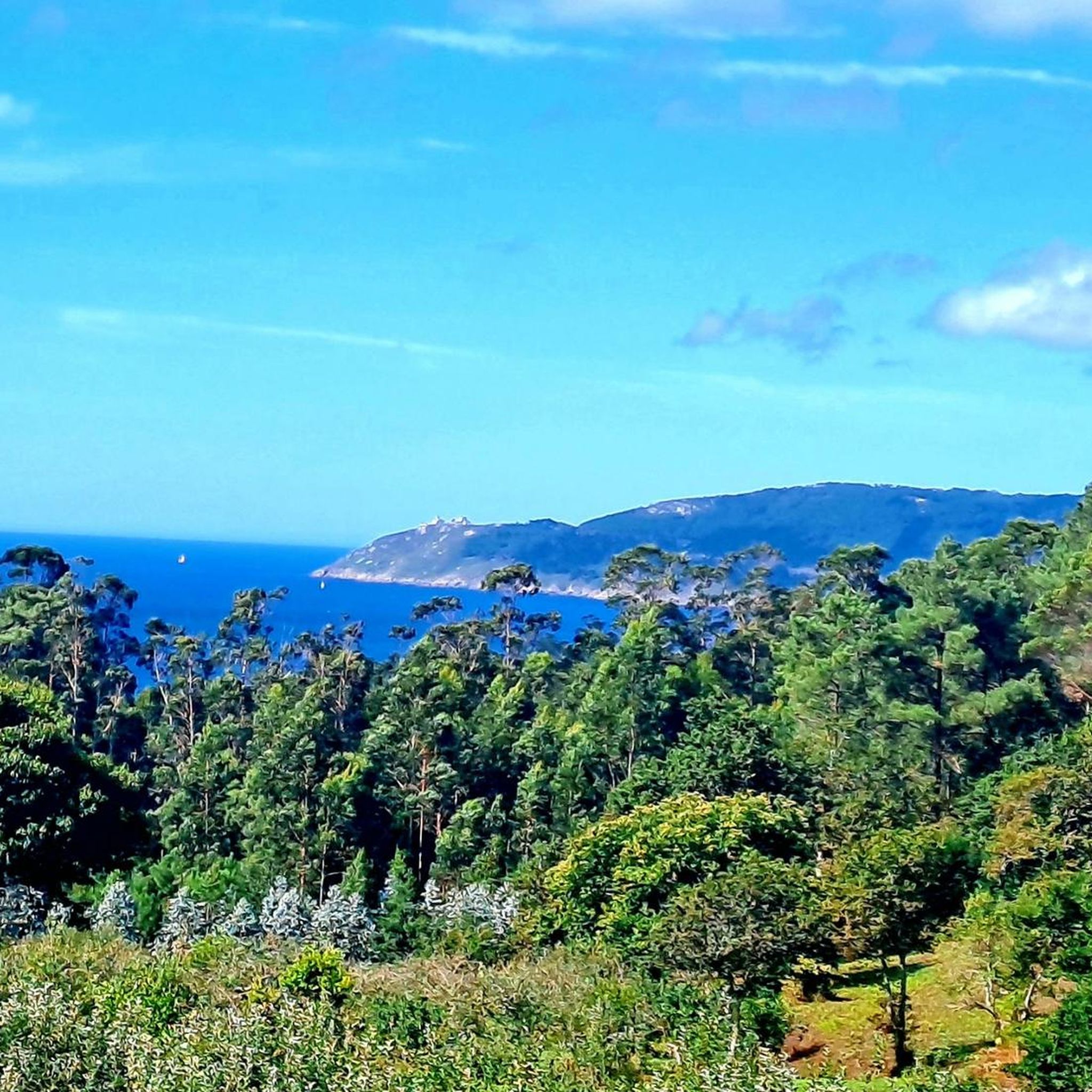
The way to the summit is a bit sweaty, but easy to walk in shorts and well signposted. You reach the summit in about 70 minutes. With the knowledge I have now gained after the tour I have just completed, I would now take the same route back. The way back - as others have already written - quickly becomes very thorny (gorse and blackberries) and the path becomes increasingly narrow. You are bound to get caught on the thorns all the time. It was a pretty bloody affair in shorts. In addition, shortly after leaving the summit, a thick cloud of fog rolled in from the sea and swallowed the mountain. With the cloud came heavy, constant drizzle. I was completely soaked in no time - from above and from the sides due to contact with the vegetation. All of this made the way back feel four times longer than the ascent and was then simply no longer fun. What the rain also showed: good hiking boots are absolutely essential. The rocks then become quite slippery in places. The climb was in mid-August, starting at around 10 a.m. (it is highly recommended to start early, as it is almost always cloudy/foggy in the afternoon) at 20 degrees.
1
0

We cooled off here too. These springs are very popular on warm days.
1
0
Very popular photo motif at the western end of the world. For some it's the end, for others it's the beginning...
1
0
Always there to cool down
0
0
Frequently Asked Questions
What unique natural features can I explore around Corcubión?
Corcubión offers a diverse range of natural features. You can visit the Lobeira Islands, a protected European Network site known for marine life and a historic lighthouse. Another significant spot is Cape Cee, providing panoramic views of the Corcubión estuary, Cape Fisterra, and Mount Pindo. The Corcubión Estuary itself is a blend of tranquil Rías Baixas and wild Costa da Morte landscapes, with rocky coasts and thick forests.
Are there any natural monuments suitable for families in Corcubión?
Yes, several natural monuments around Corcubión are family-friendly. The Fisterra Lighthouse is easily accessible and offers historical context and stunning views. The Fountain of San Pedro Mártir is another option, featuring a small chapel and a sacred spring. Additionally, the Pilgrim's Boot Sculpture provides a popular photo opportunity with great views, and the Ézaro Waterfall is a spectacular natural sight that is generally suitable for all ages.
What kind of historical or cultural sites are integrated with the natural monuments?
The region beautifully blends natural beauty with history. The Fisterra Lighthouse, for instance, is not just a natural monument but also a historical site marking the traditional 'end of the earth' and a significant point for Camino de Santiago pilgrims. The Fountain of San Pedro Mártir is associated with one of the oldest temples in the region, and its sacred spring is believed to have curative properties. Even Quenxe Beach has remnants of old salting factories, offering a glimpse into the area's industrial past.
What outdoor activities can I do near the natural monuments in Corcubión?
The area around Corcubión is excellent for various outdoor activities. You can find numerous hiking trails, such as the 'View of the Atlantic Ocean – Corcubión ⚓ loop from Cee' which is an easy 6.2 km route. For mountain biking, there are trails like the 'Cape Finisterre Lighthouse – Talón Beach loop from Estorde'. Runners can enjoy routes like the 'Corcubión ⚓ – Outdoor Fitness Park loop from Corcubión'. You can explore more options on the Hiking around Corcubión, MTB Trails around Corcubión, and Running Trails around Corcubión guide pages.
Are there challenging hikes to natural monuments for experienced adventurers?
Yes, for those seeking a challenge, the ascent to Moa Summit (Monte Pindo) offers impressive vistas and a rugged landscape. While the way up is beautiful, the descent can be particularly challenging due to overgrown trails and rocky terrain, requiring careful navigation and appropriate gear like long trousers. It's a rewarding experience for experienced hikers.
What do visitors enjoy most about the natural monuments in Corcubión?
Visitors frequently praise the breathtaking views and the rugged, impressive landscapes. The Fisterra Lighthouse is often highlighted for its unique atmosphere as the 'end of the world' and its significance for pilgrims. The Ézaro Waterfall is consistently described as a spectacular and very impressive natural phenomenon. The sense of history and the unique photo opportunities, such as at the Pilgrim's Boot Sculpture, are also highly appreciated.
Can I see wildlife at the natural monuments in Corcubión?
The Lobeira Islands, located in the Corcubión estuary, are recognized for their ecological significance as part of the European Network of Protected Areas. They are home to a rich variety of marine life, including seaweeds, sea urchins, crabs, starfish, and various fish, forming vital life reserves. While direct interaction might be limited due to their protected status, the islands offer a glimpse into a thriving coastal ecosystem.
What is the best time of year to visit the natural monuments around Corcubión?
The Costa da Morte region, including Corcubión, generally offers pleasant conditions for exploring natural monuments from late spring through early autumn (May to October). During these months, the weather is typically milder and drier, making outdoor activities more enjoyable. However, the dramatic coastal scenery is captivating year-round, with winter offering a wilder, more untamed experience for those prepared for cooler, wetter conditions.
Are there any easy walks to natural monuments in the area?
Yes, for easier walks, you can explore the promenade bordering Quenxe Beach, which offers a pleasant stroll with views of the white sand and easy access to Corcubión town. While not a specific highlight, the general area around the Corcubión Estuary provides opportunities for gentle coastal walks, allowing you to enjoy the scenery without strenuous effort. Many of the viewpoints, like Cape Cee, are also accessible with relatively easy approaches.
Where can I find information about the historical significance of Corcubión itself?
While this guide focuses on natural monuments, Corcubión town has a rich history. You can find more information about its historical and artistic ensemble by visiting the Visit Costa da Morte website.
What kind of coastal features can I expect to see?
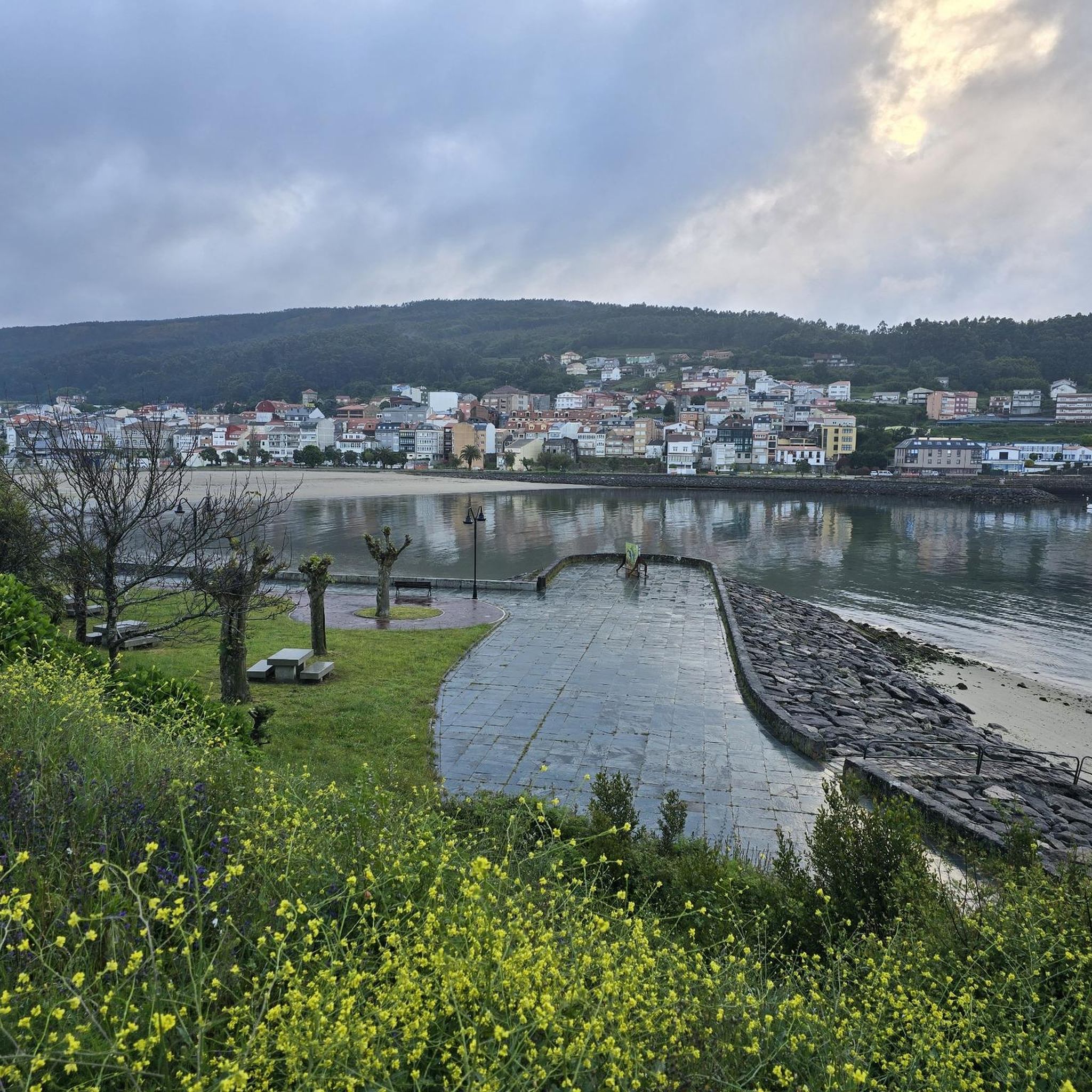
Corcubión's coast is predominantly rocky, offering dramatic cliffs and rugged beauty, especially visible from viewpoints like Cape Cee. However, within the estuary, you'll find calmer sections and serene beaches like Quenxe Beach with its white sand. The Lobeira Islands also feature small sandy areas formed by shell fragments at low tide, showcasing the diverse coastal geology of the region.
Most popular attractions around Corcubión

Get inspired with the komoot mobile app


Explore more
Extend your search for the best caves by checking out these guides of the top ones around Corcubión:
