Top 16 Natural Monuments around Santillana Del Mar
Best natural monuments around Santillana Del Mar are situated in Cantabria, Spain, an area known for its diverse natural landscapes. The region features significant geological formations, pristine coastlines, and rich ecosystems. These natural sites offer insights into the area's geological history and provide varied outdoor experiences. The landscape is characterized by its coastal cliffs, sandy beaches, and unique rock formations.
Best natural monuments around Santillana Del Mar
- The most popular natural monuments is Santa Justa Beach, a beach also…
Last updated: July 1, 2026
Santa Justa Beach
Highlight • Beach
Translated by Google •
Tip by

El Sable Beach
Highlight • Beach
Translated by Google •
Tip by

Sign up now to discover places like this
Get recommendations on the best single tracks, peaks, & plenty of other exciting outdoor places.
Sign up for free
El Bolao Cliff
Highlight • Gorge
You can also see the ruins of a mill at the mouth of Arroyo de la Presa
Translated by Google •
Tip by

Altamira Cave
Highlight • Cave
Translated by Google •
Tip by

Calderón Cove
Highlight • Beach
Translated by Google •
Tip by

Sign up for free to discover even more natural monuments around Santillana Del Mar.
Sign up for free
Already have an account?
Start today with a free account
Your next adventure awaits.
Login or Signup

Tips from the Community

The hike is not suitable for people with a fear of heights.
0
0

Tagle Beach is a wild cove in the municipality of Suances, and often has high waves and strong currents.
0
1

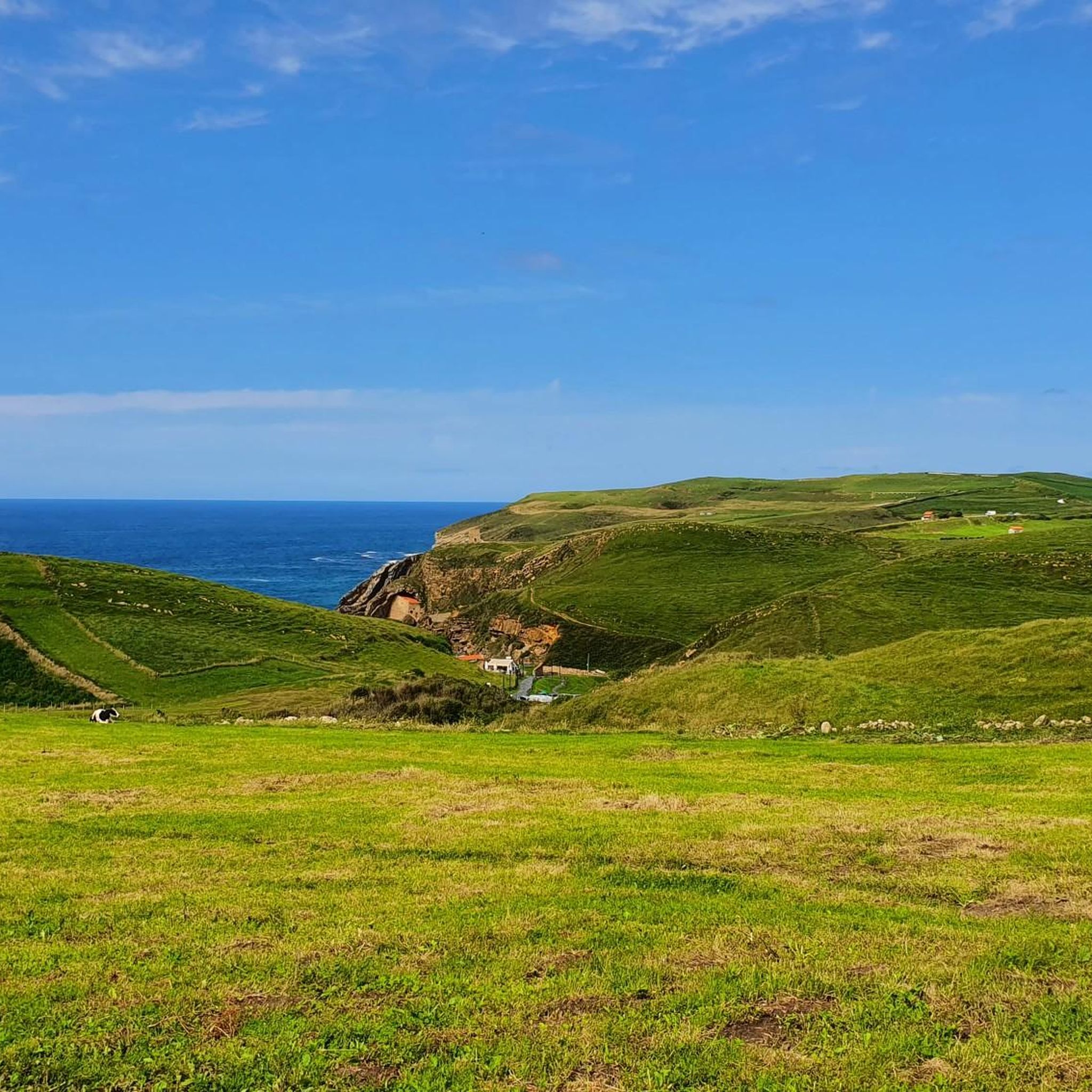
The Bolao Cliff is a stunning natural setting on the coast of Cantabria, Spain, between Cóbreces and Toñanes. It is famous for the El Bolao waterfall, which falls directly into the sea, and for the ruins of a medieval mill. The landscape combines the green meadows with the rugged Cantabrian Sea coast, offering spectacular views.
3
1

El Sable Beach, located in Tagle, a town in the municipality of Suances (Cantabria), is a natural gem perfect for those seeking tranquility and scenic beauty.
4
0

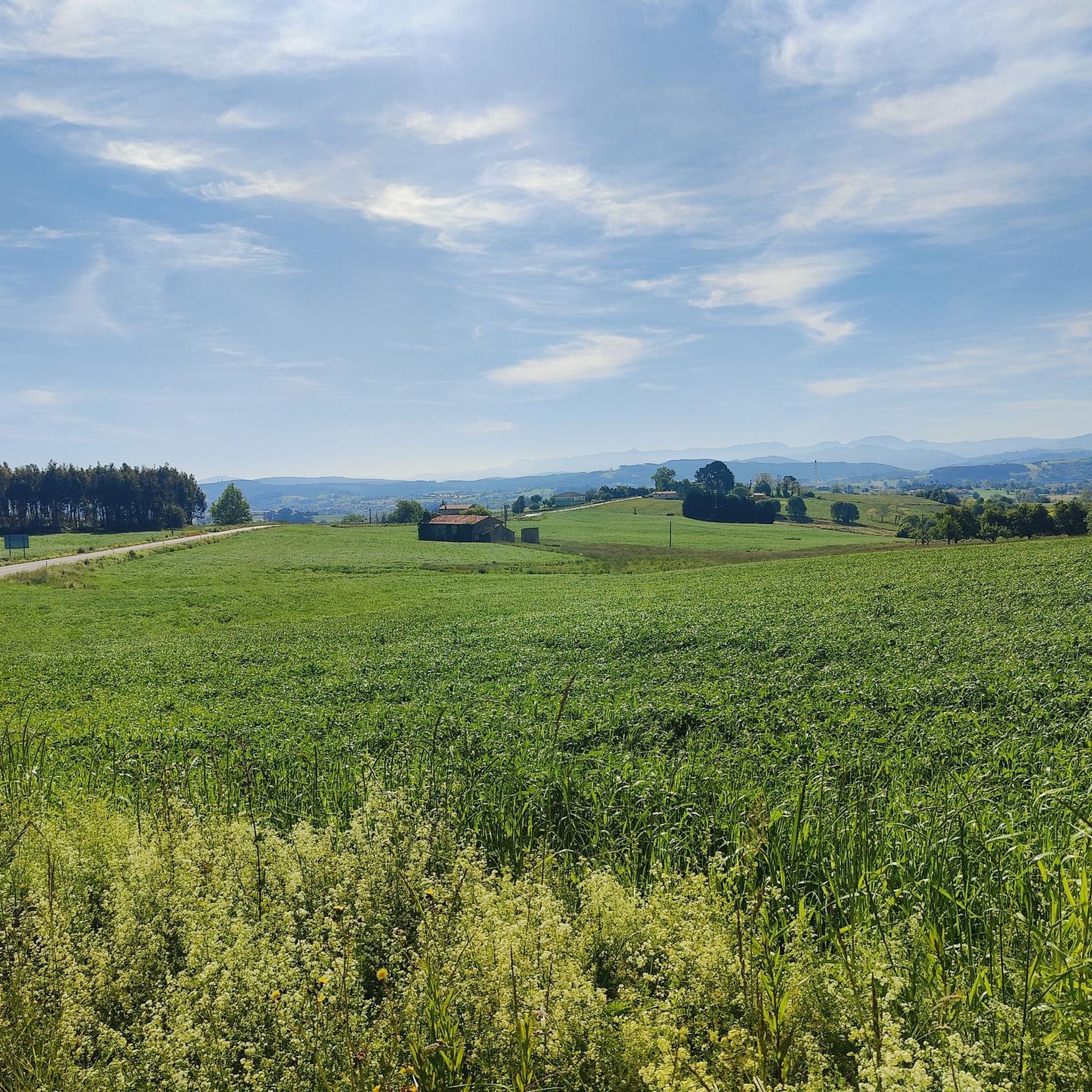
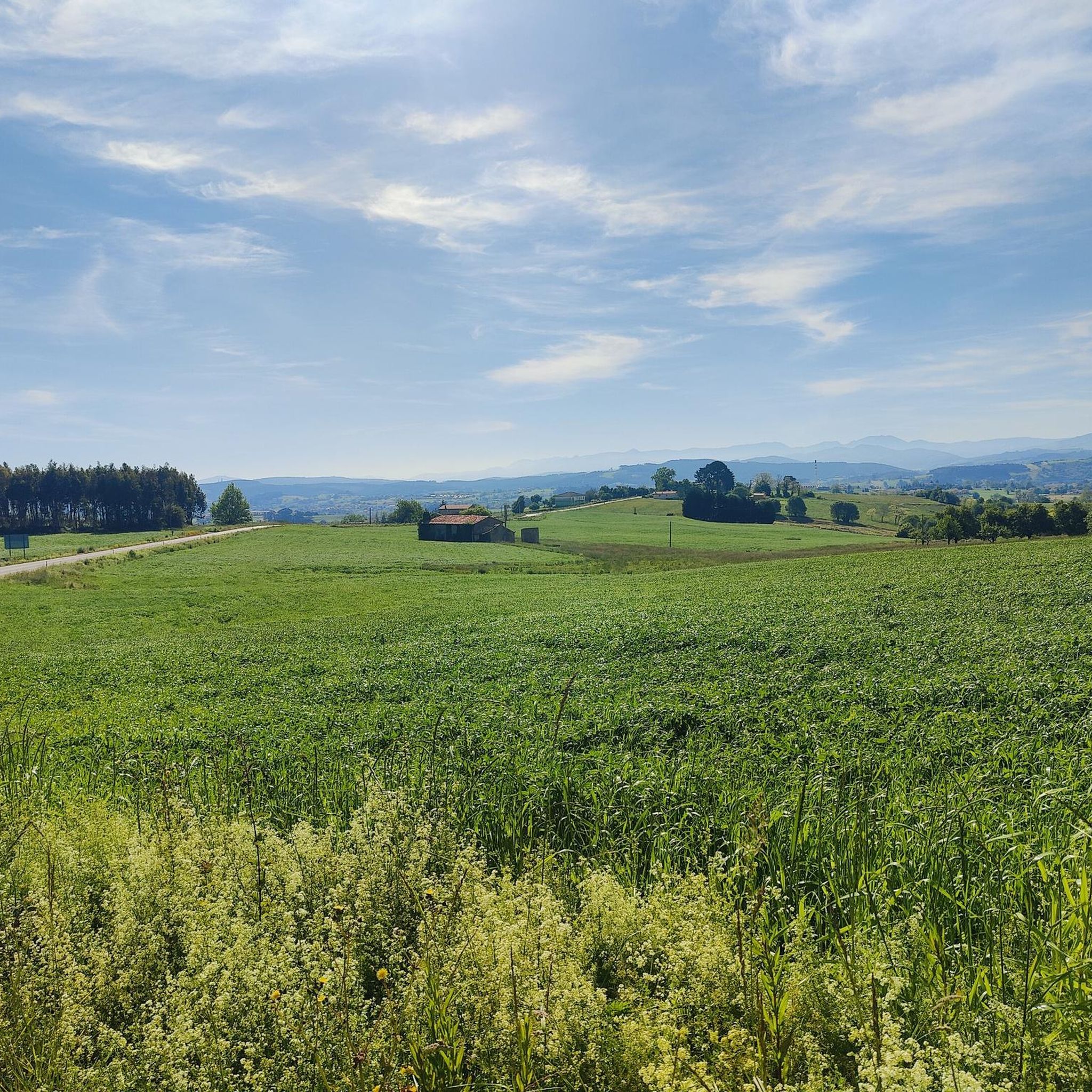
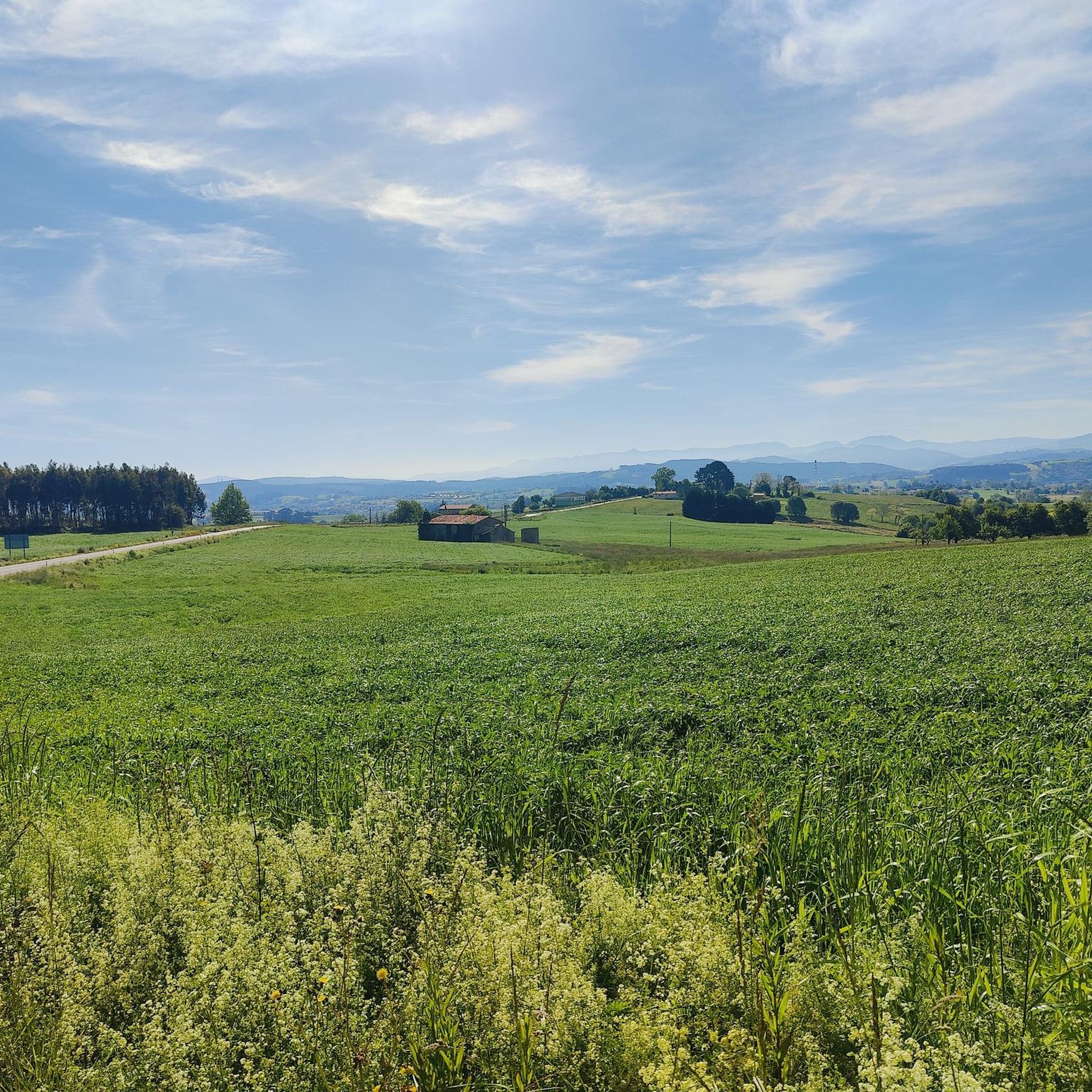
A beautiful coastal hike with views of the Picos de Europa, the Sierra de Cuera, and, in the distance, the coast of Asturias, approximately 60 km away. The hike starts at the La Santuca restaurant (recommended) in the tiny village of Arroyo (Santillana).
0
0

The Altamira Cave covers an area of more than 5500 m². It was used from 33,600 BC until the entrance collapsed in 11,000 BC. The particularly impressive ceiling paintings are dated to the period 16,500 to 13,000 BC.[3] The cave was discovered in 1868 by a hunter due to the disappearance of a hunting dog, who immediately reported the discovery to the lord of Santillana,[2] the naturalist Marcelino Sanz de Sautuola (1831–1888). The paintings were discovered by Sautuola's five-year-old daughter Maria, who was able to walk upright through the cave and made out images of "cattle" on the ceiling.[2] Marcelino began systematically digging in the cave in 1879[2] and published a short description of the "prehistoric objects in the province of Santander". Even the Spanish King Alfonso XII was invited into the cave. However, the academic world doubted the authenticity of the cave paintings.[2] The French prehistorian Émile Cartailhac described the paintings as a "vulgar prank by a scribbler" that he and his contemporaries did not even want to look at. The discovery had to wait almost 23 years for recognition. It was only when similar paintings were discovered in the Font-de-Gaume cave near Les Eyzies-de-Tayac-Sireuil in the Dordogne department (France) in 1901 that the attitude of French researchers and Cartailhac, who became the symbol of archaeological ignorance, changed. Cartailhac apologized posthumously to the Marquis de Sautuola in an essay in 1902 ("Mea culpa" d'un sceptique[4]).
0
0
The Altamira Cave covers an area of more than 5500 m². It was used from 33,600 BC until the entrance collapsed in 11,000 BC. The particularly impressive ceiling paintings are dated to the period 16,500 to 13,000 BC.[3] The cave was discovered in 1868 by a hunter due to the disappearance of a hunting dog, who immediately reported the discovery to the lord of Santillana,[2] the naturalist Marcelino Sanz de Sautuola (1831–1888). The paintings were discovered by Sautuola's five-year-old daughter Maria, who was able to walk upright through the cave and made out images of "cattle" on the ceiling.[2] Marcelino began systematically digging in the cave in 1879[2] and published a short description of the "prehistoric objects in the province of Santander". Even the Spanish King Alfonso XII was invited into the cave. However, the academic world doubted the authenticity of the cave paintings.
2
0

End of the road stop but worth it because you can see the inlet perfectly and enjoy fantastic views of the sea. Supposedly there is a small port that was used in the past as an old zinc ore loading dock for the nearby mines, but I didn't feel like investigating it too much because as @oscargynko says there is quite a slope and a lot of rocks... perhaps there is a more viable way to go down another way.
0
1
Frequently Asked Questions
What are some popular natural monuments to visit around Santillana del Mar?
Among the most popular natural monuments are Santa Justa Beach, known for its hermitage within a spectacular anticline fold, and El Bolao Cliff, which offers stunning coastal views and the ruins of an old mill. Visitors also enjoy El Sable Beach, featuring coastal flysch formations and amenities like picnic areas.
Are there any family-friendly natural monuments in the area?
Yes, several natural monuments are suitable for families. Santa Justa Beach and El Sable Beach are both listed as family-friendly, offering pleasant environments for all ages. El Sable Beach, in particular, has picnic areas and a beach bar, making it convenient for a family outing.
What unique geological features can I explore near Santillana del Mar?
The region is rich in geological wonders. You can explore the coastal flysch formations at El Sable Beach, or witness the impressive anticline fold at Santa Justa Beach where an old hermitage is nestled. Further afield, the El Soplao Cave is globally unique for its abundance of eccentric speleothems like helictites, stalagmites, and curtains, offering a captivating underground experience. You can learn more about El Soplao Cave on Wikipedia.
What historical or cultural sites are integrated with the natural monuments?
The region beautifully blends natural beauty with history. At Santa Justa Beach, an ancient hermitage is uniquely situated within a natural rock formation. El Sable Beach offers views of the medieval Torre de San Telmo. The nearby Cave of Altamira, a UNESCO World Heritage Site, is renowned for its prehistoric cave paintings, offering profound insights into early human creativity. While the original cave is restricted, a replica at the Altamira Museum allows visitors to appreciate this ancient art. More information can be found on Wikipedia.
Are there good viewpoints to appreciate the natural beauty of the coast?
Absolutely. El Bolao Cliff provides typical Cantabrian coastal views, while Punta Ballota offers excellent panoramic vistas of the western coast. Calderón Cove also boasts breathtaking views, including distant glimpses of the Picos de Europa on clear days.
What outdoor activities can I do near the natural monuments around Santillana del Mar?
The area offers a variety of outdoor activities. You can find numerous hiking trails, including moderate routes like the 'View of the Cantabrian Coast – Onzapera Cove loop'. For cycling enthusiasts, there are gravel biking and MTB trails, such as the 'Suances to Santillana del Mar Coastal Loop'. You can explore more options and detailed routes in the Hiking around Santillana Del Mar, Gravel biking around Santillana Del Mar, and MTB Trails around Santillana Del Mar guides.
Are there hiking trails near these natural monuments?
Yes, there are several hiking trails that allow you to explore the natural monuments. For instance, you can take a moderate 12 km hike on the 'View of the Cantabrian Coast – Onzapera Cove loop from Santillana del Mar' or an 8 km route on the 'Santa Justa Beach – Onzapera Cove loop'. An easy 5.5 km trail, 'Altamira Museum – Altamira Cave loop', is also available. Find more hiking options in the Hiking around Santillana Del Mar guide.
What is the Saja-Besaya Natural Park, and why is it worth visiting?
Saja-Besaya Natural Park is Cantabria's largest natural park, characterized by vast deciduous forests of ancient beech and oak. It's home to diverse wildlife, including deer, wild boar, and various birds of prey. It's worth visiting for nature lovers, hikers, and wildlife enthusiasts, offering numerous well-signposted routes and opportunities to witness events like the deer bellowing season in autumn.
What do visitors enjoy most about the natural monuments around Santillana del Mar?
Visitors frequently praise the stunning coastal views and the unique blend of natural beauty with historical elements. The tranquility of spots like El Sable Beach, the dramatic cliffs of El Bolao Cliff, and the distinctive geological formations are highly appreciated. The opportunity to immerse oneself in nature and discover hidden gems like the hermitage at Santa Justa Beach also receives positive feedback.
Is there a significant forested area nearby for walks?
Yes, Monte Corona is a significant forested area near Santillana del Mar, spanning over 1,200 hectares. It features both repopulated species and valuable native Cantabrian oak groves. It's an excellent place for pleasant walks, allowing visitors to enjoy tranquil natural surroundings and appreciate the diverse tree species of the region.
What is the best time to visit the natural monuments around Santillana del Mar?
The natural monuments, especially the coastal ones like Santa Justa Beach, can be enjoyed at any time of the year. For activities like hiking in Saja-Besaya Natural Park, spring and autumn offer pleasant temperatures and vibrant scenery, with autumn being particularly special for witnessing the deer bellowing season. Summer is ideal for beach activities, though popular spots can be more crowded.
Most popular routes around Santillana Del Mar
Most popular attractions around Santillana Del Mar

Get inspired with the komoot mobile app


Explore more
Extend your search for the best caves by checking out these guides of the top ones around Santillana Del Mar:
