Top 20 Natural Monuments around Ses Salines
Best natural monuments around Ses Salines are found within a significant natural park, encompassing both land and marine areas between Ibiza and Formentera. This region is recognized for its ecological, historical, and cultural importance, including UNESCO World Heritage status for its Posidonia oceanica meadows. The park features diverse terrains such as salt flats, wetlands, sand dunes, and forests, alongside a rich biodiversity. These natural features contribute to the area's clear waters and provide habitats for numerous species, offering varied exploration…
Last updated: October 18, 2026
Cala Mondragó Beach
Highlight • Beach
Songbirds, including the rare stonechat, are …
Translated by Google •
Tip by

S'Amarador Beach
Highlight • Beach
Translated by Google •
Tip by

Sign up now to discover places like this
Get recommendations on the best single tracks, peaks, & plenty of other exciting outdoor places.
Es Pontàs Natural Arch
Highlight • Natural Monument
Translated by Google •
Tip by

Cala d'es Moro
Highlight • Beach
Translated by Google •
Tip by

Es Trenc Beach
Highlight • Beach
Translated by Google •
Tip by

Sign up for free to discover even more natural monuments around Ses Salines.
Already have an account?
Start today with a free account
Your next adventure awaits.
Tips from the Community

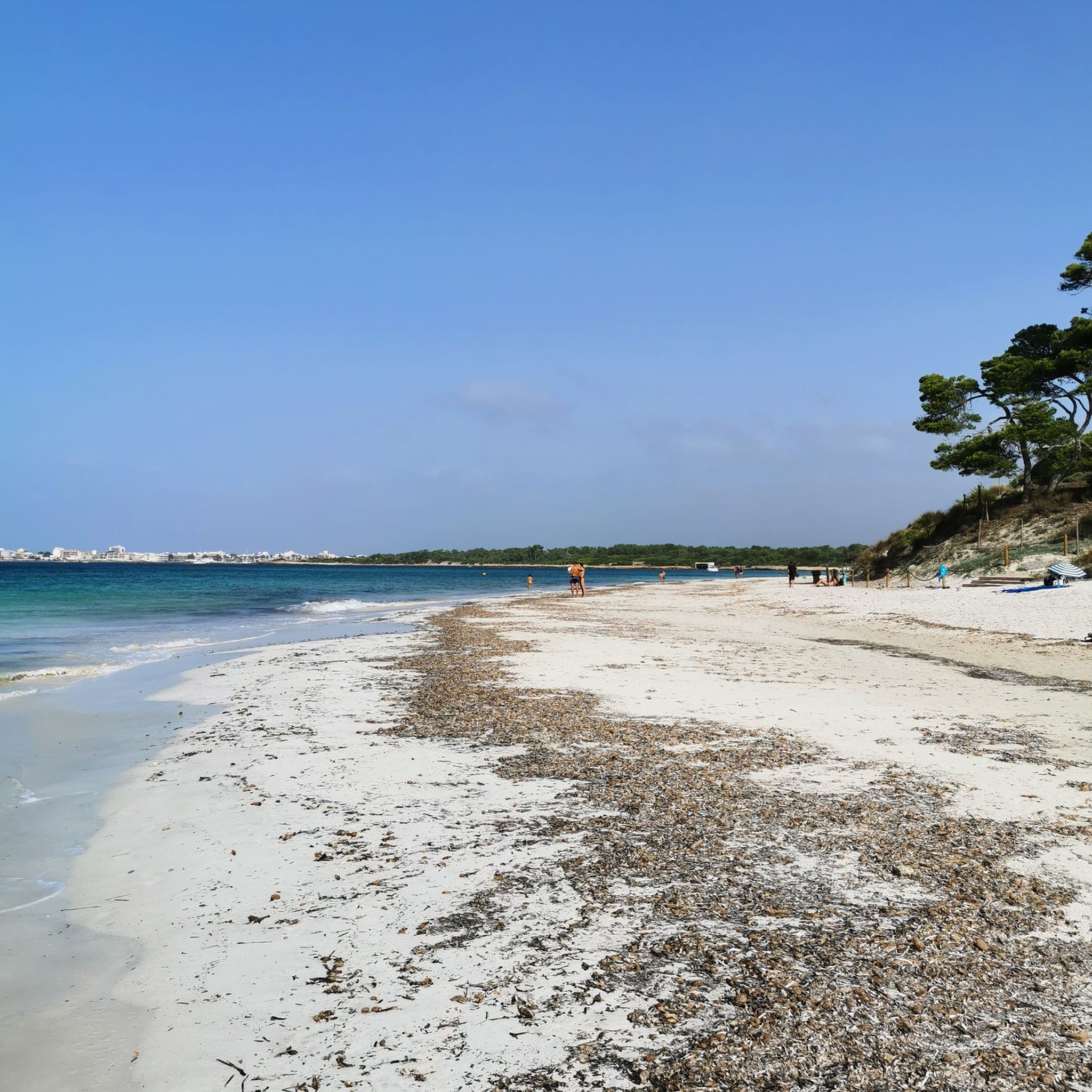
Es Trenc in the south of Mallorca is a real dream beach that, with its fine white sand and crystal-clear, shallow water, conjures up a bit of a Caribbean feeling on the island. Because the area is completely protected, there are no large hotel bunkers far and wide, but instead a beautiful, untouched dune landscape and the well-known salt pans in the background. This stretch of coast is extremely popular, especially in summer, and attracts a lot of sun-seeking bathers, which is why it's best to head for the western corners if you're looking for a bit more peace and quiet.
2
0

This beautiful natural beach is located in the Mondrago Bay, a bay of the same name, in the Mondrago Nature Park. It is four years prettier than the local beach coves in Cala d'Or.
1
0

"For many, it is not only the most beautiful beach in Spain, but in all of Europe. Located in the middle of a national park, s'Amarador is a fine sandy bay in the southeast of Mallorca and a small paradise for bathers, holidaymakers, and locals. As one of two beaches in Cala Mondragó, it is sheltered in the southern part of the bay. Bathers experience a special feeling due to the lack of development. Barely surrounded by hotels, it offers a small oasis of peace and relaxation. Instead, the bay is framed by rocky cliffs and pine groves. The beach slopes gently into the water and is a natural beauty. Turquoise water that sparkles in the sun and many lush green Mallorcan plants surround it. The beach is just 150 meters long and 50 meters wide. Along the cliffs, you reach the neighboring beach in the bay of Mondragó. It is called Cala de ses Fonts de n'Alís and is separated from the bay only by a rock. s'Amarador is separated. The stunning location in the Mondragó Natural Park and its child-friendly conditions make s'Amarador particularly attractive for families. https://www.holamallorca.com/de/mallorca/reisefuehrer/straende/strand-s-amarador.htm
2
0

From the beach to the view of the rock arch you first have to climb 130 steps. Then you walk a few meters along the road to get to a footpath that takes you directly to the photo spot.
1
0

Es Santos "The Gate to the Sea" is located on the coastline of Santanyi between Cala Santanyi and Cala Llombards. The bridge (Es Pontas) is made of natural stone and has been washed away by weather, sea and waves over the centuries. The sea around the stone gate is an Eldorado for divers and snorkelers. It can also be integrated into a boat trip.
1
0

A beautiful beach, very cozy now in spring, still not many people, but the sea is cold.
8
1

Es Pontàs, in Catalan language means “The big bridge”, is a natural arch situated in the southeastern coast of Mallorca, between the Cala Santanyí and Cala Llombards. Es Pontàs is a natural rock arch popular between sunrise seekers, picture takers and rock climbers. To reach the Es Pontàs lookout is easy following the signs to Cala Santanyi and then Es Pontàs. To reach the lookout you need to take a short walk through rocky terrain, so beach shoes aren’t recommended. It is a popular walking trail of Mondrago Natural Park.
2
1

Path along the sea with a view of the next beach
4
0
Frequently Asked Questions
What are some of the most popular natural monuments to visit around Ses Salines?
The region offers a variety of natural monuments. Among the most popular are Es Pontàs Natural Arch, an iconic 25-meter high rock arch rising from the sea, and Cala Mondragó Beach, known for its fine white sand and turquoise waters within a species-rich nature reserve. Visitors also highly appreciate S'Amarador Beach for its clear waters and serene atmosphere.
Are there family-friendly natural monuments in the Ses Salines area?
Yes, several natural monuments are well-suited for families. Cala Mondragó Beach and S'Amarador Beach are both considered family-friendly, offering shallow, clear waters and beautiful surroundings. The View of Cala Mondragó also provides accessible paths and scenic spots for all ages within the nature reserve.
What unique natural features can I expect to see in Ses Salines Natural Park?
Ses Salines Natural Park is renowned for its diverse ecosystems. You can explore the extensive Posidonia oceanica meadows, which are a UNESCO World Heritage site and contribute to the exceptional clarity of the waters. The historic Salt Flats (Salinas) are another unique feature, where you can observe traditional salt production and witness the pans turn pink or violet, especially in summer. The park also features lush wetlands, remarkable sand dunes, and dense forests.
What historical and cultural sites are part of the natural monuments in Ses Salines?
The natural monuments in Ses Salines are intertwined with rich history. The Salt Flats (Salinas) have been central to Ibiza's economy for over 2,000 years, with salt extraction dating back to the Phoenicians. You can also find historical defense towers like the 16th-century Torre de Sal Rossa (or des Carregador), built to protect salt shipments and inhabitants from pirate attacks, and the approximately 500-year-old Ses Portes Tower.
What is the best time of year to visit the natural monuments around Ses Salines?
The period between August and October is particularly special for birdwatching, as hundreds of flamingos arrive at the salt flats to spend the winter or rest during their migration. For enjoying the beaches and marine life, the warmer months offer ideal conditions for swimming and snorkeling. Spring and autumn provide pleasant temperatures for hiking and exploring the diverse landscapes without the peak summer crowds.
Are there opportunities for wildlife spotting in Ses Salines Natural Park?
Absolutely. Ses Salines is a vital stopover and nesting area for over 210 species of migratory birds. The salt flats are famous for attracting hundreds of flamingos, especially between August and October. Other species like black-winged stilts, avocets, Kentish plovers, and herons are also common. The park is also home to the only breeding pair of golden falcons and osprey at Cap des Falcó.
What outdoor activities can I do near the natural monuments in Ses Salines?
The area around Ses Salines offers a variety of outdoor activities. You can find numerous routes for road cycling, gravel biking, and general cycling. For example, there are moderate road cycling routes like the Porto Petro Harbor – Santanyí Market loop, or gravel biking options such as the Colònia de Sant Jordi Beach – Cap de ses Salines Lighthouse loop. You can explore more options on the Road Cycling Routes around Ses Salines, Gravel biking around Ses Salines, and Cycling around Ses Salines guide pages.
Are there hiking trails that connect the natural monuments?
Yes, the natural park features various hiking trails that allow you to explore its diverse landscapes. For instance, a rocky path connects different beach sections within the Mondragó Natural Park, including Cala Mondragó Beach and S'Amarador Beach. These trails often lead through forests, past sand dunes, and offer scenic views of the coastline.
Where can I find the best viewpoints to appreciate the natural beauty of Ses Salines?
For magnificent coastal views, the Cap des Falcó offers panoramic vistas of the coast, salt ponds, and Codolar beach, making it an excellent spot for sunsets. The View of Cala Mondragó also provides stunning perspectives over the bay and the surrounding nature reserve. Many of the beaches, like Cala d'es Moro, offer picturesque settings from their shores.
What should I bring when visiting the natural monuments in Ses Salines?
When exploring the natural monuments, especially if you plan to hike or spend time on the beaches, it's advisable to bring water, sun protection (hat, sunscreen), comfortable walking shoes, and swimwear. For birdwatching, binoculars are highly recommended. If visiting during peak season, arriving early can help secure a good spot at popular beaches.
Are there any specific regulations or tips for preserving the natural environment?
Yes, as a protected natural park and UNESCO World Heritage site, visitors are encouraged to respect the environment. This includes staying on marked paths, not disturbing wildlife, and taking all rubbish with you. At places like Cala d'es Moro, specific rules like no smoking or camping are in place to preserve the untouched nature.
Most popular routes around Ses Salines
Most popular attractions around Ses Salines

Get inspired with the komoot mobile app


Explore more
Extend your search for the best caves by checking out these guides of the top ones around Ses Salines:
