Top 8 Natural Monuments around Mendexa
Natural monuments around Mendexa showcase a diverse landscape where the Bay of Biscay meets mountainous terrain. This region in Bizkaia features significant natural scenery and ecological value. Mendexa is characterized by its coastal areas, river mouths, and inland geological formations. The area provides opportunities to explore protected natural environments and unique natural landmarks, with 8 natural monuments available for discovery.
Best natural monuments around Mendexa
- The most popular natural monument is Oma Forest, a forest known for its unique…
Last updated: July 1, 2026
Oma Forest
Highlight • Forest
Translated by Google •
Tip by

Ereño Marble Quarries
Highlight • Structure
Translated by Google •
Tip by

Sign up now to discover places like this
Get recommendations on the best single tracks, peaks, & plenty of other exciting outdoor places.
Sign up for free
Hermitage of San Miguel de Arretxinaga
Highlight • Religious Site
The three large rocks inside draw attention, holding each other together. Within these rocks is the figure of the Archangel Saint Michael.
Translated by Google •
Tip by

Kalamendi Summit
Highlight • Summit
Showing Translation
Tip by

Karst Farmhouse
Highlight • Settlement
Translated by Google •
Tip by
Sign up for free to discover even more natural monuments around Mendexa.
Sign up for free
Already have an account?
Start today with a free account
Your next adventure awaits.
Login or Signup
Other adventures around Mendexa

Tips from the Community

A must-have photo upon reaching the summit...
0
0

The Oma Forest - Omako basoa in Basque - is also known as the painted forest, the enchanted forest or even the Ibarrola Forest. Its most common name - Oma Forest - refers to the district in which it is located, which belongs to the municipality of Kortezubi. This original work of art was created between 1982 and 1985, when the Basque painter and sculptor Agustín Ibarrola used the trunks of trees as a kind of canvas for a total of 47 images. On them he painted animals, geometric figures and people, or just parts of them, such as eyes and lips. In addition, many of the compositions do not consist of a single tree, but must be viewed in the context of several tree trunks. To do this, you must pay attention to the signs on the ground that tell the viewer where to stand in order to enjoy the whole image.
1
0

In 1982, artist Agustín Ibarrola began painting the pine trees in the forest near his homestead with the intention of using the landscape as a canvas to give continuity to his artistic expression. It is at this moment when he decides to break the law of perspective and transgress the three-dimensionality of a white line until it becomes two-dimensional. From then on, he explored the possibilities offered by the arrangement of the forest trees, playing with the different planes of depth and creating artistic sets composed of human figures, curves or straight lines, and circles of intense colors. The ideas and concepts that it develops become more complex and advances in various directions as the painted forest expands. With the help of two students from the Faculty of Fine Arts of the UPV/EHU, he carried out a large part of the work that was open to the public until 2018, at which time the biological cycle of the forest came to an end. Given the importance that the work had acquired, the Provincial Council of Bizkaia began the process of making the Forest last, for which it had from the first moment the support of the artist who had made clear his desire for the forest to survive. In this way and in order to preserve El Bosque de Oma, the Ibarrola work has been moved to a new location, also recovering original artistic ensembles lost due to felling, attacks and natural tree falls. Today we can enjoy El Bosque de Oma more complete and more faithful to the artist's original idea.
1
0
The Forest of Oma is one of the best-known works of the Basque artist Agustín Ibarrola and is an expression of the artistic movement known as Art and Nature, which emerged in the late sixties of the 20th century and whose purpose is to convey artistic work to the natural environment, using the landscape as a framework, support and raw material for the artist. The work, located in the town of Kortezubi (Bizkaia), is made up of several sets of geometric motifs and figures painted on the trunk of radiata pine trees. The use of natural living supports, the play of two-three-dimensionality and the experience of placing the visitor at the center of the work of art through his discovery, as well as the diversity of responses it proposes, make this work a reference of the Art and Nature movement and of Basque Art in particular.
1
0

Modest summit of 315 meters of altitude with a small mailbox from which you can see the surrounding mountains and even the sea, due to its proximity to the coast. At the top there is a geodesic vertex.
0
1
This hexagonal-shaped hermitage from the 18th century was built because the previous one was in ruins. The three large rocks inside draw attention, holding each other together. Within these rocks is the figure of the Archangel Saint Michael.
0
0
As you can see, this hamlet is located inside a sinkhole, which also makes it somewhat sheltered from the wind. This is another of the curiosities that can be seen in this area of great geological interest.
0
0

It is famous for its marble, and already in the 1st century AD the Romans exploited the quarries, now in disuse. There are literary references that describe Ereño as "Capital of the marble route", material found in many buildings in Urdaibai, and also on the other side of the ocean. According to data from the historian Tomás de Goikolea, Ereño was established in the 9th century, and the inhabitants of the municipality could be direct descendants of those who lived in the Santimamiñe cave. On September 29, the festival of San Miguel, mass and popular pilgrimage are celebrated. More info at: https://turismourdaibai.com/es/ereno-2/
0
0
Frequently Asked Questions
Beyond the most popular, what other unique natural monuments can I explore around Mendexa?
While Oma Forest and Kalamendi Summit are well-known, you can also discover the historical Ereño Marble Quarries, which were exploited by the Romans, or the intriguing Karst Farmhouse, uniquely situated within a sinkhole.
Are there natural monuments suitable for families with children?
Yes, several natural monuments are family-friendly. The Oma Forest offers an interactive artistic experience that children often enjoy. The Hermitage of San Miguel de Arretxinaga, with its unique interlocking rocks, can also be an interesting stop. Additionally, the nearby Karraspio beach is a beautiful and recreational spot ideal for families.
Do any natural monuments near Mendexa have historical or cultural significance?
Absolutely. The Ereño Marble Quarries have a rich history, with evidence of Roman exploitation. The Hermitage of San Miguel de Arretxinaga is an 18th-century religious building housing a unique natural rock formation. The Arropain marsh, while primarily ecological, also features the restored 16th-century Marierrota mill, which operated with the tides and now includes an interpretation center. The Oma Forest is a significant example of the 'Art and Nature' movement.
What kind of geological features or viewpoints can I expect to see?
Mendexa's natural monuments offer diverse geological sights and stunning viewpoints. The Kalamendi Summit provides panoramic views of the surrounding mountains and the sea. Inside the Hermitage of San Miguel de Arretxinaga, you'll find three large, naturally interlocking rocks. The Karst Farmhouse is notable for its location within a sinkhole, showcasing the region's geological interest.
What outdoor activities can I do near these natural monuments?
The area around Mendexa is excellent for various outdoor activities. You can find numerous routes for gravel biking, running, and road cycling. For example, there are challenging gravel biking routes like the 'View of Lekeitio – Karraspio Beach loop' and running trails such as 'Hill reps loop from Lekeitio'. You can explore more options and detailed routes on the Gravel biking around Mendexa, Running Trails around Mendexa, and Road Cycling Routes around Mendexa guide pages.
Are there hiking trails near these natural monuments?
While specific hiking trails directly linked to each natural monument aren't detailed, the region offers many walking paths and trails. The Running Trails around Mendexa guide includes routes that are also suitable for walking, such as the 'Ospital zaharra loop from Mendexa'. The Oma Forest itself is explored via walking paths to experience the painted trees.
What is the best season to visit Mendexa's natural monuments?
The best season to visit Mendexa's natural monuments is generally during the warmer months, from late spring to early autumn (May to October). This period offers pleasant weather for exploring coastal areas like Karraspio beach and hiking to viewpoints like Kalamendi Summit. The Oma Forest is also enjoyable during these seasons.
What do visitors enjoy most about the natural monuments around Mendexa?
Visitors particularly appreciate the diverse landscape where the Bay of Biscay meets mountainous terrain. The unique artistic expression of the Oma Forest is a major draw, as are the panoramic views from Kalamendi Summit. The blend of natural beauty with historical and cultural elements, such as the Hermitage of San Miguel de Arretxinaga, also receives high praise from the komoot community, with many photos and upvotes shared.
Are there any natural areas for wildlife spotting near Mendexa?
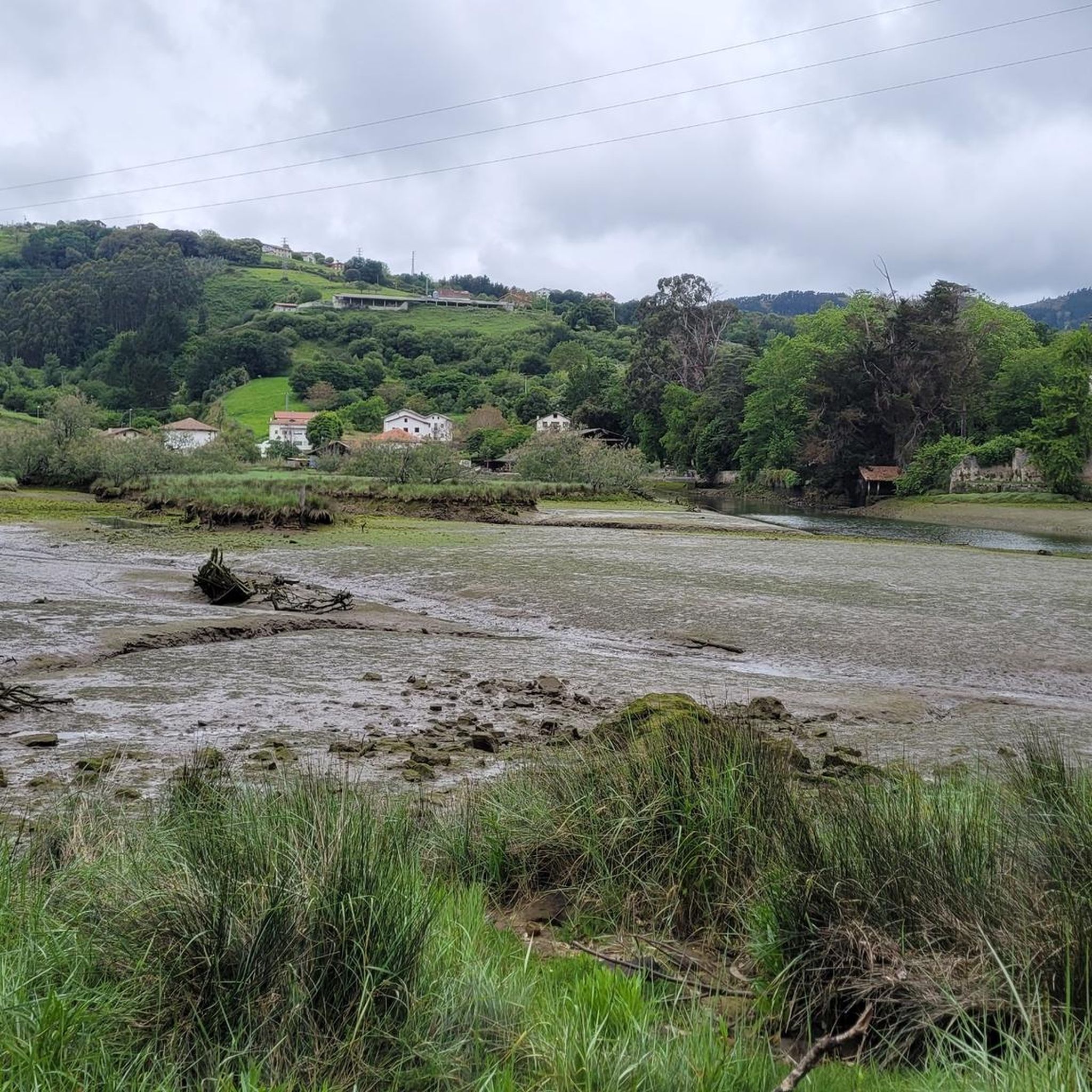
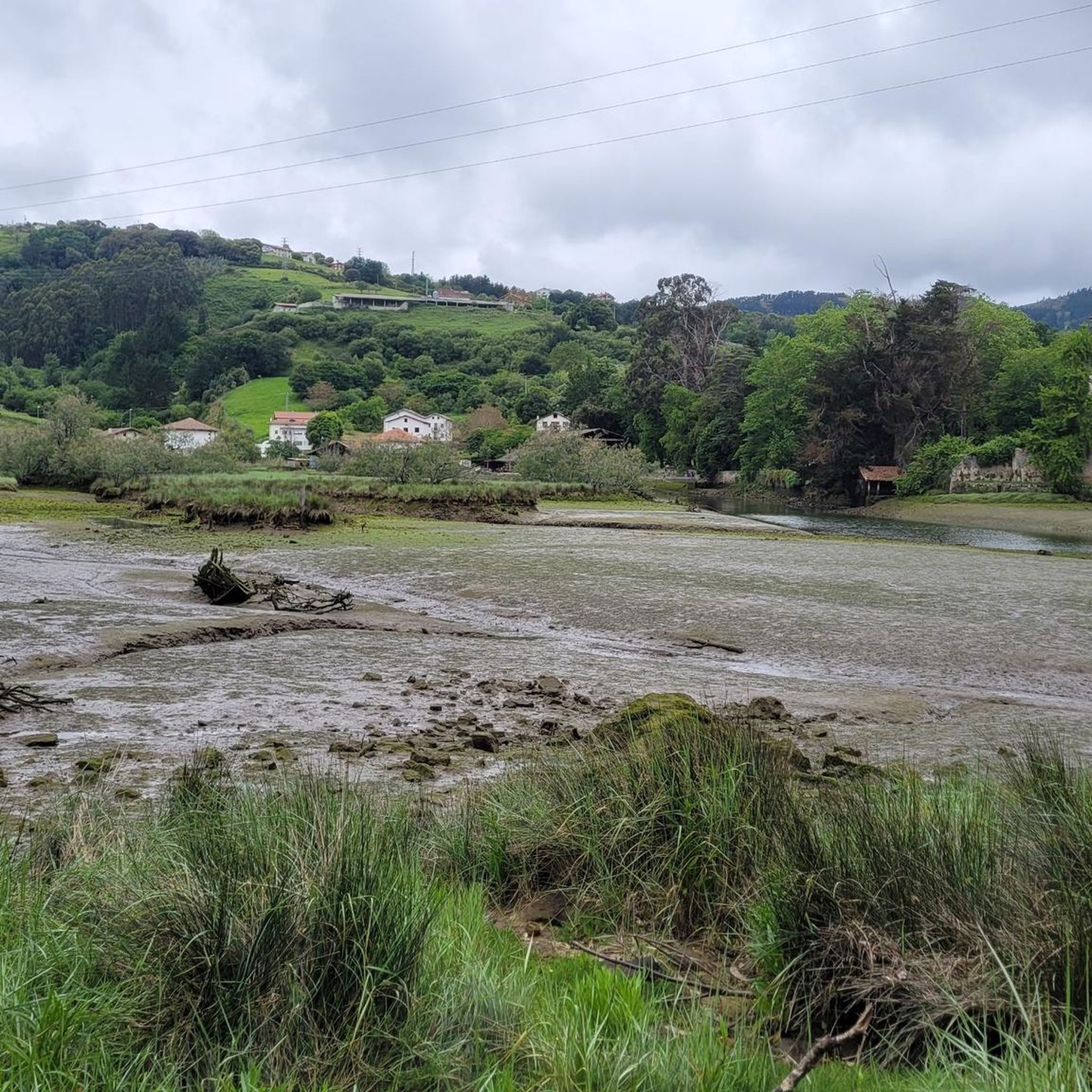
Yes, the Arropain marsh, located at the mouth of the Lea River, is a crucial resting spot for migratory birds. This area offers excellent opportunities for birdwatching and experiencing the local wildlife in a significant ecological setting.
Is the Urdaibai Biosphere Reserve considered a natural monument near Mendexa?
While not explicitly listed as a single 'natural monument' in the immediate vicinity of Mendexa, the Urdaibai Biosphere Reserve is a highly significant natural area located about 17.3 km away. It is recognized for its extensive natural scenery and ecological value, offering a protected environment for nature enthusiasts to explore.
Are there any accessible routes or facilities at these natural monuments?
Specific accessibility details for each natural monument are not provided. However, generally, natural sites like the Oma Forest involve walking paths, and summits like Kalamendi Summit typically require some hiking. For detailed accessibility information, it's advisable to check local tourist information or specific site guides before visiting.
Where can I find places to eat or stay near Mendexa's natural monuments?
Mendexa, being a rural town, offers local cafes, pubs, and restaurants where you can enjoy traditional Basque cuisine. For accommodation, you'll find various options ranging from rural guesthouses to hotels in Mendexa and nearby towns like Lekeitio. These establishments provide convenient bases for exploring the natural monuments and the wider Lea-Artibai coast.
Most popular attractions around Mendexa

Get inspired with the komoot mobile app


Explore more
Extend your search for the best caves by checking out these guides of the top ones around Mendexa:
