Top 20 Natural Monuments around Vielha E Mijaran
Best natural monuments around Vielha E Mijaran are found within the Val d'Aran, a region characterized by its diverse natural landscape. This area features a range of notable landmarks and natural features, from high mountain peaks to glacial lakes and impressive waterfalls. The terrain includes valleys, forests, and river systems, offering varied environments for exploration. These natural monuments provide opportunities to experience the region's distinct geographical characteristics.
Best natural monuments around Vielha E Mijaran
- The most popular natural monuments is…
Last updated: October 5, 2026
Forau de Aiguallut
Highlight • Natural Monument
Translated by Google •
Tip by

Lake Major of Colomers
Highlight • Lake
Translated by Google •
Tip by

Sign up now to discover places like this
Get recommendations on the best single tracks, peaks, & plenty of other exciting outdoor places.
Pico de Aneto Summit
Highlight • Summit
Translated by Google •
Tip by

Salto del Pish Waterfall
Highlight • Waterfall
Translated by Google •
Tip by

Cascade d'Enfer
Highlight • Waterfall
We did the loop clockwise.
Translated by Google •
Tip by

Sign up for free to discover even more natural monuments around Vielha E Mijaran.
Already have an account?
Start today with a free account
Your next adventure awaits.
Popular around Vielha E Mijaran
100 miles in paradise - Discover the Val d'Aran by UTMB
Panoramic Pyrenees – 15 hikers' peaks of over 3,000 metres
Pedals de Foc – An adventure through the Catalan Pyrenees
Haute Route Pyrénéenne – Pyrenees Crossing
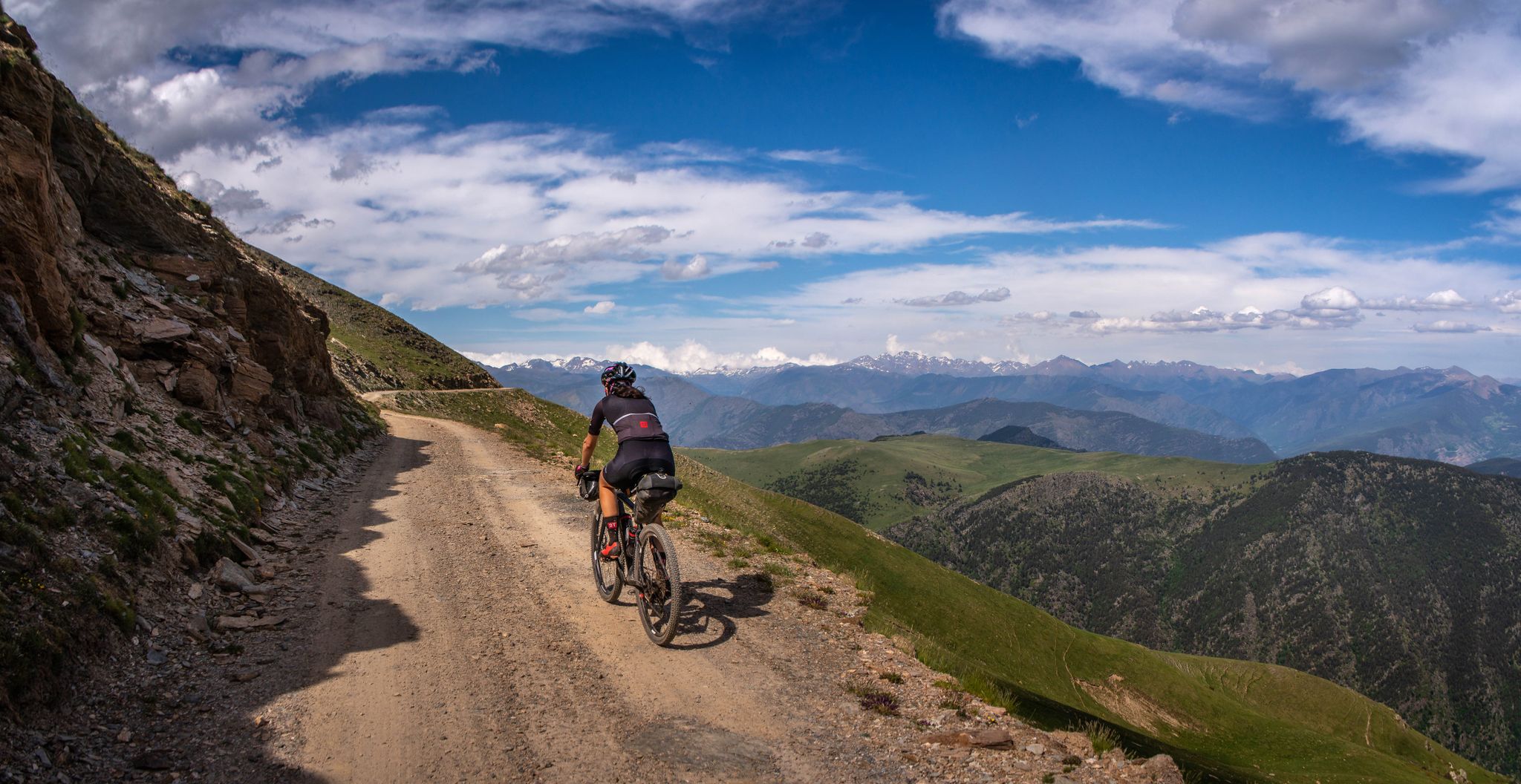
Bikepacking in the Catalan Pyrenees
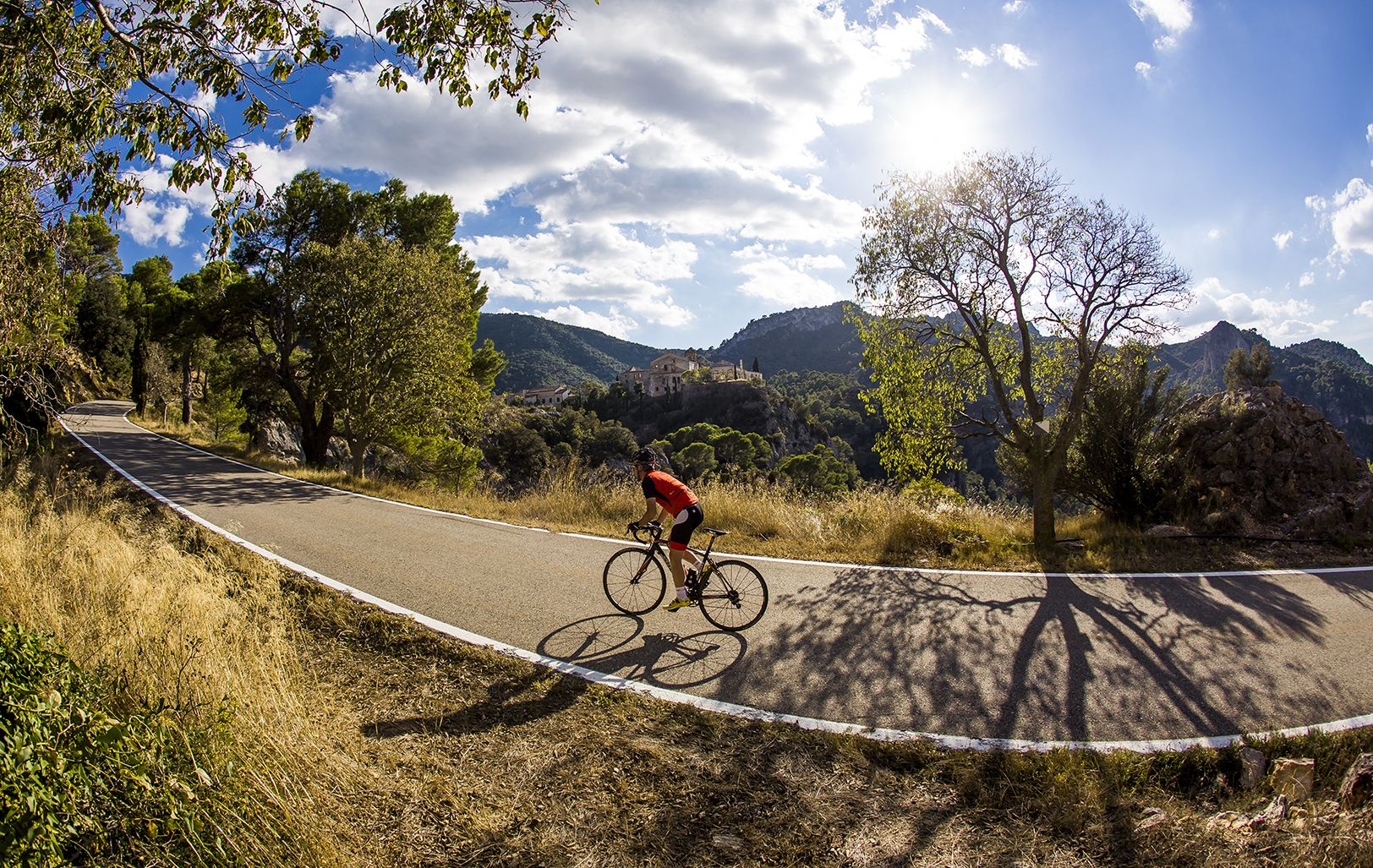
Discover Catalonia by road bike
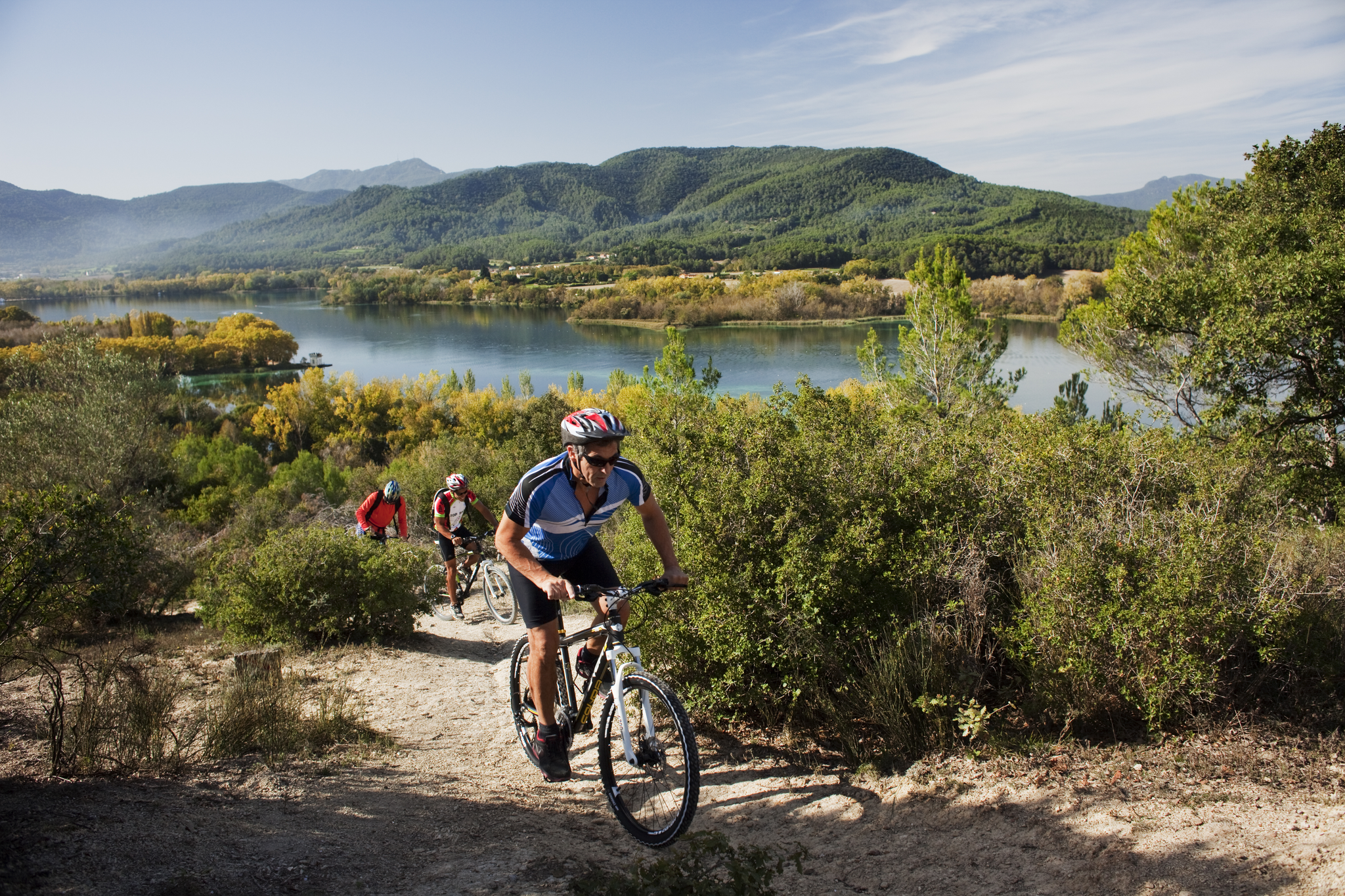
Discover Catalonia on a mountain bike
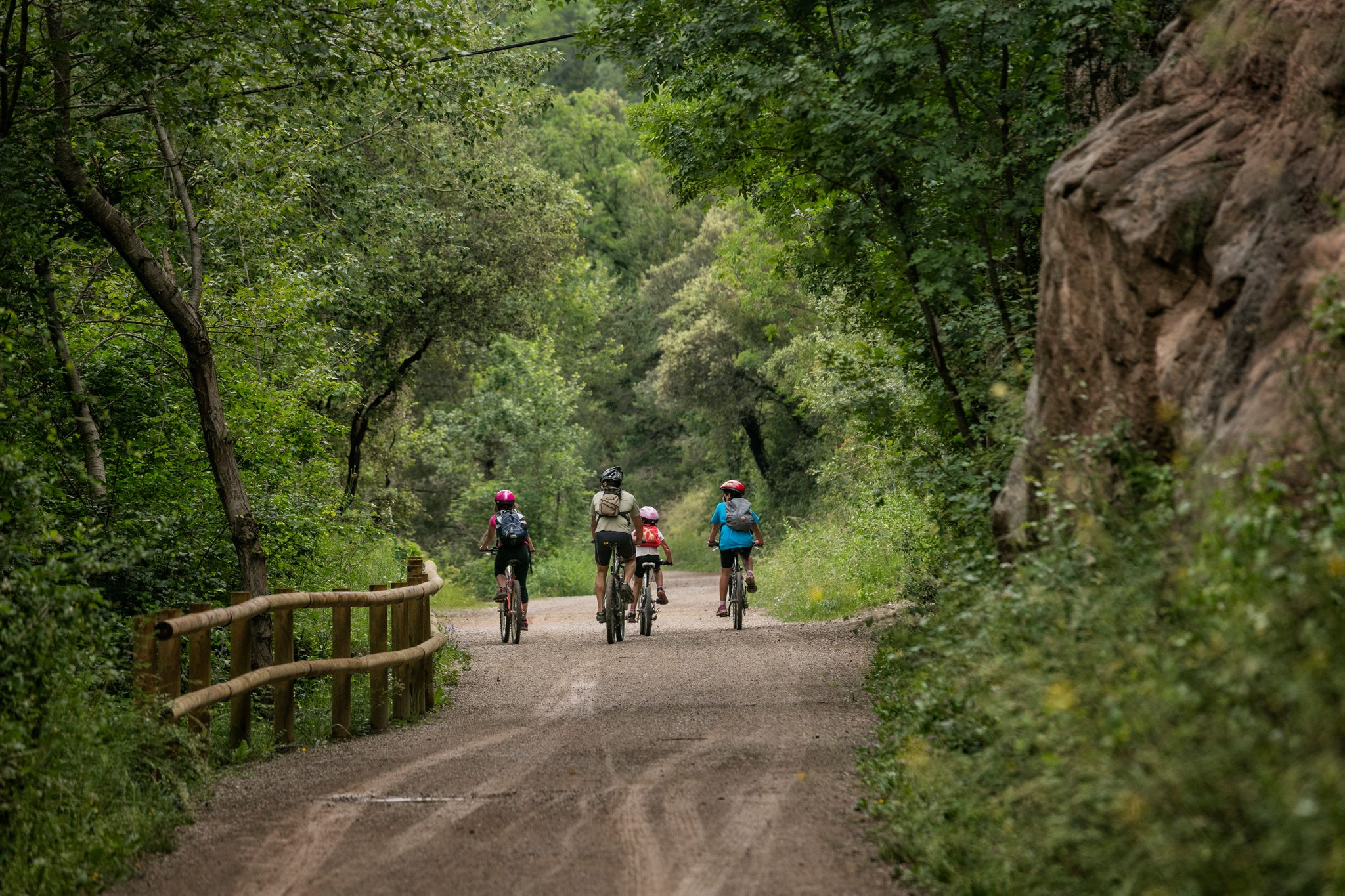
Discover Catalonia on your bike
Hike with your family in Catalonia
Aran to Somontano – GR 17 in the Pyrenees by MTB
Other adventures around Vielha E Mijaran


Tips from the Community

Long waterfall coming out of a narrow gorge, surrounded by humid forests
0
0

The Höllenwasserfall, so named because of the dramatic sounds, is an impressive natural event
0
0


The highest peak in the Pyrenees mountaineering region.
1
0

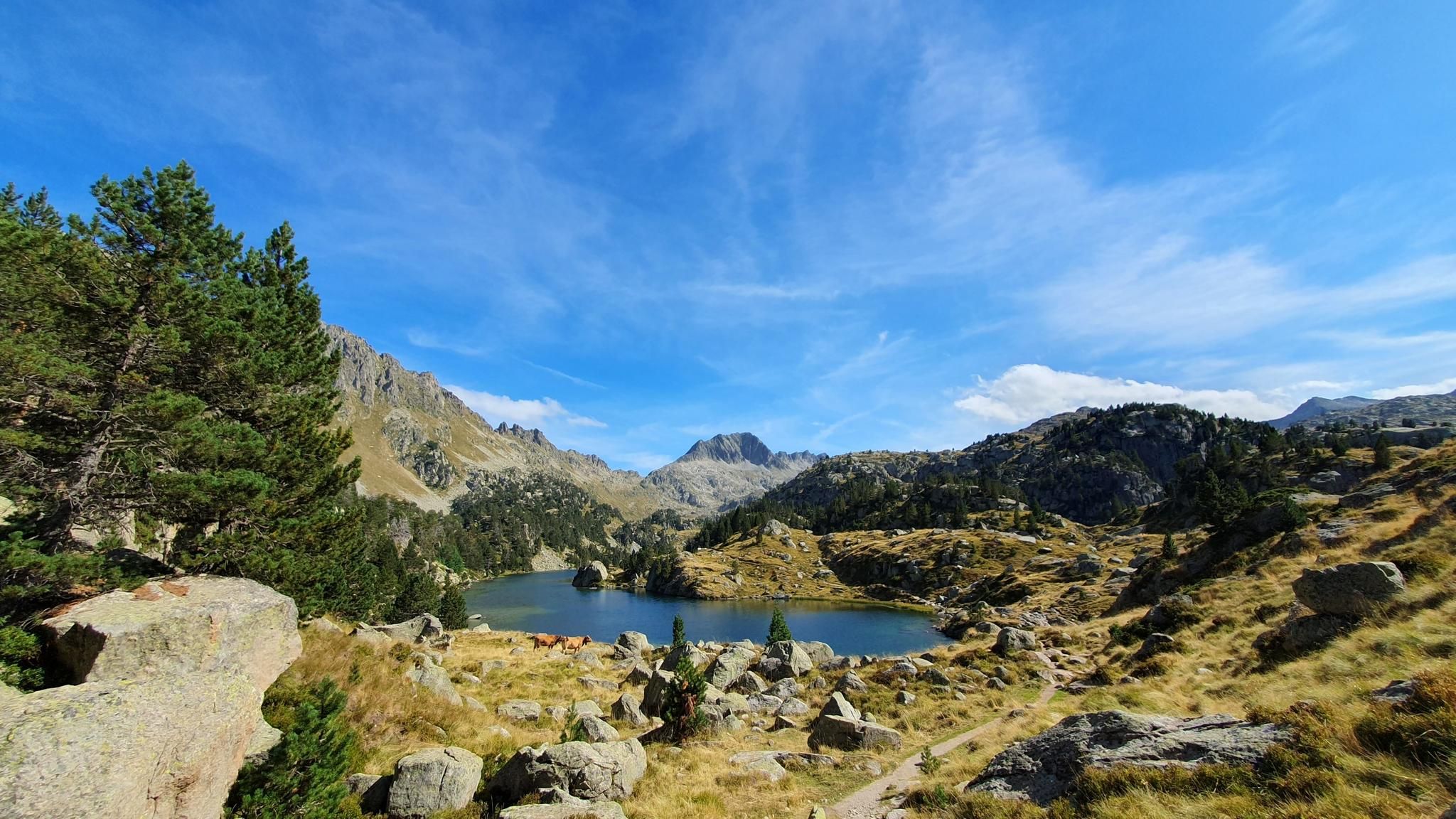
Lake Mayor de Colomers is a lake of glacial origin located at 2128 m in the municipality of Alto Arán, in the Valle de Arán region. Lake Mayor de Colomers is one of the largest lakes in the Cirque de Colomers, a glacial cirque of more than 50 lakes crowned by peaks that exceed 2,500 meters, such as the Tuc de Ratera (2,861 m) or the Gran Tuc de Colomers (2,933 meters). ). The Colomers refuge is located near the lake.
0
0

The highest peak in the Pyrenees and the one everyone wants to climb. Its demands are more physical than technical, with the exception of the Mahoma Pass, not suitable for those with vertigo, and the Aneto Glacier, which is recommended to avoid in the middle of summer when the hard centuries-old ice is exposed and landslides increase due to melting. At the top you will find a gigantic metal cross, a statue of the Virgen del Pilar and a small bust of San Marsial, patron saint of Benasque. Each of them installed by different groups that want to make their own a piece of this colossus that, although it is difficult to believe, went unnoticed for centuries in the shadow of the apparently more prominent Tuca de la Maladeta (from the Occitan "Mall Hita", the 'high peak').
1
0

It lives up to its name, it is the largest in the area.
4
0

Aneto is the highest peak in the Pyrenees and the second highest in the Iberian Peninsula, with an altitude of 3,404 meters above sea level. It is located in the Posets-Maladeta Natural Park, in the Spanish municipality of Benasque, province of Huesca, autonomous community of Aragon. It is part of the Maladeta massif and, located in the Benasque valley, is made up of Paleozoic terrain of granitic nature and Mesozoic materials. On its northern face, starting at approximately 2810 m, is the largest glacier in the Pyrenees, with about 100 hectares of surface, which is, like many in the world, in clear regression as a consequence of climate change (it is estimates that in the last 100 years it has lost more than half of its surface, and that in 30 or 40 years it may disappear).
2
0
Frequently Asked Questions
What are some of the most popular natural monuments to visit around Vielha E Mijaran?
Among the most popular natural monuments in the area is Forau de Aiguallut, known for its spectacular sinkhole where glacial water disappears underground. Other highly regarded spots include Lake Major of Colomers, the largest lake in its glacial cirque offering panoramic views, and the impressive Salto del Pish Waterfall, a popular and scenic destination.
Are there any family-friendly natural monuments near Vielha E Mijaran?
Yes, several natural monuments are suitable for families. Forau de Aiguallut is considered family-friendly, offering a relatively short and essential tour. The area around Uelhs deth Joeu and Artiga de Lin is also very accessible and popular for families, providing beautiful natural scenery and easy walks. The serene Bassa d'Oles, surrounded by the Varicauba Forest, offers relaxing walks suitable for all ages.
What natural features can I expect to see in the Vielha E Mijaran region?
The region of Vielha E Mijaran is rich in diverse natural features. You can explore stunning glacial lakes like Lake Major of Colomers and Ibón de Gorgutes, impressive waterfalls such as Salto del Pish Waterfall, and unique geological formations like the sinkhole at Forau de Aiguallut. The area also boasts high mountain peaks like Pico de Aneto Summit, dense forests like Varicauba and Bosque de Conangles, and river resurgences such as Uelhs deth Joeu.
What is the best time to visit the natural monuments around Vielha E Mijaran?
The best time to visit largely depends on the specific monument and activity. For places like Forau de Aiguallut, spring after the ice melts is highly recommended to witness its full grandeur. Generally, late spring to early autumn (May to October) offers pleasant weather for hiking and exploring. Winter can be beautiful for snow-covered landscapes, but access to higher-altitude areas and some trails may be restricted due to snow and ice.
Are there any natural monuments with historical significance in the area?
While many natural monuments are primarily appreciated for their geological and scenic value, some have intriguing histories. Forau de Aiguallut, for instance, has a captivating history related to the underground journey of the Aneto glacier's water, which resurfaces in the Val d'Aran as a source of the Garonne river. Additionally, the Camin Reiau is a historic natural path that connects many towns and villages, offering a glimpse into the region's past routes.
What outdoor activities can I do near these natural monuments?
The region offers a wide range of outdoor activities. You can enjoy various forms of cycling, including gravel biking and road cycling. For example, there are challenging gravel routes like the 'Gravel in the Val d'Aran – Prüedo per Valarties' and scenic road cycling tours such as 'Val de Ruda - Collado de Baret & Bonaigua'. Many natural monuments are also excellent starting points for hiking, from easy walks around lakes to challenging ascents like the Pico de Aneto Summit. You can find more details on routes in the Gravel biking around Vielha E Mijaran, Cycling around Vielha E Mijaran, and Road Cycling Routes around Vielha E Mijaran guides.
Are there any challenging natural monuments for experienced hikers?
Absolutely. The Pico de Aneto Summit, the highest peak in the Pyrenees, is a demanding climb suitable for experienced hikers, involving physical exertion and navigating the Aneto Glacier and Mahoma Pass. The Port de Vénasque, a mountain pass at 2,444 meters, also offers magnificent panoramic views but requires a long and difficult ascent. The terrain around Lake Major of Colomers and the wider Cirque de Colomers is beautiful but steep, offering rewarding challenges.
What are some natural monuments that offer exceptional panoramic views?
For breathtaking panoramic views, consider visiting Lake Major of Colomers, which provides an unforgettable vista of the Colomèrs cirque. The Pico de Aneto Summit offers unparalleled views across the Pyrenees. Additionally, the Port de Vénasque and peaks like Montcorbison and Pòrt de Vielha are renowned for their magnificent outlooks towards the Aneto and Maladeta massifs and the Val d'Aran.
Where can I find dense forests and serene natural spots for walks?
The region is home to several beautiful forested areas. The Varicauba Forest, surrounding the charming Bassa d'Oles, is a sprawling and dense fir tree forest perfect for relaxing walks throughout the year. Another significant forest is the Bosque de Conangles, one of the largest beech and fir forests on the Iberian Peninsula, offering a unique natural environment.
Are there any natural monuments accessible by public transport or with good parking facilities?
While specific public transport routes to all natural monuments can vary, popular spots like Uelhs deth Joeu and Artiga de Lin are generally considered among the most accessible destinations in the Val d'Aran. For driving, the road to Salto del Pish Waterfall is paved and in good condition, though narrow in sections, and typically has parking facilities at the end. It's advisable to check local transport options or specific access details for each site closer to your visit.
What do visitors enjoy most about the natural monuments in Vielha E Mijaran?
Visitors frequently express awe at the spectacular natural beauty and diverse landscapes. Many are captivated by the unique geological phenomena, such as the disappearing waters at Forau de Aiguallut, and the stunning panoramic views from high-altitude lakes like Lake Major of Colomers. The tranquility of the forests and the impressive power of waterfalls like Salto del Pish Waterfall are also highly appreciated, offering a profound connection with nature.
Can I visit the natural monuments with my dog?
Many natural areas in the Val d'Aran are dog-friendly, especially for walks on trails and in forests. However, specific rules can apply to protected areas or around certain lakes. For instance, while not explicitly prohibited, bathing with chemicals like sunscreen in protected lakes such as Ibón de Gorgutes is discouraged to maintain water quality. It's always best to keep dogs on a leash and follow local regulations to protect wildlife and the environment.
Most popular routes around Vielha E Mijaran
Most popular attractions around Vielha E Mijaran

Get inspired with the komoot mobile app


Explore more
Extend your search for the best caves by checking out these guides of the top ones around Vielha E Mijaran:
