Top 20 Natural Monuments around Barxeta
Best natural monuments around Barxeta include a diverse landscape featuring river valleys, historical sites, and scenic viewpoints. The region, part of the La Costera area of Valencia, is characterized by its natural beauty and cultural heritage. The Barxeta River and its surrounding ravines form a significant natural spot, supporting diverse ecosystems. This area provides opportunities to explore both natural features and historical structures.
Best natural monuments around Barxeta
- The most popular natural monuments is Cova Negra, a cave and…
Last updated: July 1, 2026
Cova Negra
Highlight • Cave
Translated by Google •
Tip by

Font del Garrofer
Highlight • Natural Monument
Translated by Google •
Tip by

Sign up now to discover places like this
Get recommendations on the best single tracks, peaks, & plenty of other exciting outdoor places.
Sign up for free
Clot de la Font
Highlight • Natural Monument
Translated by Google •
Tip by

Collado del Infierno Viewpoint
Highlight • Viewpoint
Translated by Google •
Tip by
Les Salines
Highlight • Natural Monument
It is a protected space …
Translated by Google •
Tip by
Sign up for free to discover even more natural monuments around Barxeta.
Sign up for free
Already have an account?
Start today with a free account
Your next adventure awaits.
Login or Signup

Tips from the Community

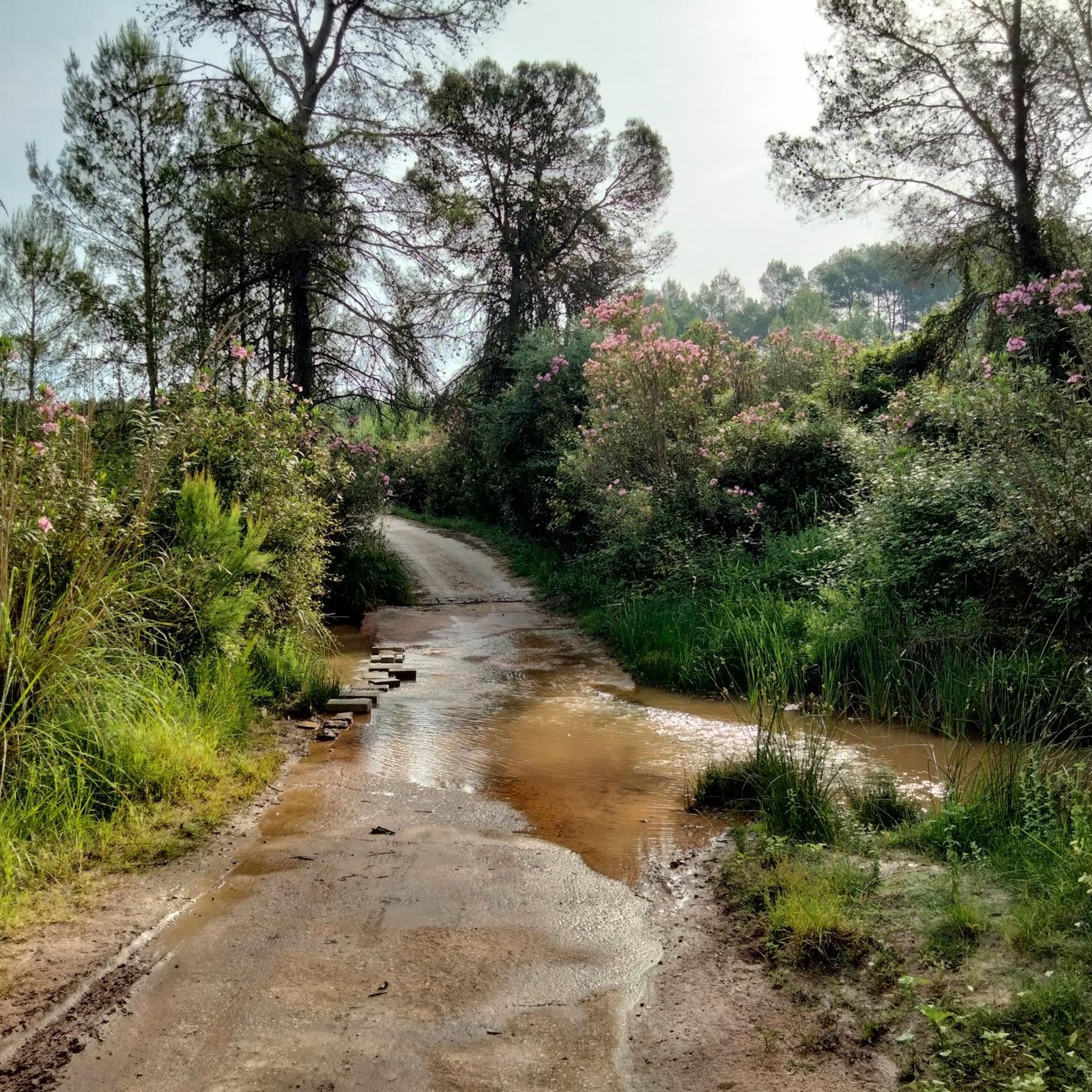
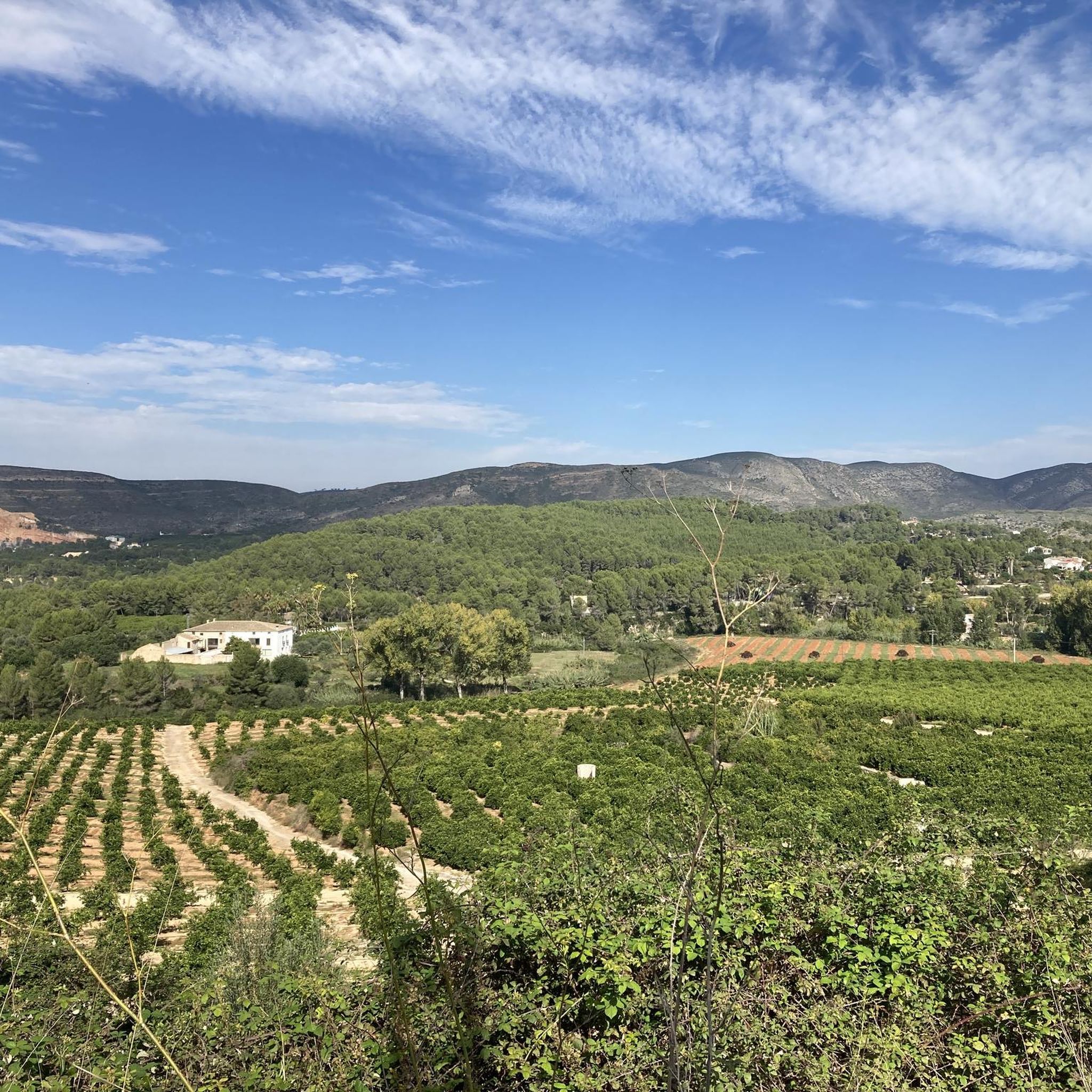
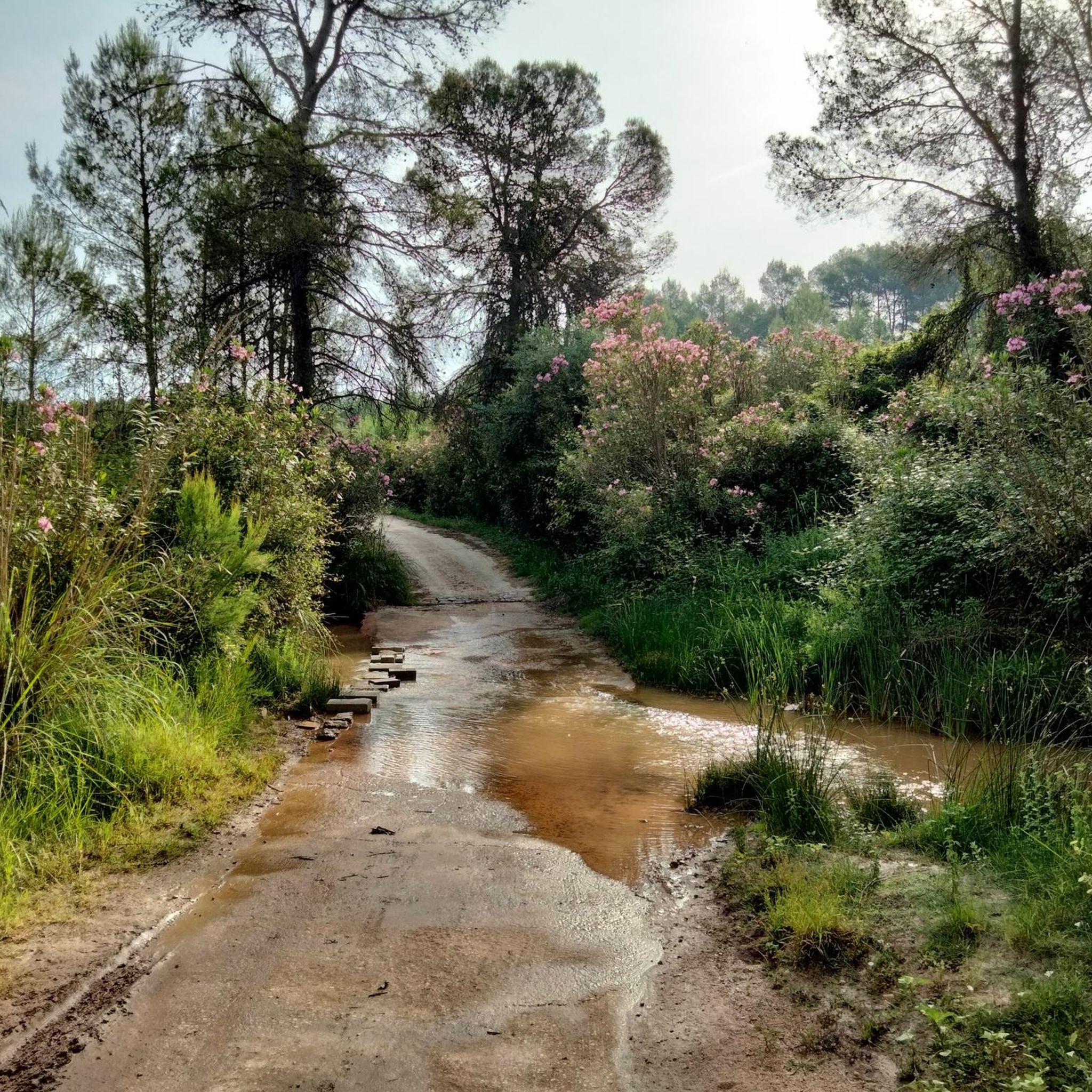
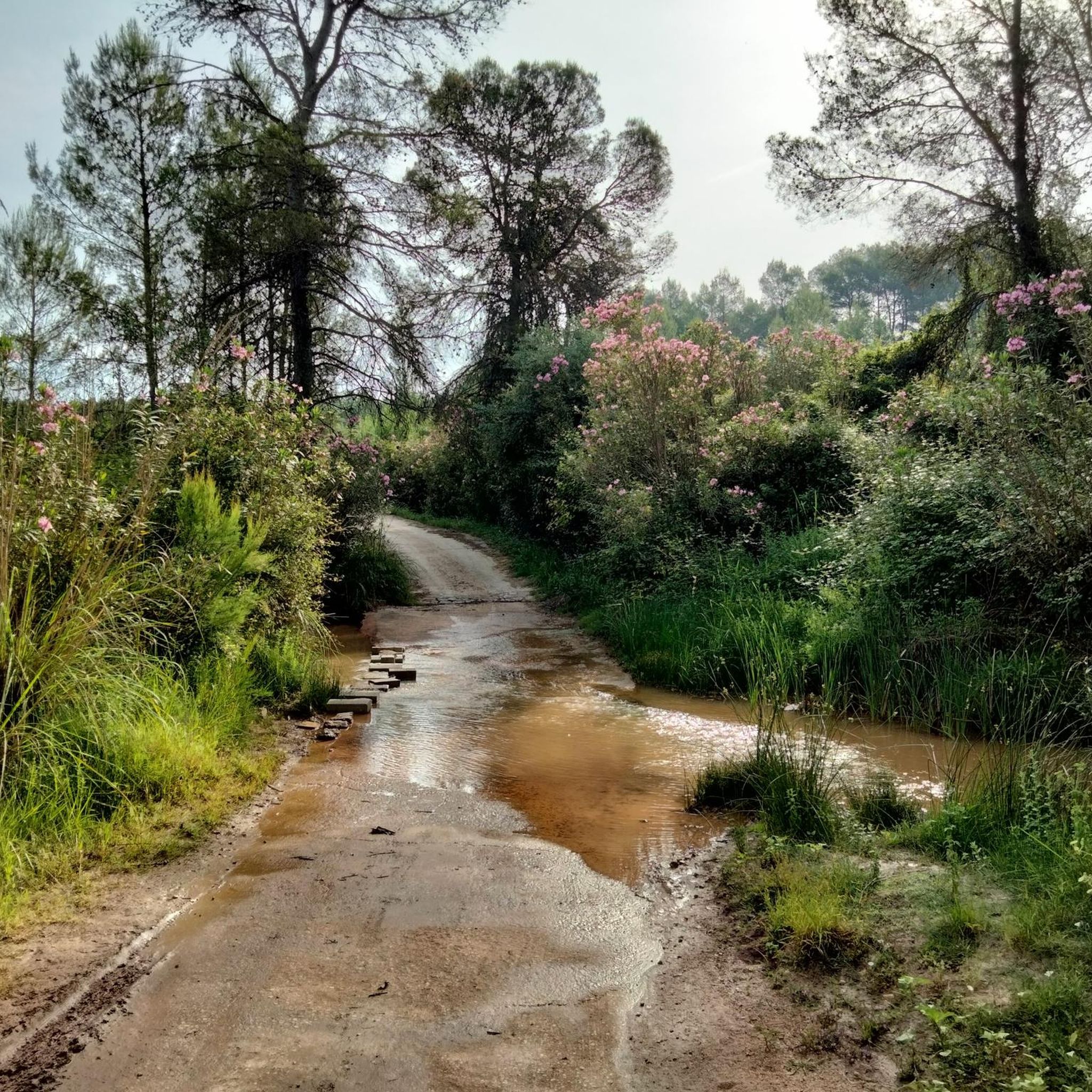
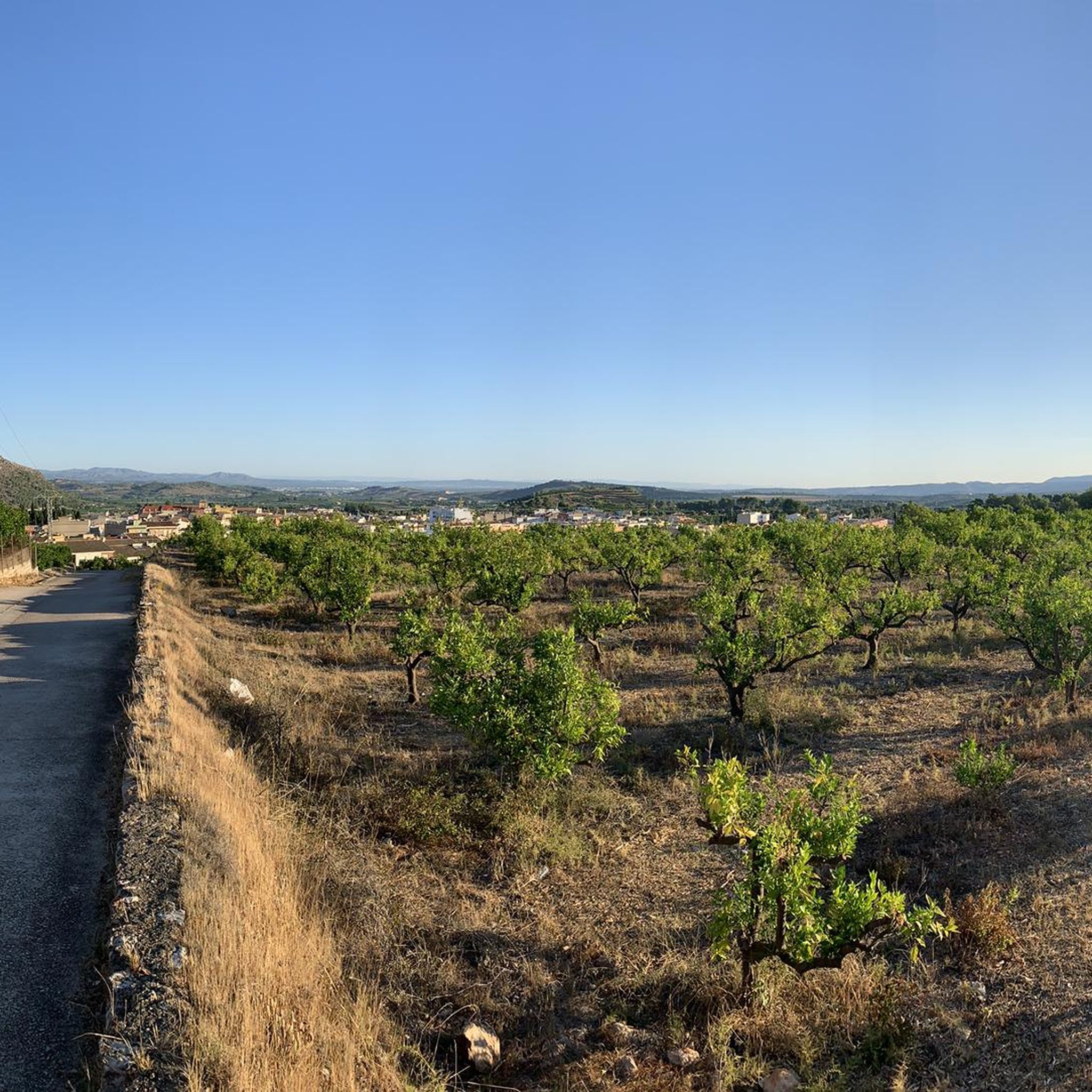
Between the shade of the Mondúver and the constant sound of water, the Clot de la Font is one of those places that invite you to slow down and enjoy cycling without looking at the clock. This natural spring, where the Badell—a tributary of the Vaca river—is born, is located a few kilometers from the urban center of Tavernes de la Valldigna and is a regular stop for cyclists, hikers, and runners. The access combines agricultural paths and stretches surrounded by pine forests and Mediterranean vegetation, perfect for a gravel, MTB, or even a quiet road route. The area is part of the Ruta dels Sentits and stands out for its fresh atmosphere, the shade of the Ombria, and a historic white fountain over 160 years old, next to a small waterfall that makes this place one of the most special points in the Valldigna. There's always a cycling vibe here: groups setting off at dawn, quick stops to fill water bottles, or simply a perfect place to rest before continuing towards the Cova del Bolomor, the Castell de Marinyén, or the routes of the Mondúver. The stone tables, potable water, and the tranquility of the surroundings make it a mandatory stop for any route through the Safor. A small oasis between mountain, water, and paths. Ideal for stopping, breathing, and keeping on rolling.
0
0

The Garrofer spring is a spring where water, coming from the Agulles aquifer, flows happily through two pipes and is channeled to an adjacent washhouse. Despite the warning that the water is not potable (as it is not chlorinated or subject to any health control), thousands of Alzire residents travel up to thirteen kilometers and sometimes form long queues to fill their water jugs.
1
0

The La Cova Negra municipal natural area is located in the municipality of Játiva, province of Valencia. In the Cova Negra is the Middle Paleolithic site in which remains of Homo Neanderthal have appeared. This natural area is located in the narrow valley formed by the Albaida River, as it crosses the reliefs of the Sierra Grossa, at the exit of the so-called Estret de les Aigües. In the widest meander formed by the Albaida River, at the height of Pico del Paller, you can see the Cova Negra, named for the blackish appearance of its walls.
2
1

Below the Umbria alta appears this fountain with a set of tables and shadows around it that offer a secluded and beautiful corner to stop if necessary, spend a good time.
0
0
Les Salines de Manuel is a municipal natural site of 28 hectares, of great landscape value, which is located next to the town of Manuel. It is a protected space of high ecological and historical value, as it was an old salt mine of the army, now turned into a large green lung. The exploitation was possible thanks to the composition of the so-called Serra de les Salines, formed by a rich combination of mineral salts from sandy rocks, limestone, reddish clay and other materials, giving rise to what we know as "common salt" . Due to the presence of all these minerals, the vegetation has the particular characteristic of being different from that of other places, either because of the adaptation to the terrain or because of the abundant foliage. This is why the site of Les Salines de Manuel houses two very different types of vegetation. On the one hand, the white pine forest with its traditional companions (lentiscle, coscolla, margallon, rosemary, rudder, buckthorn, juniper, etc.); and for another, the saline outcrops, where a Valencian endemic known as Limonium mansanetianum grows in honor of José Mansanet, the great botanist of Simat de la Valldigna. Next to this grass, capable of filtering salt water and expelling the salt through the leaves, grow several tamarinds, trees more typical of coastal areas. The circular route of the area, known as the Ruta de la Sal, is divided into 3 paths, which make up a total of approximately 4 kilometers, all signposted. On the way, you will meet a hill called the "wall of bullets", used in the past for shooting exercises by the army, which had an Engineers and Sappers School here between 1906 and 1996. There is also the Paret del Moro , which are the remains of a Muslim fortification from the 10th century; the remains of an old machine gun nest and trenches; buildings of the old salt exploitation; or the birth of salt water that supplied the salt pans, as well as the recreational area. Les Salines de Manuel, full of vegetation and pines adapted to salt, was exploited since ancient times by the Romans, being handed over a little over a century ago to the army, who finally handed it over to the population to be recovered for the use and enjoyment of visitors as a natural site. The military use lasted until 1996, although it was not until 2006 when the Manuel City Council acquired the land to be used for sports, a rural tourism center and the adaptation of the area as a municipal natural site and the adaptation of various hiking routes.
1
0

La Cova Negra is a cavity that is located in a gorge called the Strait of Waters. Its black color is mainly due to the smoke from the bonfires made by its former inhabitants, the Neanderthals who occupied it for a few months of the year. An important amount of flint tools and other archaeological remains have been found here.
3
0
La Cova Negra is an important archaeological site, located in the widest meander of the Albaida river. It was home to Neanderthal man in the Paleolithic. The cave gets its name from the dark color of the walls. Human remains and paintings have been found inside.
2
0
La Cova Negra is an important archaeological site, located in the widest meander of the Albaida river. It was home to Neanderthal man in the Paleolithic. The cave gets its name from the dark color of the walls. Human remains and paintings have been found inside. It is a space of fundamental importance for understanding the culture of the Mosterian and the reality of the Neanderthals. The Almodí Museum exhibits an exact reproduction of a parietal bone from the period, discovered in the cave.
2
0
Frequently Asked Questions
What are some of the most popular natural monuments to visit around Barxeta?
Visitors frequently enjoy exploring Cova Negra, a significant cave and historical site known for its archaeological importance. Another favorite is the Collado del Infierno Viewpoint, which offers expansive panoramic views of the Vall de La Casella and the city of Alzira. The Font del Garrofer is also popular, providing a refreshing natural water fountain and a cool rest area amidst dense trees.
Are there family-friendly natural monuments in the Barxeta area?
Yes, several natural monuments are suitable for families. The Font del Garrofer offers a pleasant setting with a water fountain and a shaded rest area. Additionally, the Les Salines natural site in Manuel is family-friendly, featuring a circular route known as the Ruta de la Sal with signposted paths. The Riu Barxeta Natural Spot itself is easily accessible and ideal for family excursions, offering opportunities for outdoor activities and wildlife observation.
What kind of wildlife can be observed in the natural monuments around Barxeta?
The Riu Barxeta Natural Spot is particularly rich in biodiversity due to its clean and permanent river flow. You can spot native fish species like eels, shiners, and madrilla, as well as various amphibians and reptiles. The area is also a haven for numerous bird species, including kingfishers, bee-eaters, nightingales, and goldfinches, with occasional sightings of herons and mallard ducks, making it an excellent spot for birdwatching.
What historical or cultural sites can be found within the natural monuments?
The region boasts significant cultural and historical heritage. The Cova Negra is an ancient cave with archaeological remains from Neanderthal inhabitants. The Riu Barxeta Natural Spot features hydraulic structures such as the aqueducts of the Puig and Pantanet irrigation channels, the Acequia Madre, and the Pantanet weir, reflecting historical human interaction with the environment. The area also has traces of a Roman Iberian settlement (Casa Perot) and a Bronze Age walled city. The Les Salines site includes remains of a Muslim fortification and old salt exploitation buildings.
Are there hiking trails near the natural monuments around Barxeta?
Yes, the Riu Barxeta Natural Spot offers magnificent routes for hiking. Popular trails include the 'ruta de la Serra de la Corsa i Requena' and the 'ruta de la Barsella,' which leads to a bird observatory. The PR-CV-396 is a circular hiking trail of medium difficulty, spanning about 11 kilometers, that runs through this natural area. For more hiking options, you can explore the Hiking around Barxeta guide.
What other outdoor activities can I do near these natural monuments?
Besides hiking, the natural monuments around Barxeta are excellent for mountain biking. The Riu Barxeta Natural Spot provides great routes for this activity. You can find more options for cycling in the Gravel biking around Barxeta guide and the MTB Trails around Barxeta guide.
What is the best time to visit the natural monuments in Barxeta?
The Riu Barxeta Natural Spot is easily accessible and suitable for visits throughout the year, making it an ideal location for excursions in any season. Its environmental beauty and opportunities for outdoor activities are consistently enjoyable.
Are there viewpoints offering scenic vistas in the Barxeta area?
Absolutely. The Collado del Infierno Viewpoint is a prime location, providing beautiful panoramic views of the Vall de La Casella and extending towards the city of Alzira. The Parpalló-Borrell Interpretation Centre also offers good views and is a starting point for hikes.
Is there parking available near the natural monuments?
Yes, for instance, the Parpalló-Borrell Interpretation Centre offers a car park for visitors. For other locations, it's advisable to check specific access points, but generally, the Riu Barxeta Natural Spot is easily accessible.
What makes the Riu Barxeta Natural Spot unique?
The Riu Barxeta Natural Spot is unique for its combination of natural beauty, diverse ecosystems, and cultural heritage. It features the Barxeta River and its ravines, supporting rich biodiversity including native fish and numerous bird species. Beyond nature, it showcases historical hydraulic structures and archaeological traces from various civilizations, offering a blend of natural exploration and historical discovery.
What do visitors enjoy most about the natural monuments around Barxeta?
Visitors particularly appreciate the diverse landscapes, from river valleys to scenic viewpoints. The historical significance of sites like Cova Negra and the refreshing natural springs like Font del Garrofer are highly valued. The opportunities for hiking and mountain biking amidst beautiful scenery, coupled with the rich biodiversity, also contribute to a highly enjoyable experience.
Most popular routes around Barxeta
Most popular attractions around Barxeta

Get inspired with the komoot mobile app


Explore more
Extend your search for the best caves by checking out these guides of the top ones around Barxeta:
