Top 15 Natural Monuments around Avinyó
Best natural monuments around Avinyó, a municipality in Catalonia, Spain, offer a diverse landscape for exploration. The region features significant geological formations, including impressive cliffs and gorges, alongside historical and natural sites. These natural monuments near Avinyó provide opportunities to observe distinct rock formations, ancient environmental changes, and scenic views. The area's natural features contribute to its appeal for outdoor activities and understanding the local ecosystem.
Best natural monuments around Avinyó
- The most popular natural monuments is Talamanca Fountain and…
Last updated: July 1, 2026
Talamanca Fountain and Boxelder (Acer negundo)
Highlight • Natural Monument
Translated by Google •
Tip by

La Botjosa salt dump
Highlight • Structure
The La Botjosa salt dump measures 775 meters long by an average width of 150 meters, occupies 13.5 Ha …
Translated by Google •
Tip by

Sign up now to discover places like this
Get recommendations on the best single tracks, peaks, & plenty of other exciting outdoor places.
Sign up for free
Coves del Toll
Highlight • Cave
Translated by Google •
Tip by

Mig Prat Spring
Highlight • Natural Monument
Translated by Google •
Tip by

La nena de Granera - viewpoint/spring
Highlight • Viewpoint
Translated by Google •
Tip by

Sign up for free to discover even more natural monuments around Avinyó.
Sign up for free
Already have an account?
Start today with a free account
Your next adventure awaits.
Login or Signup

Tips from the Community

La Cova del Toll is a prehistoric cave located in Moià, in the Moianès region. Situated at an altitude of 745 meters, it has a total length of 1148 meters. The part open for visits is 180.55 meters long and is L-shaped. It is one of the richest prehistoric caves in Europe in terms of Quaternary fauna. The guided tour, very well conducted by the professional and geared towards younger visitors, explains in a very detailed and engaging manner part of the history of these caves, their formation, inhabitants, uses, discovery, and findings.
0
0

Fountain built in 1683, which was one of the main meeting points of the village, where its inhabitants went to wash their clothes and fetch water until the 70s. The boys of the village came to this fountain, morning and afternoon , to look for water to see from the houses, and it was at this moment that battles were often fought between the boys from the upper part of town and those from the Raval. Where the fountain is now, there was the cattle trough, and next to it were the washrooms. We highlight the presence of a specimen of maple, a tree planted during a tree festival at the beginning of the 20th century. Next to the source, coming out of a crack we will observe the red falzia, a small fern and also some liverwort plants.
0
0

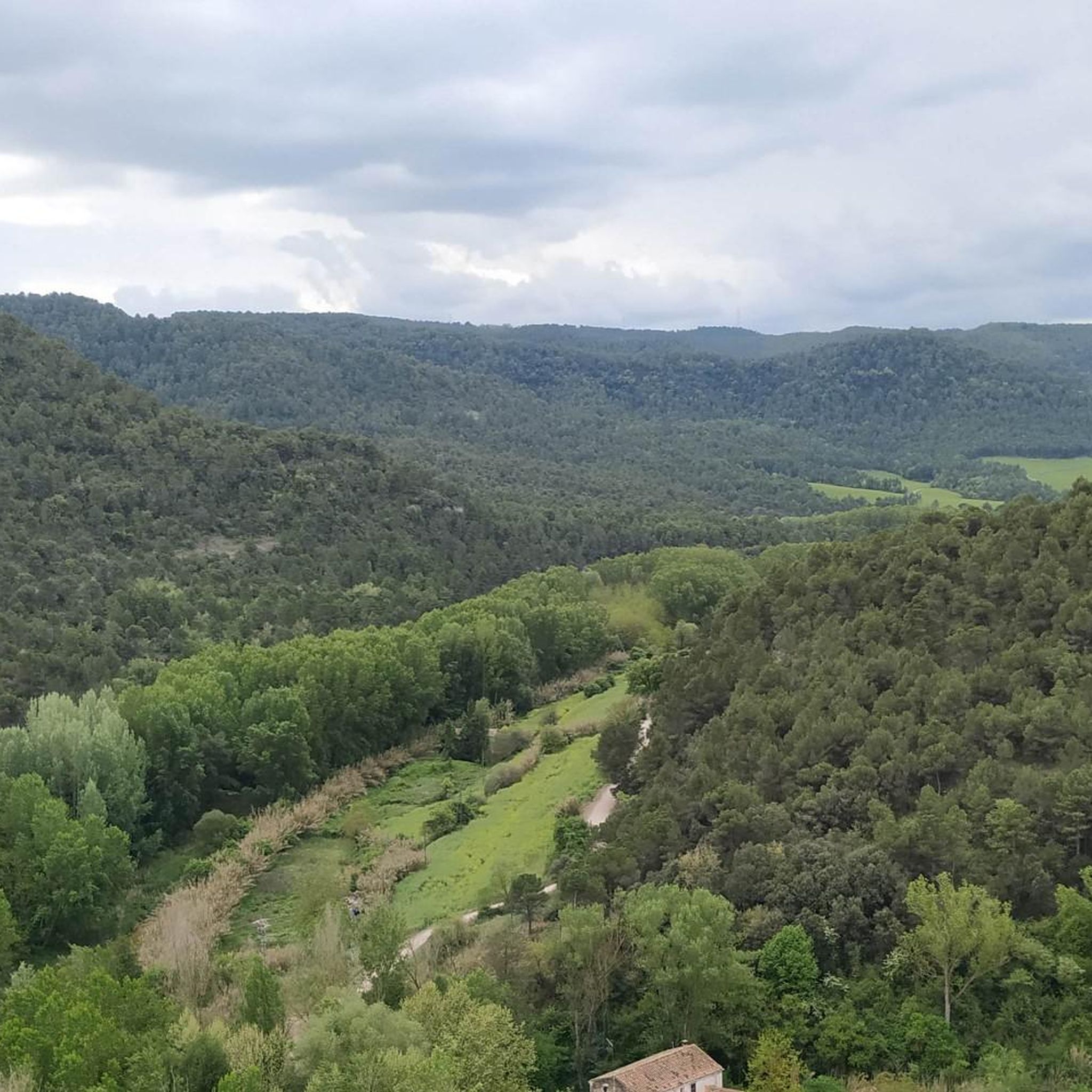
Beautiful panoramic views of La Mola, Montsserrat and the Pyrenees, breathing a lot of tranquility. It's worth enjoying the moment.
0
0

Water point near the road, important as a technical stop to refresh and load water, although they reach the pond nearby.
0
0

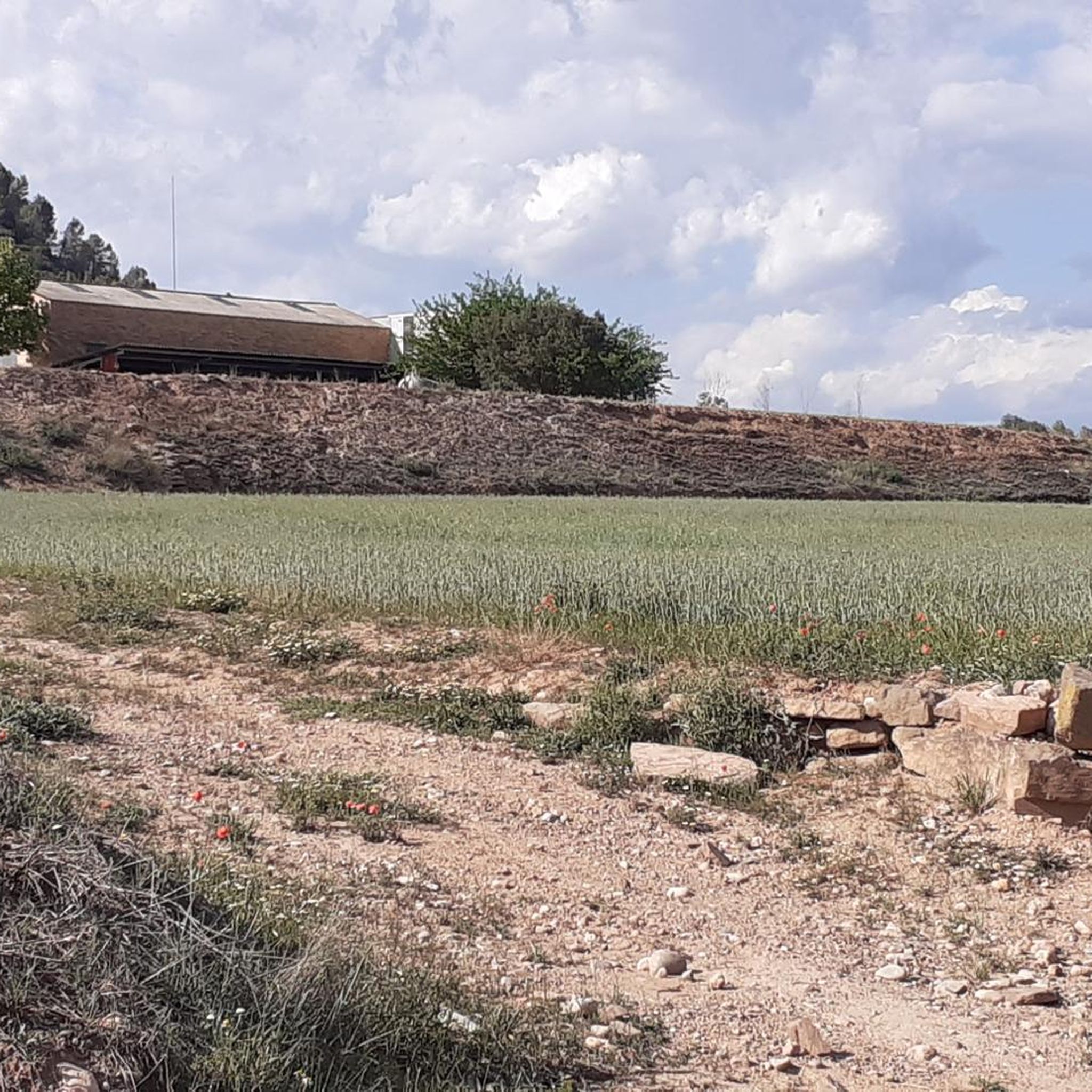
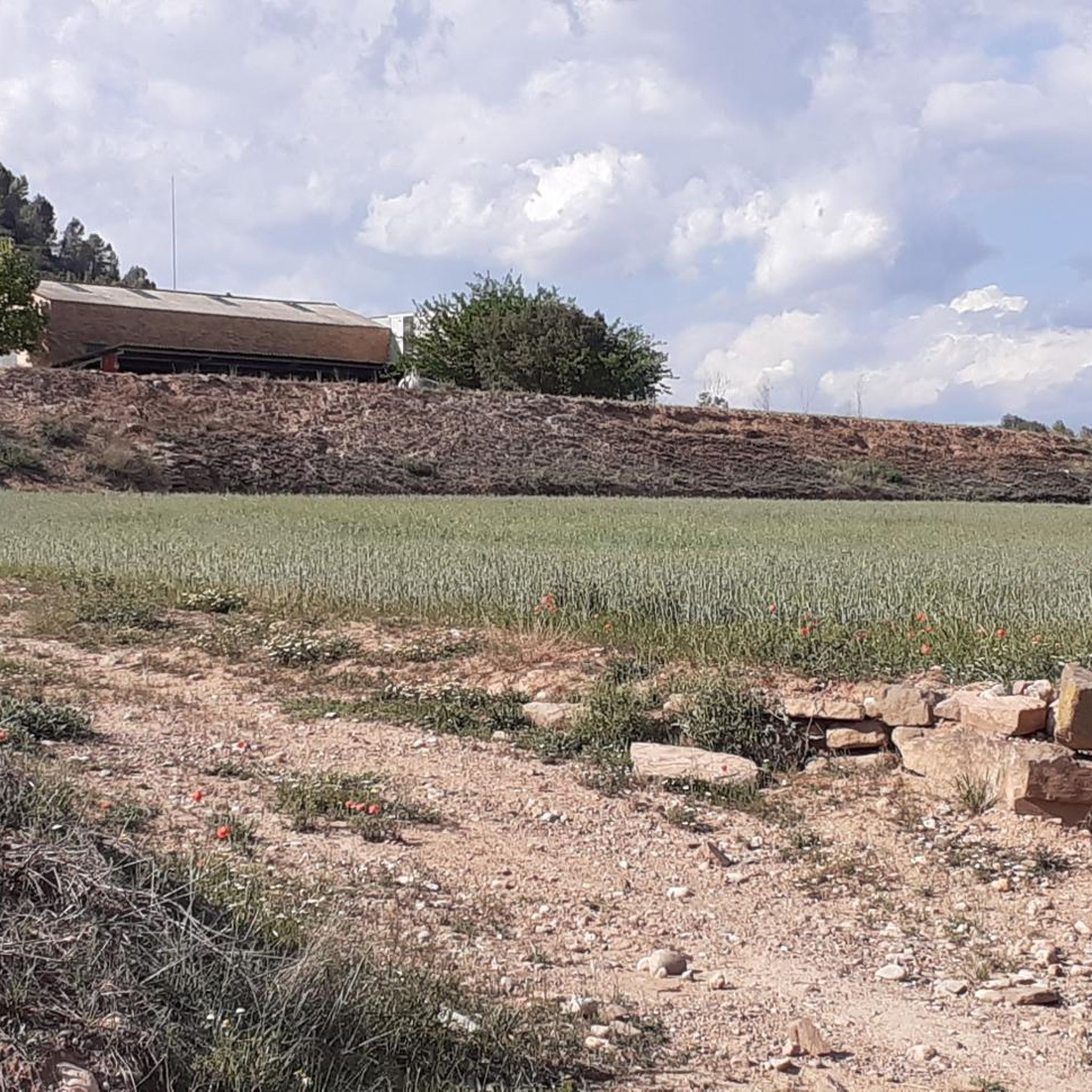
Mountain of saline and other waste created between 1945 and 1977. The La Botjosa salt dump measures 775 meters long by an average width of 150 meters, occupies 13.5 Ha and its content is estimated at around 4 million tons of salty waste. Since the start of the new Cogulló dump in 1977, the potash mining of Sallent and Balsareny stopped dumping saline waste in La Botjosa. Since then, a considerable portion of the saline residues dumped in the La Botjosa dump has disappeared by dissolution in rainwater and air humidity, as evidenced by the geomorphologies in lapiaz on the slopes and dame coiffée where an object acting as an umbrella has protected the salt below
1
0

The Font de Talamanca was built in 1683 and remodeled in 1707. Until 1968 it was the place where the residents of the municipality went to get water for daily consumption and it had a communal laundry room that was used to wash clothes, which turned the fountain into one of the main meeting points in the municipality. It is a space surrounded by nature, next to the town and, right next to a centenary tree that has been declared a Cultural Asset of Local Interest. It is a negundo steel, an American species, which in the years it was planted, at the beginning of the 20th century, was very rare to find outside its original habitat.
2
0

The Negudo Steel is a tree of American origin very difficult to find here.
4
0
Good view and water source to rest.
1
0
Frequently Asked Questions
What kind of natural monuments can I expect to find around Avinyó?
Around Avinyó, you can discover a diverse range of natural monuments. These include significant geological formations like impressive cliffs and gorges, historical sites that blend with nature, ancient trees, and natural springs. Notable examples include the Talamanca Fountain and Boxelder, the Dolmen, and the La nena de Granera - viewpoint/spring.
Are there any significant geological formations to explore near Avinyó?
Yes, the region is known for its geological features. The impressive Cliff of El Berenguer, located on the right bank of the Malrubí stream, is a geological wall stretching 700 meters long and 80 meters high. It showcases a fascinating transition from marine to continental sedimentation, including gypsum formations. The nearby Cliff of Ribatallada also offers similar geological interest and scenic views.
What makes the <a href="https://www.komoot.com/highlight/3015066" target="_blank" rel="noopener">Talamanca Fountain and Boxelder</a> a notable natural monument?
The Talamanca Fountain and Boxelder is significant for both its natural and historical value. The fountain, built in 1683, served as a main meeting point for the village until the 1970s. Alongside it stands a centenary American boxelder tree (Acer negundo), which has been declared a Cultural Asset of Local Interest due to its rarity in the region.
Are there family-friendly natural monuments around Avinyó?
Yes, several natural monuments are suitable for families. The Talamanca Fountain and Boxelder is a space surrounded by nature, ideal for a relaxed visit. The Mig Prat Spring offers a refreshing stop, and La nena de Granera - viewpoint/spring provides beautiful panoramic views in a tranquil setting, all of which are categorized as family-friendly.
What kind of views can I expect from the natural monuments?
From natural monuments like La nena de Granera - viewpoint/spring, you can enjoy beautiful panoramic views of La Mola, Montserrat, and the Pyrenees. Other locations, such as the Cliff of El Berenguer, offer scenic vistas of the Malrubí stream valley and its distinct rock formations.
What outdoor activities can I do near these natural monuments?
The area around Avinyó is excellent for various outdoor activities. You can find numerous routes for cycling, mountain biking, and hiking. For example, there are cycling routes like the 'Sant Pere Pass – Moià loop' and MTB trails such as the 'Corriol de la Portelpa – Serrat Ferrer Trail'. Hikers can explore paths like the 'Torre dels Soldats – Old Bridge of Avinyó loop'. You can find more details on these activities in the cycling guide, MTB guide, and hiking guide for Avinyó.
Are there hiking trails near the natural monuments around Avinyó?
Yes, there are several hiking trails available. You can explore easy routes like the 'Torre dels Soldats – Old Bridge of Avinyó loop' or more moderate options such as the 'Artés Castle – Saint Mary Parish loop'. These trails often lead through scenic areas, including gorges and past natural features like the Baga Cerdana Waterfall. For more hiking options, refer to the Hiking around Avinyó guide.
What is the <a href="https://www.komoot.com/highlight/3779216" target="_blank" rel="noopener">Dolmen</a> and why is it considered a natural monument?
The Dolmen is a historical site that is also categorized as a natural monument due to its integration with the natural landscape. It features a set of trails on the left bank of the Cal Flequer torrent, offering a blend of ancient human history and natural exploration within the region's terrain.
What do visitors enjoy most about the natural monuments in Avinyó?
Visitors appreciate the tranquility and natural beauty of the area. Many enjoy the panoramic views, such as those from La nena de Granera - viewpoint/spring, and the opportunity to connect with nature. The historical significance of sites like the Talamanca Fountain and the unique geological formations also draw significant interest.
Is there a place to refresh or get water during my visit?
Yes, some natural monuments offer water sources. The Mig Prat Spring is a small fountain ideal for cooling off and refilling water bottles. Similarly, La nena de Granera - viewpoint/spring also provides a water source, making it a good spot to rest during your exploration.
What is the <a href="https://www.komoot.com/highlight/1437488" target="_blank" rel="noopener">La Botjosa salt dump</a> and why is it listed as a natural monument?
The La Botjosa salt dump is a unique site, originally a mountain of saline and other waste created by potash mining between 1945 and 1977. Although man-made, its significant size (775 meters long, 150 meters wide, 13.5 Ha) and the natural processes of dissolution by rainwater have created distinct geomorphologies, making it a remarkable and unusual natural monument that showcases the interaction between human activity and natural forces.
Most popular attractions around Avinyó

Get inspired with the komoot mobile app


Explore more
Extend your search for the best caves by checking out these guides of the top ones around Avinyó:
