Top 7 Natural Monuments around Balsareny
Best natural monuments around Balsareny are found within the Llobregat river valley, situated in the northern Bages region of Barcelona province. This area features a diverse landscape, including significant riverine ecosystems and unique geological formations. The natural environment is characterized by forests, undulating terrain, and historical hydrological engineering. Visitors can explore a variety of natural features that highlight the region's ecological value.
Best natural monuments around Balsareny
- The most popular natural monuments is Parque de l'Agulla, a lake that…
Last updated: July 1, 2026
Parque de l'Agulla
Highlight • Lake
Translated by Google •
Tip by

La Botjosa salt dump
Highlight • Structure
The La Botjosa salt dump measures 775 meters long by an average width of 150 meters, occupies 13.5 Ha …
Translated by Google •
Tip by

Sign up now to discover places like this
Get recommendations on the best single tracks, peaks, & plenty of other exciting outdoor places.
Sign up for free
Canyet del Muladar
Highlight • Natural Monument
Translated by Google •
Tip by

Dolmen
Highlight • Historical Site
Tip by

Font de l'Angla
Highlight • Natural Monument
Translated by Google •
Tip by

Sign up for free to discover even more natural monuments around Balsareny.
Sign up for free
Already have an account?
Start today with a free account
Your next adventure awaits.
Login or Signup

Tips from the Community

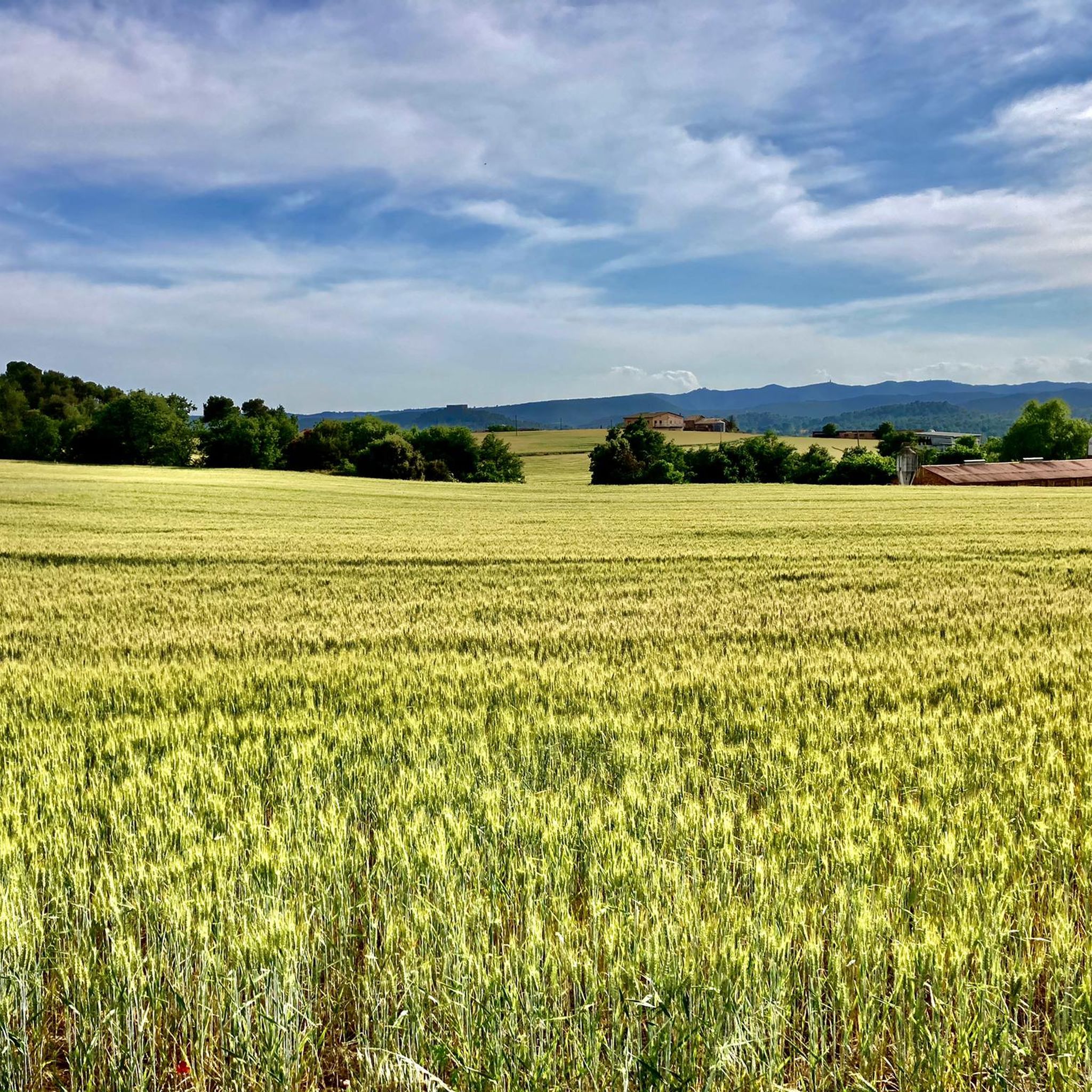
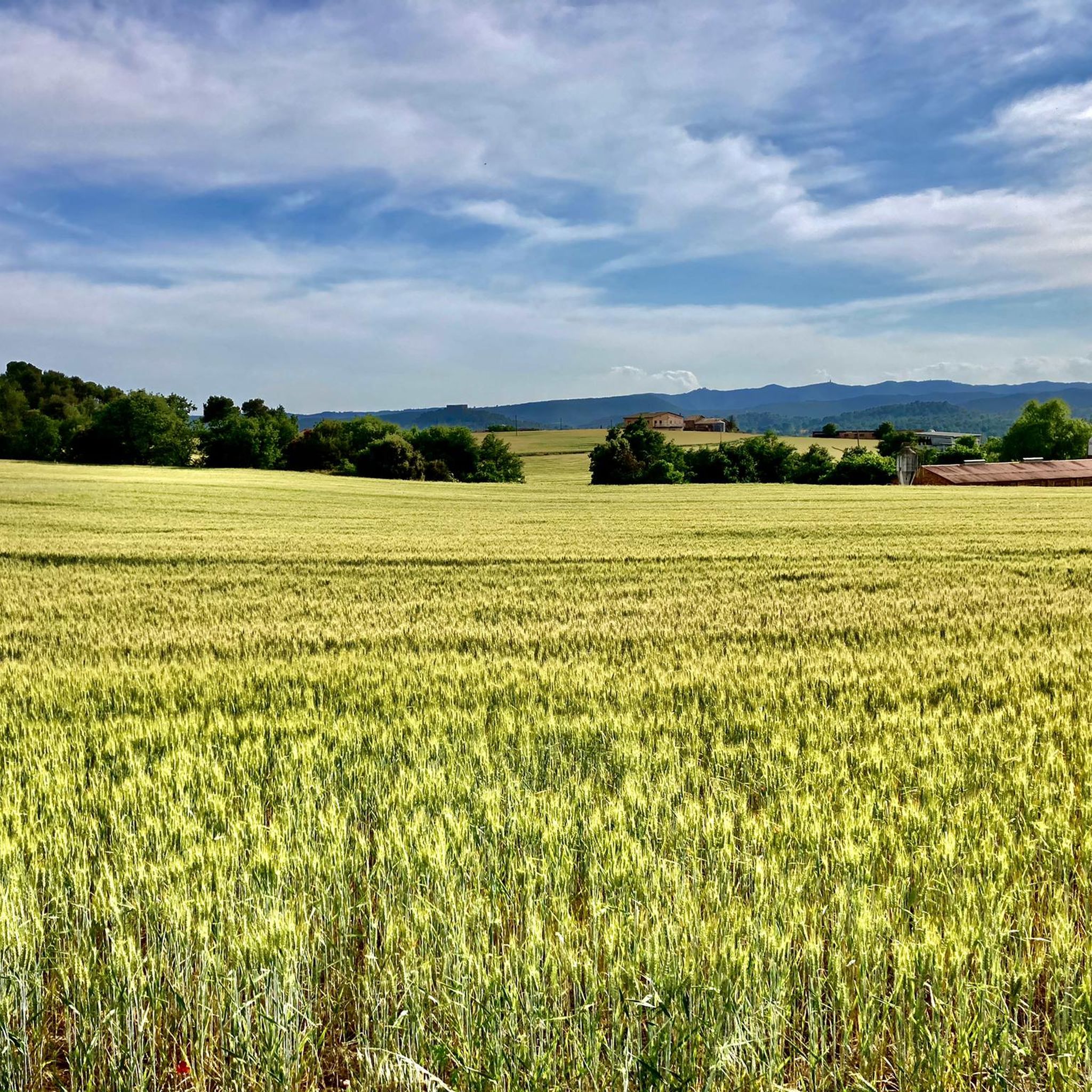
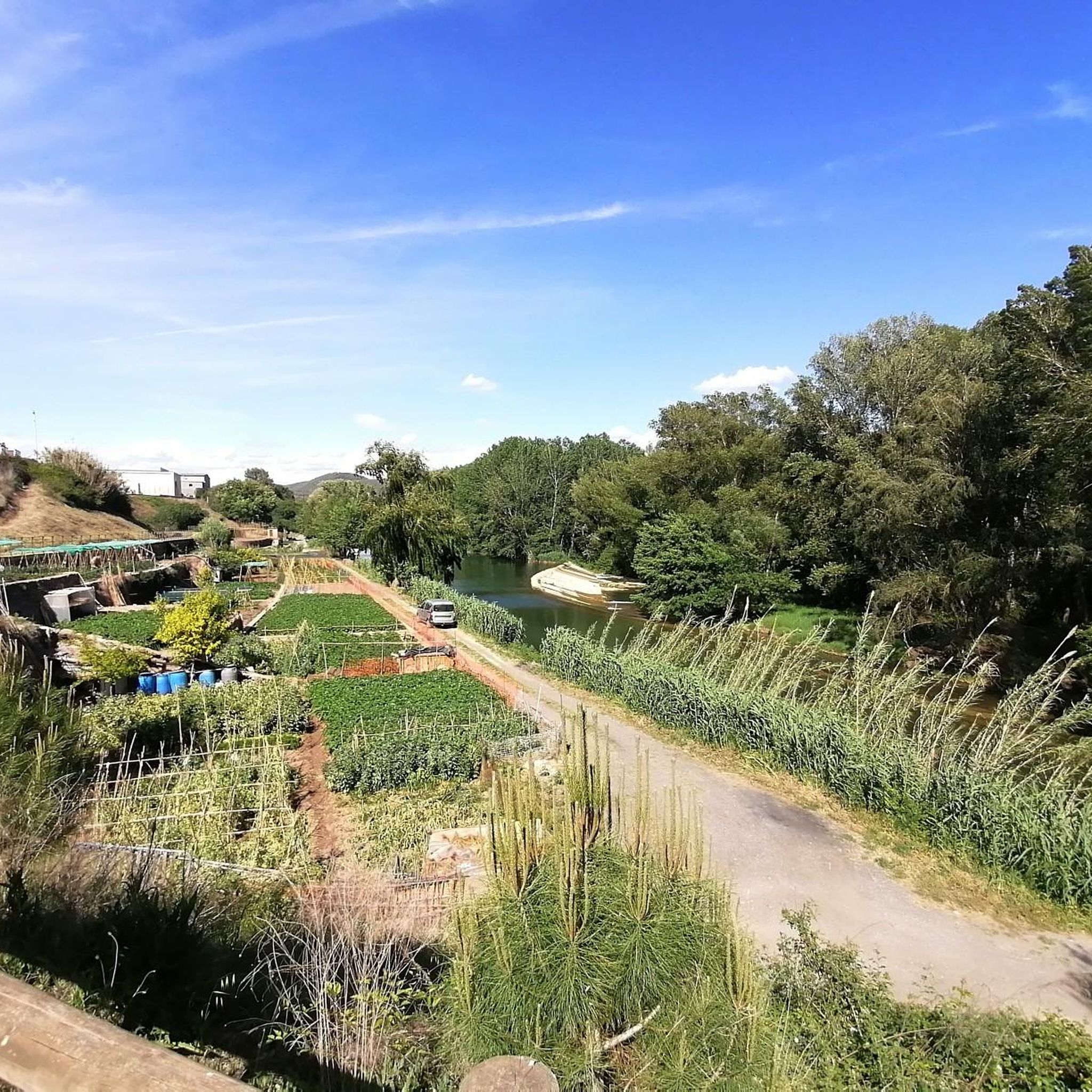
The L’Angla spring is located on the left or south side of the Calders river valley, between the Llac de Navarcles and Viladecavalls de Calders, near Navarcles but in the municipality of Calders and, consequently, in the Moianès region. The spring takes its name from the L’Angla farmhouse, documented since ancient times, through which the GR-3 trail passes. The spring is below the farmhouse, on a shady half-slope, facing a cliff of the winding Calders river and next to the L’Angla stream, in an oak grove with sections eroded by abusive logging and by excessive use of paths and foot traffic. The spring springs from above a rock. Around it, a small stone house was built, almost like a toy, large enough to sit in, with the back wall half made of natural rock where the water flows and half built of stone, two benches that follow the side walls and the water circulating on the ground and coming out of the door. The L’Angla spring is one of those that always flows. The L’Angla oak, with its beautiful shape and large proportions and therefore listed as a unique tree of Calders, stands out a few dozen meters below the spring. Text by Jordi Badia.
0
0

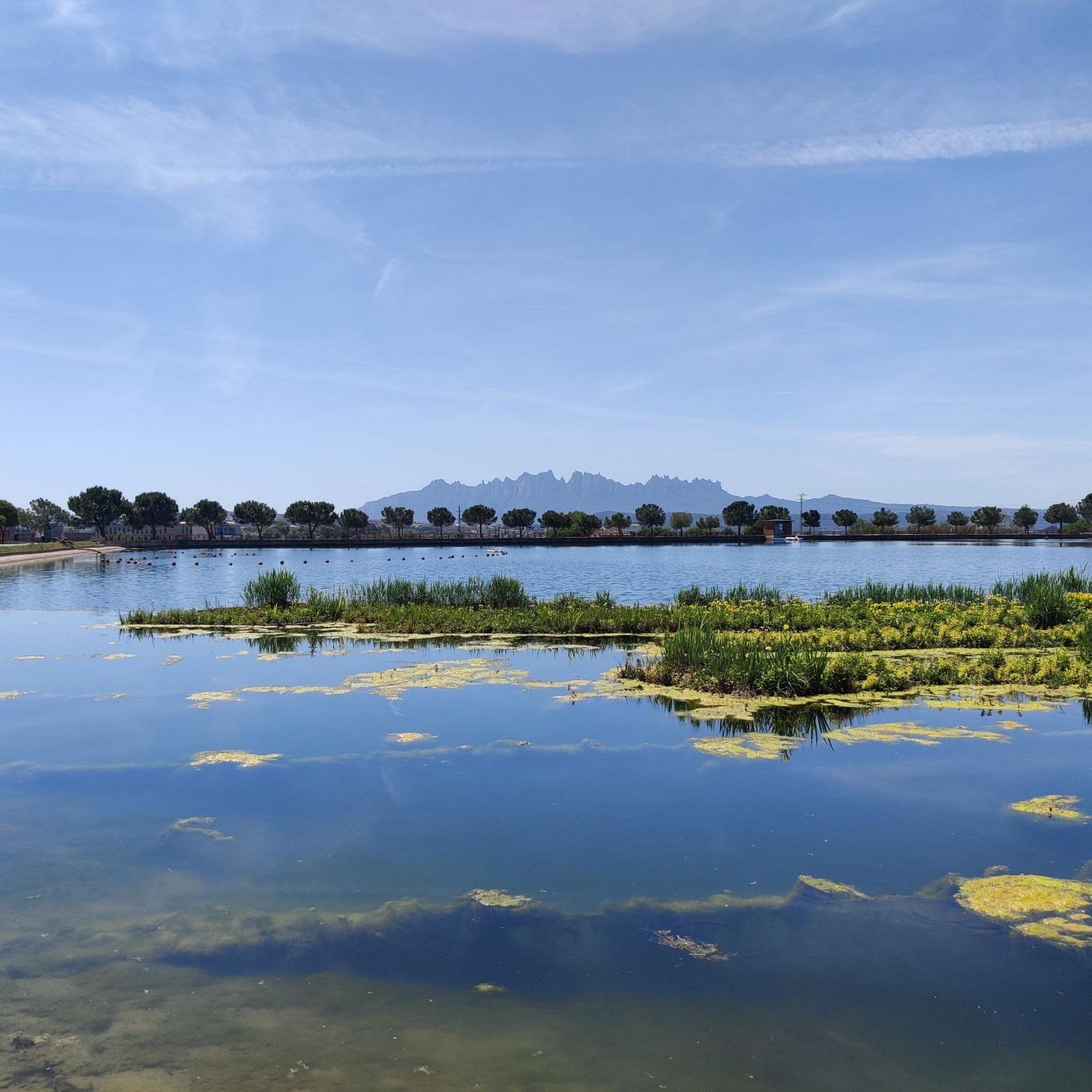
Space to relax and look towards Montserrat
0
0

Mountain of saline and other waste created between 1945 and 1977. The La Botjosa salt dump measures 775 meters long by an average width of 150 meters, occupies 13.5 Ha and its content is estimated at around 4 million tons of salty waste. Since the start of the new Cogulló dump in 1977, the potash mining of Sallent and Balsareny stopped dumping saline waste in La Botjosa. Since then, a considerable portion of the saline residues dumped in the La Botjosa dump has disappeared by dissolution in rainwater and air humidity, as evidenced by the geomorphologies in lapiaz on the slopes and dame coiffée where an object acting as an umbrella has protected the salt below
1
0

This park is a large reservoir with a nice trail around it for walking and biking. There is parking and a picnic area. It is a good place to relax or start or end an adventure.
2
0

The Parque de l’Agulla is a natural space located on the outskirts of Manresa, near the municipalities of Sant Fruitós de Bages and Santpedor. The park was born with the construction of the lake of l’Agulla between 1966 and 1974. The lake has a surface area of about 64,000 m2 and a capacity close to 200,000 m3. Its main source of water is the Sèquia de Manresa canal, of medieval origin.
2
0

Set of trails on the left bank of the Cal Flequer torrent that I have to travel more to track them well.
1
0

El Canyet del Muladar is a space to promote and conserve endangered dryland fauna. Joint project between Manresa City Council and Bages Biodiversity.
1
0

Salt residues from the Sallent mine.
0
0
Frequently Asked Questions
What unique natural features can I explore around Balsareny?
Balsareny offers a diverse natural landscape. You can explore the riparian forests along the Llobregat River, which are rich in biodiversity and home to various bird species. The area also features unique geological formations known as 'dames coiffées' near the Séquia de Manresa, and forests predominantly composed of white pine, holm oaks, and small-leaved oaks.
Are there any family-friendly natural monuments in the Balsareny area?
Yes, several natural monuments are suitable for families. Parque de l'Agulla, a lake near Manresa, is a great option with a nice trail for walking and biking, parking, and a picnic area. Another family-friendly spot is Canyet del Muladar, which focuses on conserving endangered dryland fauna.
What historical natural sites can I visit near Balsareny?
The region blends natural beauty with historical significance. The Resclosa dels Manresans, a medieval dam beneath Balsareny Castle, marks the beginning of the Séquia de Manresa, an impressive 14th-century irrigation canal. You can also visit the Dolmen, a historical site with trails, and the Font de l'Angla, a historic spring nestled in an oak grove.
What kind of geological formations can be found in Balsareny?
Balsareny is known for its interesting geological features. Near the Séquia de Manresa dam, you can observe 'dames coiffées' (ladies with hats), which are unique rock formations created by differential erosion. Additionally, the La Botjosa salt dump, while man-made, exhibits natural geological processes like lapiaz and dame coiffée formations due to salt dissolution.
Are there hiking or cycling trails near the natural monuments?
Yes, the area around Balsareny offers numerous trails for hiking and cycling. The Séquia de Manresa itself provides a unique natural trail for walking and cycling. For more structured routes, you can explore options for gravel biking, road cycling, and mountain biking that pass through the diverse landscapes of the region.
What is the best time of year to visit Balsareny's natural monuments?
The best time to visit Balsareny's natural monuments is generally during spring (April-June) and autumn (September-October). During these seasons, the weather is typically mild and pleasant for outdoor activities like hiking and cycling, and the natural scenery is vibrant. Summer can be hot, while winter offers a different, often quieter, experience.
Can I bring my dog to the natural monument trails around Balsareny?
Many natural trails in the Balsareny area are dog-friendly, especially those along the Llobregat River and the Séquia de Manresa. However, it's always recommended to keep your dog on a leash and ensure you clean up after them to preserve the natural environment for everyone. Specific rules might apply to certain protected areas, so check local signage.
What kind of wildlife can I expect to see along the Llobregat River?
The Llobregat River and its riparian forests are a vital ecosystem. Birdwatchers can spot diverse species, including herons and various ducks, especially during wintering and nesting seasons. Ospreys have also been observed. The river itself supports a variety of aquatic insect life, such as mayflies, stoneflies, and caddisflies.
Are there any natural monuments that offer good viewpoints?
Yes, several spots provide excellent views. Parque de l'Agulla offers relaxing views, including glimpses of Montserrat. The Dolmen site is also noted for its viewpoint, and the Font de l'Angla is situated in a scenic location overlooking the Calders river valley.
What makes the Séquia de Manresa a significant natural and historical site?
The Séquia de Manresa is remarkable for its blend of natural beauty and historical engineering. Built in the 14th century, this 26-kilometer medieval irrigation canal was a monumental feat for its time, supplying water to Manresa with a minimal elevation difference. Its path now serves as a natural trail, winding through forests, orchards, and fields, showcasing the rich natural environment and historical human ingenuity.
Where can I find parking when visiting natural monuments in Balsareny?
Parking availability varies by location. For instance, Parque de l'Agulla has dedicated parking facilities. For other natural areas like the Llobregat riverbanks or the Séquia de Manresa trails, it's advisable to look for designated parking areas in nearby towns or trailheads. Always check local signage for parking regulations.
What is the significance of the 'dames coiffées' geological formations?
The 'dames coiffées' (ladies with hats) are fascinating geological formations resulting from differential erosion. More resistant elements, such as sandstone slabs, protect the softer material beneath them, creating column-like structures topped with 'hats.' These formations are a natural testament to the powerful and artistic forces of erosion over time.
Most popular routes around Balsareny
Most popular attractions around Balsareny

Get inspired with the komoot mobile app


Explore more
Extend your search for the best caves by checking out these guides of the top ones around Balsareny:
