Top 4 Natural Monuments around Castrillo De Cabrera
Natural monuments around Castrillo De Cabrera are located in the province of León, Spain, a region known for its mountainous terrain and historical context. The area provides access to diverse natural landscapes, including significant geological formations and protected natural areas. Castrillo De Cabrera itself features picturesque landscapes and historical Roman canals, serving as a base for exploring the wider region's natural attractions. This area offers a blend of natural beauty and historical interest for outdoor enthusiasts.
Best natural monuments around…
Last updated: July 1, 2026
Pico Tuerto (2,051 m)
Highlight • Summit
Translated by Google •
Tip by

Silence Waterfall
Highlight • Waterfall
Translated by Google •
Tip by

Sign up now to discover places like this
Get recommendations on the best single tracks, peaks, & plenty of other exciting outdoor places.
Sign up for free
View of Los Doce Apóstoles
Highlight • Natural Monument
Translated by Google •
Tip by

View of Valle del Arroyo de la Yegua
Highlight • Viewpoint
Translated by Google •
Tip by
Montes Aquilianos
Highlight • Summit
Translated by Google •
Tip by
Start today with a free account
Your next adventure awaits.
Login or Signup
Popular around Castrillo De Cabrera
Tips from the Community

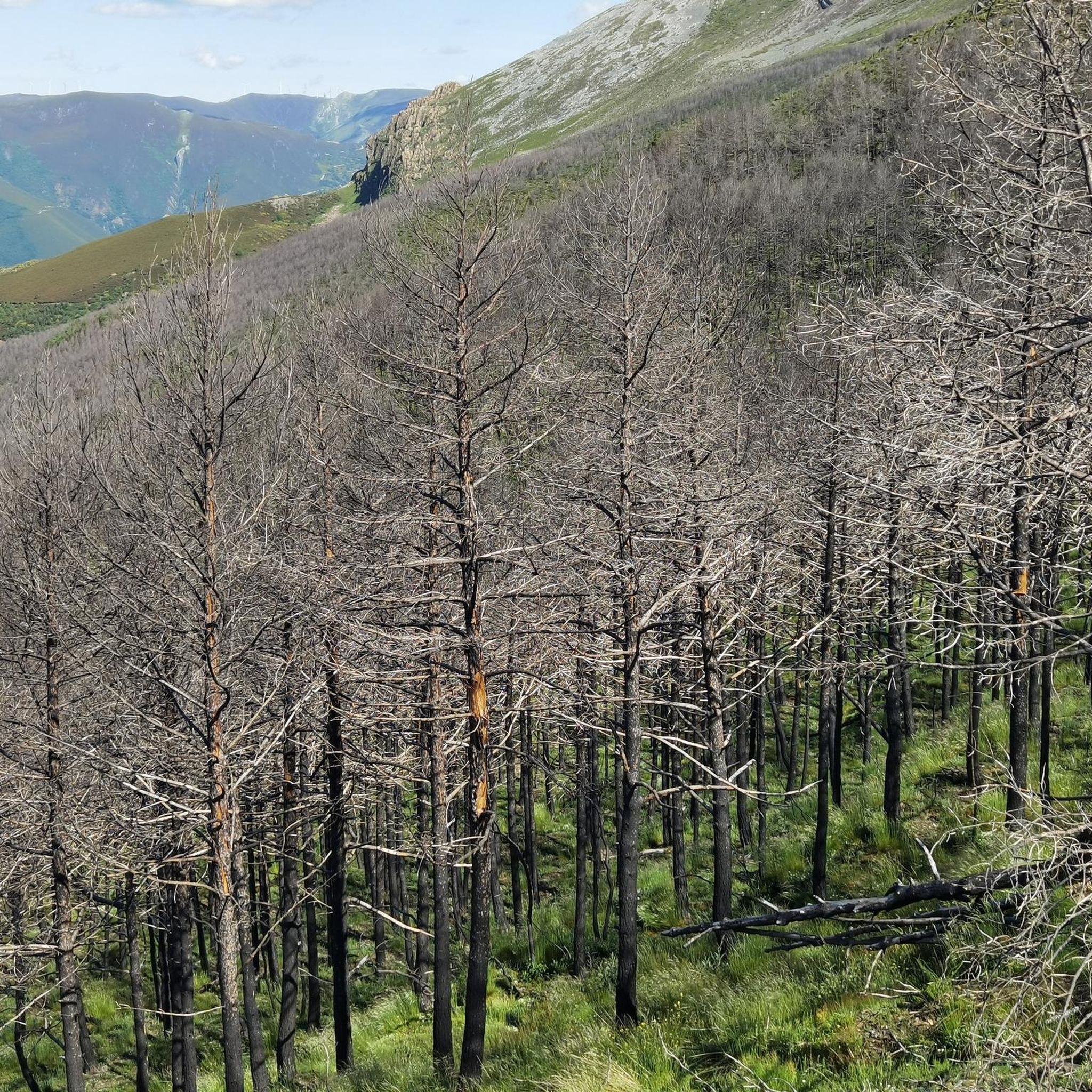
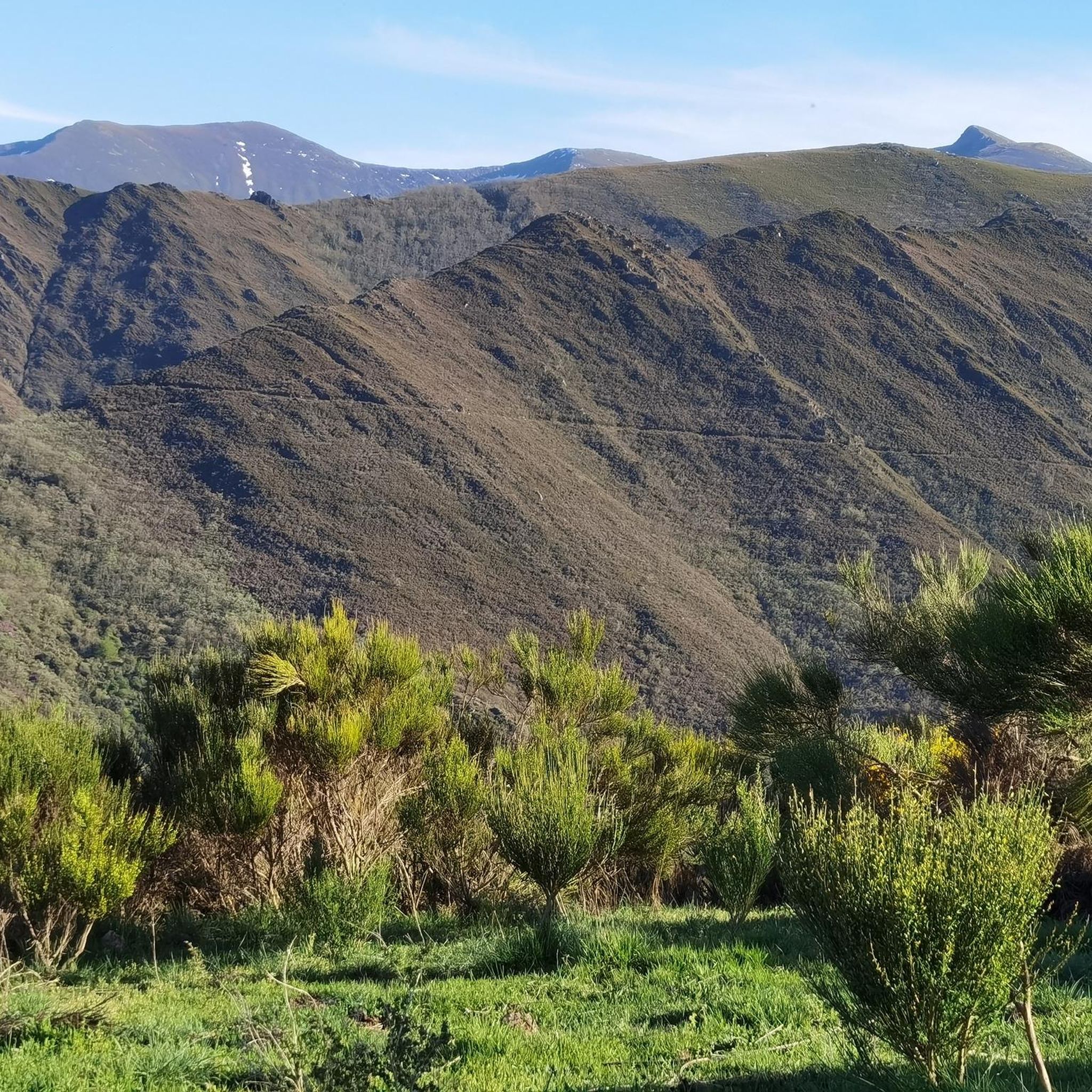
Pico Tuerto is a mountain located in the Montes Aquilianos, in the Bierzo region, offering spectacular views of the region, including Peñalba de Santiago and Ponferrada. It is a popular hiking destination, and one of the most popular routes begins at the Los Portillinos mountain pass. From there, you can ascend past other peaks such as Cabeza de la Yegua and Pico Morredero.
6
0
If you decide to explore this route, you will be surrounded by nature and stunning views. Enjoy your hike! 🏞️🚶♂️🥾🚵🌞
1
0
If you decide to explore this route, you will be surrounded by nature and stunning views. Enjoy your hike! 🏞️🚶♂️🥾🚵🌞
1
0
If you decide to explore this route, you will be surrounded by nature and stunning views. Enjoy your hike! 🏞️🚶♂️🥾🚵🌞
1
0
If you decide to explore this route, you will be surrounded by nature and stunning views. Enjoy your hike! 🏞️🚶♂️🥾🚵🌞
1
0
If you decide to explore this route, you will be surrounded by nature and stunning views. Enjoy your hike! 🏞️🚶♂️🥾🚵🌞
1
0

View of the jagged edge of the mountain called 'the twelve apostles' in this magical place in the heart of the El Valle del Silencio nature reserve. The walk continues towards the top of Aquina or Guayana at 1846 meters of altitude. Make sure you have a warm set of clothes as the weather can change in seconds.
2
0

Nice little waterfall that you can almost overlook.
2
0
Frequently Asked Questions
What are the most prominent natural monuments in the wider Castrillo De Cabrera region?
Beyond the local attractions, two significant natural monuments stand out: the Monumento Natural Lago de La Baña, known for its glacial origin and rich biodiversity, and the Monumento Natural Las Médulas, a UNESCO World Heritage site famous for its Roman gold mining landscape.
What unique geological features can I expect to see at Lago de La Baña?
Lago de La Baña is a classic example of glacial erosion, nestled within a perfectly formed glacial cirque. You can observe a well-preserved glacial moraine composed of slate slabs, which encloses the lake. The surrounding peaks, Peña Trevinca and Peña Surbia, exceed 2,000 meters, forming an impressive mountain amphitheater.
What kind of wildlife can be found around Lago de La Baña?
The area around Lago de La Baña is rich in biodiversity. You might spot emblematic species like the wolf and golden eagle, along with roe deer, wild boar, and various birds such as white herons and wild ducks. The lake itself is home to trout and amphibians like common salamanders and newt species.
What makes Las Médulas a unique natural monument?
Las Médulas is unique due to its striking, reddish, sculpted landscape, which is the result of extensive Roman gold mining using the 'ruina montium' technique. This method involved channeling mountain water to excavate gold, leaving behind impressive peaks and orange rock formations. It's a UNESCO World Heritage site showcasing a blend of history, engineering, and nature's reclamation.
Are there hiking opportunities at Las Médulas?
Yes, Las Médulas offers various trails that wind through the ancient mine, allowing visitors to explore the awe-inspiring formations. You can also visit viewpoints like Mirador de Orellán for panoramic views of this historical and natural landscape.
What are some of the local natural monuments directly around Castrillo De Cabrera?
In the immediate vicinity of Castrillo De Cabrera, you can explore natural monuments like the Silence Waterfall, a small, serene waterfall in the undergrowth. Another notable spot is Pico Tuerto (2,051 m), a summit offering spectacular views.
Where can I find impressive mountain views near Castrillo De Cabrera?
For impressive mountain views, head to Pico Tuerto (2,051 m) in the Montes Aquilianos. From its summit, you can see the Cordal del Pico Cruz Mayor, Pico Guiana, Ponferrada, the Valle del Silencio, and the Valley of the Cabrera river. Another great spot is the View of Valle del Arroyo de la Yegua, located at 1,999 meters.
Are there any unique rock formations to see?
Yes, you can visit the View of Los Doce Apóstoles, a natural monument featuring curious jagged rocky outcrops located in the heart of the El Valle del Silencio nature reserve.
What outdoor activities can I do near these natural monuments?
The region around Castrillo De Cabrera offers diverse outdoor activities. You can find numerous hiking trails, including routes to Cueva de San Genado and the Pico Tuerto Trail. For cyclists, there are challenging road cycling routes like the Sierra de la Cabrera Loop. Additionally, running trails such as the Lago de Truchillas Trail are available.
What is the best time to visit the natural monuments around Castrillo De Cabrera?
The best time to visit is generally during spring, summer, and early autumn when the weather is most favorable for outdoor activities like hiking and exploring. However, some areas, like the View of Los Doce Apóstoles, should be avoided in winter months or heavy rain due to potential dangers.
Are there family-friendly options among the natural monuments?
While many trails can be challenging, the 4 km round trip La Baña Lake Route at Lago de La Baña offers low-difficulty hiking, making it accessible for nature enthusiasts and potentially suitable for families. The Silence Waterfall is also a small, easily accessible natural feature.
What historical elements can be found alongside the natural beauty?
Castrillo de Cabrera itself is known for its historical Roman canals. Further afield, Las Médulas is a prime example where natural beauty intertwines with history, showcasing the vast scale of Roman gold mining operations and sophisticated hydraulic engineering from ancient times.
Most popular routes around Castrillo De Cabrera
Most popular attractions around Castrillo De Cabrera

Get inspired with the komoot mobile app


Explore more
Extend your search for the best caves by checking out these guides of the top ones around Castrillo De Cabrera:
