Top 15 Natural Monuments around Almegíjar
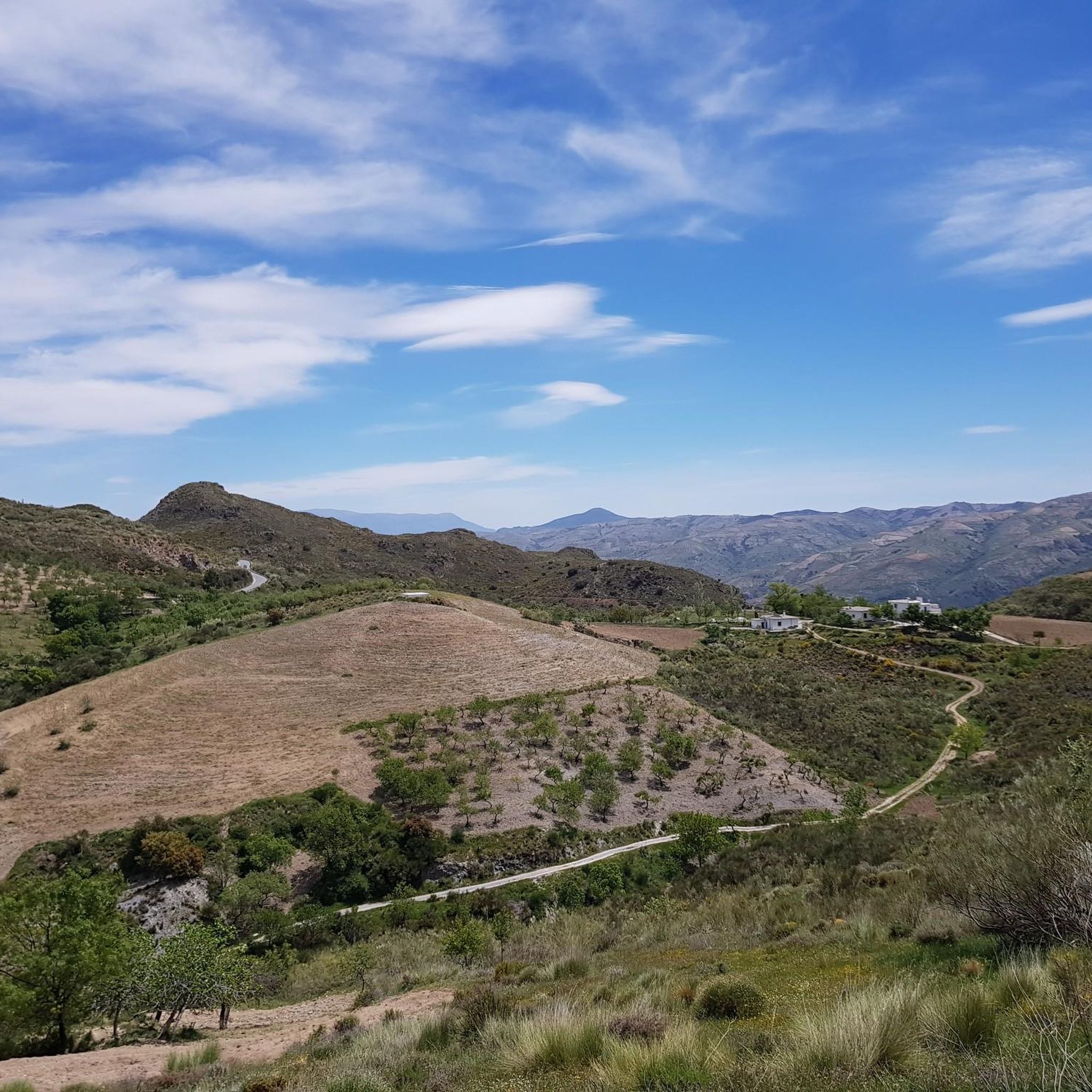
Best natural monuments around Almegíjar are found in the Alpujarra region of Granada, Spain, an area characterized by its mountainous terrain and diverse geological formations. This region offers a variety of natural attractions, including ravines, limestone outcrops, and vertical cliffs. These features contribute to Almegíjar's appeal for outdoor activities. The landscape provides opportunities for exploration and appreciation of the natural environment.
Best natural monuments around Almegíjar
- The most popular natural monuments is Poqueira River Waterfall, a waterfall that demonstrates…
Last updated: July 1, 2026
Tajos del Ángel Viewpoint
Highlight • Viewpoint
Translated by Google •
Tip by

Peñabón
Highlight • Summit
Tip by

Sign up now to discover places like this
Get recommendations on the best single tracks, peaks, & plenty of other exciting outdoor places.
Sign up for free
Tajo de Cortés Waterfall
Highlight • Waterfall
Translated by Google •
Tip by

Loma de Cascajar Negro
Highlight (Segment) • Viewpoint
Translated by Google •
Tip by

Río Chico Dam
Highlight • Structure
Translated by Google •
Tip by
Sign up for free to discover even more natural monuments around Almegíjar.
Sign up for free
Already have an account?
Start today with a free account
Your next adventure awaits.
Login or Signup

Tips from the Community

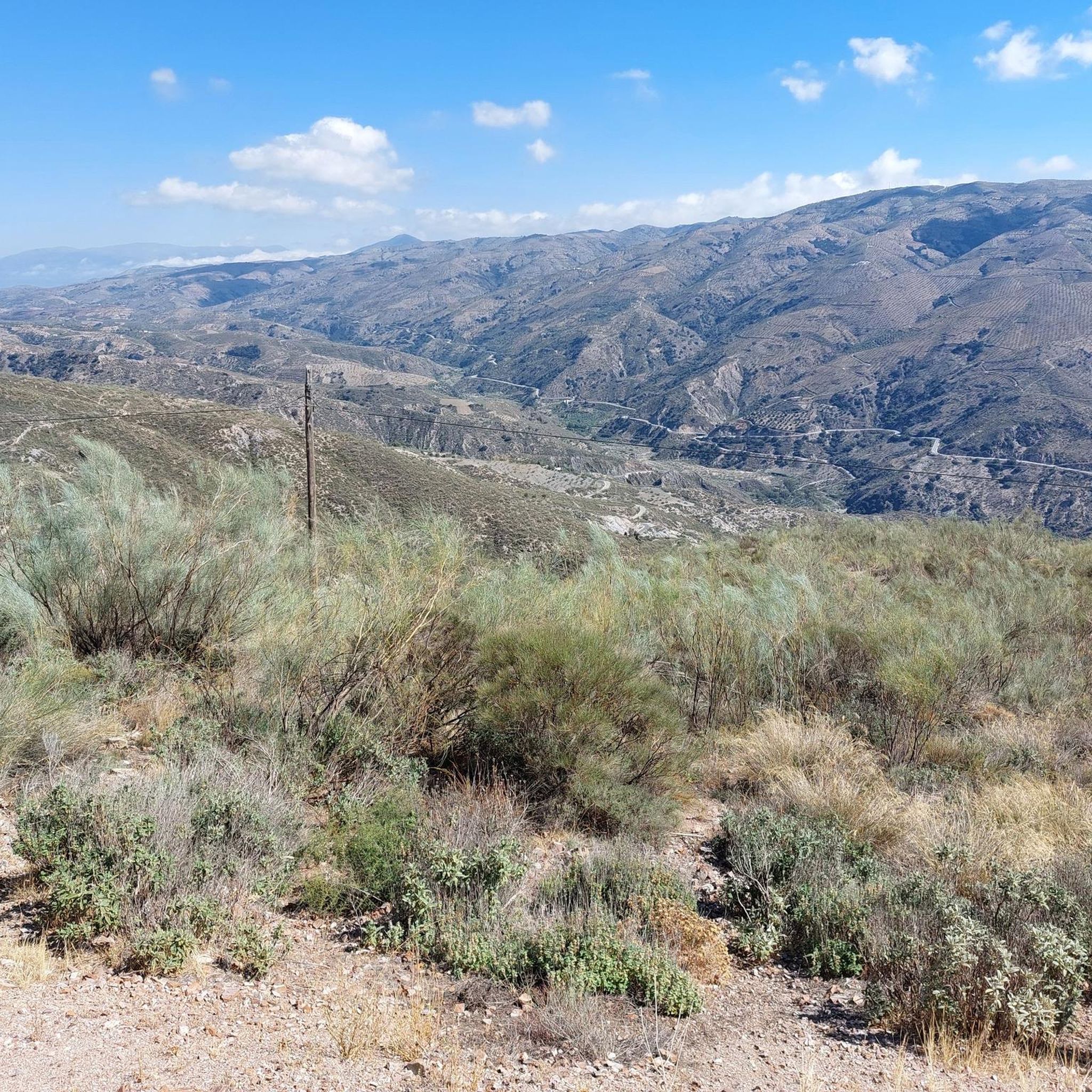
This hike is really tough: -very poorly signposted -inaccurate komoot navigation -long, constant ascent, 560 meters of altitude gain -during the ascent, you have to climb a section on scree, for me even on hands and knees -the descent goes for a long time over scree, loose slate, along a very narrow path next to the ravine -we took 8 hours for it..(got lost for a bit and had to turn back to find the right path again) -tip: look for the 'stone men', so you can still orient yourself now and then
0
0

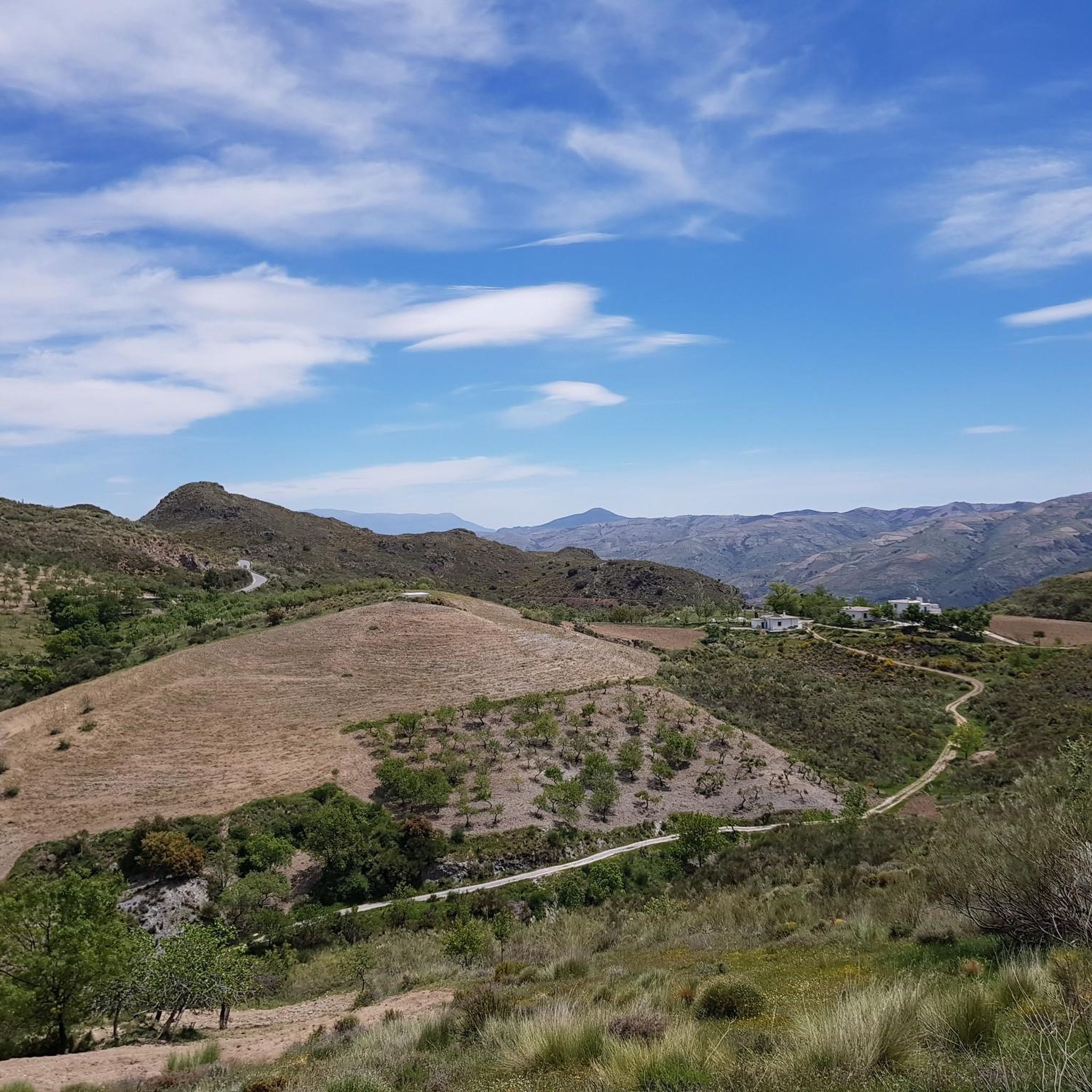
No problem at all with the north way, really nice landscape; 1h30 in running
2
0


The Tajo de Cortés Waterfall is an impressive waterfall located in the Alpujarra Granadina, near the towns of Pitres and Pórtugos in Andalusia. Two routes that will take you to this beautiful waterfall: Sendero PR-A 29 from Pórtugos or the somewhat shorter Circular Route from Pitres.
1
1

Large dam on the hiking trail
0
1

The Chico River is a tributary of the Trevélez River. This dam is the first thing you encounter when you arrive at the town if you enter through the western area of its Barrio Alto.
0
1
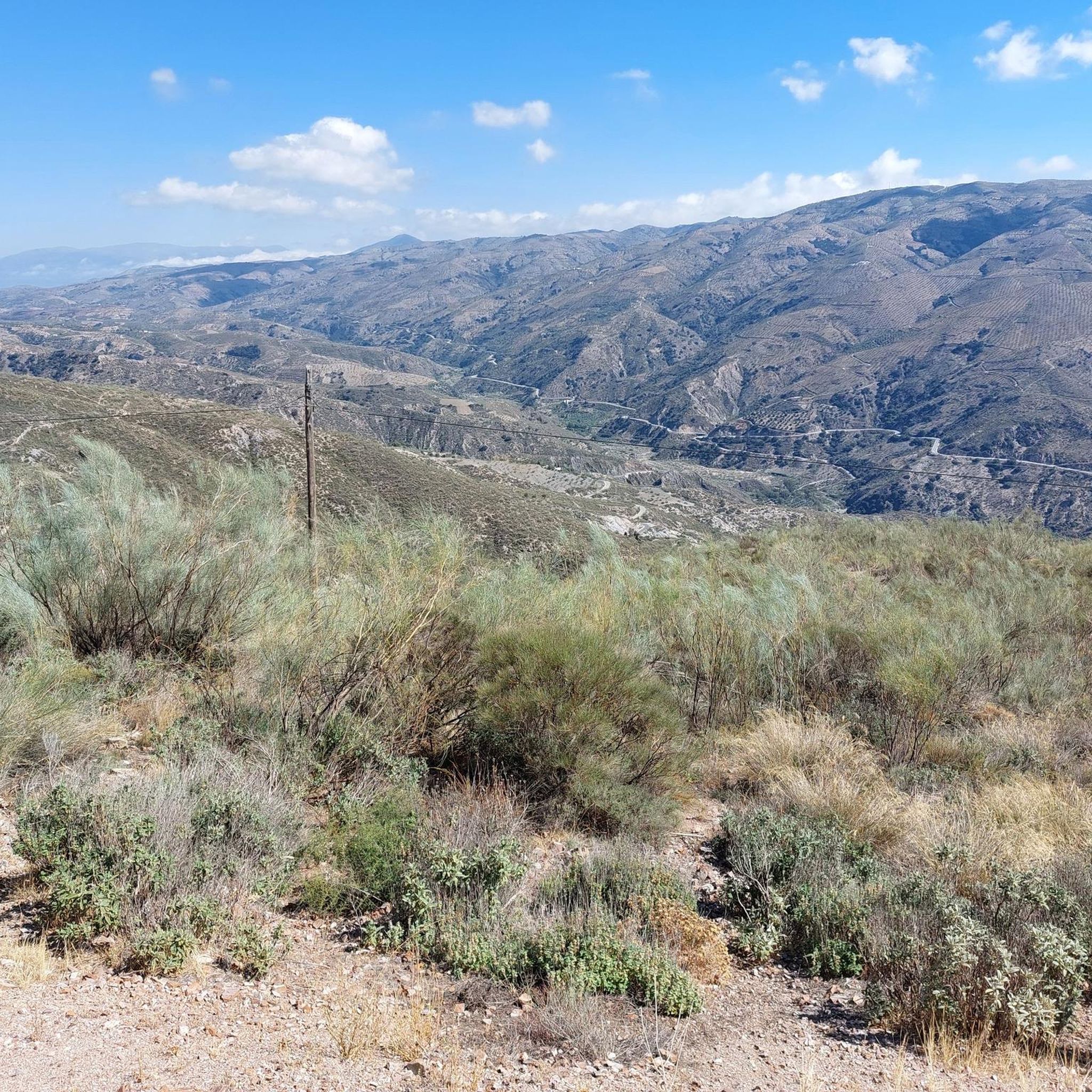
If you want to access the viewpoint, you just have to walk along a paved road that takes you there in a gentle climb. The views from above are spectacular: you can see the high mountains of Sierra Nevada, as well as the entire Poqueira ravine and its three famous towns: Pampaneira, Bubión and Capileira.
2
0

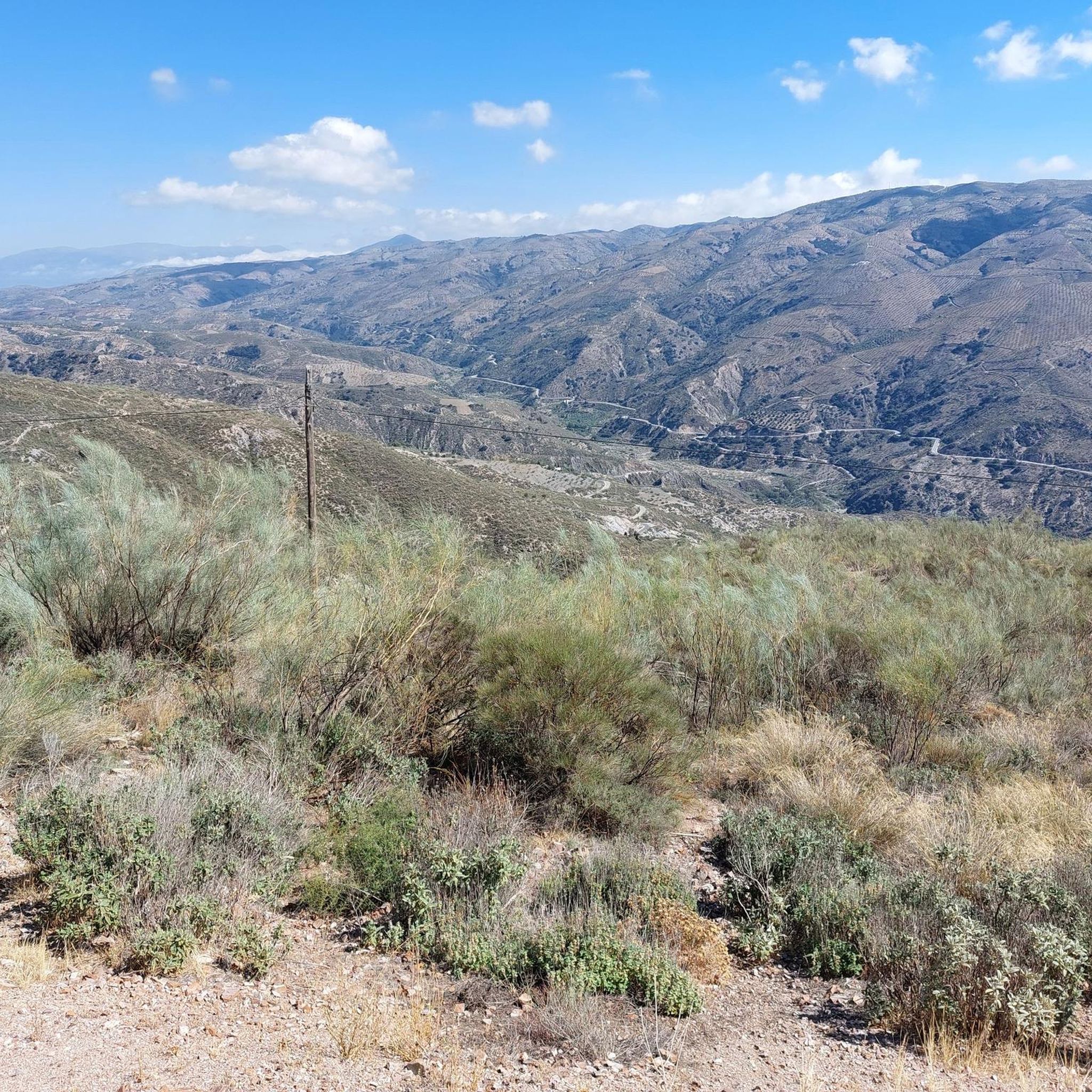
Tajos del Ángel viewpoint one of the best places to rest from the long and intense climb to the vane from the coast
0
0
Frequently Asked Questions
What types of natural features can I explore around Almegíjar?
The Almegíjar area, nestled in the Alpujarra region, offers a diverse range of natural features. You can discover impressive waterfalls like the Poqueira River Waterfall and Tajo de Cortés Waterfall, along with stunning viewpoints such as Tajos del Ángel Viewpoint and Loma de Cascajar Negro. The landscape also features significant summits like Peñabón, deep ravines, limestone outcrops, and vertical cliffs ideal for climbing.
Are there family-friendly natural monuments suitable for all ages?
Yes, the Tajos del Ángel Viewpoint is considered family-friendly. It's accessible via a paved road with a gentle climb, offering spectacular views of the Sierra Nevada and the Poqueira ravine, including the towns of Pampaneira, Bubión, and Capileira. Many of the natural areas also offer easier sections for leisurely walks.
What outdoor activities can I do near the natural monuments around Almegíjar?
The mountainous terrain and diverse geological formations around Almegíjar make it excellent for various outdoor activities. You can enjoy hiking, trail running, and mountain biking. For specific routes, check out the Running Trails around Almegíjar, Mountain Hikes around Almegíjar, and MTB Trails around Almegíjar guides.
Are there specific hiking trails to reach the waterfalls?
Yes, to reach the Tajo de Cortés Waterfall, you can follow the Sendero PR-A 29 from Pórtugos or opt for the somewhat shorter Circular Route from Pitres. The Poqueira River Waterfall is also part of routes that showcase the force of the Poqueira River.
What are the best viewpoints to experience the Sierra Nevada mountains?
For breathtaking views of the Sierra Nevada, visit the Tajos del Ángel Viewpoint, which offers panoramic vistas of the high mountains and the Poqueira ravine. Another excellent spot is Loma de Cascajar Negro, providing a perfect view of the Sierra Nevada, including Pico del Veleta, from within pine forests.
What is the best time of year to visit the natural monuments around Almegíjar?
The Alpujarra region, including Almegíjar, generally enjoys pleasant weather for outdoor activities during spring (April-May) and autumn (September-October). These seasons offer milder temperatures, ideal for hiking and exploring the natural monuments without the intense heat of summer or the colder conditions of winter at higher altitudes.
Are there any challenging ascents for experienced hikers?
Absolutely. Peñabón is a classic and challenging ascent from Trevélez, featuring a reconditioned and signposted local path. The region's mountainous terrain, with its numerous vertical cliffs and summits, provides ample opportunities for experienced hikers and climbers seeking more demanding routes.
What geological features are prominent in the Almegíjar area?
The Almegíjar area is characterized by its striking limestone outcrops, deep ravines, and vertical rock walls. Notable features include the Barranco de La Toba, Cerro de la Solana with its limestone formations, and the Tajo del Cajelón, known for its vertical walls suitable for climbing. The Raja del Moro also features a deep and spectacular fissure.
What kind of vegetation can I expect to see in the natural areas?
The natural areas around Almegíjar boast varied vegetation. You'll find gallery forests with poplars, wild rose bushes, and brambles in ravines like Barranco de La Toba and Rambla de la Barbacana. Higher up, areas like Tajo del Cajelón feature broom, heather, and olive groves, while Loma de Cascajar Negro is surrounded by pine forests.
What do visitors particularly enjoy about the natural monuments in this region?
Visitors frequently highlight the spectacular panoramic views, especially from viewpoints overlooking the Sierra Nevada and the picturesque Poqueira ravine. The force and beauty of the waterfalls are also highly appreciated, as are the well-maintained paths for ascents like Peñabón. The diverse landscapes and opportunities for exploration are consistently praised.
Is Almegíjar known for any specific natural landmarks related to climbing?
Yes, Almegíjar and its surroundings are known for several natural landmarks with vertical walls suitable for climbing. These include the Cueva del Moro, which hosts the Tajo del Cerro de La Cruz, and the Tajo del Cajelón, located between Almegíjar and Notaez. Tajo La Calera in the northern part of the municipality also features a vertical limestone wall.
Are there any natural monuments that have historical significance?
While the natural monuments themselves are primarily geological and ecological features, the Poqueira River Waterfall has historical significance due to the Poqueira River's traditional use for irrigation and power generation. The broader Alpujarra region also has a rich history, with many natural sites intertwined with local traditions and livelihoods.
Most popular routes around Almegíjar
Most popular attractions around Almegíjar

Get inspired with the komoot mobile app


Explore more
Extend your search for the best caves by checking out these guides of the top ones around Almegíjar:
