Top 11 Natural Monuments around Santa Fe Del Penedès
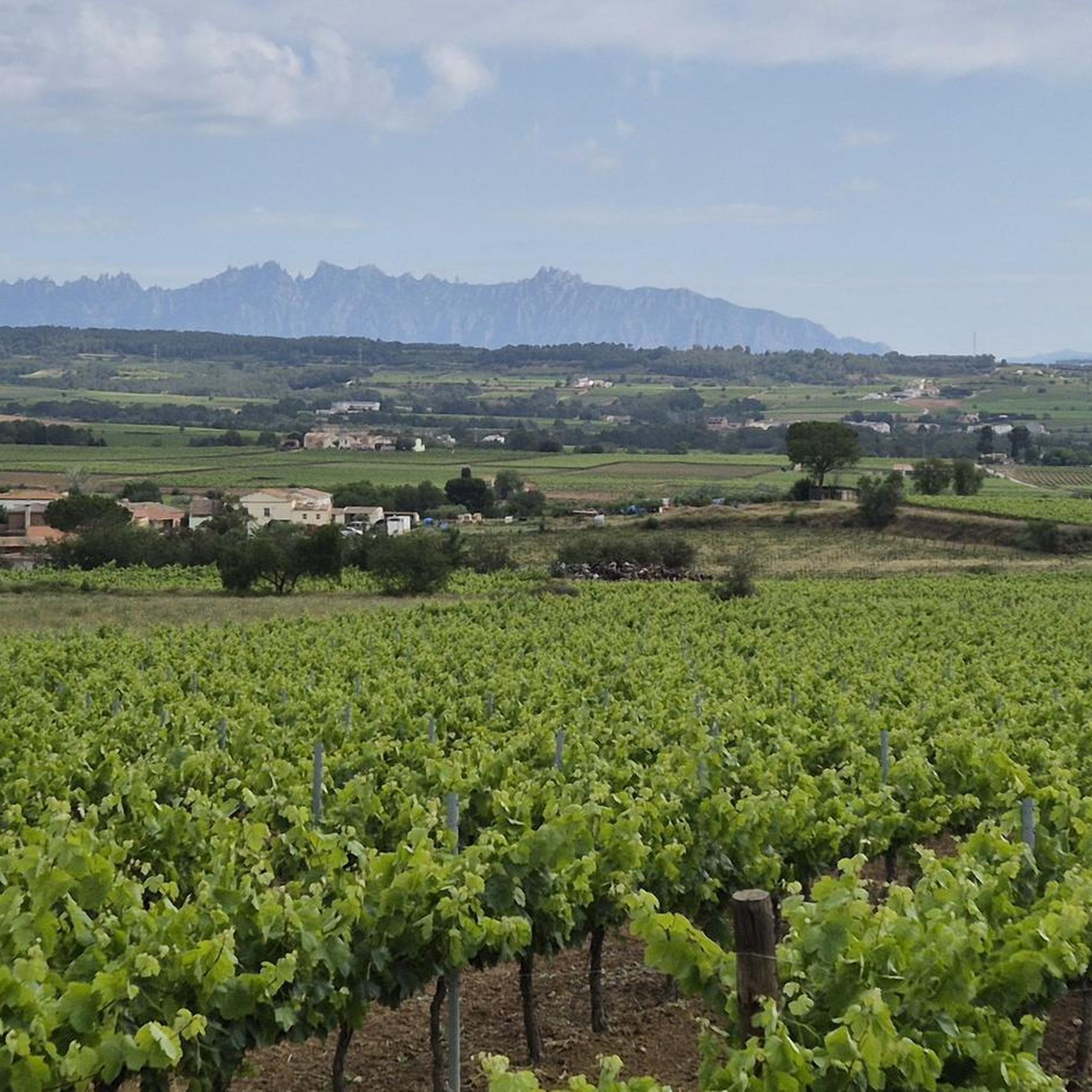
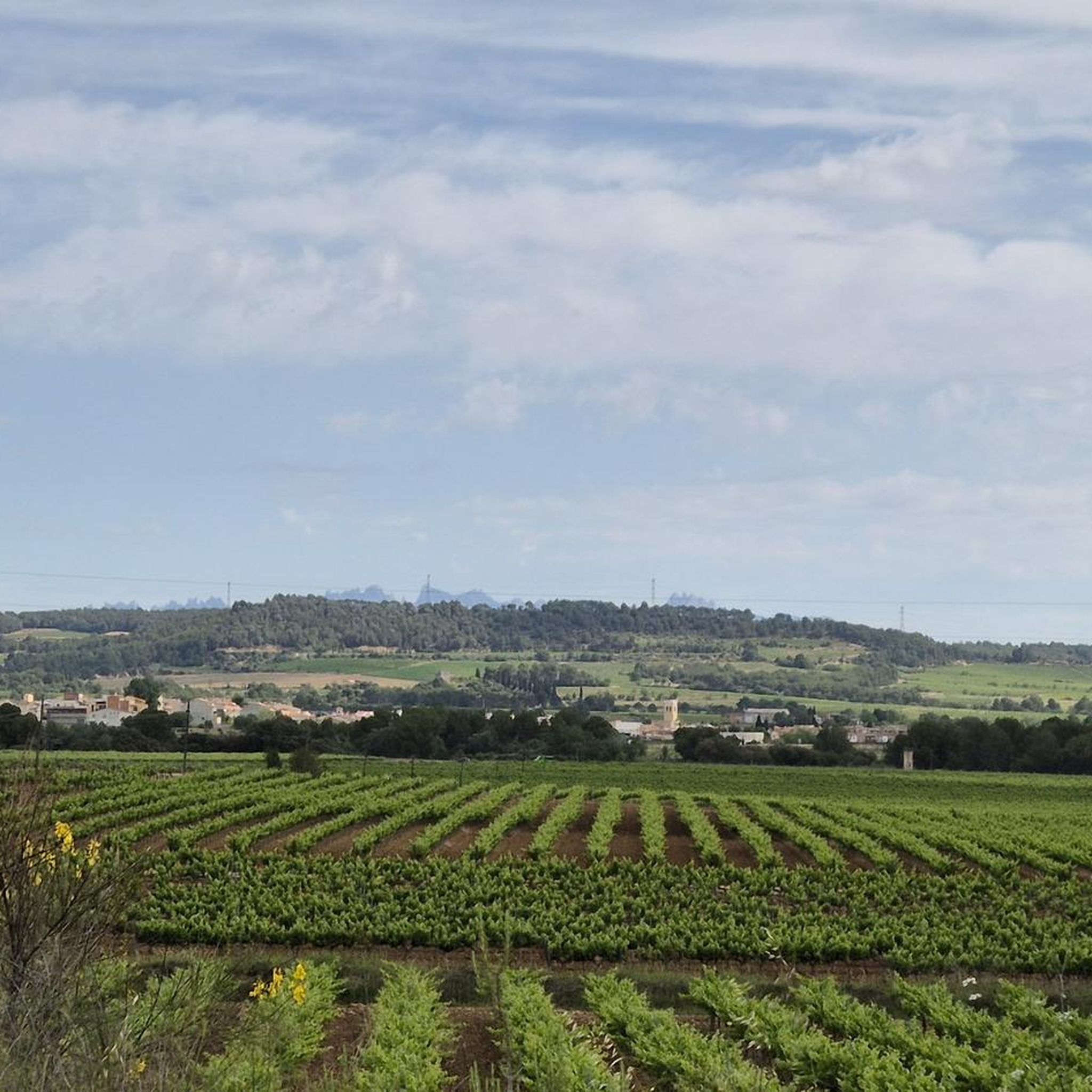
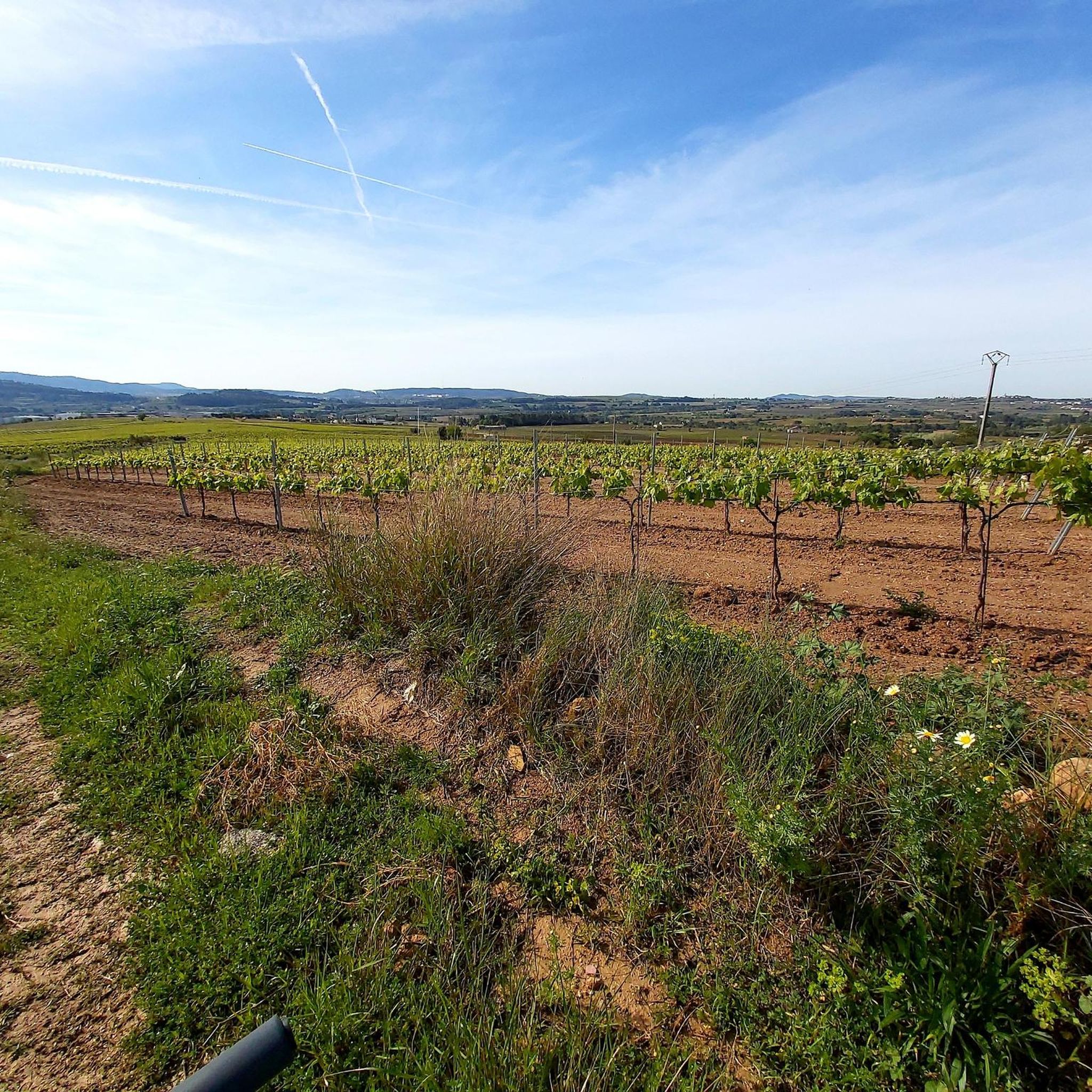
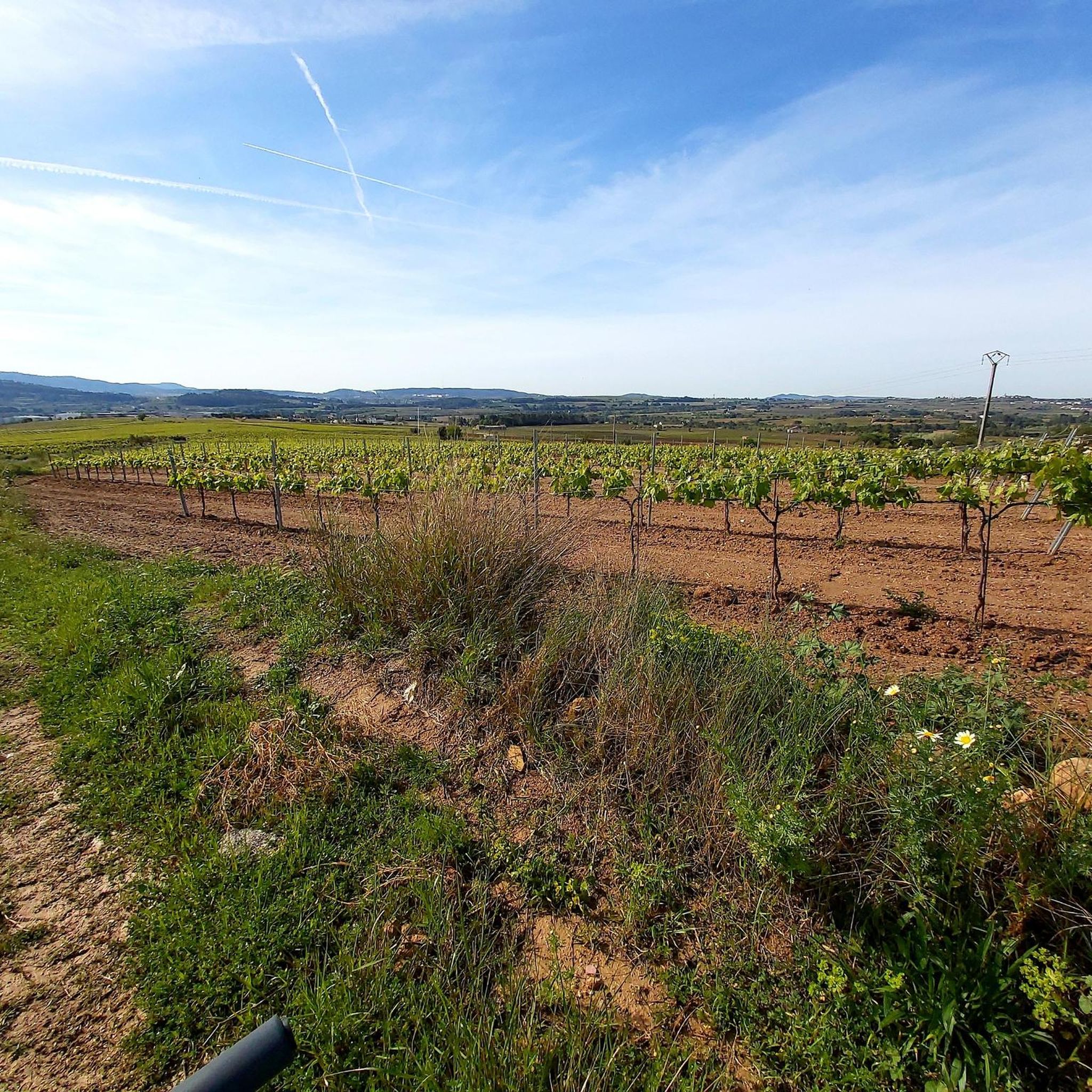
Best natural monuments around Santa Fe Del Penedès are characterized by a harmonious blend of cultivated nature and serene landscapes. The region, located in the Alt Penedès, is primarily known for its extensive vineyard landscape, which defines its economic, cultural, and scenic identity. This area features gently undulating terrain and hills, with the highest point reaching 313 meters. The vineyards, central to Spain's wine and Cava production, offer a distinctive Mediterranean countryside.
Best natural monuments around Santa Fe Del Penedès
…Last updated: July 1, 2026
Gran Pèlag of Vilobí del Penedès
Highlight • Lake
Translated by Google •
Tip by

Penya del Papiol
Highlight • Summit
Translated by Google •
Tip by

Sign up now to discover places like this
Get recommendations on the best single tracks, peaks, & plenty of other exciting outdoor places.
Sign up for free
Pla dels Albats Necropolis and Chapel Ruins
Highlight • Historical Site
Translated by Google •
Tip by

Les Deus Fountains
Highlight • Natural Monument
Translated by Google •
Tip by

Crestabocs Ridge / Hill of Lies
Highlight • Summit
Translated by Google •
Tip by

Sign up for free to discover even more natural monuments around Santa Fe Del Penedès.
Sign up for free
Already have an account?
Start today with a free account
Your next adventure awaits.
Login or Signup

Tips from the Community

Les Deus is a natural site of Sant Quintí de Medionai is a space where there are 23 sources of water in a beautiful area to take a break.
0
0

Necropolis located on the elongated hill located in front of the Olerdolana wall. It is known as Pla dels Albats (relatively modern place name). This name comes from the numerous small and medium-sized tombs corresponding to infants and alabtas (babies who died before receiving the sacraments or having the use of reason) found in the necropolis of anthropomorphic tombs. More than a hundred tombs have been located. The graves are excavated in the rock, they are rectangular in plan, with the head separated from the rest of the body and narrower at the feet. Most feature a socket in the rock itself for the cap. The graves follow the east-west orientation. In the middle of the necropolis are the ruins of a building that has been identified as the remains of the chapel of Santa Maria. Part of the north wall is preserved, with a height close to 3 meters and the west wall, modernly altered. The chapel of Santa Maria and the necropolis must be associated with the population, more or less dispersed, located outside the walls in medieval times. They were already in operation at the beginning of the 10th century. Observations: Archaeological research is very incipient in this sector, its evolution will confirm the exact functionality of the building described, its chronology and the relationship with the remains of another building that can be guessed in the middle of the necropolis.
3
0
Small peak, near a quarry, where a series of rural roads converge. This is a typical area of the Penedès with extensive fields of vineyards interspersed with scattered farmhouses where you can also appreciate old quarries. From the top, if the vegetation allows us, you can see from Montserrat, la Mola, la Morella, el Montmell, el Montau and el Puig de l'Àliga, among others. As can be read on a small panel at the top, the Toponym derives from the word "popia", which in the geographical vocabulary of the popular language designates a hill of low height, with a regularly rounded shape and a wide base: the shape of the chest of 'a woman. The word "Papiol" derives from this metaphor. The name is already documented in 992 as the boundary of Viladellops (Olèrdola). Essential peak included in the list of 100 peaks of the F.E.E.C. https://www.feec.cat/activitats/100-cims/cim/penya-del-papiol/
1
0

Pla dels Albats Necropolis owes its name to the numerous tombs of children and newborns (babies who died before receiving the Sacraments). More than a hundred tombs outside the enclosure are documented. The tombs are excavated in the rock, they are rectangular with the head differentiated from the rest of the body and narrower at the feet. Most of them have a lace in the same rock for the cover. This consisted of one or several slabs that protected the body. The graves follow the east-west orientation.
2
0
A natural area where you can enjoy lakes, pools, caves and waterfalls. Les Deus are a series of 23 fountains in a row - the water comes from a main source of the Carme Capellades aquifer. In high season, people take advantage of the lakes as a bathing area. On the highest part there is a restaurant and a bar with views and below there is a picnic area. There is also an adventure park where there is via ferrata etc.
1
0

mountain shoes, very dangerous and slippery area!
1
0

The Pèlags of Vilobí del Penedès are a small natural place in Vilobí del Penedès, in the Alt Penedès region. This space is made up of the old gypsum quarries on the Vilobí hill. It is of great scenic beauty and great ecological and geological value. This is a very peculiar area, a wetland with the presence of many species of birds, including several protected. The Pèlags de Vilobí have the interesting feature that four different environmental spaces come together in the same area: rock, forestry, agriculture and water. [ The pelagics - also called the cuttings - appeared as a result of the gypsum extraction activity that dates back to Roman times and has been typical of Vilobí until 1993. Since it stopped being extracted stone, a natural space has been formed consisting of four pelagics. The concentration of runoff water has given rise to its characteristic crescent shape and the particular ecosystem that has developed in the environment. It has very interesting and very peculiar landscapes such as the quarries themselves, and a very peculiar fauna and flora. This microecosystem formed by the Vilobí pelagics contrasts sharply with the wine landscape of the Alt Penedès region. Wikiloc dixit
1
0

La Penya del Papiol is a mountain of 381 meters located in the municipality of Olèrdola, in the Catalan region of Alt Penedès.
16
0
Frequently Asked Questions
What are the most notable natural features and viewpoints around Santa Fe Del Penedès?
The region is characterized by its extensive vineyard landscape and gently undulating hills. Key natural features include the unique ecosystem of the Gran Pèlag of Vilobí del Penedès, a lake formed from ancient gypsum extraction. For panoramic views, consider Penya del Papiol or Crestabocs Ridge / Hill of Lies, both offering expansive vistas of the vineyards and distant mountains like Montserrat. Another excellent viewpoint is Miravinya La Bardera, which also provides views of the northern Penedès plain.
What kind of terrain can I expect when exploring the natural monuments in Santa Fe Del Penedès?
You will encounter gently undulating terrain and hills, typical of a vineyard landscape. While many areas are accessible, some summits like Penya del Papiol and Crestabocs Ridge / Hill of Lies are classified as challenging due to uneven ground and loose stones. The highest point in the municipality is Puig dels Pujols at 313 meters.
When is the best time to visit the natural monuments in Santa Fe Del Penedès?
The Mediterranean climate offers mild and warm conditions with ample sunlight, making spring and autumn particularly pleasant for exploring. The vineyards are especially stunning during these seasons, from the vibrant greens of summer to the rich, coppery hues of autumn before the vines become dormant. Summer can be warm, but still offers beautiful scenery.
Are there family-friendly natural monuments or activities in the area?
Yes, the Gran Pèlag of Vilobí del Penedès is considered family-friendly, offering a unique ecosystem to explore. Additionally, the Miravinya La Bardera viewpoint is also suitable for families, providing accessible views of the landscape.
What outdoor activities can I do near these natural monuments?
The region's rolling hills and vineyard landscapes are ideal for various outdoor activities. You can find numerous hiking routes, road cycling routes, and general cycling tours that traverse the scenic countryside, often passing by these natural points of interest.
Are there any historical sites among the natural monuments?
Yes, the Pla dels Albats Necropolis and Chapel Ruins is a significant historical site. It features rock-cut tombs dating back to medieval times, offering a glimpse into the region's past. The Miravinya La Bardera viewpoint is also located near the 14th-century La Bardera farmhouse, adding a historical context to the natural views.
What makes the Gran Pèlag of Vilobí del Penedès unique?
The Gran Pèlag of Vilobí del Penedès is a unique natural space consisting of four lagoons that formed as a result of ancient gypsum extractive activity. This has created a distinct microecosystem with significant ecological and geological value, contrasting strongly with the surrounding wine-growing landscape.
Can I see views of Montserrat from the natural monuments?
Yes, from elevated points like Penya del Papiol, you can enjoy panoramic views that include the distant mountains of Montserrat, alongside the extensive vineyard fields of the Penedès region.
What do visitors enjoy most about the natural monuments around Santa Fe Del Penedès?
Visitors appreciate the harmonious blend of cultivated nature and serene landscapes. The spectacular views from summits like Crestabocs Ridge / Hill of Lies and the tranquil environment are frequently highlighted. The unique ecological and geological value of sites like the Gran Pèlag of Vilobí del Penedès also draws significant interest.
Are there any challenging natural monuments for experienced hikers?
Yes, both Penya del Papiol and Crestabocs Ridge / Hill of Lies are classified as challenging summits. They involve uneven ground, potentially slippery areas, and steep ascents, offering rewarding views for those seeking a more strenuous experience.
What is the significance of the vineyard landscape in Santa Fe Del Penedès?
The vineyard landscape is the defining natural feature of Santa Fe del Penedès, central to its economic, cultural, and scenic identity. These rolling hills covered with vines are not only visually stunning but also represent centuries of viticultural heritage, contributing significantly to Spain's wine and Cava production.
Are there any natural monuments that offer insights into the local culture or history?
Beyond the historical sites, the entire vineyard landscape itself offers insight into the region's culture and history, showcasing its viticultural heritage. The Miravinya La Bardera viewpoint also features a monument in homage to the peasantry and winegrowers of Penedès, directly linking the natural beauty to the local way of life.
Most popular routes around Santa Fe Del Penedès
Most popular attractions around Santa Fe Del Penedès

Get inspired with the komoot mobile app


Explore more
Extend your search for the best caves by checking out these guides of the top ones around Santa Fe Del Penedès:
