Top 19 Natural Monuments around Ayora
Natural monuments around Ayora, a town in the Province of Valencia, Spain, offer diverse landscapes for outdoor activities. The region features extensive mountain ranges like Sierra de Ayora and Sierra Palomer, providing varied terrain and panoramic views. These areas are characterized by diverse flora and fauna, including notable sites such as the Cueva Negra and the lush Barranco de la Hoz. Visitors can explore summits, viewpoints, and historical sites within these natural settings.
Best natural monuments around Ayora
- The most…
Last updated: June 18, 2026
Pico de Caroche
Highlight • Summit
Translated by Google •
Tip by

Viewpoint of the Museum Trail
Highlight • Viewpoint
From this viewpoint you can see a large part of the …
Translated by Google •
Tip by

Sign up now to discover places like this
Get recommendations on the best single tracks, peaks, & plenty of other exciting outdoor places.
Sign up for free
Calicanto raft shelter
Highlight • Historical Site
Translated by Google •
Tip by

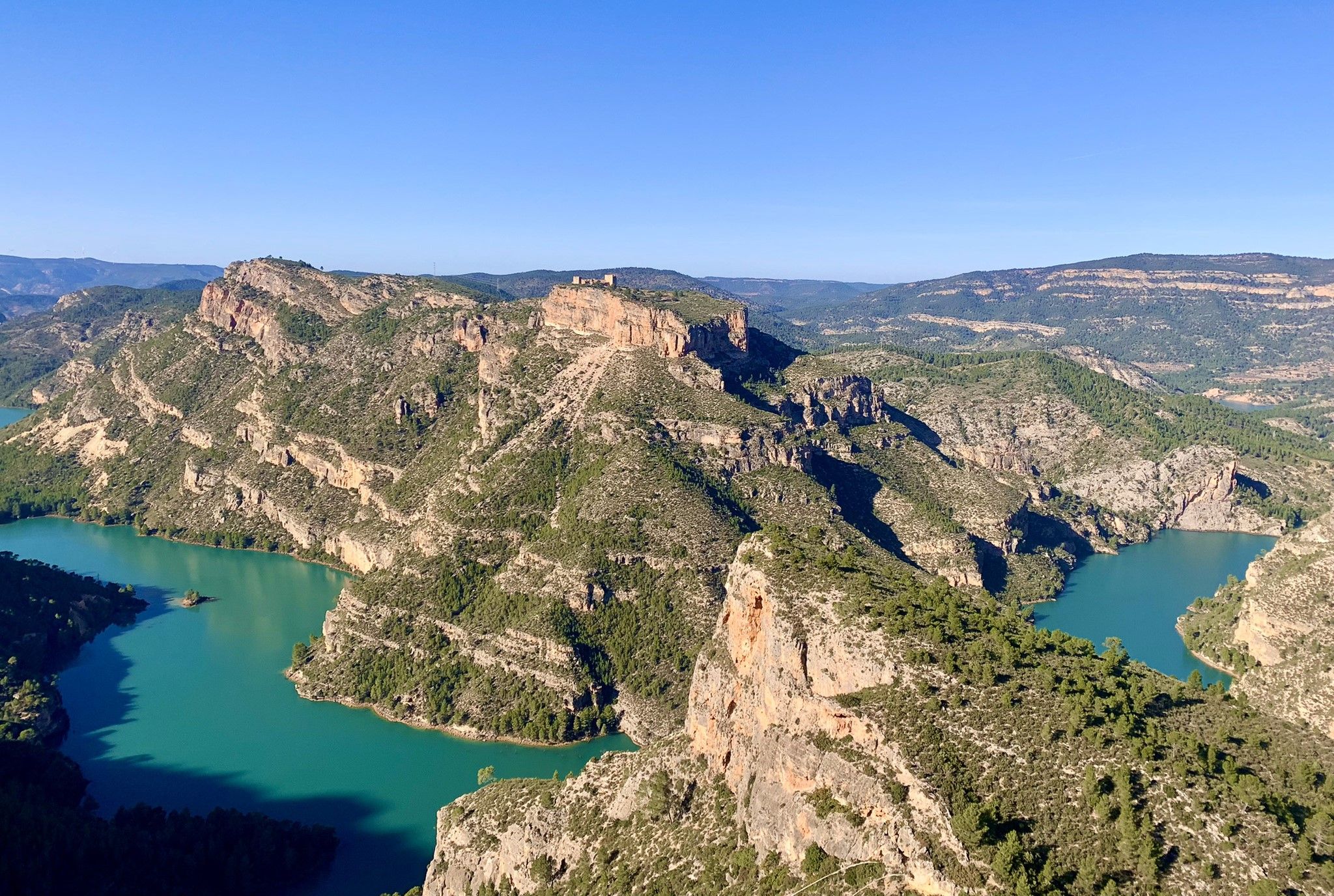
Barranco de la Hoz
Highlight • Gorge
Translated by Google •
Tip by

Cueva de la Vieja Rock Art Site
Highlight • Cave
Translated by Google •
Tip by

Sign up for free to discover even more natural monuments around Ayora.
Sign up for free
Already have an account?
Start today with a free account
Your next adventure awaits.
Login or Signup

Other adventures around Ayora

Tips from the Community

The Mirador de la Senda del Museo in the Pantano de Almansa is an ideal place to enjoy panoramic views of the swamp and its natural surroundings. This viewing point is part of the Agua Viva project and serves as a resting point for migratory waterfowl. From the viewing point, you can observe a large part of the swamp and enjoy the tranquility of the place. In addition, it has benches to sit on and an explanatory panel that provides information about the fauna and flora of the area.
3
0

Wow how beautiful! And the trip itself is what it's all about. What a beautiful rugged area.
2
0

Impressive ravine which you can explore with your bike along a path in good condition. It will take a while because every so often you will want to stop and take photos. Highly recommended!
0
0
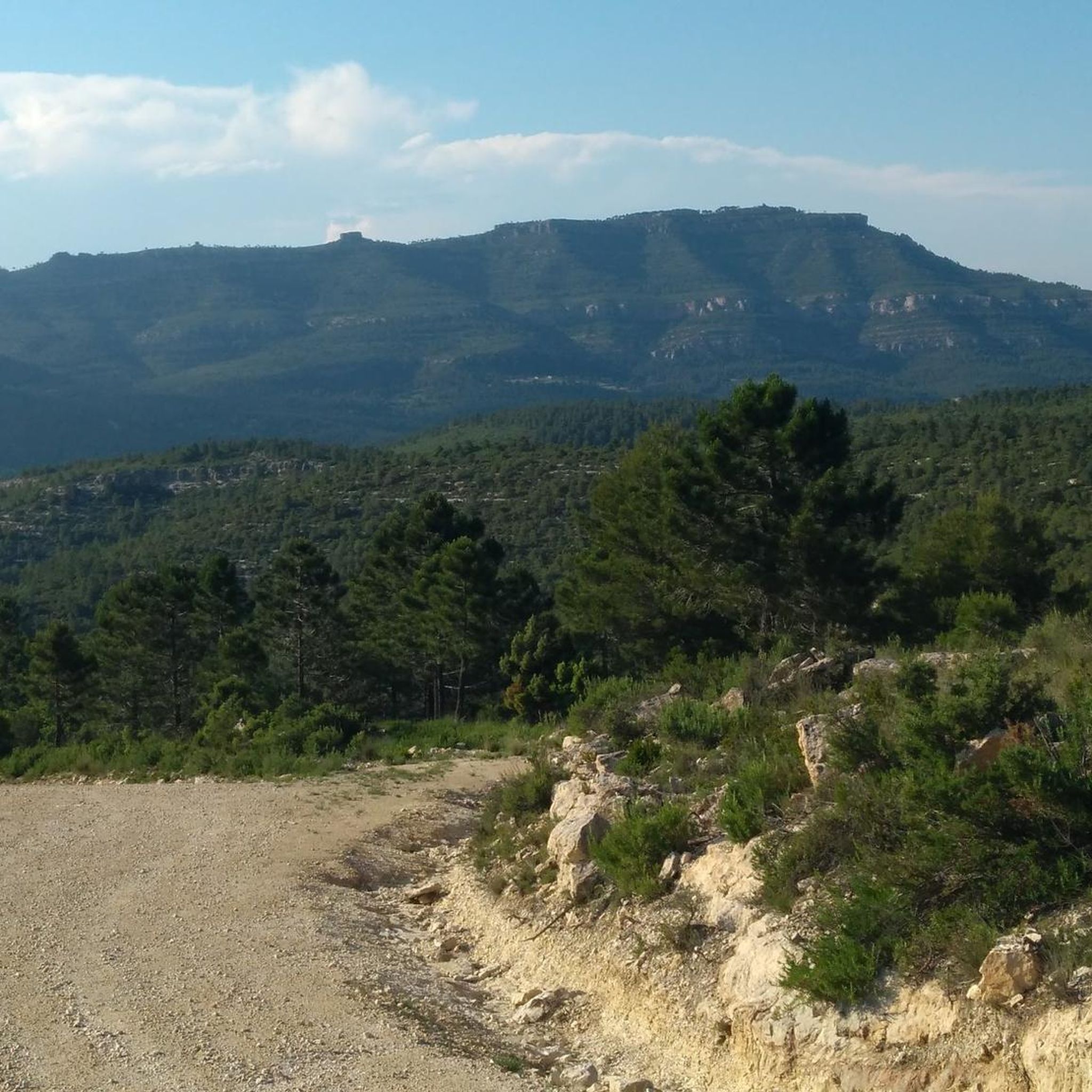
Caroche or Caroig peak is a 1,126 meter mountain, located in Teresa de Cofrentes. It is located in the massif that receives the same name (Macizo del Caroig), located between the regions of "El valle de Ayora-Cofrentes" and the "Canal de Navarrès" and belonging to the municipality of "Teresa de Cofrentes", bordering the municipal area of Bicorp. It has a height of 1,126 meters above sea level. At its highest point there is a fire surveillance post, from which you can see a large part of the regions of Valencia, seeing the sea and the city of Cullera on the clearest days. On the slopes of this massif small streams grow such as “El Río Fraile” or the famous, among the locals of Teresa, “La Argongeña”. It is sometimes mispronounced "La Longeña". The entire geography is dotted with ravines, caves and very deep crevices, such as those found in the Las Quebradas area...
0
0

You can still distinguish some of the cave paintings drawn on the walls of the shelter. Currently, it is fenced to protect this ancestral work from any vandalism.
1
0
The Caroche peak is located 1125 meters above sea level. I invite you to stop along the way and contemplate the privileged views that you get from this point. Here you can find the forestry hut and some information panels about the surrounding mountains.
0
0

Important archaeological remains such as flint tools, animal bone remains and human remains have been discovered. In addition, numerous cave paintings have been found that represent animals, human figures and geometric shapes. It has been the subject of numerous studies by archaeologists and paleontologists since it was discovered in the 19th century.
2
0
From the viewpoint you can see a large part of the swamp that serves as a resting place for migratory waterfowl.
2
0
Frequently Asked Questions
What are some must-see natural monuments around Ayora?
Ayora offers a variety of impressive natural monuments. Don't miss Pico de Caroche, a summit providing extensive panoramic views from its 1,126-meter peak. Another highlight is the dramatic Barranco de la Hoz, a gorge with spectacular landscapes perfect for photography. For a unique historical experience, visit the Calicanto raft shelter, which preserves ancient cave paintings.
What kind of natural features can I expect to see in Ayora?
The natural monuments around Ayora showcase diverse landscapes, including high mountain summits, deep gorges, and scenic viewpoints. You'll find extensive mountain ranges like the Sierra de Ayora and Sierra Palomer, offering varied terrain and rich flora and fauna. The region also features historical caves and shelters with ancient rock art.
Are there any historical or archaeological sites among Ayora's natural monuments?
Yes, Ayora is home to significant historical and archaeological sites within its natural settings. The Calicanto raft shelter features ancient cave paintings, protected by fencing. Additionally, the Cueva de la Vieja Rock Art Site is an important archaeological location where flint tools, animal bones, and human remains have been discovered alongside numerous cave paintings. Visits to Cueva de la Vieja often require permission from the town hall.
What outdoor activities can I do near these natural monuments?
The natural monuments around Ayora are excellent for various outdoor activities. You can enjoy hiking, gravel biking, and road cycling. For example, there are numerous routes for gravel biking and cycling that pass through these scenic areas, offering diverse terrains and breathtaking views.
Are there family-friendly natural monuments or activities in Ayora?
Yes, the region offers options suitable for families. The Viewpoint of the Museum Trail at Pantano de Almansa is considered family-friendly. It provides panoramic views of the swamp and its natural surroundings, serving as a resting point for migratory waterfowl. It also has benches and an explanatory panel, making it an accessible and educational spot for all ages.
What is the best time to visit Ayora for outdoor activities?
Based on the region's climate and the nature of outdoor activities like hiking and cycling, spring and autumn generally offer the most pleasant weather for exploring Ayora's natural monuments. These seasons provide milder temperatures, ideal for enjoying the trails and viewpoints without the extreme heat of summer or the chill of winter.
Where can I find panoramic views in Ayora?
For stunning panoramic views, head to Pico de Caroche, which offers extensive vistas in all directions from its 1,126-meter summit. Another excellent spot is the Viewpoint of the Museum Trail, providing broad views of the Pantano de Almansa and its surrounding natural landscape.
Can I go birdwatching near Ayora's natural monuments?
Yes, the natural areas around Ayora are suitable for birdwatching. The Viewpoint of the Museum Trail at Pantano de Almansa is part of the 'Agua Viva' project and serves as a resting place for migratory waterfowl, making it an ideal spot. Additionally, the lush vegetation of La Hoz is known to attract a diverse avian population.
Are there any caves to explore in the Ayora region?
Yes, the Ayora region features notable caves. The Sierra Palomer is home to the impressive Cueva Negra, which descends 200 meters and contains multiple galleries, stalactites, and stalagmites. Additionally, the Cueva de la Vieja Rock Art Site is a significant cave known for its prehistoric cave paintings and archaeological discoveries.
What do visitors enjoy most about the natural monuments in Ayora?
Visitors frequently praise the incredible views from summits like Pico de Caroche, noting that the physical effort of the ascent is well rewarded. The spectacular landscapes of gorges like Barranco de la Hoz are also highly appreciated for their beauty and photo opportunities. The region's diverse natural beauty and historical sites receive positive feedback from the komoot community.
Are there opportunities for camping near Ayora's natural monuments?
Yes, the natural area of La Hunde is recognized as an excellent camping spot. It's ideal for those looking to immerse themselves in nature and provides a great base for exploring the surrounding natural monuments and landscapes of Ayora.
What are the highest points or summits in the Ayora region?
The highest point in the immediate Ayora region is Sierra Palomer. Another significant summit is Pico de Caroche, which reaches 1,126 meters above sea level and offers extensive views. Montemayor, located just 2 km from Ayora, also provides astonishing views from its 1,200-meter elevation.
Most popular attractions around Ayora

Get inspired with the komoot mobile app


Explore more
Extend your search for the best caves by checking out these guides of the top ones around Ayora:
