Top 5 Mountain Passes around Ágreda
Best mountain passes around Ágreda serve as gateways to the Moncayo Natural Park and the Moncayo massif, the highest peak in the Iberian System. The region offers various high-altitude points and routes that provide a mountain pass experience. These areas are characterized by significant mountainous terrain and challenging ascents. The Moncayo summit, at 2,315 meters, is a dominant feature visible from Ágreda.
Best mountain passes around Ágreda
- The most popular mountain passes is Canto Hincado Viewpoint, a viewpoint located…
Last updated: June 18, 2026
Sierra del Madero Viewpoint
Highlight • Viewpoint
Translated by Google •
Tip by

Soriano Natural Water Trail
Highlight • Trail
Tip by

Sign up now to discover places like this
Get recommendations on the best single tracks, peaks, & plenty of other exciting outdoor places.
Sign up for free
Canto Hincado Viewpoint
Highlight • Viewpoint
Translated by Google •
Tip by

Moncayo North-South Gravel Route
Highlight (Segment) • Trail
Translated by Google •
Tip by

Road leading to San Felices
Highlight • Mountain Pass
Translated by Google •
Tip by

Start today with a free account
Your next adventure awaits.
Login or Signup


Tips from the Community

After the tough climb, we have beautiful views of both valleys
0
0

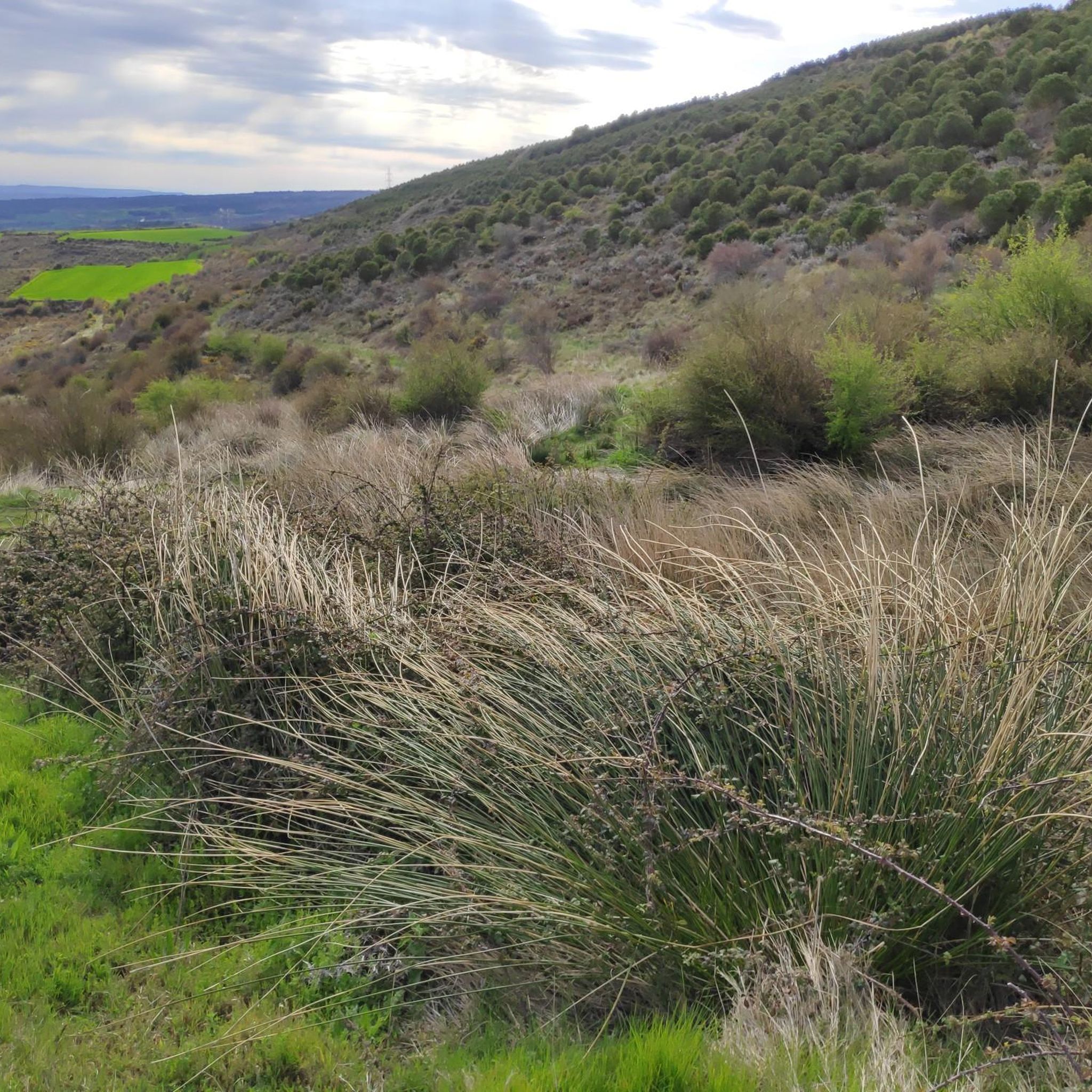
From the beautiful spring at the last parking lot (at the end of the asphalt), the trail climbs mostly over good gravel, sometimes somewhat steeply, to an elevation of 1,880 m. Some sections are in light forest, some with beautiful views over the Ebro lowlands and the surrounding rocky mountain landscapes. You also pass the Baja Majada Refuge, but our favorite in the area is the Cerrogordo Refuge, located a little further south.
0
0

Good port; the beautiful landscape brings you
0
0

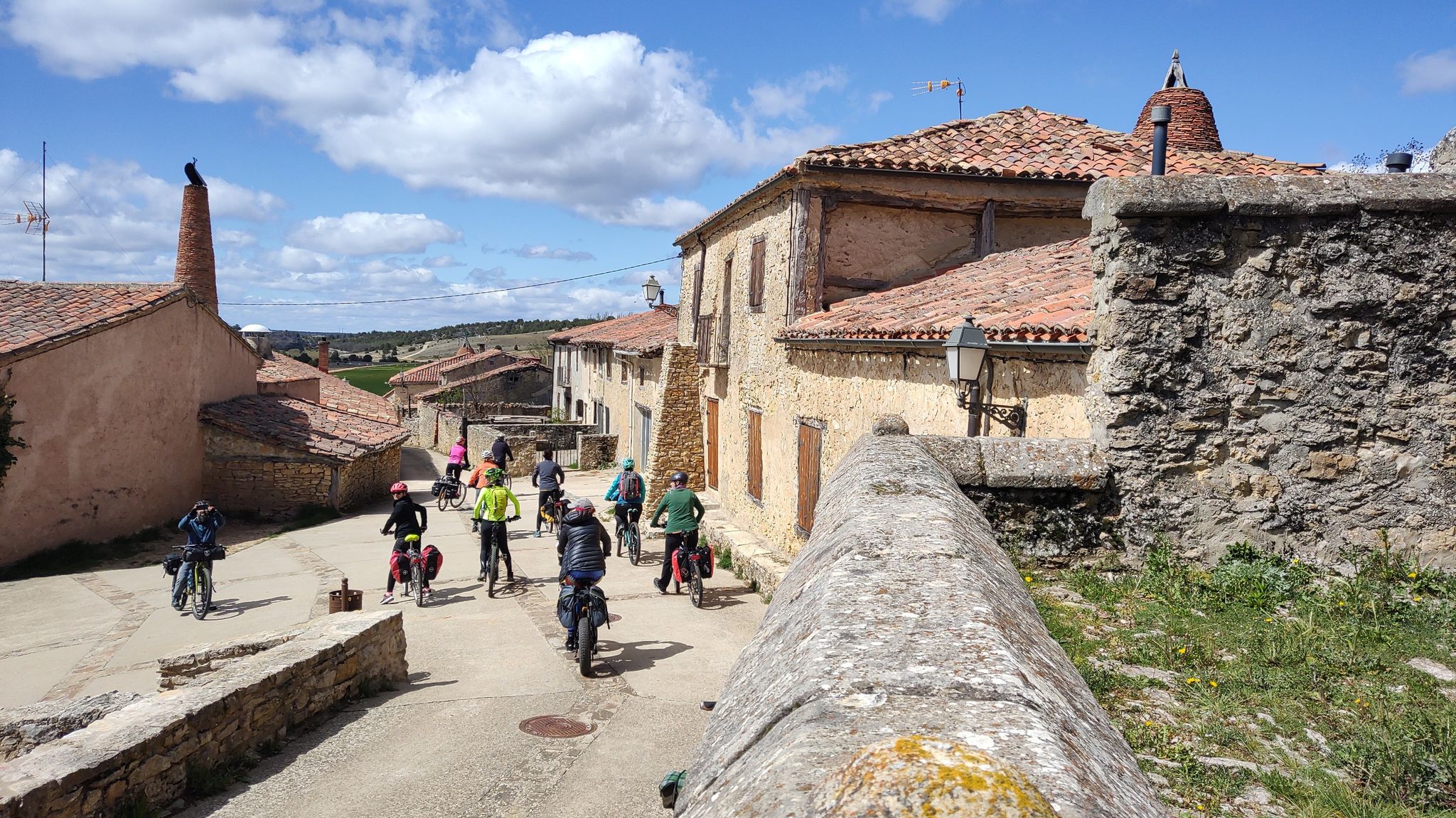
In Pozalmuro we find the bar closed, we have little to do and a storm is also threatening, we fill the kettles with water and begin the ascent of the Sierra del Madero, the mountain pass of the day to jump the Iberian System and cross the Duero basin to the great valley of the Ebro. The climb is a cycle path with quite a slope, it has some studs to avoid the destruction of runoff and maintain the quality of the surface but they require extra effort on each step. The hard slope ends at an extraordinary viewpoint with signs of the landscape, the views are magnificent. Moncayo (2,314 m) is an imposing mass, the roof of the Soria mountains and the highest peak of the Iberian System. We follow the milestones of the natural path down a descent with a couple of delicate curves for the gravel wheels on the loose stone and then a well-conditioned and fun path in a holm oak forest of great environmental quality. The sky turns into hell and we arrive at the town of Muro when the raindrops turn into hail balls, luckily the bar is open here. In Muro is the site of the Roman city of Augustóbriga and in the bar room they have posters highlighting the notoriety of the place. The Roman town was decisive in the Roman conquest and control of the towns that lived in the mountain slopes of Moncayo. The bad weather is persistent and we decided to finish the stage in Ágreda, an interesting town of three cultures on the slopes of Moncayo. At Hostal Doña Juana they are welcoming and kind to cyclists, even when they arrive soaked and their bikes are muddy. Before dinner there is time to see more towers, palaces, convents, stately homes and stroll through the Moorish quarter, passing through medieval gates with original battlements or in the shape of a horseshoe arch, such as the Puerta del Agua, from the 8th century, the oldest construction of the architectural heritage of Ágreda.
0
0

La ruta sale de Ágreda por el trazado del GR-86 Sendero Ibérico Soriano y antes de llegar a Fuentes de Ágreda se desvía hacia Aldehuela. La aldea es encantadora. Las casas están escondidas entre barrancos y arbolado y la única calle del lugar es bastante empinada, hay que estar pendientes del desvío de la ruta por una calleja de hierba, donde está el antiguo lavadero, y continuar por unos caminos de trabajos forestales hasta el nacimiento del río Queiles, en Vozmediano, otra sorpresa fascinante del itinerario. La llegada al pueblo sigue un antiguo sendero de herradura acondicionado para el paso de bicicletas y senderistas que termina en las casas de Vozmediano, debajo del castillo árabe y la magnífica torre del homenaje. Y después es cuando llega la bajada hacia Tarazona por el precioso valle del río Queiles. La parte disfrutona termina en Los Fayos, el primer municipio de Zaragoza, empotrado al pie de unas impresionantes murallas de conglomerados de areniscas rojas plagadas de cuevas y leyendas. Tarazona está cerca y de nuevo podría ser “todo bajada”, en cambio los hitos suben por la colina del cementerio para evitar la carretera principal. También hay flechas del Camino de Santiago. En la entrada de Tarazona está la opción de continuar de frente por el casco histórico o bajar directamente hacia el paseo del río Queiles. Las dos opciones son válidas y descubren las maravillas arquitectónicas de la ciudad, plagada de construcciones históricas, monumentos y piedras centenarias. La torre mudéjar de la iglesia de Santa María Magdalena es un icono del patrimonio artístico junto al edificio del Palacio Episcopal, es difícil pasar por Tarazona y no parar en alguna terraza de la ribera del Queiles para probar sus célebres tortas de masa contemplando el skyline de la ciudad, fusión de culturas revelada en el mensaje universal de la piedra convertida en arte y monumento. La salida de Tarazona por la popular Vía Verde de la Tarazonica es fácil, hay que pasar por la plaza de San Francisco y seguir hasta el Parque de la Estación, con cuidado de las direcciones prohibidas. El track lleva por las calles permitidas para bicicletas. El camino sigue por la vía verde hasta Tudela, un agradable paseo de una hora en bicicleta por una recta que termina en el río Ebro. El 31 de diciembre de 1885 fue una fecha histórica y emocionante para los habitantes de Tarazona, Tudela y las pequeñas poblaciones agrícolas intermedias, como Murchante, Cascante y Novallas, por fin se inauguraba una línea ferroviaria entre la comarca de Tarazona y la Ribera de Navarra, un canal esencial de comunicación y comercio que estuvo activo hasta 1972, cuando fue desmantelada la vía por falta de rentabilidad. El camino natural salva una carretera por un paso elevado y pasa por el monumento del Escachamatas, como se conocía popularmente el ferrocarril por la lentitud y los frecuentes descarrilamientos de los trenes, y termina en la estación ferroviaria de Tudela. El track sigue hasta el puente del río Ebro, con posibilidad de enlazar con el Camino Natural del Ebro GR-99 y continuar una aventura bikepacking interminable. El punto de retorno es el puente medieval del Ebro, que tiene 360 metros y 17 arcos. En la vuelta pasamos por el casco histórico, la catedral, la plaza Vieja, la Puerta del Juicio y otros rincones empedrados desde hace siglos hasta que llegamos a la estación de Renfe, tomamos de nuevo el firme de la Tarazonica y volvemos por el mismo camino hasta las calles de Tarazona. La travesía del Parque Natural del Moncayo es un itinerario para bicicletas gravel de diseño particular para enlazar con el Camino Natural Santander Mediterráneo en Ciria, buscando el mejor recorrido circular de bikepacking de vuelta hasta la ciudad de Soria. El track descargado es imprescindible en este tramo, es imposible concretar en estos textos todos los desvíos, cruces y detalles con la misma precisión que ofrece la información digital. La aventura ciclomontañera comienza en la salida de Tarazona, en el cartel del sendero de gran recorrido GR-90, aunque después coincide en pocos tramos. Es importante cargar con provisiones para el resto de la jornada y la siguiente, no es seguro encontrar víveres en los pueblos del camino. La ruta sigue un camino agrícola hasta Grisel y después llega la primera tachuela de la subida en la sierra donde está el Parque Eólico de Grisel. El repecho duro tiene un kilómetro hasta que salta los molinos pero la pendiente es elevada y el firme de piedra suelta exige un esfuerzo extra. En el collado aparece de cerca la enorme ladera del Moncayo cubierta de pinos, robles y hayas. Y encima las cumbres del macizo como islas inalcanzables sobre un mar de bosques misteriosos e impenetrables. El camino salva otro repecho de piedra suelta y comienza una larga subida por una loma marcada con hitos de rutas ciclistas y senderistas hasta que atraviesa la carretera de Agramonte y conecta con la pista asfaltada del Santuario del Moncayo. La ruta sigue por la carreterita de montaña, atraviesa los hayedos centenarios de la Fuente del Sacristán y en la horquilla de la Fuente de los Frailes se desvía por la izquierda para iniciar el tramo final de la ascensión por la pista forestal del collado Bellido. En el caso de pasar la noche en el Refugio de Majada Baja, donde propongo, al final de la subida, hay que cargar agua en la fuente, después hay arroyos de montaña pero según la estación del año pueden estar secos. En el camino hay varios cruces y desvíos, generalmente siempre es la pista de subida recorriendo toda la vertiente norte del macizo del Moncayo para pasar hacia la cara sur. La subida es larga y constante, sale del bosque y continúa hasta que pasa el desvío del collado Bellido, indicado con hitos en la cuneta de la pista forestal. El final de la ascensión está poco después, en la curva del arroyo de Valdealonso, a unos 1.900 metros de altitud, el camino cambia de pendiente y comienza el descenso. Dos kilómetros después está el Refugio de Majada Baja, es un refugio del parque natural, bien cuidado y disponible para montañeros, ciclistas, cazadores, pastores y usuarios del espacio ambiental del Moncayo. El paraje tiene unas vistas extraordinarias y es difícil pasar al caer la tarde y no quedarse a pasar la noche.
0
0

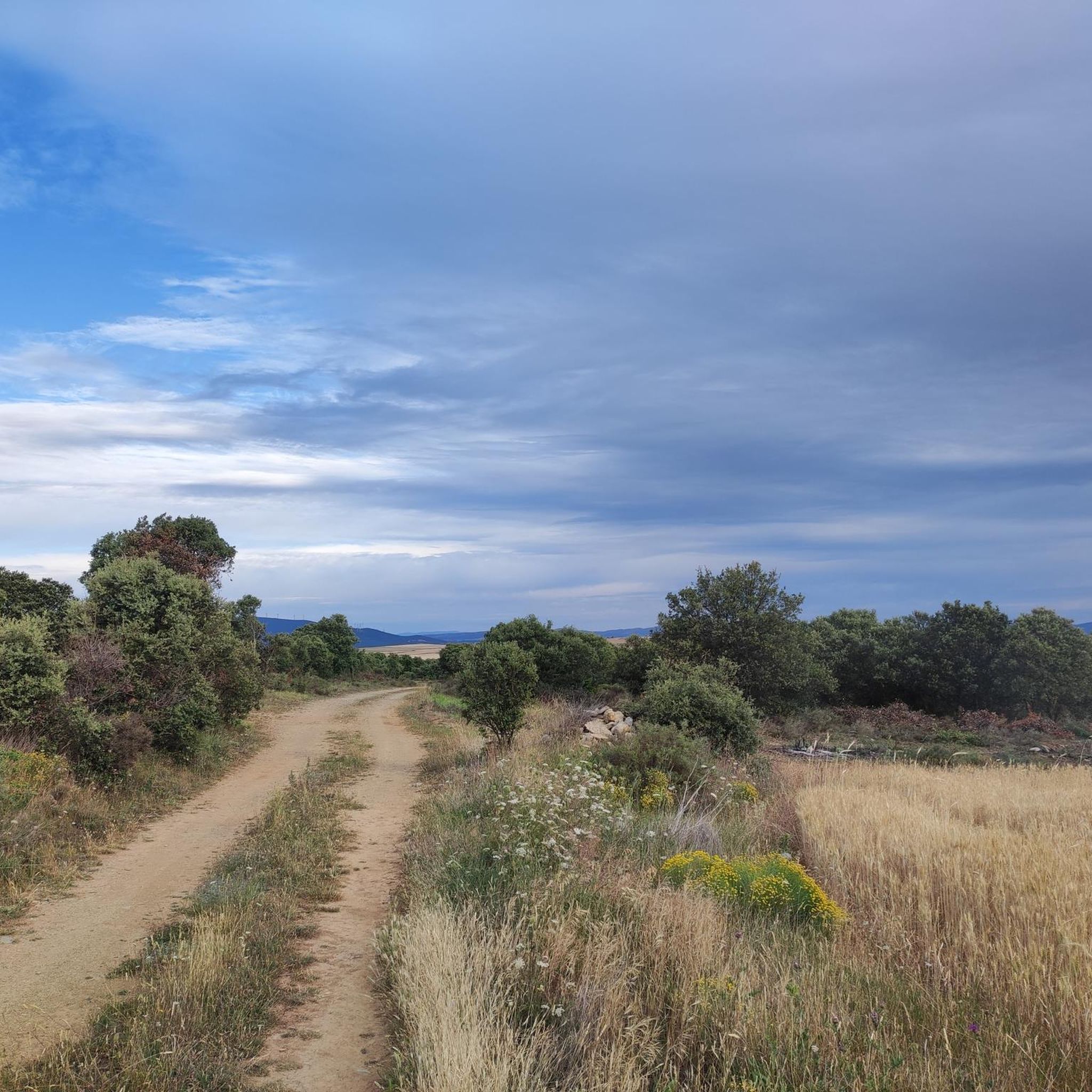
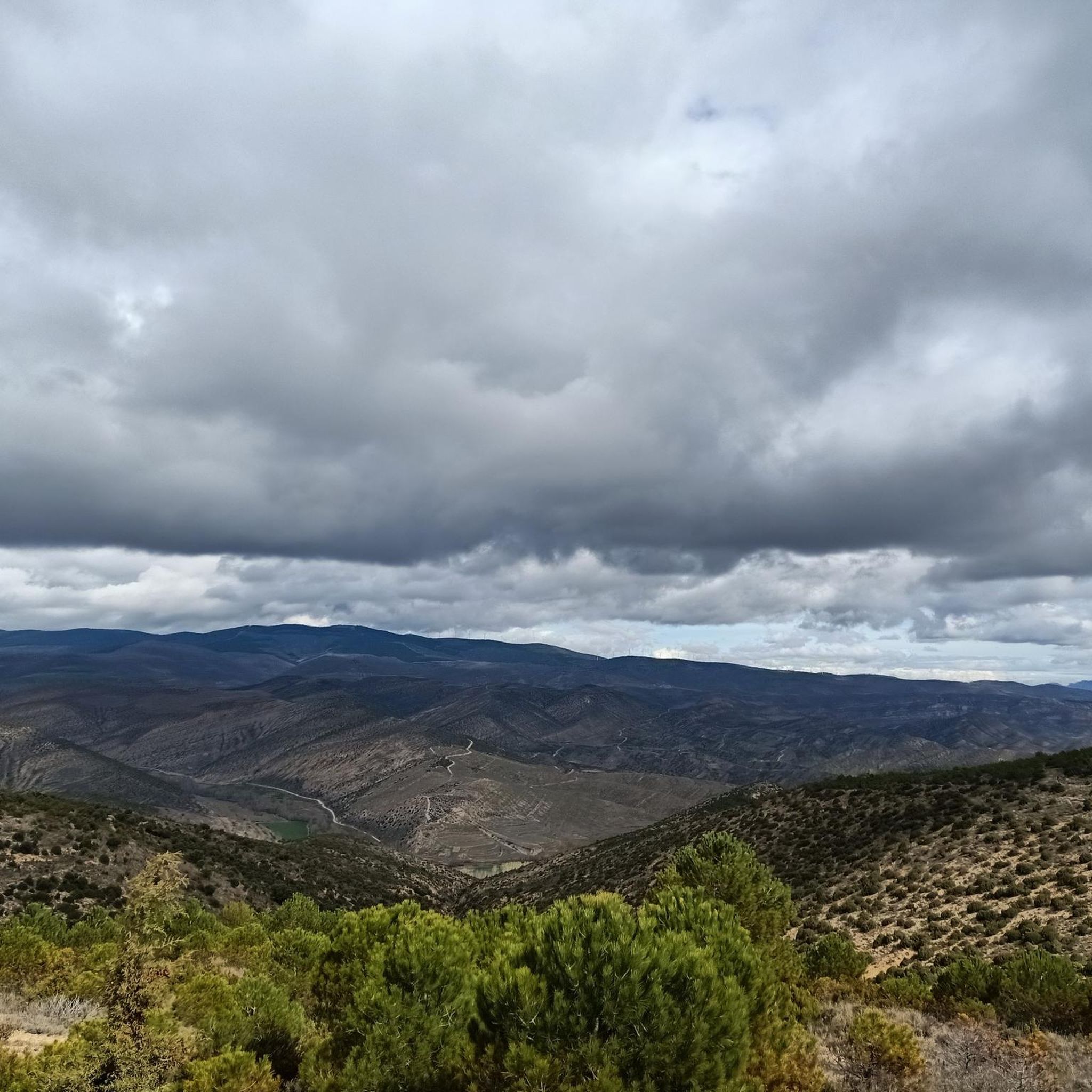
The road that connects the towns of San Felices with Aguilar del Río Alhama takes you along a narrow road that winds before descending to the second town mentioned.
0
0

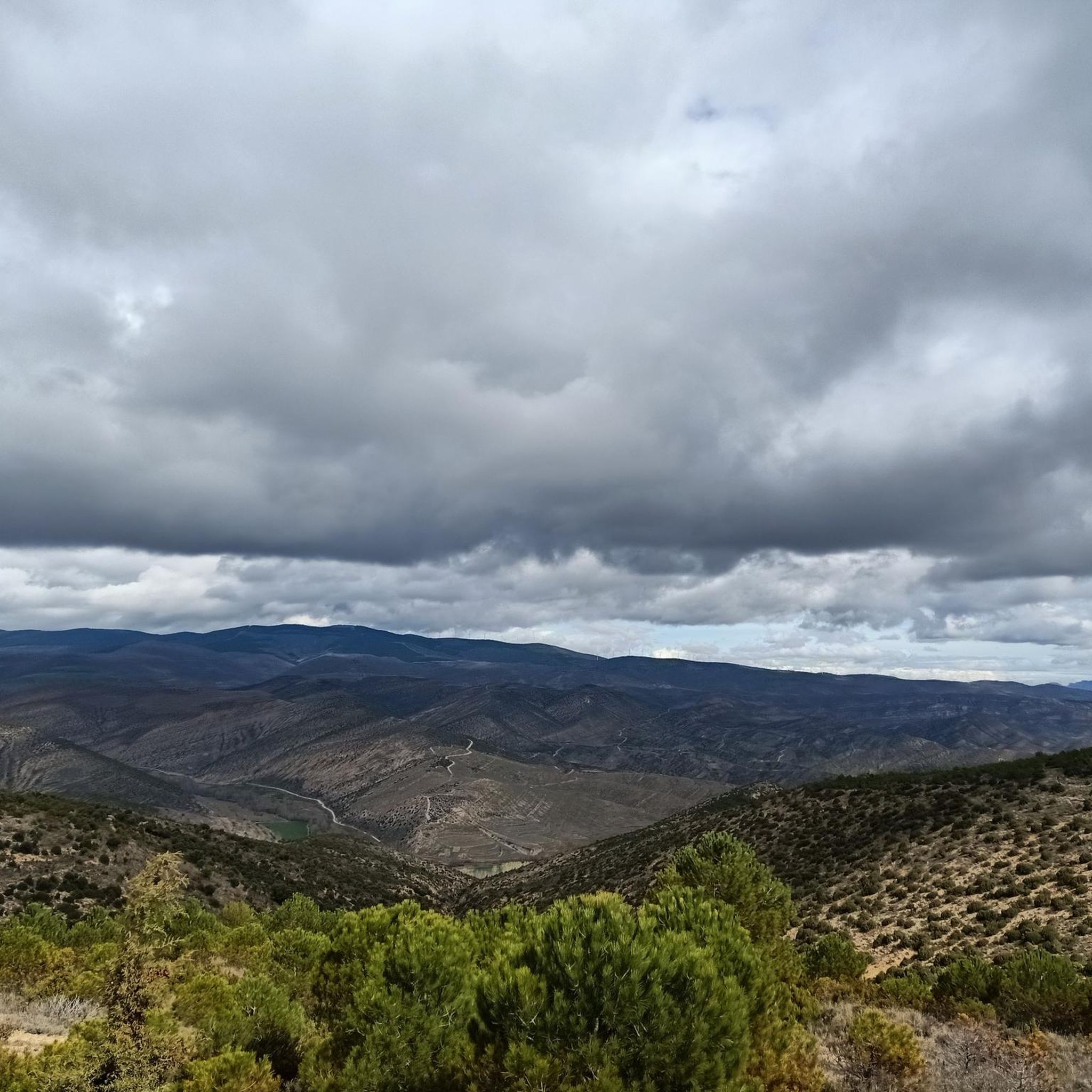
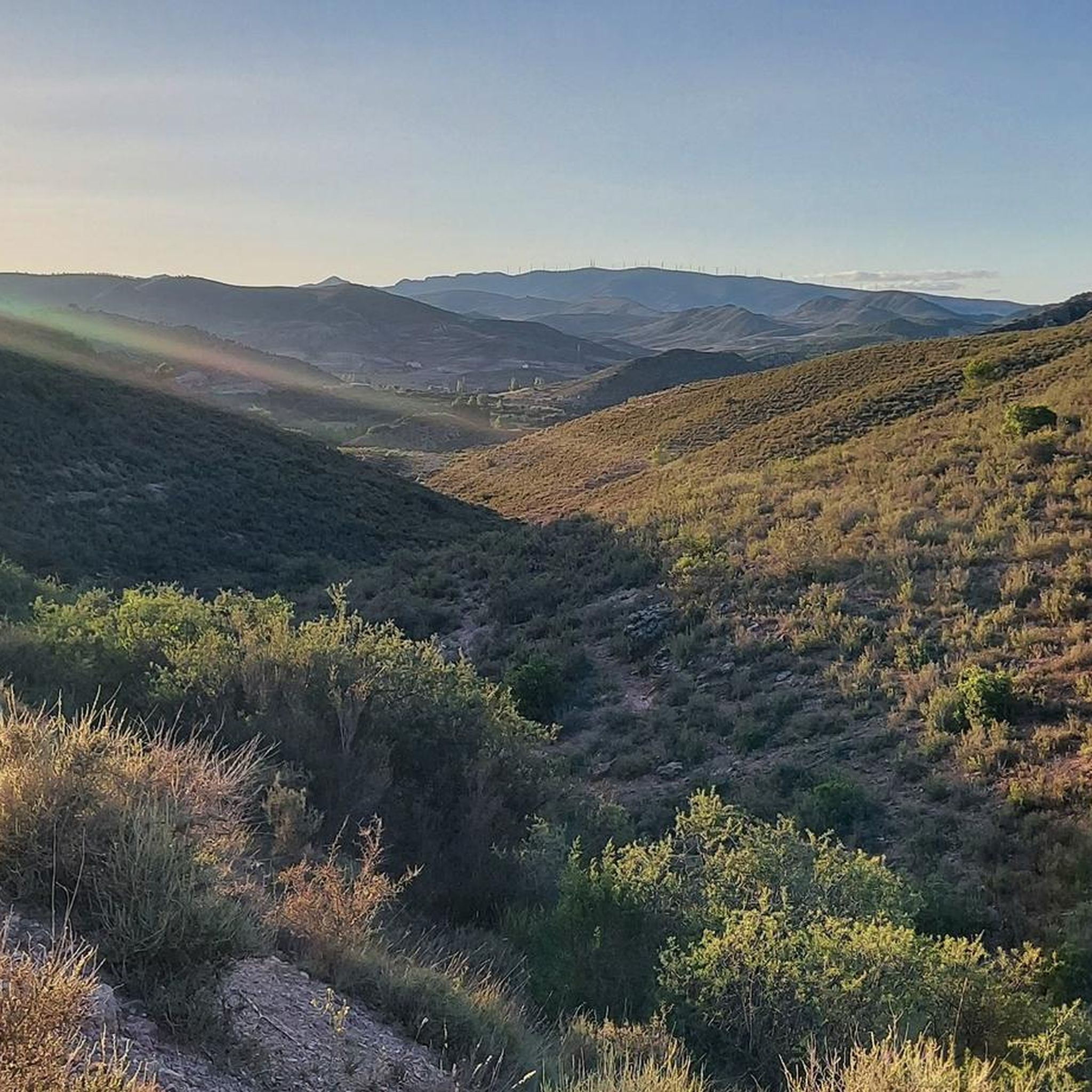
Located 1,484 meters above sea level, from the Collado de Canto Hinchado we have magnificent views of Ágreda and the surrounding area.
2
0
Nice views of Agreda and surroundings
1
0
Frequently Asked Questions
What kind of views can I expect from the mountain passes around Ágreda?
The mountain passes and high-altitude points near Ágreda offer stunning panoramic views. From locations like Canto Hincado Viewpoint, you can see Ágreda and the surrounding area. Higher up, especially from routes leading to the Moncayo summit, vistas can extend towards Aragon, Castilla, the Ebro depression, the Pyrenees, the Cantabrian mountain range, and the Central System on clear days. You'll also encounter beautiful rocky mountain landscapes and extensive forests.
What makes the Moncayo Natural Park area unique for mountain pass experiences?
The Moncayo Natural Park, accessible from Ágreda, is unique for its exceptional natural beauty and diverse ecosystem. It features rich flora, including holm oaks, Pyrenean oaks, pines, and extensive beech forests. The dramatic landscapes, such as the San Miguel glacial cirque, are breathtaking. The park also boasts abundant wildlife, including wild boar, roe deer, foxes, and various raptors like the golden eagle.
Are there specific high-altitude points or cols to visit besides the main passes?
Yes, beyond the named passes, the region offers significant high-altitude points that provide a similar experience. For hikers, the Collado del Alto de las Piedras (2,256 m) is a notable col on the route to Moncayo from Cueva de Ágreda, connecting Cerro San Juan with Moncayo. Another is the Collado de Pasalobos or de Castilla (1,949 m), which is part of various routes around the massif and offers great mountainous views.
What hiking opportunities are available near Ágreda's mountain passes?
The area around Ágreda and the Moncayo Natural Park is a hiker's paradise. Numerous trails, including sections of the GR-86, cater to various fitness levels. You can find routes leading to the Moncayo summit, or explore different sections of the natural park. For more specific hiking options, check out the Hiking around Ágreda guide, which includes routes like the Barranco del Val Trail and the Peña Negrilla Loop.
Can I go cycling or mountain biking in the mountain pass areas around Ágreda?
Absolutely! The region offers excellent opportunities for both road cycling and mountain biking. You can find routes like the Moncayo North-South Gravel Route, which climbs over gravel to 1,880 meters. For more cycling adventures, explore the Road Cycling Routes around Ágreda and Cycling around Ágreda guides, featuring routes like the Moncayo CIMA Climbs Loop and the Valdemadera and Alhama Greenway Loop.
Are there challenging routes for experienced hikers or cyclists?
Yes, the Moncayo massif offers challenging ascents and rugged terrain ideal for experienced adventurers. The ascent of Moncayo itself is considered a rewarding experience due to its elevation. For cyclists, routes like the Moncayo CIMA Climbs Loop are rated as difficult, providing a significant challenge. The Sierra del Madero Viewpoint also involves a cycle path with a steep slope, requiring extra effort.
When is the best time of year to visit the mountain passes around Ágreda?
The best time to visit largely depends on your activity. For hiking and cycling, spring and autumn generally offer pleasant temperatures and beautiful scenery, with vibrant flora in spring and stunning colors in autumn. Summer can be warm, especially at lower altitudes, but higher elevations provide cooler air. Winter brings snow, making some routes challenging or inaccessible, but offering a different kind of beauty for those equipped for winter conditions.
Are there family-friendly options for exploring the mountain areas near Ágreda?
While many routes in the Moncayo area involve challenging ascents, there are options for families. Look for trails within the Moncayo Natural Park that are described as easier or shorter. The park's diverse landscapes and wildlife can be engaging for children. When planning, consider routes with facilities or those that offer easy access to viewpoints for a less strenuous experience.
What historical or cultural sites can I explore in Ágreda after visiting the mountain passes?
Ágreda itself is rich in history and culture, making it a perfect complement to your mountain adventures. The town has been influenced by Celtiberian, Roman, Muslim, Jewish, and Christian cultures. You can explore its Romanesque temples, stroll through the Moorish quarter, and discover medieval gates like the 8th-century Puerta del Agua. The Moncayo mountain itself is steeped in ancient legends and considered sacred.
What do visitors enjoy most about the mountain passes and viewpoints near Ágreda?
Visitors particularly enjoy the magnificent views and the sense of accomplishment from reaching high-altitude points. The Canto Hincado Viewpoint is appreciated for its vistas of Ágreda. The journey along roads like the Road leading to San Felices is praised for its beautiful landscape. The challenging yet rewarding nature of routes like the Moncayo North-South Gravel Route, with its views over the Ebro lowlands, also receives high acclaim from the komoot community.
Are there any specific trails that combine natural beauty with historical elements?
Yes, the Soriano Natural Water Trail is an excellent example. This trail starts from Ágreda, follows parts of the GR-86, and leads to fascinating historical sites like the ancient lavadero in Aldehuela and the birth of the Queiles river in Vozmediano, beneath an Arab castle and magnificent keep. It also passes through Tarazona, a city rich in historical architecture and monuments.
Where can I find accommodation or places to eat near the mountain passes?
Ágreda serves as a convenient base with various amenities. You can find accommodation options like Hostal Doña Juana, which is known to be welcoming to cyclists. The town also offers cafes, pubs, and restaurants where you can enjoy local cuisine after your outdoor activities. For those venturing deeper into the Moncayo Natural Park, there are refuges like the Refugio de Majada Baja, which offers extraordinary views and is available for mountaineers and cyclists.
Most popular attractions around Ágreda

Get inspired with the komoot mobile app


Explore more
See even more epic mountain passes by checking out these guides around Ágreda:
