Top 5 Natural Monuments around Muñogalindo
Best natural monuments around Muñogalindo are found within the Valle de Amblés and Sierra de Ávila, offering diverse natural features. The Valle de Amblés is characterized by rolling meadows, forests, and the Adaja River, supporting varied ecosystems. The Sierra de Ávila presents rugged landscapes with granite formations and rock outcrops, reaching up to 1708 meters at Cerro de Gorría. These areas provide opportunities to explore traditional vegetation and scenic views.
Best natural monuments around Muñogalindo
- The most popular natural monuments…
Last updated: July 1, 2026
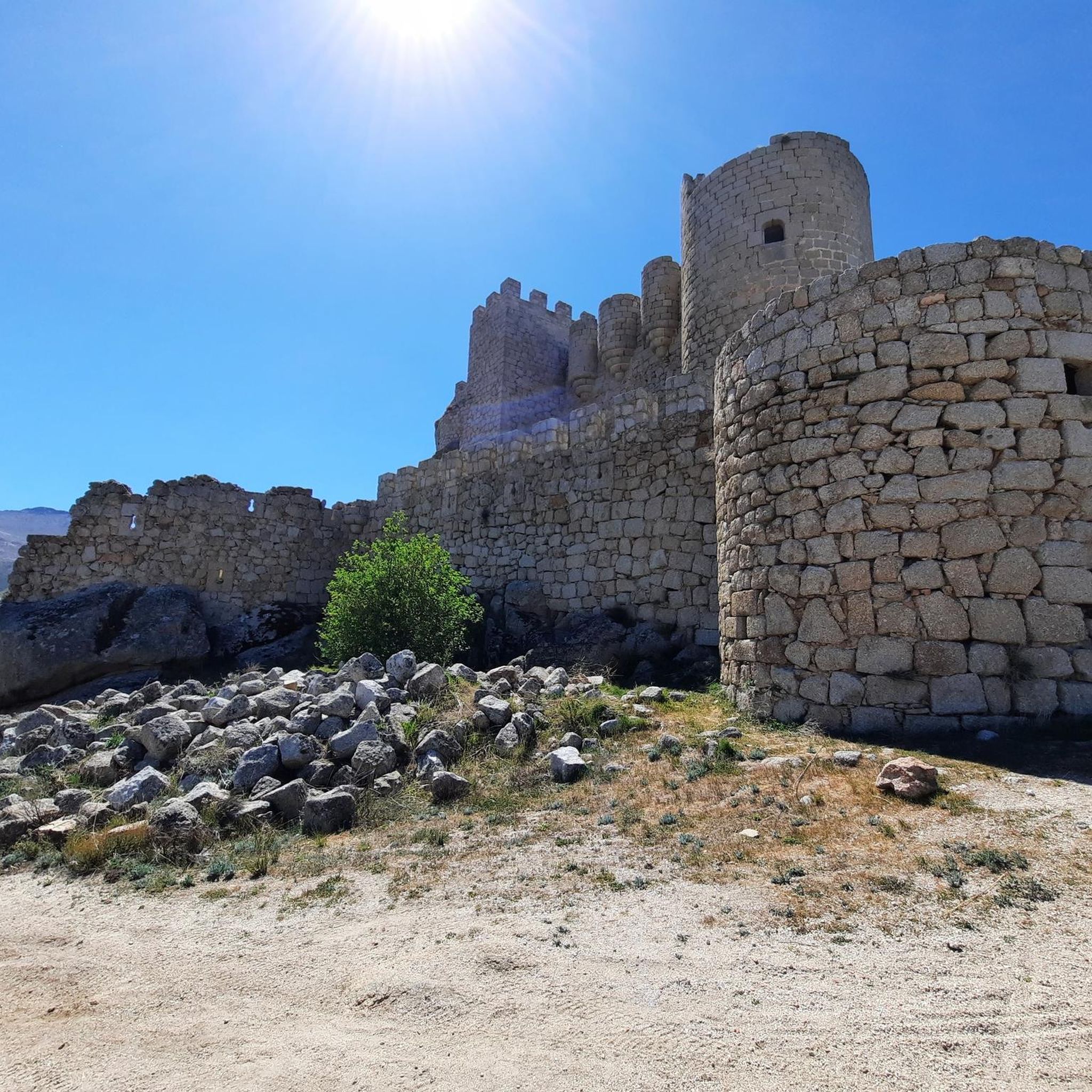
Pico Zapatero
Highlight • Summit
Translated by Google •
Tip by

Cerro de Gorría
Highlight • Summit
Translated by Google •
Tip by

Sign up now to discover places like this
Get recommendations on the best single tracks, peaks, & plenty of other exciting outdoor places.
Sign up for free
Alto Cuesta del Chicho (Sierra de la Paramera)
Highlight • Mountain Pass
Translated by Google •
Tip by
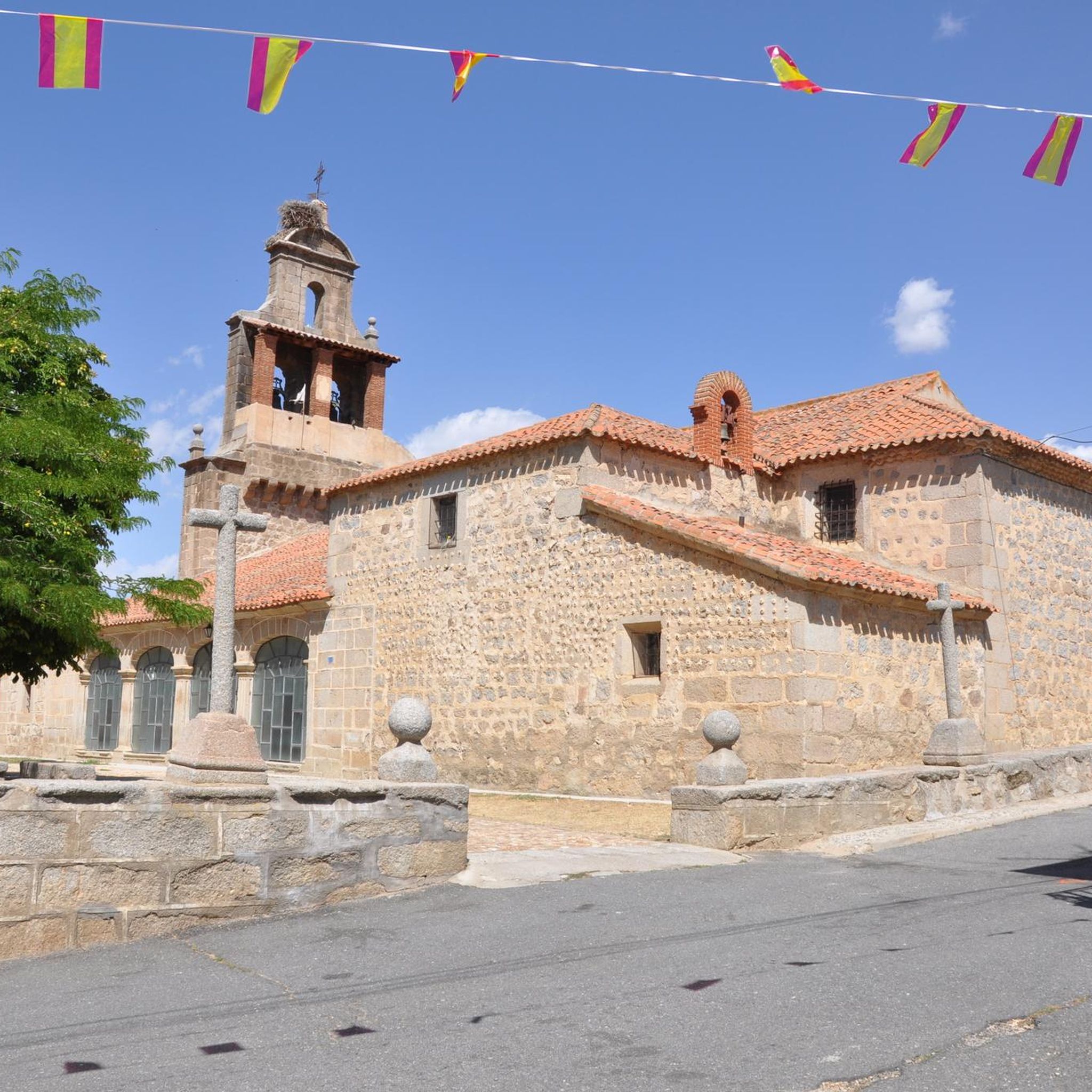
Views of Valdecasa
Highlight • Viewpoint
Translated by Google •
Tip by
Start today with a free account
Your next adventure awaits.
Login or Signup

Tips from the Community

Rounded mountain range that is easily accessible from several towns. From the geodesic vertex there are impressive front-row views of the Sierra de la Paramera, La Serrota, the Amblés valley to the south and all of La Moraña to the north.
1
0
From this point you can see the town of Valdecasa where the mountain of El Berrocalejo rises in the background. It is an area of the Central System where batholiths appear, a granitic rock formation that forms stone balls typical of these areas.
1
0
The Río de la Garaganta descends through this valley that has formed over the years and that lets us see how the Sierra de Panamera peaks rise behind us.
1
0

The unique granite landscape is the result of the mineral composition, climatic changes and the weathering of the rock surfaces, giving rise to suggestive modeling forms. The most striking process is the slabs, the boats, the corridors and alleys and the granular disintegration, creating an authentic labyrinth of stone sculptures. To the west, at the headwaters of the Adaja River, the white reliefs of La Serrota emerge. The path follows the ridge and collides with the top pyramid of Zapatero in a clear hill where the ascent to the top begins on the southwest face. The ascent is marked with stone milestones. The ice and the amount of snow will determine the technical level of the ascent. First there is a rocky step to a wide and comfortable shoulder, where the final attack begins through a channel that leads to the access passage to the geodesic vertex through a kind of tunnel. The views from the top of the remaining section of the rope are breathtaking between large granite domes and giant speedboats, but it is actually easier than the previous section and almost all descent. The descent of the peak is along the east face, to a pass where the Path of Zapatero climbs from the left from Sotalvo.
2
0

patient the climb
1
0
Frequently Asked Questions
What are the main natural features to explore around Muñogalindo?
The area around Muñogalindo is rich in natural beauty, primarily within the Valle de Amblés and the Sierra de Ávila. The Valle de Amblés features rolling meadows, diverse forests, and the Adaja River, creating varied ecosystems. The Sierra de Ávila offers rugged landscapes with impressive granite formations and large rock outcrops, providing stunning panoramic views.
Which natural monuments offer the best views in the region?
For breathtaking vistas, consider visiting Cerro de Gorría. From its geodesic vertex, you can enjoy expansive views of the Sierra de la Paramera, La Serrota, the Amblés valley, and La Moraña. Another excellent spot is Alto Cuesta del Chicho (Sierra de la Paramera), a mountain pass offering views of the Sierra de Panamera peaks.
What kind of unique geological formations can I see near Muñogalindo?
The region, especially around the Sierra de Ávila, is known for its granite formations. At Pico Zapatero, you'll find a unique granite landscape with suggestive modeling forms like slabs, boats, and corridors, creating an authentic labyrinth of stone sculptures. Additionally, from viewpoints like Views of Valdecasa, you can observe batholiths, which are granitic rock formations that create the typical stone balls seen in these areas.
What outdoor activities can I do near these natural monuments?
The area around Muñogalindo is ideal for various outdoor activities. You can find numerous cycling routes, including touring bicycle options like the 'Muñogalindo – Oco Village Water Pond loop' or more challenging road cycling routes. Mountain biking is also popular, with trails such as the 'Sotalbo – Fuente Fría Picnic Area loop'. For more details, explore the cycling, road cycling, and MTB guides for the region.
Are there hiking opportunities to explore the natural monuments?
Yes, the broader area around Ávila, including towns near Muñogalindo, offers various hiking routes. These trails provide an excellent way to immerse yourself in the natural environment, explore diverse landscapes, and enjoy the impressive stone structures and green nature of the Sierra de Ávila and Valle de Amblés.
What kind of flora and fauna can be observed in the natural areas?
The Valle de Amblés, where Muñogalindo is located, is home to a typical Mediterranean ecosystem. You can find flora such as cantueso (lavender) and peonies. The valley also supports a variety of wildlife, including the real owl, cuckoo, golden oriole, ocellated lizard, and fox. Historically, the region also featured black pine, Scots pine, chestnut, holm oak, and Pyrenean oak.
What is the best time of year to visit the natural monuments around Muñogalindo?
The natural beauty of the region can be appreciated throughout the year, but spring and autumn generally offer the most pleasant weather for outdoor activities like hiking and cycling. Spring brings blooming flora, while autumn showcases vibrant colors. Summers can be warm, and winters may involve ice and snow at higher elevations, which can affect the technical difficulty of some ascents.
Are there any family-friendly natural areas or activities?
The serene and scenic backdrop of the Valle de Amblés, with its rolling meadows and riverine landscapes, provides a peaceful environment suitable for family outings. While specific 'family-friendly' designations for natural monuments are not listed, the general appeal of gentle walks along the Adaja River or exploring less strenuous sections of the valleys can be enjoyable for families.
Can I bring my dog to the natural monuments and trails?
Many natural areas and trails in Spain are dog-friendly, especially in rural and mountainous regions like the Sierra de Ávila and Valle de Amblés. However, it's always advisable to keep dogs on a leash, especially in areas with wildlife or livestock, and to follow local regulations regarding waste disposal to ensure a pleasant experience for everyone.
What should I know about the difficulty of exploring these natural monuments?
The difficulty varies. Some summits like Pico Zapatero are considered challenging, involving rocky steps and channels to the summit, with ice and snow potentially increasing the technical level. Other areas, such as the general landscapes of the Valle de Amblés or viewpoints, may offer intermediate or easier access. Always check specific route details before embarking on an adventure.
Where can I find information about parking or public transport to access these natural monuments?
Access to many natural monuments in the region typically involves driving to nearby towns or trailheads. While specific parking details for each monument are not provided, towns surrounding Muñogalindo often have parking facilities. Public transport options might be limited for direct access to remote natural sites, so planning private transport is often recommended for flexibility.
Most popular attractions around Muñogalindo

Get inspired with the komoot mobile app


Explore more
Extend your search for the best caves by checking out these guides of the top ones around Muñogalindo:
