Top 20 Natural Monuments around Xaló
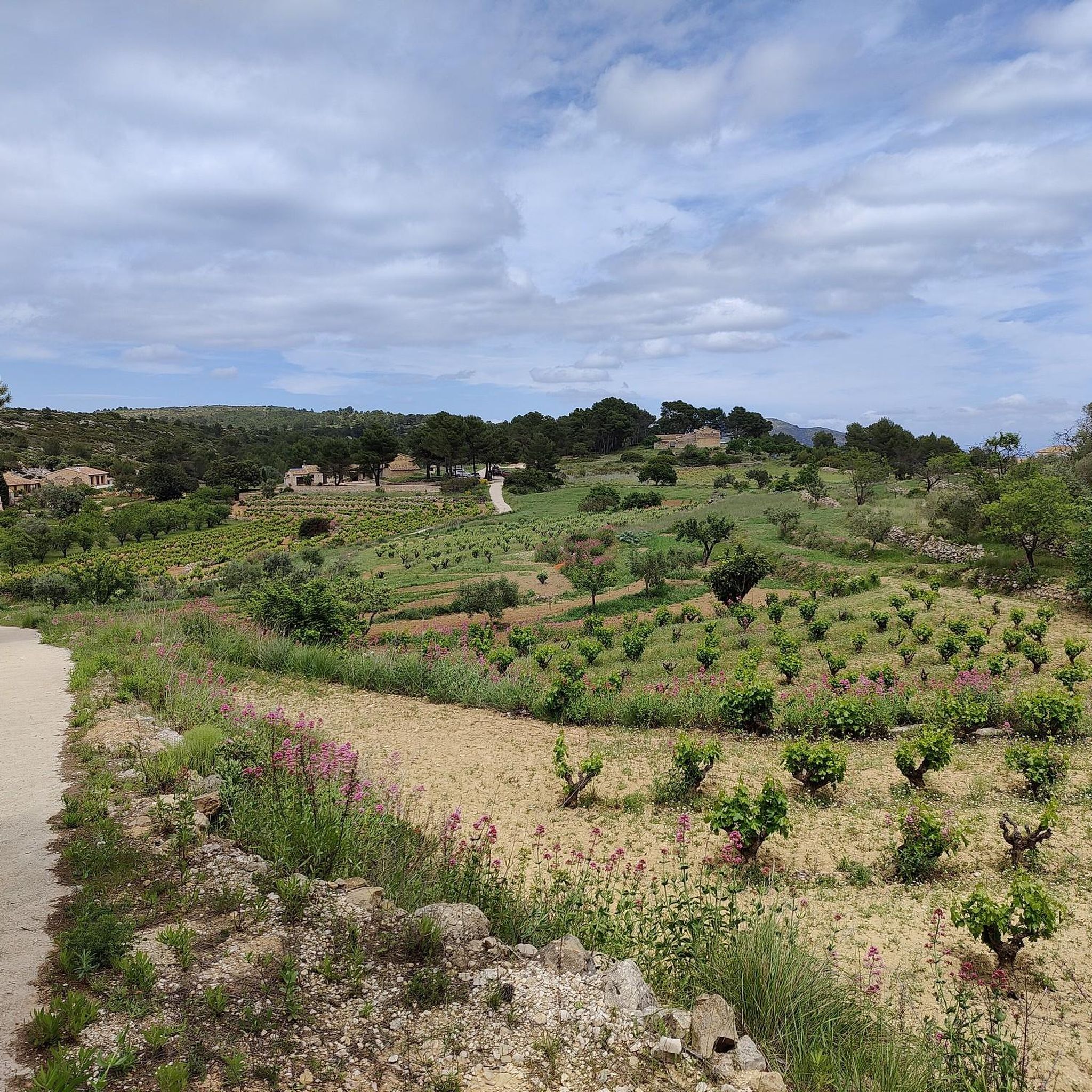
Best natural monuments around Xaló are situated in the Vall de Pop, an area characterized by its diverse natural landscape and historical interaction with the environment. The region features prominent limestone mountains, river valleys, and coastal formations. Visitors can explore a range of sites, from ancient geological formations to historical hydraulic infrastructures. These natural settings often provide expansive views over the surrounding terrain.
Best natural monuments around Xaló
- The most popular natural monuments is Forat de Bèrnia, a cave…
Last updated: July 1, 2026
Forat de Bèrnia
Highlight • Cave
Translated by Google •
Tip by

Dark Cave
Highlight • Cave
Translated by Google •
Tip by

Sign up now to discover places like this
Get recommendations on the best single tracks, peaks, & plenty of other exciting outdoor places.
Sign up for free
Viewpoint of the Salinas de Calpe
Highlight • Viewpoint
Translated by Google •
Tip by

El Saladar Saltworks
Highlight • Lake
Translated by Google •
Tip by
The Queen's Baths of Calp
Highlight • Historical Site
Translated by Google •
Tip by
Sign up for free to discover even more natural monuments around Xaló.
Sign up for free
Already have an account?
Start today with a free account
Your next adventure awaits.
Login or Signup

Tips from the Community

It is located in a bay with calm waters in the shelter of the Ifach Rock.
6
1

Beautiful view. I go there all the time.
1
0


An approximately 1 km long area within the Sierra Segaria, which contains various caves - the Cova Fosca is of course the largest, most famous, and most spectacular!
1
0

The flamingos in Calpe’s Las Salinas are a beautiful surprise. These greater flamingos migrate from places like southern France, Sardinia, and even North Africa. Some stay year-round, while others stop here during spring and autumn migrations. Flamingos have been visiting Calpe’s Las Salinas since at least Roman times, when salt was first harvested here. The lagoon was officially protected in 1988, and today it serves as a peaceful feeding ground right next to the city—overlooked by the impressive Peñón de Ifach. Despite the surrounding high-rise buildings, the flamingos don’t seem to mind. They feed and rest here undisturbed, making Las Salinas one of the most unique spots in the region where nature and city life meet.
3
1

The salt flats of Calpe were used for salt production as early as Roman times and were in operation until the 20th century. Today, they are a protected nature reserve and provide a protected habitat for numerous animal species. They are particularly known for their flamingos and other waterfowl, making them an ideal spot for birdwatchers. Paths surrounding the salt flats offer impressive views of the Peñón de Ifach.
10
1

This saltwater lake was created by salt extraction from the Calpe salt mines. Salt has been extracted here since Roman times, primarily to preserve the locally caught fish and fish farmed in the lake. Exploitation ceased in 1988, and it is now a protected nature reserve, home to many birds (including flamingos). 🦩 https://www.calpe.es/en/discover-calpe/the-salt-mines
4
1

Yes, unfortunately not much to see anymore.
2
0
Frequently Asked Questions
What are some unique natural monuments to explore in Xaló?
Xaló offers a variety of unique natural monuments. You can explore the Forat de Bèrnia, a natural tunnel offering panoramic views, or visit the 18th-century Sapena Pool (Bassa dels Arcs), a hydraulic infrastructure recognized for its cultural and environmental value. The Botanic Garden El Tossalet also provides a beautiful natural landscape with indigenous plant life and cultural constructions like an old lime kiln.
Which natural monuments in the Xaló area offer historical insights?
Several natural monuments around Xaló blend natural beauty with historical significance. The Sapena Pool (Bassa dels Arcs) is an 18th-century hydraulic structure. The Abrigo del Mansano features prehistoric cave paintings, a UNESCO World Heritage Site. Additionally, the Natural Surroundings of Aixa Castle provide a historical backdrop to stunning views, and The Queen's Baths of Calp are remnants of an ancient Roman fish farm.
Where can I find the best panoramic views of the Xaló Valley and surrounding areas?
For breathtaking panoramic views, consider visiting Coll de Rates, a prominent mountain pass offering sweeping vistas across the coastline, the Jalon Valley, and even to Ibiza on clear days. The Natural Surroundings of Aixa Castle, located atop the Castellet de Aixa mountains, also provide exceptional views over the Xaló Valley and the Sierra de la Solana. The Forat de Bèrnia and the entrance to the Dark Cave also offer very beautiful views.
Are there family-friendly natural attractions around Xaló?
Yes, there are several family-friendly natural attractions. The Viewpoint of the Salinas de Calpe and El Saladar Saltworks are protected natural areas known for their biodiversity, especially aquatic birds, making them ideal for birdwatching. The Queen's Baths of Calp offer a unique historical site where children can enjoy shallow waters. The Botanic Garden El Tossalet is also a pleasant spot for families to explore indigenous plant life and easy trails.
What kind of outdoor activities can I do near the natural monuments in Xaló?
The Xaló area is excellent for various outdoor activities. You can find numerous hiking trails, including moderate to difficult routes like the 'Panoramic trail along the ridges of Monte Bernia' or the 'Ascent to Castillo d'Aixa'. For cyclists, Coll de Rates is a globally popular route. You can explore more options for hiking, road cycling, and gravel biking around Xaló.
Are there any notable caves or geological formations to visit?
Absolutely. The Forat de Bèrnia is a natural tunnel crossing the Sierra de Bèrnia, offering a unique experience. The Dark Cave is of great geological importance, popular for caving and abseiling. Nearby, the Cova del Rull (Caves of Skulls) is a significant natural cave formation believed to have formed 150 million years ago, known for its unique rock formations.
What is the best time of year to visit the natural monuments around Xaló?
The Xaló region, with its Mediterranean climate, is generally pleasant for visiting natural monuments for much of the year. Spring (March to May) and autumn (September to November) offer mild temperatures ideal for hiking and exploring. Summers can be hot, but early mornings or late afternoons are still suitable. Winters are generally mild, making it possible to visit year-round, though some routes might be less accessible after heavy rains.
Are there any natural monuments suitable for easy walks or less strenuous exploration?
Yes, for easier exploration, the Botanic Garden El Tossalet offers pleasant trails through a dense pine forest. The Sapena Pool (Bassa dels Arcs) is also a pleasant destination for a walk near the center of Xaló. The Viewpoint of the Salinas de Calpe and El Saladar Saltworks have paths surrounding them, offering impressive views without strenuous hiking.
What should I wear for hiking or exploring the natural monuments in Xaló?
For hiking and exploring the natural monuments around Xaló, it's recommended to wear comfortable, sturdy walking shoes or hiking boots, especially for trails with varied terrain like those leading to Aixa Castle or the Sierra de Bèrnia. Layers of clothing are advisable, as temperatures can change, and sun protection (hat, sunglasses, sunscreen) is essential, particularly during warmer months. For cave explorations, a headlamp might be useful.
Are there any natural monuments around Xaló that are dog-friendly?
Many natural outdoor areas and trails around Xaló are generally dog-friendly, provided dogs are kept on a leash and owners clean up after them. The Botanic Garden El Tossalet and the trails around the Natural Surroundings of Aixa Castle are good options for walks with dogs. Always check specific signage at each location, as rules can vary, especially in protected areas like the Salinas de Calpe, where wildlife might be sensitive to disturbance.
What are the main geological features of the natural monuments in the Xaló region?
The Xaló region is characterized by prominent limestone mountains, river valleys, and coastal formations. Coll de Rates, for instance, is predominantly formed by limestone mountains. The Salinas de Calpe and El Saladar Saltworks are lagoons of tombolic origin, formed by alluvial deposits and sandbanks. The caves like Dark Cave and Cova del Rull showcase ancient geological formations, including unique rock structures.
Can I find cafes or restaurants near these natural monuments?
While some natural monuments are more remote, you can often find amenities nearby. Coll de Rates has a seasonal café at its summit, offering a resting point with views. The Salinas de Calpe and The Queen's Baths of Calp are located closer to urban centers like Calpe, where numerous cafes and restaurants are available. Xaló town itself also offers various dining options after exploring nearby sites like the Botanic Garden El Tossalet or Sapena Pool.
Most popular routes around Xaló
Most popular attractions around Xaló

Get inspired with the komoot mobile app


Explore more
Extend your search for the best caves by checking out these guides of the top ones around Xaló:
