Top 17 Natural Monuments around Olèrdola
Best natural monuments around Olèrdola are situated within the Parc d'Olèrdola, a protected natural area characterized by distinct ecological and geological features. This region features calcareous outcrops, Mediterranean flora adapted to arid conditions, and unique wildlife. The park offers panoramic views of the Penedès plain and surrounding natural environment from its elevated points. It serves as a significant natural monument due to its coherent natural environment, which also forms the setting for historical sites.
Best natural monuments around Olèrdola
- The…
Last updated: October 4, 2026
Puig de l'Àliga
Highlight • Summit
Translated by Google •
Tip by

Gran Pèlag of Vilobí del Penedès
Highlight • Lake
Translated by Google •
Tip by

Sign up now to discover places like this
Get recommendations on the best single tracks, peaks, & plenty of other exciting outdoor places.
Puig de la Mola
Highlight • Summit
Translated by Google •
Tip by

Penya del Papiol
Highlight • Summit
Translated by Google •
Tip by
Pla dels Albats Necropolis and Chapel Ruins
Highlight • Historical Site
Translated by Google •
Tip by

Sign up for free to discover even more natural monuments around Olèrdola.
Already have an account?
Start today with a free account
Your next adventure awaits.

Other adventures around Olèrdola

Tips from the Community

Highest point of Garraf. Peak with a lot of wind. But with 360 degree views
0
0


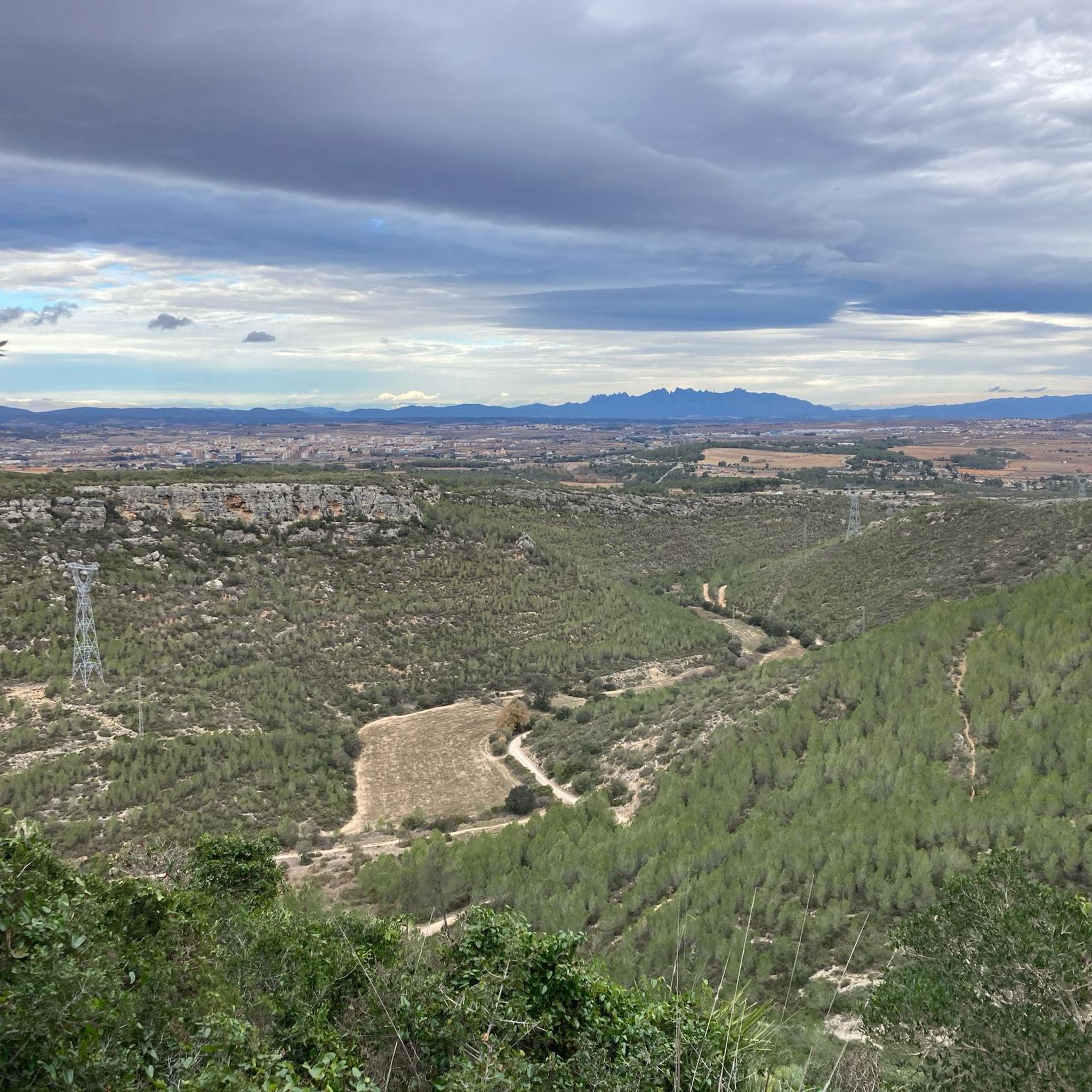
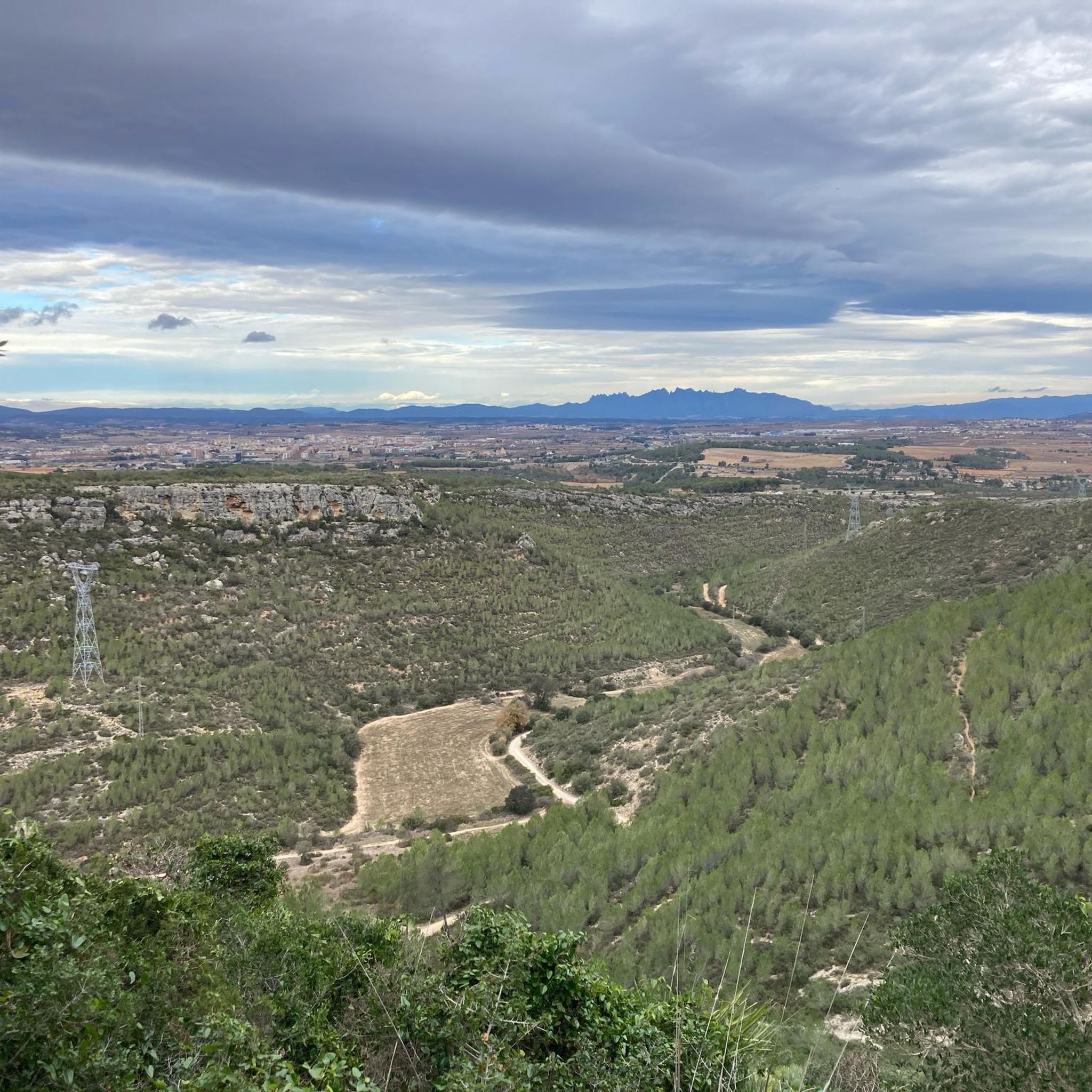
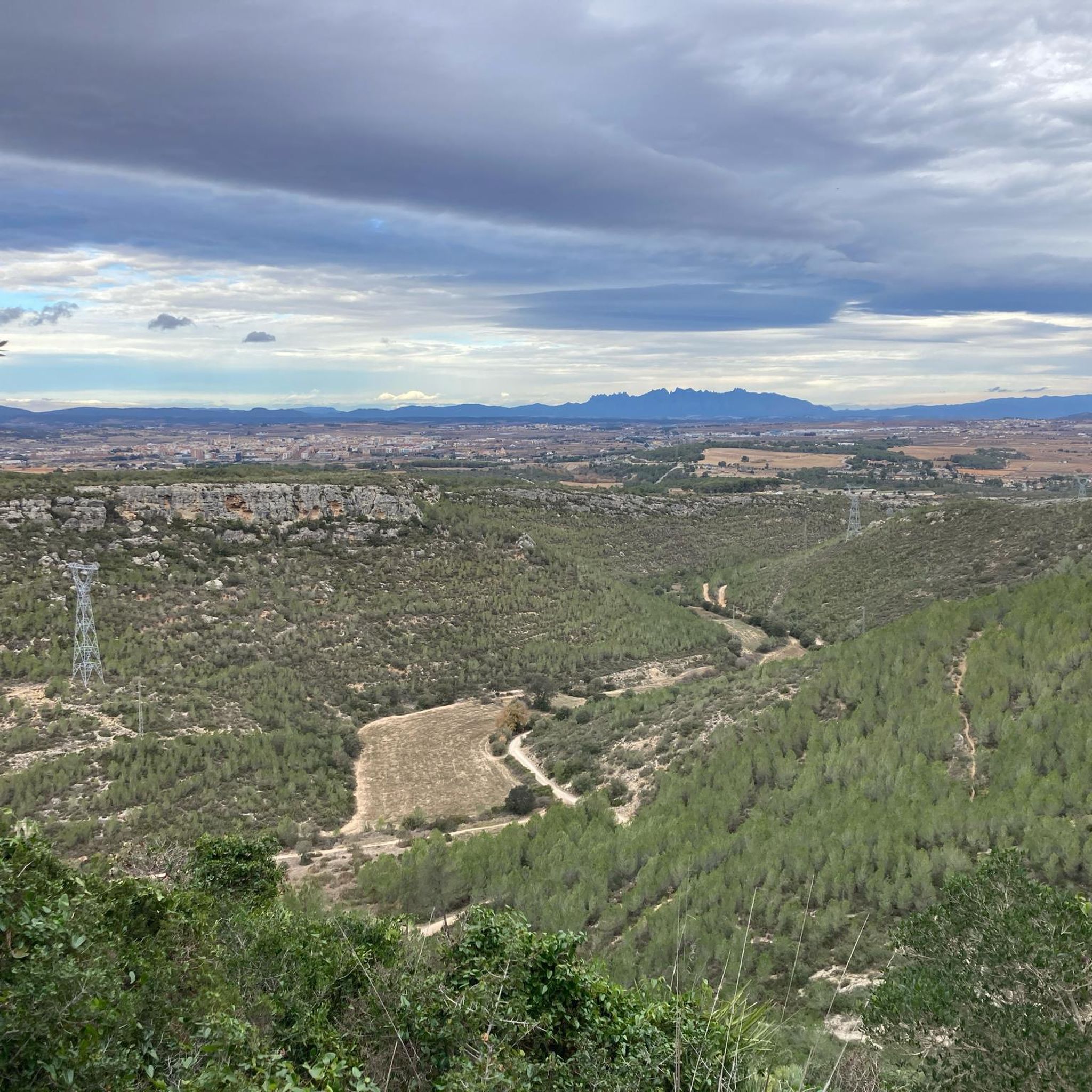
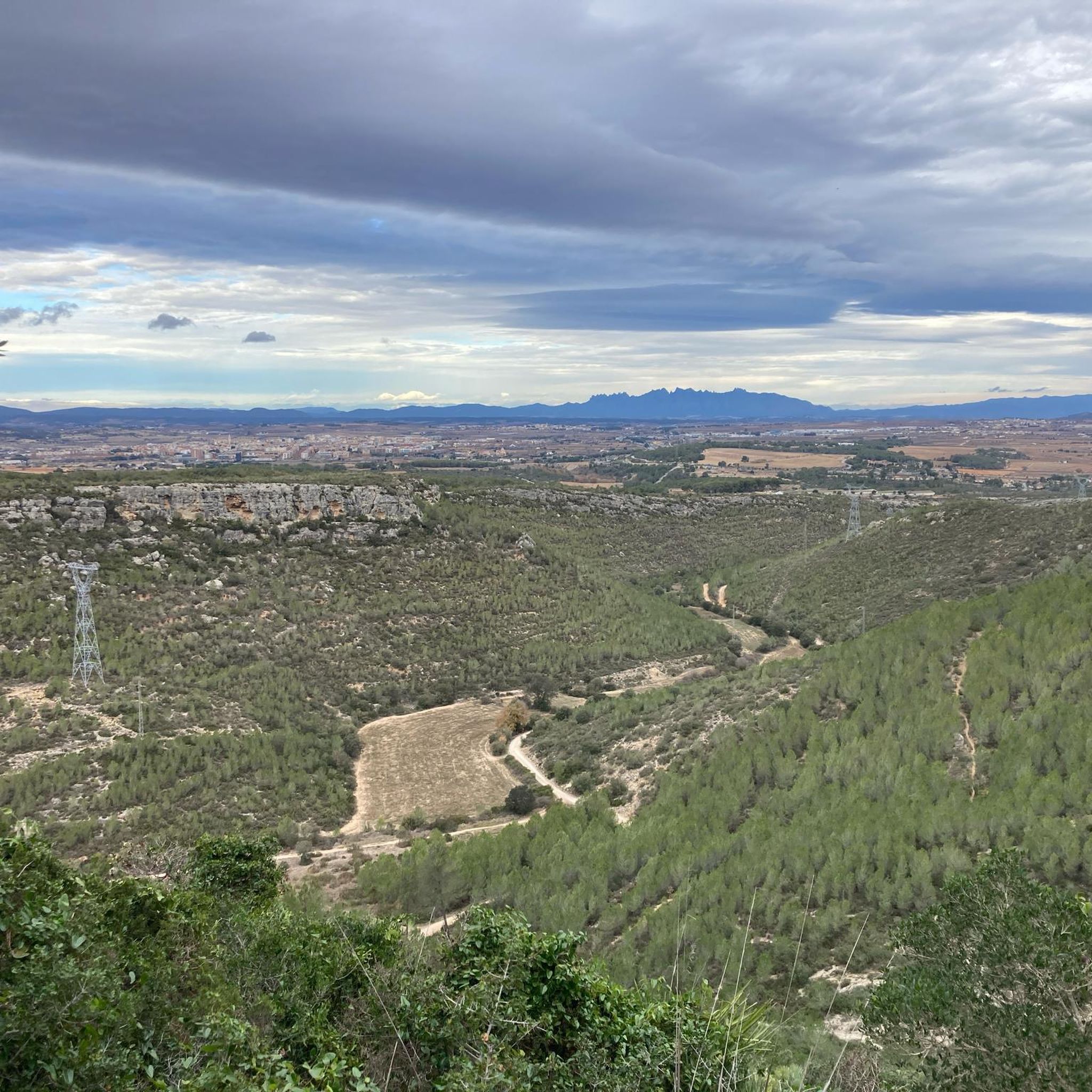
The Puig de l'Àliga, at 464 meters above sea level, is not the highest peak of the Garraf, that honor goes to the Puig de la Mola (534 meters), but it is the highest of the foothills southern parts of the Garraf massif. It forms a natural border between the regions of Alt Penedès and Garraf and is a natural viewpoint of both the Penedès plain and the Garraf coast. At its highest point there is a geodesic vertex, a large cross, and a fire watch tower.
2
0

Mountain that is located in the old middle of the Garraf Natural Park and on a clear day, you can even see views of Montserrat mountain.
0
0

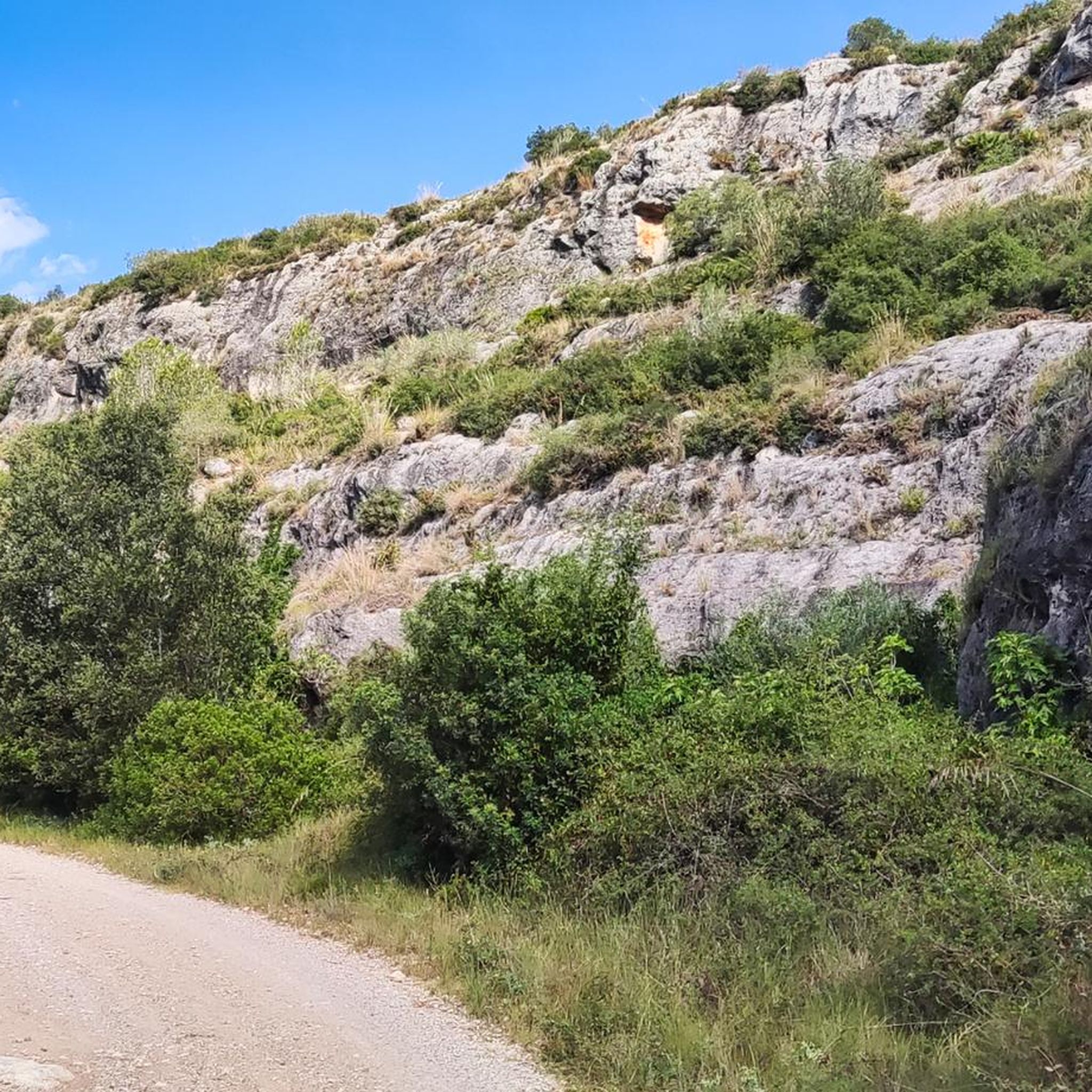
Necropolis located on the elongated hill located in front of the Olerdolana wall. It is known as Pla dels Albats (relatively modern place name). This name comes from the numerous small and medium-sized tombs corresponding to infants and alabtas (babies who died before receiving the sacraments or having the use of reason) found in the necropolis of anthropomorphic tombs. More than a hundred tombs have been located. The graves are excavated in the rock, they are rectangular in plan, with the head separated from the rest of the body and narrower at the feet. Most feature a socket in the rock itself for the cap. The graves follow the east-west orientation. In the middle of the necropolis are the ruins of a building that has been identified as the remains of the chapel of Santa Maria. Part of the north wall is preserved, with a height close to 3 meters and the west wall, modernly altered. The chapel of Santa Maria and the necropolis must be associated with the population, more or less dispersed, located outside the walls in medieval times. They were already in operation at the beginning of the 10th century. Observations: Archaeological research is very incipient in this sector, its evolution will confirm the exact functionality of the building described, its chronology and the relationship with the remains of another building that can be guessed in the middle of the necropolis.
3
0
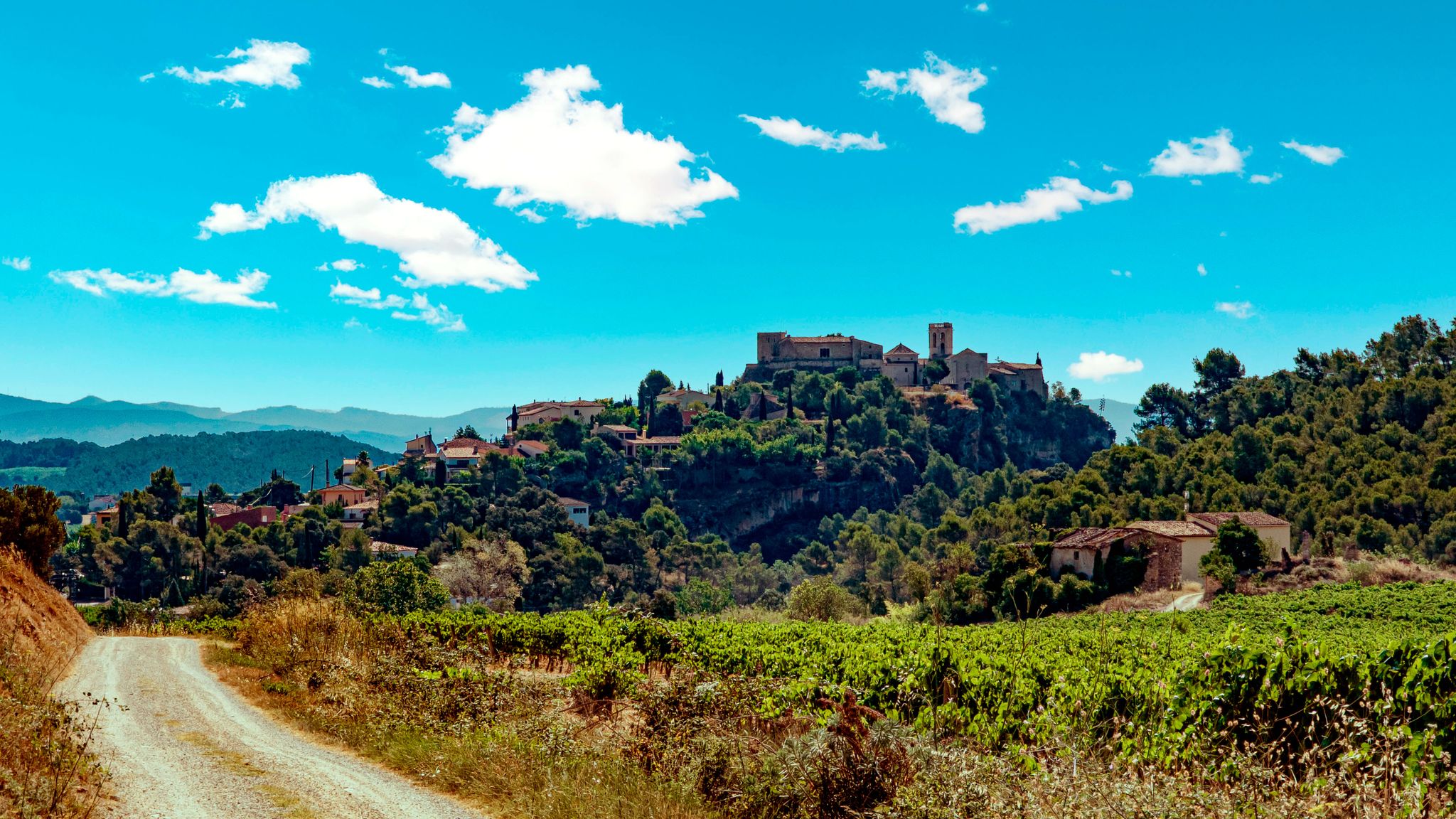
Small peak, near a quarry, where a series of rural roads converge. This is a typical area of the Penedès with extensive fields of vineyards interspersed with scattered farmhouses where you can also appreciate old quarries. From the top, if the vegetation allows us, you can see from Montserrat, la Mola, la Morella, el Montmell, el Montau and el Puig de l'Àliga, among others. As can be read on a small panel at the top, the Toponym derives from the word "popia", which in the geographical vocabulary of the popular language designates a hill of low height, with a regularly rounded shape and a wide base: the shape of the chest of 'a woman. The word "Papiol" derives from this metaphor. The name is already documented in 992 as the boundary of Viladellops (Olèrdola). Essential peak included in the list of 100 peaks of the F.E.E.C. https://www.feec.cat/activitats/100-cims/cim/penya-del-papiol/
1
0
Puig de la Mola is a very visible peak from many places in the Garraf region, where it is the highest point. It is not the park or the Garraf massif, an honor reserved for Morella, which belongs to the Baix Llobregat region, with almost 600 m. For years there has been a forest watch tower in La Mola, from where the entire immensity of the park is monitored. As it could not be otherwise, there is a geodesic vertex. If it's a good day you'll enjoy fantastic panoramic views. Peak included in the list of 100 peaks of the F.E.E.C. https://www.feec.cat/activitats/100-cims/cim/puig-de-la-mola/
0
1
Frequently Asked Questions
What types of natural monuments can I explore around Olèrdola?
The natural monuments around Olèrdola offer a diverse range of landscapes. You can discover serene lakes like Foix Reservoir and the unique Gran Pèlag of Vilobí del Penedès, which is a wetland formed from gypsum extractive activity. There are also several summits and viewpoints, including Puig de l'Àliga and Puig de la Mola summit (534 m), offering panoramic views of the Penedès plain and the Garraf massif.
What unique natural features characterize the Olèrdola Park?
The Olèrdola Park, an extension of the Garraf Natural Park, is characterized by diverse Mediterranean ecosystems. You'll find holm oak groves, cork oak groves, and pine forests, notably Aleppo pines. A unique botanical highlight is the presence of distinct palm thickets, which are the only variety of palm tree found in Europe. The landscape also features dry, rocky terrain with calcareous outcrops, vineyards, and other dry farming areas.
What kind of wildlife can be found in the natural areas around Olèrdola?
Despite the rugged, dry conditions, the park supports interesting wildlife adapted to this environment. Reptiles such as the horseshoe whip snake and the snub-nosed viper can be spotted. The extensive karst system also hosts fascinating cave life, including some endemic species. Birdwatchers might observe woodpeckers, various nesting warblers, wild turkey, and hawks.
Are there any notable rock formations or climbing areas near Olèrdola's natural monuments?
Yes, the rocky terrain of Olèrdola contributes to its natural appeal. The area is known for climbing, with popular spots like Peña del Escofet in Canyelles and Fuente del Ametlló in Olèrdola. The abrupt relief and cliffs add to the dramatic scenery, making it an attractive destination for those interested in rock formations and climbing.
When is the best time to visit the natural monuments around Olèrdola?
The Mediterranean climate of Olèrdola makes spring and autumn ideal for visiting. During these seasons, the weather is typically mild and pleasant for outdoor activities like hiking and exploring. Summers can be quite hot, while winters are generally mild but can be cooler and wetter.
How long should I plan for a visit to the natural monuments in Olèrdola?
The duration of your visit depends on your interests. For a focused exploration of one or two key natural monuments, a half-day might suffice. However, to fully immerse yourself in the diverse landscapes, enjoy some hiking, and take in the panoramic views, a full day or even multiple visits would be more rewarding.
Are there parking options available near the natural monuments?
While specific parking details vary by location, generally, there are designated parking areas or roadside spots available near popular natural monuments and trailheads within the Olèrdola Park. It's advisable to check local signage upon arrival.
What should I wear when visiting the natural monuments around Olèrdola?
Given the varied terrain and potential for hiking, it's recommended to wear comfortable, sturdy footwear, such as hiking shoes or boots. Layered clothing is also advisable to adapt to changing temperatures, especially if you plan to be out for an extended period. Don't forget sun protection, like a hat and sunscreen, and bring plenty of water.
Are there family-friendly natural monuments or trails around Olèrdola?
Yes, the Gran Pèlag of Vilobí del Penedès is noted as family-friendly, offering a unique wetland ecosystem to explore. Many of the hiking trails within the Olèrdola Park also offer varying difficulties, with easier paths suitable for families looking for a gentle walk amidst nature.
What outdoor activities can I do near these natural monuments?
The area around Olèrdola is excellent for various outdoor activities. You can enjoy gravel biking on routes like 'The south of the plain in gravel' or 'Gravel through Penedès, the capital of cava'. For running, options include 'Puig del Àguila — circular por la Sierra de Cogullada' or 'Castillo de Sant Miquel d'Olèrdola — circular por las rocas de Can Ximet'. Road cycling is also popular, with routes such as 'From Granada via Vilobí del Penedés – circular route around Villafranca del Penedés'. You can find more details on these activities in the Gravel biking around Olèrdola, Running Trails around Olèrdola, and Road Cycling Routes around Olèrdola guides.
Are there hiking trails near the natural monuments in Olèrdola?
Absolutely. Numerous hiking trails traverse the Olèrdola Park, allowing visitors to immerse themselves in the natural beauty and discover various heritage features. These trails offer opportunities to experience the typical Mediterranean landscape and come across natural springs. You can find specific running and hiking routes, including those around Puig de l'Àliga and Penya del Papiol, in the Running Trails around Olèrdola guide.
What do visitors enjoy most about the natural monuments around Olèrdola?
Visitors particularly appreciate the breathtaking views and the diverse natural scenery. The panoramic vistas from summits like Puig de l'Àliga are often highlighted. The unique ecosystems, such as the wetland at Gran Pèlag of Vilobí del Penedès, and the tranquil setting of Foix Reservoir, are also highly valued for their natural beauty and opportunities for observation.
Most popular routes around Olèrdola
Most popular attractions around Olèrdola

Get inspired with the komoot mobile app


Explore more
Extend your search for the best caves by checking out these guides of the top ones around Olèrdola:
