Top 7 Natural Monuments around Olost
Best natural monuments around Olost are found in the Lluçanès region of Catalonia, a municipality known for its diverse landscapes. This area features a mix of agricultural and forest land, offering various natural attractions. Visitors can explore sites that showcase the region's unique geological features and provide opportunities for nature observation. The natural monuments in Olost highlight the area's ecological value and scenic beauty.
Best natural monuments around Olost
- The most popular natural monuments is Gurb Cross, a man-made…
Last updated: June 17, 2026
The Lady's Oak
Highlight • Natural Monument
Translated by Google •
Tip by

Ancient Olive Tree at Casanova de Viladecans
Highlight • Natural Monument
Translated by Google •
Tip by
Sign up now to discover places like this
Get recommendations on the best single tracks, peaks, & plenty of other exciting outdoor places.
Sign up for free
Gurb Cross
Highlight • Monument
Translated by Google •
Tip by

View of the Gorg Negre (Santa Cecília de Voltregà)
Highlight • Viewpoint
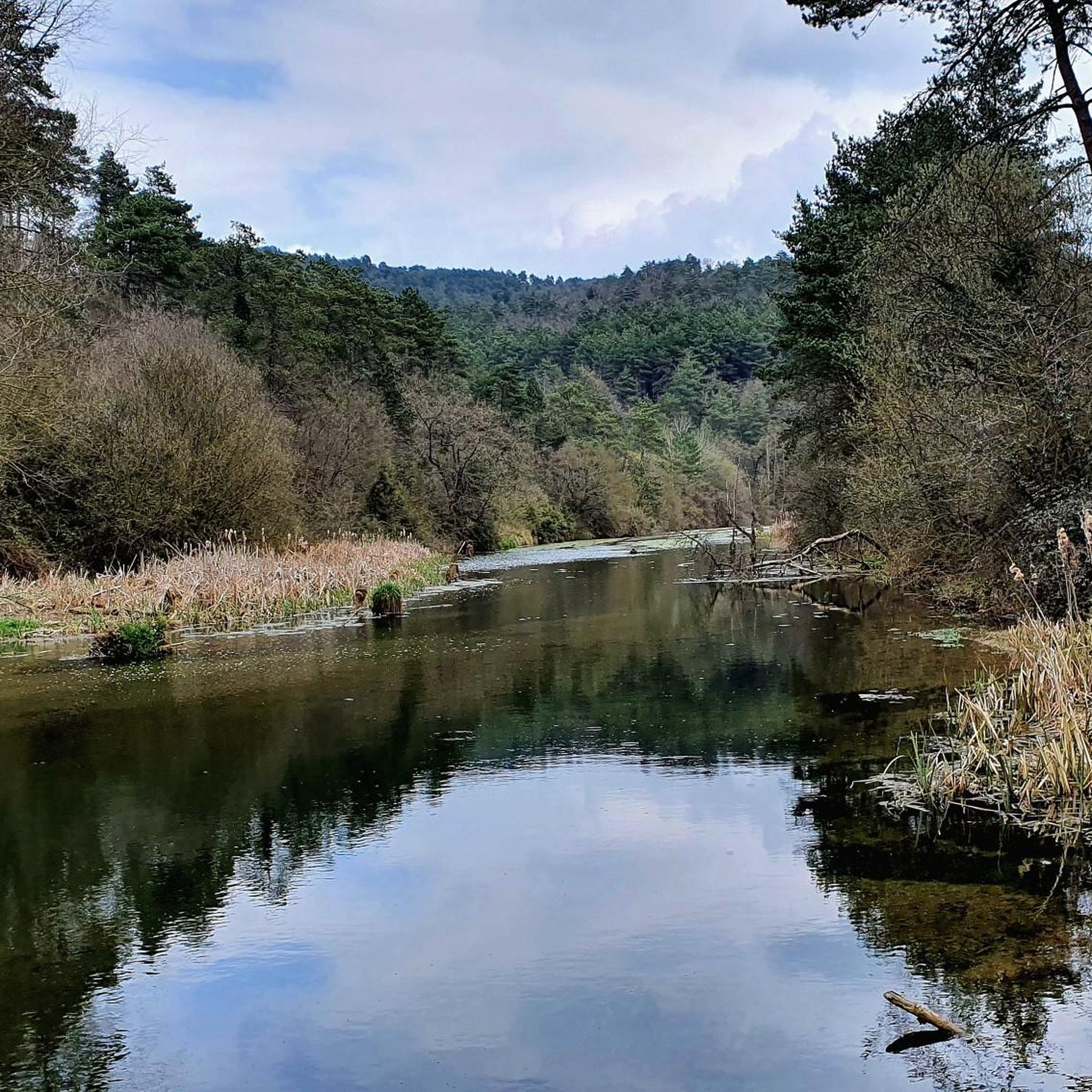
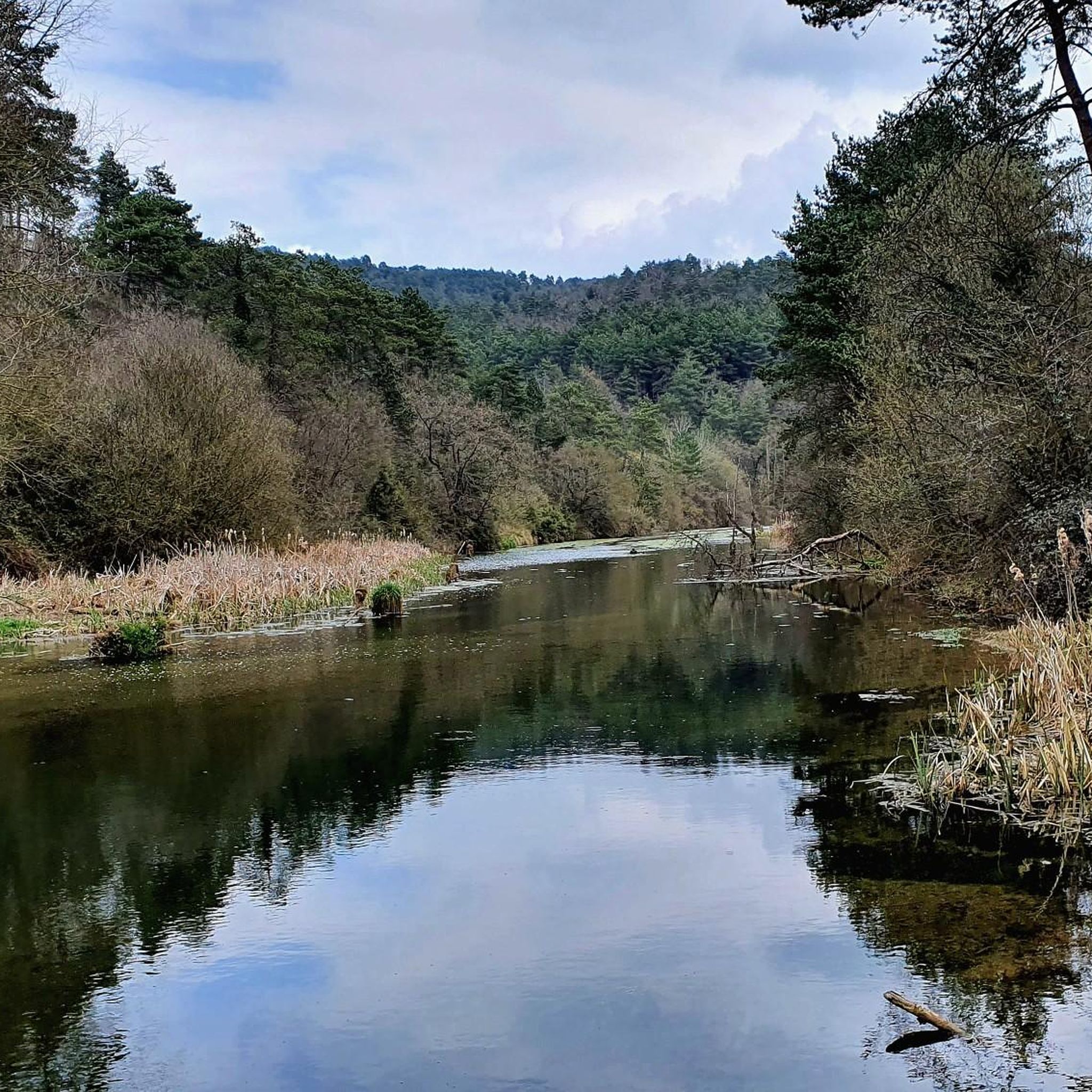
Further on there is a trail that leads to the foot of Gorg. In summer the water level drops a lot, better autumn or spring.
Translated by Google •
Tip by
Font de la Prada
Highlight • Natural Monument
Translated by Google •
Tip by
Sign up for free to discover even more natural monuments around Olost.
Sign up for free
Already have an account?
Start today with a free account
Your next adventure awaits.
Login or Signup
Tips from the Community

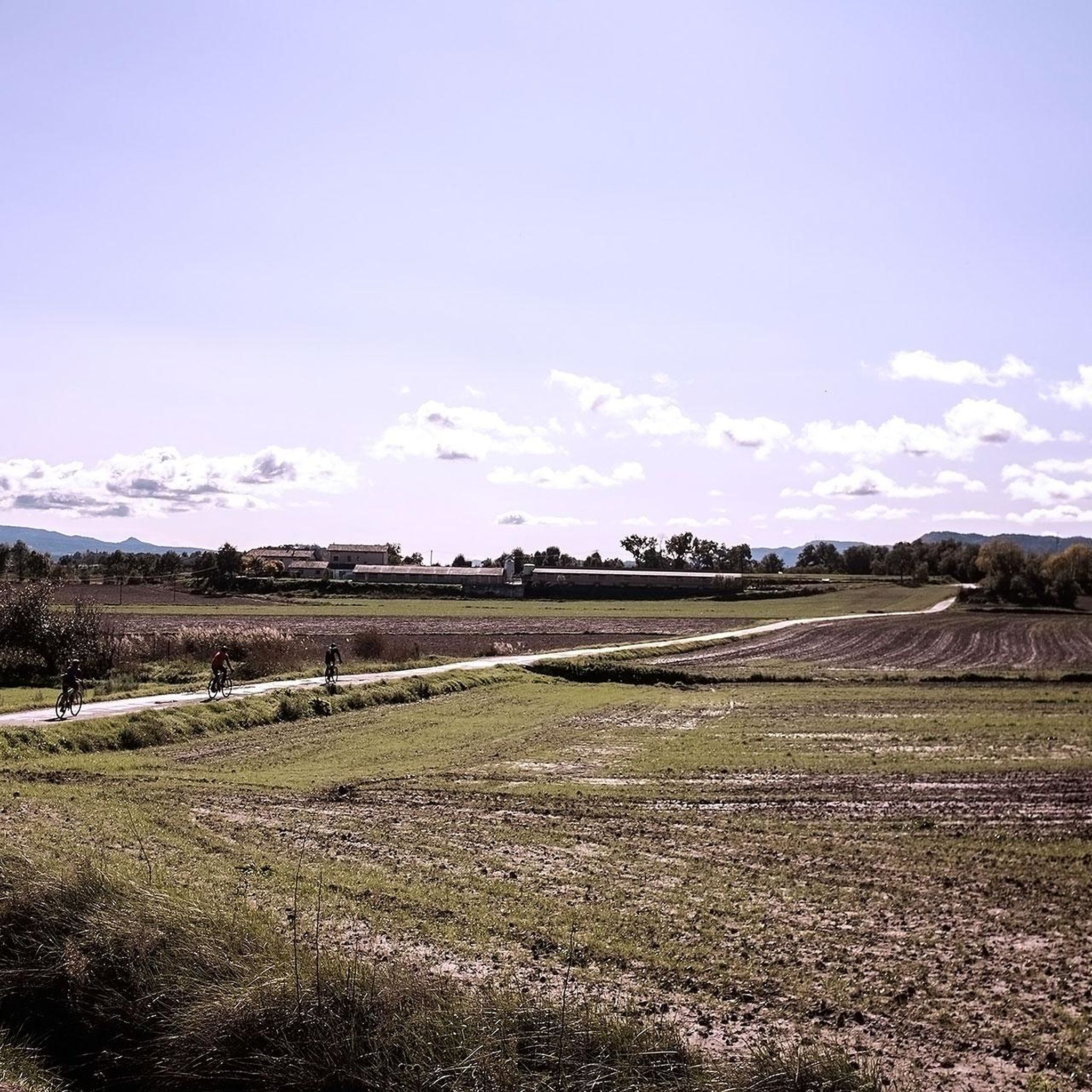
The cross is from the year 1900. There are great views from here over the Plana de Vic and its surroundings. Gurb preserves an agricultural and livestock tradition with a significant number of farmhouses and farms.
2
1

100 m. steep descent on foot from the road. Alert if you have bike lanes! Further on there is a trail that leads to the foot of Gorg. In summer the water level drops a lot, better autumn or spring.
0
0
It is a very busy source. Located in a cool place at the foot of the Sorreig stream, and in a corner with large trees, it has exuberant vegetation that surrounds it and the water is of good quality. They say that no one has ever seen it dry. The fountain is preceded by a large esplanade, very shady thanks to the presence of large poplar and spruce trees. Next to the fountain are several benches and tables, ideal for spending some time in the fresh air. The original name of the source is the source of La Parada, as the Pujols station was very close to the location. The stops were water points where the inhabitants of the farmhouse put the hemp in basins and worked it. https://turisme.llucanes.cat/visiteu/font-de-la-prada/
0
0
La Casanova de Viladecans is located on an elevated point at the eastern end of the municipality, a few meters east of the Rodó mountain range and north of the first bends of "la Trona". It is a medium-sized farmhouse consisting of a main volume of ground floor, first floor and attic. a square volume attached to the west of two levels and several structures around it, closing a courtyard in front of the main facade of the farmhouse. It is built with stone masonry walls with corners delimited with worked ashlars. The roof is double-sided with gutters on the side facades in the main volume and four-sided in the attached square volume. Observations: In front of the main facade is a courtyard bounded by a stone masonry wall and a structure in the shape of a small church built in modern times at the south-east end of the courtyard. The main entrance to the courtyard faces south and is a gable-type portal (with a small double-sloped roof above) formed with worked stone jambs and a monolithic lintel with a lowered arch with the inscription "1792 IGNASI VILADECANS". A few meters to the south of the complex is an elongated structure framed with stone masonry walls and crowned with a double-sloped roof containing a large semi-circular arched opening framed with worked stone on its north facade. The farmhouse is also known as Casanova de la Vila. https://patrimonicultural.diba.cat/element/casanova-de-viladecans
1
0

It is located at the base of a rocky slope. The environment is very tidy and under the canopy there are well-arranged benches. Some of the branches are supported by tutors. In front of the tree, a field of dryland cereals opens up. In the background is the imposing fortified manor house of Vilar. There is a certain diversity of meadow grasses, wild garlic, fennel, vidalba, ivy, gavarra, bramble, sajolida, broomstick, juniper, robinia and large-leaved ash. Beyond the fauna of this type of habitat (such as larks, crickets and quails), you can see the bald eagle in summer and, very close by, an exceptional population of black woodpeckers. . Tradition has it that Madame Lotgarda de Perdals, from whom she took her name, had a great deal of love for the oak and spent long hours in its shade reading or crocheting. It is a tree listed as a monument since August 30, 1988 due to its size and age (it is believed to be over 500 years old). Descriptive data: - Perimeter of the trunk at 1.30 m: 4.13 m. - Perimeter of the base of the trunk: 7.66 m. - Height: 21.56 m. - Width of the crown: 33.21 m. - Altitude above sea level: 855 m.
0
1
The Oak of the Lady or Oak of Vilar (Quercus pubescens) is a tree found in Sant Boi de Lluçanès (the Lluçanès, although administratively attached to Osona) and one of the oaks with the largest crown in all of Catalonia. https://ca.wikipedia.org/wiki/Roure_de_la_Senyora
1
0
Frequently Asked Questions
What are some of the most notable natural monuments to visit around Olost?
Olost and the surrounding Lluçanès region offer several remarkable natural monuments. You can visit the ancient The Lady's Oak, a majestic tree over 500 years old with an impressive crown. Another highlight is the View of the Gorg Negre (Santa Cecília de Voltregà), a captivating waterfall, especially picturesque in autumn or spring. For panoramic views, the Mirador de Sant Adjutori offers stunning vistas of the Eastern Pyrenees and Montserrat.
Are there any natural monuments suitable for families with children?
Yes, several natural monuments around Olost are family-friendly. The Lady's Oak is a great spot, offering a serene environment with benches under its vast canopy. The Font de la Prada is also ideal, featuring a cool, shady area with an esplanade, benches, and tables, perfect for a picnic. The easy hiking route to Gorg Negre can also be enjoyable for families.
What kind of views can I expect from the natural monuments in Olost?
The natural monuments around Olost offer diverse and breathtaking views. From the Mirador de Sant Adjutori, you can enjoy spectacular panoramic views of the Eastern Pyrenees, the agricultural landscape of Lluçanès, the iconic Montserrat mountain, and the village of Olost. The Gurb Cross also provides great views over the Plana de Vic and its surroundings, showcasing the area's agricultural traditions.
Where can I find waterfalls or natural springs in the area?
The region is home to beautiful water features. The View of the Gorg Negre (Santa Cecília de Voltregà) leads to a captivating waterfall, best visited in autumn or spring when water levels are higher. You can also find the Font de la Prada, a busy natural spring known for its good quality water and lush surroundings, providing a refreshing stop.
What outdoor activities can I do near these natural monuments?
The natural monuments are excellent starting points for various outdoor activities. You can explore numerous hiking trails, such as those found in the Hiking around Olost guide, which includes routes like the 'Hiking loop from Olost'. For running enthusiasts, there are several routes detailed in the Running Trails around Olost guide. Cycling is also popular, with options like the 'Sant Feliu Church – Quer Castle loop' available in the Cycling around Olost guide.
Are there any historical sites associated with the natural monuments?
Yes, some natural monuments have historical significance. At the Mirador de Sant Adjutori, you'll find the 18th-century hermitage of Sant Adjutori, blending history with the natural landscape. The Lady's Oak itself is a historic monument, believed to be over 500 years old. The Gurb Cross, dating from 1900, also offers a historical landmark alongside its scenic views.
What is the best time of year to visit the natural monuments in Olost?
The best time to visit depends on your interests. For waterfalls like Gorg Negre, autumn or spring are ideal as water levels are higher, making them more impressive. Generally, spring and autumn offer pleasant temperatures for hiking and exploring. Summer can be warm, while winter might be cooler but still suitable for walks, especially if you enjoy crisp air and quieter trails.
Can I observe wildlife at any of these sites?
Yes, the Rexach Reservoir (Pantà de Rexach), also known as Pantà d'Olost, is an excellent spot for wildlife observation. This humid habitat supports a diverse range of species, particularly birds such as the great spotted woodpecker, kestrels, buzzards, short-toed eagles, and red kites. The surrounding forests of oak, Scots pine, and red pine also contribute to a rich ecosystem.
Are there any ancient trees worth seeing in Olost?
Absolutely. The Lady's Oak is a must-see, recognized as one of the largest oaks in Catalonia, with a trunk perimeter of over 4 meters and a crown width of over 33 meters. Another notable ancient tree is the Ancient Olive Tree at Casanova de Viladecans, adding to the region's natural heritage.
What should I pack for a visit to the natural monuments?
For exploring the natural monuments, it's advisable to pack comfortable walking shoes suitable for varied terrain. Depending on the season, layers of clothing are recommended, along with water, snacks, and sun protection. If you plan to visit waterfalls like Gorg Negre, be prepared for potentially steep descents. Binoculars can enhance your wildlife viewing experience at places like the Rexach Reservoir.
Are there any hidden natural gems in Olost?
While many sites are well-known, the Llop Fountain (Font del Llop) is considered a natural gem of Olost, offering a tranquil natural setting. The Caves of the Mill of Sallent (Balmes del Molí del Sallent) are also listed among the natural attractions, though specific details for tourist visits are limited, suggesting a more secluded experience.
What do visitors enjoy most about the natural monuments around Olost?
Visitors particularly appreciate the stunning panoramic views, especially from viewpoints like the Mirador de Sant Adjutori and Gurb Cross. The tranquility and natural beauty of sites like The Lady's Oak and the refreshing atmosphere of Font de la Prada are also highly valued. The captivating Gorg Negre waterfall is another favorite, especially during wetter seasons.
Most popular attractions around Olost

Get inspired with the komoot mobile app


Explore more
Extend your search for the best caves by checking out these guides of the top ones around Olost:
