Top 20 Natural Monuments around Polinyà
Best natural monuments around Polinyà offer a diverse range of natural features and landscapes. The municipality and its vicinity provide accessible natural spaces, including riverbeds, forests, and prominent peaks. These areas are characterized by a mix of agro-forestry mosaics and preserved natural environments. Visitors can explore various ecosystems and enjoy panoramic views across the region.
Best natural monuments around Polinyà
- The most popular natural monuments is Pi d'en Xandri, a natural monument that is one of the oldest stone…
Last updated: July 1, 2026
Pi d'en Xandri
Highlight • Natural Monument
Translated by Google •
Tip by

Lion Fountain
Highlight • Natural Monument
Translated by Google •
Tip by

Sign up now to discover places like this
Get recommendations on the best single tracks, peaks, & plenty of other exciting outdoor places.
Sign up for free
Gallecs Rural Area
Highlight (Segment) • Natural
Translated by Google •
Tip by
Turó de Montcada
Highlight • Summit
Translated by Google •
Tip by
Caldes de Montbui
Highlight • Natural Monument
Translated by Google •
Tip by

Sign up for free to discover even more natural monuments around Polinyà.
Sign up for free
Already have an account?
Start today with a free account
Your next adventure awaits.
Login or Signup
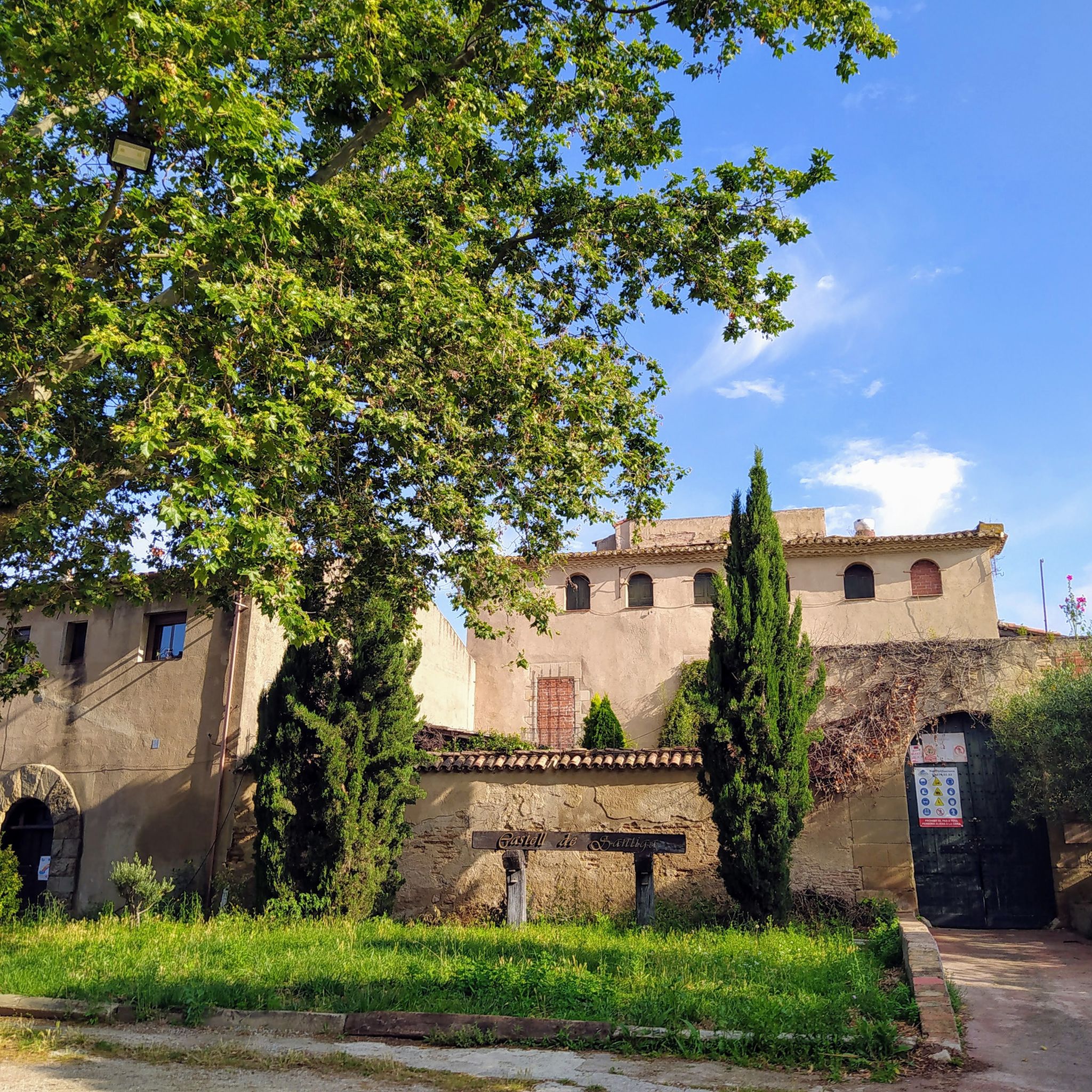
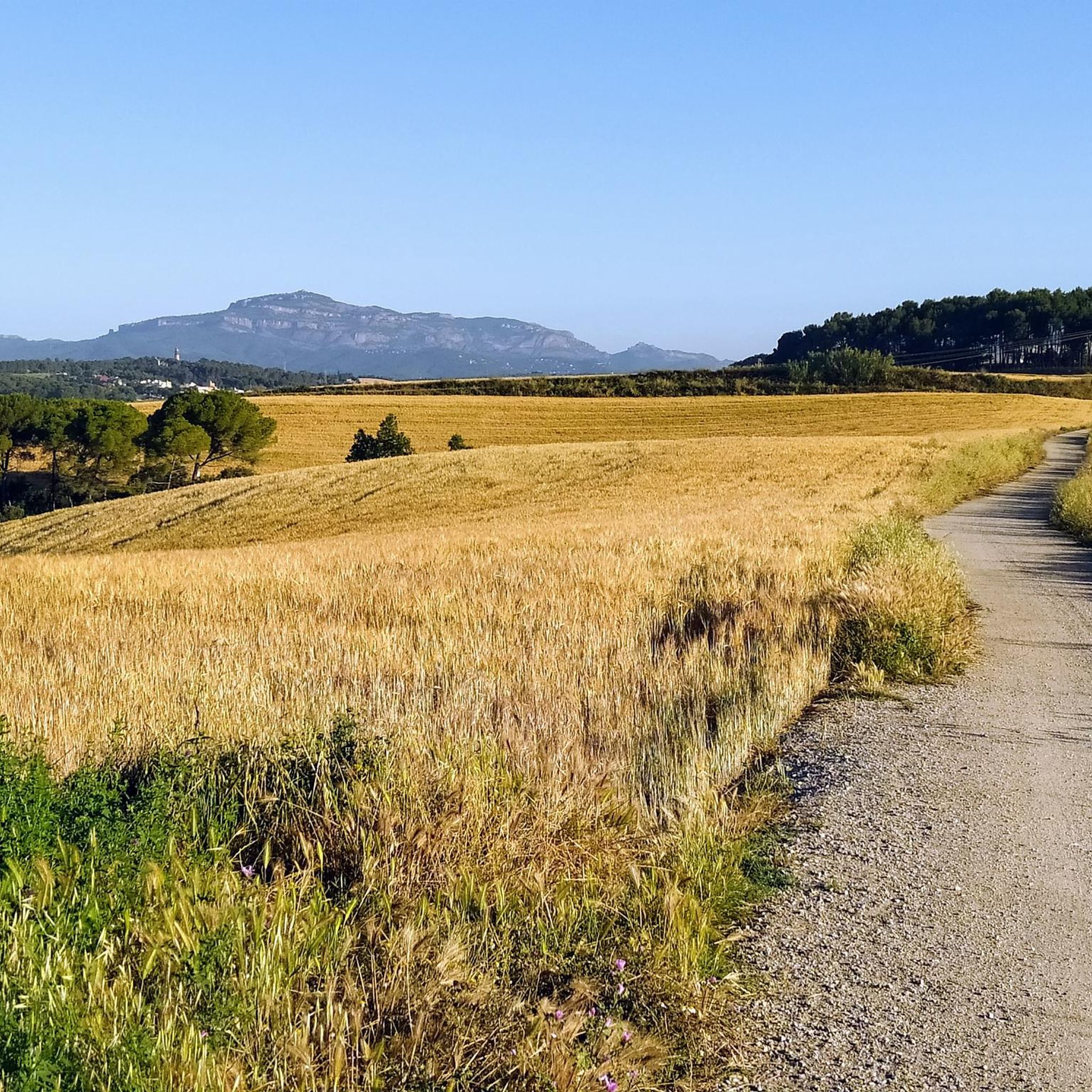
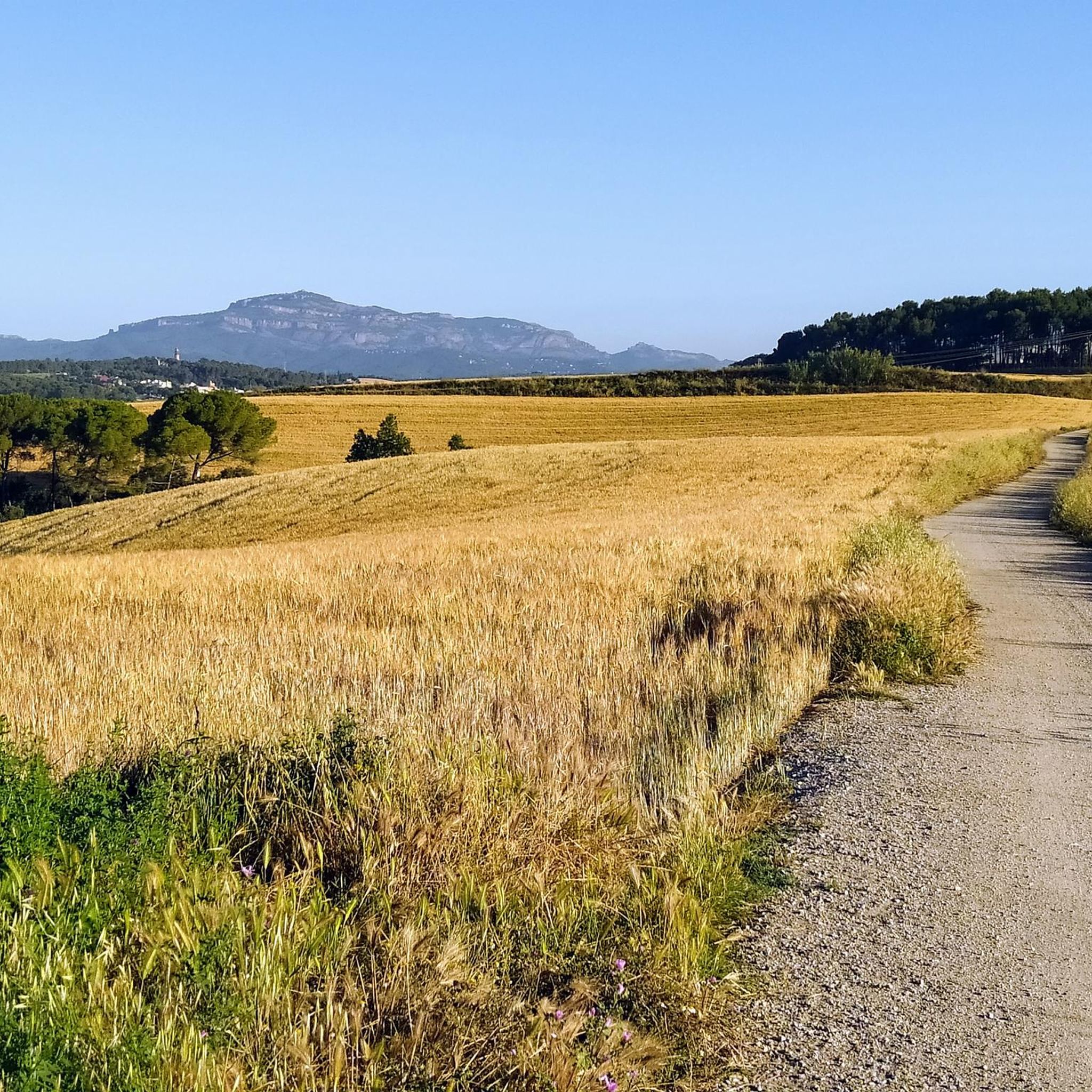
Tips from the Community

Real nice, shame it's only about 2 km but also a shame there aren't more such roads in the area. Go when there's no racing or practice sessions at the nearby Montmeló circuit!
0
0

For cultural reasons, the monastery of St. Geroni della Murtra was very important.
0
0

This water point is located in front of the entrance to the monastery.
2
0

The Font del Lleó that was fixed a few years ago, as well as its pond located opposite. It is located on the site of the old Mas Murtra, in the Poià valley, where, according to Josep Maria Cuyàs, there had been the chapel dedicated to Sant Martí since the 12th century, the monastery of Sant Jeroni was founded in 1416 by the Jerome monks with the help of the merchant Bertran Nicolau, who bought the farm and, in addition, obtained from Benedict XIII the license to move the community from its place of origin, Mont Olivet, to Sant Pere de Ribes (Carafe); the reasons for the move were, possibly, the poor conditions of the place: infertile soil and lack of water. In 1821 the monastery was used as a hospital during the yellow fever epidemic, the contagion of which ended in July of the following year;
3
0
Take the opportunity to fill your canteen and visit the old monastery
7
0

The Xandri pine is a monumental pinyoner pine (Pinus pinea in Latin) located in the territory of the rural park of Torre Negra in Sant Cugat del Vallès, about 250 years old (according to a dendrological analysis it germinated in 1774). The tree has a height of 23 meters, a trunk circumference of 3.20 meters and a trunk thickness of 3.60 meters. Its head has a width of 21 by 15 meters. It is called Xandri because it is located on land that was once owned by a farmer named Xandri
3
0
Short climb but very intense the last two hundred meters, somewhat hard, good views from the top.
1
0

Perfect to go out on a bike and take some photos
4
0
Frequently Asked Questions
What natural landmarks offer the best panoramic views around Polinyà?
For breathtaking 360-degree panoramic views, consider visiting Turó de Montcada, a 273-meter summit that overlooks the Vallès and Barcelonès plains, the Besòs, and the Marina and Collserola mountain ranges. Another excellent option is the Puig de la Creu Summit, located near Polinyà, which provides unparalleled views across the Vallès region, including Sant Llorenç del Munt, Montseny, Collserola, and even the Mediterranean coast on clear days.
Are there any unique or monumental trees to visit near Polinyà?
Yes, the Pi d'en Xandri is a must-see. Located in Sant Cugat del Vallès within the Torre Negra Rural Park, this stone pine is estimated to be around 248 to 250 years old, making it one of the oldest in Catalonia. It stands about 23 meters tall with a distinctive umbrella-like shape and is a symbol of natural heritage and resilience.
Where can I experience riverine ecosystems and forests near Polinyà?
The Riera de Polinyà offers accessible natural spaces directly within the municipality, particularly the 'Parc de la riera' (Riera Park), which features the riverbed and surrounding meadows rich in biodiversity. You can also explore the Torrent de Colobrers, known for its lush vegetation, including poplars, elders, and plane trees, and diverse wildlife.
What kind of natural landscapes can I expect to see in the Polinyà area?
The region around Polinyà offers a diverse range of natural landscapes. You'll find semi-permanent rivers like the Riera de Polinyà, extensive agro-forestry mosaics with dryland agriculture alternating with pine and oak forests, and prominent peaks such as Turó de Montcada and Puig de la Creu Summit. The Gallecs Rural Area also preserves significant natural and agricultural values.
Are there popular hiking trails near Polinyà's natural monuments?
Yes, there are several options for hiking. The Riera de Polinyà features marked circular routes, such as Circuit 2, a nearly 6 km family-friendly walk or bike ride. The Puig de la Creu Summit is also a popular destination for hiking with routes suitable for various fitness levels. For more hiking opportunities, you can explore the Running Trails around Polinyà guide, which includes routes like the 'Running loop from Polinyà' and 'Castell de Santiga loop'.
What outdoor activities are available near the natural monuments?
Beyond hiking, the area around Polinyà offers a variety of outdoor activities. You can enjoy cycling and mountain biking, especially around the Puig de la Creu Summit and within the Torre Negra Rural Park near Pi d'en Xandri. For specific routes, check out the Road Cycling Routes around Polinyà and Gravel biking around Polinyà guides.
Are there family-friendly natural monuments around Polinyà?
Absolutely. The Riera de Polinyà, particularly the Parc de la riera, offers accessible and family-friendly circular routes for walking or biking. The Lion Fountain is also listed as family-friendly, providing a pleasant spot to visit. The Gallecs Rural Area is another excellent choice for families, with agricultural lands and natural spaces perfect for leisure and discovery.
What historical or cultural sites are integrated with the natural monuments?
The Puig de la Creu Summit not only offers natural beauty but also historical significance, featuring a restored 16th- to 17th-century castle and the ancient Romanesque church of Santa Maria del Puig de la Creu at its peak. The Lion Fountain is also associated with an old monastery, blending natural and historical elements.
What is the best season to visit the natural monuments around Polinyà?
The natural monuments around Polinyà can be enjoyed year-round. Spring and autumn offer pleasant temperatures for hiking and cycling, with vibrant flora in spring and beautiful colors in autumn. Summer is ideal for enjoying the shade of the forests and river areas, while clear winter days can provide crisp, expansive views from summits like Puig de la Creu.
What wildlife can be observed in the natural areas near Polinyà?
The Riera de Polinyà and its surrounding meadows attract diverse insects and birds. The Torrent de Colobrers is particularly rich in fauna, with frequent sightings of robins, wrens, orioles, and nightingales. Mammals like badgers, genets, mice, and shrews can also be found, alongside amphibians such as green frogs, tree frogs, toads, and salamanders.
Are there any circular walks available around Polinyà's natural monuments?
Yes, the Riera de Polinyà offers marked circular routes, such as Circuit 2, which is nearly 6 km long and passes through the Riera Park and along the Serra de Berona. Many of the routes mentioned in the nearby activity guides, like those in Running Trails around Polinyà, are also circular, allowing you to start and end in the same location.
Most popular routes around Polinyà
Most popular attractions around Polinyà

Get inspired with the komoot mobile app


Explore more
Extend your search for the best caves by checking out these guides of the top ones around Polinyà:
