Top 13 Mountain Passes around Els Hostalets De Pierola
Best mountain passes around Els Hostalets De Pierola are found in the mountainous Anoia comarca of Barcelona, Catalonia, characterized by varied terrain and significant elevation changes. The region offers numerous routes for cycling and hiking, providing challenging ascents and rewarding views. Its proximity to the iconic Montserrat mountain range ensures spectacular vistas and diverse outdoor activities. The highest point within the municipality reaches around 700 meters, offering physical challenges for outdoor enthusiasts.
Best mountain passes around Els Hostalets De Pierola
…Last updated: July 1, 2026
Coll de Can Maçana
Highlight • Mountain Pass
Translated by Google •
Tip by

Portell de Migdia (1,029 m)
Highlight • Mountain Pass
Translated by Google •
Tip by

Sign up now to discover places like this
Get recommendations on the best single tracks, peaks, & plenty of other exciting outdoor places.
Sign up for free
La Portella Pass
Highlight • Mountain Pass
Translated by Google •
Tip by
Alt de la Creu d'Aragall (537 m) – Gelida Side
Highlight (Segment) • Mountain Pass
It is …
Translated by Google •
Tip by

L'Ajaguda Pass or Bassal dels Gats
Highlight • Mountain Pass
Passage point for the Camí dels Francesos or …
Translated by Google •
Tip by
Sign up for free to discover even more mountain passes around Els Hostalets De Pierola.
Sign up for free
Already have an account?
Start today with a free account
Your next adventure awaits.
Login or Signup
Popular around Els Hostalets De Pierola
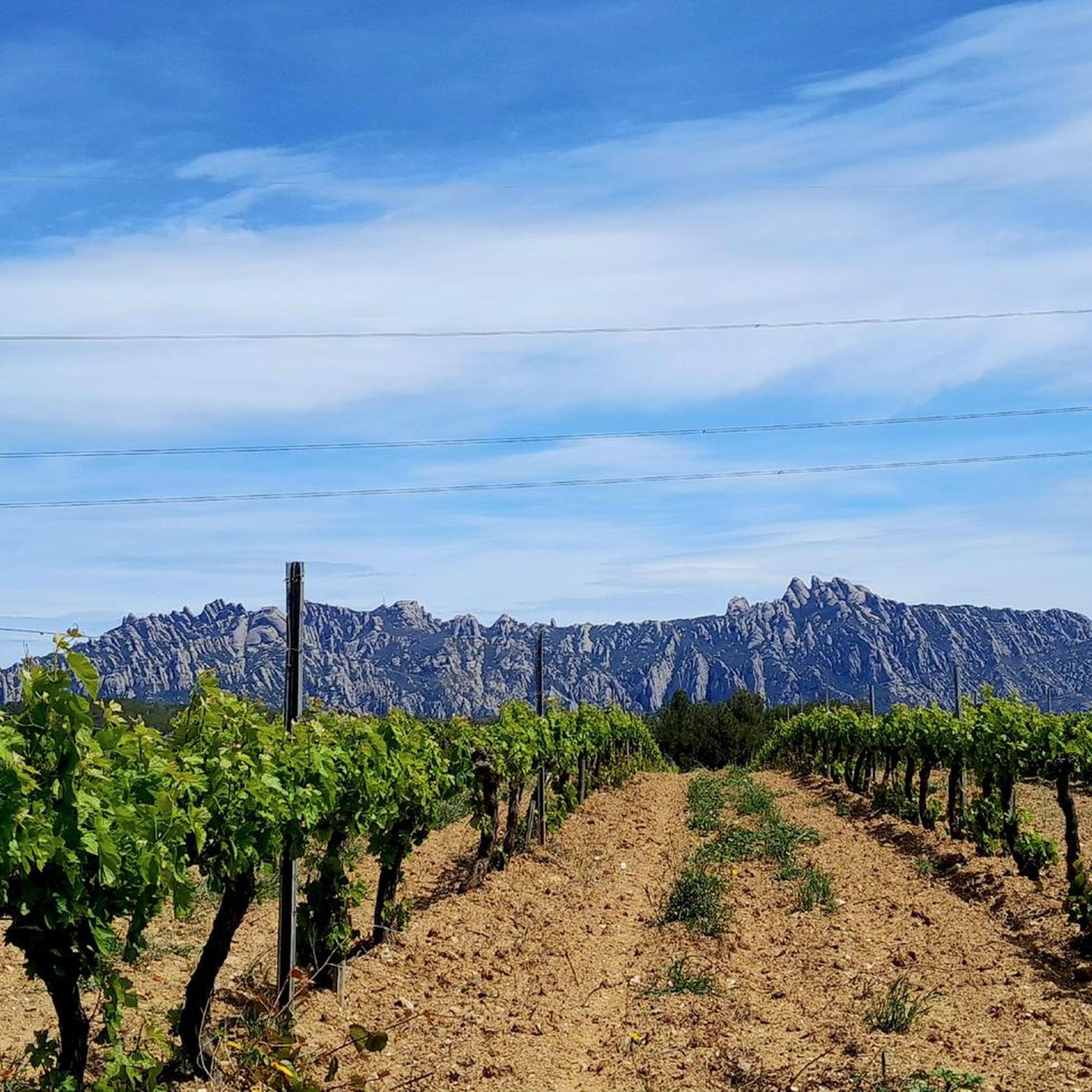
Road Cycling Routes around Els Hostalets De Pierola
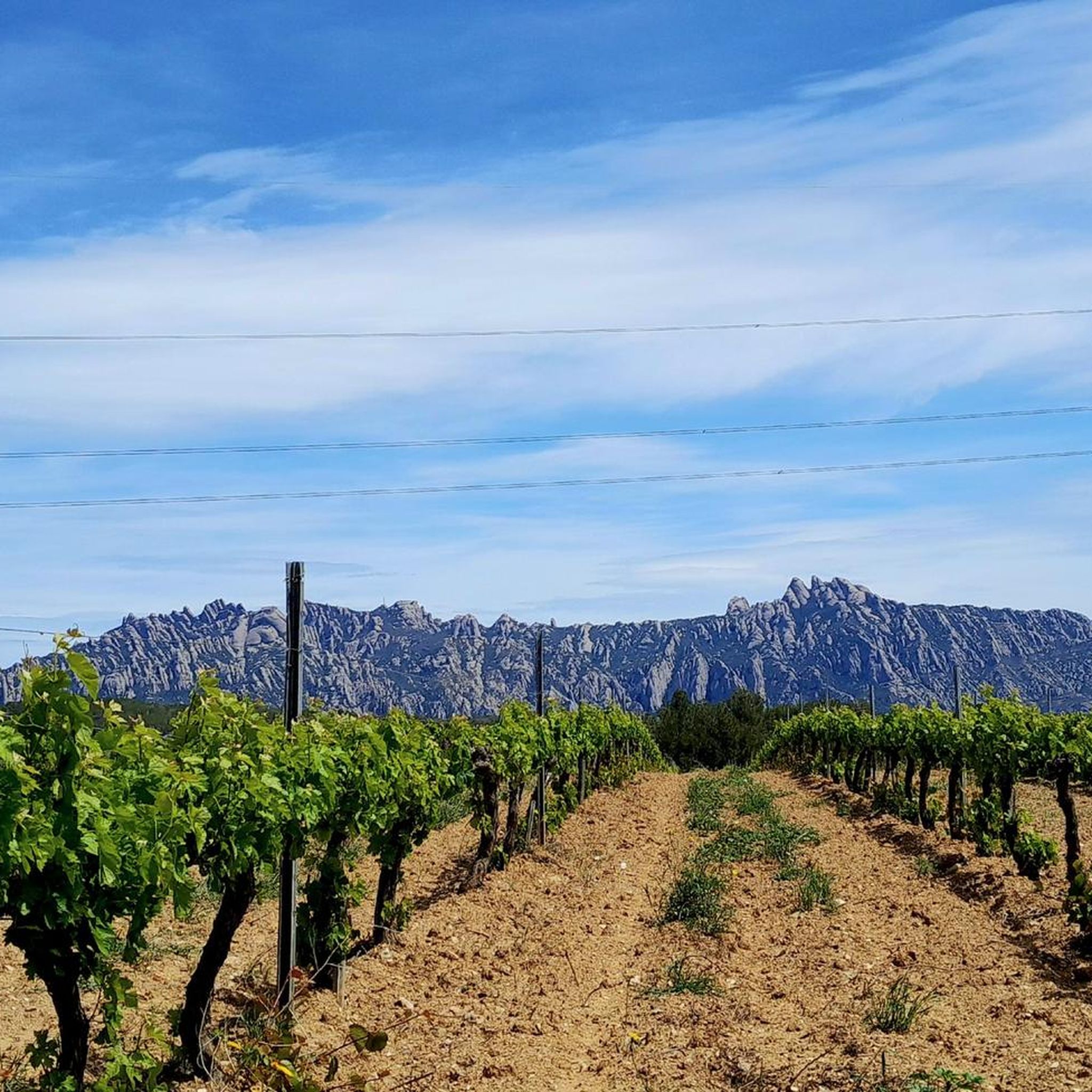
MTB Trails around Els Hostalets De Pierola
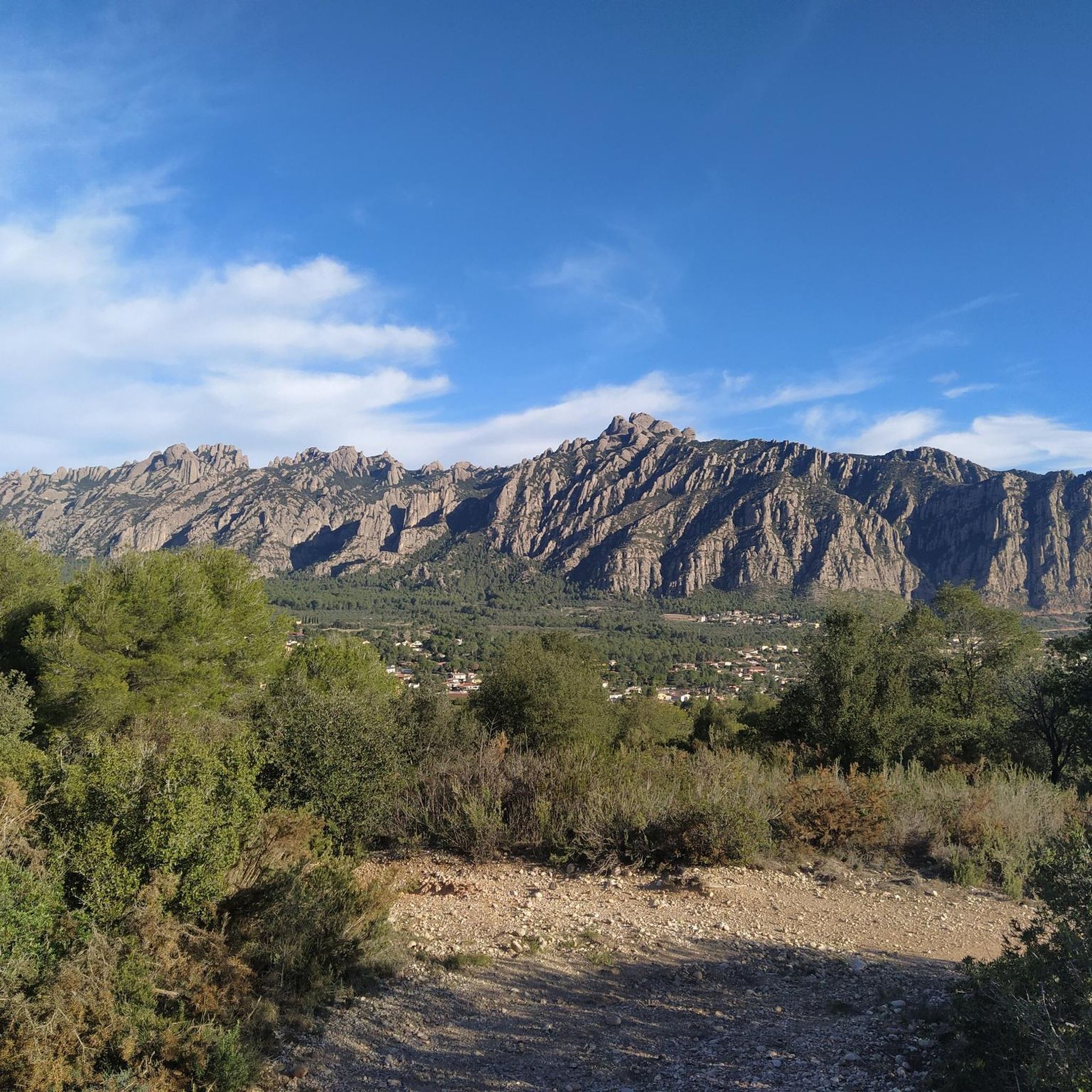
Running Trails around Els Hostalets De Pierola
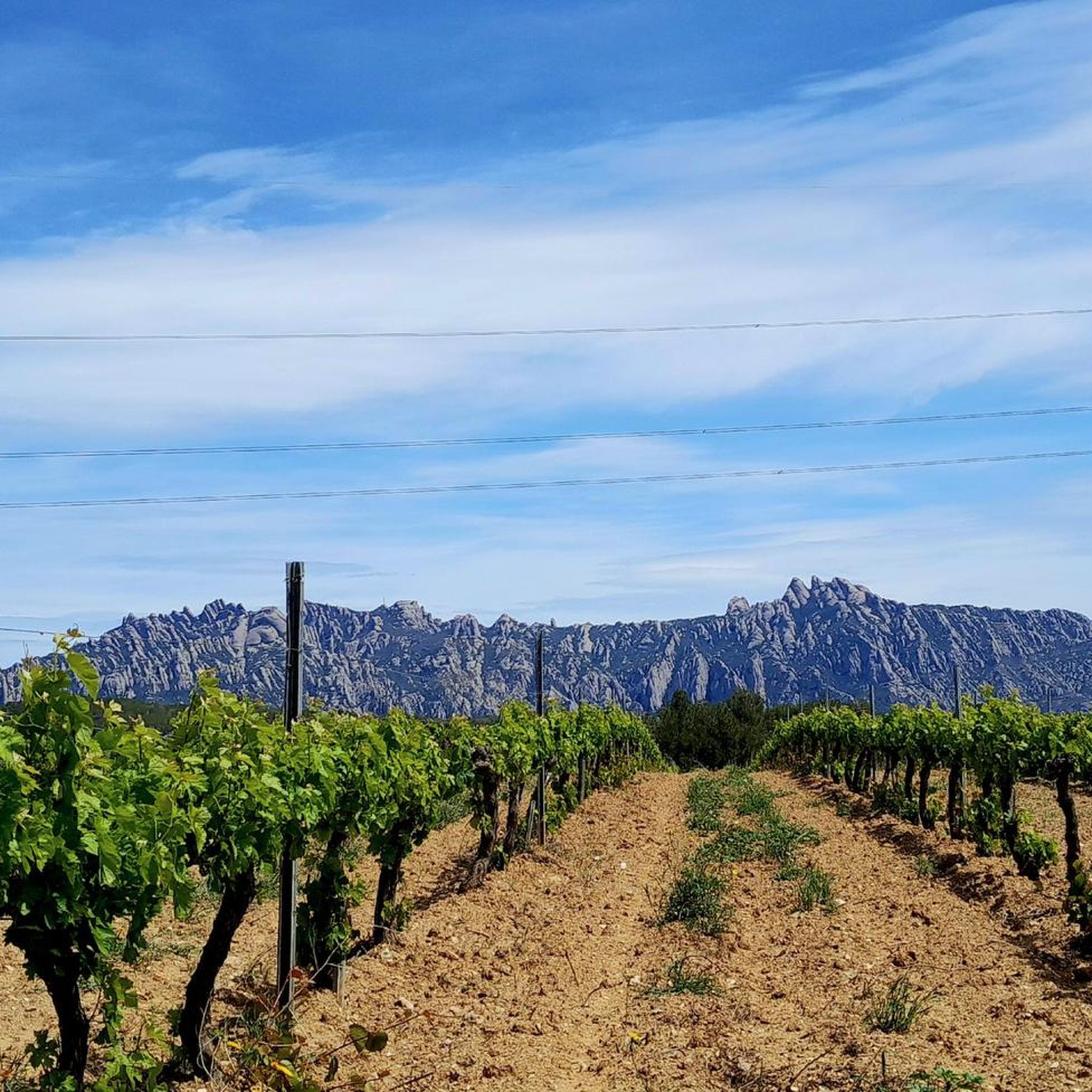
Hiking around Els Hostalets De Pierola
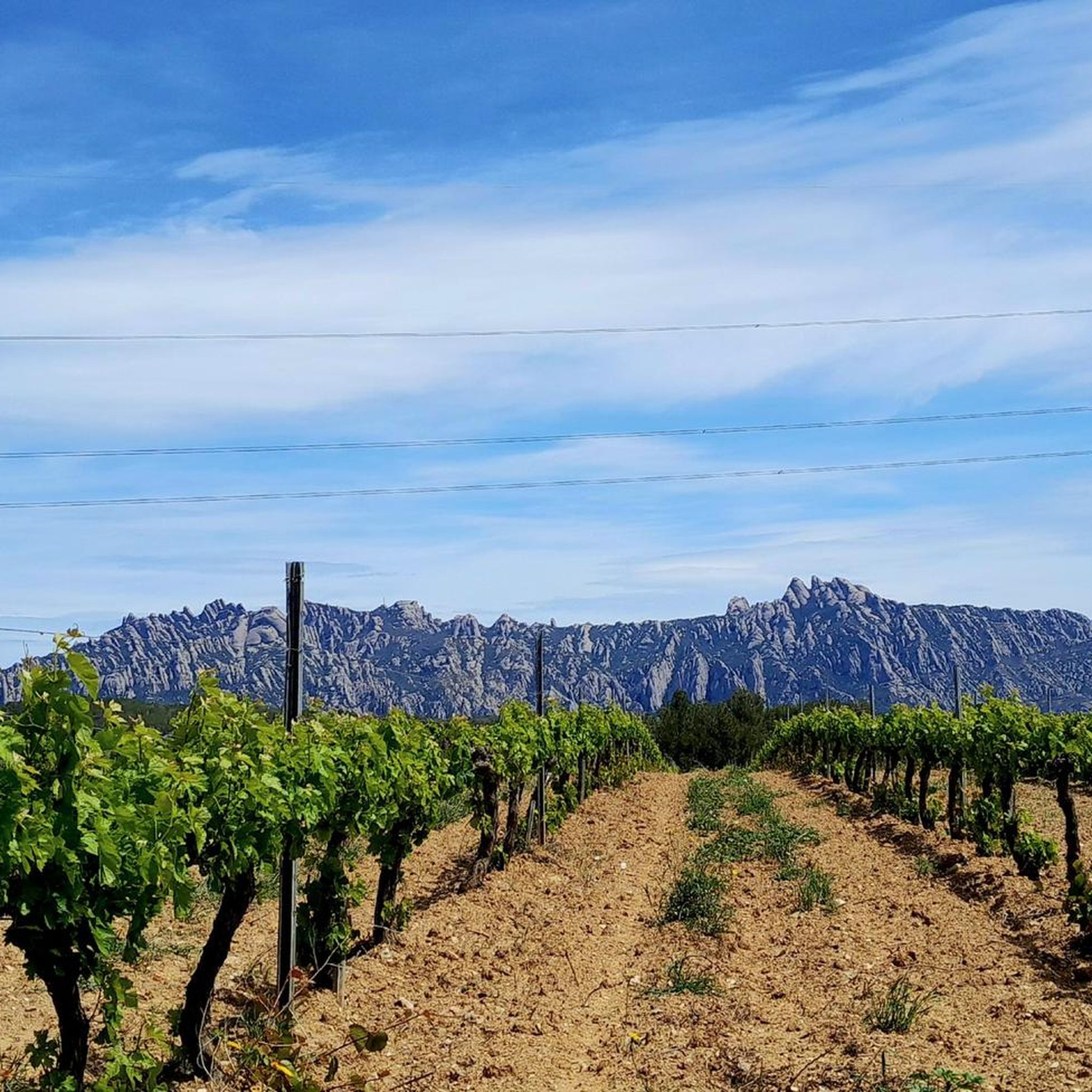
Cycling around Els Hostalets De Pierola
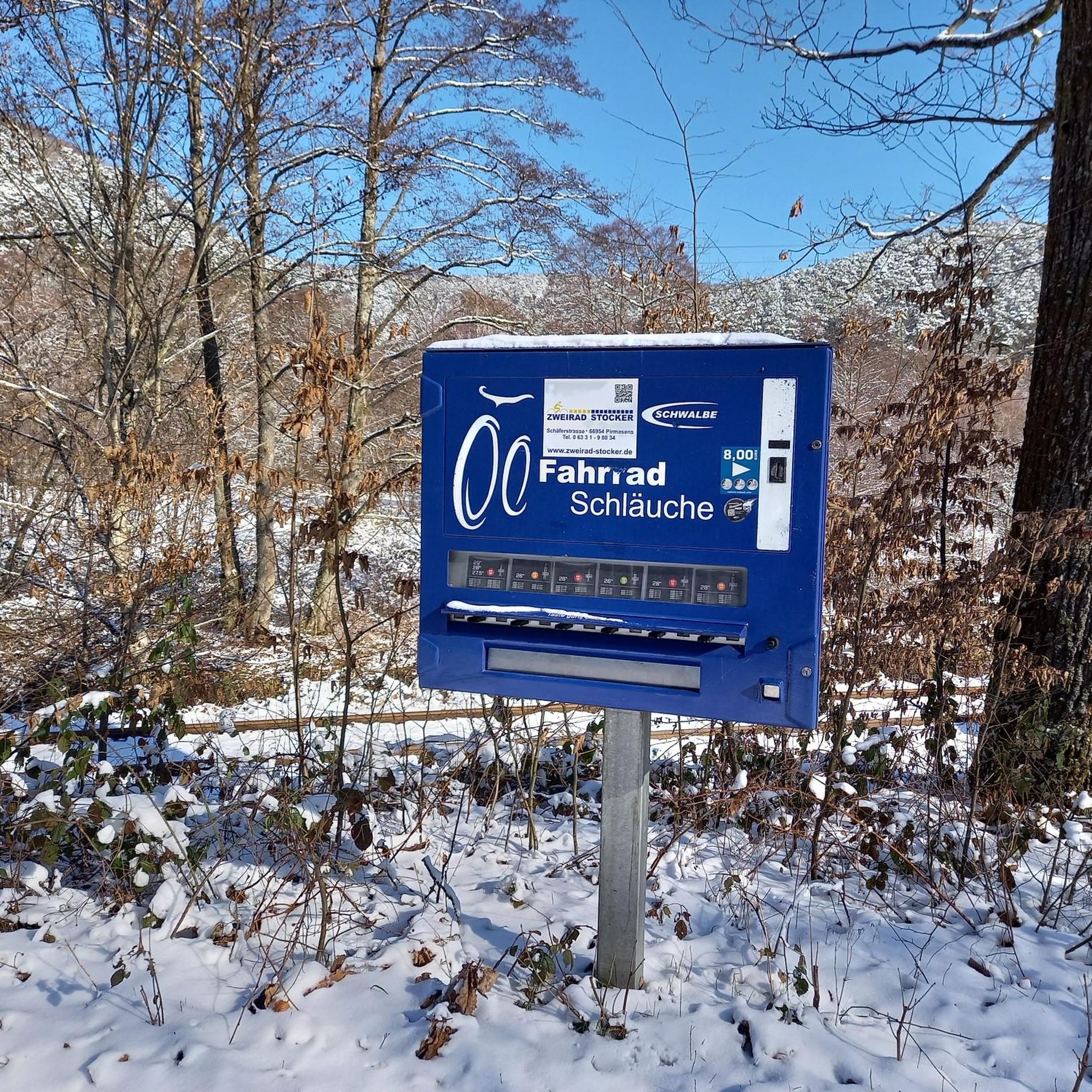
Gravel biking around Els Hostalets De Pierola
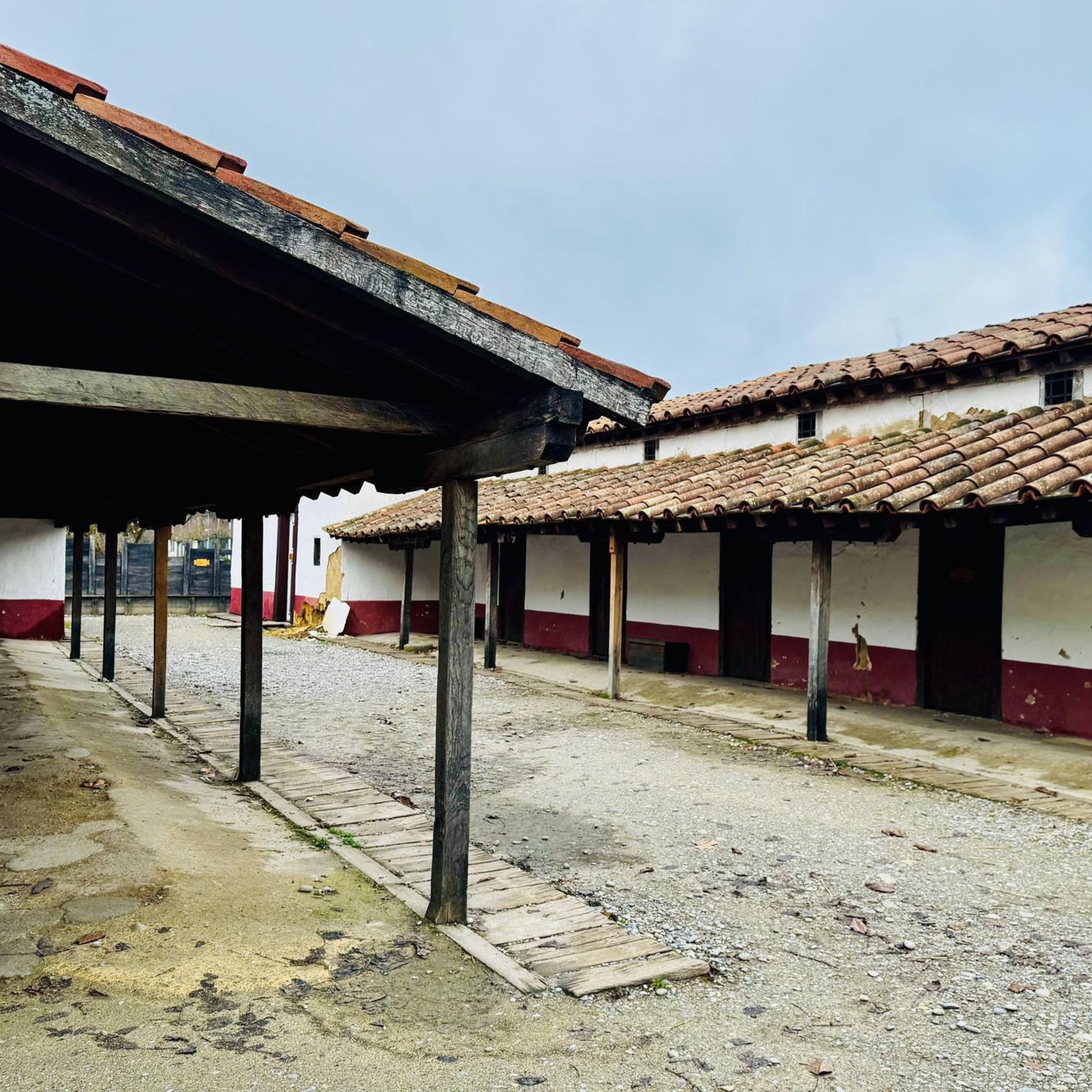
Mountain Hikes around Els Hostalets De Pierola
Tips from the Community

You'll have good luck if you see the Magical mountain, and the descent after is fantastic :-)
0
0


Can Maçana is an old farmhouse that gives its name to the hill in the westernmost part of the Montserrat massif. The pass is one of the natural passes between the regions of Bages and Anoia. The farmhouse belonged to the Maçana (or Massana) family during the 16th and 17th centuries. It later became the property of the Montserrat monastery (on the door you can see the coat of arms of the monastery, dated 1791). This part of the massif is known for its famous stone needles (the area is known as "the labyrinth of needles"). At this point there is a car park and it is the starting point of numerous signposted routes, such as those that go to Sant Pau Vell (ancient Romanesque church) or the historical space of the Battle of Bruc.
1
0

It is a constant climb, full of shadows, with perfect asphalt, with little traffic, turns at the beginning and with more straights in the intermediate and final parts. It is a perfect port to train and enjoy the tranquility. Gelida is the starting point, although it is true that either from Martorell or from Sant Sadurní, the road goes up.
0
0

Narrow and at the same time beautiful passage in the middle of the Roca Gran de la Portella. In this step you have to be alert, but you are entering the mountain of Montserrat.
0
0

Route information signs. Parking €6/day on weekends.
0
0

Spectacular views of the Montserrat mountain.
0
0

Important crossroads that gives access to the Canal de Middia, which divides Montserrat Mountain in two, the regions furthest from the monastery: Agulles, Frares Encantats and Ecos to the west and the regions of Tabor, Tebes and Tebaida to the east. To the north, the Canal de la Font del Llum path connects with the GR 172 that connects Can Maçana and Santa Cecilia, to the west the path that gives access to the region of Ecos and to the south the path that gives options to continue towards the Montgròs, towards Sant Jeroni or towards the different itineraries in the south of the mountain while following the Migdia canal.
2
0
Frequently Asked Questions
What are some notable mountain passes to explore around Els Hostalets de Pierola?
Beyond the popular ones, you can explore Portell de Migdia (1,029 m), an important crossroads that divides Montserrat Mountain, offering access to various regions and trails. Another significant pass is L'Ajaguda Pass or Bassal dels Gats, located between the Ajaguda and the Serra de la Sajolida, which is part of the Camí dels Francesos.
What kind of views can I expect from the mountain passes in this region?
The mountain passes around Els Hostalets de Pierola consistently offer breathtaking panoramic views, especially of the iconic Montserrat mountain range. Many passes, like Coll de Can Maçana, are also designated viewpoints, providing stunning vistas of the unique stone needles and the surrounding natural landscape.
What makes the mountain passes around Els Hostalets de Pierola challenging?
The region is characterized by abrupt and varied terrain with significant elevation changes. Many routes involve substantial ascents and descents, making them physically demanding. For instance, the area around La Portella Pass requires using your hands for balance due to its narrow, stepped channel, indicating the rugged nature of some paths.
Are there any unique natural features or historical sites near these mountain passes?
Yes, the area is rich in both natural and historical points of interest. You'll find natural monuments like La Portella Pass and Portell de Migdia. The region is also known for significant Miocene primate fossil discoveries, and routes often pass by traditional cabins or historical spaces like the Battle of Bruc near Coll de Can Maçana.
When is the best time to visit the mountain passes around Els Hostalets de Pierola?
While specific seasonal recommendations aren't provided, the mountainous terrain suggests that spring and autumn would offer the most pleasant temperatures for hiking and cycling. Summers can be hot, and winters might bring colder conditions at higher elevations, though snow is less common than in higher mountain ranges.
Are there family-friendly mountain passes in the area?
Yes, Coll de Can Maçana is categorized as family-friendly. It features a car park and serves as a starting point for numerous signposted routes, some of which are suitable for families looking for less strenuous options while still enjoying the natural beauty.
What outdoor activities are popular around the mountain passes?
The region is ideal for both cycling and hiking. You can find challenging routes with significant elevation gains for experienced enthusiasts, as well as moderate options. For more details on routes, explore the Hiking around Els Hostalets De Pierola and Cycling around Els Hostalets De Pierola guides.
Are there specific hiking trails associated with these mountain passes?
Absolutely. Many mountain passes serve as gateways to extensive trail networks. For example, from Coll de Can Maçana, you can access routes to Sant Pau Vell or the historical space of the Battle of Bruc. The nearby Hiking around Els Hostalets De Pierola guide lists trails like the "Coll de Can Maçana Viewpoint – Roca Foradada (Holed Rock) loop".
Are there cycling routes that incorporate these mountain passes?
Yes, the mountainous terrain is very popular with cyclists. Passes like Alt de la Creu d'Aragall (537 m) – Gelida Side are known for being excellent training grounds with perfect asphalt and little traffic. You can find various cycling routes, including those with views of Montserrat, in the Cycling around Els Hostalets De Pierola guide.
What do komoot users particularly enjoy about the mountain passes here?
Komoot users appreciate the tranquility and the opportunity for training that passes like Alt de la Creu d'Aragall (537 m) – Gelida Side offer. They also highlight the unique experience of navigating narrow passages like La Portella Pass, which provides a dramatic entry into the Agulles region of Montserrat. The stunning views and diverse routes are consistently praised.
What are the parking options for accessing mountain passes?
For some popular access points, like Coll de Can Maçana, there is a dedicated car park. This makes it a convenient starting point for numerous routes into the Montserrat massif. It's advisable to check specific highlight details for parking availability at other passes.
Can I bring my dog on the mountain pass trails?
While specific rules for dogs on every trail aren't detailed, generally, dogs are permitted on many outdoor trails in Catalonia, especially in natural park areas. However, it's always recommended to keep them on a leash, especially in protected areas or near wildlife, and to follow local regulations. Be mindful of challenging terrain that might not be suitable for all dogs.
How can I reach the mountain passes using public transport?
Public transport options directly to the trailheads of mountain passes around Els Hostalets de Pierola may be limited. While the region is accessible, reaching specific, more remote passes often requires personal transport. It's best to research local bus services to nearby towns and then plan for a walk or taxi to the starting points of the trails.
Most popular routes around Els Hostalets De Pierola
Most popular attractions around Els Hostalets De Pierola

Get inspired with the komoot mobile app


Explore more
See even more epic mountain passes by checking out these guides around Els Hostalets De Pierola:
