Top 9 Natural Monuments around Peralveche
Best natural monuments around Peralveche are found in the Alcarria region of Guadalajara, featuring diverse geological formations and natural landscapes. This area, though outside a natural park, offers several notable natural sites. The landscape is characterized by unique rock formations, elevated viewpoints, and water features. These natural monuments provide opportunities for exploring the region's distinct geology and scenic vistas.
Best natural monuments around Peralveche
- The most popular natural monument is Tetas de Viana (1,145 m), a summit that offers…
Last updated: June 17, 2026
Peña del Arco
Highlight • Natural Monument
Translated by Google •
Tip by

Tetas de Viana (1,145 m)
Highlight • Summit
Translated by Google •
Tip by

Sign up now to discover places like this
Get recommendations on the best single tracks, peaks, & plenty of other exciting outdoor places.
Sign up for free
La Redonda (1,144 m)
Highlight • Summit
Translated by Google •
Tip by

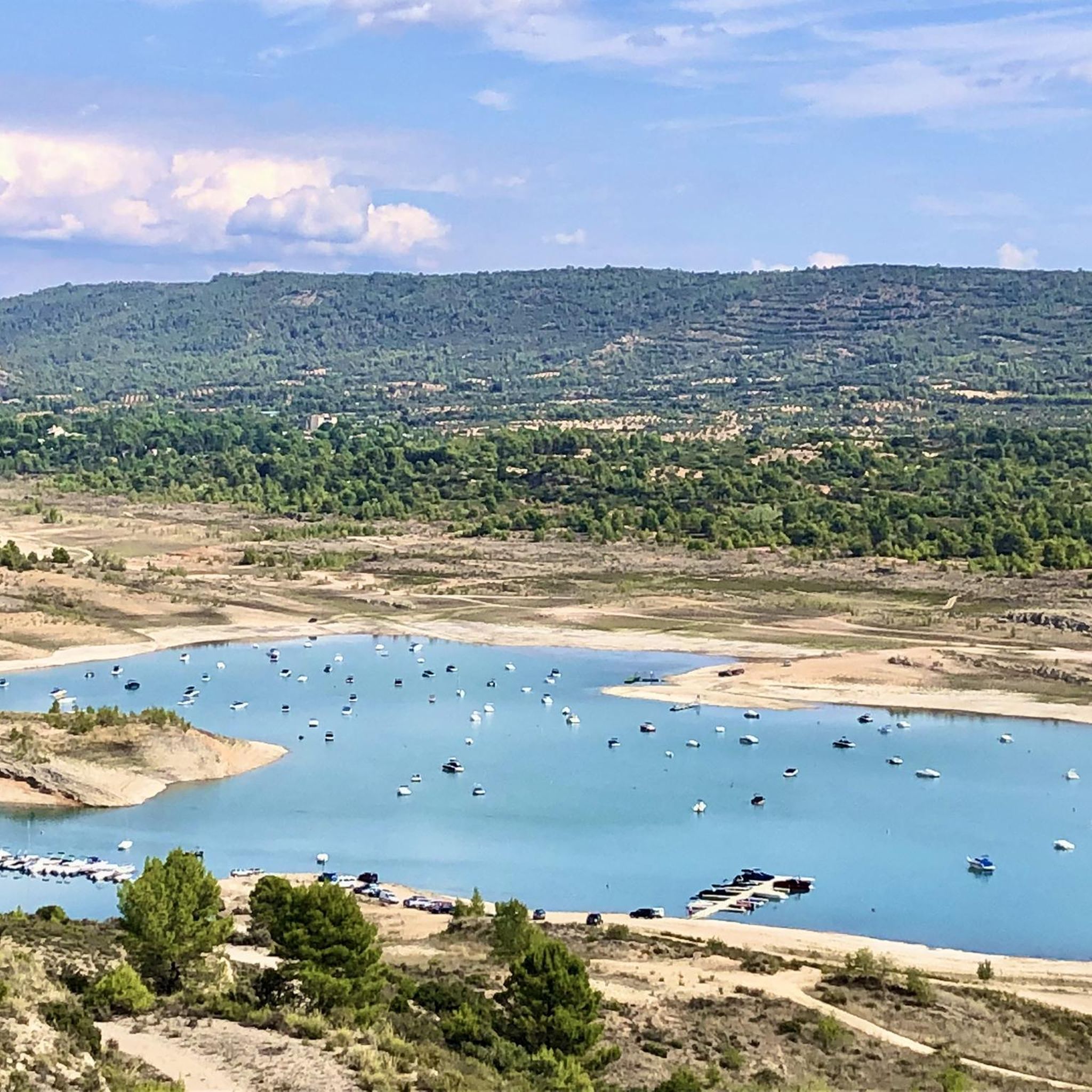
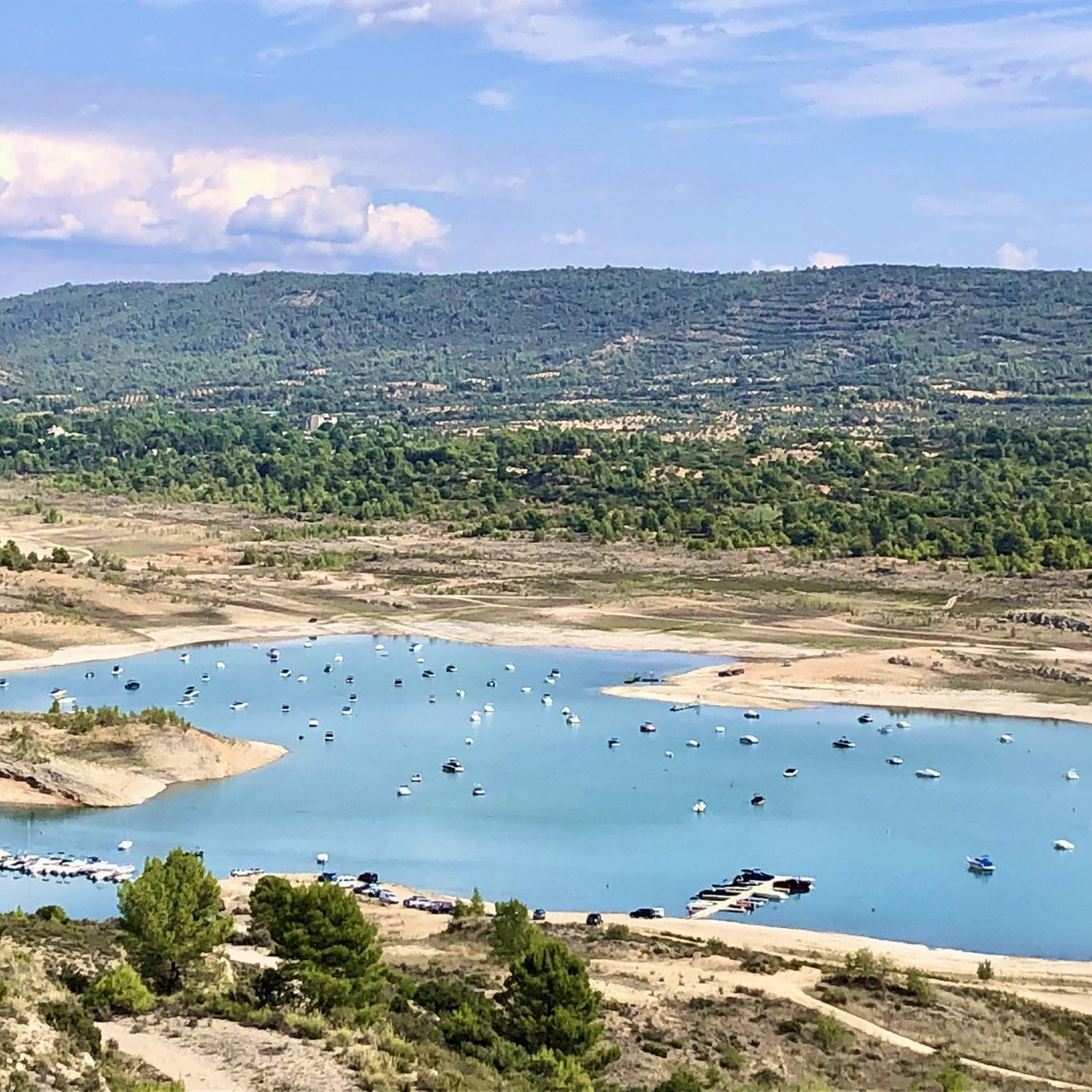
Entrepeñas Reservoir
Highlight • Lake
Translated by Google •
Tip by

Path of the Cross and El Trascastillo
Highlight • Trail
In the Castle there is a Cross …
Translated by Google •
Tip by

Sign up for free to discover even more natural monuments around Peralveche.
Sign up for free
Already have an account?
Start today with a free account
Your next adventure awaits.
Login or Signup

Tips from the Community

Beautiful place, surrounded by nature from all angles.
0
1
An elevated place with splendid landscapes throughout its surroundings. It is worth visiting.
0
0

The entrance to the summit is spectacular, it is the geographical ceiling of the Alcarria and the views are magnificent, practically the entire Alcarria Alta, the Serranía de Guadalajara, the Sierra de Ayllón, the popular Ocejón and the Sierra de Guadarrama. And the towns of Viana de Mondéjar and La Puerta from a bird's eye view. The summit plain has a circular path around the summit that may be covered in grass, although it can be seen in the terrain. A good vantage point is the north side, with views of the Elongated Tit. Around the perimeter there are some wooden sticks that can be confused with trail signs. In reality, they indicate the limit of the danger zone. To avoid approaching the cliffs, the path runs a few meters inside.
0
0
On one side of the town of La Puerta stands a Rock Ridge called "El Castillo", and, a little further on, El Trascastillo. In the Castle there is a Cross and a beautiful Viewpoint towards La Puerta and towards the surrounding landscape. From the rocks of Trascastillo, more difficult to access, you can also appreciate the surroundings. Well, from the road there is a path, very well marked and protected with railings, that takes you up to the Castle and its Mirador de La Cruz. Then, returning a short stretch of road, you can continue towards the rocks of Trascastillo, here the path is more difficult and somewhat dangerous. It seems that the name of the town could come from being THE GATEWAY to the Rocas Castle.
1
0
The Tetas de Viana constitute an extraordinary place from a defensive point of view, which is why they have been inhabited since ancient times. At present they constitute a spectacular viewpoint of the surrounding landscape. From them you can see the beautiful surrounding towns, Trillo, Viana de Mondejar, and La Puerta (at the entrance to Rocas Castle).
0
0

What a great and interesting area. The rocks, arch, and trail in this area are wonderful for walking or running. At the entrance to the rock arch there is a sign with details and drawings of the limestone rocks.
2
0

The trail reaches a crossroads at the junction of the Fuente Nueva and Arco boulevards and turns left along the bottom of the ravine. The surface is excellent for running and the terrain is favorable. The tracks on the forest track run through the pine forest along the edge of the dry riverbed and reach the natural wonder of Peña del Arco, the stellar spot for the trail through an arch of calcareous rock that cross the ravine from side to side. There are also limestone walls, small passageways, loose blocks and tormos, which are the characteristic mushroom-shaped karst formations sculpted by dissolving water. The lower part of the stone tower is usually narrower than the upper part because it has suffered a greater incidence of erosion due to humidity and water currents. At the entrance to the rock arch there is a sign with details and drawings of the karstic modeling of the limestone rocks.
0
1

Las Tetas de Viana is a mountainous set in the shape of a "tooth". They are two limestone sandstones eroded by the Tagus and Solana rivers. Each of them has its name such as La Redonda (the only one accessible) and La Larga or Elongated.
3
0
Frequently Asked Questions
What unique geological features can I explore around Peralveche?
The region is known for its distinctive geological formations. You can discover the impressive arch of calcareous rock at Peña del Arco, which also features limestone walls and mushroom-shaped karst formations called 'tormos'. Additionally, Tetas de Viana presents striking 'tooth-shaped' limestone sandstones, eroded by rivers.
Are there any natural monuments with historical significance in the area?
Yes, La Redonda, one of the peaks of Las Tetas de Viana, has historically served as a defensive stronghold due to its elevated position. This adds a layer of historical context to its natural beauty.
Where can I find panoramic views of the surrounding landscape?
For breathtaking vistas, head to Tetas de Viana (1,145 m). From this summit, you can enjoy panoramic views of the Alcarria Alta, Serranía de Guadalajara, Sierra de Ayllón, and even the Sierra de Guadarrama. Another excellent viewpoint is La Redonda, offering views of nearby towns like Trillo, Viana de Mondejar, and La Puerta.
What kind of water features are considered natural monuments in Peralveche?
The most prominent water feature is the Entrepeñas Reservoir. This large lake extends for several kilometers over the Tagus River, offering beautiful views and opportunities to explore tracks running parallel to the riverbed through gorges.
Are there hiking trails near these natural monuments?
Absolutely. The area around Peralveche is excellent for hiking. You can find trails that traverse pine forests along dry riverbeds near Peña del Arco. For more options, explore the various hiking routes available in the region, such as the 'Tetas de Viana Loop' or 'Cerro San Quilez and Piedra Molón Trail'. You can find detailed information on these and other routes in the Hiking around Peralveche guide.
What other outdoor activities can I do near the natural monuments?
Beyond hiking, the Peralveche area offers opportunities for cycling. You can find various road cycling and touring bicycle routes that explore the scenic landscapes, including those around the Entrepeñas Reservoir. Check out the Road Cycling Routes around Peralveche and Cycling around Peralveche guides for more details.
What do visitors enjoy most about the natural monuments around Peralveche?
Visitors frequently praise the spectacular panoramic views from elevated points like Tetas de Viana. The unique geological formations at Peña del Arco, with its arch and 'tormos', are also highly appreciated for their interest and beauty. The overall natural beauty and the opportunities for walking and running are consistently highlighted.
Are there any specific trails or paths to follow at these natural sites?
Yes, at Tetas de Viana, there is a circular path around the summit of La Redonda. For Peña del Arco, trails run through pine forests along a dry riverbed, leading directly to the impressive rock arch. There's also the Path of the Cross and El Trascastillo, offering a marked path to a viewpoint.
Is there a good time of year to visit the natural monuments in Peralveche?
While specific seasonal data isn't provided, the trails and viewpoints are generally enjoyable during spring and autumn when temperatures are milder, making outdoor activities more comfortable. Summer can be hot, so early mornings or late afternoons are preferable for hiking.
Are the natural monuments around Peralveche suitable for families?
Many of the natural monuments offer trails and viewpoints that can be enjoyed by families. For instance, the trails around Peña del Arco are described as wonderful for walking. Always check the difficulty ratings of specific routes to ensure they match your family's capabilities.
Can I bring my dog to the natural monuments?
While specific regulations for each monument are not detailed, generally, natural areas in Spain allow dogs on a leash. It's always recommended to keep your dog under control and clean up after them. Check local signage upon arrival for any specific restrictions at individual sites.
Are there any facilities like parking or public transport near the natural monuments?
Access to these natural monuments typically involves reaching them by car, as public transport options directly to trailheads can be limited in rural areas like Peralveche. Parking facilities are usually available near popular starting points or villages close to the monuments. It is advisable to plan your journey and check for specific parking areas beforehand.
Most popular routes around Peralveche
Most popular attractions around Peralveche

Get inspired with the komoot mobile app


Explore more
Extend your search for the best caves by checking out these guides of the top ones around Peralveche:
