Top 4 Natural Monuments around Gúdar
Best natural monuments around Gúdar are found in the Gúdar-Javalambre comarca, a region in Teruel, Aragon, Spain. This area is characterized by unique geological formations, diverse ecosystems, and a rich natural landscape. Visitors can explore impressive spires, ancient rock art, and high mountain summits. The region offers a variety of natural attractions for outdoor enthusiasts.
Best natural monuments around Gúdar
- The most popular natural monuments is Peñarroya Summit and Observation Tower, a summit that offers 360-degree panoramic views of…
Last updated: June 17, 2026
Peñarroya Summit and Observation Tower
Highlight • Summit
Translated by Google •
Tip by

Peña Ojerada Rock Formation
Highlight • Natural Monument
Translated by Google •
Tip by

Sign up now to discover places like this
Get recommendations on the best single tracks, peaks, & plenty of other exciting outdoor places.
Sign up for free
El Castellar (Dinosaur Tracksite)
Highlight • Natural Monument
Translated by Google •
Tip by

Majada Redonda
Highlight • Natural Monument
Translated by Google •
Tip by

Start today with a free account
Your next adventure awaits.
Login or Signup

Tips from the Community

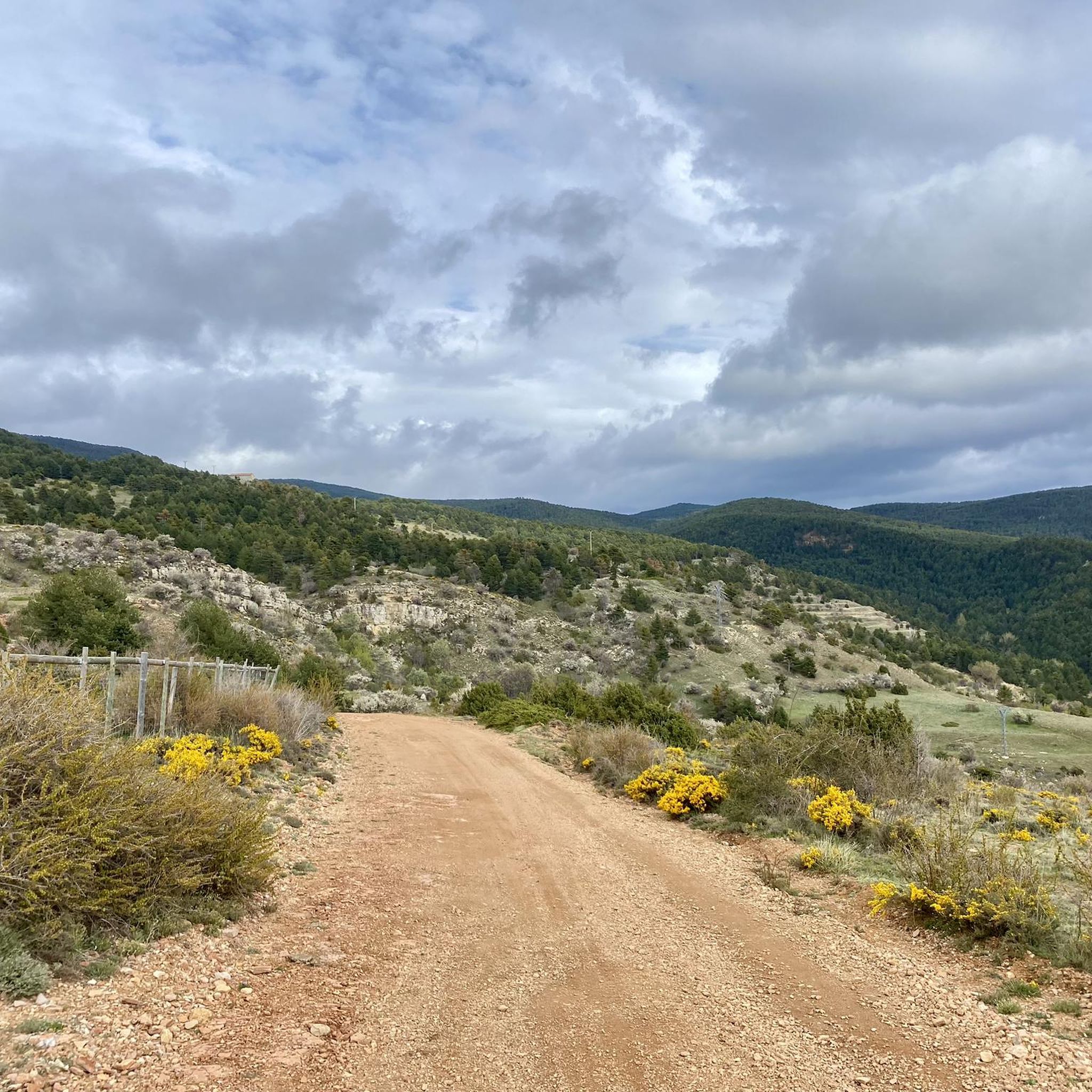
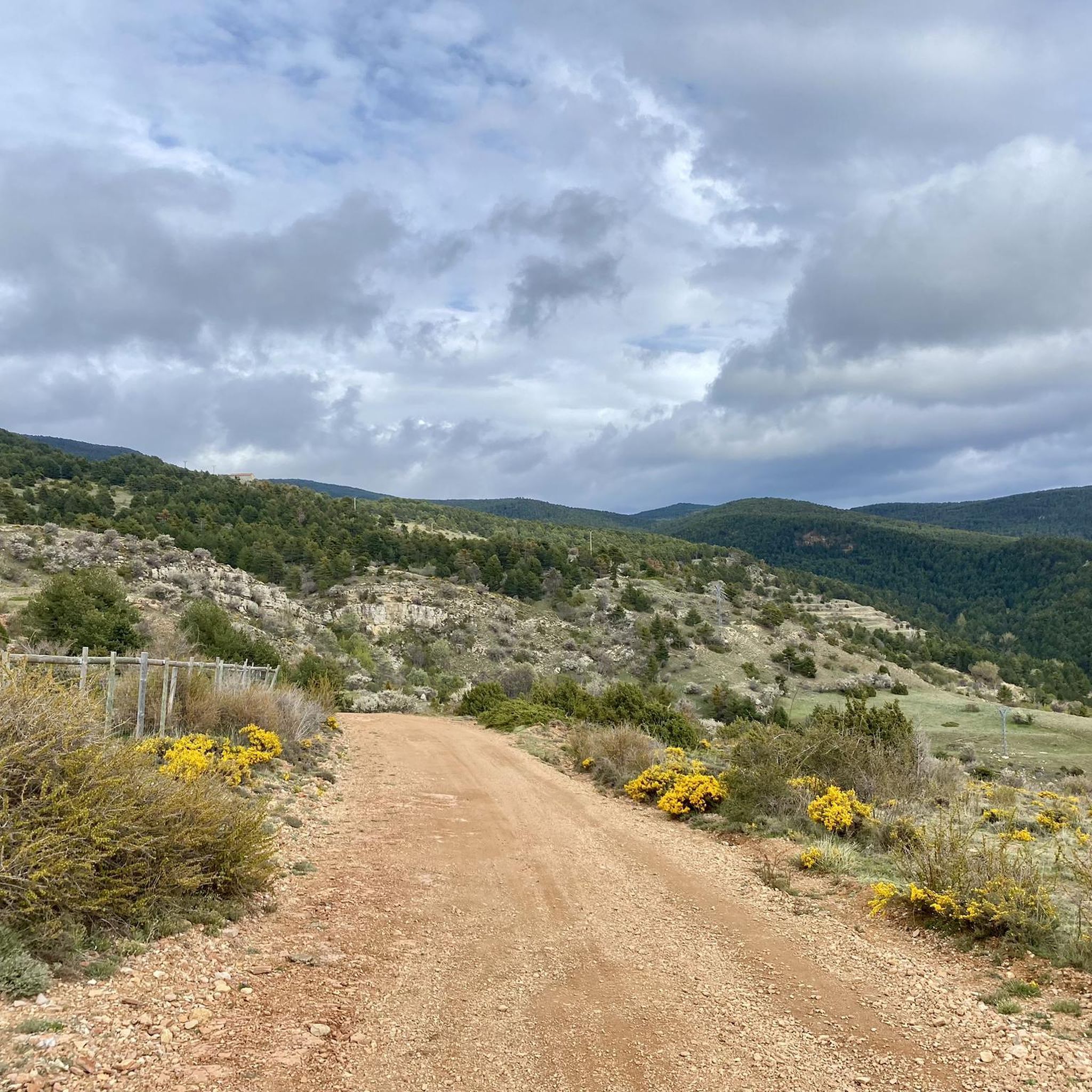
The Peña Ojerada in Alcalá de la Selva is a popular destination for hiking enthusiasts. One of the most recommended routes is the Circular Route of the Viewpoints, which includes the Peña Ojerada and Monte Pinar.
7
0

The geodesic vertex called Peñarroya points 2028.228 m with respect to the base of the observation pillar, but it sits on two bodies of stone masonry. Altitude of the bodies of the order of 10 or 11 meters in total. LIDAR data confirm a ground level elevation of 2017 m. Peñarroya is a chromotoponym that refers to the color of the rocks that make up the mountain. The spelling in the Spanish language is Peñarroya and in the Aragonese language Penyarroya or Peñarroya depending on the spelling chosen for the palatal nasal. The origin of the toponym is quite clear. It combines the common noun peña, from the Latin PĭNNAM, 'battlement', with the adjective RŭBEŭS, -A, -UM 'blond'. The toponym reflects the reddish hue of the terrain. The spelling Penya (in addition to others such as Penna or Peña) is included in many medieval texts in Aragon. For example, in 1448 to designate the summit of the mountain range (of Peña) that rises above Sos del Rey Católico on the border, then, with the kingdom of Navarra.
1
0

Curious natural formation, round, which gives its name to the place. Formerly used as a refuge for cattle and shepherds
0
0

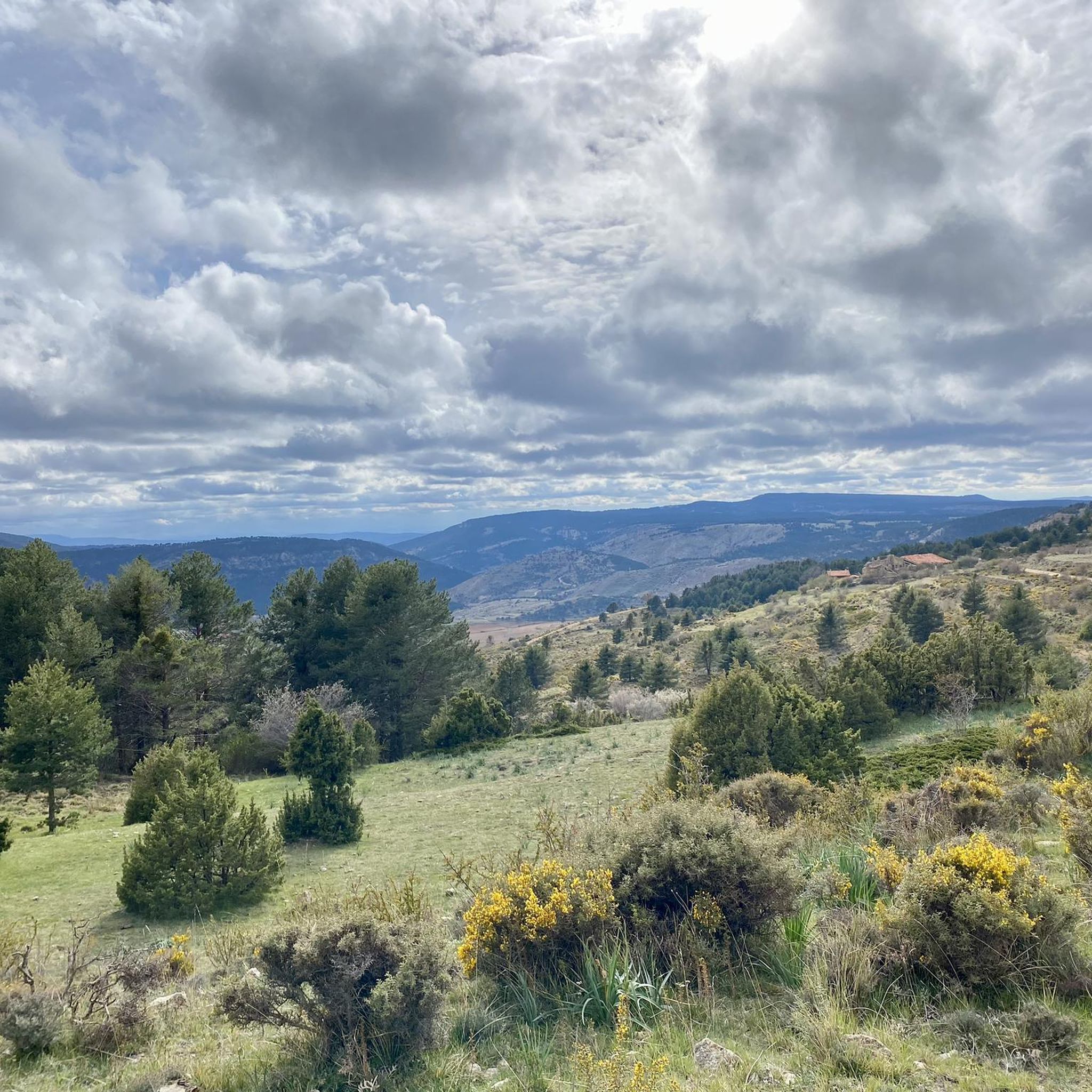
A few kilometers from the Valdelinares ski resort is this panoramic point with very beautiful views of the entire valley and the interior of Teruel. The built turret allows you to climb above the 2028 masl of the top and to be able to have 360 degree panoramic views without obstacles ahead.
1
0

El Castellar is a town located north of the city of Teruel in the Sierra de los Cabezos. One of the most important characteristics of the town is that it has archaeological sites on dinosaur footprints.
0
0

Keep your eyes wide open so as not to miss any landscape
1
0

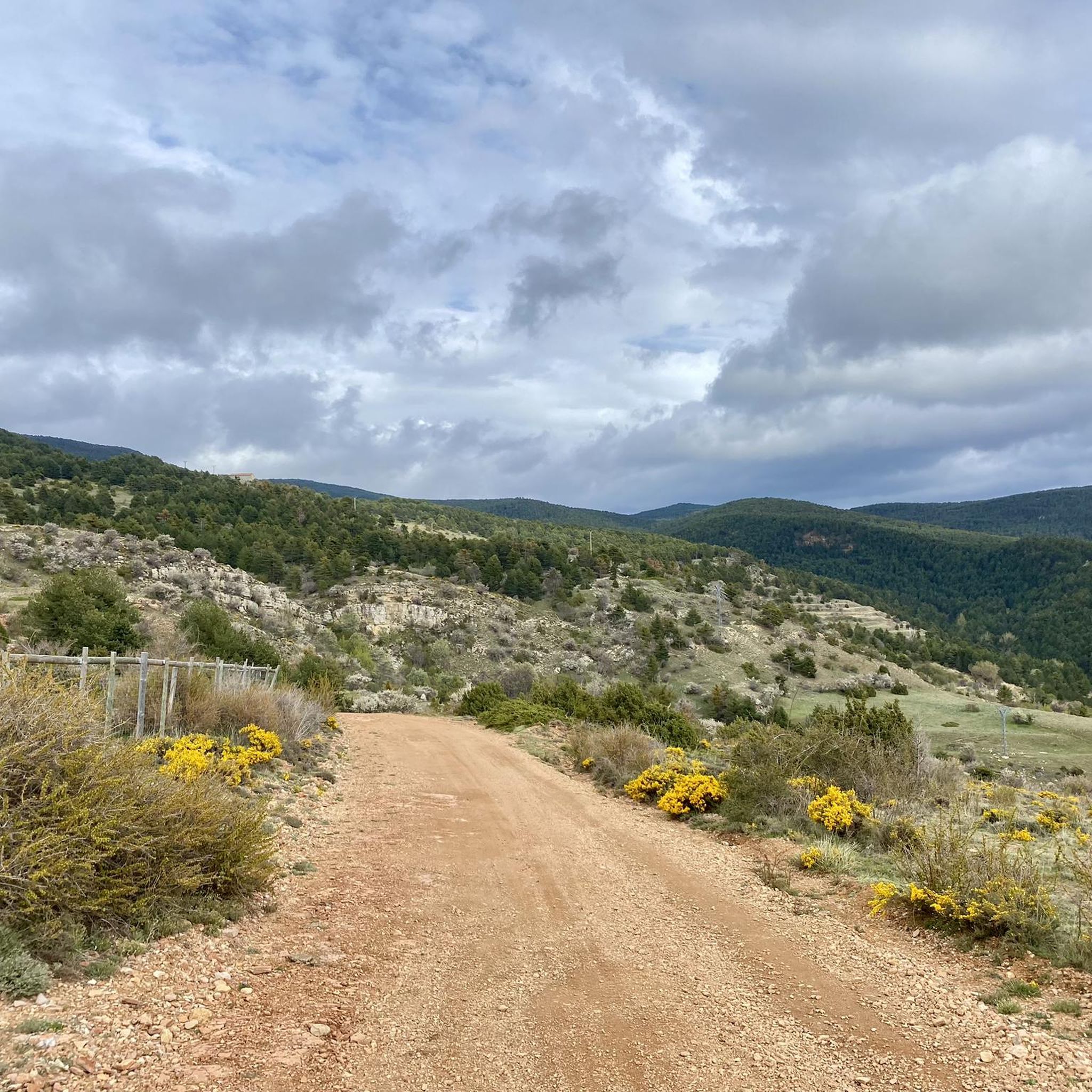
Maximum altitude of Teruel at 2023m. Very easy access from the road to the Valdelinares ski slopes. Perfect track for Gravel.
0
0

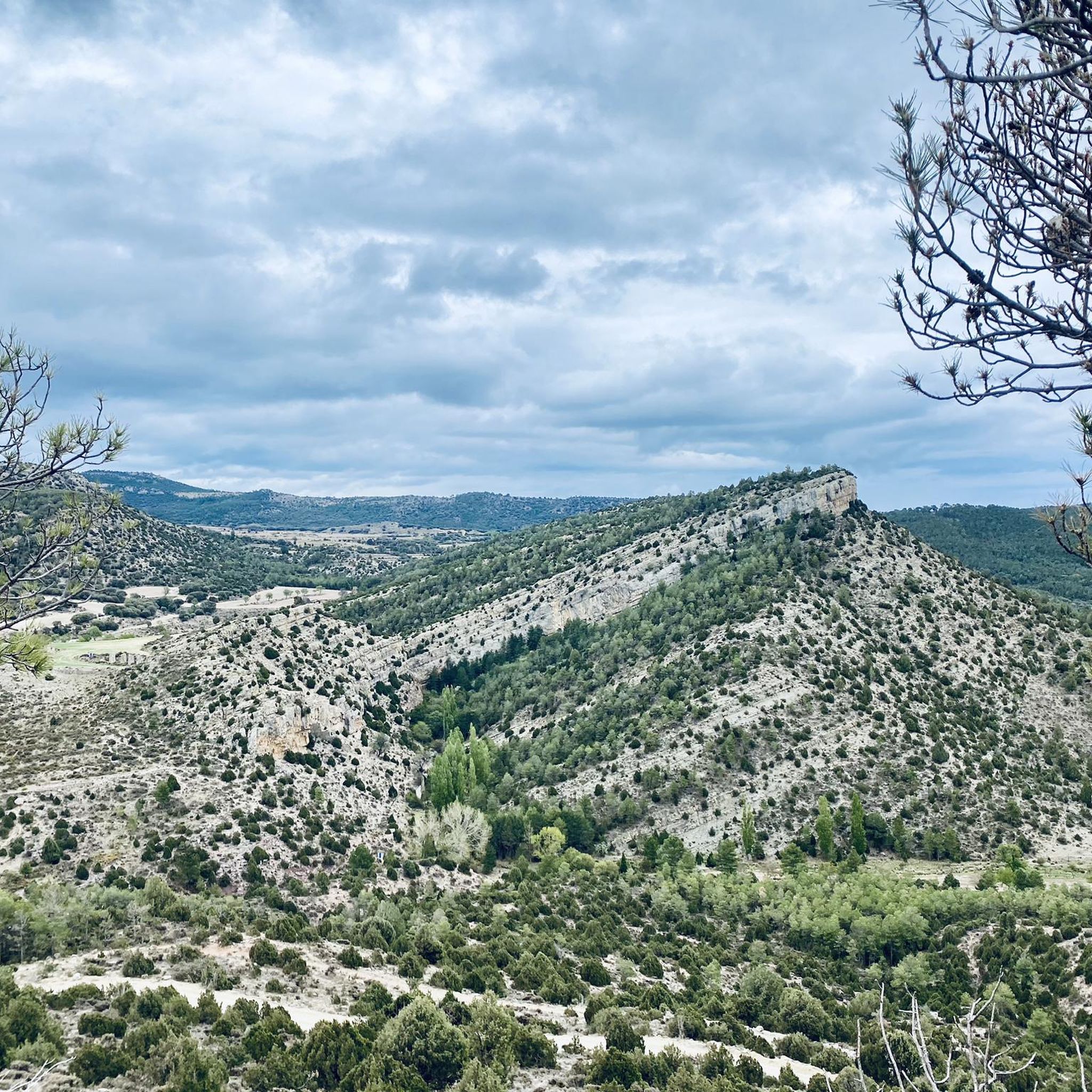
Interesting rock formation, very close. Watch out for the slope. Good views.
1
0
Frequently Asked Questions
What are the most striking natural features to explore in the Gúdar region?
The Gúdar region is rich in diverse natural features. You can marvel at the towering limestone formations of the Órganos de Montoro, which resemble giant organ pipes, or explore the unique reddish sandstone landscapes of the Protected Landscape of Pinares de Rodeno, sculpted into fascinating shapes like ravines and taffoni. Additionally, don't miss the interesting Peña Ojerada Rock Formation, known for its distinctive shape and good views.
Are there any natural monuments in Gúdar that are particularly family-friendly?
Yes, for families, El Castellar (Dinosaur Tracksite) is an excellent choice. It's a natural monument and historical site where visitors can explore archaeological sites featuring dinosaur footprints, offering an engaging and educational experience for all ages.
What kind of historical or cultural sites can be found among the natural monuments?
Beyond natural beauty, the region offers significant historical insights. The Protected Landscape of Pinares de Rodeno is home to over 20 sites with ancient Levantine rock art murals, some dating back 12,000 to 6,500 years, depicting scenes of daily life and rituals. These are part of a UNESCO Natural Heritage site. Also, El Castellar (Dinosaur Tracksite) offers a glimpse into prehistoric life with its dinosaur footprints.
Where can I find the best panoramic views of the Gúdar landscape?
For breathtaking panoramic views, head to Peñarroya Summit and Observation Tower. This summit, over 2000 meters high, provides unobstructed 360-degree vistas of the entire valley and the interior of Teruel from its observation pillar. The Órganos de Montoro also features a viewpoint with interpretive panels, offering stunning perspectives of its unique geological formations.
What outdoor activities can I do near the natural monuments in Gúdar?
The Gúdar region offers a variety of outdoor activities. You can find numerous routes for road cycling, general cycling, and gravel biking. For example, there are challenging road cycling loops like the 'Estrecho de Aldehuela – Puerto de Villarluengo loop' or gravel biking routes such as the 'Pilones Trail'. You can explore more options in the dedicated guides for Road Cycling Routes around Gúdar, Cycling around Gúdar, and Gravel biking around Gúdar.
Are there hiking opportunities around the natural monuments?
Yes, hiking is a popular activity. The Peña Ojerada Rock Formation is a favorite among hiking enthusiasts, often included in circular routes like the 'Circular Route of the Viewpoints'. The Protected Landscape of Pinares de Rodeno also offers trails through its unique sandstone and pine forests, allowing you to discover ancient rock art sites.
What kind of wildlife can I expect to see in the Gúdar natural monuments?
The natural monuments in Gúdar are home to diverse wildlife. At the Órganos de Montoro, you might spot rupicolous birds like the griffon vulture and the Pyrenean goat. The Protected Landscape of Pinares de Rodeno boasts a rich fauna including wild boar, roe deer, red deer, foxes, and a wide array of birds such as crossbills, owls, hawks, and eagles.
What is the best time of year to visit the natural monuments in Gúdar?
The Gúdar region experiences a continental mountain climate. While summers are mild, winters can be very cold. For comfortable exploration of geological formations and hiking, spring and autumn generally offer pleasant temperatures and vibrant landscapes. However, if you're interested in winter sports or seeing the monuments under snow, winter can also be a unique time to visit.
Is there an interpretation center for the natural monuments in the Gúdar area?
Yes, the Protected Landscape of Pinares de Rodeno features the Donarque Interpretation Center. This center provides interactive exhibitions on the geology, flora, fauna, traditional resin extraction, and prehistoric art of the area, offering an educational and immersive experience before or after your visit to the sites.
What makes the Órganos de Montoro a unique natural monument?
The Órganos de Montoro are unique due to their towering limestone formations, some over 200 meters high, which have been sculpted by water erosion over millennia to resemble the pipes of a musical organ. This geological marvel reflects the evolution of the Iberian Cordillera and is situated along 'The Silent Route', a highly scenic road in the Maestrazgo region.
What is the significance of the 'reddish hue' mentioned for Peñarroya Summit?
The name 'Peñarroya' itself is a chromotoponym, meaning it refers to the color of the rocks. It combines the common noun 'peña' (rock) with the adjective 'roya' (reddish), reflecting the distinctive reddish hue of the terrain that makes up the mountain. This color is a notable characteristic of the summit.
Are there any lesser-known natural formations worth visiting in the Gúdar region?
Beyond the more prominent sites, you might find the Majada Redonda interesting. It's a curious, round natural formation that historically served as a refuge for cattle and shepherds, offering a glimpse into the traditional uses of the landscape.
Most popular attractions around Gúdar

Get inspired with the komoot mobile app


Explore more
Extend your search for the best caves by checking out these guides of the top ones around Gúdar:
