Top 14 Mountain Passes around Les Llosses
Best mountain passes around Les Llosses are found in the rugged, mountainous terrain of the Catalan Pre-Pyrenees. This region, part of the Ripollès comarca, features an average altitude of 1000m and extensive forests of pines and oaks. Rivers like the Merlès and Les Llosses create riparian settings with natural pools and waterfalls. The area is suitable for challenging cycling routes and diverse hiking trails.
Best mountain passes around Les Llosses
- The most popular mountain passes is Coll de Merolla,…
Last updated: July 1, 2026
Coll de Merolla
Highlight • Mountain Pass
Good food and a fantastic morning in the foothills of the Pyrenees
Translated by Google •
Tip by

Collada de Sobirana
Highlight • Mountain Pass
Translated by Google •
Tip by

Sign up now to discover places like this
Get recommendations on the best single tracks, peaks, & plenty of other exciting outdoor places.
Sign up for free
Coll de Jou
Highlight • Mountain Pass
The longer eastern slope starts …
Translated by Google •
Tip by

Collada de Sant Isidre
Highlight • Mountain Pass
Translated by Google •
Tip by

Ascent to Coll de Pradell from Les Cases Noves del Collet
Highlight (Segment) • Climb
The first section runs along the B-400 highway and is very flat. It is by far the …
Translated by Google •
Tip by
Sign up for free to discover even more mountain passes around Les Llosses.
Sign up for free
Already have an account?
Start today with a free account
Your next adventure awaits.
Login or Signup
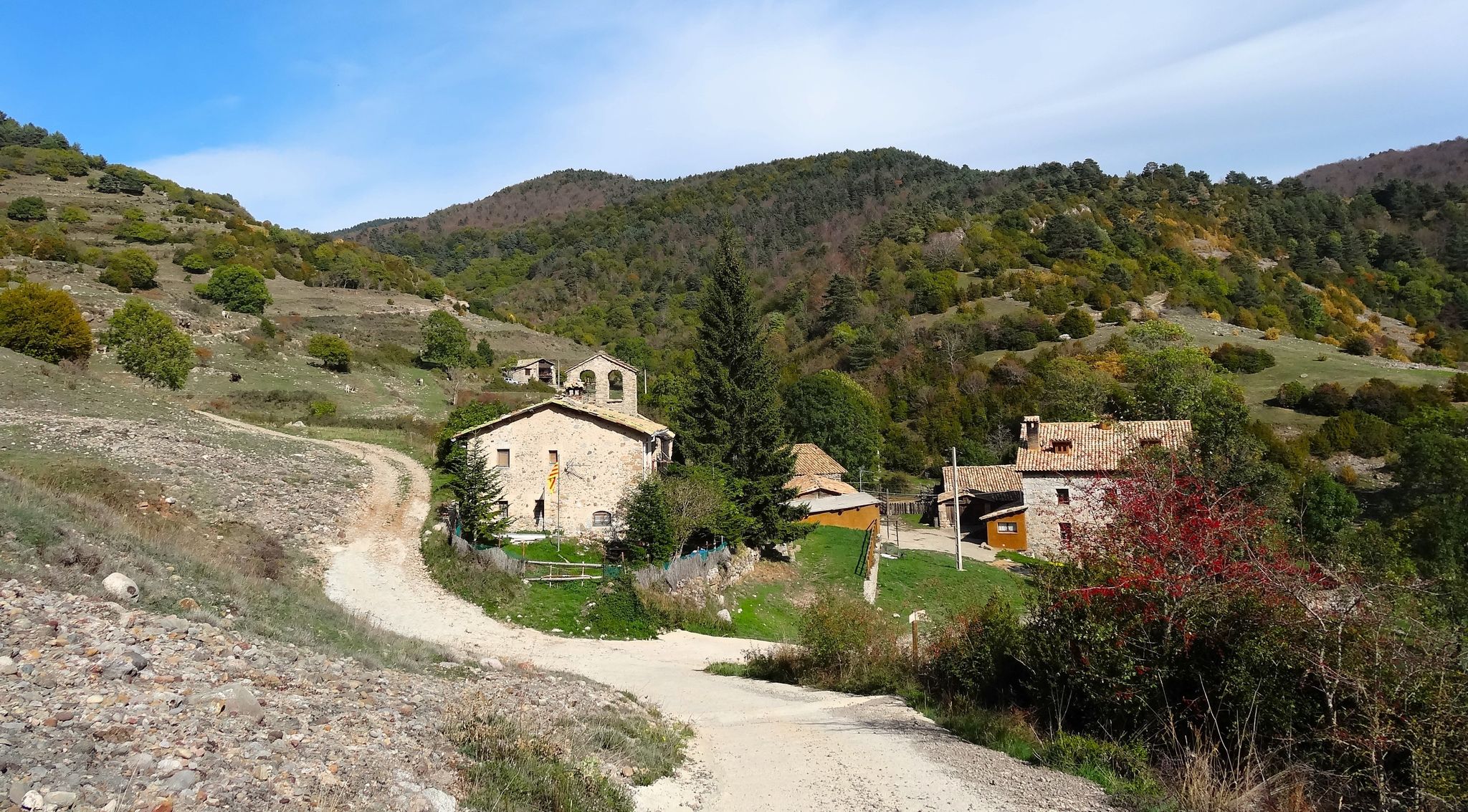
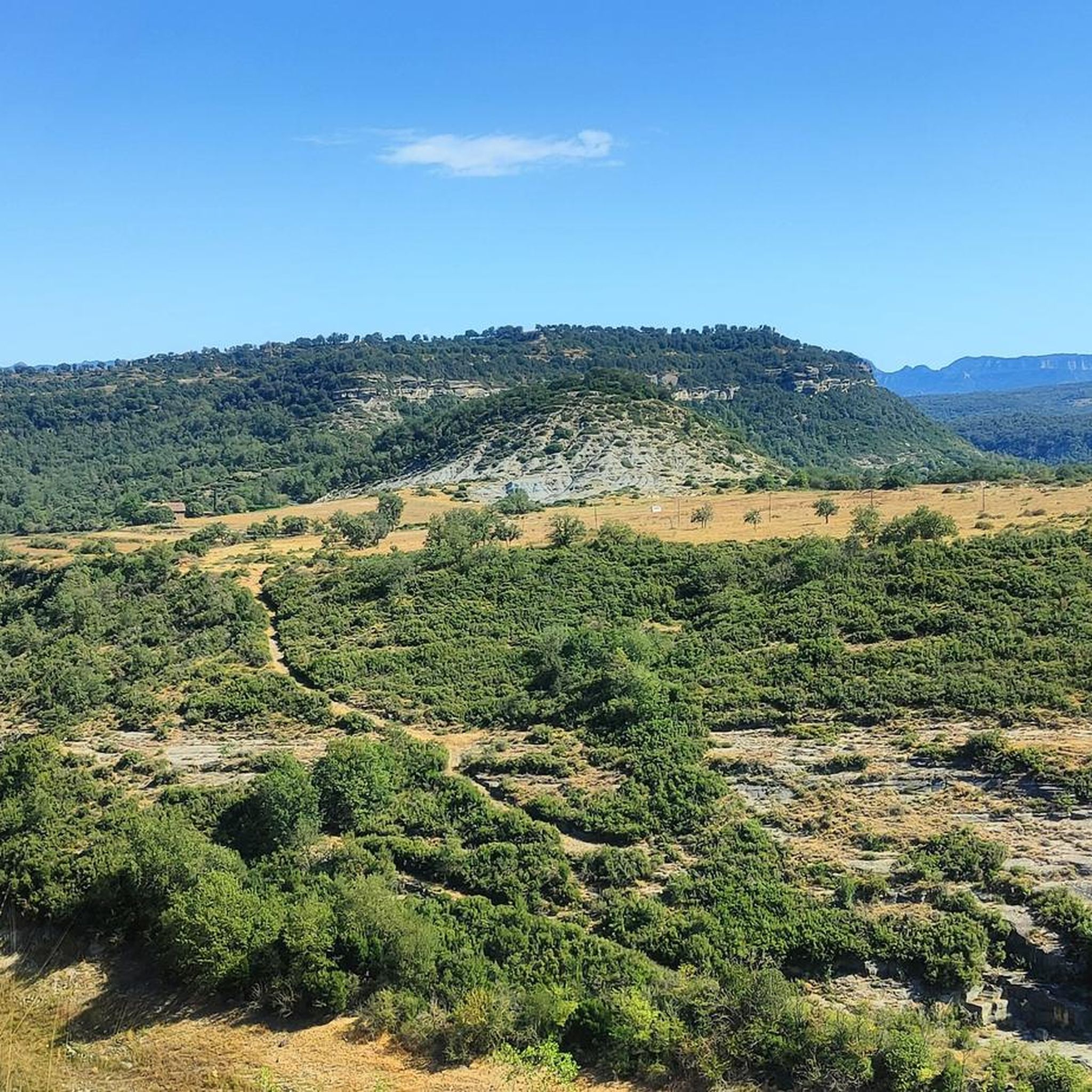
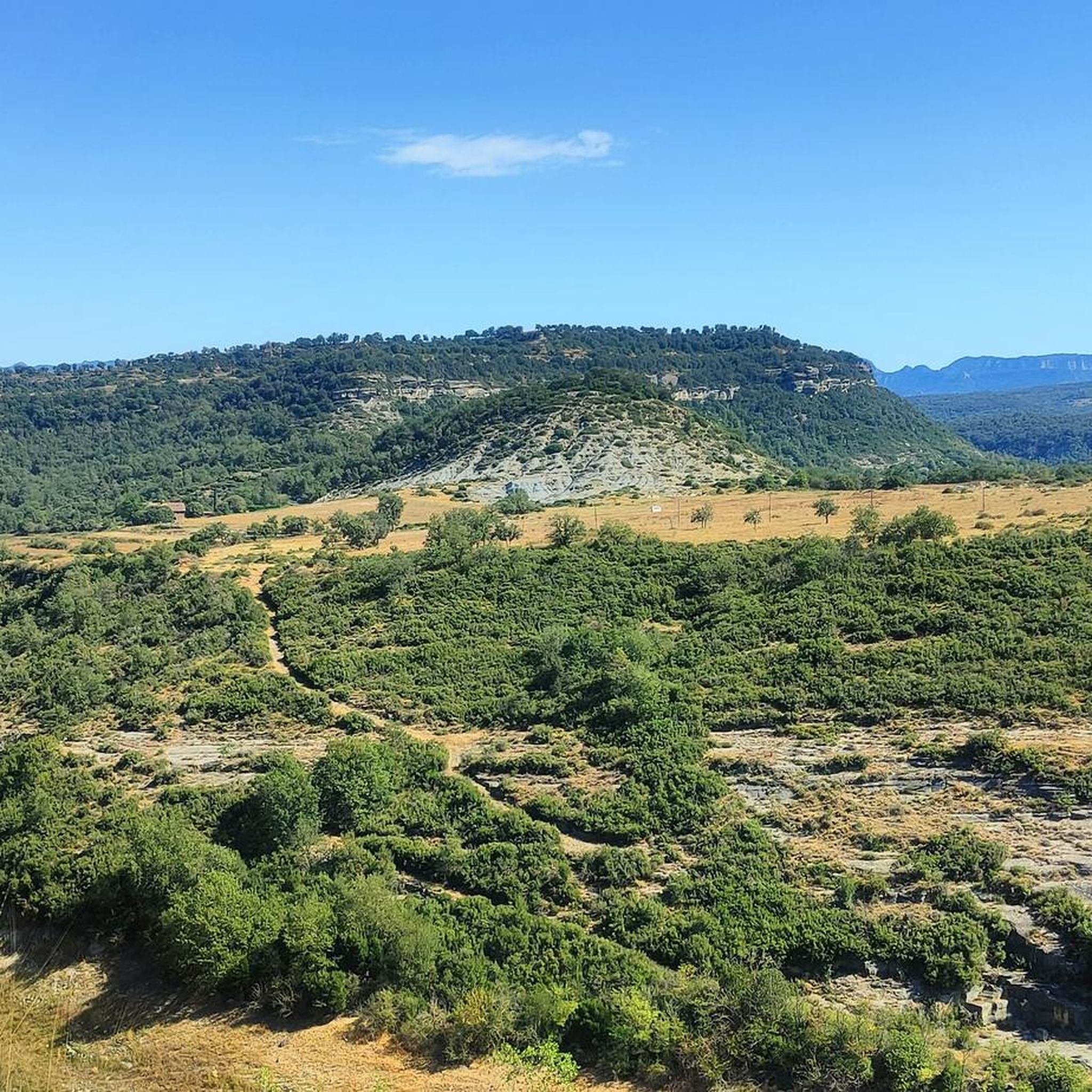
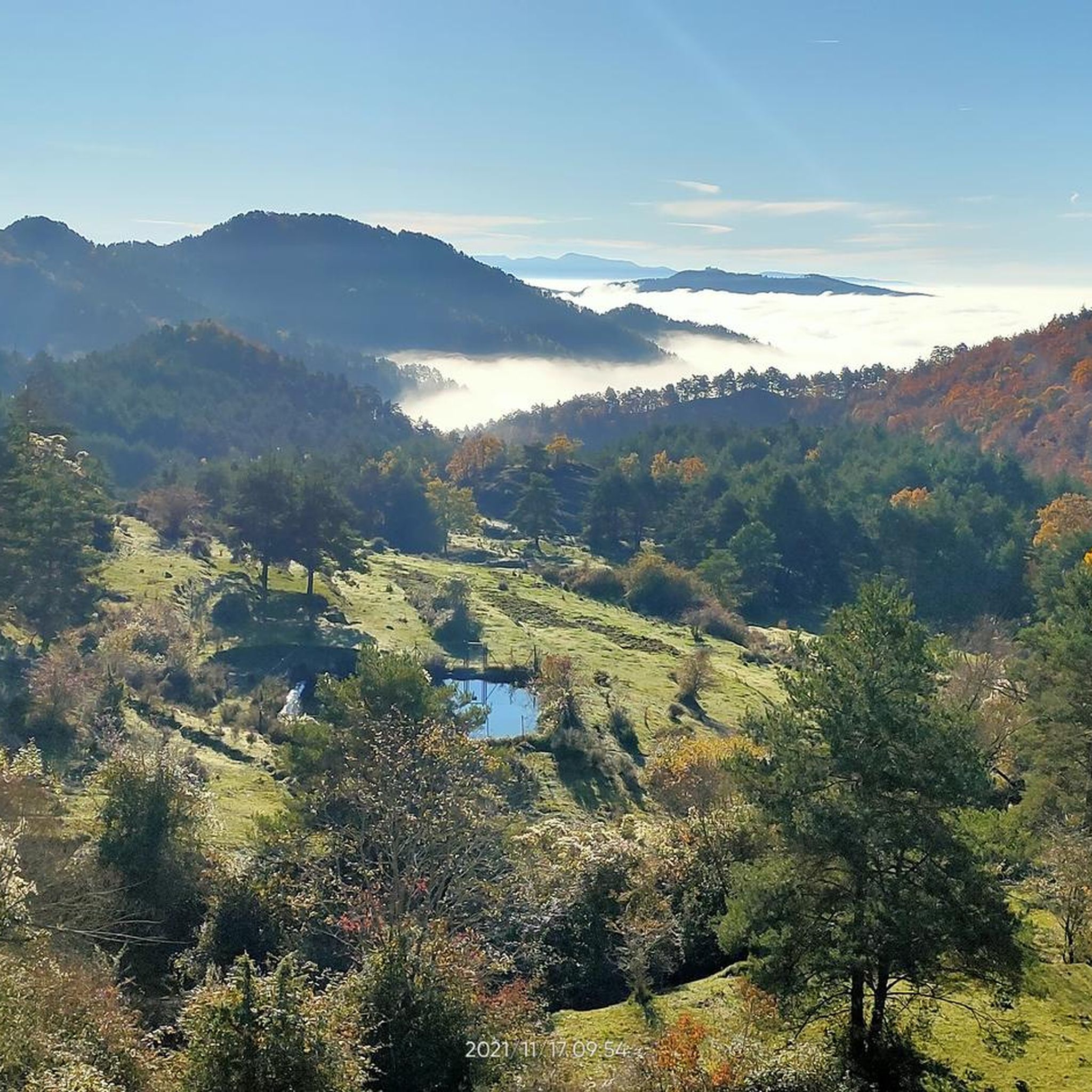
Other adventures around Les Llosses

Tips from the Community

It's a very beautiful and challenging mountain pass in the Catalan Pre-Pyrenees, in the Berguedà region. The road enters a very unspoiled area, reaching the villages of Malanyeu and La Nou del Berguedà. The road is narrow but in perfect condition; it's a pleasure to ride here. The Volta a Catalunya included it in its 2024 route, the edition won by Pogaçar, on the stage that finished at the Sanctuary of Queralt. It was on this mountain pass, on its northern slope, that Pogaçar launched a violent attack to go solo and ride the final 30 km and take the stage victory.
1
0
It is a great unknown in this area of the Pyrenees and is simply spectacular, its 2 slopes. It also has hardness on both sides. The longer eastern slope starts from Sant Joan de les Abedesses and crosses several villages and Romanesque churches. It is a port that goes in steps, with areas of very hard ramps and rests later. The asphalt in the final part is in very poor condition, although it can be circulated easily. The west slope starts from Ribes de Freser and has 2 very different parts. Until you reach the town of Brugera, with an irregular but sufficiently wide asphalt road and a sustained slope of 6 - 7%. From Bruguera, the asphalt turns into concrete and the slope rises to 9%, remaining constant until reaching the top. The views crowning this slope are precise.
2
0

The Collada de Sant isidre is located on the road that connects Malanyeu to Nou de Berguedà.
1
0
The Collada Sobirana is a classic of the Berguedà, whether from Guardiola de Berguedà or from the Pobla de Lillet, it is a pleasant and tough port at the same time. The first is longer and harder, with more exposure to wind and sun. The second is shorter and draws its curves in a very leafy forest that can protect you on very hot days.
0
0
It is a very steep and fun climb on both sides. The road is very winding, with continuous curves and countercurves, some of these counterbanks. The asphalt is rough and there is no shoulder, although it is true that traffic is very scarce. The eastern slope, which starts from Campdevánol and passes through Gombrèn, is approximately 14 km and in no case does the slope exceed 5%. It is a sunny climb, very favorable for the colder months. In summer it is usually very hot. The western slope, which starts from Guardiola de Berguedà, is a little longer and presents a first section to La Pobla de Lillet characterized by long straights. It has some sections at 6-7% and the last 3 km are the hardest.
0
0
The Coll de Merolla is the crossing point between the Pobla de Lillet and Campdevànol, that is to say between the upper Berguedà and the Ripollès. The two slopes are gentle, and halfway, near Gombrèn, there is the link with the Carretera de Montgrony, to continue climbing up to Castellar de N'Hug. At the top is the Merolla refuge, site of the legendary full moon brevet dinner.
0
0

The Coll de Merolla refuge is located at 1090 meters above sea level, next to the road that connects Pobla de Lillet and Gombrèn. It consists of a kitchen and dining room and four rooms with bunk beds and capacity for 23 people. There is also a community kitchen and bar and restaurant service.
0
0
Climb to Coll de Pradell from the C-16 turnoff near Guardiola de Berguedà. The first section runs along the B-400 highway and is very flat. It is by far the busiest section, especially on holidays, weekends, or vacation periods. The road has no shoulder and the asphalt is in perfect condition. The second section begins when you take the detour to the left onto the B-401 highway toward the village of Vallcebre. The road widens and the shoulder appears. This section has an initial uphill section and a subsequent descent to Vallcebre. The third section is very tough and begins in the village of Vallcebre itself. It consists of approximately 3 km of very steep and constant gradients above 12% until you reach a rest stop. The fourth section is literally a savagery. Take the road to the left and face the first winding section above 10%. After a brief rest, the famous concrete ramp at 23% appears. You have to hang on tight. From here to the top, it's 2 km where you only see the road. If you stop to take a break, you'll see the mining train and the beautiful views of the valley behind you.
0
0
Frequently Asked Questions
What are some of the most challenging mountain passes around Les Llosses?
For experienced cyclists seeking a significant challenge, Coll de Pradell is famously known as a 'monster climb' with gradients reaching up to 20% in its final kilometers. The Ascent to Coll de Pradell from Les Cases Noves del Collet, for example, features sections with constant gradients above 12% and a notorious 23% concrete ramp. Another challenging option is Collada de Sobirana, which has varied slopes and sections above 10%.
Are there mountain passes suitable for less experienced cyclists or those looking for a gentler ride?
Yes, Coll de Merolla is known for its gentle ascent, making it suitable for cyclists who prefer a less strenuous climb. From Campdevànol, it's almost 15 kilometers long with a gentle average gradient, and from La Pobla de Lillet, it's nearly nine kilometers with a very mild incline.
What kind of natural scenery can I expect when visiting mountain passes in Les Llosses?
The Les Llosses region is characterized by a well-preserved natural environment, featuring extensive and humid forests, primarily composed of pines and oaks. Mountain passes like Coll de Batallola offer typical Pyrenean landscapes with views over forested valleys. The area also boasts rivers such as the Merlès and Les Llosses, which create riparian forest settings, natural pools, and waterfalls.
What outdoor activities can I do near these mountain passes?
Beyond cycling the passes themselves, the region is excellent for various outdoor activities. You can find numerous routes for gravel biking, cycling, and road cycling. For example, explore the 'Iron and Coal Route' for gravel biking or the 'Circular de Borredà Trail' for general cycling. You can find more details on these activities in the Gravel biking around Les Llosses, Cycling around Les Llosses, and Road Cycling Routes around Les Llosses guides.
Are there any mountain passes that offer historical or cultural points of interest?
Yes, when exploring Coll de Jou, particularly the eastern slope from Sant Joan de les Abedesses, you will pass through several villages and Romanesque churches, offering a glimpse into the region's history and architecture alongside the natural beauty.
What facilities are available at or near the mountain passes?
At Coll de Merolla, you will find a refuge where you can stop for food and rest. Similarly, near Coll de Jou, a few meters in the direction of Ogassa, you can find the free Sant Jordi refuge.
What are the road conditions like on these mountain passes?
Road conditions vary. For instance, Collada de Sobirana features a narrow road with good asphalt and little traffic. On the other hand, the final part of the eastern slope of Coll de Jou has asphalt in very poor condition, though still passable. The ascent to Coll de Pradell from Les Cases Noves del Collet has sections with perfect asphalt on the B-400, but later sections become very steep concrete ramps.
What views can I expect from the mountain passes?
Many passes offer impressive views. From the summit of Coll de Pradell, you can enjoy rewarding views, including the iconic Pedraforca mountain. Other passes like Collada de Sobirana and Collada de Sant Isidre are also noted for their scenic viewpoints.
Is rock climbing an option near any of these mountain passes?
Yes, the area around Coll de Merolla is also an interesting spot for rock climbing, with routes ranging from 6a to 6c, making it attractive to climbers in addition to cyclists and hikers.
What is the best time of year to visit the mountain passes around Les Llosses?
The region's extensive forests and natural pools suggest that spring and autumn would be ideal for pleasant temperatures and vibrant scenery. Summer offers warmer conditions suitable for enjoying natural pools, while the forest cover on passes like Collada de Sobirana can provide shade on hot days. Winter hiking or cycling would be more challenging due to higher altitudes and potential snow.
Are there any lesser-known mountain passes worth exploring in the area?
While not as widely known, Coll de Jou is described as a 'great unknown' in this area of the Pyrenees, offering spectacular views and challenging ascents on both its eastern and western slopes.
What makes Coll de Batallola a notable mountain pass?
Coll de Batallola, located directly in Les Llosses, provides a good cycling challenge with sustained gradients. It reaches an elevation of 1,201 meters and offers typical Pyrenean landscapes with views over forested valleys, making it an enjoyable experience for those who appreciate natural scenery alongside physical exertion.
Most popular routes around Les Llosses
Most popular attractions around Les Llosses

Get inspired with the komoot mobile app


Explore more
See even more epic mountain passes by checking out these guides around Les Llosses:
