Top 7 Natural Monuments around Lugo
Best natural monuments around Lugo showcase the diverse landscapes of this province in Spain's Galicia region. The area features varied natural formations, from dramatic coastlines to ancient forests and unique geological sites. These natural areas offer opportunities for exploration and observation of distinct ecosystems. The region's natural monuments highlight its geological and biological diversity.
Best natural monuments around Lugo
- The most popular natural monuments is Miño River, a river that is a prominent feature in the region of Galicia.…
Last updated: July 1, 2026
Miño River
Highlight • River
Translated by Google •
Tip by

Penas de Rodas Rock Formation
Highlight • Natural Monument
Translated by Google •
Tip by

Sign up now to discover places like this
Get recommendations on the best single tracks, peaks, & plenty of other exciting outdoor places.
Sign up for free
Castro de Viladonga Archaeological Site
Highlight • Historical Site
Translated by Google •
Tip by
Fonte de la Rich and Teixeiro Lakes
Highlight • Lake
Translated by Google •
Tip by

Río Miño in Reserva da Biosfera Terras do Miño
Highlight • River
Translated by Google •
Tip by

Sign up for free to discover even more natural monuments around Lugo.
Sign up for free
Already have an account?
Start today with a free account
Your next adventure awaits.
Login or Signup


Tips from the Community


This archaeological site stands out in the landscape of the Terra Chá of Lugo. Here you will find several walls, moats and a large central croa. The buildings discovered include homes, corrals, warehouses and buildings for social or communal use. The Viladonga Castro had a long-lasting and especially important settlement between the 2nd and 5th centuries AD, which makes it a key site for understanding the evolution of the forts and the rural environment in the Galician-Roman period. It's a fascinating place to explore the history and culture of the region! 😊
5
0

If you are interested in history, the best place to visit is the old wall remains. Here you can still see the urban planning of the former settlement very well.
2
1
The Penas de Rodas are located in the parish of Gaioso, in Outeiro de Rei. This place is one of the most interesting and unique in the entire Lugo Region. Here, nature and human intervention seem to have created a fascinating set of rocks. From its position on the slope of Mount A Cruz de Paraños, you get a panoramic view of much of Terra Chá.
5
0

The Miño river, as it passes through Portomarín, is a prominent river in the region of Galicia, in northwestern Spain. Portomarín is a town located in the province of Lugo, and is located on the banks of the Miño river. The Miño River is one of the most important rivers in the Iberian Peninsula and marks part of the natural border between Spain and Portugal. As it flows through Portomarín, the Miño River creates a beautiful and picturesque landscape, surrounded by rolling hills and lush vegetation. https://www.youtube.com/watch?v=1ilPVyTfaWo
3
0
Very interesting rock formation.
2
0

Forest park and recreational trails around the Teixeiro lakes with delimited BTT trails around the Alto de Chousa
2
0

On a slope of Mount A Cruz de Paraños, elevated to 619 meters and with views of a large part of Terra Chá, is this magnificent set of rocks of unknown origin. For some, a natural formation created by molten magma and sculpted by wind and rain. For others, a creation of humanity due to its coincidence with the sunset on the summer solstice.
3
0
Frequently Asked Questions
What unique natural monuments can I explore in Lugo province?
Lugo province offers a diverse range of natural monuments. You can visit Praia das Catedrais, known for its dramatic sea arches and caves, or immerse yourself in the towering eucalyptus forest of Souto da Retorta, home to 'O Avó,' one of Europe's largest eucalyptus trees. Another exceptional site is Fraga da Marronda, a well-preserved native Galician forest rich in biodiversity.
Are there any natural monuments in Lugo suitable for families?
Yes, several natural monuments around Lugo are family-friendly. The Miño River, as it flows through Portomarín, offers a picturesque landscape. The San Jorge de Aguasantas Spring provides a small resting place and photo opportunity. Additionally, the Fonte de la Rich and Teixeiro Lakes feature forest parks and recreational trails suitable for family outings.
When is the best time to visit the natural monuments in Lugo?
The best time to visit depends on the specific monument. For Praia das Catedrais, low tide is essential to explore the arches and caves, so check tide tables in advance. Booking is often required, especially during July, August, September, and Easter Week. Generally, spring and autumn offer pleasant weather for exploring forests like Souto da Retorta and Fraga da Marronda, with autumn providing vibrant seasonal colors in the latter.
What kind of geological formations can I see in Lugo's natural monuments?
Lugo's natural monuments showcase impressive geological features. Praia das Catedrais is famous for its natural arches and sea caves carved by the ocean. Inland, the Penas de Rodas Rock Formation offers a unique set of rocks with panoramic views of Terra Chá, believed by some to be a natural formation sculpted by wind and rain.
Can I find waterfalls within the natural monuments of Lugo?
Yes, you can encounter waterfalls in some of Lugo's natural monuments. Souto da Retorta, the 'Forest of the Giants,' features a small trail along the Landro River where you can see small waterfalls like Salto do Can. Fraga da Marronda also contains cascades within its forest, providing excellent habitats for aquatic animals.
What outdoor activities are available near Lugo's natural monuments?
The areas around Lugo's natural monuments offer various outdoor activities. You can find routes for gravel biking and mountain biking. For example, there are routes like the 'Lugo and Teixeiro Lakes Loop' or the 'Chanca Viaduct and Rato River loop from Lugo.' You can explore more options in the Gravel biking around Lugo and MTB Trails around Lugo guides.
Where can I experience ancient forests in Lugo province?
For an experience in ancient forests, visit Souto da Retorta, also known as the 'Forest of the Giants,' near Viveiro. It's home to towering, centenarian eucalyptus trees, including 'O Avó,' which stands over 71 meters tall. Another excellent example is Fraga da Marronda in Baleira, a protected native Galician forest with high biodiversity, featuring oaks, chestnuts, and beeches.
Are there any natural monuments in Lugo with historical significance?
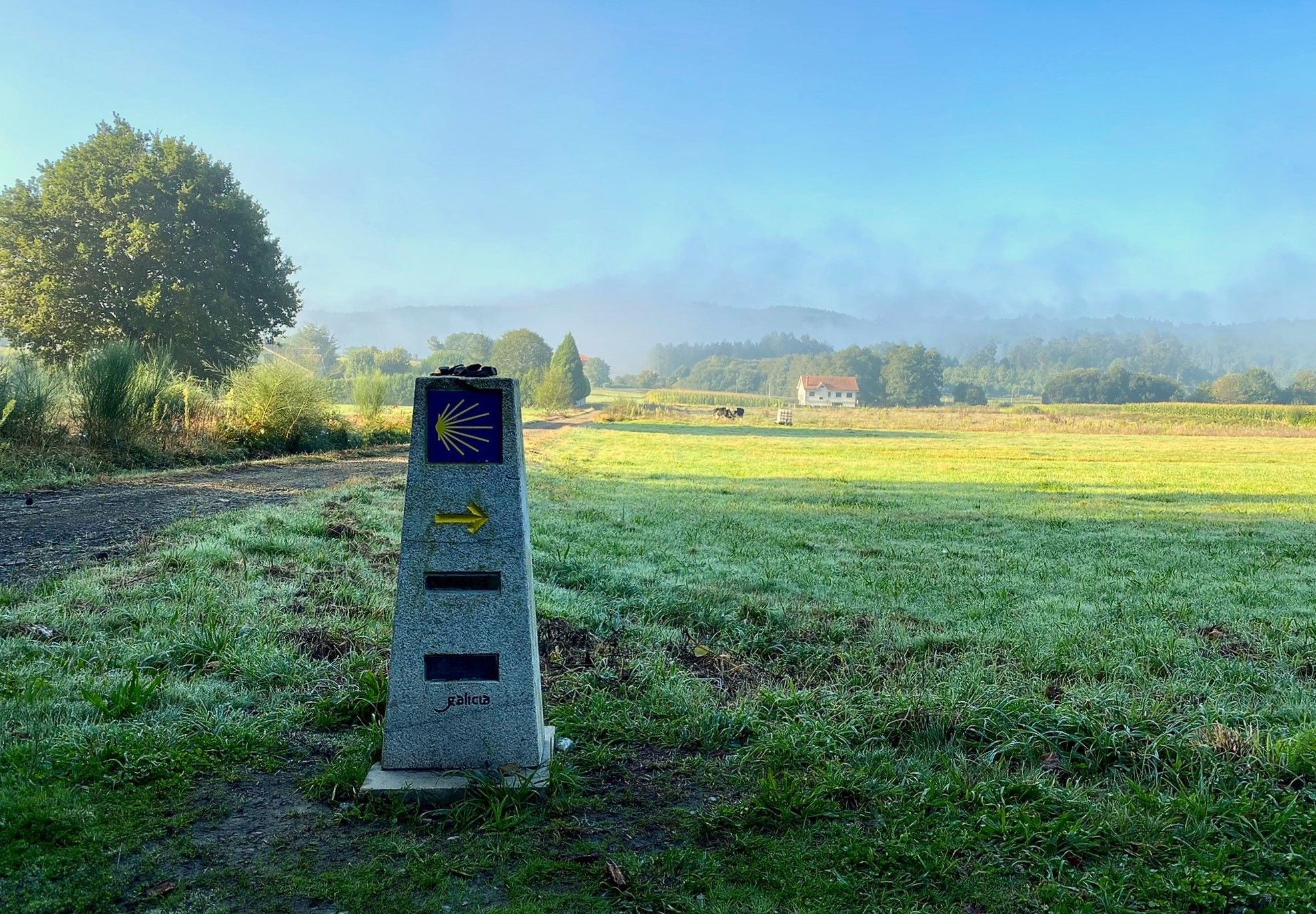
While primarily natural, some sites have historical connections. The San Jorge de Aguasantas Spring has a small resting place with a stone figure of James, linking it to the Way of St. James. Additionally, the nearby Castro de Viladonga Archaeological Site, though a historical monument, is set within a natural landscape and offers insights into the region's past settlements.
What kind of wildlife can be spotted in Lugo's natural forests?
Fraga da Marronda, a biodiverse native forest, is an excellent spot for wildlife. It's home to wild boars, roe deer, martens, squirrels, and various raptors like goshawks and sparrowhawks. You might even spot threatened species such as the Iberian desman, particularly near the forest's cascades.
How popular are the natural monuments around Lugo with visitors?
The natural monuments around Lugo are well-regarded by the komoot community. They have received more than 20 upvotes and 9 photos shared, indicating their appeal. Visitors particularly appreciate the picturesque landscapes of the Miño River and the unique rock formations like Penas de Rodas.
Are there easy walking trails at Lugo's natural monuments?
Yes, many natural monuments offer accessible paths. Souto da Retorta features a relatively easy trail along the Landro River, allowing visitors to walk through the monumental eucalyptus forest. The Fonte de la Rich and Teixeiro Lakes also have recreational trails suitable for leisurely walks.

Get inspired with the komoot mobile app


Explore more
Extend your search for the best caves by checking out these guides of the top ones around Lugo:
