Top 9 Natural Monuments around Santa María De Huerta
Best natural monuments around Santa María De Huerta include unique geological formations within the province of Soria, Spain. The region is characterized by its distinct karst wetlands, such as the Laguna de Judes, which is the only one of its kind in Soria. This area offers a natural landscape shaped by limestone subsidence and seasonal water flows. Visitors can explore diverse natural features, from lagoons and waterfalls to ancient forests and dramatic rock formations.
Best natural monuments around Santa María De Huerta
- The most popular natural monuments is Laguna de Judes, a lake that is a karst wetland located in the town of Judes. It is the only lagoon of its kind in the province of Soria, formed by the subsidence of limestone terrain.
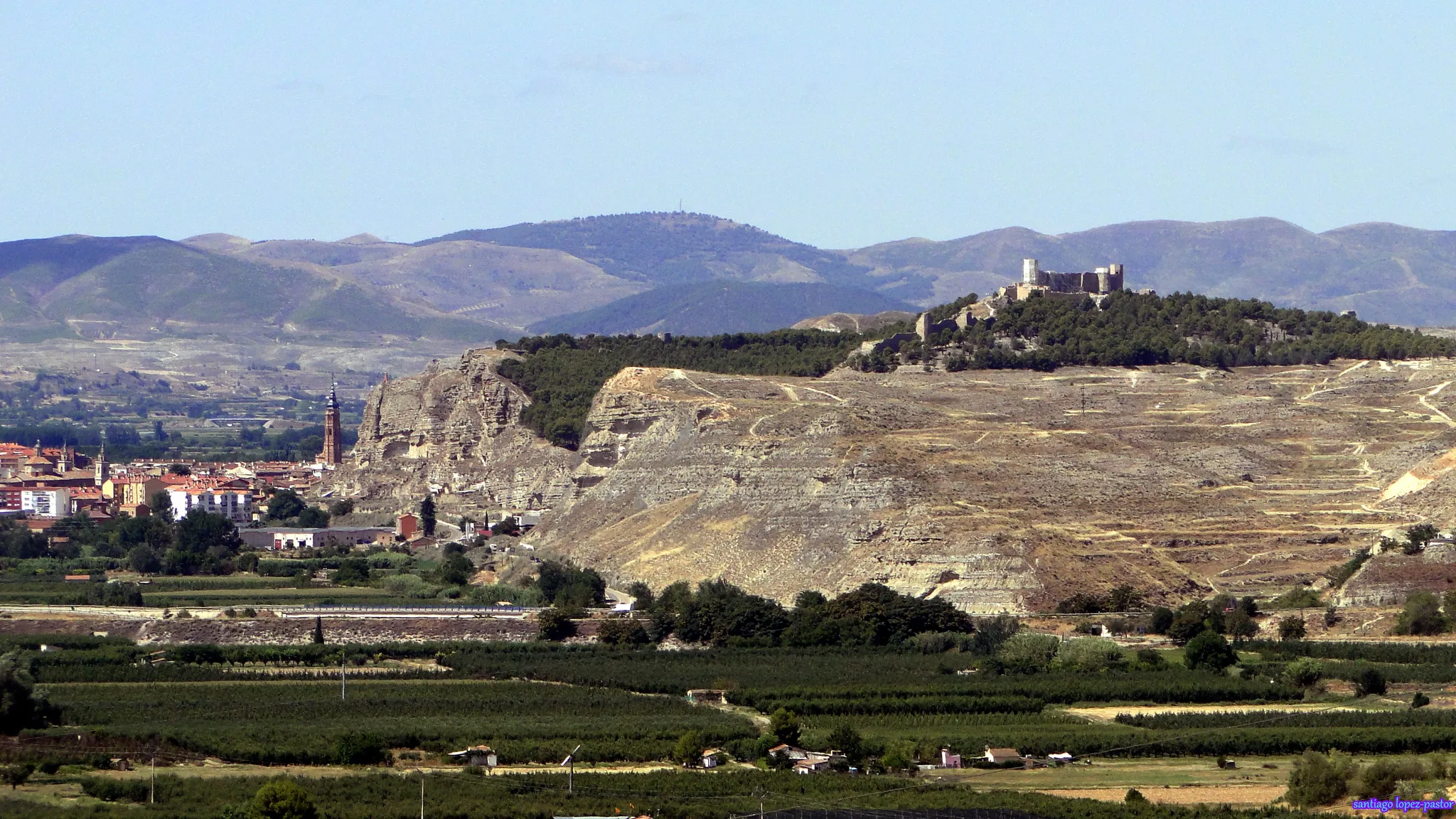
- Another must-see spot is Castle of the Funes, a castle situated on a large, elongated rock mass. This ridge features vertical walls up to 40 meters high, imposing the castle between the village and the palace.
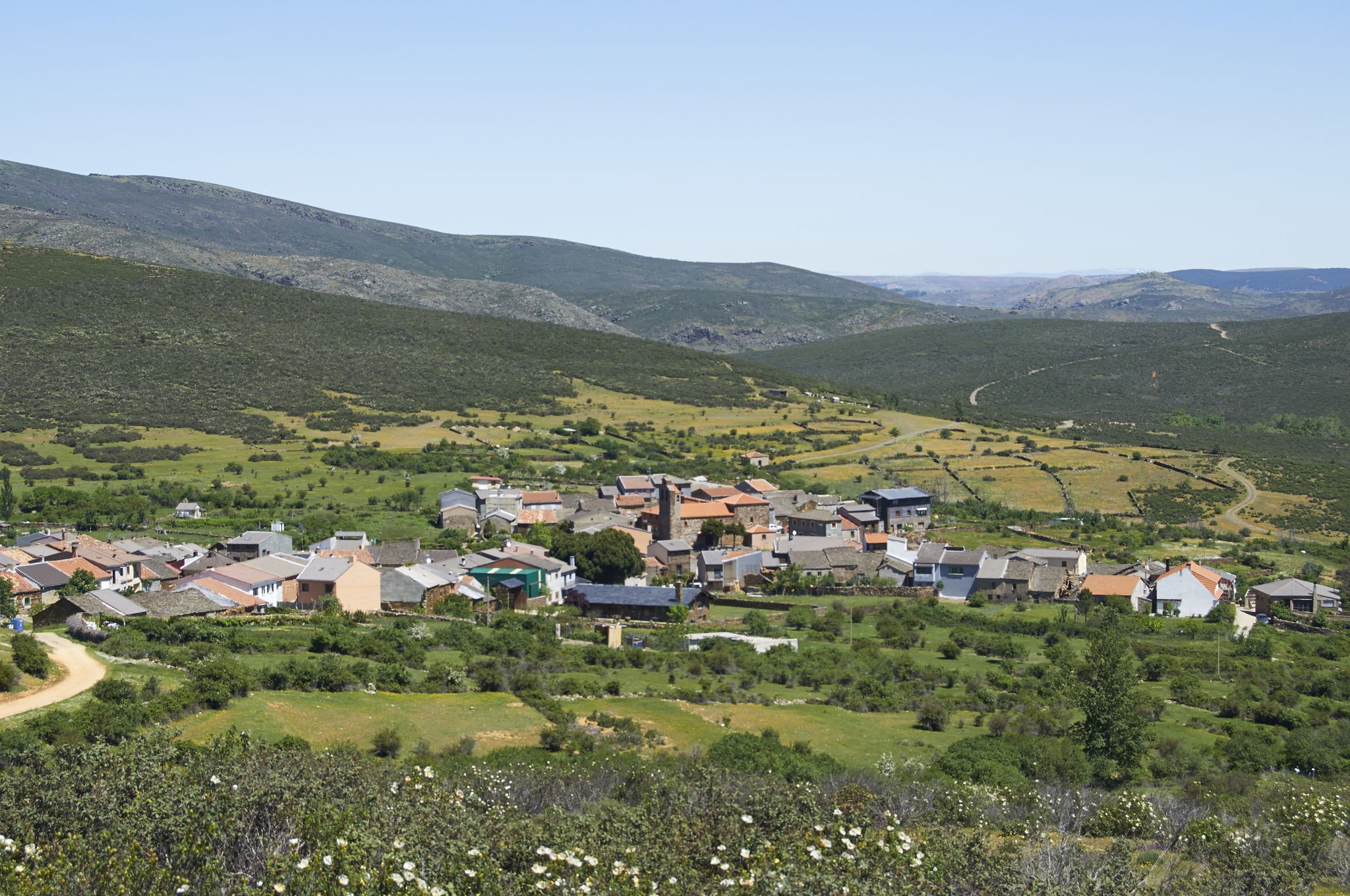
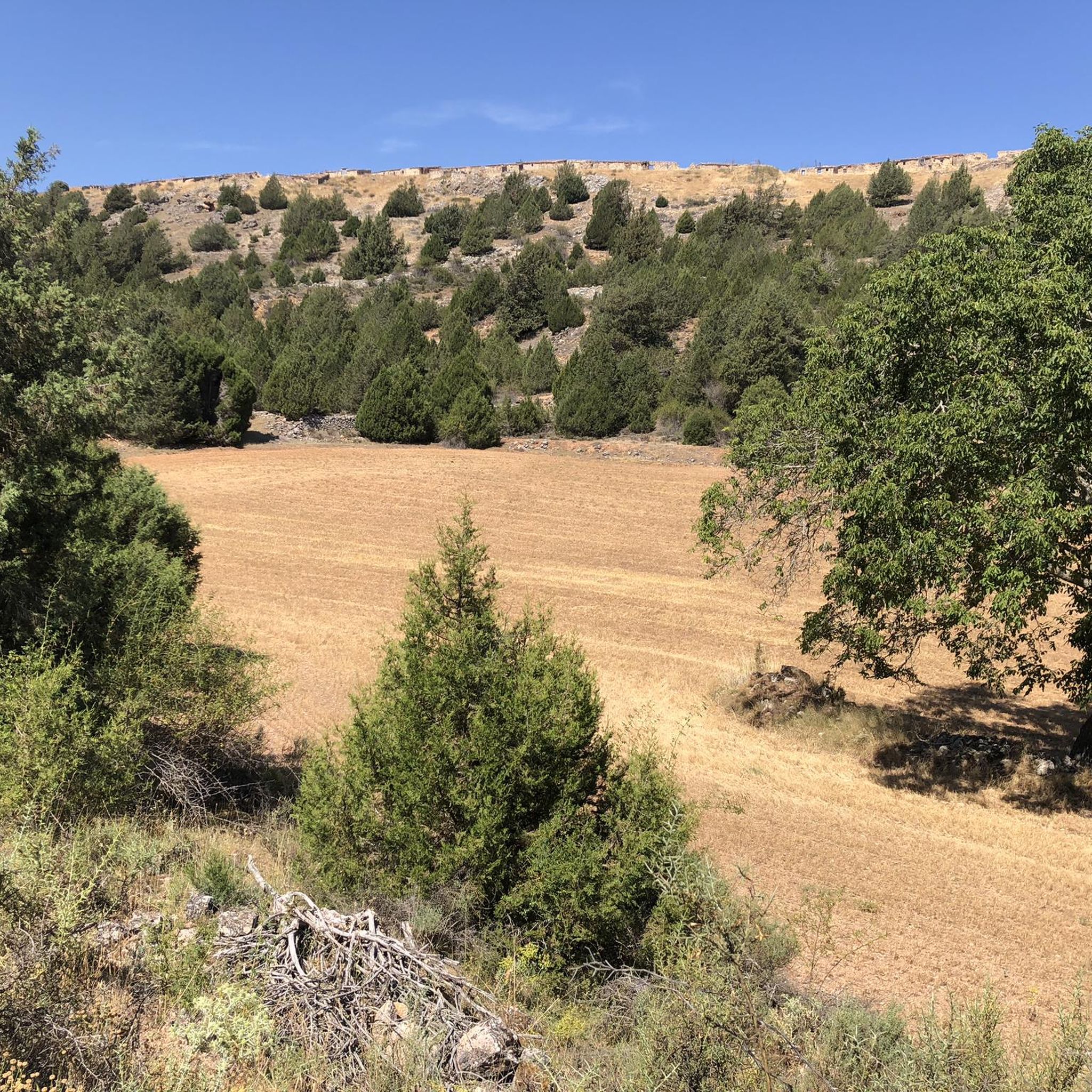
- Visitors also love Maranchón Juniper Forest, a forest where juniper trees thrive. These trees of post-glacial origin have adapted to an area with low rainfall in the Guadalajara moor.
- Santa María De Huerta is known for its unique karst wetlands, ancient forests, and geological formations. Visitors can explore diverse landscapes, from seasonal lagoons to dramatic ravines and juniper woodlands.
- The natural monuments around Santa María De Huerta are appreciated by the komoot community, with more than 7 upvotes and 15 photos shared.
Last updated: July 1, 2026
Laguna de Judes
Highlight • Lake
Translated by Google •
Tip by

Castle of the Funes
Highlight • Castle
Translated by Google •
Tip by

Sign up now to discover places like this
Get recommendations on the best single tracks, peaks, & plenty of other exciting outdoor places.
Sign up for free
Desert landscape
Highlight • Natural
Translated by Google •
Tip by

Maranchón Juniper Forest
Highlight • Forest
Translated by Google •
Tip by
Barranco de la Escalera
Highlight • Gorge
Translated by Google •
Tip by

Sign up for free to discover even more natural monuments around Santa María De Huerta.
Sign up for free
Already have an account?
Start today with a free account
Your next adventure awaits.
Login or Signup
Popular around Santa María De Huerta
Tierras de Frontera on a gravel bike – El Camino del Cid
El Camino del Cid – The Borderlands on MTB
Camino del Cid by bicycle — frontier lands in Spain
Hiking around Santa María De Huerta
Road Cycling Routes around Santa María De Huerta
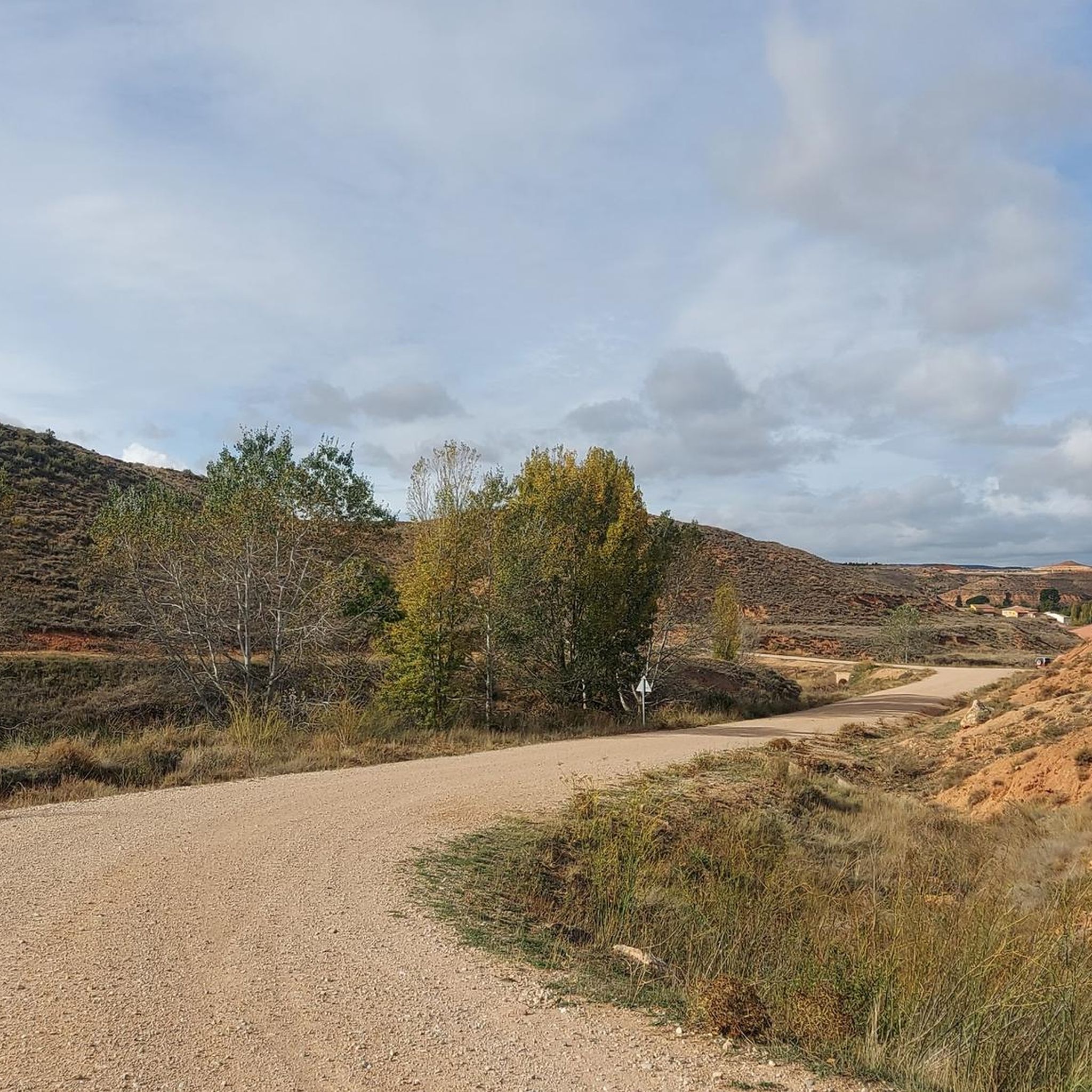
MTB Trails around Santa María De Huerta
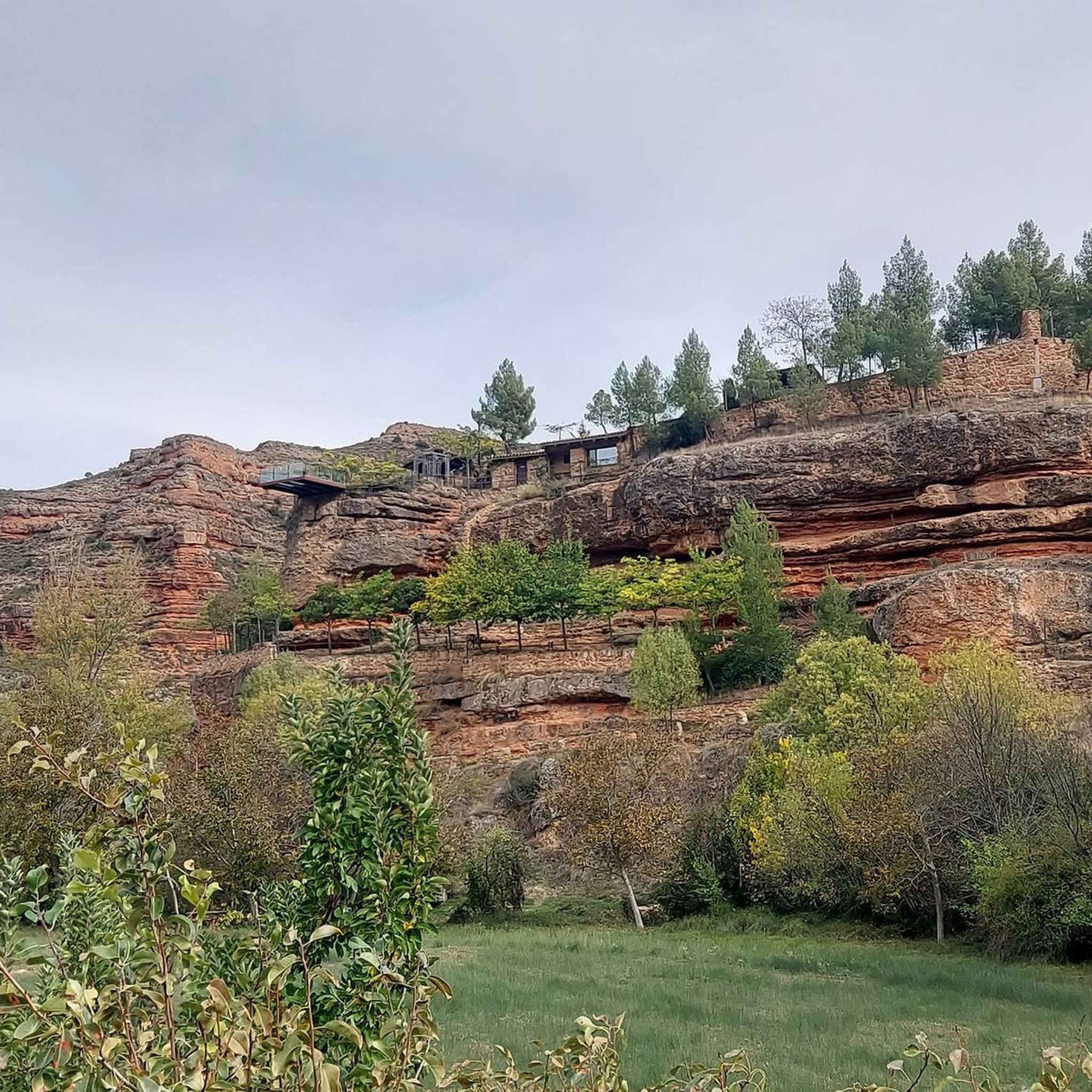
Cycling around Santa María De Huerta
Other adventures around Santa María De Huerta


Tips from the Community

The Judes Lagoon is a karst wetland located in the town of Judes, within the municipality of Arcos de Jalón, in the province of Soria, Castile and León. It is the only lagoon of its kind in the province, as most are of glacial origin.
4
0


Judes Lagoon only has water in wet years, in winter and spring. It is curious to see the corner of rocks where the Water of the Gorgoncil Stream reaches
0
1

In the Guadalajara moor a juniper forest survives. It is impressive to see how these trees of post-glacial origin have adapted to this area of low rainfall.
0
0
It is a beautiful place, but very jungle, with a large number of trees, fallen and undergrowth. However, you can walk well through it. It was generated by the Almuguera stream or Chaorna stream. Its name is due to the fact that in that area, the stream descends a great unevenness, and in one of its areas, it has produced on the ground, a kind of staircase in its descent. On both sides of the ravine there are two rock cliffs. In the cliffs there are some caves.
0
1
Judes Lagoon is a lagoon formed by the subsidence of limestone (karst) terrain. It usually has water at the end of winter and in spring. In wet years, it overflows, and the excess water flows down to the Almuguera de Chaorna stream, forming beautiful waterfalls called Chorroneras, very close to the town.
1
0

The castle of the Funes, in Villel de Mesa, is located on a large, elongated rock mass with vertical walls, which reach forty meters in height and a little more in length. This ridge is located between the village facing north and south. The southern part rises between the houses and the palace of the marquises of Villel, imposing the castle.
0
0
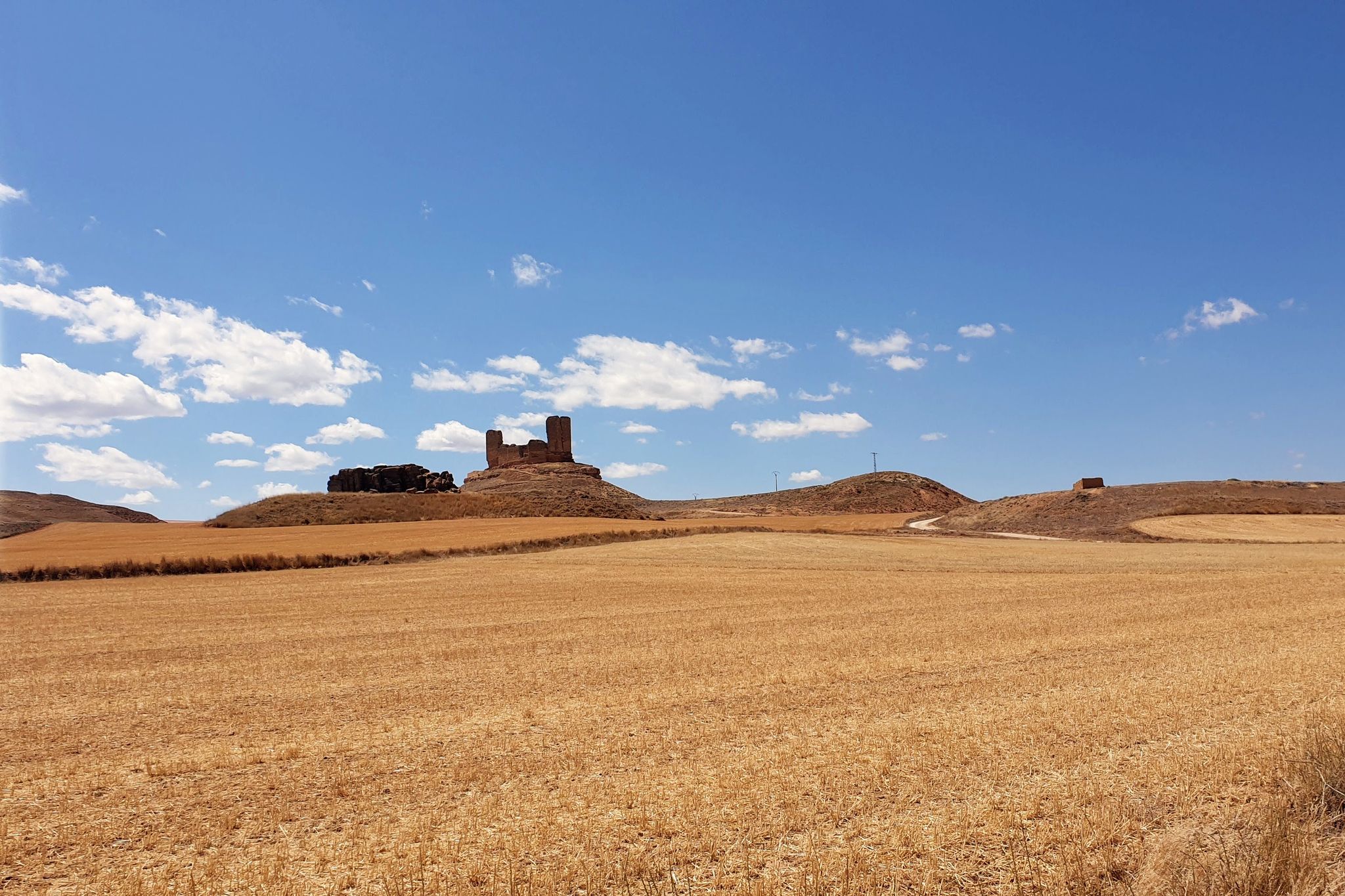
In this area of the province of Zaragoza, between Ariza and Calatayud, the landscape is marked by the erosion of the sandstone by the action of the waters of the Jalón River. This erosion, coupled with a lack of precipitation, has created a postcard-like desert picture seen in westerns. In the areas of higher rocks, shapes that look like castles stand out.
1
0
Frequently Asked Questions
What unique natural features can I explore around Santa María De Huerta?
The region is known for its distinctive karst wetlands, ancient forests, and geological formations. You can discover unique landscapes such as the Laguna de Judes, a rare karst lagoon, or the dramatic rock formations around the Castle of the Funes. The area also features the Maranchón Juniper Forest, where ancient juniper trees thrive.
What is the Laguna de Judes and why is it significant?
The Laguna de Judes is a unique karst wetland located near Santa María De Huerta. It's the only lagoon of its kind in the province of Soria, formed by the subsidence of limestone terrain. This geological feature makes it particularly interesting, and in wet years, its overflow creates picturesque waterfalls known as the Chorroneras.
When is the best time to visit the Laguna de Judes to see water and waterfalls?
The Laguna de Judes typically holds water from late winter through spring. To witness the Chorroneras waterfalls, you should visit during years with abundant rainfall, as the lagoon needs to overflow for them to appear. It's important to note that the lagoon is likely to be dry in summer.
Are there hiking opportunities near the natural monuments?
Yes, there are several hiking routes available. For example, you can explore trails like the 'Way of El Cid (GR 160)' or a circular route around Santa María de Huerta. You can find more details and routes on the Hiking around Santa María De Huerta guide.
Can I go cycling or mountain biking in the area?
Absolutely. The region offers various cycling and mountain biking trails. Options range from moderate routes like the 'Jalón River Waterfall – Gorges of the Jalón River loop' for touring bikes to more challenging MTB trails such as the 'Laguna de Judes Loop from Arcos de Jalón'. Discover more routes on the Cycling around Santa María De Huerta guide and MTB Trails around Santa María De Huerta guide.
What kind of geological formations can be seen in the area?
Beyond the karst features of the Laguna de Judes, you can observe landscapes shaped by erosion. The 'Desert landscape' highlight, for instance, showcases sandstone formations eroded by the Jalón River, creating a unique, almost 'western-movie' like scenery with rock structures resembling castles.
Is the Castle of the Funes a natural monument or a historical site?
The Castle of the Funes is considered both. While it is a historical castle, its location on a large, elongated rock mass with vertical walls up to 40 meters high makes the natural rock formation itself a significant natural monument. The castle is dramatically imposed by this natural ridge.
What is the Maranchón Juniper Forest?
The Maranchón Juniper Forest is a remarkable woodland located in the Guadalajara moor. It's notable for its juniper trees, which are of post-glacial origin and have uniquely adapted to an area with low rainfall, making it an impressive example of natural resilience.
What is the Barranco de la Escalera?
The Barranco de la Escalera is a beautiful gorge created by the Almuguera or Chaorna stream. Its name, meaning 'Staircase Ravine,' comes from the way the stream descends a significant unevenness, forming a natural staircase-like path. The ravine is characterized by a dense, jungle-like environment with numerous trees and features rock cliffs with caves on both sides.
What do visitors appreciate most about the natural monuments around Santa María De Huerta?
Visitors particularly enjoy the unique geological features, such as the karst wetlands and eroded sandstone landscapes, which offer distinct natural beauty. The tranquility of areas like the Laguna de Judes and the impressive adaptation of flora in the Maranchón Juniper Forest are also highly valued.
Are there any natural viewpoints in the area?
Yes, several natural monuments offer excellent viewpoints. The dramatic rock mass where the Castle of the Funes is situated provides imposing views. Additionally, the 'Desert landscape' highlight offers picturesque scenes, ideal for photography, with its unique eroded formations.
Most popular attractions around Santa María De Huerta

Get inspired with the komoot mobile app


Explore more
Extend your search for the best caves by checking out these guides of the top ones around Santa María De Huerta:
