Top 18 Natural Monuments around San Leonardo De Yagüe
Best natural monuments around San Leonardo De Yagüe are found in the Soria province, providing access to significant natural areas. The region is characterized by its limestone formations, river canyons, and diverse ecosystems. It offers opportunities for exploring geological features and observing local wildlife.
Best natural monuments around San Leonardo De Yagüe
- The most popular natural monuments is Hermitage of Saint Bartholomew, a religious building and natural monument located at the mouth of the Lobos River Canyon. This Romanesque…
Last updated: July 1, 2026
Hermitage of Saint Bartholomew
Highlight • Religious Site
Translated by Google •
Tip by

Gullurías Viewpoint
Highlight • Viewpoint
Translated by Google •
Tip by
Sign up now to discover places like this
Get recommendations on the best single tracks, peaks, & plenty of other exciting outdoor places.
Sign up for free
Cueva Grande (Río Lobos Canyon)
Highlight • Cave
Translated by Google •
Tip by

Entrance Trail to Cañón del Río Lobos from Casarejos (GR-86)
Highlight (Segment) • Trail
Translated by Google •
Tip by

Colmenar de los Frailes
Highlight • Structure
Translated by Google •
Tip by

Sign up for free to discover even more natural monuments around San Leonardo De Yagüe.
Sign up for free
Already have an account?
Start today with a free account
Your next adventure awaits.
Login or Signup
Tips from the Community


One of the resources traditionally exploited in the region was honey collection. This spot, known as "El Colmenar de los Frailes," housed the Templar community's beehives. They were made from hollowed tree trunks, each with a stone slab placed on top as a lid, leaving small entrance areas for the bees. They lined the rocky outcrops of the Canyon.
0
1

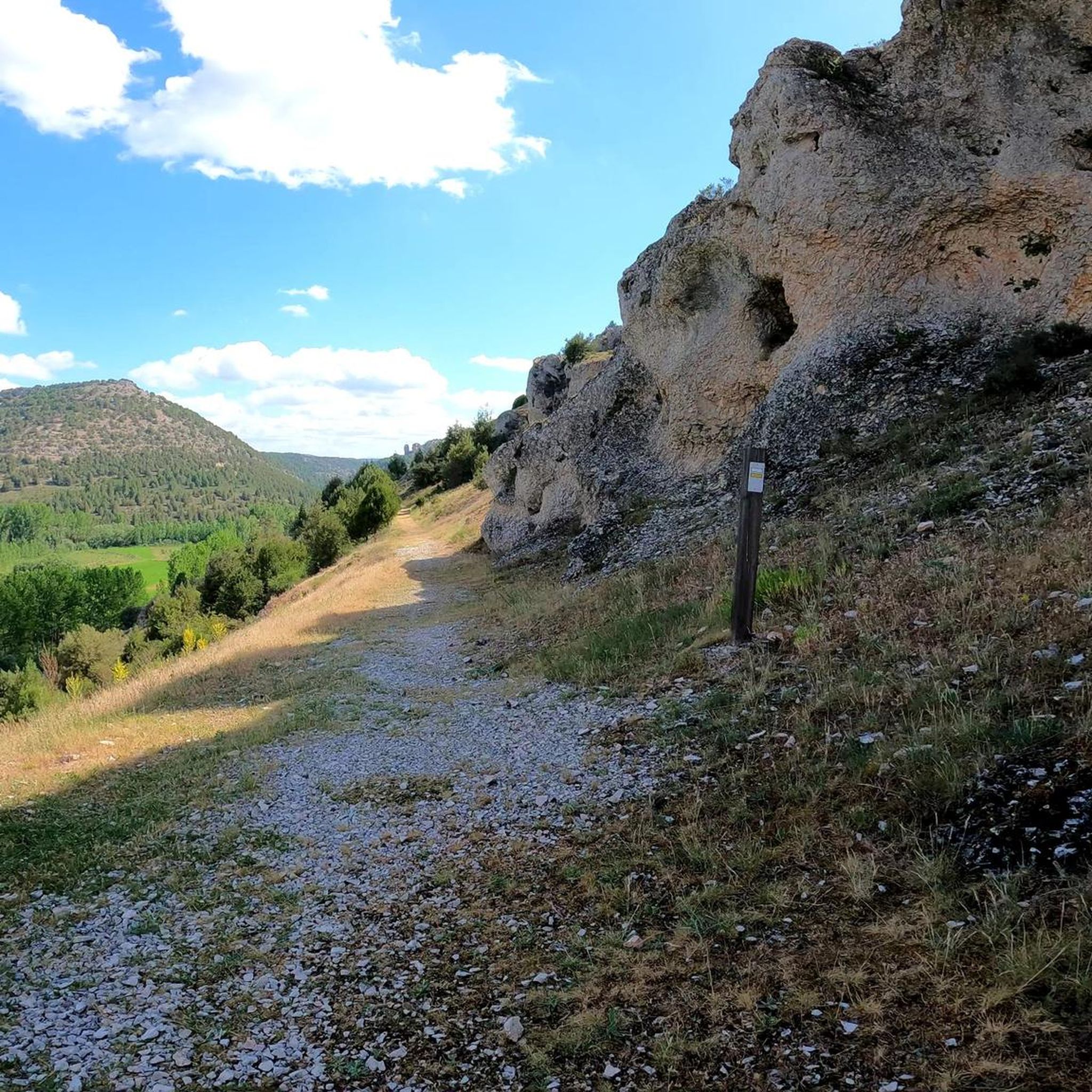
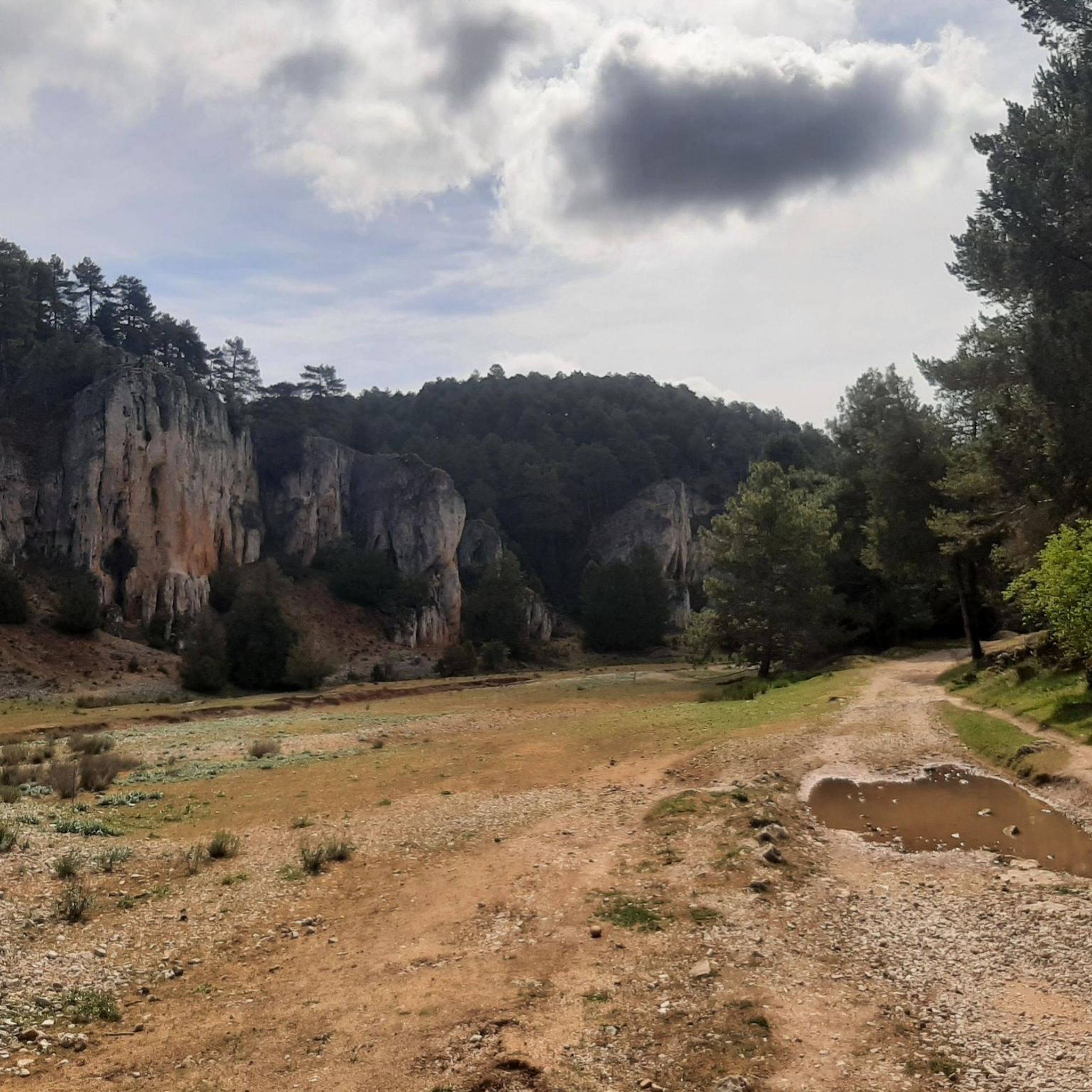
The Gullurías Viewpoint is a spectacular vantage point located in the Cañón del Río Lobos Natural Park. From the viewpoint, you can see the pine forests of Soria and Burgos, as well as the peaks of the Iberian System, including Urbión Peak.
4
0
The Hermitage of San Bartolomé is a fascinating church located in the Cañón del Río Lobos Natural Park, in the communities of Herrera de Soria, Nafría de Ucero, and Ucero. Built in the first quarter of the 13th century, in a style that transitions from Romanesque to Gothic.
4
0
Bullías trail, a very nice circular hiking route
0
0
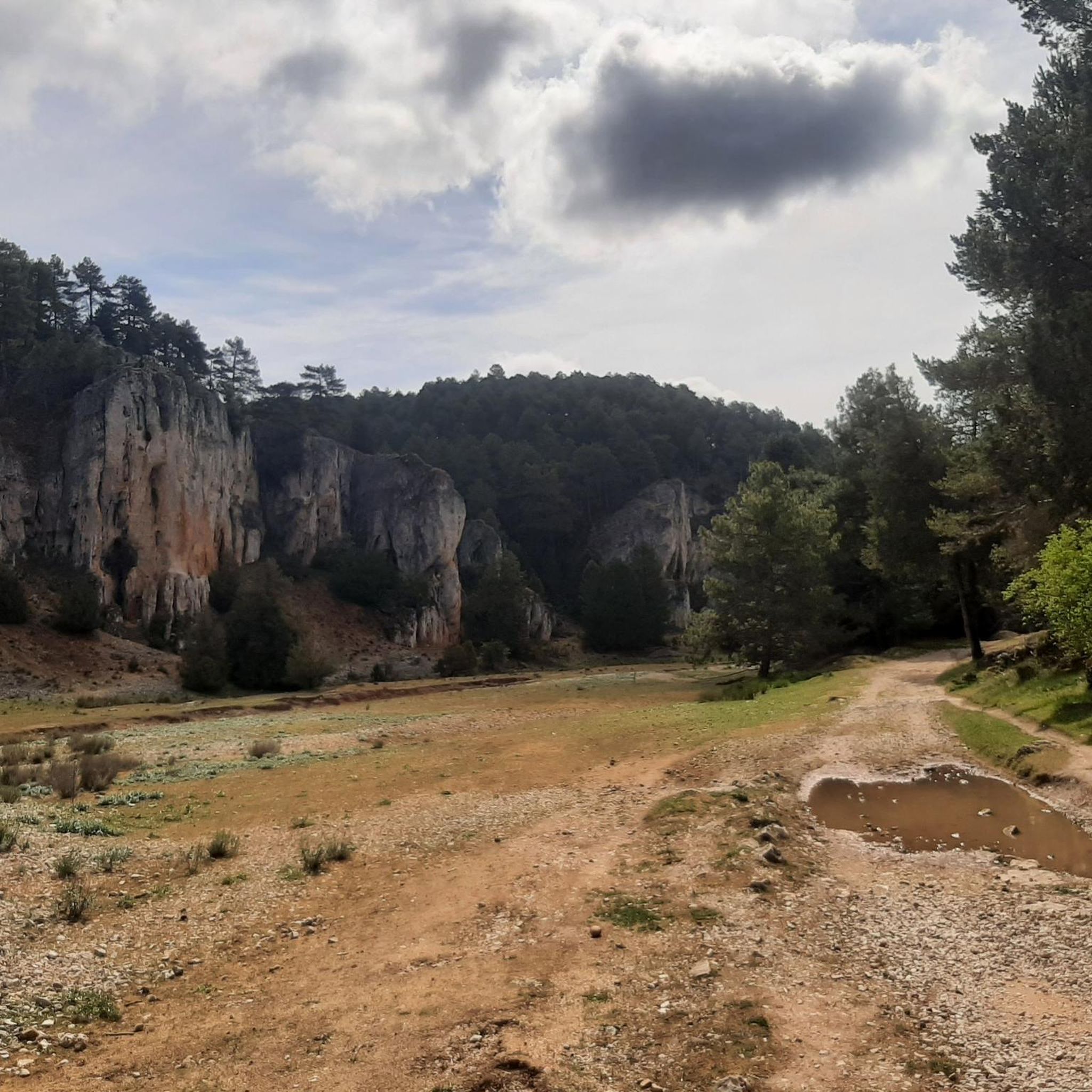
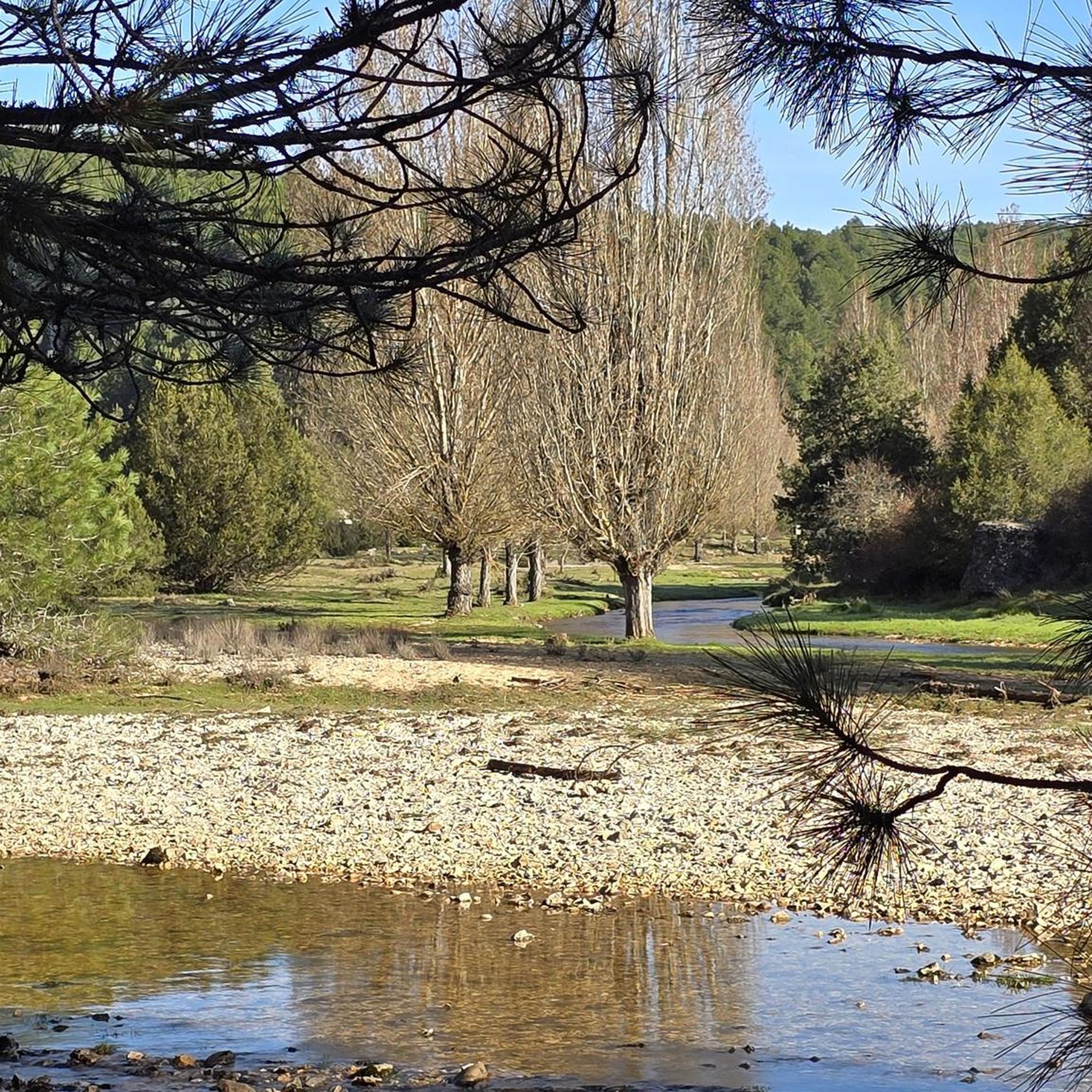
The LOBOS River canyon is worth visiting
0
0
The large cave, a large cavity in an idyllic landscape, which is the surroundings of the hermitage of San Bartolomé
0
1

"Colmenar de los Frailes" is a curious place where you can see some old beehives on the rock, built from hollow tree trunks.
2
0
Frequently Asked Questions
What unique natural features can I explore around San Leonardo de Yagüe?
The region around San Leonardo de Yagüe is rich in natural features, primarily centered around the Cañón del Río Lobos Natural Park. You can explore impressive limestone cliffs, river-carved canyons, and natural caves. Notable spots include the dramatic formations of the Cañón del Río Lobos itself, and the intriguing Cueva Grande (Río Lobos Canyon), a natural cave steeped in local legends.
What makes the Cañón del Río Lobos Natural Park a special place to visit?
The Cañón del Río Lobos Natural Park is a significant natural area spanning nearly 10,000 hectares, known for its spectacular limestone cliffs sculpted by the Lobos River. It's a designated Site of Community Interest and a Special Bird Protection Zone, home to diverse wildlife including griffon vultures, eagles, and owls. Beyond its natural beauty, the park also houses the Romanesque Hermitage of Saint Bartholomew, adding a historical dimension to the landscape.
Are there any historical or cultural sites integrated with the natural monuments?
Yes, the region offers a blend of natural and historical sites. The Hermitage of Saint Bartholomew, a Romanesque chapel, is uniquely situated at the mouth of the Lobos River Canyon and was once part of a Templar monastery. Another interesting historical feature is Colmenar de los Frailes, an ancient beehive site carved into the rock, showcasing traditional honey collection methods.
Are there family-friendly natural monuments or activities around San Leonardo de Yagüe?
Absolutely! The Bosque Mágico Fuente del Pino, just outside San Leonardo de Yagüe, is a whimsical and enchanting place designed for all ages. It features imaginary creatures like elves and goblins crafted from recycled materials along themed paths. It's free to enter, pet-friendly, and perfect for sparking imagination. Additionally, many trails within the Cañón del Río Lobos are suitable for families, offering easy walks along the river.
What is the best time of year to visit the natural monuments in this region?
Spring and autumn are generally the best times to visit. In spring, the flora is vibrant, and the weather is mild, ideal for hiking. Autumn offers stunning fall colors and pleasant temperatures. Summer can be hot, especially in the canyons, while winter can bring colder temperatures and sometimes snow, which can limit access to some areas but offers a unique, serene beauty.
Where can I find panoramic views of the natural landscape?
For breathtaking panoramic views, visit the Gullurías Viewpoint within the Cañón del Río Lobos Natural Park. It offers an elevated perspective of the canyon, allowing you to appreciate the vastness and beauty of the pine forests of Soria and Burgos, and even peaks of the Iberian System.
What outdoor activities can I do near these natural monuments?
The area around San Leonardo de Yagüe is excellent for various outdoor activities. You can enjoy extensive hiking, cycling, and mountain biking. For specific routes, explore the guides for Cycling around San Leonardo De Yagüe, Gravel biking around San Leonardo De Yagüe, and MTB Trails around San Leonardo De Yagüe, which offer numerous trails of varying difficulties.
Are there specific hiking trails recommended for exploring the Cañón del Río Lobos?
Yes, there are several popular hiking trails. A well-known option is an 8 km trail along the Lobos River within the canyon, offering spectacular views and opportunities to observe vultures. You can also find trails like the Entrance Trail to Cañón del Río Lobos from Casarejos (GR-86), which leads through beautiful, less crowded sections of the canyon, featuring caves and scenic paths.
Can I bring my dog to the natural monuments or trails?
Many natural areas and trails in the region, including the Bosque Mágico Fuente del Pino, are pet-friendly. When visiting natural parks like Cañón del Río Lobos, it's generally advisable to keep dogs on a leash to protect wildlife and ensure a pleasant experience for all visitors. Always check specific park regulations before your visit.
What do visitors appreciate most about the natural monuments in this region?
Visitors frequently praise the stunning natural beauty and tranquility of the area. The unique setting of the Hermitage of Saint Bartholomew within the canyon is often highlighted, as is the impressive size of the Cueva Grande. The panoramic views from spots like the Gullurías Viewpoint are also highly appreciated for their expansive vistas.
Is there parking available near the natural monuments?
Yes, parking is generally available at key access points for the natural monuments, especially for popular areas like the Cañón del Río Lobos Natural Park. For instance, access to the canyon from San Leonardo de Yagüe is often via the road to Santa María de las Hoyas, with parking areas near the "Puente de los 7 Ojos" (Bridge of the 7 Eyes) and other trailheads.
Most popular routes around San Leonardo De Yagüe
Most popular attractions around San Leonardo De Yagüe

Get inspired with the komoot mobile app


Explore more
Extend your search for the best caves by checking out these guides of the top ones around San Leonardo De Yagüe:
