Top 4 Castles around Valdehúncar
Best castles near Valdehúncar include a variety of historical sites, from medieval fortresses to ancient watchtowers and castro-type settlements. The region, situated near the Tagus River, offers a rich historical landscape with evidence of human presence spanning millennia. These sites provide insights into past defense strategies and daily life, set within a natural environment. The area is characterized by its geological formations and archaeological significance.
Best castles around Valdehúncar
- The most popular castles is Castle of Belvís de Monroy,…
Last updated: July 1, 2026
Castle of Belvís de Monroy
Highlight • Castle
Translated by Google •
Tip by

Almaraz Town Center and Historical Monuments
Highlight • Settlement
Translated by Google •
Tip by
Sign up now to discover places like this
Get recommendations on the best single tracks, peaks, & plenty of other exciting outdoor places.
Sign up for free
Belvís de Monroy Castle
Highlight (Segment) • Castle
Translated by Google •
Tip by

View of Castillo de Monroy
Highlight • Viewpoint
Translated by Google •
Tip by
Start today with a free account
Your next adventure awaits.
Login or Signup



Tips from the Community

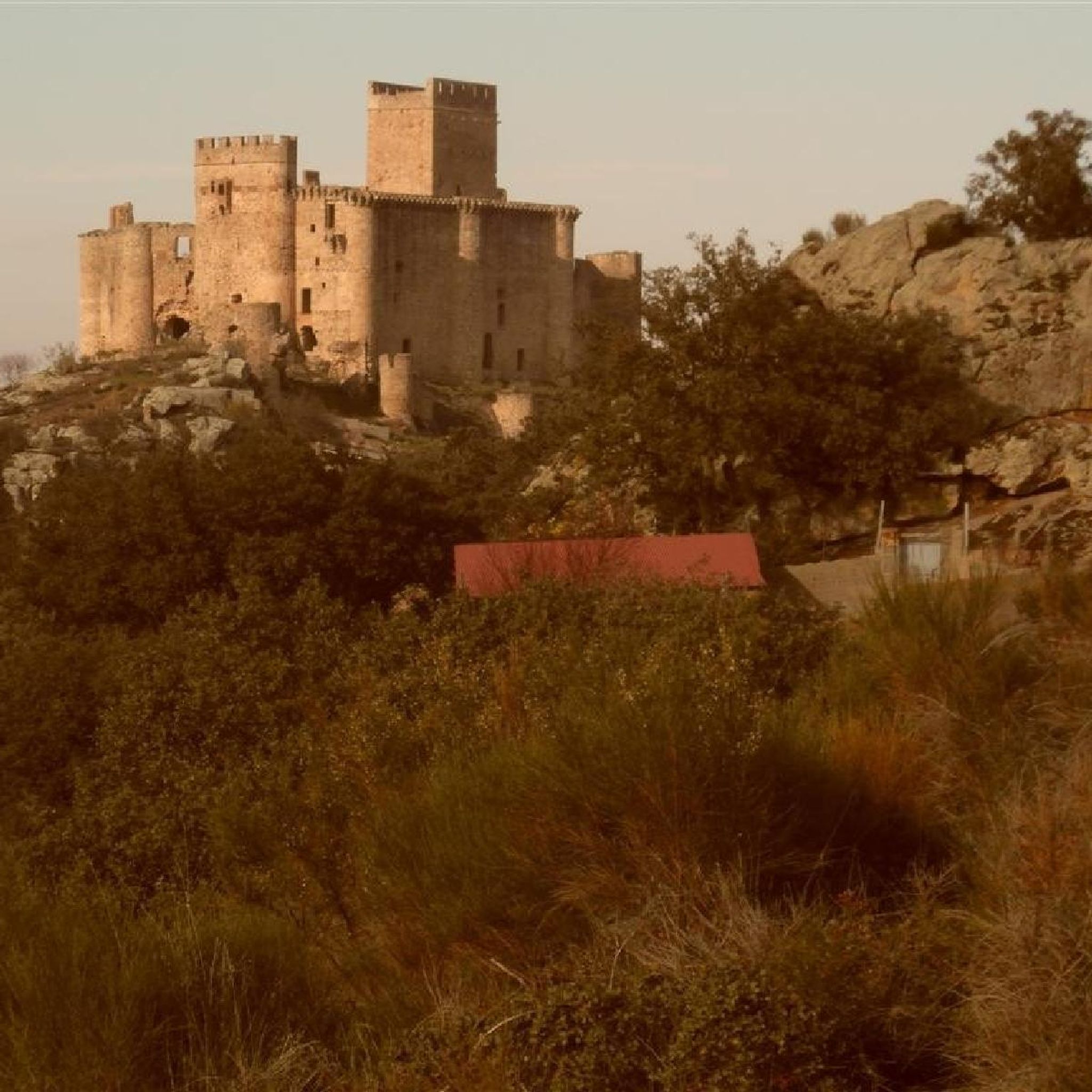
Cycling towards the city from the west, the path is lined with olive and oak trees and you will enjoy a spectacular view of the 14th century fortified Castillo de Monroy.
1
0
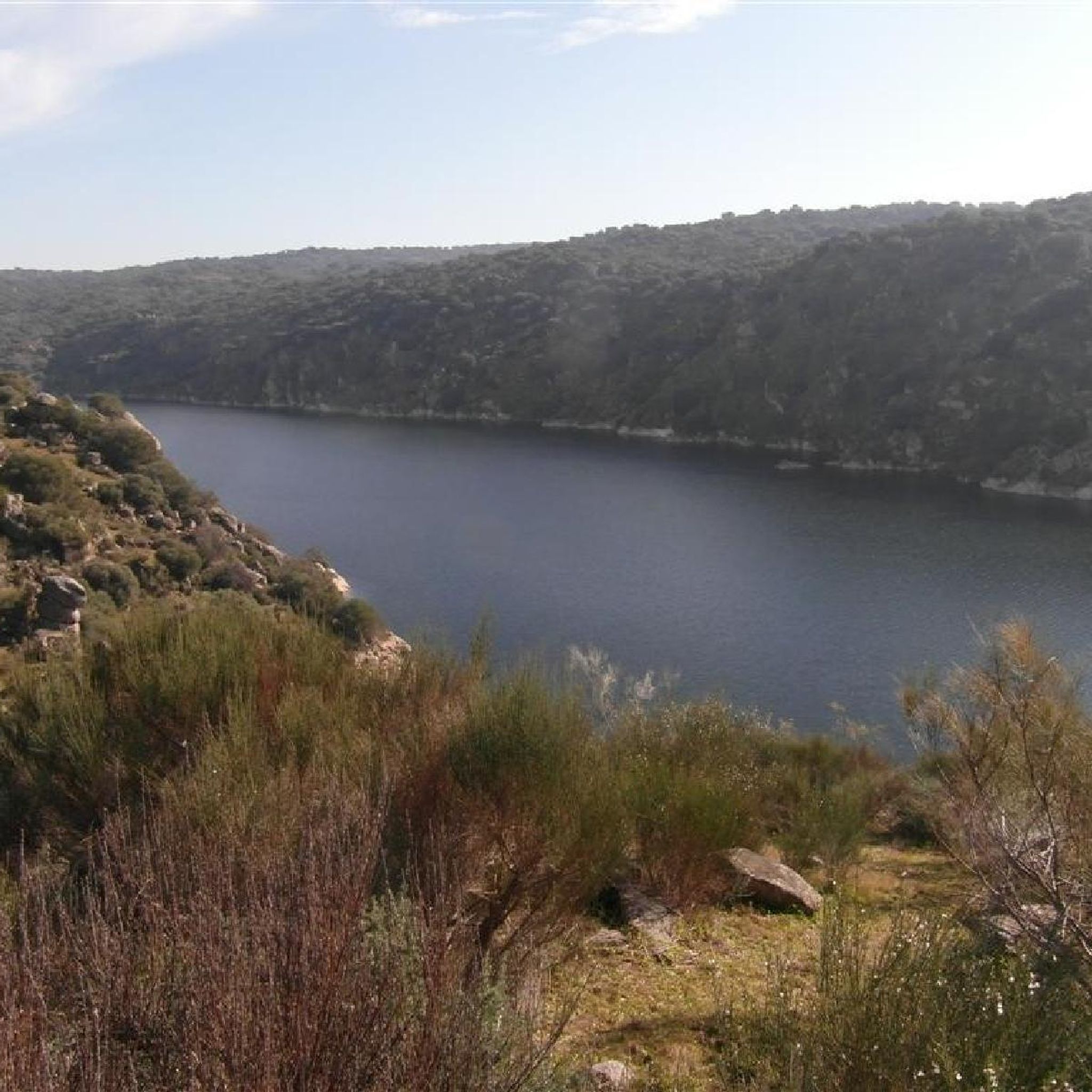
Almaraz is located near the Tagus River and the Almaraz reservoir. The Iglesia San Andrés dominates the horizon and together with the medieval Castle of Almaraz they represent the rich heritage of Alamaraz. Today, Almaraz is best known for its nuclear power plant.
0
0
Belvís de Monroy is a small town in the Campo Arañuelo region, next to the Tagus River, near the entrance to the Monfragüe National Park. The medieval castle of Belvís el Monroy dominates the town dominating the surrounding landscape and can be seen from afar.
1
0

Section that passes through the Laguna de la Feria, Convent of San Francisco del Berrocal and the Ermita del Berrocal.
10
0

beautiful route through Extremadura
3
0
Frequently Asked Questions
What historical sites, beyond traditional castles, can I explore near Valdehúncar?
Beyond the medieval fortresses, the Valdehúncar region offers unique historical sites. You can visit Cancho Castillo, a natural granite formation that once housed an 11th-century Islamic watchtower, featuring prehistoric rock engravings and geological marvels. Another significant site is La Muralla, a 'castro-type' settlement on a Tagus River meander, with evidence of continuous occupation from the Neolithic period and extensive prehistoric engravings. While not a castle, the submerged Roman ruins of Talaverilla (Augustobriga), with salvaged parts like the Roman portico of the Curia ('los mármoles') re-erected near the EX-118 highway, offer a fascinating glimpse into the region's Roman past.
Are there any viewpoints to see castles or natural features in the Valdehúncar area?
Yes, the region offers several scenic viewpoints. You can find a View of Castillo de Monroy, which provides spectacular views of the 14th-century fortified castle, often framed by olive and oak trees. Additionally, sites like Cancho Castillo offer panoramic views of the surrounding landscape and the Tagus River, showcasing both historical and natural beauty.
What kind of outdoor activities can I do near the castles around Valdehúncar?
The area around Valdehúncar and its historical sites is excellent for outdoor activities. You can find various hiking trails, including an easy circular route from Belvís de Monroy via the Berrocal Hermitage and San Francisco Convent. For cyclists, there are cycling routes like the Monroy Castle Loop or the challenging Valdecañas Reservoir Loop. If you enjoy running, there are also several running trails, such as loops from Navalmoral de la Mata.
Are there family-friendly historical sites or activities near Valdehúncar?
Yes, the region offers family-friendly options. The Almaraz Town Center and Historical Monuments, including the medieval Castle of Almaraz, are considered family-friendly. Exploring sites like Cancho Castillo and La Muralla can also be engaging for families, offering a blend of natural exploration, ancient history, and archaeological discoveries, such as prehistoric engravings.
What is the best time of year to visit the castles and historical sites in Valdehúncar?
While specific recommendations for Valdehúncar are not provided, generally, spring (April-May) and autumn (September-October) offer pleasant weather for exploring historical sites and engaging in outdoor activities like hiking and cycling in Extremadura. Summers can be very hot, and winters can be cooler, so checking local weather forecasts is advisable.
What are the main historical periods represented by the sites around Valdehúncar?
The historical sites around Valdehúncar showcase a vast timeline of human presence. You can find evidence from the Neolithic and Chalcolithic periods, Roman times (e.g., Talaverilla/Augustobriga), Islamic watchtowers from the 11th century (Cancho Castillo), and medieval castles from the 14th century (Castillo de Monroy, Castle of Belvís de Monroy, Castle of Almaraz). This rich history provides insights into various cultures and defense strategies over millennia.
Are there any dog-friendly trails or areas near the castles of Valdehúncar?
While specific dog-friendly designations for the castles themselves are not detailed, many of the hiking trails and natural areas around Valdehúncar are generally suitable for walks with dogs, provided they are kept on a leash and owners adhere to local regulations. Always check specific site rules before visiting with pets.
How long should I plan for a visit to the historical sites around Valdehúncar?
The duration of your visit depends on how many sites you wish to see and your interest level. For individual sites like Cancho Castillo or La Muralla, you might spend 1-2 hours exploring. If you plan to visit multiple castles and historical monuments, such as the Castle of Belvís de Monroy and the Almaraz Town Center, and combine it with a hike or cycle, a full day or even a weekend would allow for a more comprehensive experience.
What are the accessibility options for castles and historical sites in the Valdehúncar area?
Accessibility can vary significantly between sites. Many medieval castles and ancient archaeological sites, due to their age and terrain, may have limited accessibility for wheelchairs or those with mobility challenges. Natural sites like Cancho Castillo involve uneven ground. It's recommended to check specific accessibility details for each site you plan to visit, as information for Valdehúncar is not universally available.
Where can I find amenities like cafes or accommodation near the castles?
The towns associated with the castles, such as Belvís de Monroy and Almaraz, are likely to offer local cafes, restaurants, and potentially accommodation options. For a wider range of services, larger nearby towns would be a good resource. It's advisable to check local listings for current establishments.
What makes Cancho Castillo a unique historical site?
Cancho Castillo is unique because it's not a constructed fortress in the traditional sense, but rather an 11th-century Islamic watchtower built upon a natural, imposing granite formation. Its strategic location between Valdehúncar and the Tagus River, combined with its natural defensive possibilities, made it ideal for surveillance. The site is also notable for archaeological findings, including pottery and numerous cave engravings from Neolithic to Roman times, and fascinating geological formations like 'mushroom rocks' and 'tors'.
What is the significance of La Muralla in the Valdehúncar region?
La Muralla is a significant 'castro-type' settlement located on a peninsula formed by a meander of the Tagus River. Its importance lies in its long and continuous history of occupation, with evidence of settlements from the Neolithic period through the Middle Ages. It is considered one of the densest areas in Extremadura for prehistoric engravings, highlighting its role as an ancient population center and providing valuable insights into the historical sequence of Alta Extremadura.
Most popular routes around Valdehúncar
Most popular attractions around Valdehúncar

Get inspired with the komoot mobile app


Explore more
Looking for the best castles somewhere else? Discover other guides around Valdehúncar:
