Top 20 Natural Monuments around Tivissa
Best natural monuments around Tivissa are located within the Ribera d'Ebre region of Catalonia, Spain. This area is characterized by its karstic mountain ranges and rugged relief, providing a diverse landscape. The region offers numerous opportunities for exploration and appreciating natural features. Tivissa's natural monuments present a blend of geological formations and historical significance.
Best natural monuments around Tivissa
- The most popular natural monuments is Hermitage of Mare de Déu de la Roca, a religious building integrated into the…
Last updated: July 1, 2026
Hermitage of Mare de Déu de la Roca
Highlight • Religious Site
Around …
Translated by Google •
Tip by

L'Illot Rock and Beach
Highlight • Beach
Translated by Google •
Tip by

Sign up now to discover places like this
Get recommendations on the best single tracks, peaks, & plenty of other exciting outdoor places.
Sign up for free
Cala Forn Beach
Highlight • Beach
Translated by Google •
Tip by

Platja del Torn
Highlight • Viewpoint
Translated by Google •
Tip by
Llop Marí Cove and Cave
Highlight • Cave
Translated by Google •
Tip by

Sign up for free to discover even more natural monuments around Tivissa.
Sign up for free
Already have an account?
Start today with a free account
Your next adventure awaits.
Login or Signup
Popular around Tivissa
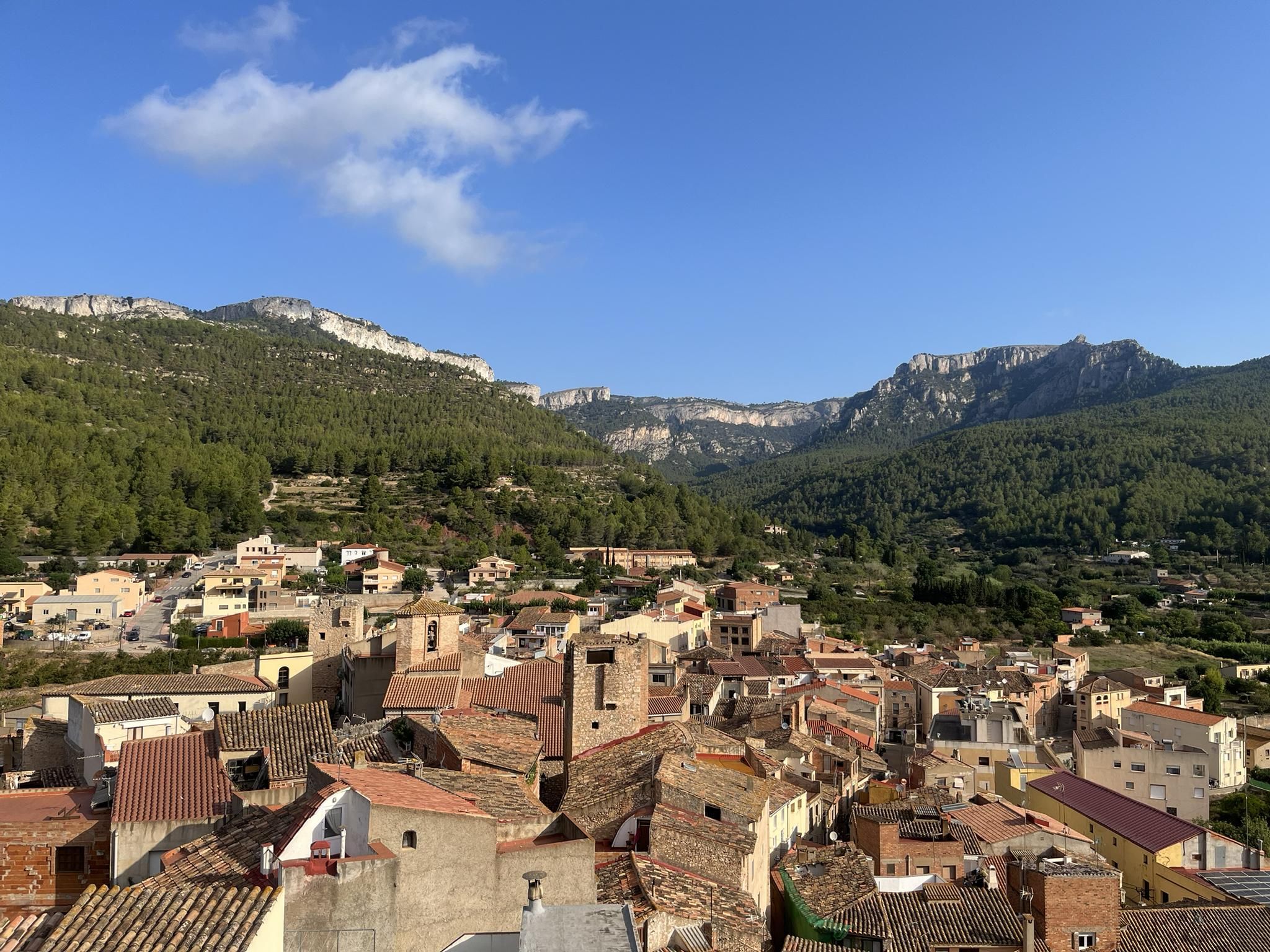
From Cambrils to the Ebro Delta - Camí del Vent (GR 192)
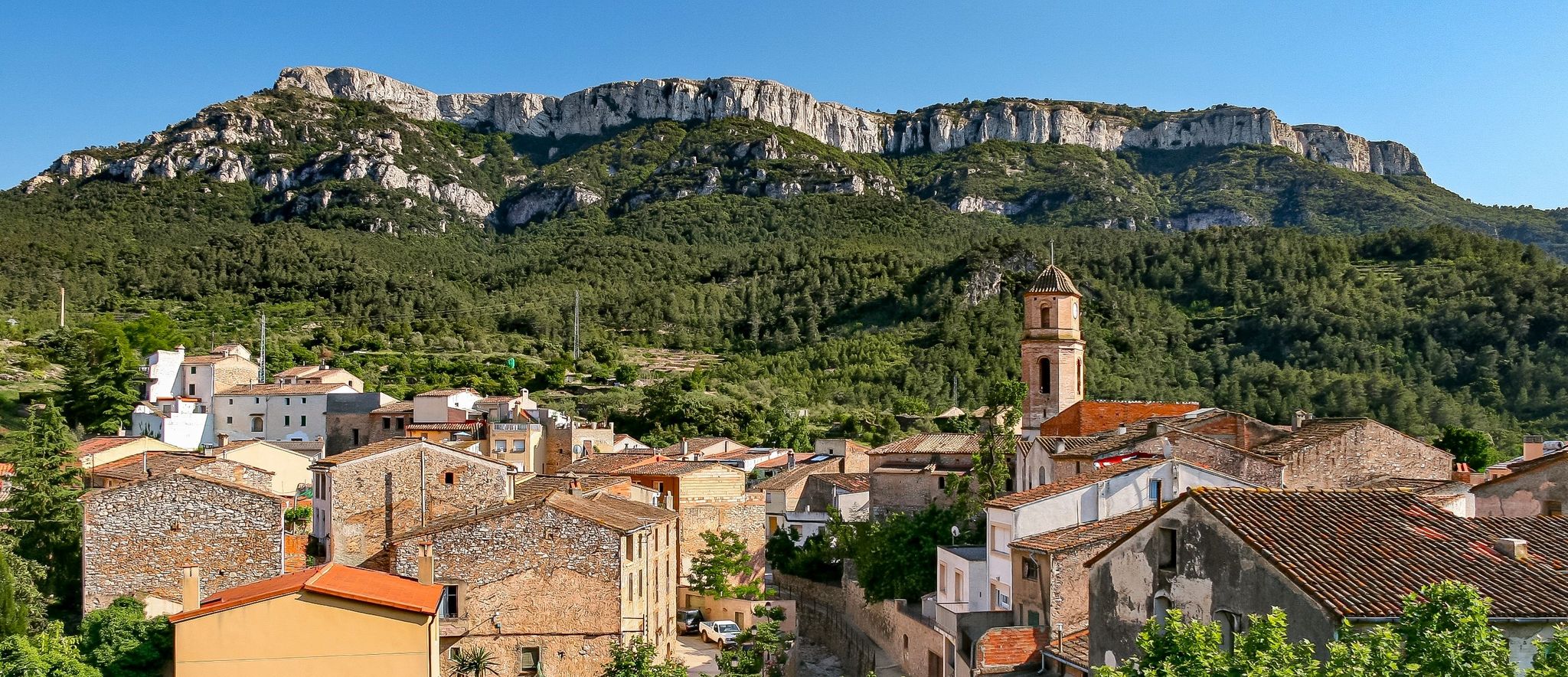
A land of contrasts – Tarragona to the Pyrenees on the GR 7
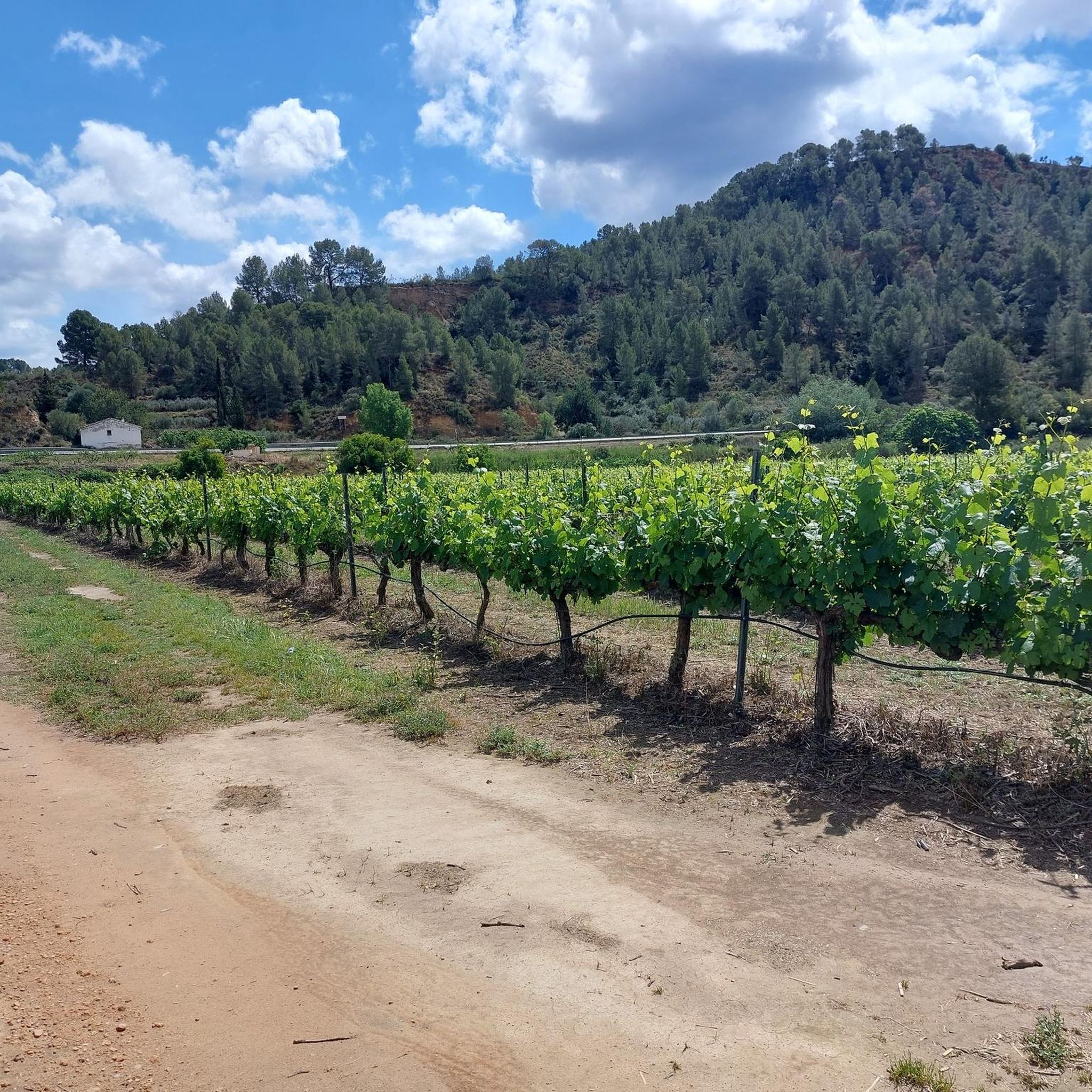
Hiking around Tivissa
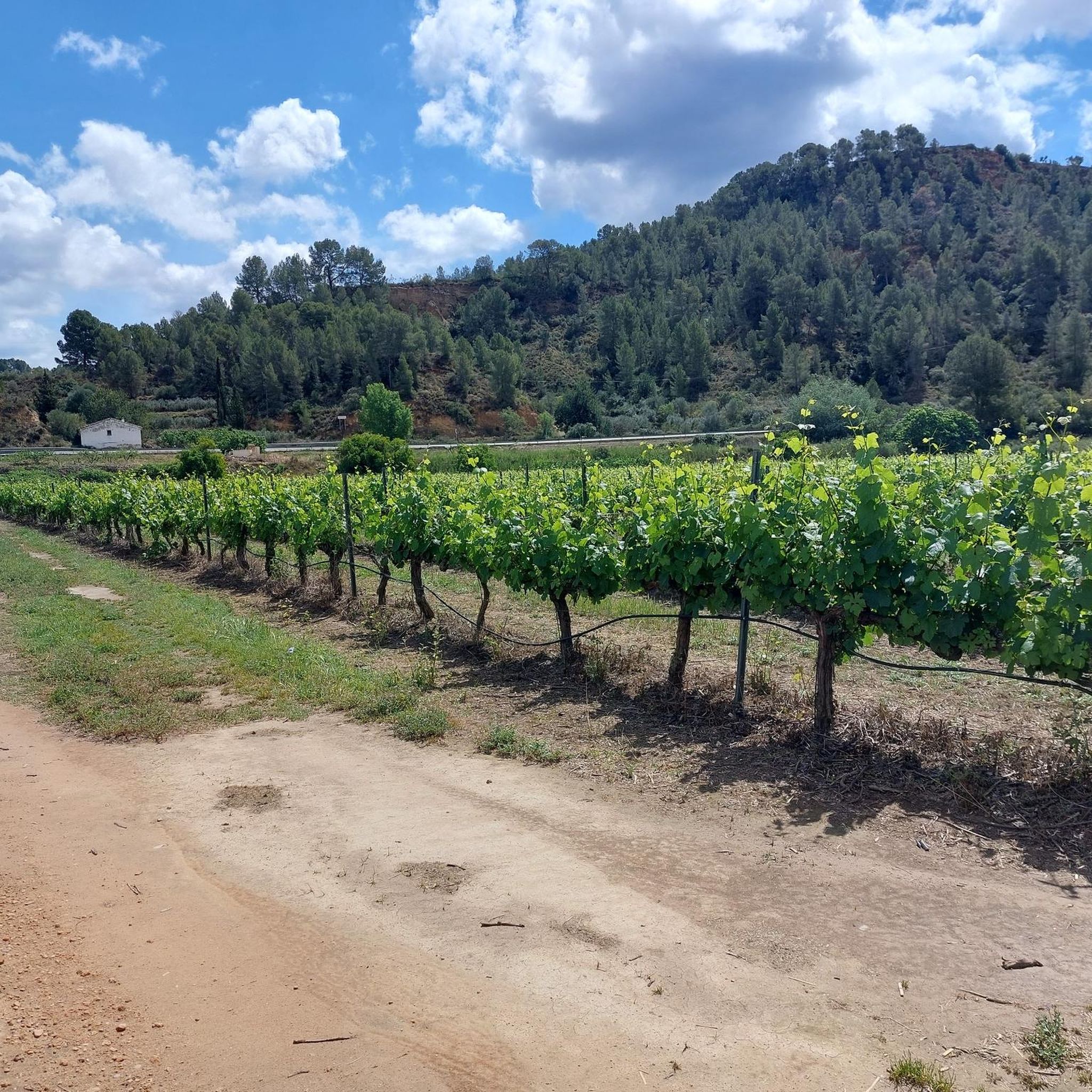
Road Cycling Routes around Tivissa
MTB Trails around Tivissa
Running Trails around Tivissa
Cycling around Tivissa

Gravel biking around Tivissa

Mountain Hikes around Tivissa


Tips from the Community


On Illot beach, there is a small island that is almost attached to the beach. It is a beautiful place, with a rugged and wild environment.
1
0

Like so much of the coast in this region: PICTURESQUE and SIMPLY BEAUTIFUL...
0
0
Secluded small stone beach near l'Ampolla. Ideal for children.
0
0

As its name indicates, this cove hides a picturesque cavity in the rock that has been the source of legends. One of them says that the Llop Marí (sea wolf) hides here, a mythological animal that was supposed to attack the pirates who were hiding in the cave. In summer, the cove and its cave are so attractive and popular that it is necessary to reserve access.
2
0

A few meters further, next to point 30.3, next to the path, under a rock, there is a small crib. Plus the beautiful view of the sea and the beach 😍.
0
0

Please keep the environment clean 👍🏻
0
0

Near Torn beach is the mysterious Llop Marí cave. It is a cavity dug by the sea in the bowels of the mountain where we can discover the legend of the Sea Wolf. This is a fantastic animal created by the god Neptune, which attacked the pirates who approached the coast of l'Hospitalet de l'Infant and which, according to them, took refuge in this cave. It seems that it disappeared years ago, although some fishermen claim to have seen it recently... Once in the cave you can enjoy a large and surprising space. At the back of this room there is a small beach that varies in size depending on the state of the sea. In this paradisiacal environment, there is a zig-zag side gallery of approximately 18 meters in length, with a width of four meters and an altitude of almost two meters that decreases as you move forward. A chimney starts the gallery and a column divides it at a point in the middle. Here you can observe some interesting processes of lithogenesis. IMPORTANT ‼️ Reservations to access the Sea Wolf Cave https://www.hospitalet-valldellors.cat/reservescova/ In high season (from June 24 to September 11) the schedule for making reservations to access the Cova del llop Marí is from 9:00 a.m. to 4:00 p.m. in 30-minute intervals, with 15:30 the last time that access will be granted. The duration of the stay inside the cave is limited to 30 minutes. Once this time has passed, the space must be left free for the next round of visitors. Reservations must be made before 19:00 the day before the visit. Reservations cannot be made for the same day of the visit. The reservation will be confirmed by email. If this confirmation email or validation code is not available, the reservation request will not be valid. On the day of the visit, you must validate the reservation with the guard located on the beach of the cave, who will assign a credential to access. It is recommended to be 10 minutes before the assigned time to do this validation.
1
1
Frequently Asked Questions
What are the most popular natural monuments around Tivissa?
Among the most popular natural monuments, visitors frequently highlight the Hermitage of Mare de Déu de la Roca, known for its integration into the red mountain and its surrounding picnic areas. Other favorites include Platja del Torn, an internationally renowned naturist beach with transparent waters and natural vegetation, and L'Illot Rock and Beach, a rugged and wild beach featuring a small island almost attached to the shore.
Are there family-friendly natural monuments in the Tivissa area?
Yes, several natural monuments are suitable for families. L'Illot Rock and Beach offers a beautiful, wild environment for exploration. Cala Forn Beach is another excellent option, featuring fine sand, easy access, and amenities like showers and toilets, making it convenient for families. The surroundings of the Hermitage of Mare de Déu de la Roca also provide signposted spaces for eating and resting outdoors, perfect for a family outing.
What kind of outdoor activities can I do near Tivissa's natural monuments?
The region around Tivissa's natural monuments, particularly within the Muntanyes de Tivissa-Vandellòs Protected Natural Area, is ideal for various outdoor activities. You can enjoy hiking, mountain biking, and climbing. For specific routes, explore the Mountain Hikes around Tivissa, Running Trails around Tivissa, and Gravel biking around Tivissa guides for detailed route information.
Are there any historical or cultural sites integrated with the natural monuments?
Absolutely. The Hermitage of Mare de Déu de la Roca is a prime example, a religious building brilliantly integrated into the red mountain, offering both cultural heritage and natural beauty. The broader Muntanyes de Tivissa-Vandellòs Protected Natural Area also contains historical elements such as Iberian settlements, abandoned villages, and old watchtowers. Additionally, Cala Forn Beach is located near the remains of the 17th-century Sant Jordi d'Alfama castle, built on a 12th-century medieval fortification.
What geological features are prominent among Tivissa's natural monuments?
Tivissa is characterized by its karstic mountain ranges and rugged relief. The Muntanyes de Tivissa-Vandellòs Protected Natural Area showcases two distinct karstic mountain ranges. The Hermitage of Mare de Déu de la Roca is famously situated on a highly eroded reddish sandstone rock, providing stunning panoramic views. The region also features notable caves, such as the Llena Caves, which are geological formations popular for rock climbing, and the intriguing Llop Marí Cove and Cave, a cavity carved by the sea.
Can I visit caves with prehistoric rock paintings in Tivissa?
Tivissa is home to significant caves containing Neolithic rock paintings, which are a UNESCO World Heritage Site. These include Cova del Cingle, Cova del Taller, Cova del Ramat, and Cova del Pi. While their archaeological and historical value is immense, direct access to these caves is generally restricted to ensure their preservation. However, their existence highlights the deep historical connection between humans and the Tivissa landscape.
What wildlife can I expect to see in the natural monuments area?
The Muntanyes de Tivissa-Vandellòs Protected Natural Area is rich in biodiversity. Its crags are home to numerous birds of prey. The region also marks the northern limit for the Bedriaga's skink and the northeastern limit for the Spanish ribbed newt. Mammals such as badgers, foxes, weasels, and genets also inhabit the area, making it an excellent destination for environmental observation.
Are there any natural monuments that require reservations or have specific access rules?
Yes, the popular Llop Marí Cove and Cave often requires reservations, especially during the summer months (from June 24 to September 11), due to its popularity. Access is typically granted in 30-minute intervals, and reservations must be made the day before your visit. You can find more information and make reservations at hospitalet-valldellors.cat/reservescova/.
What are the best natural monuments for scenic views?
For breathtaking vistas, the Hermitage of Mare de Déu de la Roca offers stunning panoramic views that include the Costa Daurada and the nearby Serra de Llaberia. Platja del Torn also provides excellent views of the sea and its natural surroundings, with areas of dune vegetation and pine forests. The entire countryside of Tivissa is noted for its spectacular views and scenic landscapes.
Are there any natural monuments with beach access and facilities?
Yes, Cala Forn Beach is a natural monument that offers fine sand, easy access by car, and numerous services during the summer season, including a bar, surveillance, showers, and toilets. It's a fairly wide beach, ideal for a comfortable day by the sea. Platja del Torn also provides beach access within a natural interest area, though it's known as a naturist beach.
What do visitors enjoy most about the natural monuments around Tivissa?
Visitors frequently praise the diverse landscapes, from the rugged karstic mountains to the beautiful coastal beaches. The blend of natural beauty with historical elements, such as the ancient castle remains near Cala Forn Beach or the hermitage integrated into the rock at Mare de Déu de la Roca, is highly appreciated. The opportunities for outdoor activities like hiking and the tranquility of spots like Platja del Torn are also popular highlights.
Are there any specific hiking trails that pass through or near these natural monuments?
Yes, several paths offer access to or pass near the natural monuments. The GR-192, also known as Camino Viejo de Ia Ermita, provides a route to the Hermitage of Mare de Déu de la Roca and connects to Mont-roig. The GR92 also passes by Cala Forn Beach. For more extensive hiking options, you can explore the Mountain Hikes around Tivissa guide, which includes routes like the 'Cova de la Llena loop from Tivissa'.
Most popular routes around Tivissa
Most popular attractions around Tivissa

Get inspired with the komoot mobile app


Explore more
Extend your search for the best caves by checking out these guides of the top ones around Tivissa:
