Top 8 Mountain Passes around Torroja Del Priorat
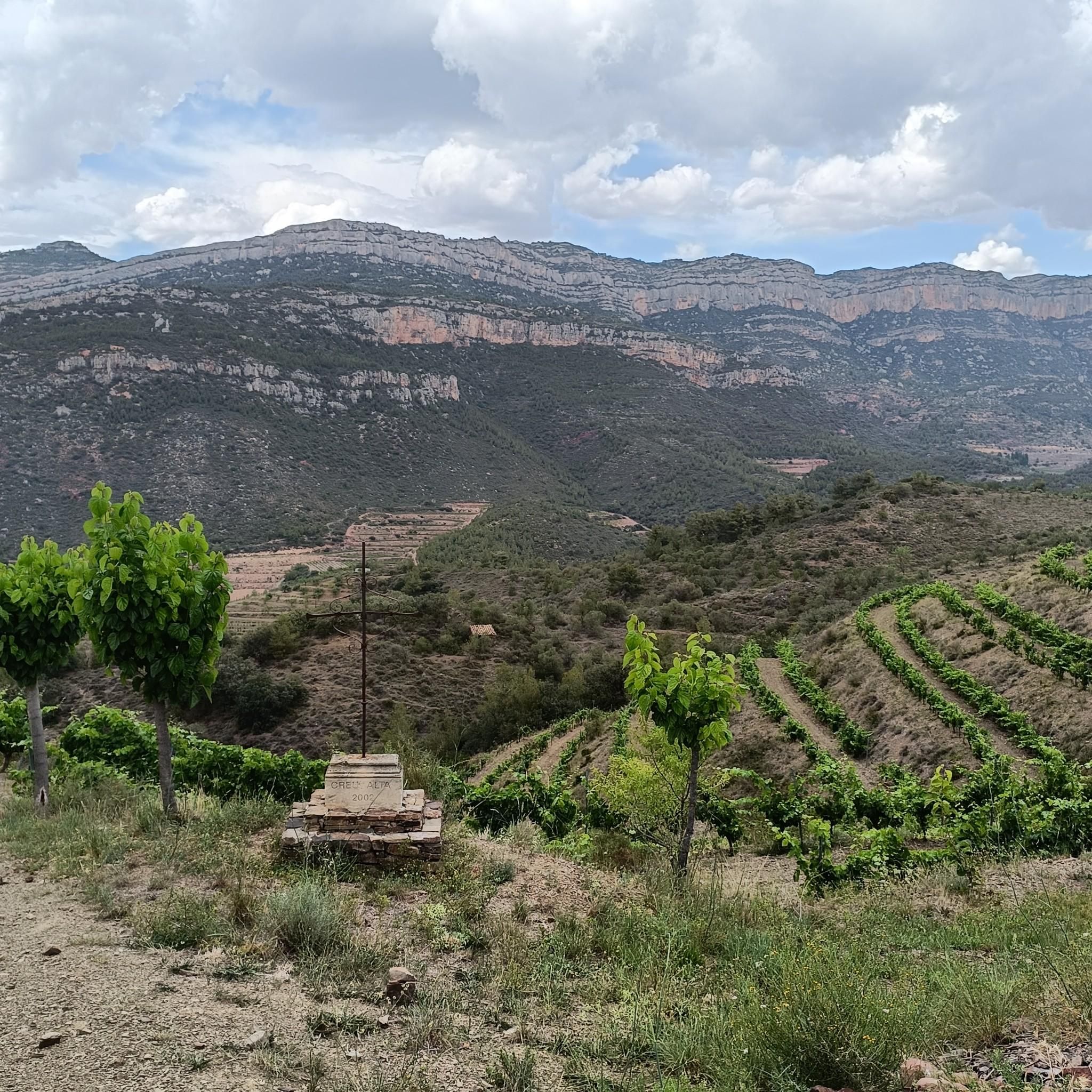
Mountain passes around Torroja Del Priorat traverse a landscape of rolling hills, vineyards, and rugged mountains in Catalonia's Priorat wine region. The area features notable natural passes that link different counties and offer routes through a rich winemaking territory. These passes are valued for their scenic routes and provide access to various hiking trails and viewpoints. The region's unique "llicorella" (slate) soil is a defining characteristic of its natural environment.
Best mountain passes around Torroja Del Priorat
- The most popular…
Last updated: July 1, 2026
Coll d'Albarca
Highlight (Segment) • Mountain Pass
Translated by Google •
Tip by

Coll d'Alforja
Highlight (Segment) • Mountain Pass
Translated by Google •
Tip by
Sign up now to discover places like this
Get recommendations on the best single tracks, peaks, & plenty of other exciting outdoor places.
Sign up for free
Coll de la Teixeta
Highlight • Mountain Pass
Translated by Google •
Tip by

Coll de Porrera (La Paret)
Highlight • Mountain Pass
The ascent to the pass ends at an altitude of 531 meters and, …
Translated by Google •
Tip by

Grau del Carabassal
Highlight • Climb
Translated by Google •
Tip by

Sign up for free to discover even more mountain passes around Torroja Del Priorat.
Sign up for free
Already have an account?
Start today with a free account
Your next adventure awaits.
Login or Signup
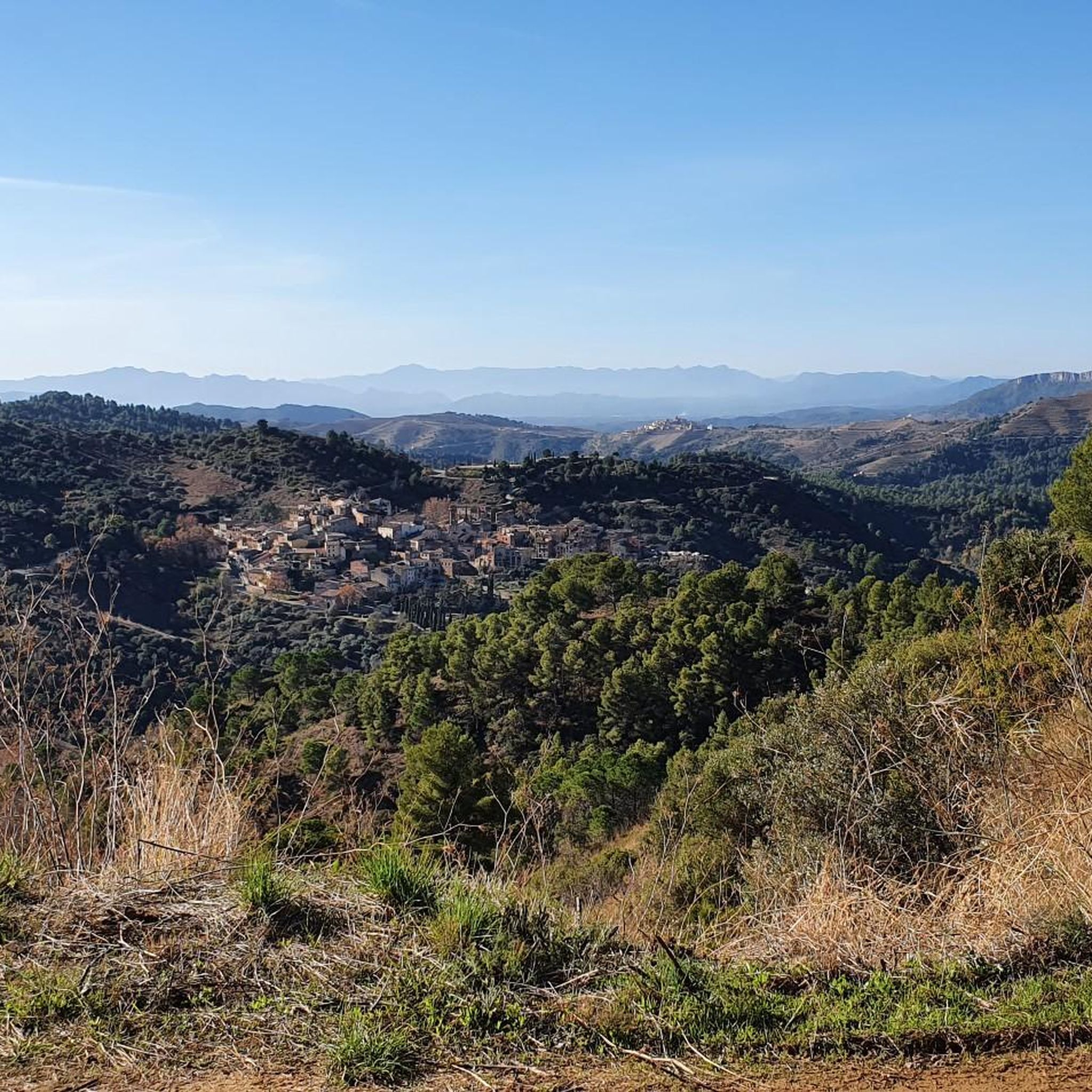
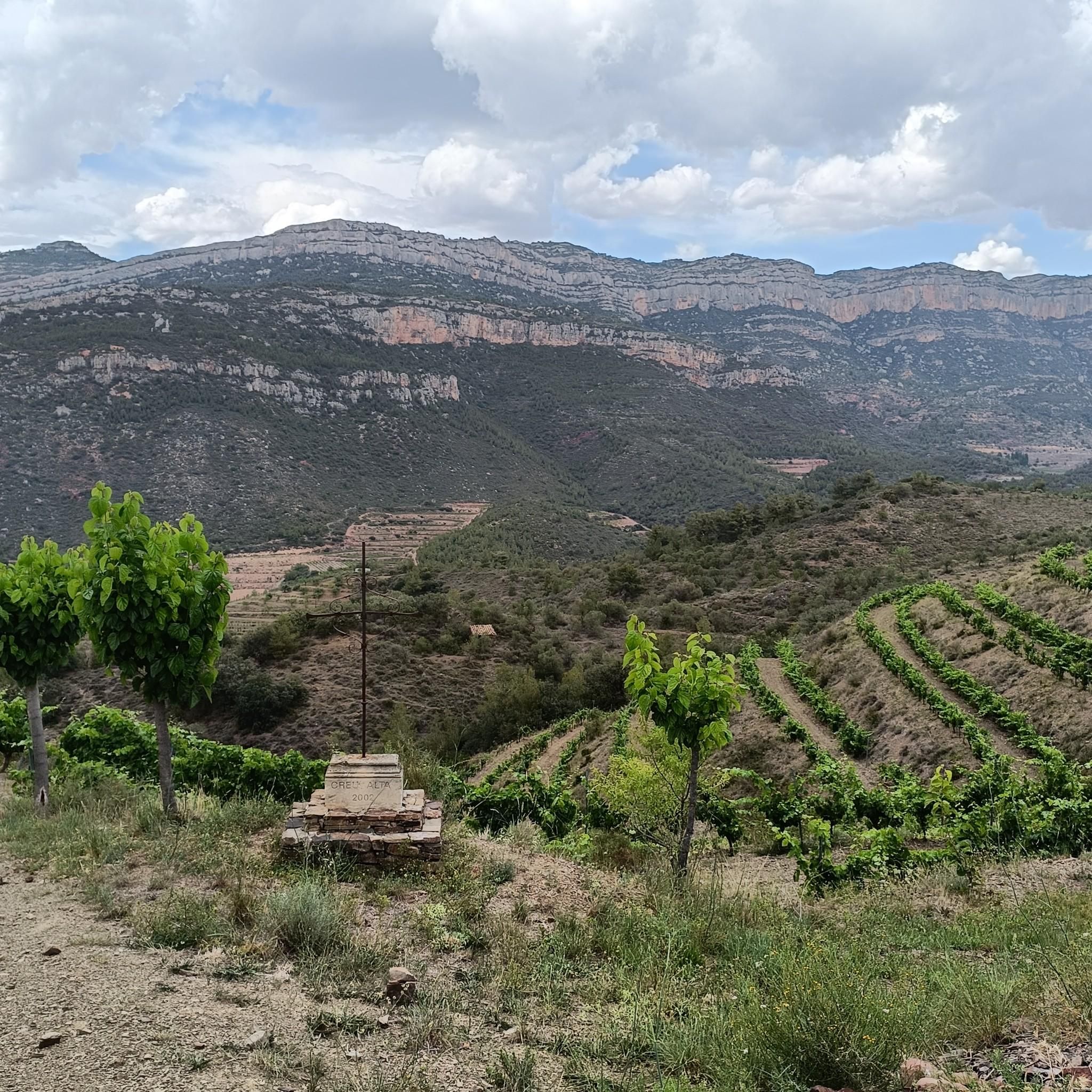
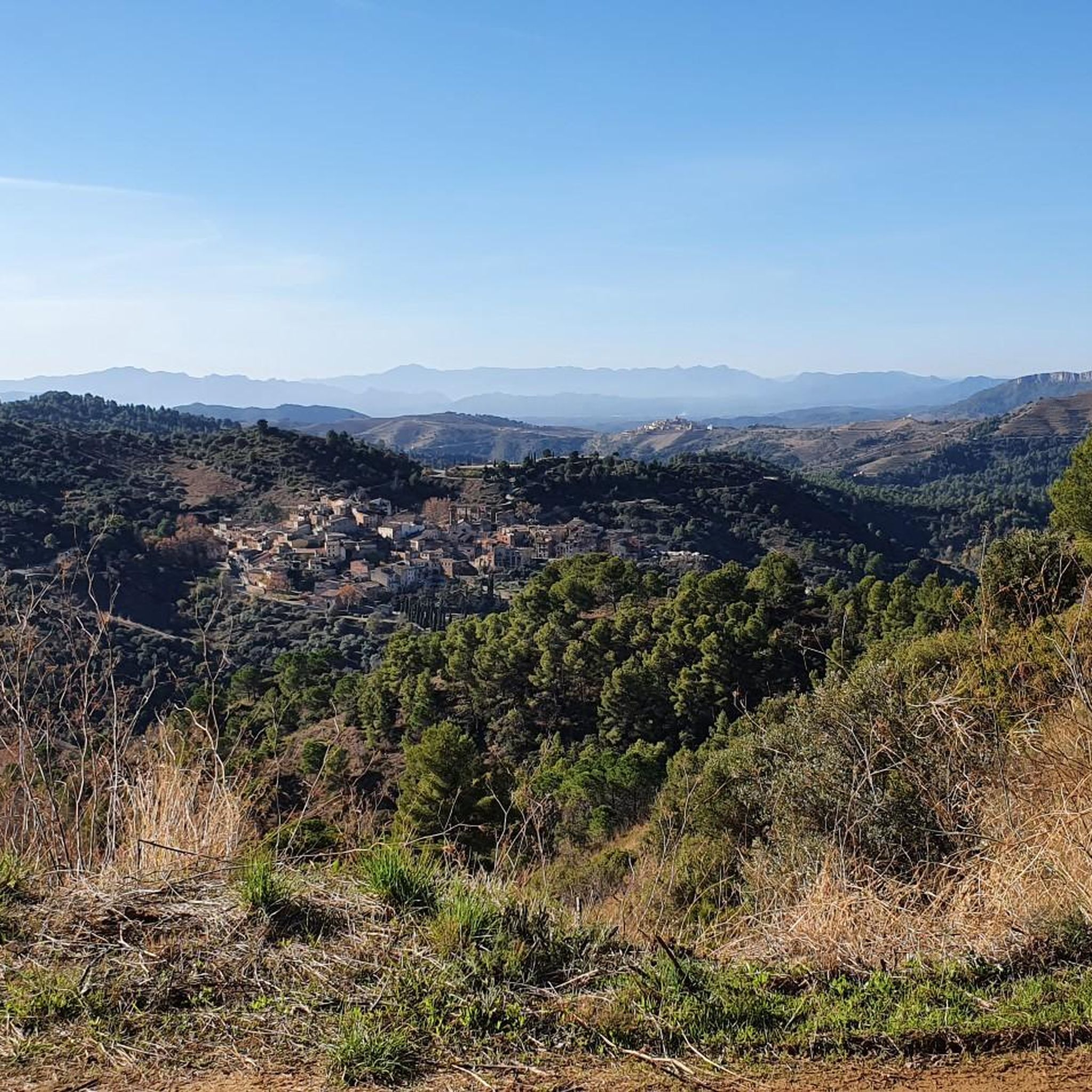
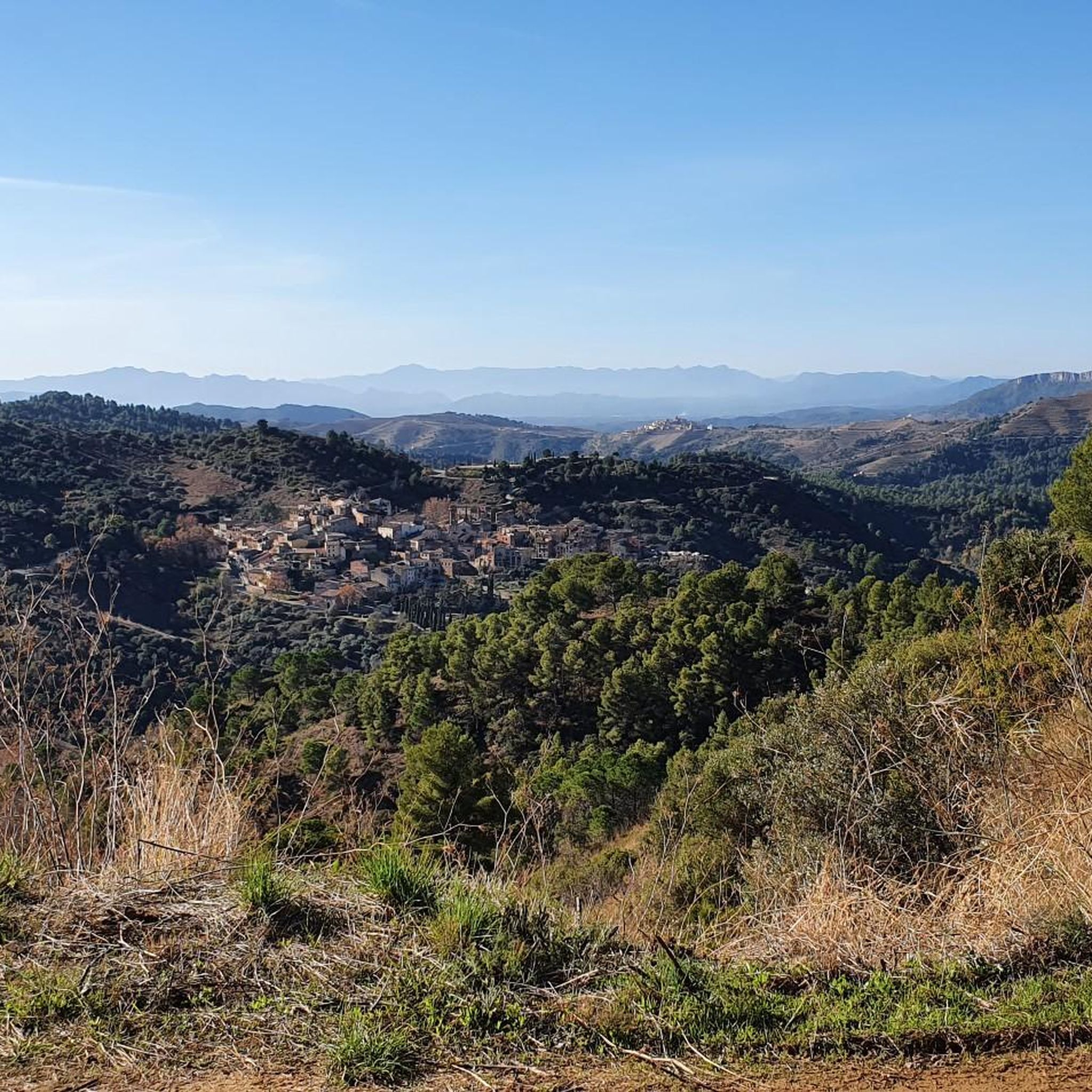

Tips from the Community

Magnificent passage! No major danger if you don't have vertigo!
0
0


Pass between Tarragona and towards Teruel along the N420. It is also a crossing point for the GR7, on a gravel route you can follow the Porrera path towards Argentera, under the cliffs of the Serra de Llaberia.
1
1
This mountain pass is the passage from the Serra de Montsant towards the Serra de Llaberia, and is also a crossroads between Tarragona and Aragon, towards Alcanyís on the N420. It is also a crossing point for the GR7.
1
1


The southern slope of this port is very steep (like the vast majority in the area). There are no significant ramps, always below 6%. Unlike the passes in the Prades and Montsant mountains, this pass has long straights and the road is not winding. The views from the top are very beautiful, especially towards the north slope. In spring, the descent down the northern slope towards Ulldemolins is amazing, with a very striking contrast of yellow, green and red. In my opinion, as indicated on the website www.cyclingcols.com, the southern slope of this port begins before Cornudella de Montsant, specifically at the junction with the T-702 road, where you can go to Poboleda or Cornudella del Montsant . I leave you the link with the cyclingcols.com profile -- http://www.cyclingcols.com/col/Albarca
0
0
It's a gradual 5km climb with an average gradient of 4.8%, along a very winding road (as are all the roads in the area), which is usually busy on weekends. The climb is mostly open and offers views, except for the final section which is covered by more vegetation. Upon reaching the summit, leaving to the left the road that climbs higher to Castillejos and the Alto de la Mussara, on clear days with good visibility, you can even see the sea.
0
0

Coll de la Teixeta is a mountain pass that is 541 meters above sea level. It unites the Tarragona counties of Priorat and Baix Camp and is located between the Sierra de Puigcerver and the Sierra de Pradell.
1
0
Frequently Asked Questions
What are some notable mountain passes to explore around Torroja Del Priorat?
The region offers several distinctive mountain passes. For panoramic views, consider Coll d'Albarca, one of the highest points between the Serra de Montsant and Muntanyes de Prades. Coll de la Teixeta is known for its serene roads and views of the Riudecanyes reservoir, forming part of the GR 174 hiking trail. For a challenging cycling experience through vineyards, Coll de Porrera, also known as "Lo Mur" (The Wall), offers steep climbs and rewarding vistas over Porrera and the Cortiella valley.
Are there challenging mountain passes for experienced cyclists near Torroja Del Priorat?
Yes, the Coll de Porrera (also known as Coll de les Marrades or "La Pared") is highly recommended for experienced cyclists. It features steep slopes, especially from the Porrera side, with an average gradient of 7.1% and maximums reaching 10.6% over a relatively short 3.2-kilometer ascent. The route is enveloped by vineyards, offering an immersive experience.
What natural features and viewpoints can I expect to see from the mountain passes?
From these passes, you can expect diverse natural beauty. Coll d'Albarca offers beautiful views of the surrounding landscape, including the Serra de Montsant and Muntanyes de Prades. Coll de la Teixeta provides vistas of the Riudecanyes reservoir and showcases the unique 'llicorella' (slate) soil of the Priorat. From Coll d'Alforja, on clear days, views can extend all the way to the sea.
Are there hiking trails that incorporate these mountain passes?
Yes, several passes are integrated into hiking networks. Coll de la Teixeta forms part of the GR 174 hiking trail, known as the "Sendero del Priorat," which allows visitors to experience mountainous landscapes, vineyards, and medieval villages. The area around Coll de Porrera is also part of various "wine trails" connecting the region's villages.
What is the best time to visit the mountain passes around Torroja Del Priorat?
The region is generally pleasant for outdoor activities from spring through autumn. Spring offers a striking contrast of yellow, green, and red colors, especially on the northern slope descent from Coll d'Albarca. The mild temperatures make it ideal for cycling and hiking. Summers can be hot, but early mornings or late afternoons are still enjoyable. Autumn brings beautiful vineyard colors during harvest season.
What outdoor activities can I do near these mountain passes?
Beyond exploring the passes themselves, the area around Torroja Del Priorat offers a variety of outdoor activities. You can find numerous hiking trails, including easy loops like the Escaladei Charterhouse – View of the Montsant Range loop. For cyclists, there are challenging routes like the ones over Coll de Porrera. Mountain biking is also popular, with MTB trails such as the Escaladei and La Morera de Montsant Loop available.
Are there any family-friendly options for exploring the mountain passes?
While many passes offer challenging routes, some sections or nearby trails can be suitable for families. For instance, the Grau del Carabassal, though a climb, is noted as being suitable for children, provided sturdy shoes are worn and there's no vertigo. When planning, look for easier hiking routes in the broader region, such as those around Escaladei, which offer shorter distances and moderate difficulty.
What is the significance of the 'llicorella' soil mentioned in the region?
The 'llicorella' soil refers to the unique slate soil found in the Priorat region. This distinctive geological feature is crucial for its renowned winemaking, contributing to the unique character and minerality of Priorat wines. You can observe this soil type particularly well from passes like Coll de la Teixeta, which offers views showcasing this viticultural landscape.
Where can I find accommodation or services near the mountain passes?
Torroja del Priorat and nearby villages like Porrera and Cornudella de Montsant offer various services. You'll find cafes, restaurants, and accommodation options in these villages, which serve as excellent bases for exploring the surrounding mountain passes and vineyards. These villages are often integrated into the wine trails, providing convenient stops.
What makes the mountain passes around Torroja Del Priorat unique?
The mountain passes in this region are unique due to their integration into the Priorat wine landscape. They offer scenic routes through vineyards, showcasing the distinctive 'llicorella' soil, and connect different counties like Priorat and Baix Camp. Many passes provide challenging climbs for cyclists and access to hiking trails that traverse both mountainous terrain and viticultural areas, offering a deep connection to the local wine culture and stunning panoramic views.
Is there parking available at the trailheads or near the mountain passes?
While specific parking details for every trailhead are not always provided, generally, you can find parking in the nearby villages such as Torroja del Priorat, Porrera, or Cornudella de Montsant. These villages serve as common starting points for exploring the passes and associated trails. It's advisable to check local signage for designated parking areas.
What are the average gradients for climbs on these passes?
The gradients vary depending on the pass and approach. For example, the western approach to Coll d'Alforja offers a gradual 5 km climb with an average gradient of 4.8%. Coll de la Teixeta has an average gradient of around 4.6% from Duesaigües and 4.2% from Porrera. The Coll de Porrera is steeper, with an average gradient of 7.1% and maximums reaching 10.6%.
Most popular routes around Torroja Del Priorat
Most popular attractions around Torroja Del Priorat

Get inspired with the komoot mobile app


Explore more
See even more epic mountain passes by checking out these guides around Torroja Del Priorat:
