Top 10 Natural Monuments around Serón
Best natural monuments around Serón are situated on the northern slopes of the Sierra de los Filabres in Almería, offering a rich natural heritage. This region provides diverse experiences, from ancient trees to panoramic mountain vistas and trails. Serón's landscape is characterized by its mountainous terrain, including parts of the Sierra de los Filabres, and features like the Almanzora Greenway. The area combines natural beauty with historical and geological interest, making it suitable for outdoor exploration.
Best natural monuments around…
Last updated: June 17, 2026
Aljibe de Serón
Highlight • Natural Monument
Translated by Google •
Tip by

Sierras de Baza and Los Filabres
Highlight • Mountain Pass
Tip by

Sign up now to discover places like this
Get recommendations on the best single tracks, peaks, & plenty of other exciting outdoor places.
Sign up for free
Mirador de Piedra Lobera
Highlight • Viewpoint
Translated by Google •
Tip by

Fuente Perica Spring
Highlight • Natural Monument
Translated by Google •
Tip by
Cueva de la Paloma
Highlight • Cave
Translated by Google •
Tip by
Sign up for free to discover even more natural monuments around Serón.
Sign up for free
Already have an account?
Start today with a free account
Your next adventure awaits.
Login or Signup
Popular around Serón
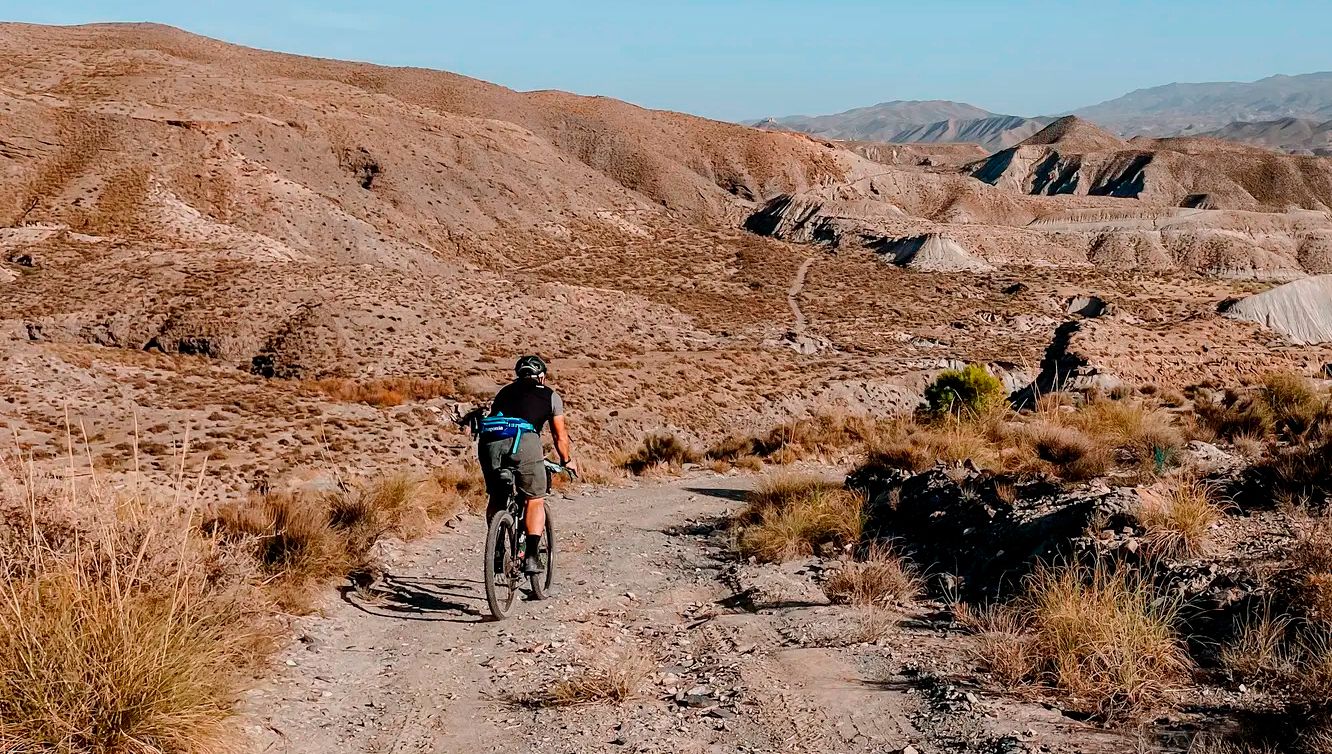
TransAlmería Gravel – Summits, dry riverbeds and deserts
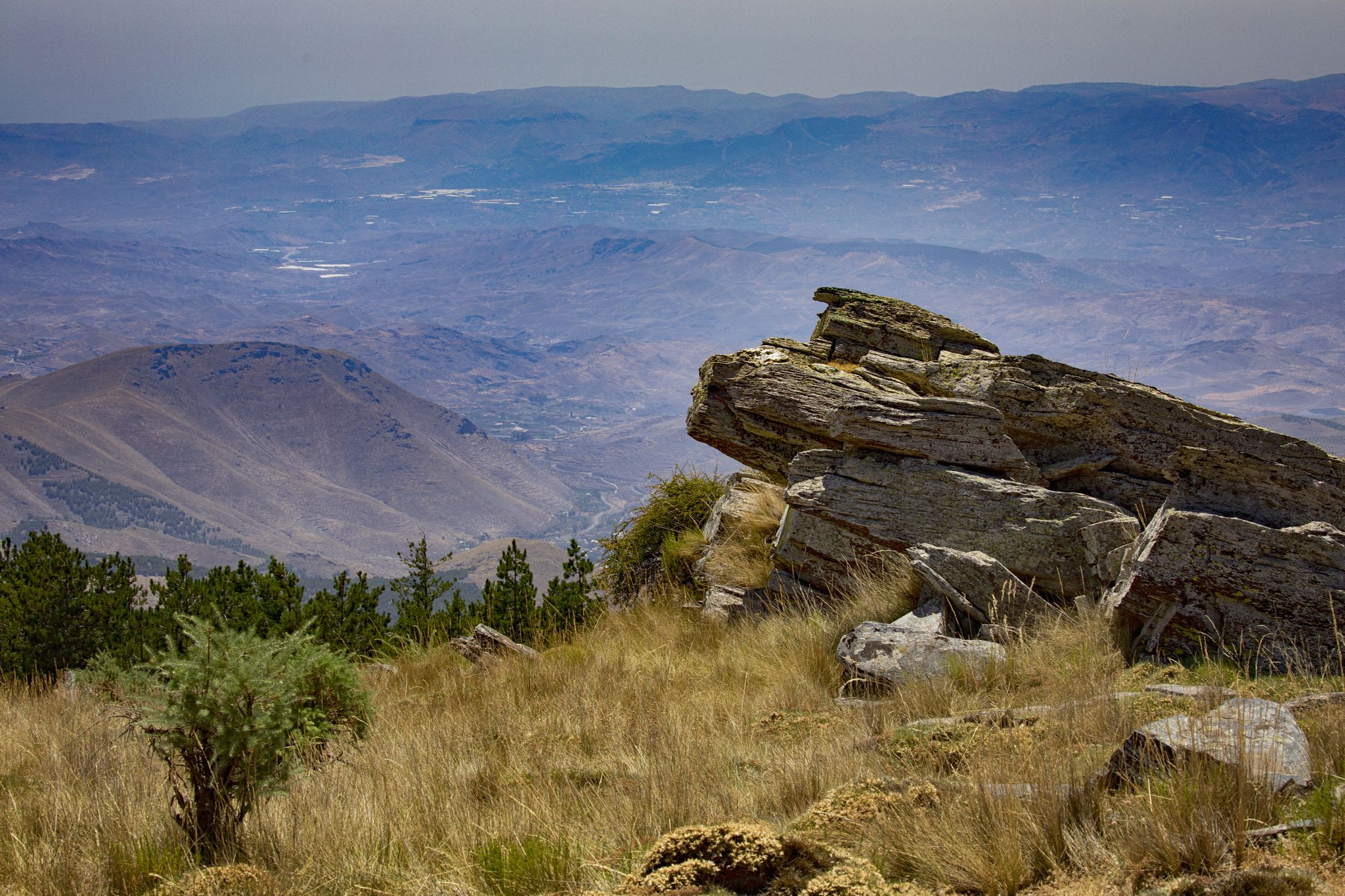
The solitude of the summits – TransAlmería by MTB (Almanzora)
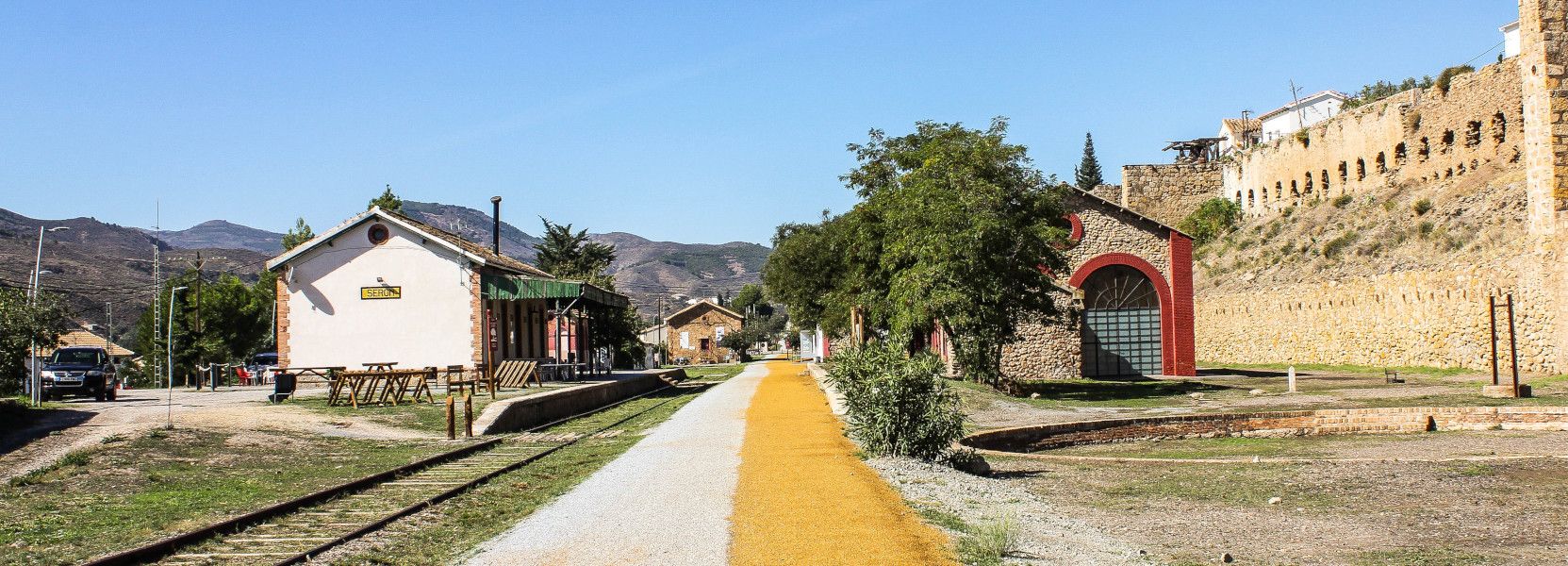
The Iron Road – Spain’s Almanzora Valley Greenway
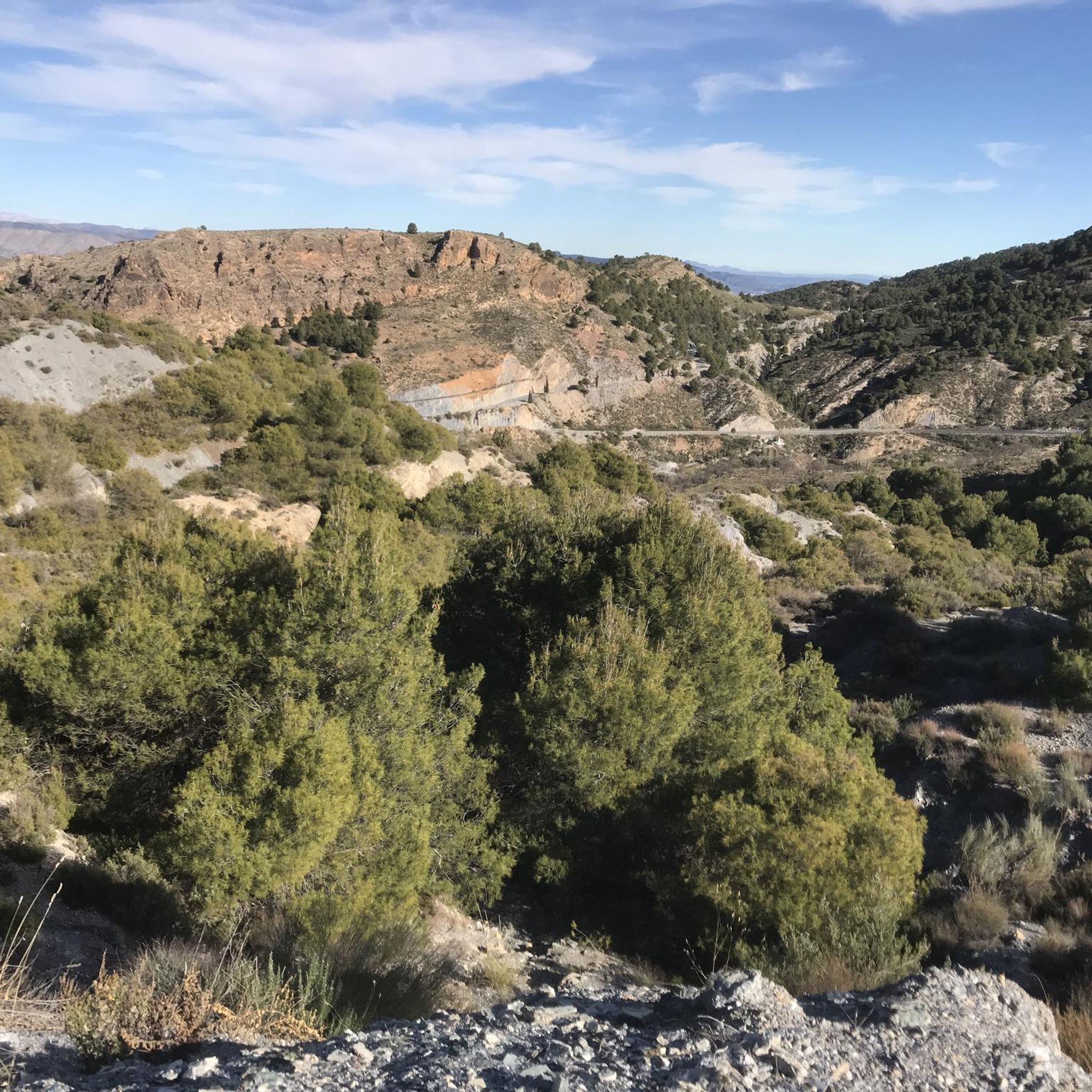
MTB Trails around Serón
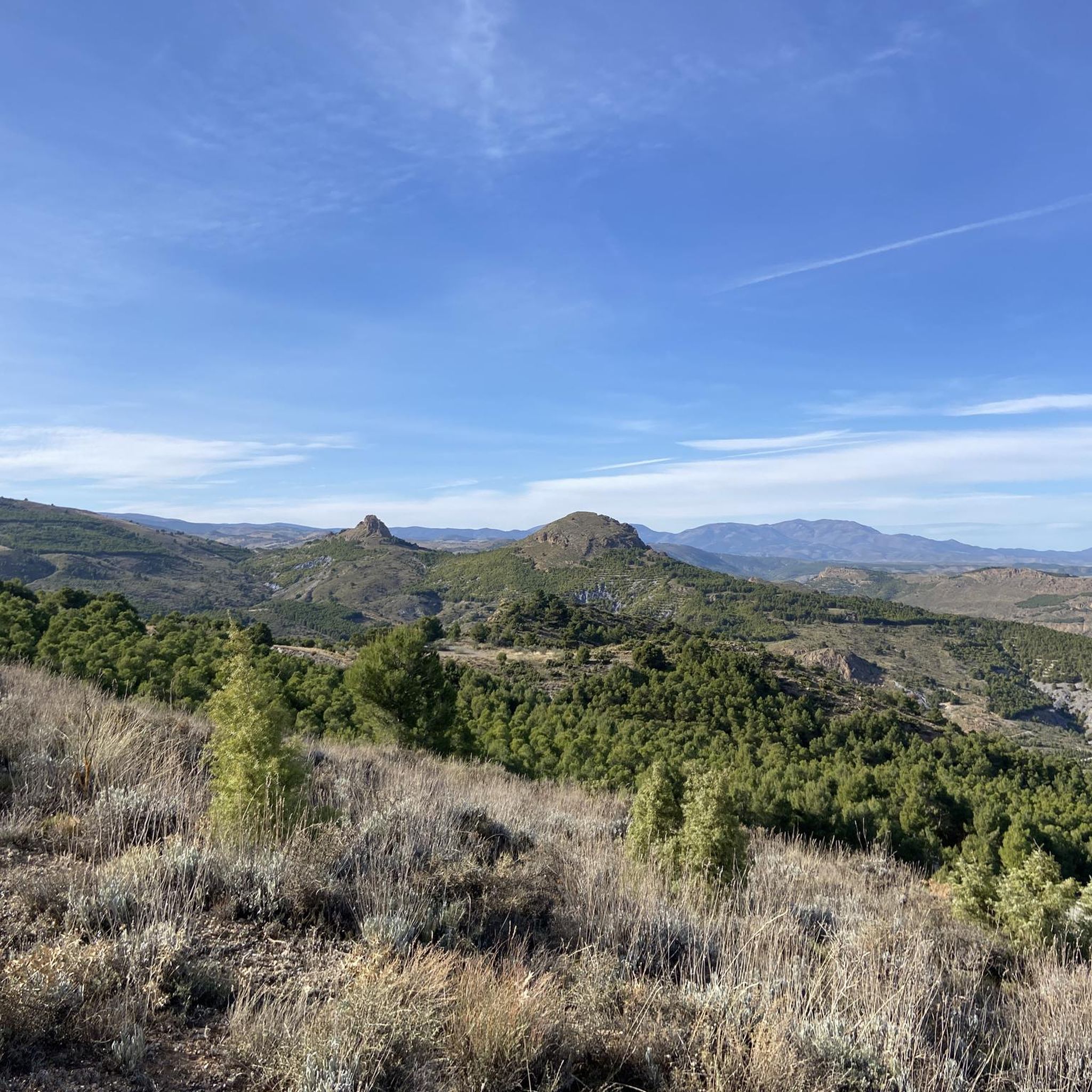
Hiking around Serón
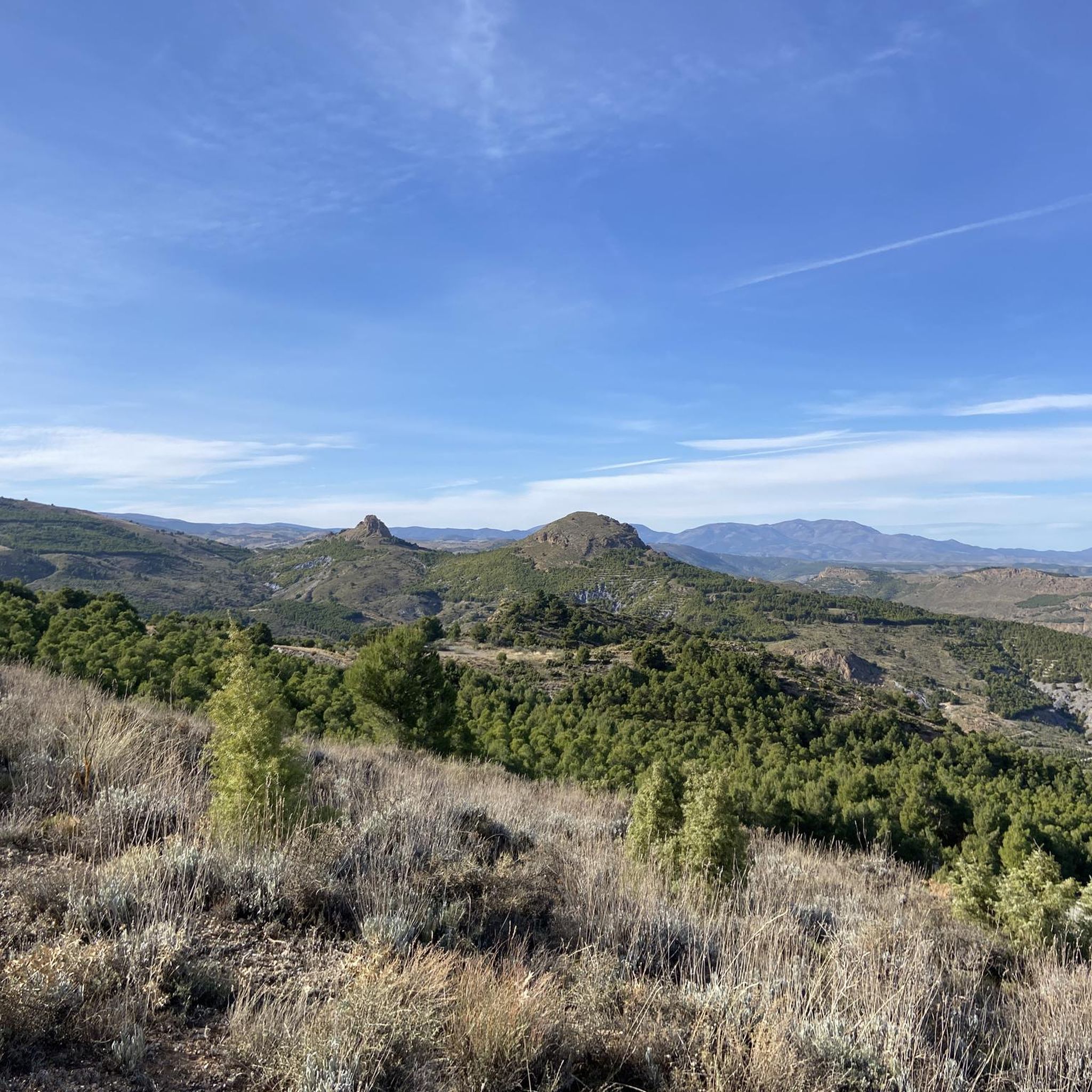
Cycling around Serón
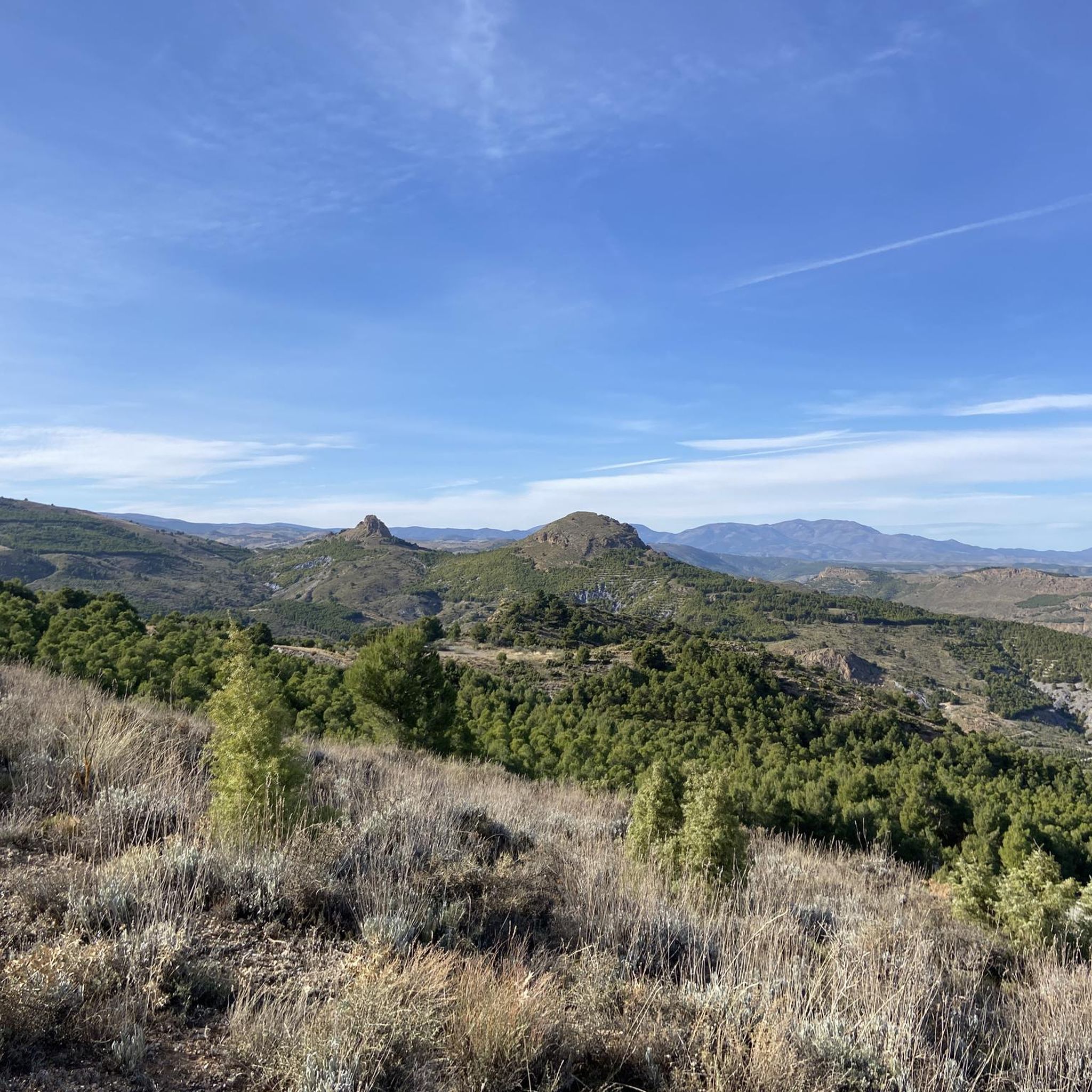
Road Cycling Routes around Serón
Running Trails around Serón

Gravel biking around Serón


Tips from the Community

Both mountain ranges ensure that it hardly rains in this semi-desert area.
1
0

The Piedra Lobera Viewpoint is an impressive place in the province of Almería, specifically in the Sierra de Lúcar. At more than 1,700 meters, from the watchtower of Puerto de Lúcar, there are panoramic views that dominate territories of the provinces of Granada, Jaén and Almería. This viewpoint offers a unique visual experience in the region. 🌿🏞️
2
0
The Cueva de la Paloma in Bayarque, Andalusia, is a cavernous opening located at the foot of a steep peak. Its reddish and brown esplanade is formed by the compact accumulation of mineral rubble that fills the abrupt relief of the environment. This cave is located in the Bacares River gorge, with vertical limestone pits approximately 120 meters high. Access is free and available for visits. 🌿🏞️
1
0

Place to enjoy 360 * of various ecosystems and mountains
1
0

Sierra de Baza and Sierra de Los Filabres are part of a remote mountain range over 2.000m height in the province of Granada and Almería, and the most isolated area of Badlands. This mountain range was a historic crossroads of cultures, and its legacy includes remains of Roman aqueducts or Arab castles. At the highest point of the range lies the iconic Calar Alto Observatory (2.168m), easy recognizable from fara way. The range also includes one of the most iconic and spectacular mountain pass in the Iberian Peninsula, el Puerto de Velefique (1.820m), popular by the high number of hairpin in the South side. The South limit of Sierra de los Filabres reaches the village of Gérgal, considered the North gate of the Tabernas Desert.
1
0
Located in the municipality of Bayarque, the Cueva de la Paloma is a cavernous opening at the foot of a steep peak, with a reddish and brown esplanade formed by the accumulation of mineral rubble, very compacted, that fill the abrupt relief of the environment. Outside we found a small hill on one side of the vertical wall that bordered the castle of Tíjola la Vieja, located in front. The place of La Cerrá, where it is located, is a gorge of the Bacares River, with vertical limestone pits with an approximate height of 120 meters. The sickle described by the river around a raised rock formation configures the natural fortress of the Tíjola la Vieja settlement. The Legend of the Treasure of the Cueva de la Paloma is shared by the residents of Tíjola and those of Bayarque. The locals say that when the artillery attack of Don Juan de Austria took place, the Moors fled at night, taking with them some food and the most valuable belongings for them, but they did not manage to take everything and hid most of their riches taking advantage of the grottos and caves in the area. It is assumed that most of a lavish treasure is hidden in the bowels of the Cueva de la Paloma, or in its surroundings.
1
0
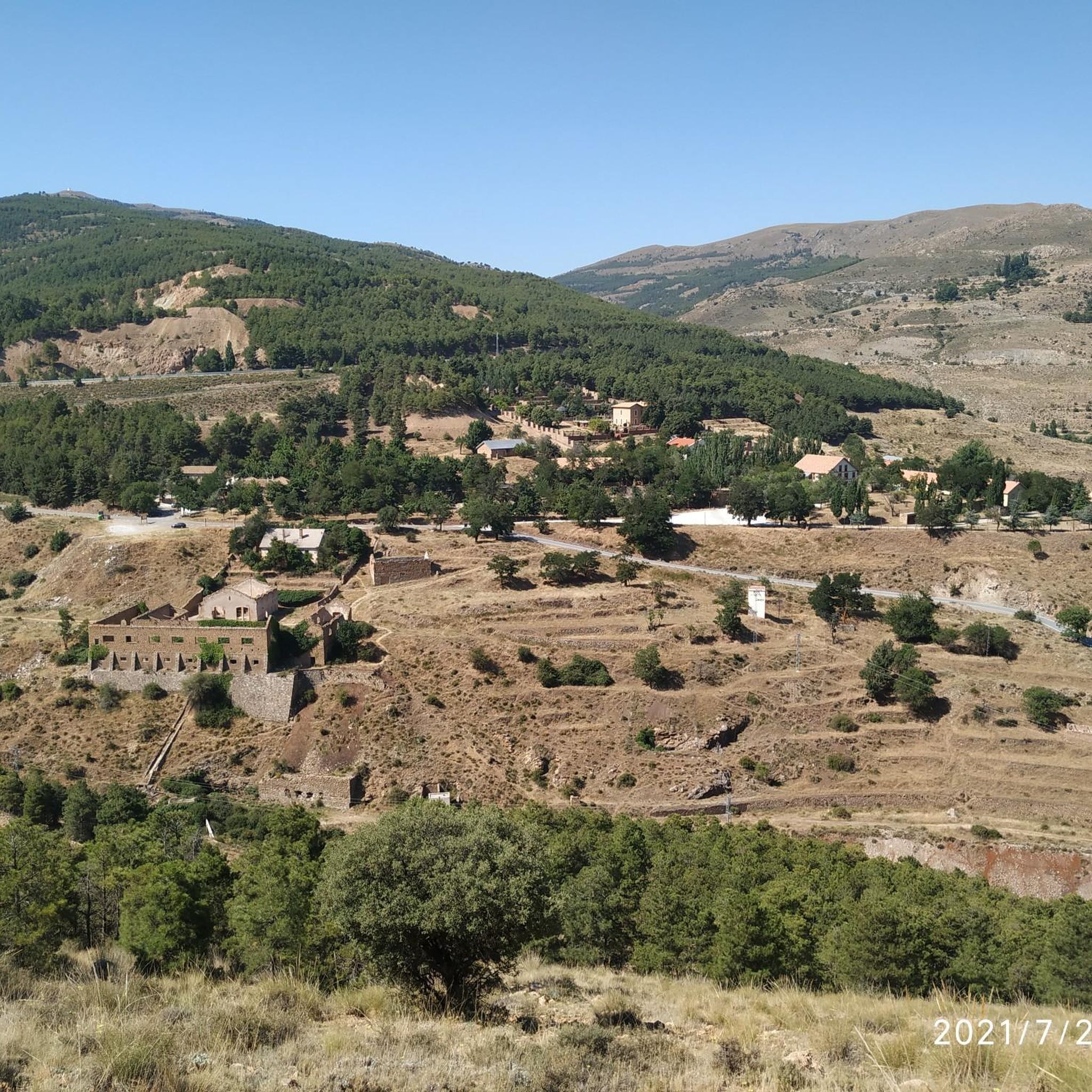
At the eastern end of the Betic System, in the province of Almería and in the Alto Almanzora region, is the Sierra de Lúcar, where the Piedra Lobera Natural Monument rises to a height of 1,722 meters. It is a spectacular limestone formation with steep walls that stands out remarkably in the landscape, constituting a geographical landmark of great interest and spectacular landscapes. Its legendary name comes from the oral tradition, which says that it was in this place where the last examples of wolves that existed in these mountains were exterminated. In addition to its scenic beauty, this natural monument is home to an important endemic flora adapted to the harsh conditions that occur in this environment: low rainfall, strong winds, long periods of insolation, frequent frosts and stony soils. Thus, exclusive species appear such as the arenaria tomentosa, which grows among the rocks and has a pillow-shaped bearing to counteract the whipping of the wind. It is covered with small hairs to reflect the incessant rays of the sun. Other specimens of interest are the honeysuckle of the Pyrenees, which lives sheltered from cracks and limestone rocks; and the exotic peony, called monte rosa, to which medicinal properties are attributed despite the fact that, at certain concentrations, it is toxic. In general, there are deciduous forests and the thorns that accompany and replace them, such as sweet durillo, hawthorn, hawthorn and mostajo, among a wide variety. In addition to the town of Lúcar, in its surroundings there are other municipalities of interest, both monumental and natural, such as Tíjola, where Cela, its natural pool of hot springs, stands out; Bacares, with a beautiful urban layout perfectly integrated into the high mountain landscape; or Serón, where the cultural richness of its plot is joined by a mining past with a rich ethnographic heritage (Las Menas de Serón).
1
0
Frequently Asked Questions
What are some unique natural monuments to visit around Serón?
Beyond the well-known spots, you can explore the impressive Mirador de Piedra Lobera, a limestone formation in the Sierra de Lúcar offering panoramic views across three provinces. Another unique site is the ancient Fuente Perica Spring, known for its slightly thermal waters, located in Bayarque.
Are there any natural monuments with historical significance in the Serón area?
Yes, the Cueva de la Paloma in Bayarque is a cavernous opening in the Bacares River gorge with historical significance, including local legends of hidden treasures from Moorish times. Additionally, the Sierra de los Filabres, which includes Sierras de Baza and Los Filabres, was a historic crossroads of cultures, with legacies like Roman aqueducts and Arab castles.
What outdoor activities can I do near the natural monuments in Serón?
The region offers diverse outdoor activities. You can enjoy cycling along the Vía Verde del Valle del Almanzora, which follows a disused railway line. For hikers, the Sierra de los Filabres provides numerous well-marked trails, including routes like the Saw by the Era del Violín or Las Minas de Talco. Running trails are also available, such as the Bayarque Village loop.
Are there family-friendly natural monuments or activities around Serón?
The Almanzora Greenway (Vía Verde del Hierro) is an ideal path for walking or cycling for all fitness levels due to its gentle incline, making it very family-friendly. The La Jordana Picnic Area, located about 5 km from Serón, offers a rest area, barbecue facilities, and a park, perfect for a family day out in nature.
Where can I find panoramic views of the region's natural landscapes?
Serón boasts several elevated locations offering breathtaking views. The Mirador de Piedra Lobera provides extensive vistas across Granada, Jaén, and Almería. Additionally, the 'Panoramic viewpoint' and the 'Viewpoint of Virgen de la Cabeza' offer stunning views of the entire Almanzora Valley, the winding Almanzora river, and the Sierra de las Estancias.
What is the best time of year to visit Serón for exploring its natural monuments?
The Sierra de los Filabres, where many natural monuments are located, experiences diverse seasonal weather. Spring and autumn generally offer pleasant temperatures for hiking and outdoor activities. Summers can be hot, especially at lower elevations, while higher peaks like Calar Alto can experience colder temperatures and even snow in winter.
Can I find waterfalls or unique water features among Serón's natural monuments?
Yes, the Fuente del Huevo Waterfall in Bayarque is a notable natural monument, featuring a 4-meter high waterfall that pours into a small lagoon. This spot is also associated with local traditions and is a beautiful place to visit.
What is the Millenary Oak and where can I find it?
The Millenary Oak is an impressive and ancient tree recognized as the largest in Andalusia. It stands approximately 19 meters high and is located in the Loma Valley, on the northern slope of the Sierra de los Filabres. It's part of the 'Serón Natural Experience' and can be accessed via mountain trails.
Are there any natural monuments suitable for cycling in Serón?
Absolutely. The Almanzora Greenway (Vía Verde del Hierro) is a fantastic option for cycling. This 11.8-kilometer natural trail follows a disused railway line with a minimal slope, making it accessible for various fitness levels. It combines natural beauty with insights into the region's mining past.
What kind of flora and fauna can I expect to see in the Sierra de los Filabres?
The Sierra de los Filabres, encompassing areas like Sierras de Baza and Los Filabres, boasts a diverse indigenous flora and fauna. The Mirador de Piedra Lobera, for instance, is home to important endemic flora adapted to harsh conditions, including species like arenaria tomentosa and the exotic peony (monte rosa).
Where can I have a picnic or relax amidst nature near Serón?
The La Jordana Picnic Area, situated approximately 5 km from Serón's town center, is an excellent spot for relaxation. It provides a rest area, barbecue facilities, and a park, all surrounded by picturesque landscapes. It also serves as a convenient starting point for various hiking routes in the area.
What is the significance of the Calar Alto Observatory in the Sierra de los Filabres?
The Calar Alto Observatory is located at the highest point of the Sierra de los Filabres, reaching 2168 meters. It is an iconic landmark, easily recognizable from afar, and is part of the remote mountain range that includes Sierras de Baza and Los Filabres. While not a natural monument itself, its location offers spectacular views and is a key feature of the natural landscape.
Most popular attractions around Serón

Get inspired with the komoot mobile app


Explore more
Extend your search for the best caves by checking out these guides of the top ones around Serón:
