Top 16 Natural Monuments around Castalla
Best natural monuments around Castalla are situated in the mountainous region of Alicante, Spain, featuring a rich natural heritage. This area offers several natural sites recognized for their ecological value and recreational opportunities. The Sierras del Maigmó and El Cid Protected Landscape is a significant natural area, encompassing diverse mountain ranges and Mediterranean habitats. It provides opportunities for exploring peaks, forests, and historical structures.
Best natural monuments around Castalla
- The most popular natural monuments is Maigmó Summit, a summit that offers exceptional panoramic views from its 1,296 meter height. It is part of a protected forest core, showcasing native Mediterranean flora and fauna.
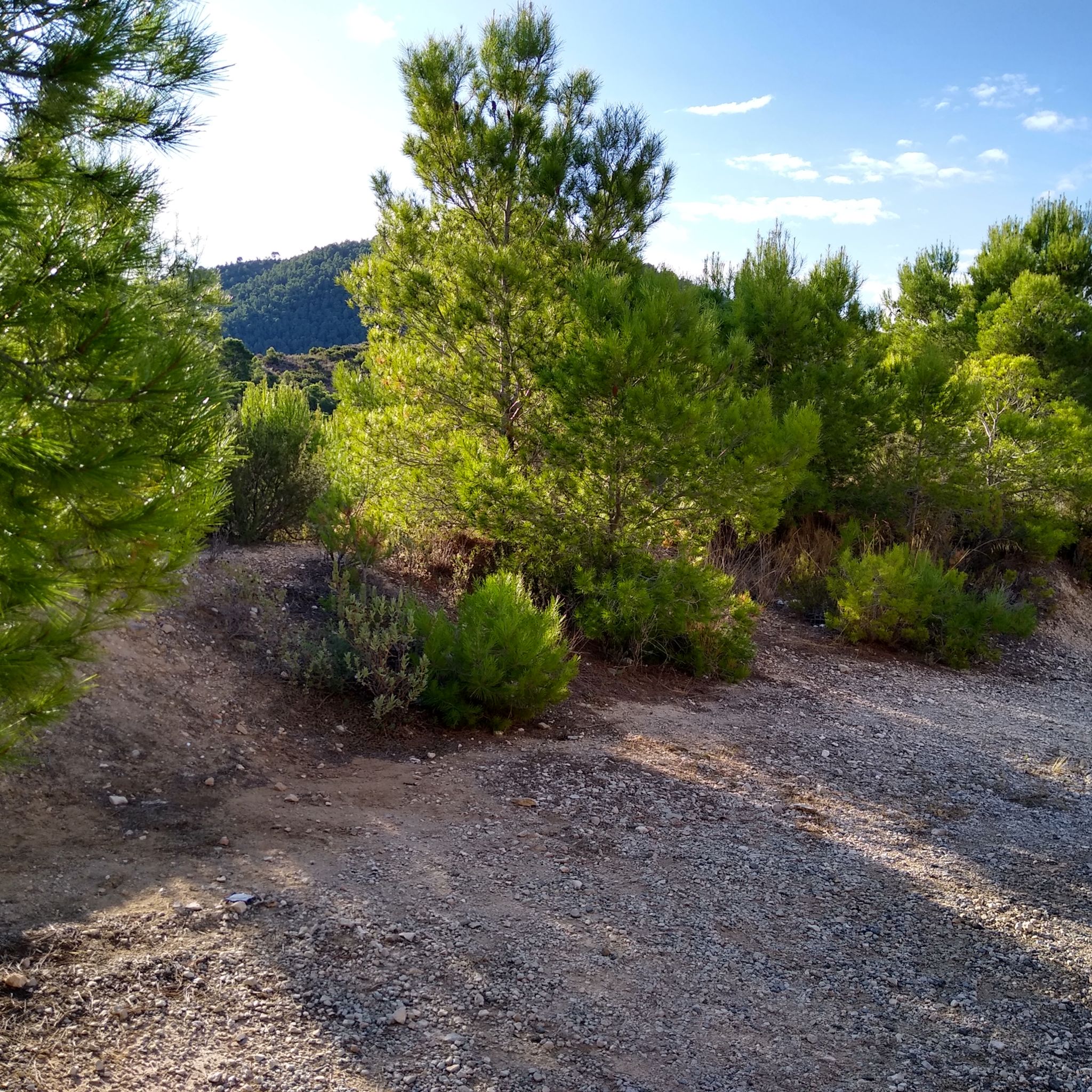
- Another must-see spot is Maigmó and Sit Mountains, a forest area characterized by pine and holm oak forests. This mountain range rises to 1296 meters, offering a typical Mediterranean landscape.
- Visitors also love Alto del Menejador, a summit at 1350 meters high. From this point, visitors can experience incredible views in all directions.
- Castalla is known for its summits, forests, and unique inland sand dunes. The region offers a variety of natural monuments to see and explore, including historical snow wells.
- The natural monuments around Castalla are appreciated by the komoot community, with 41 upvotes and 43 photos shared by visitors.
Last updated: July 15, 2026
Maigmó Summit
Highlight • Summit
It is part of a very important forest core and is therefore protected. Native flora and fauna of the Mediterranean mountains reign here, such as the Aleppo pine, of which you can see some exceptional specimens.
Translated by Google •
Tip by

Alto del Menejador
Highlight • Summit
Translated by Google •
Tip by
Sign up now to discover places like this
Get recommendations on the best single tracks, peaks, & plenty of other exciting outdoor places.
Sign up for free
Sanctuary of the Font Roja
Highlight • Religious Site
The access road is in very good condition and has not very demanding slopes, which allow you to enjoy the views.
Near the sanctuary is the Red Fountain where you can refill water and, a few meters away, a recreational area with tables, benches and bathrooms. A very nice place for the summer, since the thick grove of holm oaks gives a lot of shade.
Translated by Google •
Tip by
Maigmó and Sit Mountains
Highlight • Forest
comunitatvalenciana.com/de/alacant-alicante/tibi/naturlandschaften/das-maigmo-massiv-und-die-sierra-de-l-arguenya
Translated by Google •
Tip by

Almortxó Sand Dunes
Highlight • Natural Monument
Translated by Google •
Tip by

Sign up for free to discover even more natural monuments around Castalla.
Sign up for free
Already have an account?
Start today with a free account
Your next adventure awaits.
Login or Signup
Popular around Castalla
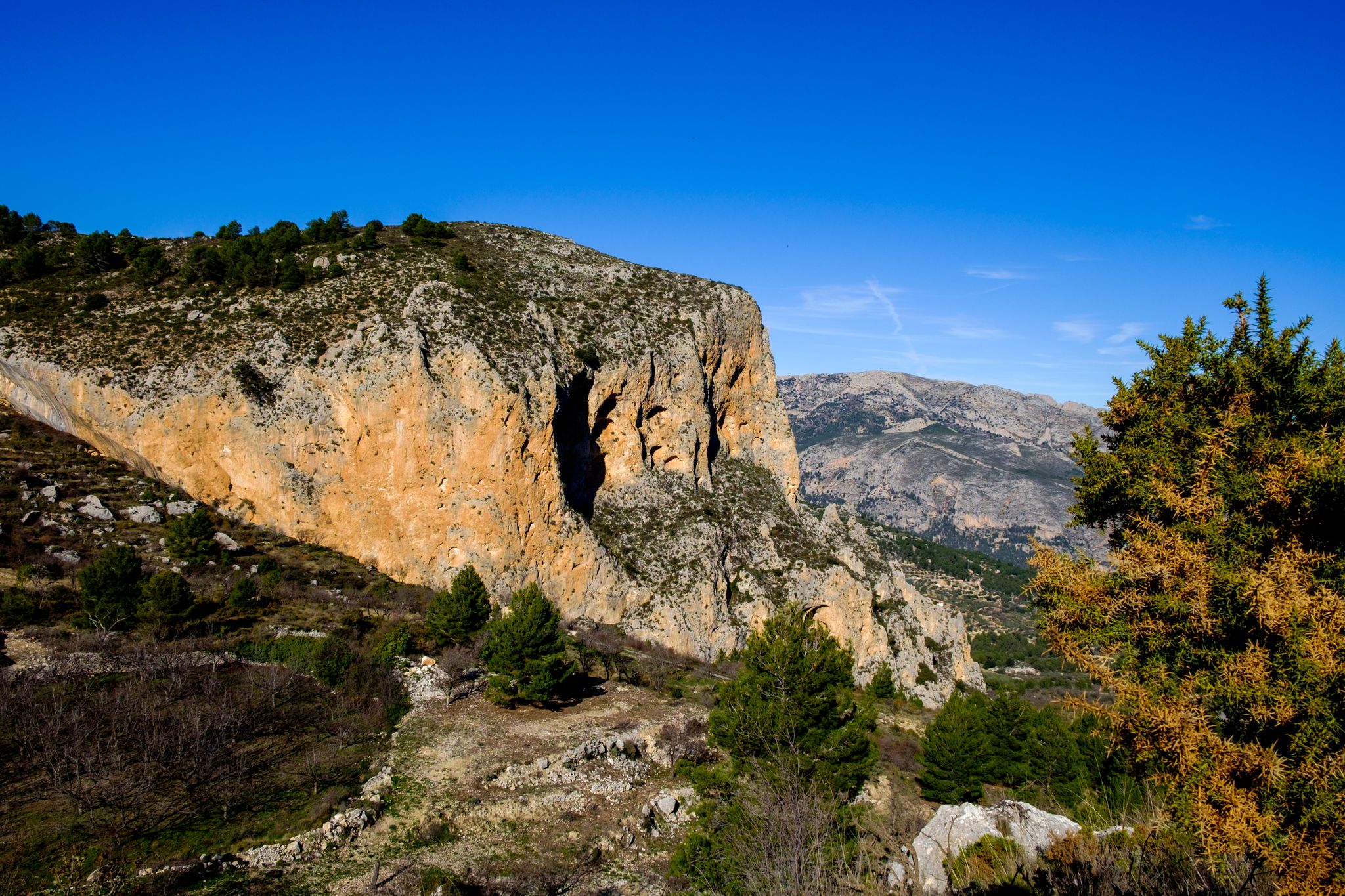
Discover Alicante – Costa Blanca Inland Path (GR 330)
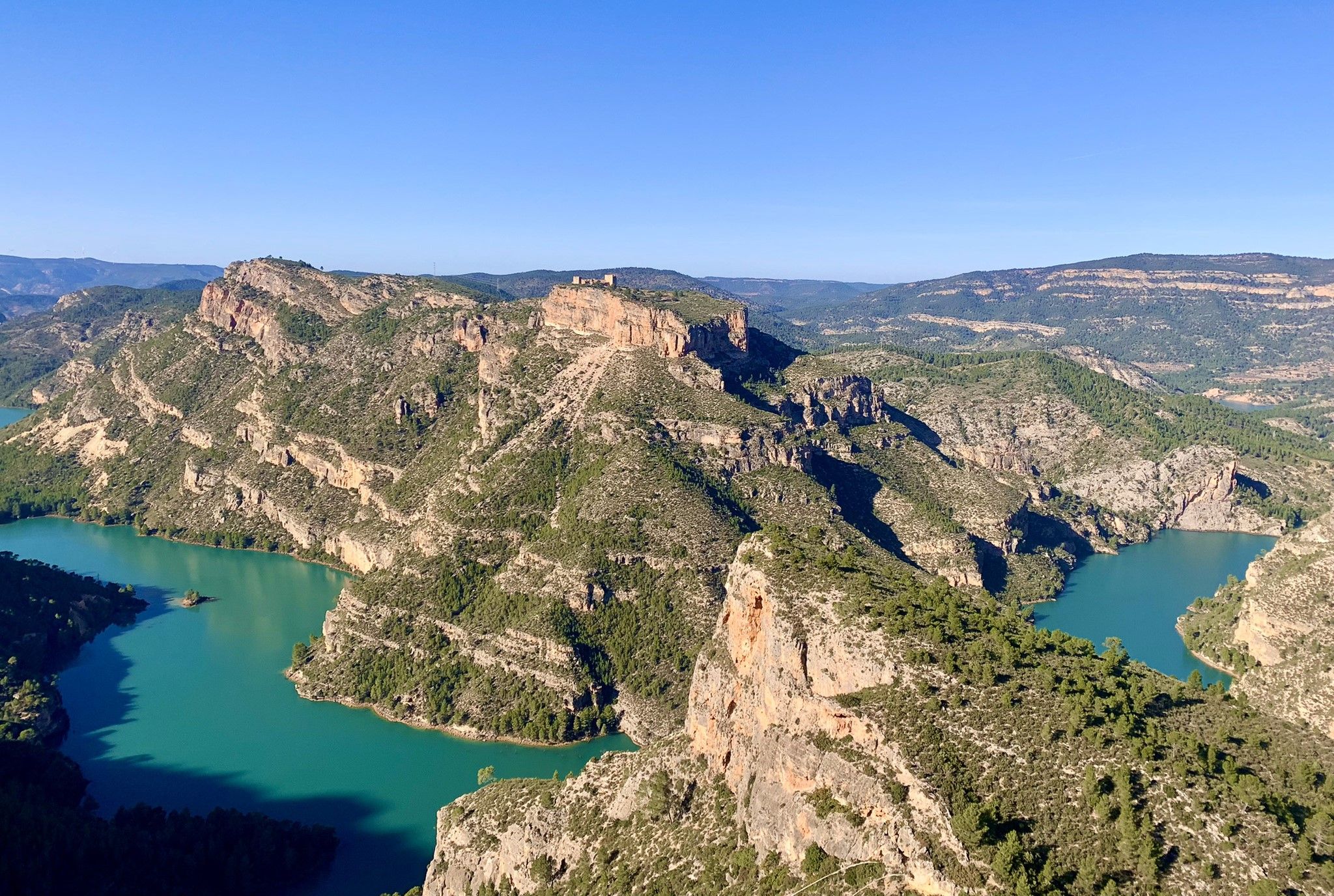
A journey full of discoveries – the Valencia region on foot (GR7)
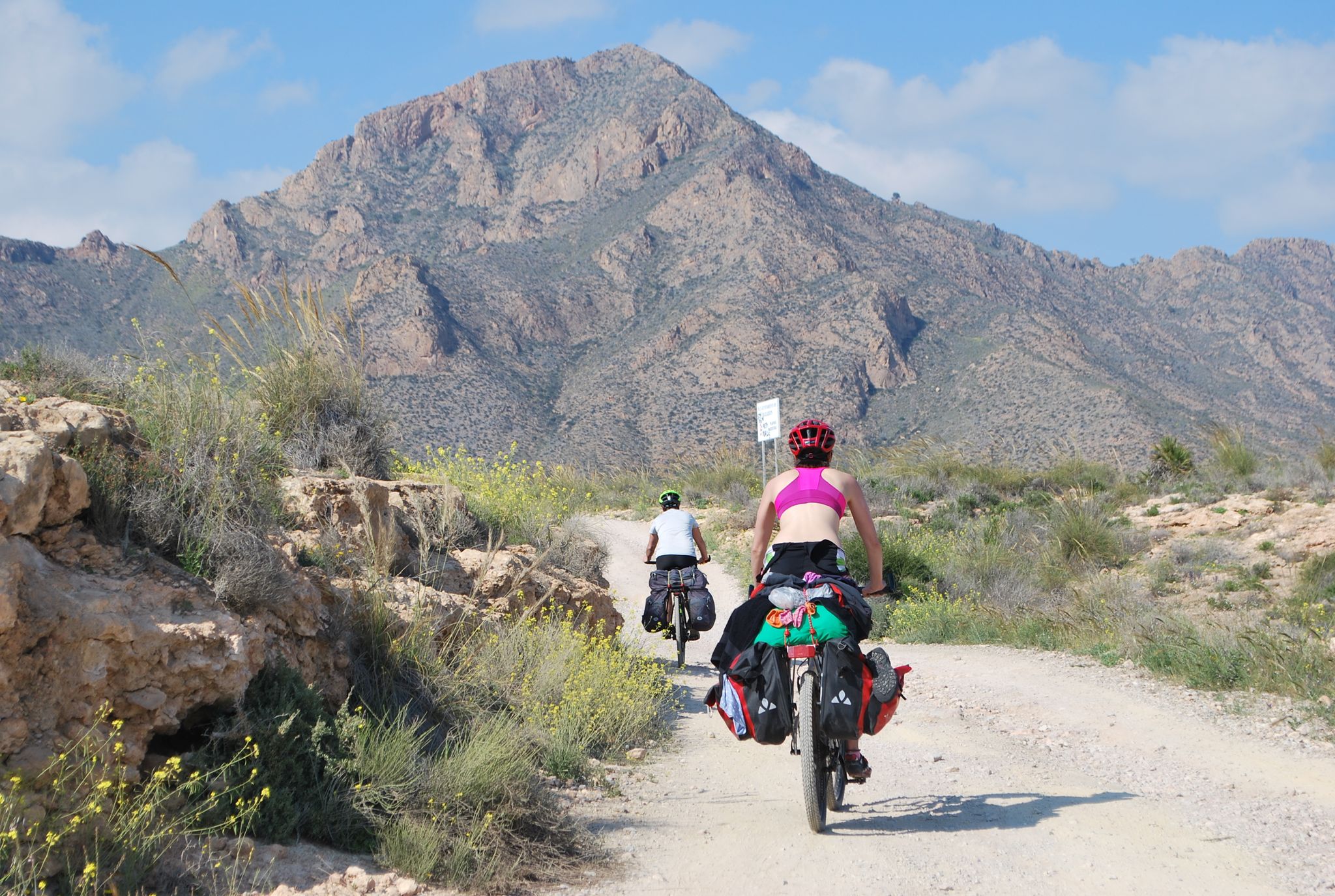
Mediterranean coastal paradise – EuroVelo 8 in Spain
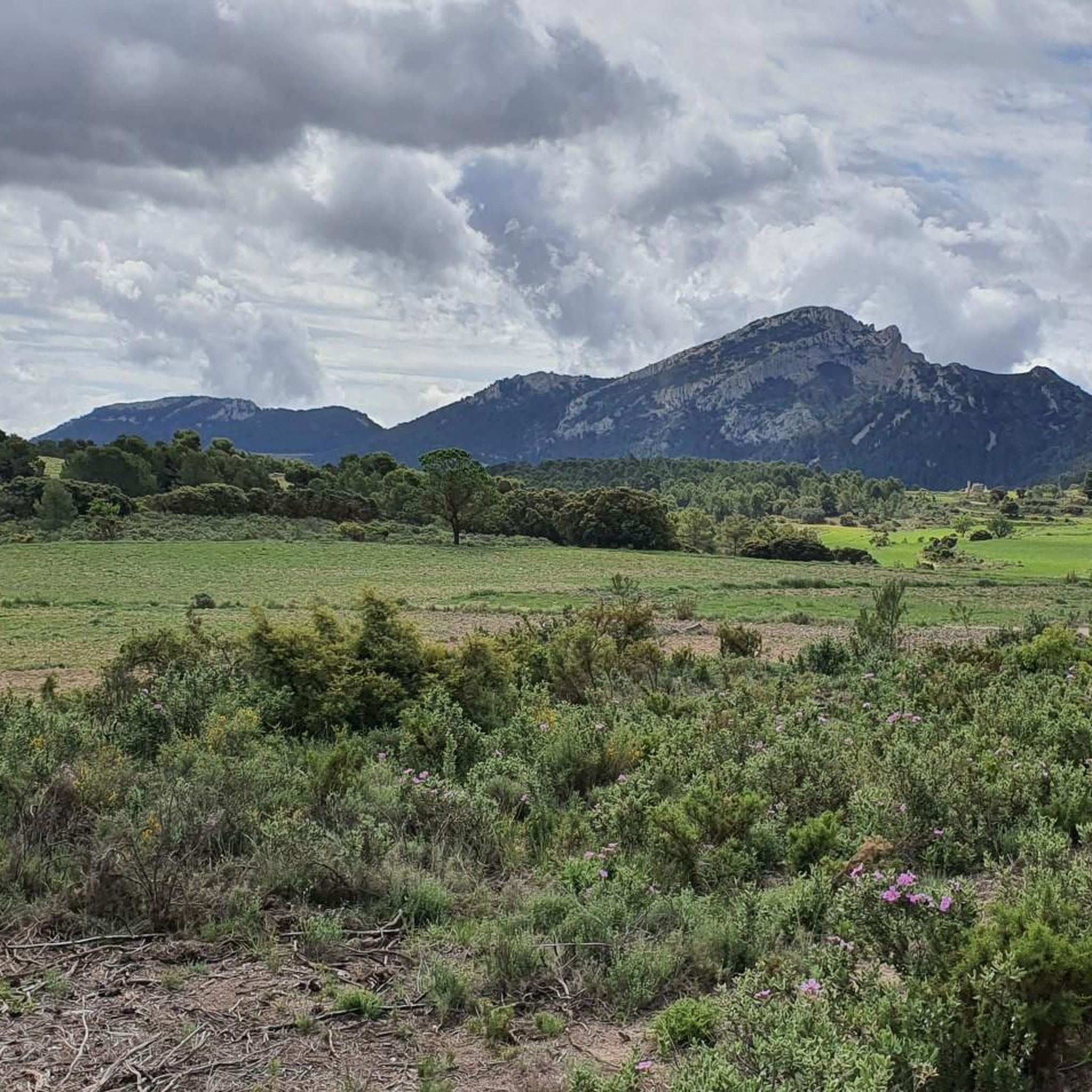
Road Cycling Routes around Castalla
Hiking around Castalla
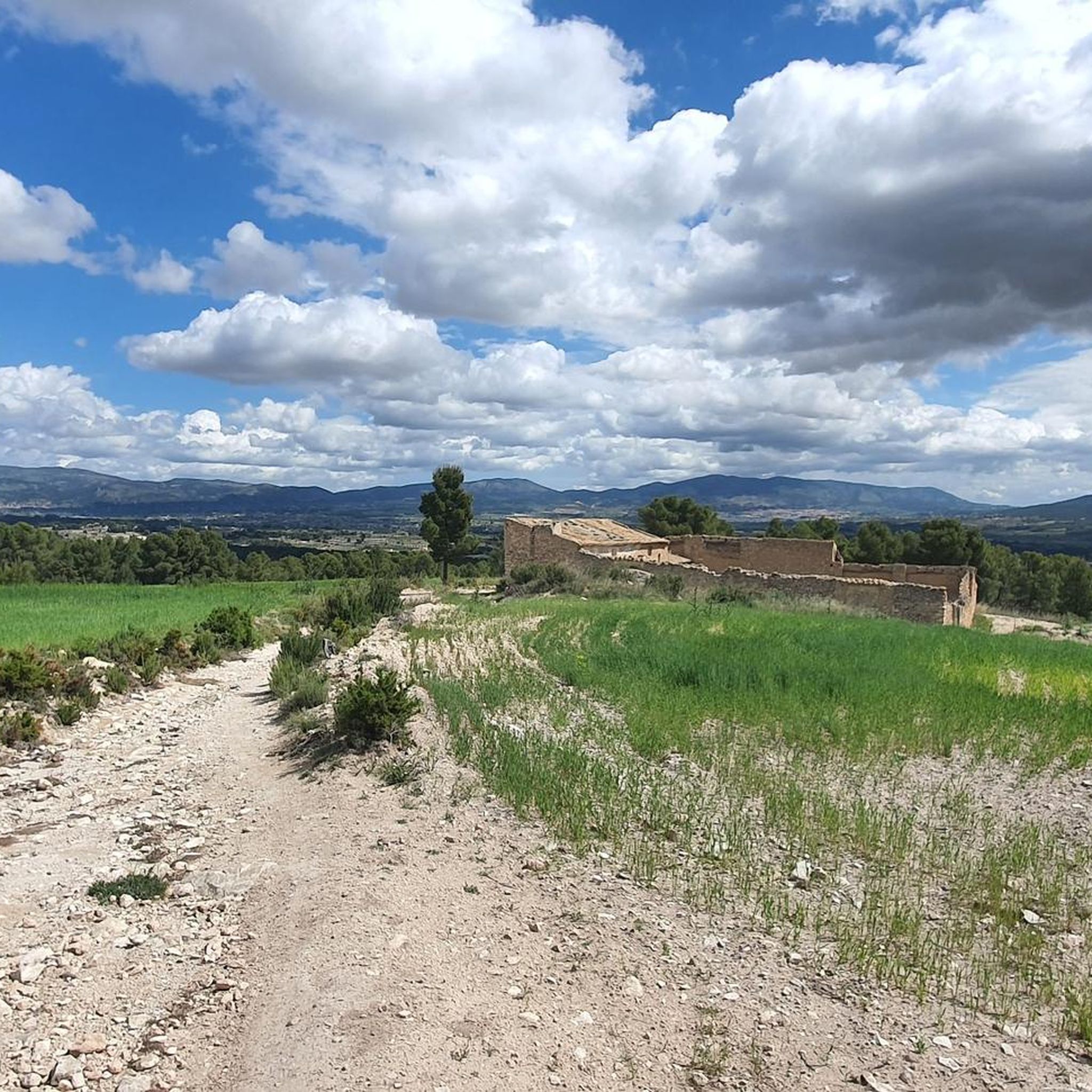
Cycling around Castalla
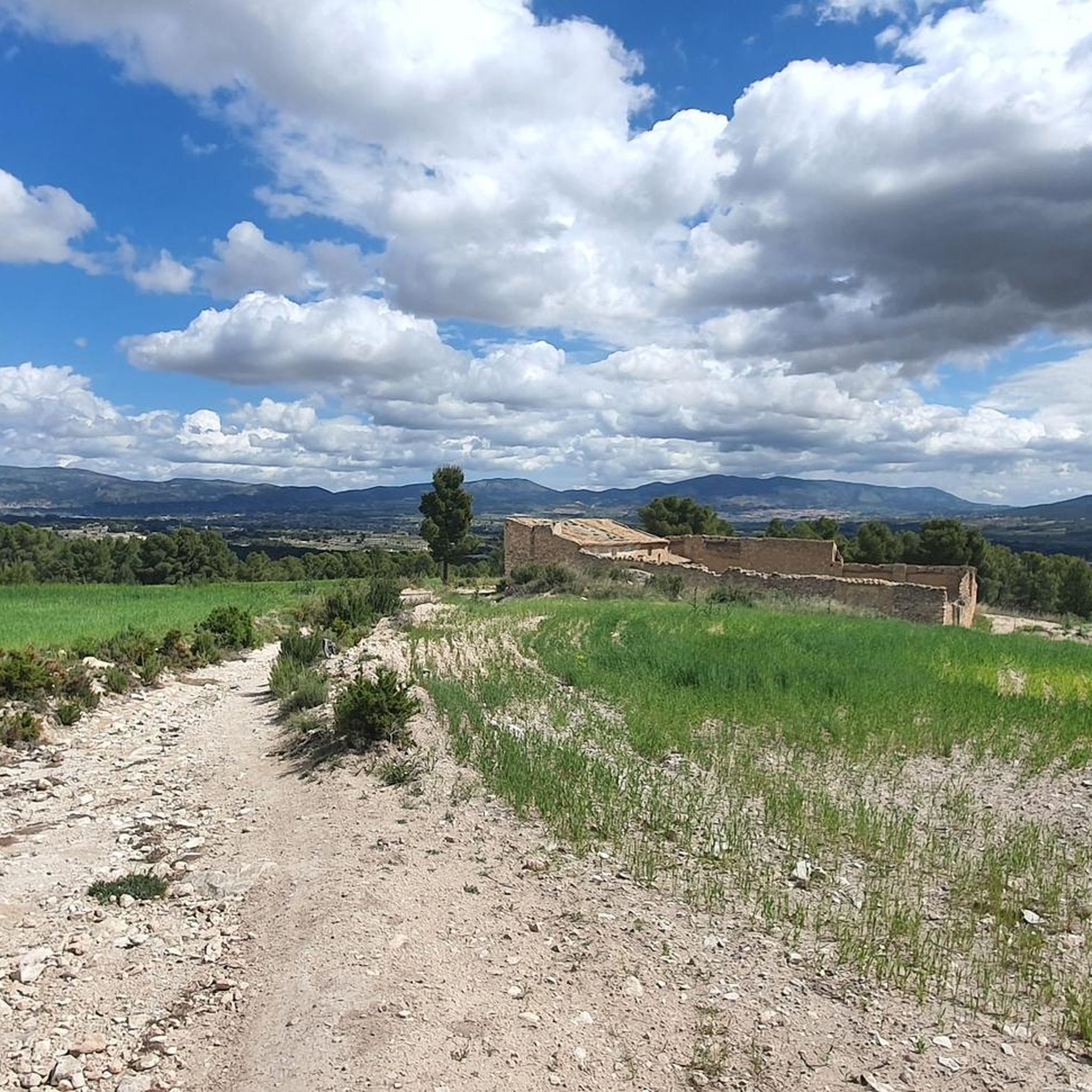
MTB Trails around Castalla
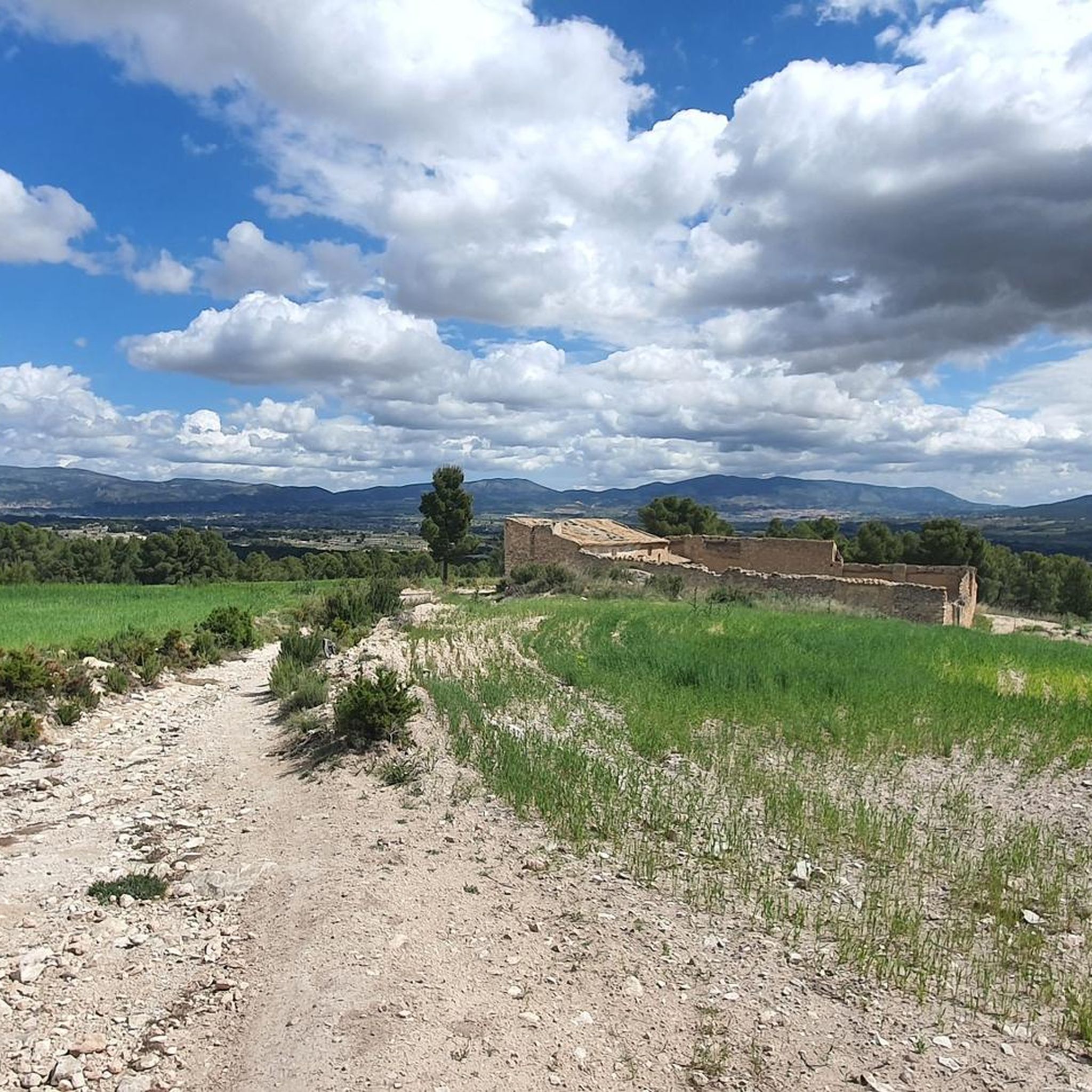
Running Trails around Castalla

Gravel biking around Castalla
Other adventures around Castalla


Tips from the Community

If you climb from the road to the summit of Maigmó, the elevation gain ranges between 700 and 800 meters, half that if you climb from the Balcón de Alicante. There are countless routes that start and end from the Balcón de Alicante, and just as many that lead to the summit. The Cantal del Pixaor ridge is only suitable for experts and those without height restrictions. It's recommended to bring some climbing gear to secure some sections, but the experience is incredible.
0
0

The Arenal de l'Almortxó is a municipal natural area located in the northwest of Petrer, in the province of Alicante. It is a truly unique site due to its geology and biodiversity, and stands out as the largest active inland sandbank in the Iberian Peninsula.
1
0

Superb panorama of La Canal and Foya d'Alcoy
0
0

Good access for road bikes, little or no traffic, steep slope, good asphalt. At the fountain you can refill with fresh water
0
0


What a fantastic region! With my newfound knowledge, I see this magnificent landscape in a completely different light! The landscape is typically Mediterranean, appearing rather dry and rocky. Pine forests grow on the lower slopes of the mountains, while higher up you'll find mostly low shrubs and hardy plants. https://www.comunitatvalenciana.com/de/alacant-alicante/tibi/naturlandschaften/das-maigmo-massiv-und-die-sierra-de-l-arguenya
6
0

This sandy area is a natural area of Petrel, in the province of Alicante. It is a huge dune formation that, unlike the others, is located inland instead of on the coast. It is made up of fragments from the disintegration of rocks that over the years have been affected by changes in temperature, wind, humidity, etc.
2
0

This mountain range full of pine and holm oak forests rises up to 1296 meters of altitude where the Maigmó peak is located. The massif can be seen throughout the Campo de Alicante.
2
0
Frequently Asked Questions
What are some prominent natural landmarks and viewpoints around Castalla?
The Castalla area, nestled within the Sierras del Maigmó and El Cid Protected Landscape, offers several impressive natural landmarks. You can experience exceptional panoramic views from Maigmó Summit, which stands at 1,296 meters. Another excellent viewpoint is Alto del Menejador, offering incredible 360-degree views from its 1,350-meter peak. The Sanctuary of the Font Roja also provides stunning vistas of the L'Alcoia region.
What kind of natural features can I expect to see in the Castalla area?
The region is characterized by its mid-mountain Mediterranean climate, featuring diverse habitats. You'll find extensive Aleppo pine forests, evergreen oaks, and shrubs like thyme, lavender, and wild olive. Beyond the mountains and forests, unique features include the Almortxó Sand Dunes, which are notable as inland sand formations, and historical 'snow wells' like the Carrasca Snow Well.
Are there hiking opportunities near Castalla's natural monuments?
Yes, the area is ideal for hiking, with routes suitable for various skill levels. The Sierras del Maigmó and El Cid Protected Landscape, including areas like Xorret de Catí, provides numerous trails. For more detailed hiking options, you can explore the Hiking around Castalla guide, which features routes like the challenging Despeñador Peak loop from el Xorret de Catí.
Are there family-friendly natural monuments or trails in the Castalla area?
Yes, several spots are suitable for families. The Sanctuary of the Font Roja is considered family-friendly, offering facilities, parking, and an information center within the natural park. The Almortxó Sand Dunes also offer an interesting and accessible natural experience for all ages. Additionally, Xorret de Catí has recreational areas and trails that can be enjoyed by families.
Are there any historical natural features to explore around Castalla?
Absolutely. The region is home to several 'snow wells' (pou de neu), which are ancient structures used for storing winter snow to make ice. The Carrasca Snow Well is a notable example, offering a tangible link to a historical industry and providing insight into the region's past relationship with its mountain environment.
What is the best time of year to visit the natural monuments around Castalla?
The best time to visit is generally during spring (April to June) and autumn (September to November). During these seasons, the weather is milder and more pleasant for outdoor activities like hiking and exploring. Summers can be very hot, and winters, while generally mild, can bring cooler temperatures to the higher elevations.
Is parking available at these natural monuments?
Yes, parking is available at some locations. For instance, the Sanctuary of the Font Roja has dedicated parking facilities. For the Almortxó Sand Dunes, you can find parking nearby. For other trailheads within the Sierras del Maigmó and El Cid Protected Landscape, such as Xorret de Catí, designated parking areas are typically available.
What outdoor activities, besides hiking, can I do near these natural monuments?
Beyond hiking, the mountainous terrain around Castalla is excellent for various outdoor sports. Xorret de Catí, for example, is known for climbing walls, via ferratas, and is a famous challenging climb for road cyclists, having been featured in the Vuelta a España. You can find more cycling routes in the Road Cycling Routes around Castalla guide and Gravel biking around Castalla guide.
Can I spot wildlife in the natural monuments around Castalla?
The protected landscapes around Castalla, particularly the Sierras del Maigmó and El Cid, are home to diverse Mediterranean flora and fauna. While specific sightings are never guaranteed, the area's significant forest cover and protected status make it a vital ecological space where you might encounter various bird species, small mammals, and reptiles typical of the region.
Are there any easily accessible natural monuments for a less strenuous visit?
For a less strenuous visit, the Sanctuary of the Font Roja offers good access roads and facilities, making it easy to enjoy the views without extensive hiking. The Carrasca Snow Well is also an easy and informative destination, often reached via gentle trails. The Almortxó Sand Dunes are also relatively accessible for a unique natural experience.
What do visitors enjoy most about the natural monuments around Castalla?
Visitors frequently highlight the exceptional panoramic views from summits like Maigmó Summit and Alto del Menejador. The opportunity to connect with nature in the extensive pine and holm oak forests, such as those found in the Maigmó and Sit Mountains, is also highly valued. The unique geological features like the inland sand dunes and the historical snow wells also provide a distinct and appreciated experience.
Most popular routes around Castalla
Most popular attractions around Castalla

Get inspired with the komoot mobile app


Explore more
Extend your search for the best caves by checking out these guides of the top ones around Castalla:
