Top 6 Natural Monuments around Ibros
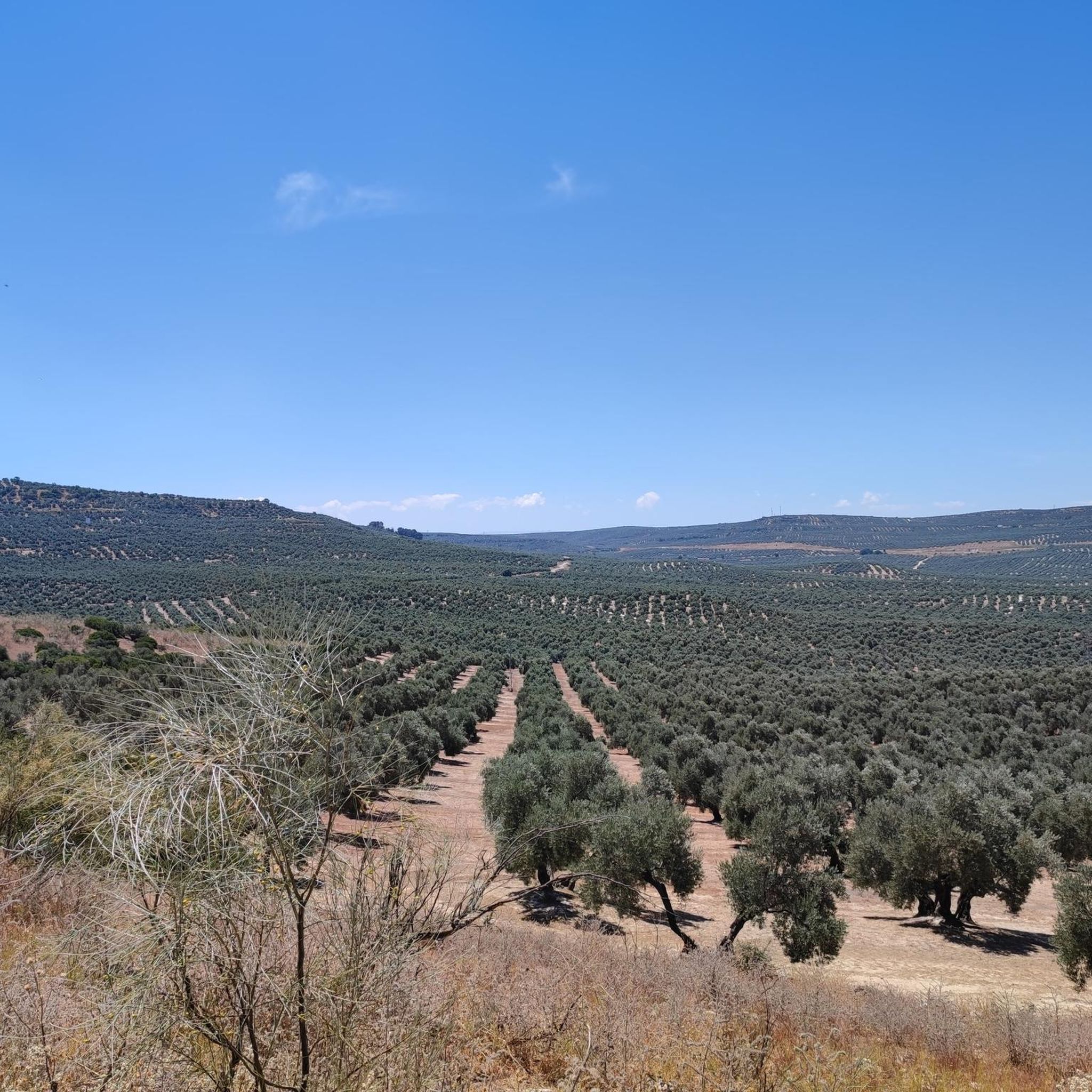
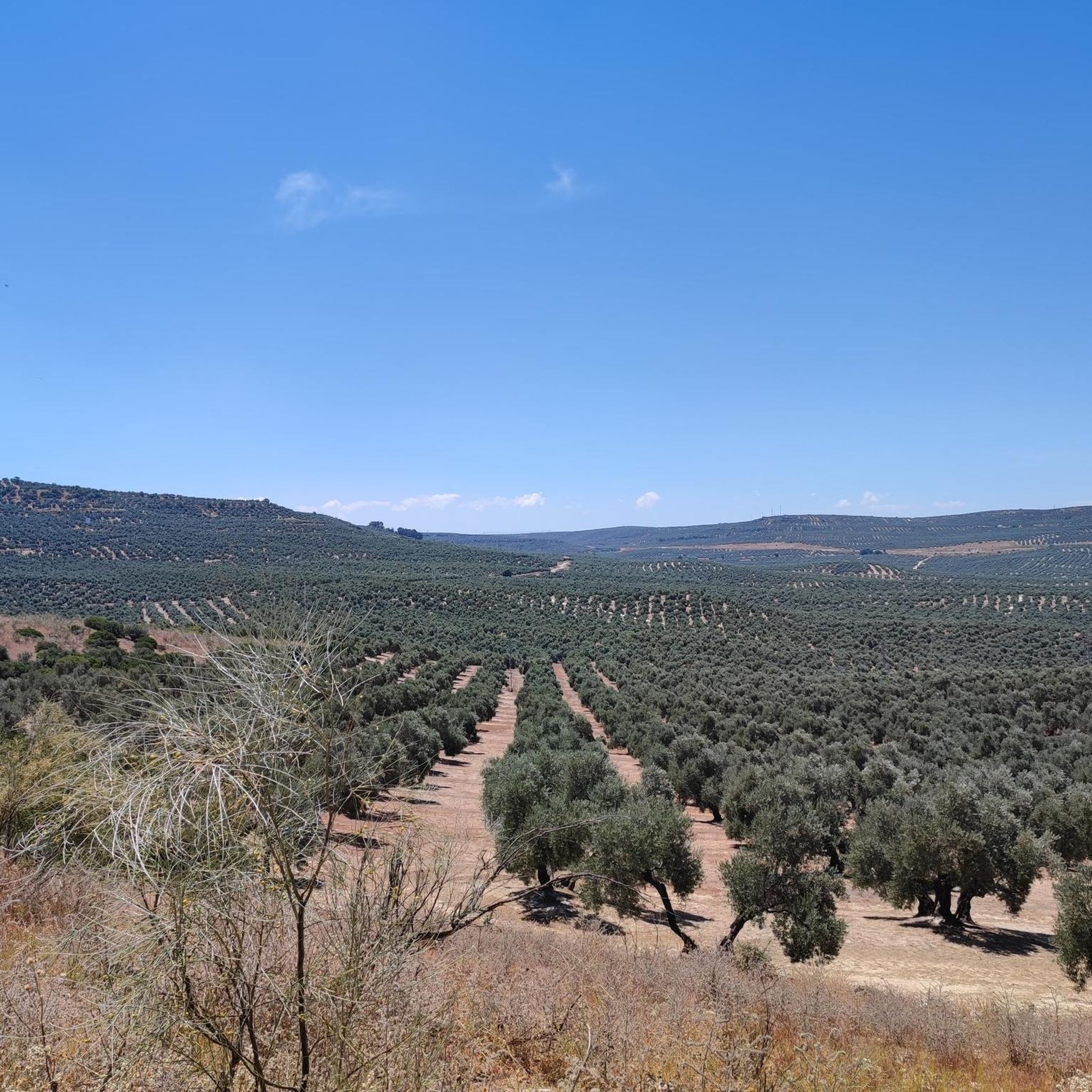
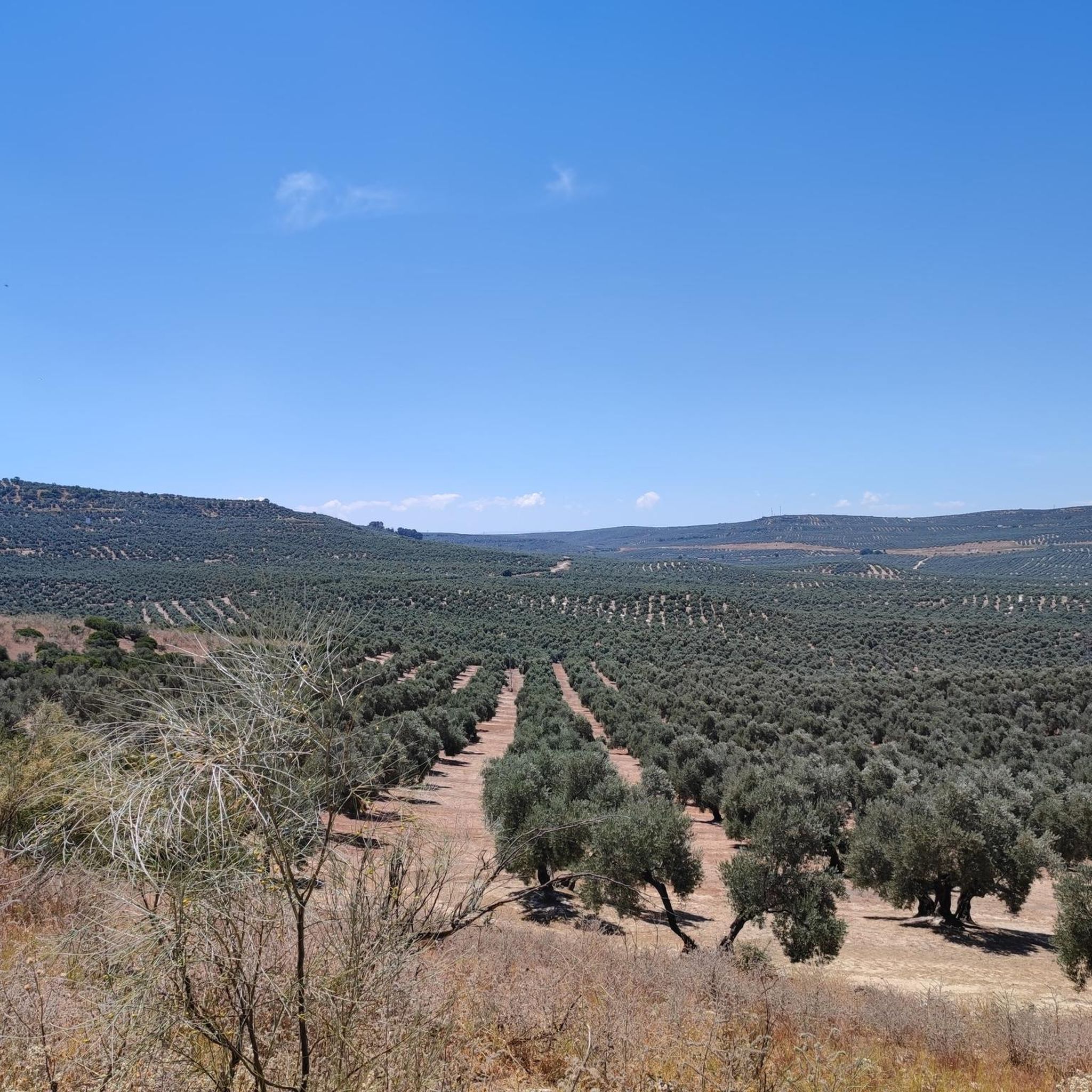
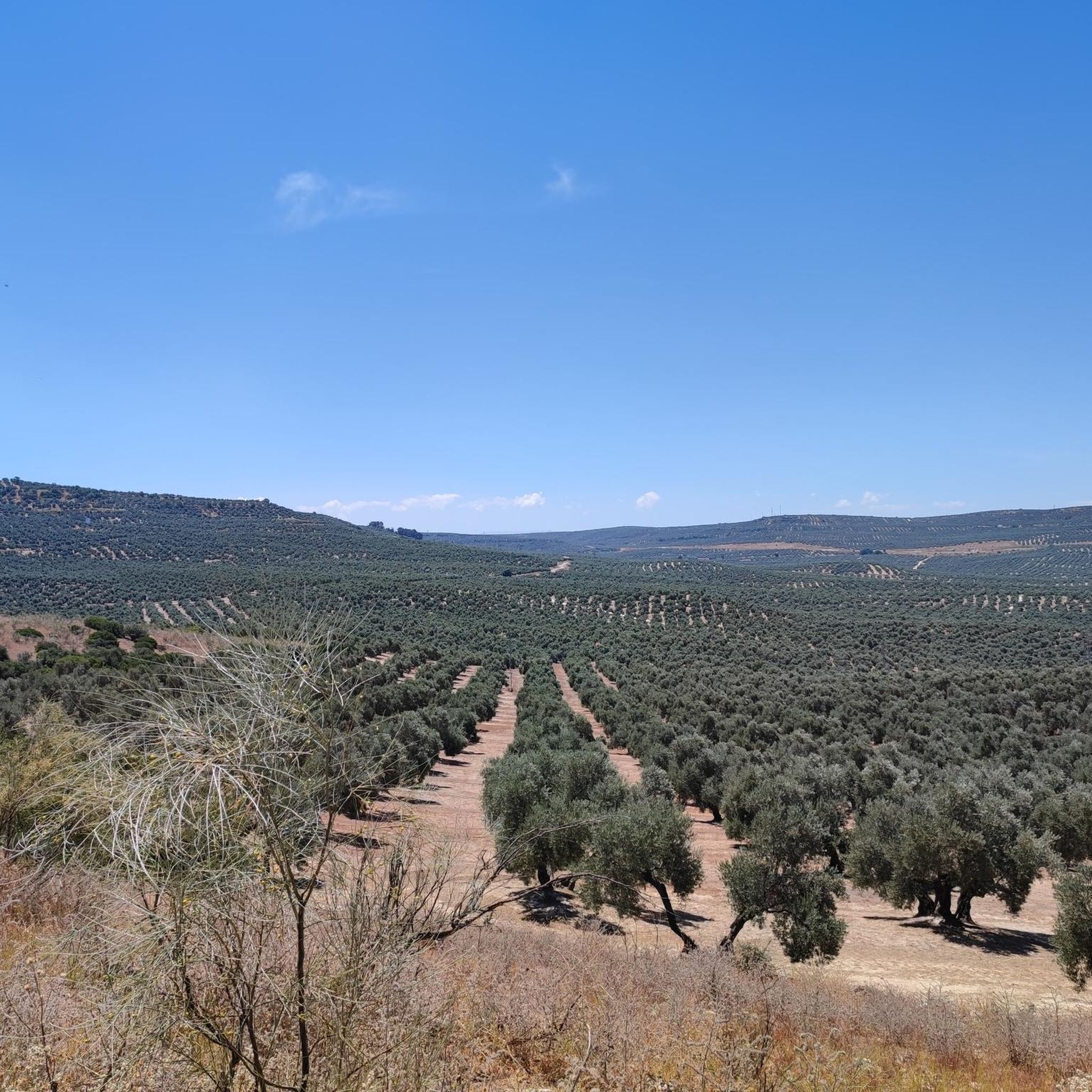
Best natural monuments around Ibros include the region's characteristic agricultural environment, featuring extensive olive groves and vegetable gardens. While specific officially designated natural monuments are not within the municipality, the area's natural appeal lies in its rural landscapes and biological diversity. These features contribute to picturesque views, particularly where olive groves descend towards the Guadalimar River. The natural attractions near Ibros Jaén Spain often blend historical significance with natural settings.
Best natural monuments around Ibros
- The most popular natural monument…
Last updated: October 4, 2026
Santa Margarita Gardens
Highlight • Natural
Translated by Google •
Tip by

Rock-hewn Oratory of Valdecanales
Highlight • Cave
Its construction dates between the sixth and seventh centuries, and it is the only Visigothic hypogeum in southern Spain.
Translated by Google •
Tip by

Sign up now to discover places like this
Get recommendations on the best single tracks, peaks, & plenty of other exciting outdoor places.
Water trough
Highlight • Structure
Translated by Google •
Tip by

Giribaile Cave Dwellings
Highlight • Cave
Translated by Google •
Tip by
Star Fountain
Highlight • Monument
Translated by Google •
Tip by
Sign up for free to discover even more natural monuments around Ibros.
Already have an account?
Start today with a free account
Your next adventure awaits.


Tips from the Community

The Santa Margarita Gardens in Linares are one of the city's most iconic green spaces, with a rich history linked to the bullring and the urban expansion of the 19th century. The land was included in the 1878 expansion plan, next to the Paseo de Linarejos.
4
0

Currently, there is a sign informing that the water emanating from the fountain is "UNPOTABILITY", so it is not authorized for human consumption except for those horses that use it regularly.
20
0
At the entrance to the city of Baeza, a beautiful fountain-trough still stands. It was once used to provide water for animals arriving after farming tasks, quenching their thirst at the trough. It also contains several jets that were used to fill the jugs or pitchers used by residents for domestic chores.
20
0
It is an ancient spring located at the entrance to the city, which served as a watering hole for animals returning or leaving for agricultural tasks. Nowadays it is almost a testimony of the past and although it has the sign of untreated water! It is natural water from a spring and therefore does not contain chlorine, which does not naturally mean that it cannot be drunk.
14
0
In the Plaza de la Constitución or the market, as it is also known, is this fountain formed by a huge obelisk on which you can read the inscription from 1868, the year it was inaugurated.
14
0

Vertical escarpment about 20 meters high in which you can see caves carved in the stone, windows, a sanctuary, a monastery or a hermitage, most likely, rooms where monks or hermits lived in the Visigothic or perhaps Mozarabic times. when the Muslims already dominated these lands but tolerated the existence of Christian communities.
2
0
Hermitage or cave monastery of Visigothic origin located in the municipality of Rus in the province of Jaén. Its construction dates between the sixth and seventh centuries, and it is the only Visigothic hypogeum in southern Spain.
2
0

This park, known as the Gardens of Santa Margarita, is one of the most important symbols of the history of Linares. It is one of the few gardens from the 19th century that have been preserved, and they were built as a recreation area for the miners who left or returned from the Arrayanes path. Its benefactors were the Marquises of Linares, who donated these lands (known as "Los solares de Murga", where the jurisdictional roll indicating the end of the population was located). At the entrance through the Plaza de la Constitución there is a fountain - monument dedicated to the Marquises. The gardens are well cared for, there are different flower beds, hedges... and trees of different species, including orange trees. Inside the park is the Monument to Manolete, and on the other side of the park, the emblematic Plaza de Toros de Linares where the bullfighter died.
13
0
Frequently Asked Questions
What kind of natural attractions can I expect around Ibros?
Ibros is characterized by its agricultural environment, featuring extensive olive groves and vegetable gardens that contribute to its natural beauty and biological diversity. While not officially designated natural monuments, these rural landscapes offer picturesque views, especially where olive groves descend towards the Guadalimar River. The area also blends historical sites within natural settings, such as gardens and ancient cave dwellings.
Are there any officially designated natural monuments within the municipality of Ibros itself?
Within the municipality of Ibros, there are no specific, officially designated natural geological formations or protected areas. The natural appeal of Ibros primarily stems from its characteristic agricultural environment, including its vast olive groves and unique vegetable gardens, which offer significant ecological and scenic value.
Which natural monuments near Ibros are particularly known for their historical significance?
Several sites near Ibros offer a blend of natural setting and rich history. The Rock-hewn Oratory of Valdecanales is a Visigothic cave monastery, unique as the only Visigothic hypogeum in southern Spain. Similarly, the Giribaile Cave Dwellings are ancient caves carved into a vertical escarpment, believed to have served as a sanctuary or monastery during Visigothic or Mozarabic times.
Are there any family-friendly natural sites to visit near Ibros?
Yes, the Santa Margarita Gardens are a great family-friendly option. These 19th-century gardens offer diverse tree species and flower beds, providing a pleasant space for recreation. Another accessible and family-friendly spot is the Star Fountain, a historical monument in a public square.
What outdoor activities can I do near the natural monuments around Ibros?
The region around Ibros offers various outdoor activities. You can explore numerous routes for running, gravel biking, and mountain biking. For instance, there are several running trails around Baeza, such as the 'From Baeza to the Montalvas walk' or 'Around Baeza'. Gravel biking routes include loops around Linares, and mountain biking offers longer trails like the 'Cástulo Archaeological Site loop'. You can find more details on these activities in the Running Trails around Ibros, Gravel biking around Ibros, and MTB Trails around Ibros guides.
What is the best time of year to visit the natural monuments and rural landscapes around Ibros?
The best time to visit the natural monuments and rural landscapes around Ibros is typically during spring (March to May) and autumn (September to November). During these seasons, the weather is milder and more pleasant for outdoor exploration, and the agricultural landscapes are particularly vibrant, with olive groves in bloom or laden with fruit.
Are there any natural parks or protected areas within a reasonable driving distance from Ibros?
Yes, Ibros is strategically located near several significant natural parks. The Sierras de Cazorla, Segura y Las Villas Natural Park, Sierra de Andújar Natural Park, Sierra Mágina Natural Park, and Despeñaperros Natural Park are all within driving distance, offering extensive opportunities for nature exploration, hiking, and wildlife observation.
What do visitors enjoy most about the natural monuments and sites near Ibros?
Visitors often appreciate the unique combination of natural beauty and historical depth. For example, the Santa Margarita Gardens are valued for their well-maintained flower beds, diverse trees, and historical significance as a 19th-century recreation area. The ancient cave sites like the Rock-hewn Oratory of Valdecanales offer a fascinating glimpse into Visigothic history within a natural setting.
Can I find any natural water sources or historical fountains near Ibros?
Yes, you can find the Water trough at the entrance to Baeza. This ancient spring served as a watering hole for animals returning from agricultural tasks and provided water for residents. While the water is currently marked as 'unpotable' for human consumption, it remains a historical feature and a natural spring.
Are the natural monuments around Ibros generally accessible for people with mobility challenges?
Accessibility varies among the sites. The Star Fountain is noted as wheelchair accessible, being located in a public square. However, sites like the Rock-hewn Oratory of Valdecanales and Giribaile Cave Dwellings, being carved into rock or involving caves, may present challenges for those with mobility issues.
Are dogs allowed at the natural monuments and sites near Ibros?
While specific dog policies for each site are not always explicitly stated, many natural outdoor areas and public gardens in Spain generally allow dogs on a leash. For specific historical or protected sites like the cave dwellings or oratory, it's advisable to check local regulations or signage upon arrival. The broader rural landscapes and olive groves are typically dog-friendly for walks.
What kind of flora and fauna can I observe in the natural landscapes around Ibros?
The agricultural landscapes around Ibros are dominated by extensive olive groves, which are a significant part of the local flora. You'll also find various vegetable gardens contributing to the region's biodiversity. In terms of fauna, the area supports typical Mediterranean wildlife, including various bird species, small mammals, and insects adapted to the agricultural and semi-arid environment. The nearby natural parks offer a much wider array of species due to their protected status and diverse ecosystems.
Most popular attractions around Ibros

Get inspired with the komoot mobile app


Explore more
Extend your search for the best caves by checking out these guides of the top ones around Ibros:
