Top 11 Mountain Passes around San Martín Del Pimpollar
Mountain passes around San Martín Del Pimpollar are situated within the Sierra de Gredos mountain range. This region offers access to several notable mountain passes known for their routes and recreational opportunities. The area provides diverse terrain for activities such as cycling and hiking. San Martín Del Pimpollar is a location for exploring the natural landscape of the Gredos peaks and surrounding valleys.
Top mountain passes around San Martín Del Pimpollar
- The most popular mountain passes is Puerto de Pedro…
Last updated: July 1, 2026
Puerto de Pedro Bernardo
Highlight • Mountain Pass
Translated by Google •
Tip by

Serranillos Pass
Highlight • Mountain Pass
Translated by Google •
Tip by

Sign up now to discover places like this
Get recommendations on the best single tracks, peaks, & plenty of other exciting outdoor places.
Sign up for free
Centenera Pass
Highlight (Segment) • Mountain Pass
Translated by Google •
Tip by

Chía Pass (1,663 m)
Highlight (Segment) • Mountain Pass
Translated by Google •
Tip by
Puerto del Peón
Highlight • Mountain Pass
Translated by Google •
Tip by

Sign up for free to discover even more mountain passes around San Martín Del Pimpollar.
Sign up for free
Already have an account?
Start today with a free account
Your next adventure awaits.
Login or Signup
Tips from the Community

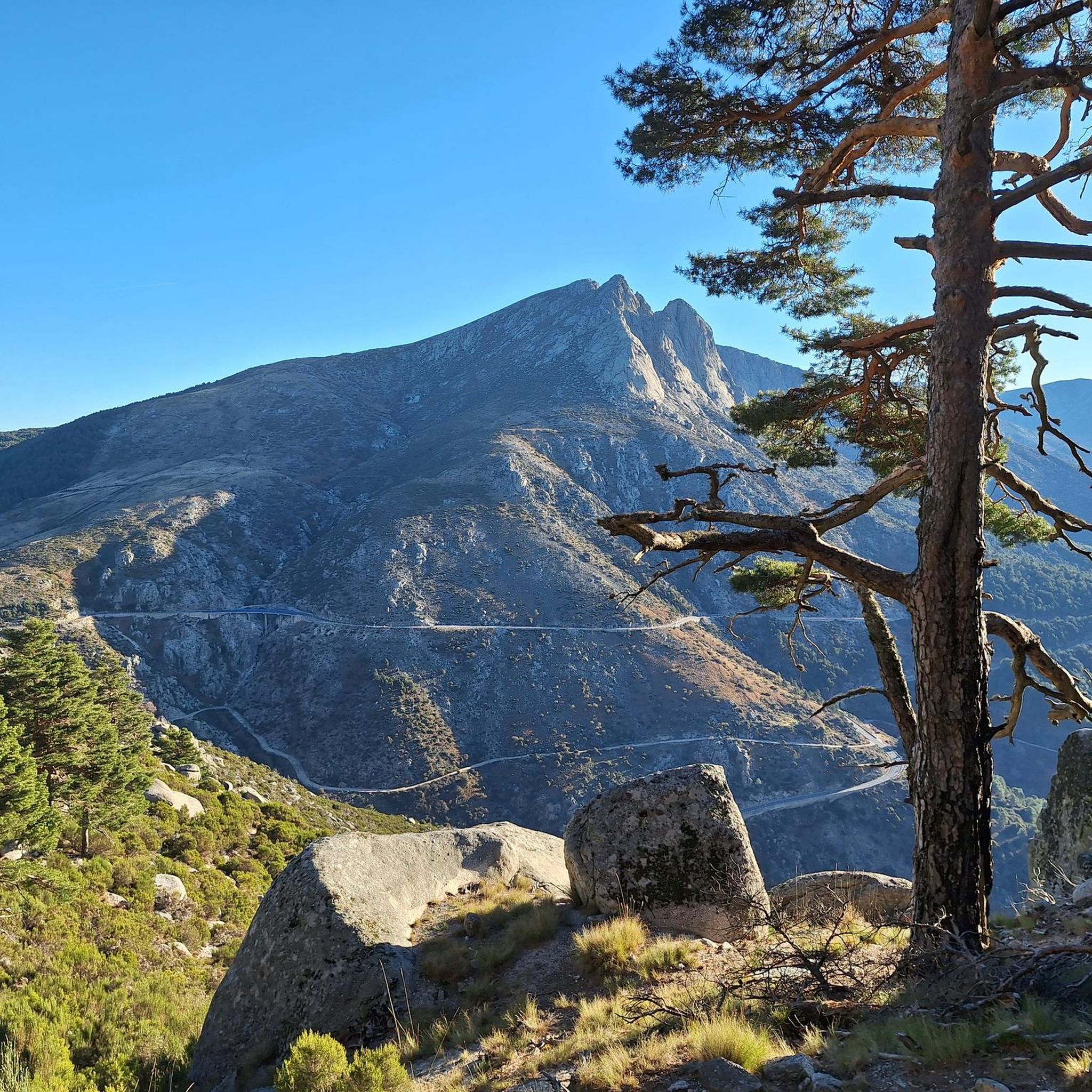
The Serranillos Pass is one of the most iconic mountain passes in the Sierra de Gredos, famous for its beauty and for being a historic stage in the Vuelta a España (Hinault's legendary stage in 1983). Views of the Cinco Villas Valley and the Gredos peaks. Spectacular scenery throughout the climb. Signage with gradient and remaining distance information. Ideal for linking up with Puerto del Pico, Pedro Bernardo, and Mijares for an epic stage.
1
0
The Pedro Bernardo Pass is one of the classic climbs in the Sierra de Gredos mountains, highly prized by cyclists and a regular feature of races like the Vuelta a España. First section: Up to the village (Pedro Bernardo), with gradients of 5-6%, a road in good condition, and spectacular views of the Tiétar Valley. Urban section: In the village, the gradient eases, even offering some flatter sections. Second section: After the village, the asphalt becomes rougher, and the toughest kilometer (7-8%) appears, followed by a "balcony" section with incredible views and a sustained 5% gradient to the summit.
1
0

It's a very quiet pass with hardly any traffic, especially in its final section. The eastern slope, which starts from Arenas De San Pedro, has two very distinct sections. The first, to the village of El Arenal, is very gentle and always runs under an extensive pine forest. When you reach El Arenal, in the village itself, the gradient increases, and then there are 6 km left with an average gradient of 7% and some 10% slopes. The views from the pass are beautiful and it exudes a spiritual tranquility. In summer, it's highly recommended to climb it early in the morning to take advantage of the cool morning air. The western slope connects with the climb to Puerto del Pico, and the climb begins in Ramacastañas. Although not as well-known as other passes in the Sierra de Gredos, I have to admit that I loved it. Here's the link to visit the altimetry created by @cyclingcols, the best at this --> cyclingcols.com/col/Centenera
0
0

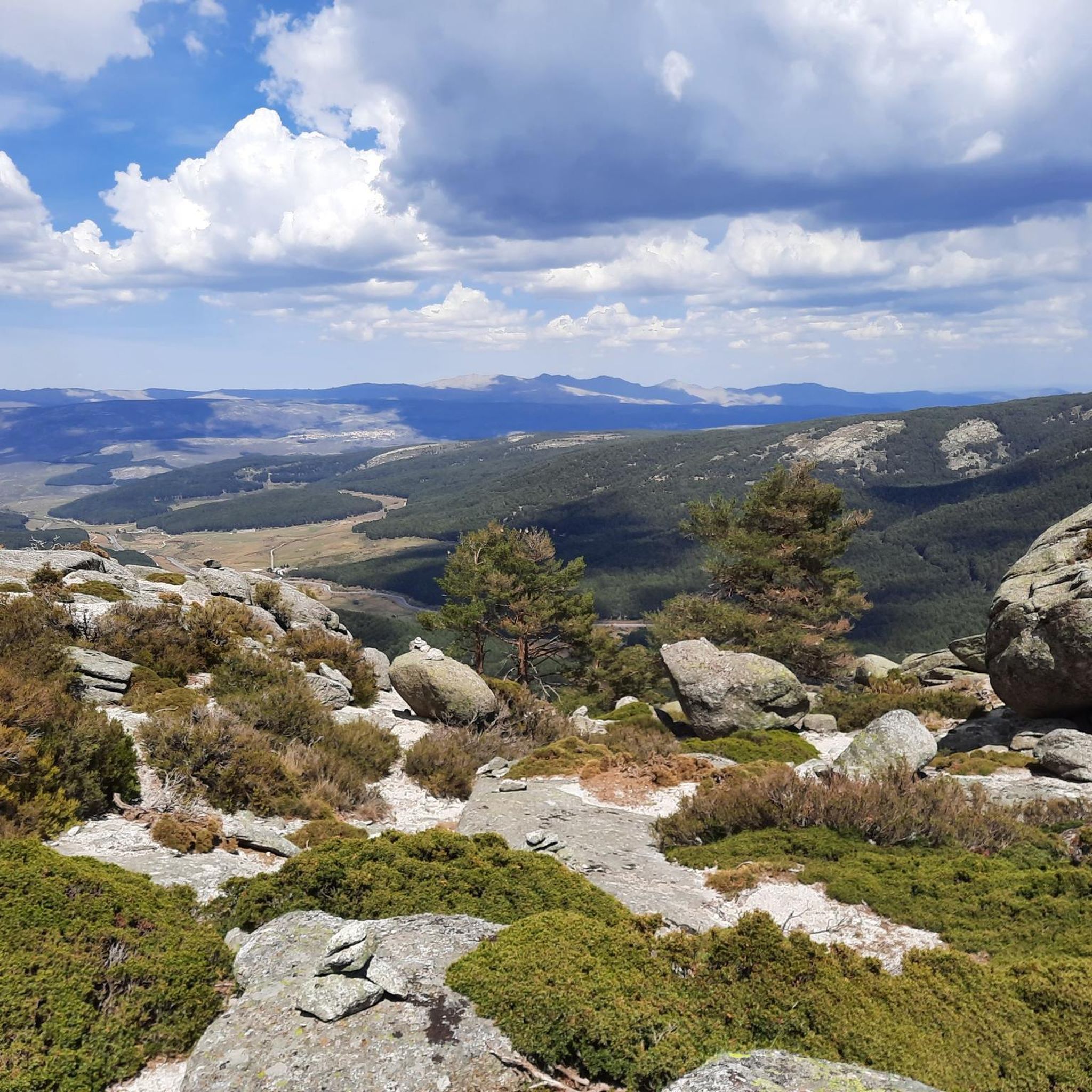
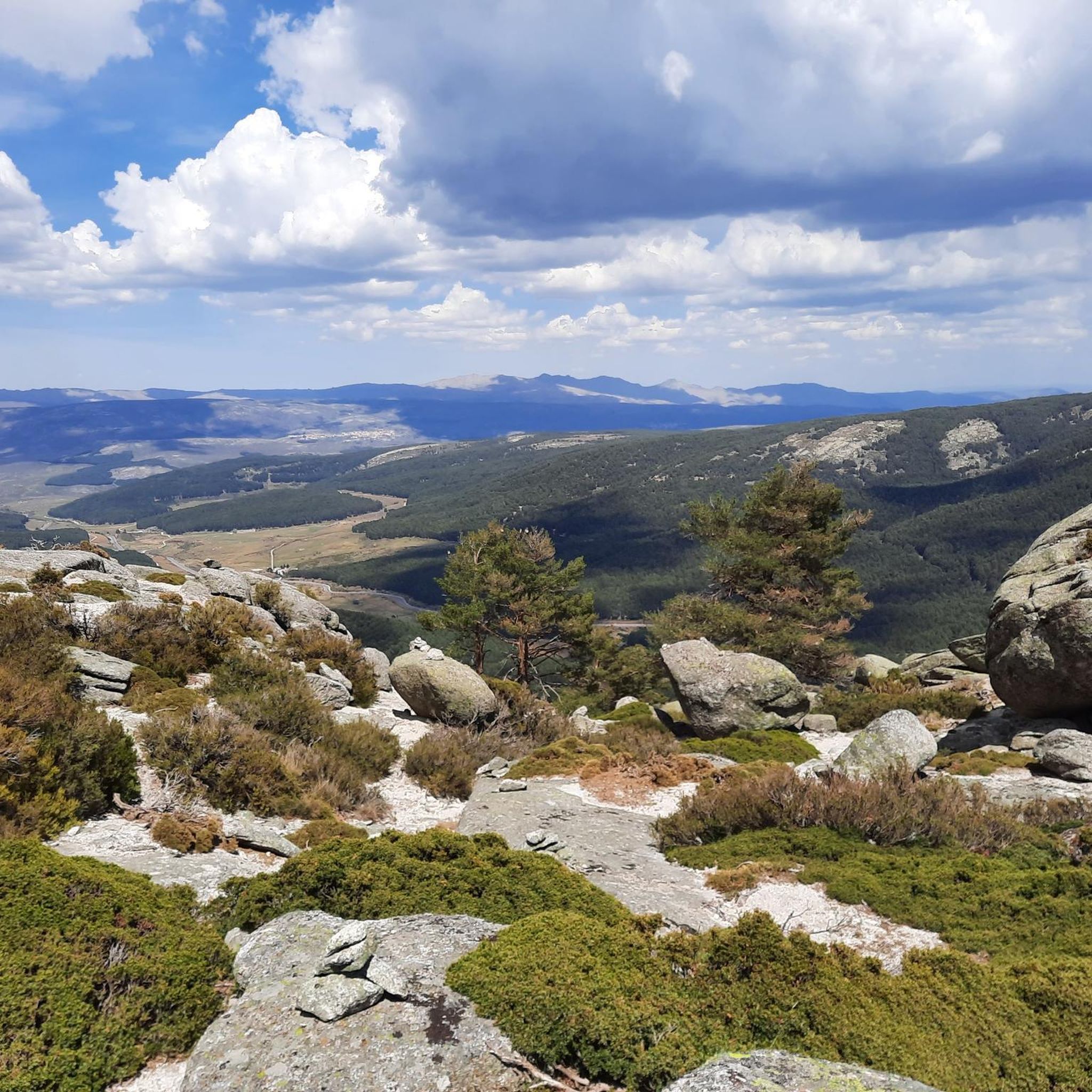
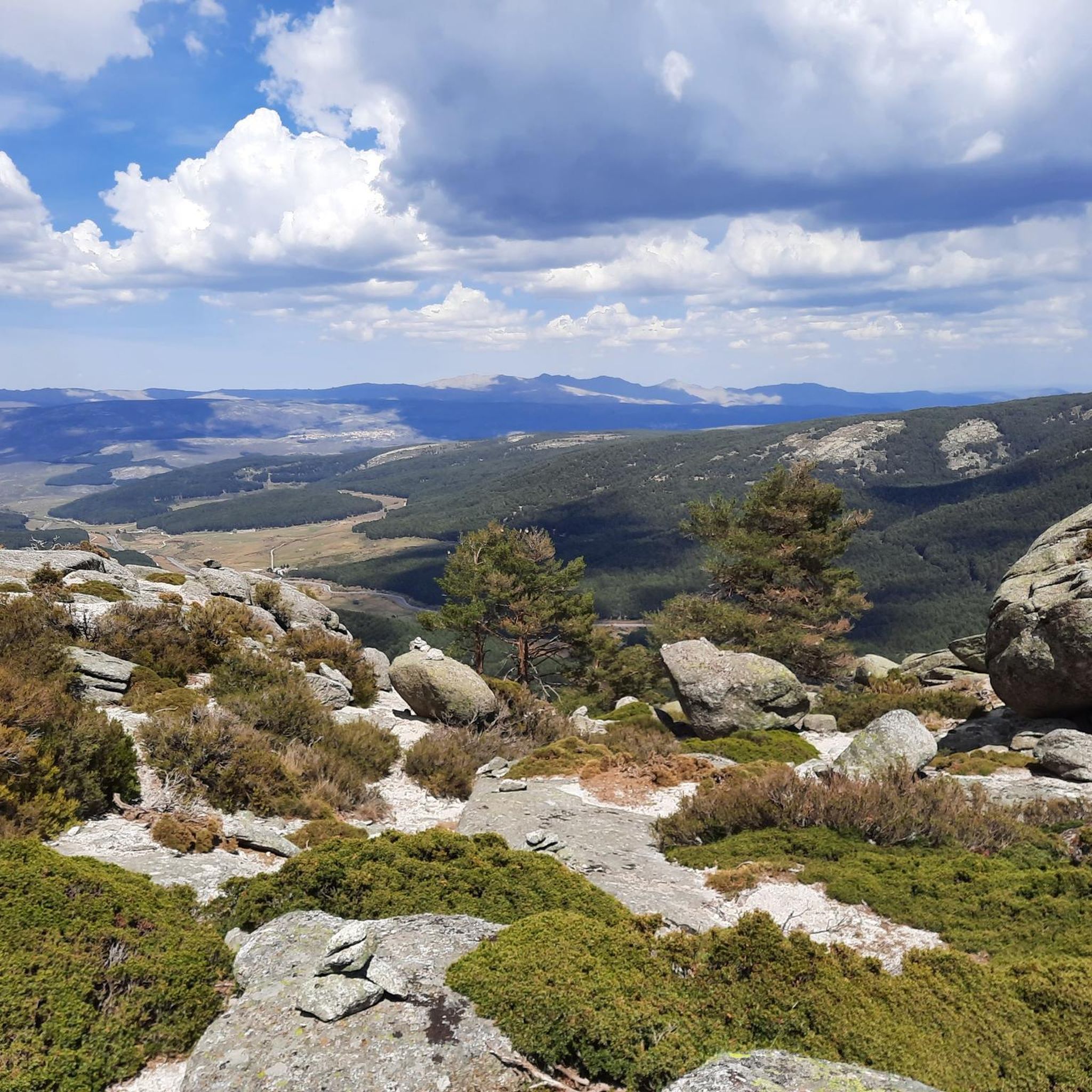
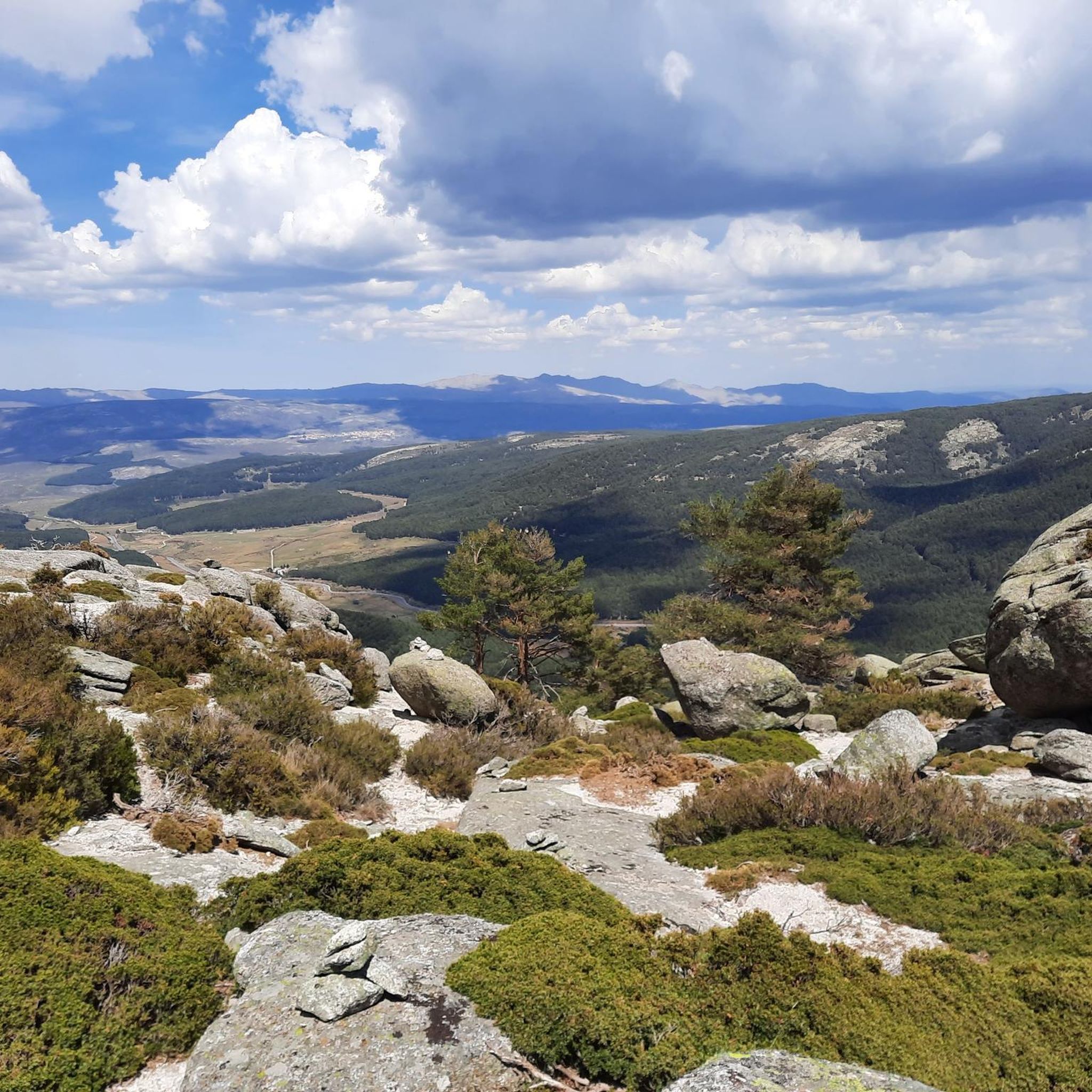
Altitude 2,032 m. The ascent is from the Domingo Fernando platform. This route is of medium-high difficulty, approximately 13 km long and has a 1,000 m elevation gain. Well signposted. The trail dilutes at some points, but you can't get lost.
0
0
The Puerto de Pedro Bernardo is the younger brother of the Puerto de Serranillos. Almost every time this port has been climbed in a professional race it is linked to the Puerto de Serranillos, only the second being considered a port. However, the Puerto de Pedro Bernardo is in itself a hill where you can go from the valley where the CL-501 road runs (where the town with the same name is located) to the valley of the Puerto de Pico, where Esteban del Valle and Mombeltrán are located. The chain with Serranillos is the most typical, as I said previously, although it is also worth chaining it with the Puerto de la Centenera or the Puerto del Pico. The road is rough, with hardly any shoulder and very little traffic. It is a very pleasant port to climb... as long as the heat is not suffocating.
2
0
It is a very quiet port with hardly any traffic, especially in its final part. The eastern slope, which starts from Arenas De San Pedro, has two very well differentiated parts. The first, to the town of El Arenal, is very gentle and always passes under an extensive pine forest. When you reach El Arenal, in the same town, the slope increases and then we have 6 km left with an average slope of 7% and some ramps of 10%. The views of the port are very beautiful and there is spiritual tranquility. In summer it is highly recommended to climb it first thing in the morning to take advantage of the coolness of the morning. The west slope connects with the climb to Puerto del Pico and the climb begins in Ramacastañas. Without being as well known as other ports in the Sierra de Gredos, I have to admit that I loved it. I leave you the link to visit the altimetry prepared by @cyclingcols, the best at this --> http://www.cyclingcols.com/col/Centenera
0
0
The Serranillos pass is one of the great classics of the Tour of Spain as it passes through the Sierra de Gredos. As the Vuelta has almost always ended in Madrid, the Gredos and Guadarrama mountain ranges offered very interesting alternatives to trace mountain stages in the last stages. The port of Serranillos is very iconic in the Sierra de Gredos for several reasons: type of port (long and long), rough and irregular road (but in good condition) and dryland landscape with little vegetation (very typical of this inland area of the Iberian Peninsula). The Serranillos port presents many climbing alternatives: - On its eastern side, there are 2 alternatives: from Burgohondo (the classic one, along the main highway AV-913) and from Navalosa along the AV P-419 highway, which joins the previous one in Navarrevisca. - on its west side, is where we will find more alternatives. I have come to count up to 5 alternatives. They are the following: (1) climb through Santa Cruz del Valle, starting from the N-502 and taking the AV p-706 highway, to later reach San Esteban del Valle and from there to the top; (2) leaving Mombeltrán on the AV-922 highway towards San Esteban del Valle and from there to the top; (3) starting from Cuevas del Valle and passing through Villarejo del Valle on the AV P-706 highway, reaching San Esteban del Valle and from there to the top; (4) starting from the N-502, in the middle of the climb to the Pico pass, taking a road that takes us to the Mirador de la Carretera del Sidrillo and to Esteban del Valle, and from there to the top; (5) previously crossing the Pedro Bernardo port on the AV-922 highway Although I have only done alternative 4 on the eastern slope by bike, they are all very similar. The slopes are gentle and the views, as there is little vegetation, cover a lot of territory.
0
0
This slope is gentler than the northern slope and much shorter, with just 4 km and 2 of them hard, with some considerable ramps in the pair of horseshoe curves that there are. The road is inhospitable and therefore with very little traffic. The asphalt is uneven and rough, which adds hardness to the climb. Most of the secondary roads in this area are like this, which gives it a lot of charm. The landscape in summer is dry land, very typical of the northern area of Gredos and the northern plateau in general. I climbed the pass one early morning in August and I really enjoyed the solitude and silence of nature.
0
0
Frequently Asked Questions
What are the most popular mountain passes around San Martín Del Pimpollar?
Among the most popular mountain passes in the region are Puerto de Pedro Bernardo, known for its well-maintained road and tranquil ascent, and Serranillos Pass, famous for its stunning views of the Cinco Villas Valley and Gredos peaks, and its cycling history.
Are there mountain passes suitable for cycling enthusiasts?
Absolutely. The Serranillos Pass is particularly renowned among cyclists, having been a historic stage in the Vuelta a España. It offers clear signage for gradient and distance. The Puerto de Pedro Bernardo also provides a less crowded cycling experience with good road conditions up to the town.
What kind of views can I expect from the mountain passes?
Many passes offer spectacular panoramic views. For instance, Serranillos Pass provides breathtaking vistas of the Cinco Villas Valley and the majestic Gredos peaks. From Puerto de Pedro Bernardo, you can enjoy beautiful views of the surrounding forests.
Are there challenging mountain passes for experienced hikers or cyclists?
Yes, for those seeking a challenge, Centenera Pass features ramps reaching 8% at the exit of El Arenal and up to 13% closer to the summit. Another challenging option is Puerto del Peón, which sits at 2,028 meters and offers a spectacular panoramic view and a hiking experience in the Sierra de Gredos Regional Park with a medium-high difficulty.
What are the road conditions like on these mountain passes?
Road conditions vary. The road leading up to the town of Pedro Bernardo on Puerto de Pedro Bernardo is well-maintained with a hard shoulder and clear signage. Beyond the town, it narrows and the asphalt becomes somewhat rough but remains in good condition. Other passes, like Chía Pass (1,663 m), have uneven and rough asphalt, which adds to the challenge and charm for some.
What outdoor activities can I do near these mountain passes?
The region around San Martín Del Pimpollar is excellent for various outdoor activities. You can find numerous cycling routes, including challenging road cycling tours like the 'Puerto del Pico and Puerto de Serranillos Loop' or 'Serranillos Pass – Puerto de Pedro Bernardo loop'. For hiking, trails like 'Las Chorreras de San Martín del Pimpollar Trail' are popular. You can explore more options in the cycling guide, road cycling guide, and hiking guide for the area.
Are there any historical aspects to the mountain passes in this region?
Yes, the Serranillos Pass holds significant cycling history, having been a notable stage in the Vuelta a España, famously featuring Bernard Hinault's performance in 1983. This adds a layer of prestige for cycling enthusiasts.
What is the best time of year to visit the mountain passes?
While specific data on the best time is not provided, the region's mountain passes are generally appealing for outdoor activities. Given the potential for sun exposure on routes like Puerto de Pedro Bernardo, spring and autumn might offer more comfortable temperatures for cycling and hiking. Summer can be very warm, and winter may bring snow and more challenging conditions at higher altitudes.
Can I find tranquil routes with less traffic?
Yes, the ascent to Puerto de Pedro Bernardo is notably quiet, experiencing little traffic up to the town and almost non-existent beyond it. This makes it a peaceful route for those seeking solitude. Similarly, the road to Chía Pass (1,663 m) is described as inhospitable and has very little traffic.
What natural features are prominent around the mountain passes?
The mountain passes are nestled within the Sierra de Gredos, offering spectacular natural beauty. You'll encounter majestic Gredos peaks, valleys like the Cinco Villas Valley, and surrounding forests. Higher passes like Puerto del Peón are within the Sierra de Gredos Regional Park, featuring rugged terrain and often frequented by mountain goats.
Are there options for linking multiple mountain passes for a longer adventure?
Yes, the passes in the Sierra de Gredos are often linked to create longer, more epic routes. For example, Serranillos Pass is ideal for linking with Puerto del Pico, Pedro Bernardo, and Mijares. Similarly, Puerto de Pedro Bernardo can be chained with Serranillos or Centenera Pass.
Most popular routes around San Martín Del Pimpollar
Most popular attractions around San Martín Del Pimpollar

Get inspired with the komoot mobile app


Explore more
See even more epic mountain passes by checking out these guides around San Martín Del Pimpollar:
