Top 9 Natural Monuments around Albocàsser
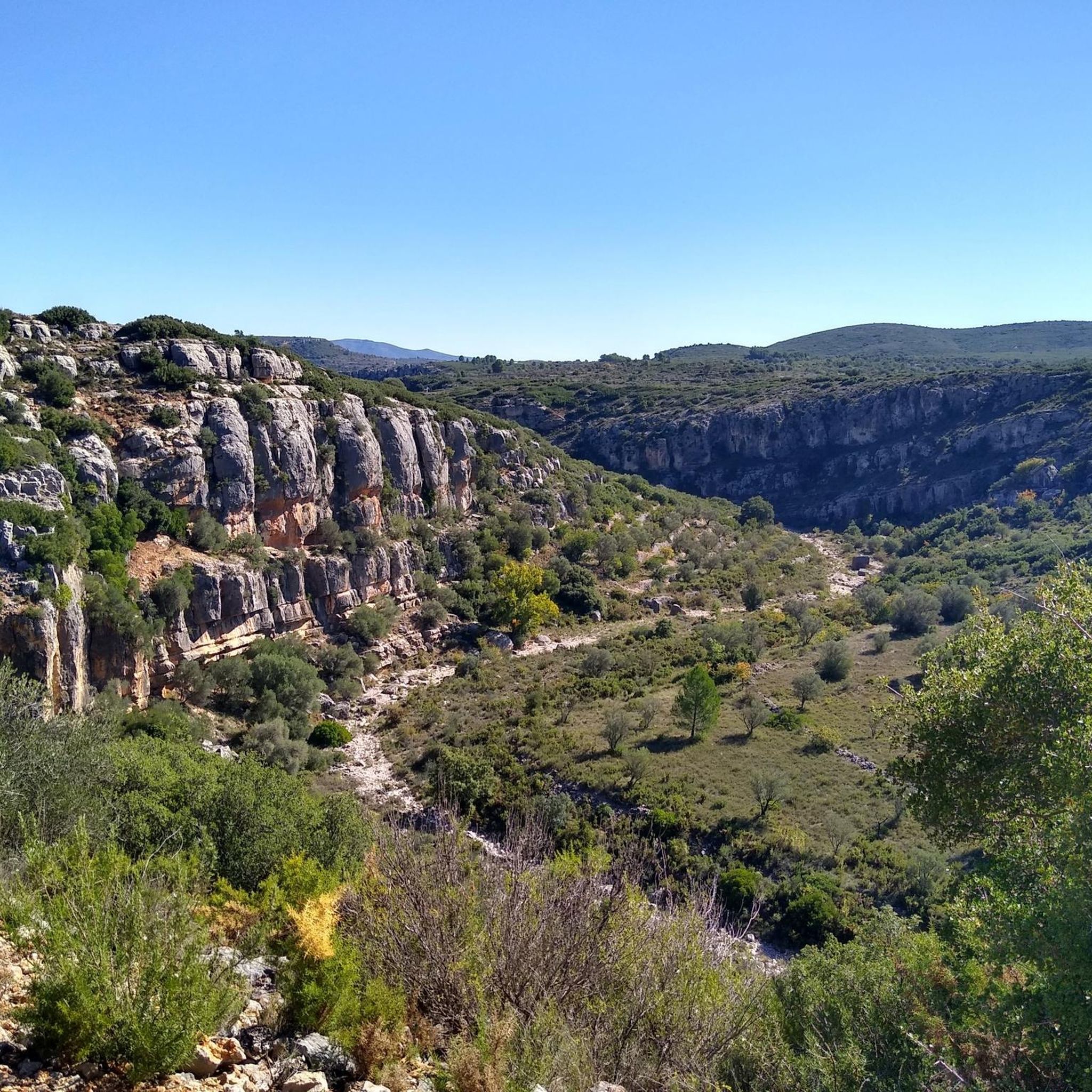
Natural monuments around Albocàsser present a diverse landscape in the Alt Maestrat region, offering a blend of natural beauty and historical significance. The area features compelling natural attractions, including ravines with rich ecosystems and unique botanical features. This municipality provides a variety of natural settings, from ancient forests to monumental trees. Visitors can explore a landscape shaped by both nature and traditional human interaction.
Best natural monuments around Albocàsser
- The most popular natural monuments is El Rivet Municipal Nature Park…
Last updated: July 1, 2026
La Morería
Highlight • Cave
Translated by Google •
Tip by

El Rivet Municipal Nature Park
Highlight • Forest
Translated by Google •
Tip by

Sign up now to discover places like this
Get recommendations on the best single tracks, peaks, & plenty of other exciting outdoor places.
Sign up for free
Carrasca de Culla
Highlight • Natural Monument
Translated by Google •
Tip by
Monte Calapí
Highlight • Summit
Translated by Google •
Tip by
Espaneguera Summit
Highlight • Summit
Translated by Google •
Tip by

Sign up for free to discover even more natural monuments around Albocàsser.
Sign up for free
Already have an account?
Start today with a free account
Your next adventure awaits.
Login or Signup
Tips from the Community

It's a very beautiful but very tough route. Be well prepared. The descent is quite demanding.
0
0


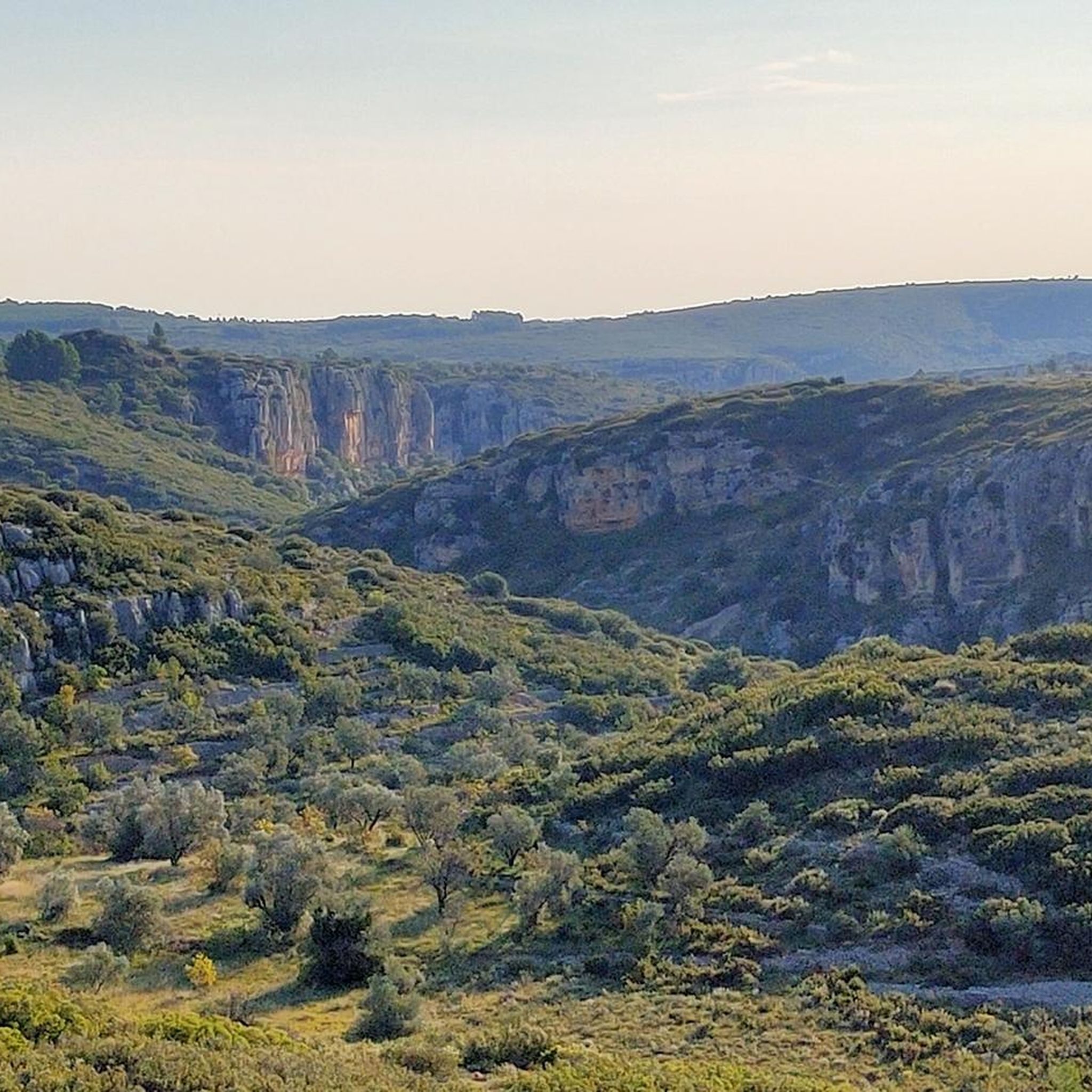
Place located next to the San Miguel river and near the urban area. Place of great interest to visit, in it there are several caves. La Morería, currently owned by the Fundación Docente Privada de les Coves de Vinromà, is a place that impresses. Near the center of the town, next to the Coves river, it is a place that has dazzled the world for many reasons, since it has been the historical cradle of many of the civilizations that have passed through here. There are cave paintings in one of the caves in the mountain and also remains of Moorish constructions, since it was there where they settled after the Christian conquest, hence the name by which we know it. But what has been on the minds of the residents is "the story of the miracle of Les Coves de Vinromà", which took place in the Cueva de la Campana in 1947. Days before December 1, 1947, a girl named Raquel, who was then only 8 years old, claims that the Virgin Mary appeared to her in the Campana de la Morería cave. This fact spread rapidly along with the girl's prediction that on December 1, there would be a great event: at three in the afternoon, the day would turn into night and miracles would occur. The society in post-war times, of hardships, hunger and poverty, was in need of similar events; For this reason, more than 300,000 people came to the municipality to witness these events, according to witnesses. But nothing happened, it was the coldest day of the whole year, all hopes were dashed, even so, many months later, stimulated people continued to come. Near the place of the Moorish neighborhood you can still see and visit some of the 17 hydraulic mills of the municipality, which boosted the economy of the time. They are still standing, some of them from the 14th century, as well as part of their water collection pipes. In addition, it has recently been declared a flora micro-reserve by the Generalitat Valenciana, due to the peculiarity of the two slopes of the river: On the one hand, the Morería cliff, as it is a place where the sun never hits it directly, is a humid place where the flora that inhabits it is not normal in these latitudes. On the other, when crossing the river we find the typical vegetation of the Mediterranean climate with aromatic plants and scrubs characteristic of this area.
0
0

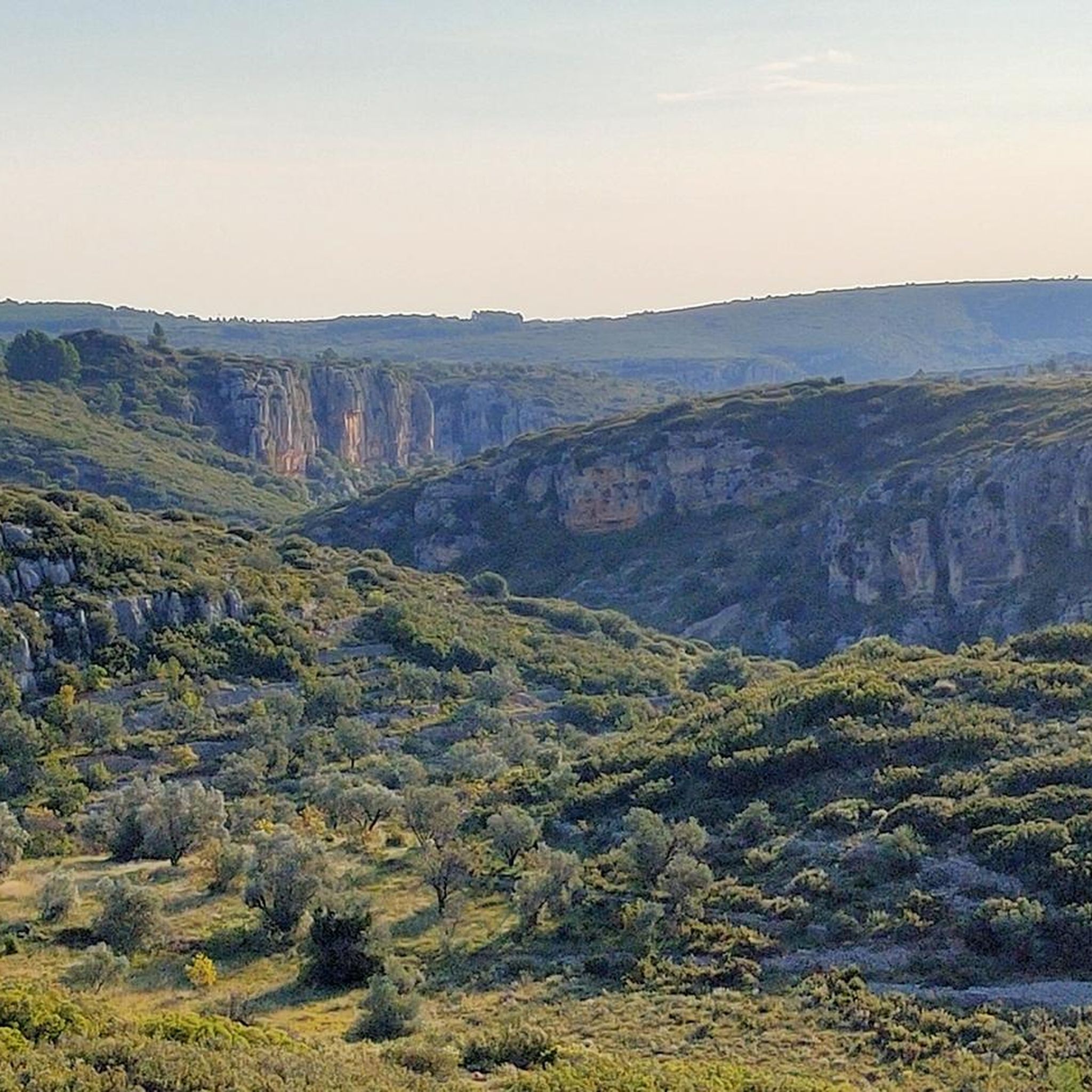
Monumental holm oak that is worth seeing; it is a unique tree. The restaurant that is at the same point is recommended, be it for lunch or dinner, phone. 964 76 21 76
2
0
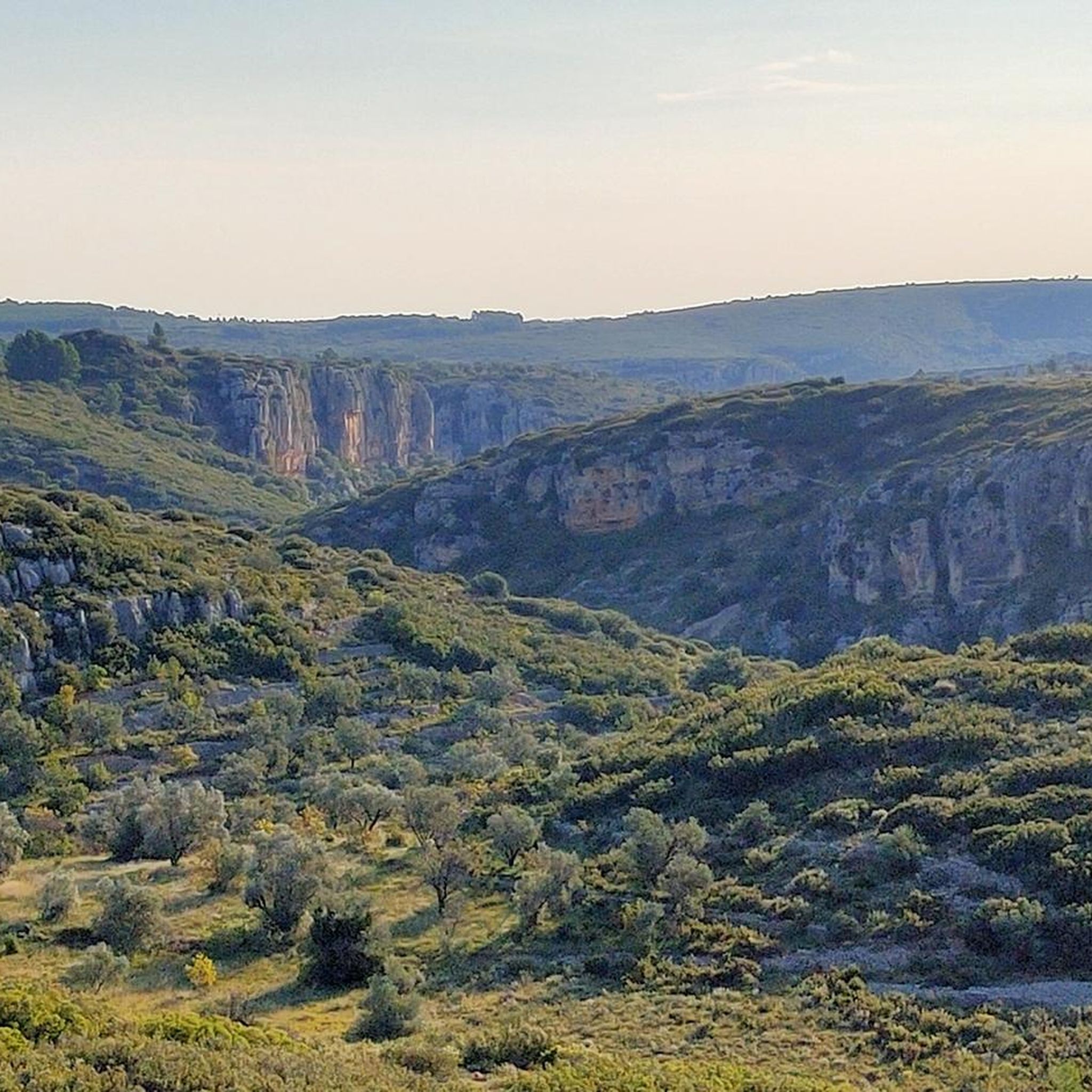
It is the highest Mountain in the western area of the Badanxer Valley, some call it Mount Caballo but this is not its real name. With its 520 meters, it has magnificent views in all its 360º, it must be borne in mind that it is not a place of passage and is quite far from most of the hiking routes of the Badanxer Valley (Angel Valley), but it is a place that is worth visiting. The route I have taken is one of the best to be able to travel the entire area, it must be borne in mind that there is no water point to supply ourselves, so we must take it into account, calculating well what we are going to need for hydration and food . Route with some unevenness and mileage. We must also take into account the weather, especially in summer, since it is a very hot area.
0
0
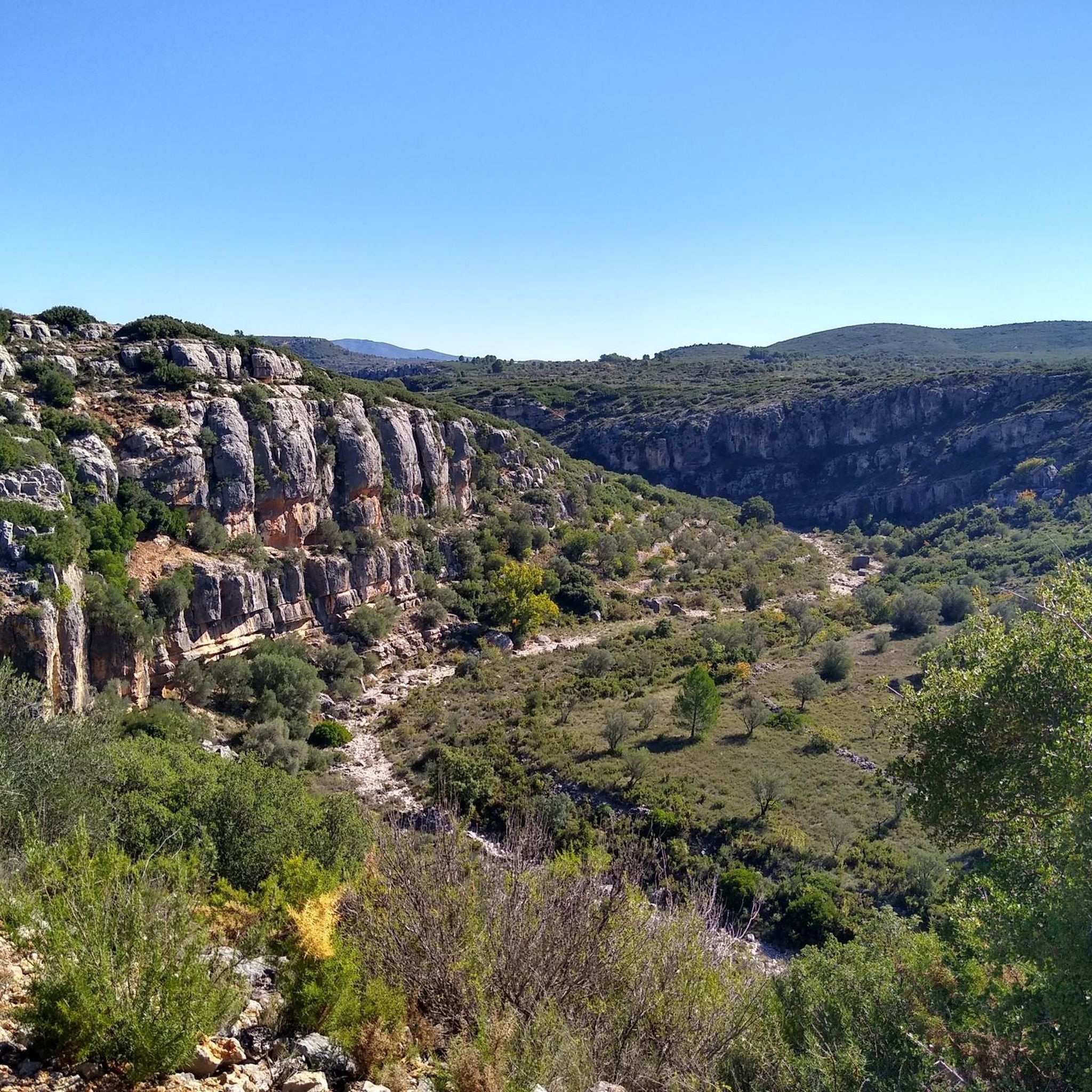
Centennial oak and holm oak forest, currently protected as a micro-reserve of flora. Spectacular place to enjoy a walk, a picnic or just admire nature in its purest form. Highly recommended to make a stop.
5
0
Frequently Asked Questions
What unique natural monuments can I find in Albocàsser?
Albocàsser is home to several unique natural features. You can visit the impressive Carrasca de Culla, a monumental holm oak recognized for its size. Another remarkable sight is the gigantic ivy at the Sant Pau Hermitage, a standalone natural feature adding to the historical complex. Additionally, La Morería offers a fascinating cave system and is a flora micro-reserve.
Are there any natural monuments suitable for families in Albocàsser?
Yes, several natural monuments in Albocàsser are family-friendly. El Rivet Municipal Nature Park, a centennial oak and holm oak forest, is protected as a flora micro-reserve and is ideal for a walk or picnic. The monumental Carrasca de Culla is also a great spot for families to visit and admire a unique tree.
What kind of historical and cultural significance do the natural monuments in Albocàsser hold?
Many natural monuments in Albocàsser are intertwined with history. The Barranc de la Valltorta, while a natural area, is famous for its prehistoric rock art, a UNESCO World Heritage site, and features ancient agricultural practices and traditional architecture. La Morería, a cave system, contains cave paintings and remains of Moorish constructions, reflecting its historical importance. The Sant Pau Hermitage, home to the gigantic ivy, is itself a Historic-Artistic Monument.
What outdoor activities can I do near the natural monuments in Albocàsser?
The region around Albocàsser is excellent for various outdoor activities. You can explore the natural enclaves of El Prat de Sant Pau, Font de Na Tosca, and Montegordo, which are perfect for hiking and cycling. For more structured routes, consider the hiking trails around Albocàsser, MTB trails, or road cycling routes.
Are there hiking trails near the natural monuments in Albocàsser?
Yes, there are several hiking opportunities. For example, a moderate 10.97 km loop, 'Dry Stone Hut – Calçiner Stone Well loop', starts near the Museo de la Valltorta. You can find more options, including challenging routes like the 'Tossal de la Nevera – Coll de l'Avellà loop', in the Hiking around Albocàsser guide.
When is the best time to visit the natural monuments in Albocàsser?
The natural monuments in Albocàsser can be enjoyed year-round, but January and February offer a special spectacle. During these months, the almond trees surrounding the municipality are in full bloom, painting the landscape with vibrant colors and creating a particularly picturesque setting for outdoor activities.
Can I find viewpoints with panoramic views among the natural monuments?
Absolutely. Monte Calapí, the highest mountain in the western Badanxer Valley, offers magnificent 360º views. Espaneguera Summit also provides beautiful vistas, though the climb can be quite challenging.
What kind of wildlife can I expect to see in the natural areas of Albocàsser?
The Barranc de la Valltorta is known for its diverse ecosystem, which supports various wildlife, including species like the Bonelli's eagle and the mountain goat. The region's natural areas generally offer opportunities for wildlife spotting, especially for birds and local fauna adapted to the Mediterranean climate.
Are there any natural monuments that are also flora micro-reserves?
Yes, El Rivet Municipal Nature Park, a centennial oak and holm oak forest, is protected as a flora micro-reserve. Similarly, La Morería, with its cave system, has also been declared a flora micro-reserve by the Generalitat Valenciana due to its unique vegetation on the river's slopes.
What are some of the most appreciated natural monuments by visitors to Albocàsser?
Visitors particularly appreciate El Rivet Municipal Nature Park for its spectacular natural beauty, perfect for walks and enjoying nature. The unique monumental holm oak, Carrasca de Culla, is also highly regarded as a must-see natural feature.
Are there any natural monuments near water sources or rivers?
Yes, La Morería, a significant cave system and flora micro-reserve, is located right next to the San Miguel river. This proximity to water has also historically supported hydraulic mills, some dating back to the 14th century, which can still be seen nearby.
Most popular attractions around Albocàsser

Get inspired with the komoot mobile app


Explore more
Extend your search for the best caves by checking out these guides of the top ones around Albocàsser:
