Top 9 Natural Monuments around Ucero
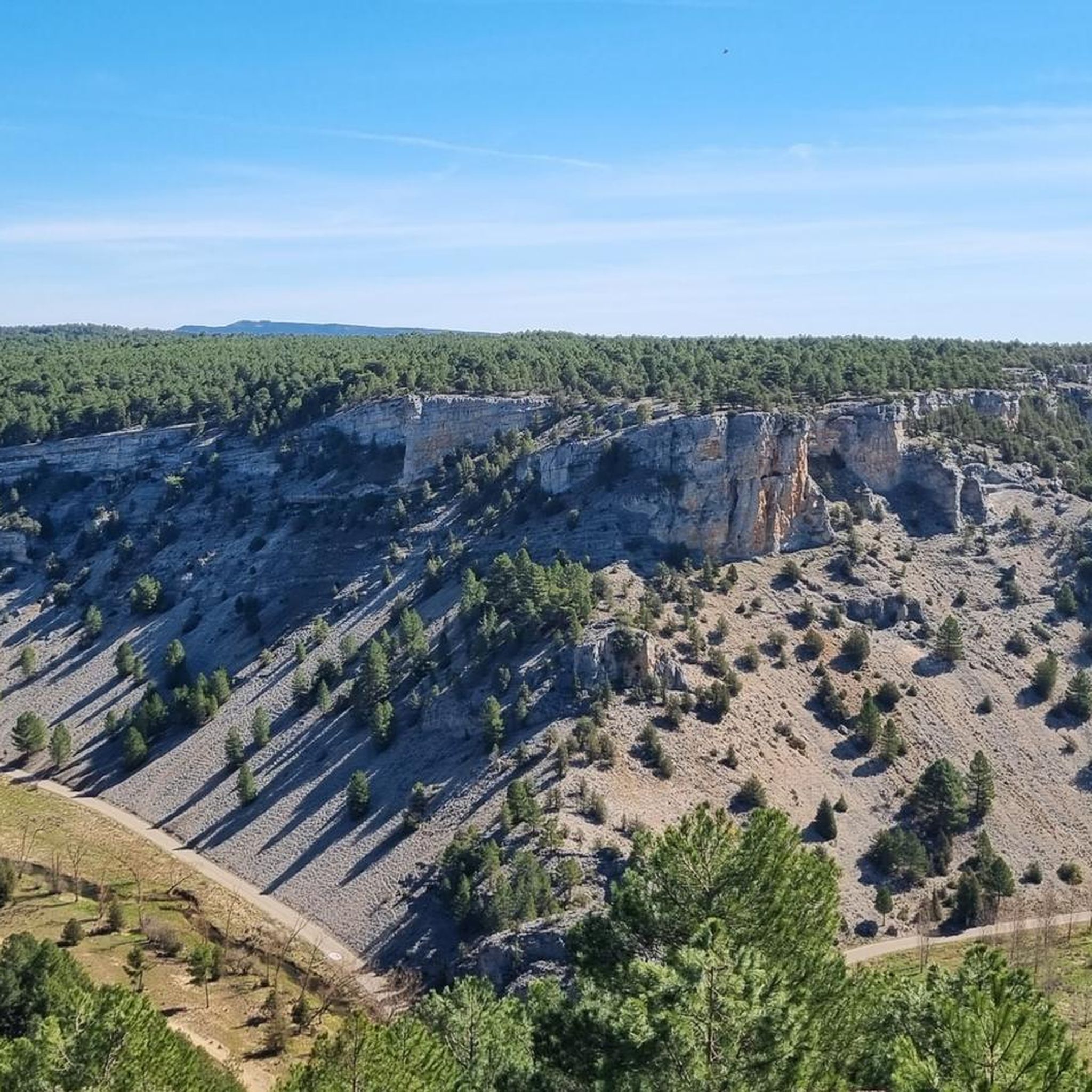
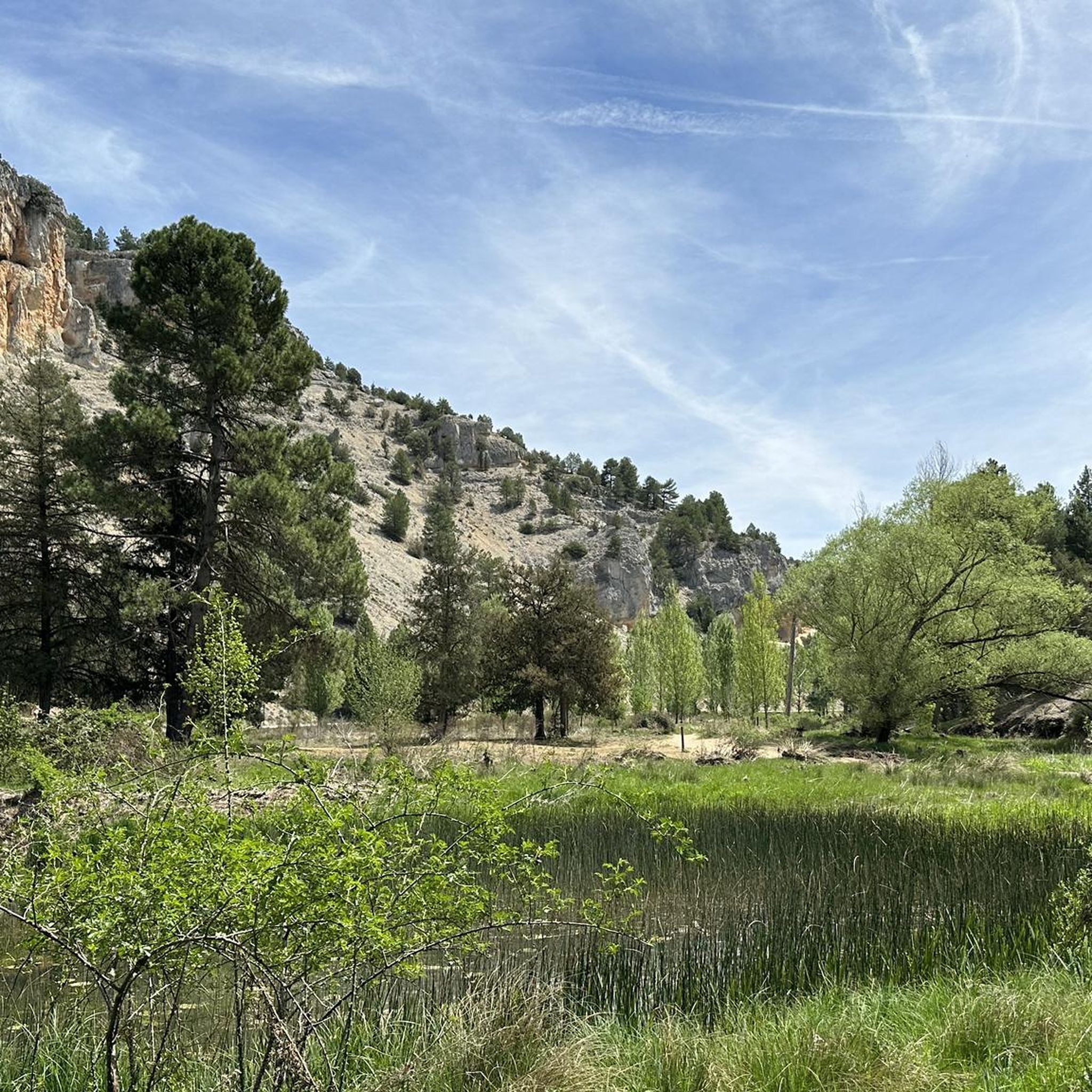
Best natural monuments around Ucero are centered around the Cañón del Río Lobos Natural Park and the Natural Monument of La Fuentona. This region in Soria, Spain, features a karst landscape with deep limestone canyons, extensive forests, and unique geological formations. The area is recognized for its ecological significance and diverse ecosystems. These sites offer opportunities to observe varied flora and fauna, including large colonies of griffon vultures.
Best natural monuments around Ucero
- The most popular natural monuments is Hermitage…
Last updated: October 18, 2026
Hermitage of Saint Bartholomew
Highlight • Religious Site
Translated by Google •
Tip by

Gullurías Viewpoint
Highlight • Viewpoint
Translated by Google •
Tip by
Sign up now to discover places like this
Get recommendations on the best single tracks, peaks, & plenty of other exciting outdoor places.
Cueva Grande (Río Lobos Canyon)
Highlight • Cave
Translated by Google •
Tip by

Entrance Trail to Cañón del Río Lobos from Casarejos (GR-86)
Highlight (Segment) • Trail
Translated by Google •
Tip by

Colmenar de los Frailes
Highlight • Structure
Translated by Google •
Tip by

Sign up for free to discover even more natural monuments around Ucero.
Already have an account?
Start today with a free account
Your next adventure awaits.
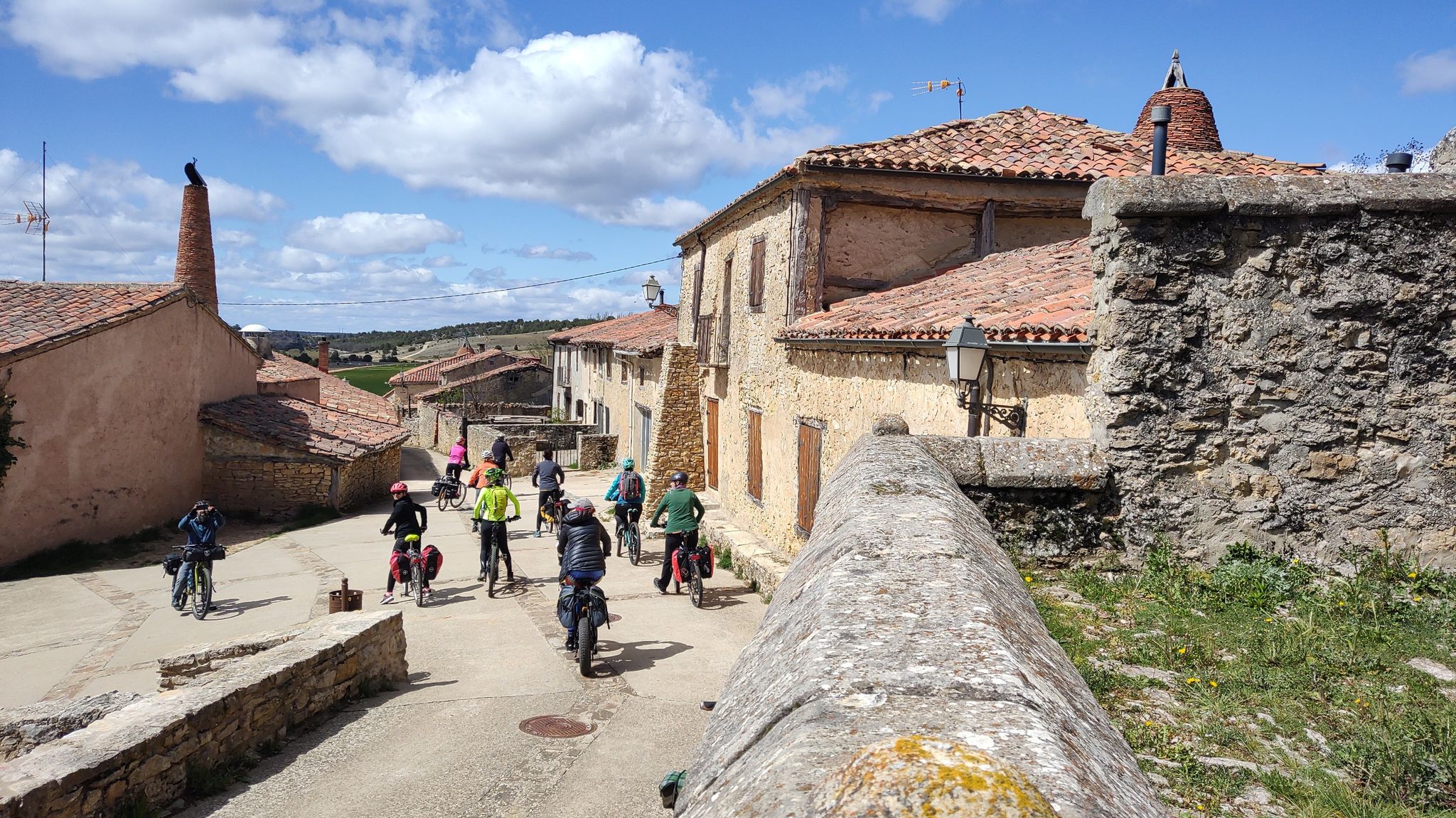
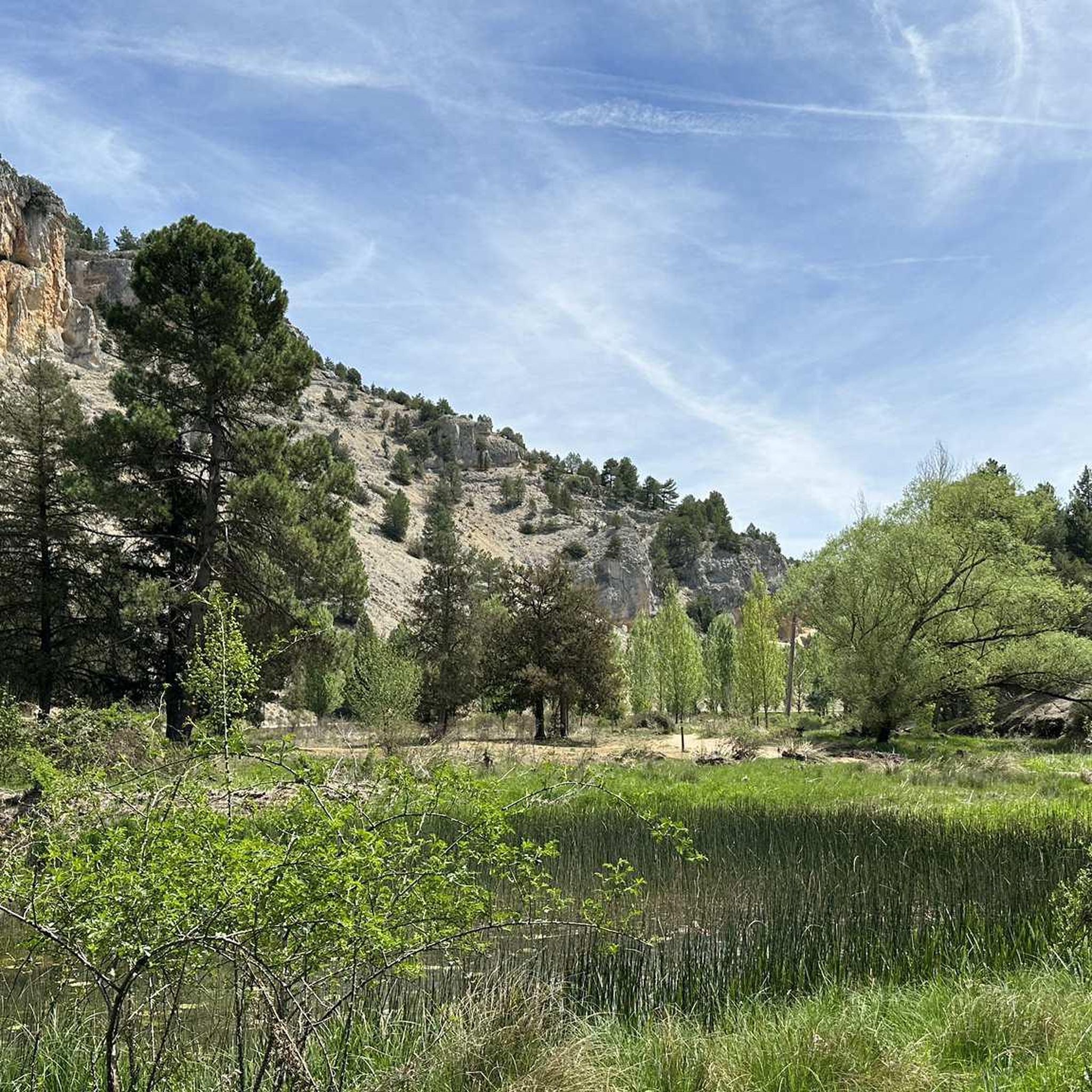
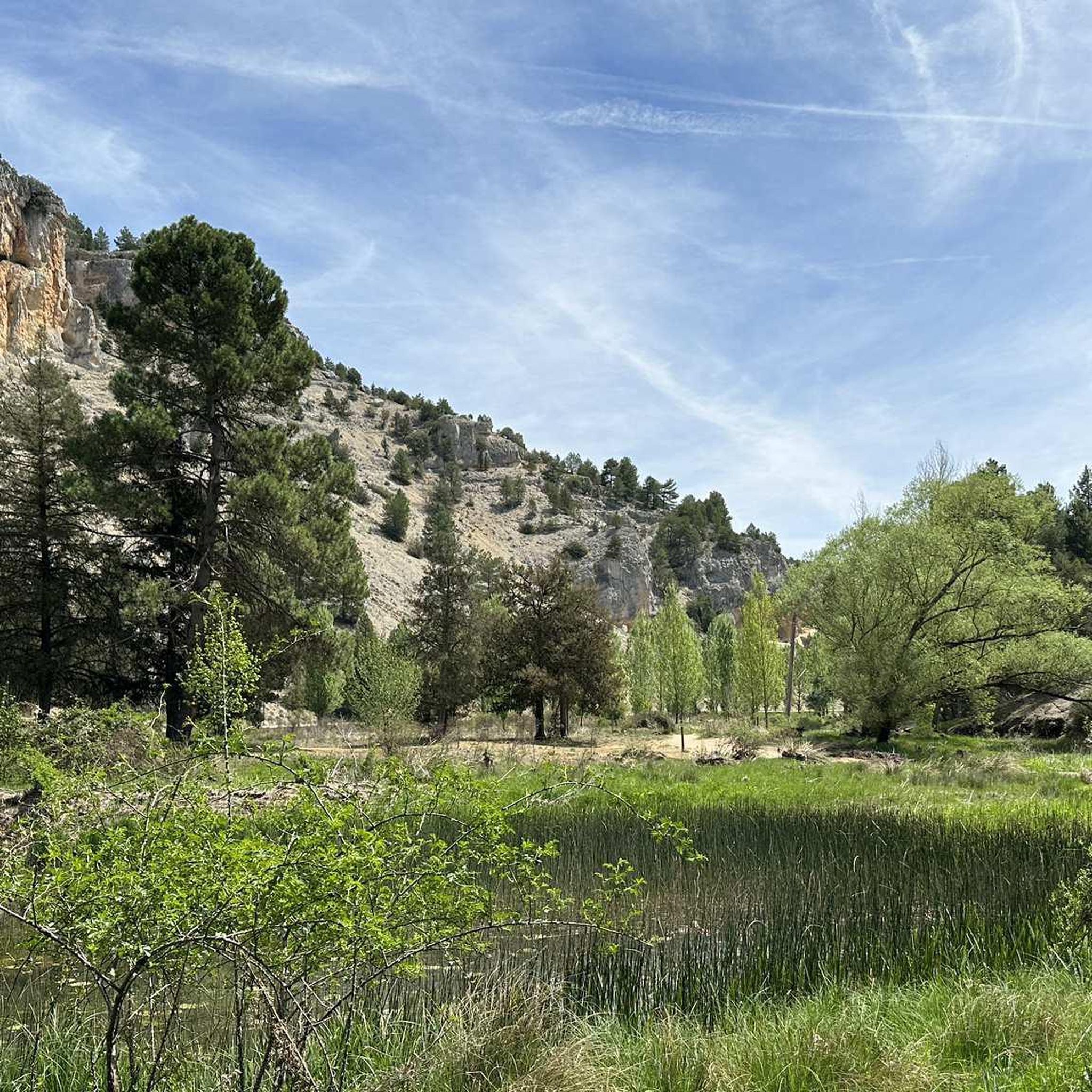
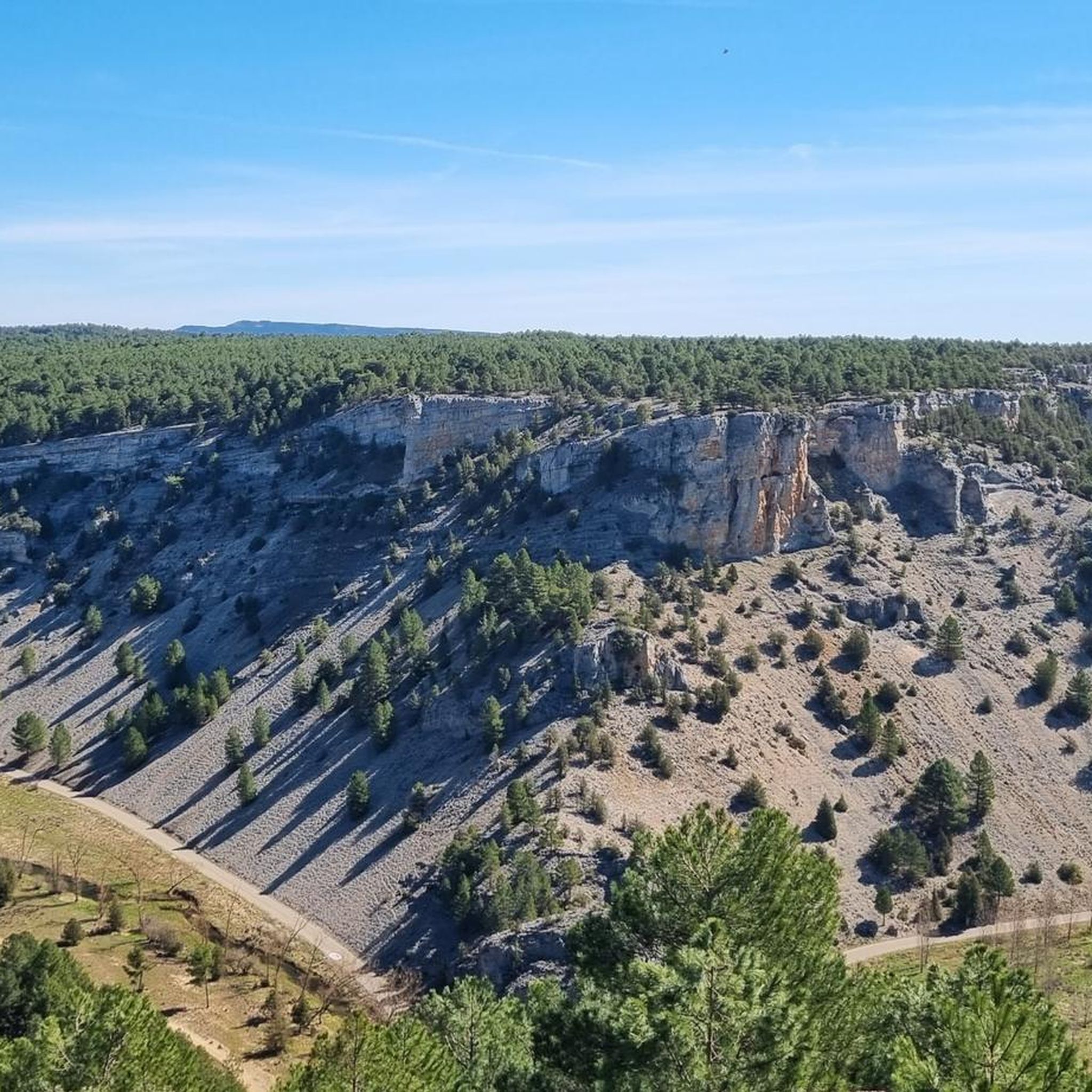
Other adventures around Ucero

Tips from the Community


One of the resources traditionally exploited in the region was honey collection. This spot, known as "El Colmenar de los Frailes," housed the Templar community's beehives. They were made from hollowed tree trunks, each with a stone slab placed on top as a lid, leaving small entrance areas for the bees. They lined the rocky outcrops of the Canyon.
0
1

The Gullurías Viewpoint is a spectacular vantage point located in the Cañón del Río Lobos Natural Park. From the viewpoint, you can see the pine forests of Soria and Burgos, as well as the peaks of the Iberian System, including Urbión Peak.
4
0
The Hermitage of San Bartolomé is a fascinating church located in the Cañón del Río Lobos Natural Park, in the communities of Herrera de Soria, Nafría de Ucero, and Ucero. Built in the first quarter of the 13th century, in a style that transitions from Romanesque to Gothic.
4
0
Bullías trail, a very nice circular hiking route
0
0
The LOBOS River canyon is worth visiting
0
0
The large cave, a large cavity in an idyllic landscape, which is the surroundings of the hermitage of San Bartolomé
0
1

"Colmenar de los Frailes" is a curious place where you can see some old beehives on the rock, built from hollow tree trunks.
2
0
Frequently Asked Questions
What are the most notable natural monuments to visit around Ucero?
The region around Ucero is primarily known for the stunning Cañón del Río Lobos Natural Park and the captivating Natural Monument of La Fuentona. Within the Cañón del Río Lobos, you can explore the historic Hermitage of Saint Bartholomew, nestled in a unique setting, and the impressive Cueva Grande (Río Lobos Canyon), a natural cave near the hermitage.
Are there any historical or cultural sites integrated into the natural landscape?
Yes, the area features several sites with historical significance. The Hermitage of Saint Bartholomew, a beautiful Romanesque church, was once part of a Templar monastery and is set within the Cañón del Río Lobos. Additionally, you can find Colmenar de los Frailes, a historical site with old beehives built into the rock, traditionally used by the Templar community for honey collection.
What kind of wildlife can I expect to see in the natural monuments around Ucero?
The Cañón del Río Lobos Natural Park is a Special Protection Area for Birds, renowned for its large colony of griffon vultures, with over a hundred pairs nesting in the cliffs. You might also spot golden eagles, Egyptian vultures, and various falcons. Mammals such as roe deer, wild boar, otters, and wildcats also inhabit the area, particularly within the extensive forests of juniper and black pine.
Are there family-friendly activities or walks suitable for children?
Many areas within the Cañón del Río Lobos Natural Park offer accessible paths suitable for families. While specific 'family_friendly' routes aren't detailed in the data, the general appeal of the canyon, with its impressive cliffs and the Hermitage of San Bartolomé, makes for an engaging outing. The peaceful riverside walk leading to La Fuentona is also a gentle option for families.
What are the best hiking opportunities near the natural monuments?
The region offers numerous hiking trails. For example, you can explore routes like the 'Cañón del Río Lobos, Senda de las Gullurías y Ermita de San Bartolomé' or the 'Source of the Ucero River – Valdecea Pond and Cliffs loop from Ucero'. These trails allow you to experience the canyon's beauty and geological formations. You can find more hiking options in the Hiking around Ucero guide.
Can I go cycling near the natural monuments?
Yes, there are several cycling routes available. You can find options like the 'San Leonardo de Yagüe – San Leonardo de Yagüe loop from Ucero' or the 'Ucero – Río Lobos loop from Talveila'. These routes offer a different perspective of the natural landscapes surrounding Ucero. Explore more cycling tours in the Cycling around Ucero guide.
What is the best time of year to visit the natural monuments around Ucero?
The natural monuments around Ucero, particularly the Cañón del Río Lobos and La Fuentona, are beautiful year-round. Spring and autumn offer pleasant temperatures for hiking and enjoying the changing foliage. Summer is also popular, though it can be warmer. Winter provides a serene, often snow-dusted landscape, though some paths might be more challenging.
Where can I find impressive viewpoints of the canyon?
The Gullurías Viewpoint offers a spectacular vantage point within the Cañón del Río Lobos Natural Park. From here, you can see the vast pine forests of Soria and Burgos, as well as the peaks of the Iberian System, providing a higher perspective of the canyon's grandeur.
What makes La Fuentona a unique natural monument?
La Fuentona, also known as the 'Eye of the Sea,' is a captivating karst spring and the source of the Abión River. It's renowned for its extraordinarily clear, cold, and often turquoise-hued waters, emerging from a complex system of underground caves. The area is surrounded by characteristic riparian vegetation and one of the largest and best-preserved juniper forests in the Iberian Peninsula, adding to its unique natural beauty.
Are there any specific trails to access the Cañón del Río Lobos?
Yes, an excellent way to enter the Cañón del Río Lobos is via the Entrance Trail to Cañón del Río Lobos from Casarejos (GR-86). This beautiful and less crowded path allows you to enjoy a scenic walk or bike ride, encountering caves and picturesque trails as you make your way into the canyon.
What are the geological characteristics of the Ucero region?
The Ucero region is characterized by a karst landscape, primarily due to the Cañón del Río Lobos being carved through a limestone plateau. This results in deep limestone canyons with spectacular vertical walls, some over 100 meters high, as well as numerous caves, chasms, and sinkholes. La Fuentona, a karst spring, further exemplifies this unique geological formation.
Most popular attractions around Ucero

Get inspired with the komoot mobile app


Explore more
Extend your search for the best caves by checking out these guides of the top ones around Ucero:
