Top 13 Mountain Passes around Ogassa
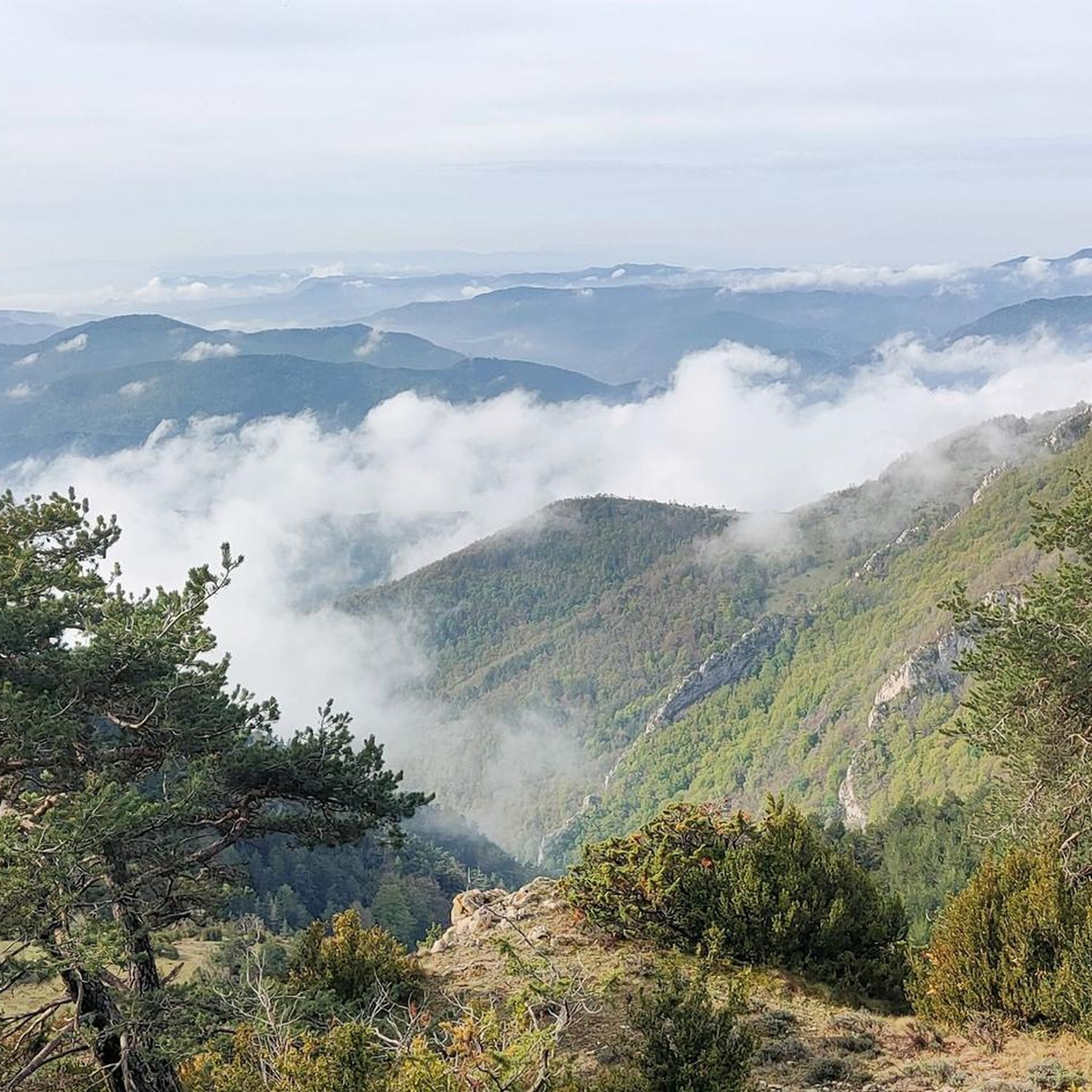
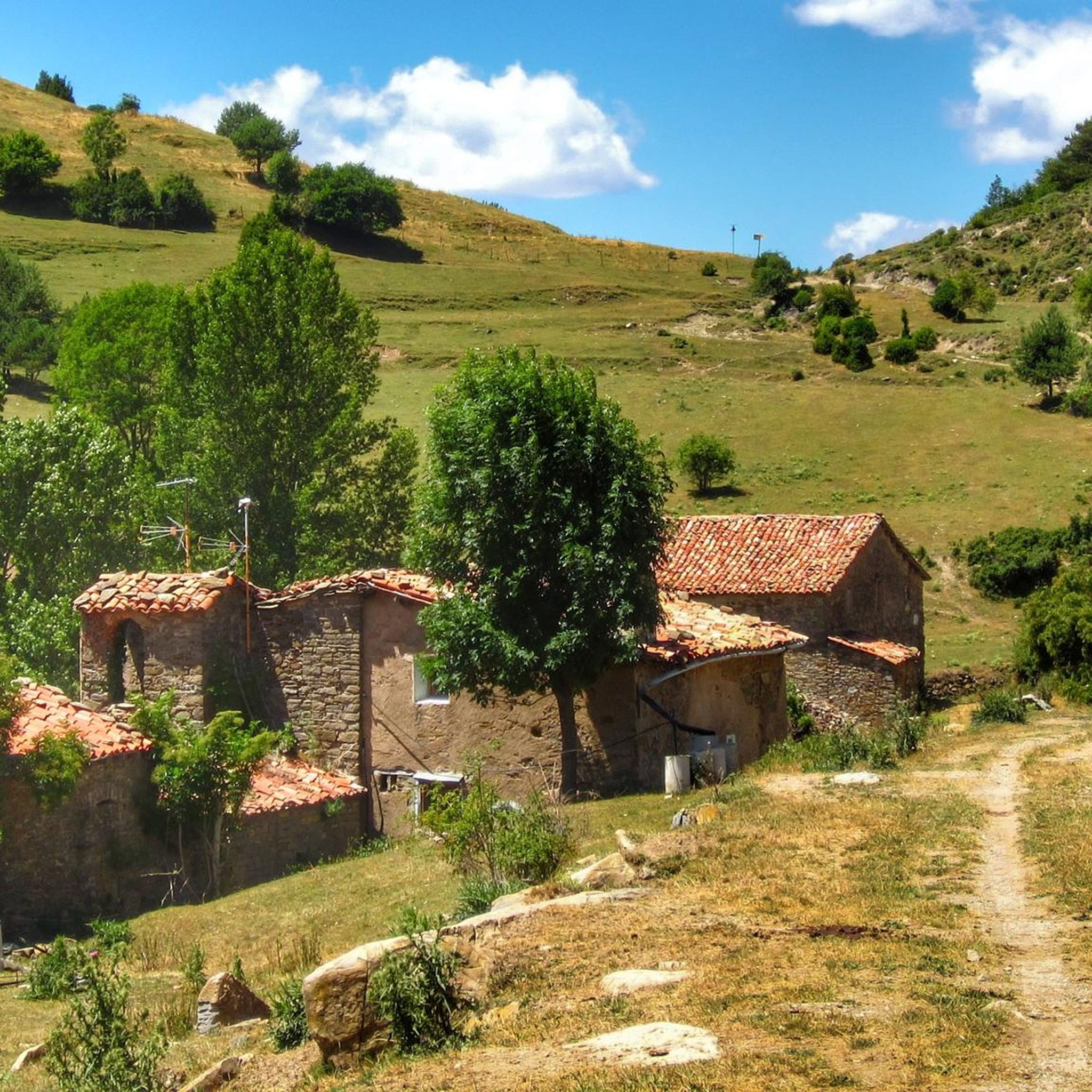
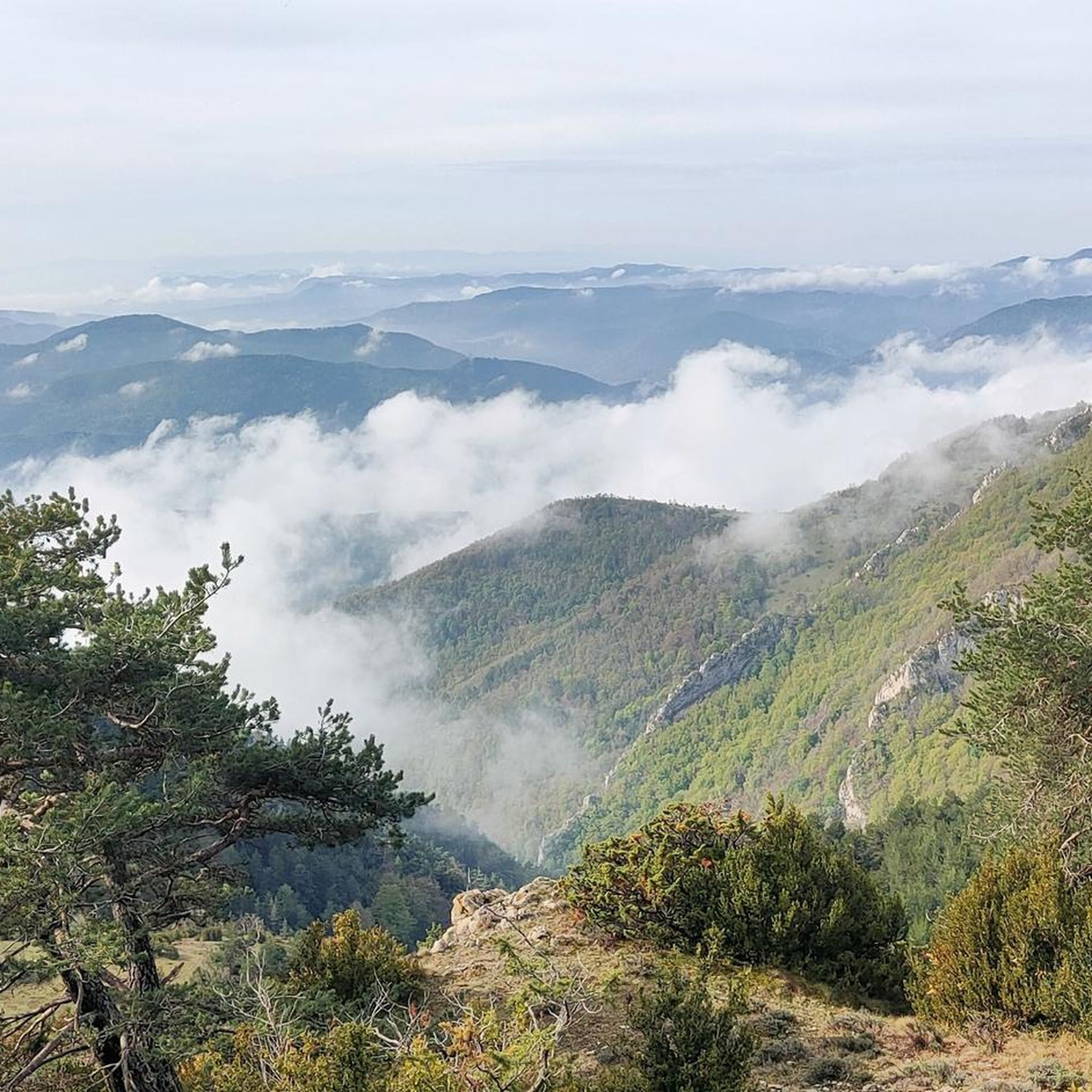
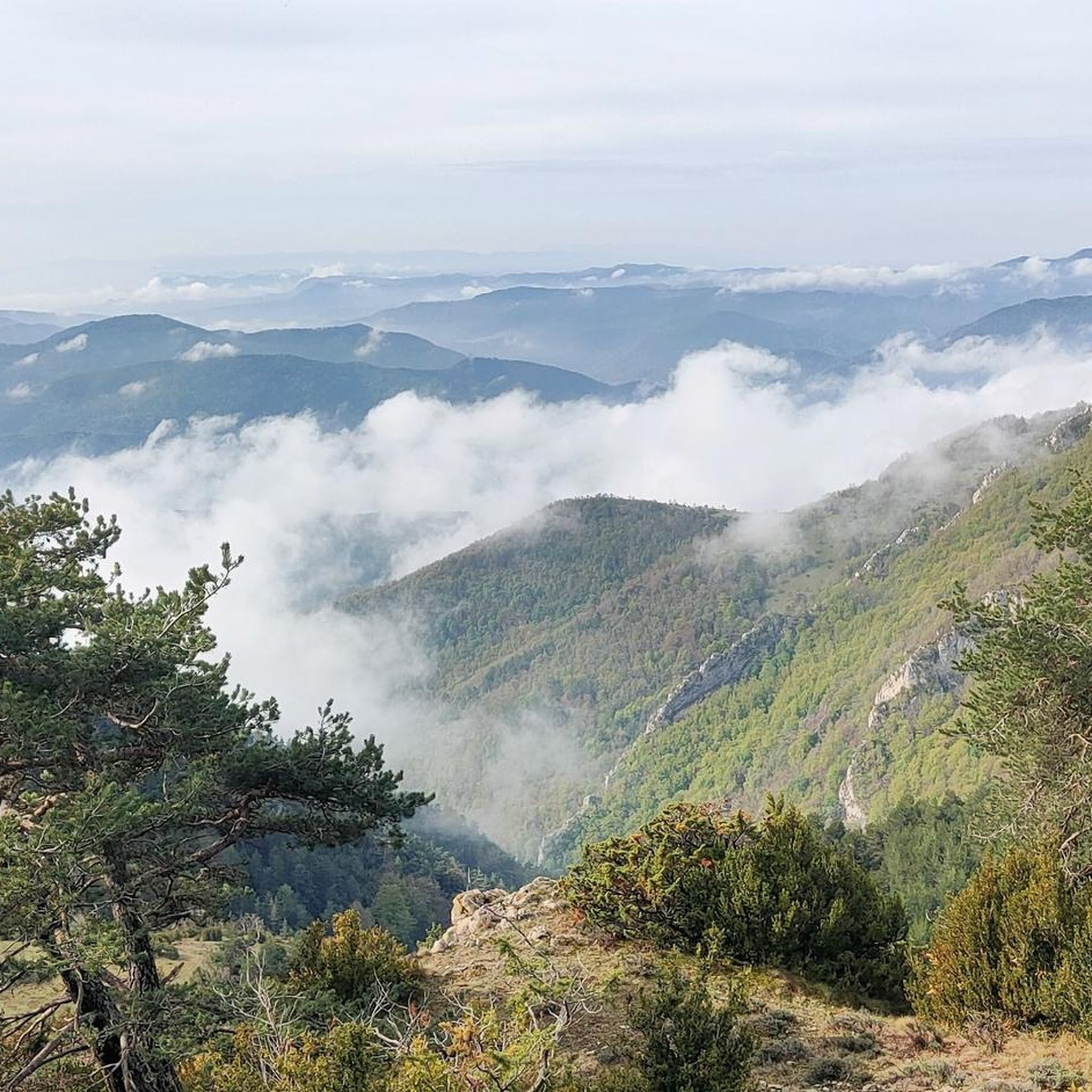
Best mountain passes around Ogassa are located in the Ripollès region of Catalonia, Spain, an area known for its mountainous landscapes and Pyrenean scenery. The municipality offers a variety of terrain, including impressive peaks and numerous paths suitable for outdoor activities. This region features vast forests and meadows, providing a blend of natural beauty and opportunities for exploration. Ogassa's mountain passes serve as access points to higher elevations and offer panoramic views of the surrounding peaks.
Best mountain passes around…
Last updated: October 4, 2026
Coll de Canes (1120 m)
Highlight • Mountain Pass
Translated by Google •
Tip by

Coll de Santigosa
Highlight • Mountain Pass
Translated by Google •
Tip by

Sign up now to discover places like this
Get recommendations on the best single tracks, peaks, & plenty of other exciting outdoor places.
Coll de Jou
Highlight • Mountain Pass
The longer eastern slope starts …
Translated by Google •
Tip by

Three Peaks Pass
Highlight • Mountain Pass
Tip by

Capsacosta Pass
Highlight • Mountain Pass
Translated by Google •
Tip by

Sign up for free to discover even more mountain passes around Ogassa.
Already have an account?
Start today with a free account
Your next adventure awaits.

Tips from the Community

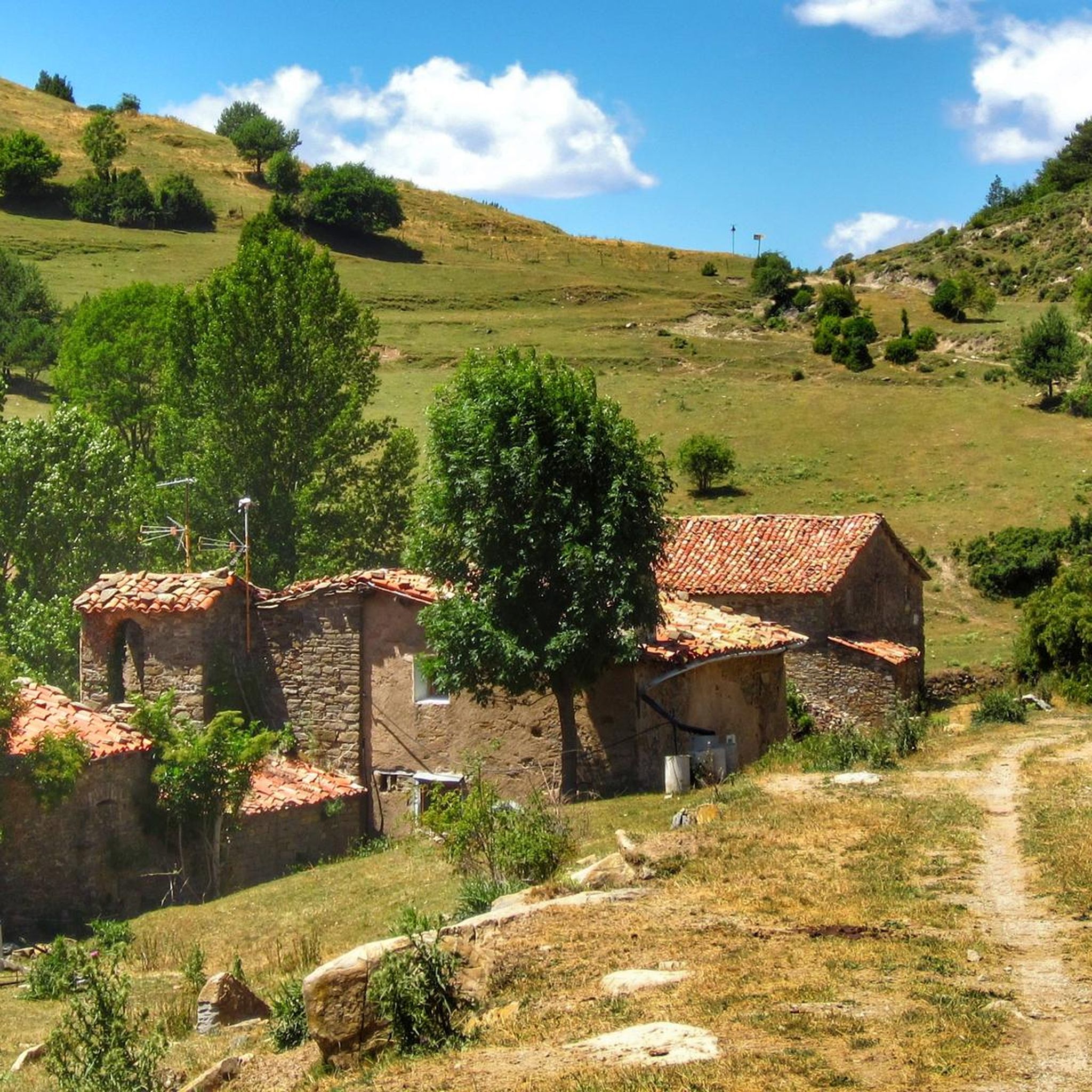
Fantastic route for autumn, in summer we find the Pastor spring which refreshes
0
0

1064 m. Coll de Santigosa. On the road that connects Sant Joan de les Abadesses with Coll de Coubet. Very little trafficked road.
0
0

The part of the route near Riera de Santa Llucia de Puigmal is very dangerous and many sections are not passable by mountain bike.
0
0

The summit of Coll de Santigosa is at 1056 metres. Climbing from Olot, you will have to cover a total of 14.7 kilometres and ascend 657 vertical metres with an average gradient of 4.5%.
1
0

You get here with pains and work, I got off the bike a few meters earlier, there are parts with a very steep slope and just before the pass today I found snow. From the pass you have many routes, but none to be able to do on top of the bike. At the bottom of the valley, on the opposite side if you go up Fontlletera, you can see the refuge of Coma de Vaca, on the left the ascent to Balandrau and on the left in the background the peak of Bastiments and next to the path the house with antenna and the Gr cap in Vallter
1
0


The Coll de Canes is a port that connects Ripoll with Olot. The eastern slope, which starts from Olot, is harder than the two western slopes. It is a constant 12km at 5-6%, with some ramps in the final part that are somewhat harder. It is a port to pick up the pace and enjoy climbing. There are two slopes that come from the west: the Ripoll slope and the Sant Joan de les Abadesses slope, through the Coll de Santigosa. Both are more extended than the west slope and are very pleasant and enjoyable, especially because of the landscape that surrounds them. I leave you the link of the altimetries published by @cyclingcols --> cyclingcols.com/col/Canes
0
0
The Coll de Canes is a port that connects Ripoll with Olot. The eastern slope, which starts from Olot, is harder than the two western slopes. It is a constant 12km at 5-6%, with some ramps in the final part that are somewhat harder. It is a port to pick up the pace and enjoy climbing. There are two slopes that come from the west: the Ripoll slope and the Sant Joan de les Abadesses slope, through the Coll de Santigosa. Both are more extended than the west slope and are very pleasant and enjoyable, especially because of the landscape that surrounds them. I leave you the link of the altimetries published by @cyclingcols --> http://www.cyclingcols.com/col/Canes
0
0
Frequently Asked Questions
What makes the mountain passes around Ogassa unique?
The mountain passes in the Ogassa area, nestled in the Ripollès region of Catalonia, offer a unique blend of stunning Pyrenean scenery, accessibility, and diverse recreational opportunities. They serve as gateways to higher elevations, providing panoramic views of peaks like Puigmal and Taga, and are appreciated for their natural beauty, vast forests, and meadows.
Which mountain passes are particularly popular with visitors?
Visitors frequently enjoy passes like Coll de Santigosa, known for its little-traveled road through a forest and a natural water source. Another favorite is Three Peaks Pass, which is a typical ascent point for the challenging Pico del Balandrau and offers rewarding views. Coll de Canes (1120 m) is also popular for connecting the Ripollès with the Garrotxa, offering a relatively simple and well-oriented route suitable for year-round exploration.
What kind of views can I expect from the mountain passes in Ogassa?
From the mountain passes around Ogassa, you can expect superb panoramic views of the majestic Pyrenean landscape. Passes like Coll de Jou offer breathtaking vistas of numerous peaks, including Puigmal and Taga. The region is characterized by vast forests and meadows, providing a picturesque backdrop for your outdoor adventures.
Are there any mountain passes that connect different regions?
Yes, Coll de Canes (1120 m) is a notable mountain pass that connects the Ripollès region with the Garrotxa. It's considered a relatively simple and well-oriented pass, making it suitable for exploration throughout the year. Another example is Capsacosta Pass, which separates the Bianya and Bac valleys, and the Garrotxa and Ripollès counties.
Which mountain passes offer a more challenging experience for cyclists or hikers?
For those seeking a challenge, Three Peaks Pass is a typical ascent point for the Pico del Balandrau, offering a demanding route. Coll de Jou also presents a significant challenge, especially its eastern slope from Sant Joan de les Abadesses with very hard ramps, and its western slope from Ribes de Freser with sustained steep gradients.
What outdoor activities can I do near the mountain passes in Ogassa?
The mountain passes around Ogassa are excellent starting points for various outdoor activities. You can explore numerous hiking trails, including routes to peaks like Taga Summit from Coll de Jou or the Pico del Balandrau from Three Peaks Pass. The area is also popular for road cycling and gravel biking. For more detailed routes, check out the Mountain Hikes around Ogassa, Road Cycling Routes around Ogassa, and Gravel biking around Ogassa guides.
What is the best time of year to visit the mountain passes around Ogassa?
The mountain passes around Ogassa can be explored year-round, with each season offering a different experience. Passes like Coll de Canes (1120 m) are well-oriented for year-round access. Spring and autumn generally offer pleasant temperatures for hiking and cycling, while summer provides warmer conditions. Winter can bring snow to higher elevations, offering opportunities for winter sports, though some routes may be more challenging.
Are the mountain passes around Ogassa family-friendly?
Many areas around Ogassa's mountain passes are suitable for families, especially those who enjoy scenic drives and shorter walks. Coll de Jou, for instance, is accessible by car, allowing families to enjoy breathtaking views without extensive hiking. The region offers a variety of paths and trails, some of which are less strenuous and can be enjoyed by families. Always check specific route details for difficulty and suitability.
Is parking available at the mountain passes?
Yes, parking is generally available at or near several mountain passes. For example, Coll de Jou is noted for having parking available, making it a convenient starting point for exploring the surrounding peaks like Taga and Sant Amand.
Are there any facilities like cafes or accommodation near the mountain passes?
While the passes themselves are primarily natural features, the nearby municipality of Ogassa and surrounding villages offer various facilities. You can find cafes, pubs, and accommodation options in Ogassa village and other towns in the Ripollès region. These serve as convenient bases for exploring the mountain passes and the wider Pyrenean landscape.
What natural features or landmarks can I find near the mountain passes?
Beyond the passes themselves, the Ogassa area is rich in natural landmarks. You'll find impressive peaks such as Taga (2,035-2,040 meters), Sant Amand (1,851 meters), Puig Estela (2,013 meters), and Puig de Coma d'Olla (1,938 meters). The landscape is characterized by vast forests and meadows, offering a diverse natural environment to explore.
Can I find routes for road cycling or gravel biking on or near these mountain passes?
Absolutely. The region around Ogassa is well-suited for both road cycling and gravel biking, with many routes incorporating the mountain passes. You can find challenging climbs and scenic rides that traverse these passes. For detailed routes and inspiration, refer to the Road Cycling Routes around Ogassa and Gravel biking around Ogassa guides.
Most popular routes around Ogassa
Most popular attractions around Ogassa

Get inspired with the komoot mobile app


Explore more
See even more epic mountain passes by checking out these guides around Ogassa:
