Top 11 Mountain Passes around Capileira
Best mountain passes around Capileira are found in the Alpujarras region, serving as a gateway to the Sierra Nevada National Park. This area features high-altitude terrain, connecting valleys and offering insights into the region's natural beauty. The landscape includes diverse environments, from forests to rocky areas, with traditional Alpujarran architecture and terraced fields.
Best mountain passes around Capileira
- The most popular mountain pass is Hoya de la Mora, a parking area that serves as the highest point reachable by vehicle for climbing Veleta peak. It features a large parking lot and is a common starting point for high-altitude hikes.
- Another must-see spot is Puerto de Pitres, a mountain pass with historical significance. This location offers views and is part of the local lore, connecting the region's past with its natural landscape.
- Visitors also love Pradollano, a settlement and mountain pass. It is the highest ski resort in the Sierra Nevada, offering services, hotels, and restaurants at over 2,000 meters above sea level.
- Capileira is known for mountain passes that include high-altitude routes, challenging climbs, and scenic viewpoints. The area offers a variety of mountain passes to explore, from accessible starting points to demanding ascents.
- The mountain passes around Capileira are appreciated by the komoot community, with 176 upvotes and 38 photos shared by users.
Last updated: August 11, 2026
Hoya de la Mora
Highlight • Parking
Translated by Google •
Tip by

Pradollano
Highlight • Settlement
Translated by Google •
Tip by

Sign up now to discover places like this
Get recommendations on the best single tracks, peaks, & plenty of other exciting outdoor places.
Sign up for free
Veleta - Ski station junction
Highlight • Trail
Translated by Google •
Tip by

Sierra Nevada
Highlight • Summit
The city center of Granada is just at 45km from the top of Pico Veleta (3.394m), considered one of the longest, hardest and most challenging climbs in the world, completely cyclable by this North side through the highest paved road in Europe.
The South climb to Pico Veleta starts from the village of Capileira, located at La Alpujarra. This off-road climb, without technical difficulties beyond the elevation and the mountain weather, includes some small shelters over 3.000m height (La Caldera, Villavientos and La Carihuela), although due to the snowfields the route is only cyclable in summer.
Tip by

Upper Sierra Nevada
Highlight • Summit
Translated by Google •
Tip by

Sign up for free to discover even more mountain passes around Capileira.
Sign up for free
Already have an account?
Start today with a free account
Your next adventure awaits.
Login or Signup
Popular around Capileira
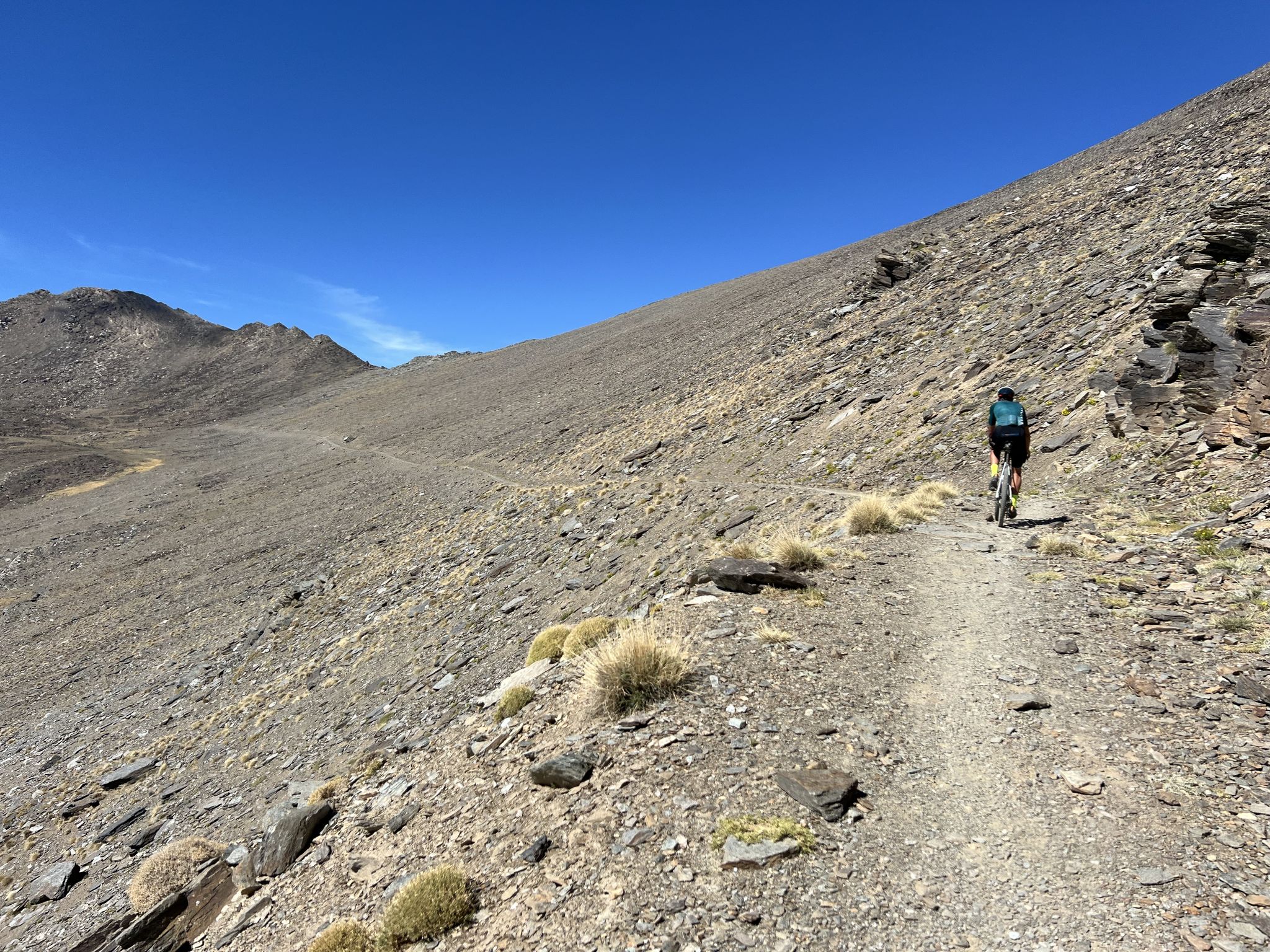
Badlands 2024 – extreme experiences and a sense of joy
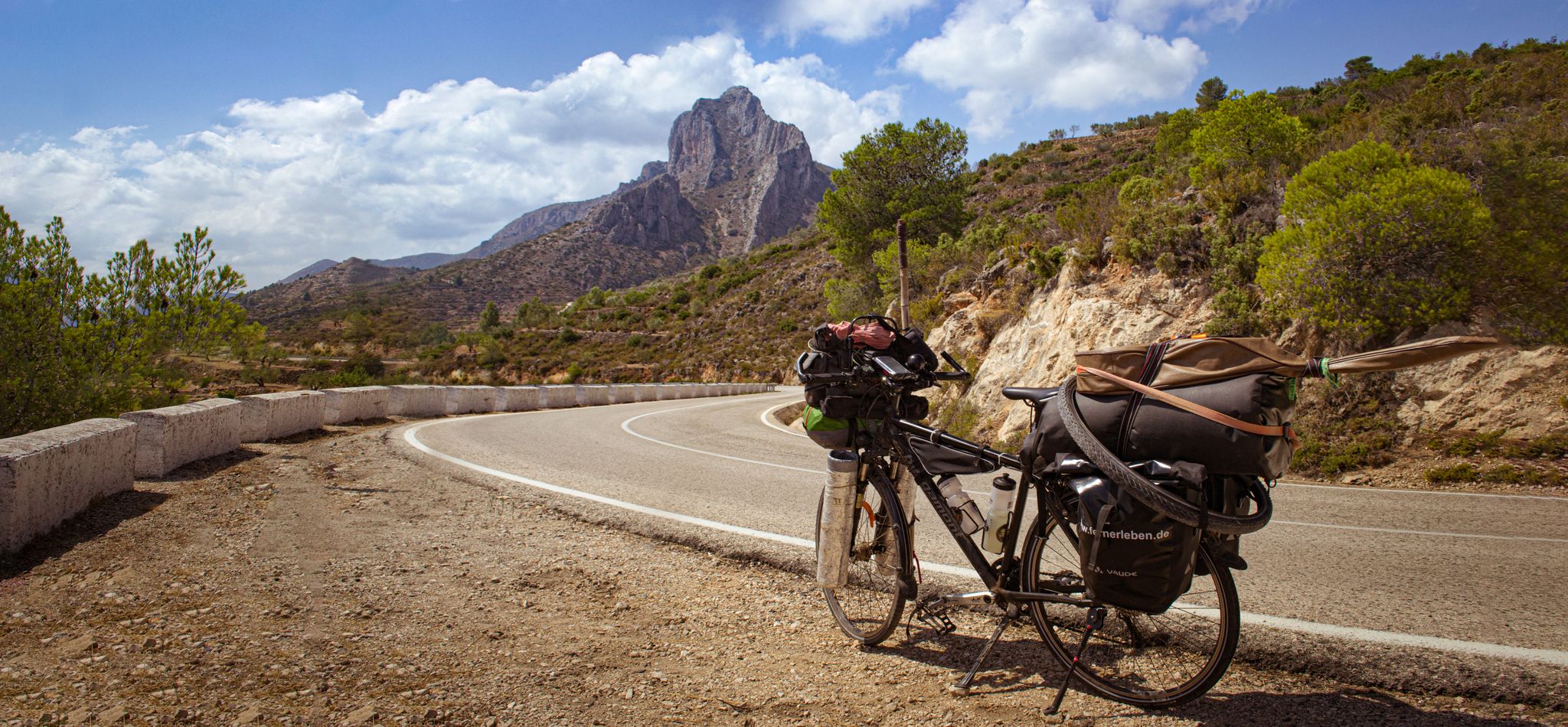
On the road to the sun — bikepacking to southeast Spain
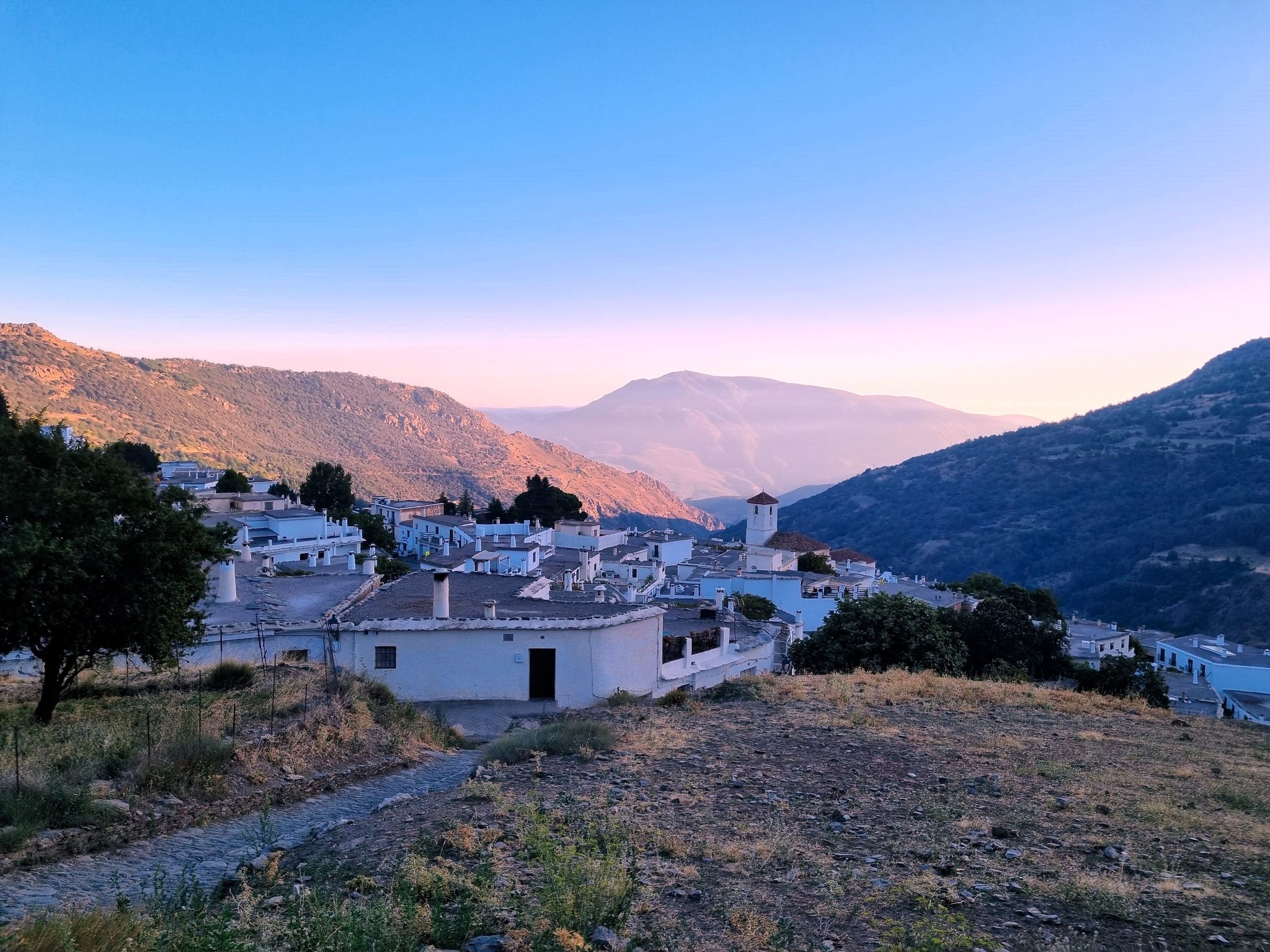
The Poqueira Gorge – two routes from Capileira in Spain
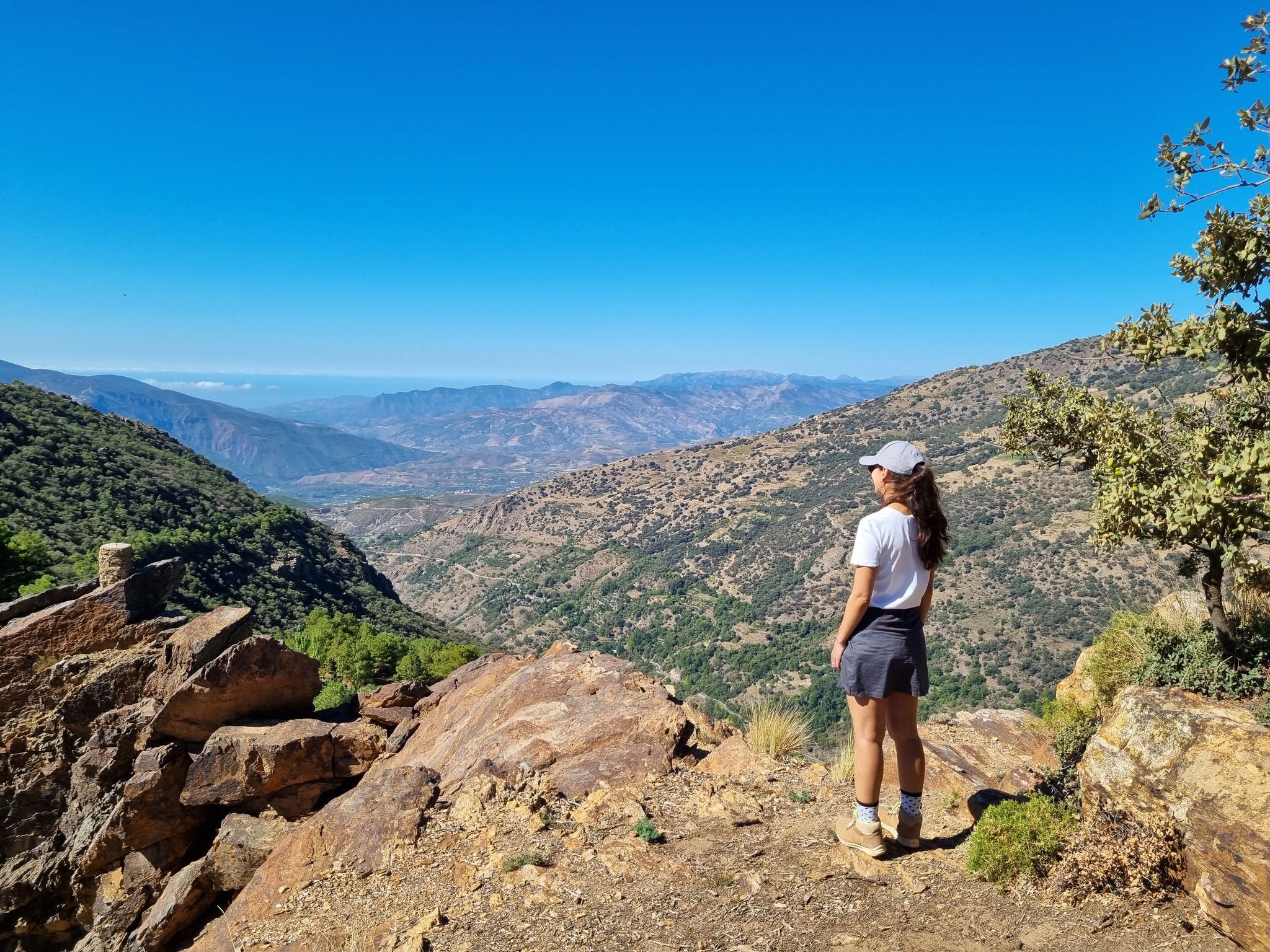
Lanjarón to Trevélez – five days in the Alpujarra of Granada
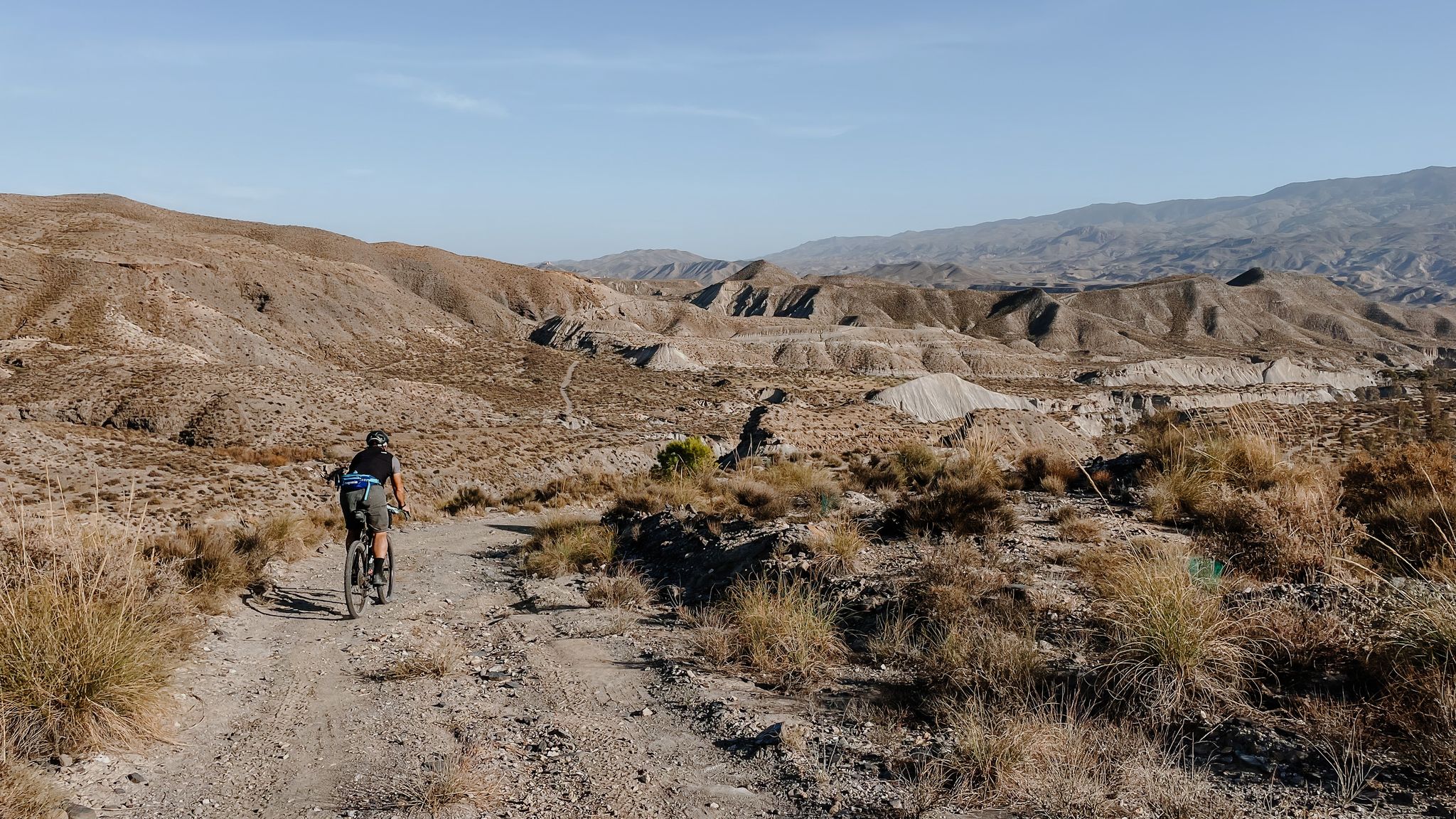
High mountains, desert and sea – an adventure of contrasts in Andalusia
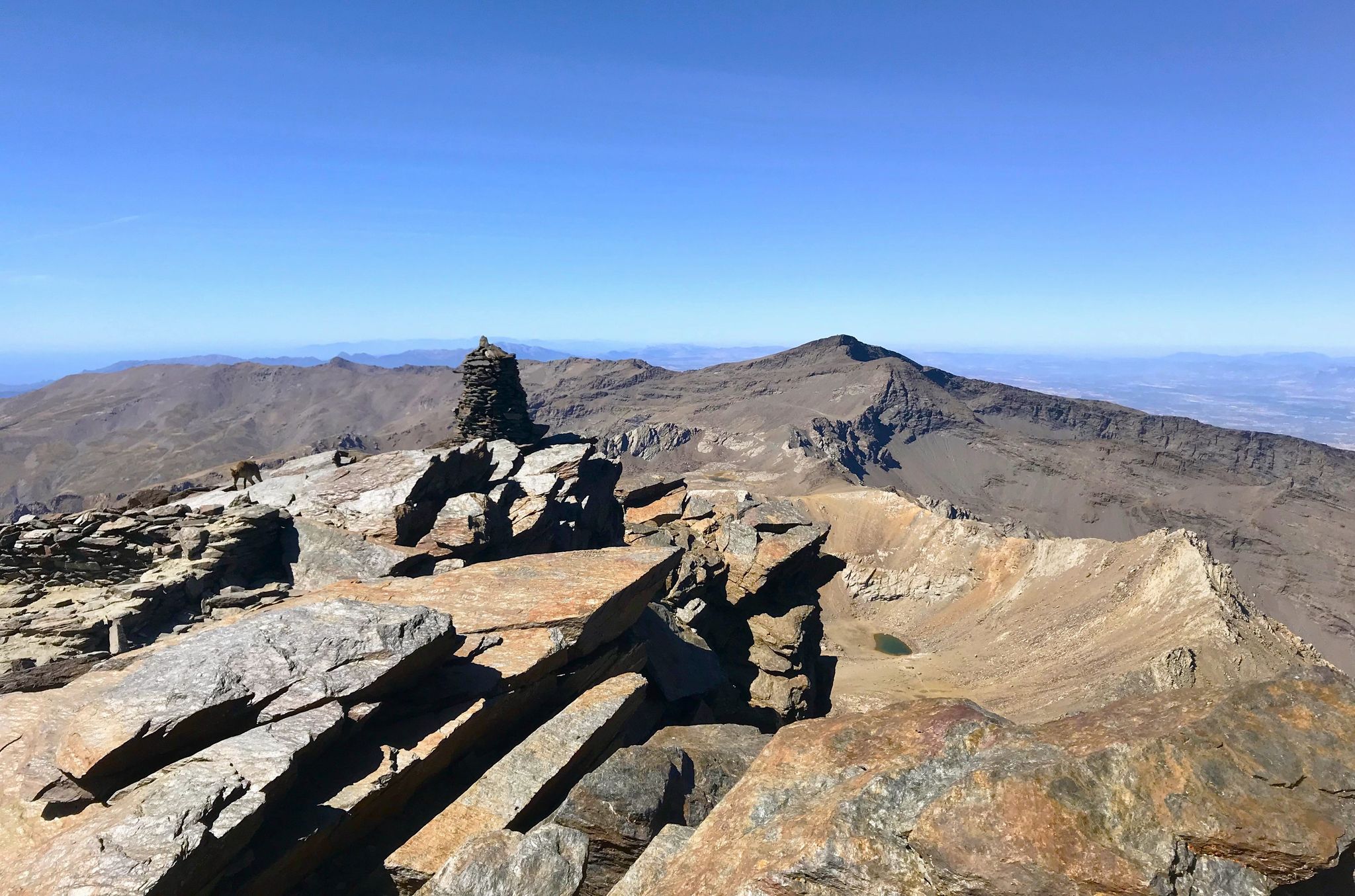
A night under the roof of the Iberian Peninsula – Mulhacén ascent
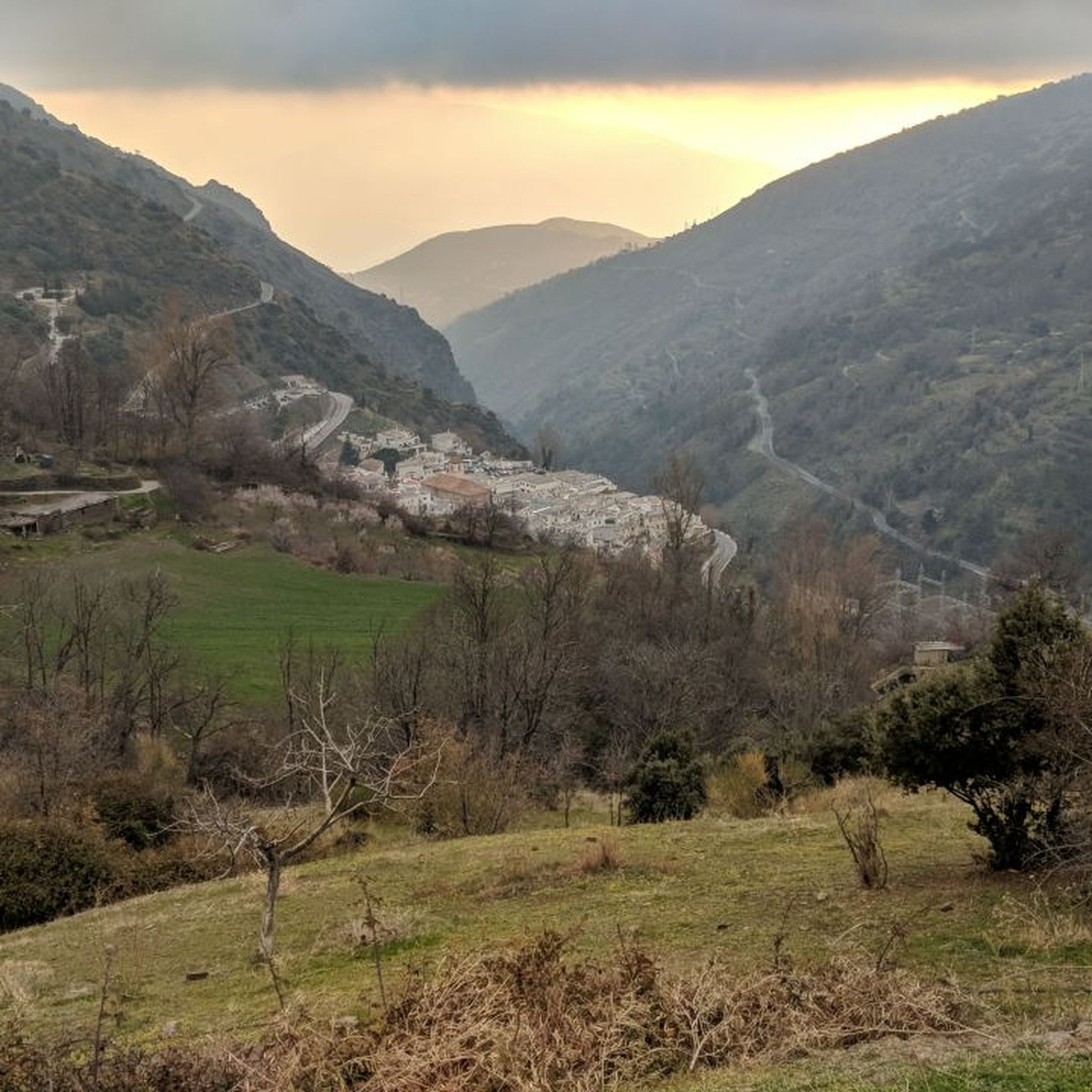
Hiking around Capileira
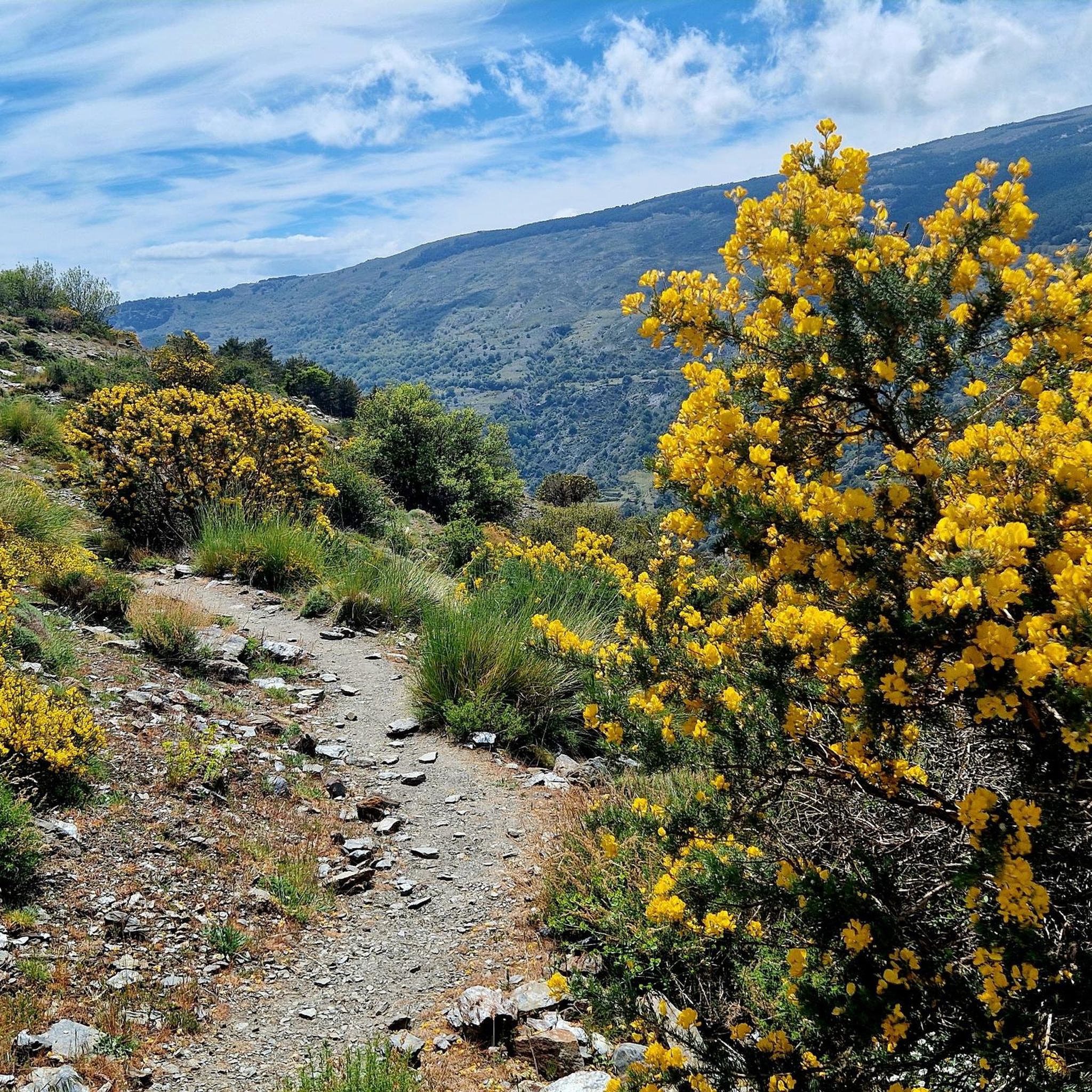
MTB Trails around Capileira
Road Cycling Routes around Capileira
Cycling around Capileira
Other adventures around Capileira


Tips from the Community

Pradollano is the highest ski resort in the Sierra Nevada and the hub for services at the foot of the slopes, home to hotels, restaurants, and an après-ski atmosphere. Located at over 2,000 meters above sea level, it combines the beauty of a mountain village with everything the surrounding area has to offer.
1
0

Here you still have to overcome 800 vertical meters to reach the top of the Pico Veleta. Shortly after that, cars cannot go any further and you are on the road alone!
1
0


The turnoff itself, in my opinion, isn't a highlight, but it's a very important junction for planning. The northwestern route is a secondary road closed to car traffic, so you can ride quite relaxed and "alone" with other cyclists and the occasional hiker. The southeastern route is the main road, where all the car traffic heads into the tourist area. I would definitely avoid the main road (there are lots of aggressive tourists who pass you quickly and closely). The exit on the main road is better if you want to go very fast.
3
0
Hoya de la Mora is a small plateau with parking, kiosk huts, something from the university and the Civil Guard. The famous barrier is also located at approximately this height. It's always easy to clear up to here in winter, but depending on the weather it gets difficult from here. If no snow has fallen yet, you can still make it up to 2800-3000m in January until the road is full of ice. If it snows, it's over at the ski slope at the latest.
3
0

La Hoya de la Mora is the highest point that can be reached by vehicle to climb the Veleta peak. In this place, there is a large parking lot and a bus stop.
4
0

This is the highest point that can be reached with the vehicle if we want to walk up to the vane, here we would have to leave the car and starting point towards the vane
0
0

If we continue to the left we will go towards Hoya de la Mora and Pico Veleta. To the right we would go down to the ski station or to the A-395 road to go towards Granada.
0
0
Frequently Asked Questions
What types of outdoor activities can I do near the mountain passes around Capileira?
The region around Capileira offers a wide range of outdoor activities. You can find numerous options for hiking, including challenging ascents to peaks like Mulhacén and moderate circular routes through the Poqueira Gorge. There are also excellent cycling routes, from gravel trails to long road climbs, and various running trails that showcase the diverse landscapes.
Are there family-friendly mountain passes or routes suitable for beginners near Capileira?
Yes, for a family-friendly experience or a more relaxed outing, consider the area around Hoya de la Mora. This serves as a common starting point for several high-altitude hikes and offers a scenic meadow surrounded by stunning peaks, providing captivating views without extreme difficulty. The Poqueira Gorge Loop also has sections that are manageable for families, connecting picturesque white villages.
What is the best time of year to visit the mountain passes around Capileira?
The best time to visit largely depends on your planned activities. For hiking and cycling, late spring (May-June) and early autumn (September-October) offer pleasant temperatures and clear skies. During summer, high-altitude routes are accessible, but be prepared for intense sun. Winter brings snow, making it ideal for skiing at Pradollano, but many higher mountain passes and trails will be snow-covered and require specialized gear.
What historical or cultural sites can I find near the mountain passes?
The region is rich in history and culture. Puerto de Pitres is a mountain pass with historical significance, embedded in local lore. The Poqueira Gorge Loop connects the traditional white villages of Capileira, Bubión, and Pampaneira, showcasing traditional Alpujarran architecture and ancient Moorish irrigation channels known as acequias. You can also visit the abandoned village of La Cebadilla, which offers a glimpse into the region's past.
Where can I find parking when accessing mountain passes near Capileira?
A significant parking area is available at Hoya de la Mora, which is the highest point reachable by vehicle for climbing Veleta peak. This is a common and convenient starting point for many high-altitude hikes. For other routes, parking may be available in or near the villages like Capileira itself or at designated trailheads.
Are there any challenging or advanced mountain routes for experienced hikers?
Absolutely. The ascent to Mulhacén, the highest peak in mainland Spain, offers a challenging and highly rewarding experience with panoramic views. Routes often start from Hoya del Portillo or via the Refugio Poqueira. The Sierra Nevada itself, with peaks like Pico Veleta, presents some of the longest and most demanding climbs in the world, especially from the Capileira side.
What natural features can I expect to see on these mountain passes?
The mountain passes around Capileira offer diverse natural beauty. You'll encounter landscapes ranging from dense forests and lush vegetation in the valleys to barren rocky terrains at higher altitudes. Expect breathtaking panoramic views of the Sierra Nevada, the Alpujarras, and even the Mediterranean Sea on clear days. Hikers often spot mountain ibex and peaceful ponies, and the region features dramatic gorges, terraced fields, and refreshing streams with waterfalls.
Are there circular walking routes available from Capileira?
Yes, the Poqueira Gorge Loop is a popular circular route that connects the picturesque white villages of Capileira, Bubión, and Pampaneira. This trail offers mesmerizing views of the gorge and an immersive experience of the local culture and landscape. Another option is the Sulayr Trail (GR240), which has accessible legs like the Capileira to Trevélez section, offering a blend of high mountain scenery and cultural immersion.
What facilities are available at the mountain passes or nearby?
Pradollano, as the highest ski resort in the Sierra Nevada, is a hub for services, offering hotels, restaurants, and an après-ski atmosphere at over 2,000 meters above sea level. Hoya de la Mora also has a large parking lot and serves as a bus stop for further ascents. In the villages like Capileira, Bubión, and Pampaneira, you'll find various amenities including cafes, restaurants, and accommodation.
Do I need any special permits for hiking in the Sierra Nevada National Park near Capileira?
For general hiking on established trails within the Sierra Nevada National Park, permits are typically not required. However, certain activities, such as overnight stays in unregulated areas or specific mountaineering expeditions, might require prior authorization. It's always advisable to check with the park authorities or local information centers for the most current regulations, especially if planning a multi-day or off-trail adventure.
What are the conditions for winter hiking or visiting mountain passes in the colder months?
During winter, many higher mountain passes and routes, especially those leading to peaks like Mulhacén or Veleta, will be covered in snow and ice. Roads to higher elevations, such as the one leading to Hoya de la Mora, may be closed far below due to snow. Winter conditions require appropriate gear, including crampons, ice axes, and experience in snow travel. The ski resort of Pradollano is fully operational for winter sports.
Most popular routes around Capileira
Most popular attractions around Capileira

Get inspired with the komoot mobile app


Explore more
See even more epic mountain passes by checking out these guides around Capileira:
