Top 5 Mountain Passes around Coll De Nargó
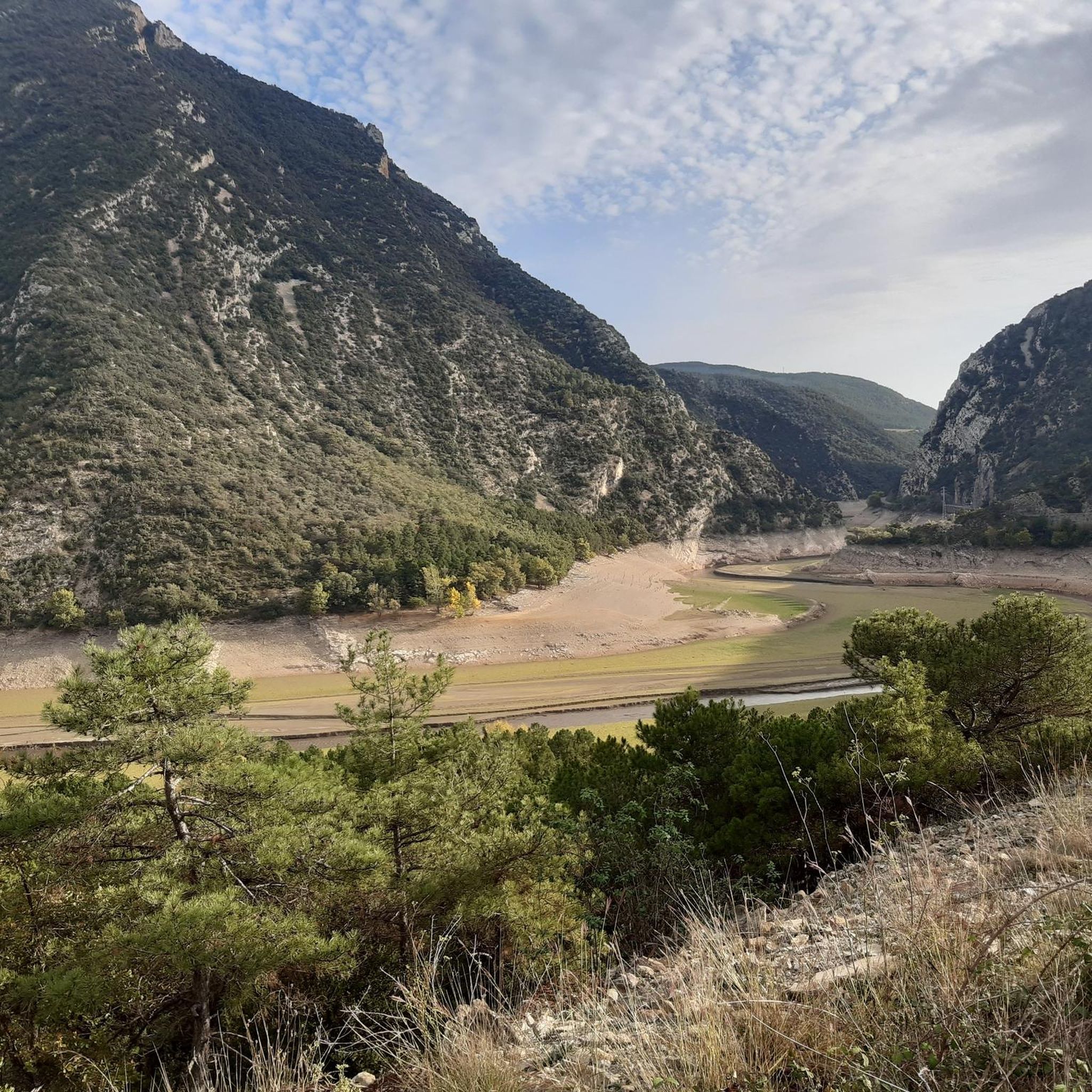
Best mountain passes around Coll De Nargó are found in the Alt Urgell region of Catalonia, Spain, an area characterized by diverse landscapes and mountainous terrain. Coll De Nargó serves as a gateway to the surrounding pre-Pyrenean passes, which are popular for cycling and offer scenic views. The region features a mix of natural beauty, including oak and holm oak woods, and cultural elements like Romanesque monuments. This area provides opportunities for exploring mountain passes and experiencing the natural environment.
…Last updated: July 1, 2026
Coll de Comiols
Highlight • Mountain Pass
Translated by Google •
Tip by

Coll de Bóixols
Highlight • Mountain Pass
Translated by Google •
Tip by

Sign up now to discover places like this
Get recommendations on the best single tracks, peaks, & plenty of other exciting outdoor places.
Sign up for free
Cyclist sculpture at Coll de Serra Seca
Highlight • Monument
Translated by Google •
Tip by

Coll d'Arnat
Highlight • Mountain Pass
Translated by Google •
Tip by

Prat Montaner Mountain Pass
Highlight • Mountain Pass
Tip by

Start today with a free account
Your next adventure awaits.
Login or Signup

Tips from the Community

nice climb clean for gravel
0
0

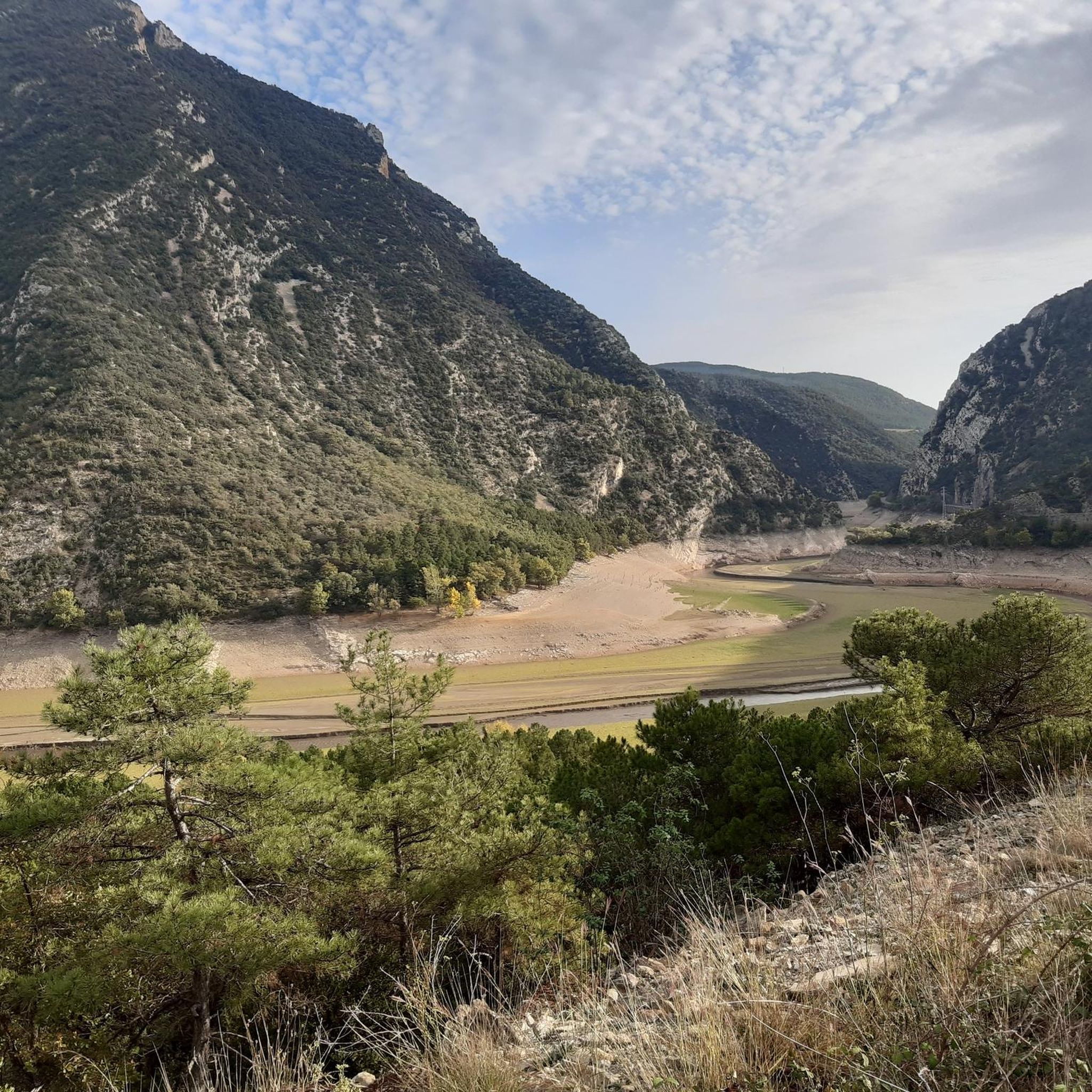
Mountain pass at 1,815 m altitude on the beautiful gravel road between Organyà and La Pobla de Segur, with excellent views of the Serra de Boumort
0
0

Next to the Coll d'Ares, it is the most iconic port in the Montsec mountain range and the Lleida Pre-Pyrenees. The views from above, either towards the Pyrenees and the Isona and Tremp valley, as well as the Plana de Lleida, are magnificent. It is a port with 4 aspects, each one different: - The southern slope, which begins in Artesa de Segre, is almost 24 km long and runs along a road with a lot of traffic, very wide and with long straights. After passing the town of Folquer, you face the hardest section of the climb, now with continuous curves and horseshoes, although with a road that is still very wide. The best are the views of the Lleida plain. It is not a side that I like since it is very stinky. - The southeast slope, the one that begins in Pons, is longer than the previous one, with 29 km. It has 2 rest sections, with some descent, and the road is narrow and twisty. There are good views along the climb. This slope joins the southern slope that comes from Artesa de Segre at the height of Folquer, where the hardest 7 km remain until reaching the top of the pass. - The main northern slope begins in Tremp and is 28.2 km. It is similar to the Artesa de Segre slope, with a similar gradient and a wide, busy road with a progressive slope, although it is true that there are no kilometers that reach 7%. I don't like. - The northwest slope, which also begins in Tremp, takes the old road that goes up through the town of Sant Salvador de Toló. It is a climb without traffic, on an irregular asphalt road, one of the old ones, which is grippy and difficult to roll, but in good condition. If you plan to go up to Comiols on the northern slope, you have to do it here and forget about the slope that runs along the main road.
0
0


Spectacular views from above and a port that leaves you marked.
0
0

Serra-Seca, a Solsonès classic. You can go up from Valldan or Montpol, Solsona, in this case it is advisable to continue to Cambrils, Odèn, Canalda and go down again to Solsona via Lladurs.
0
0

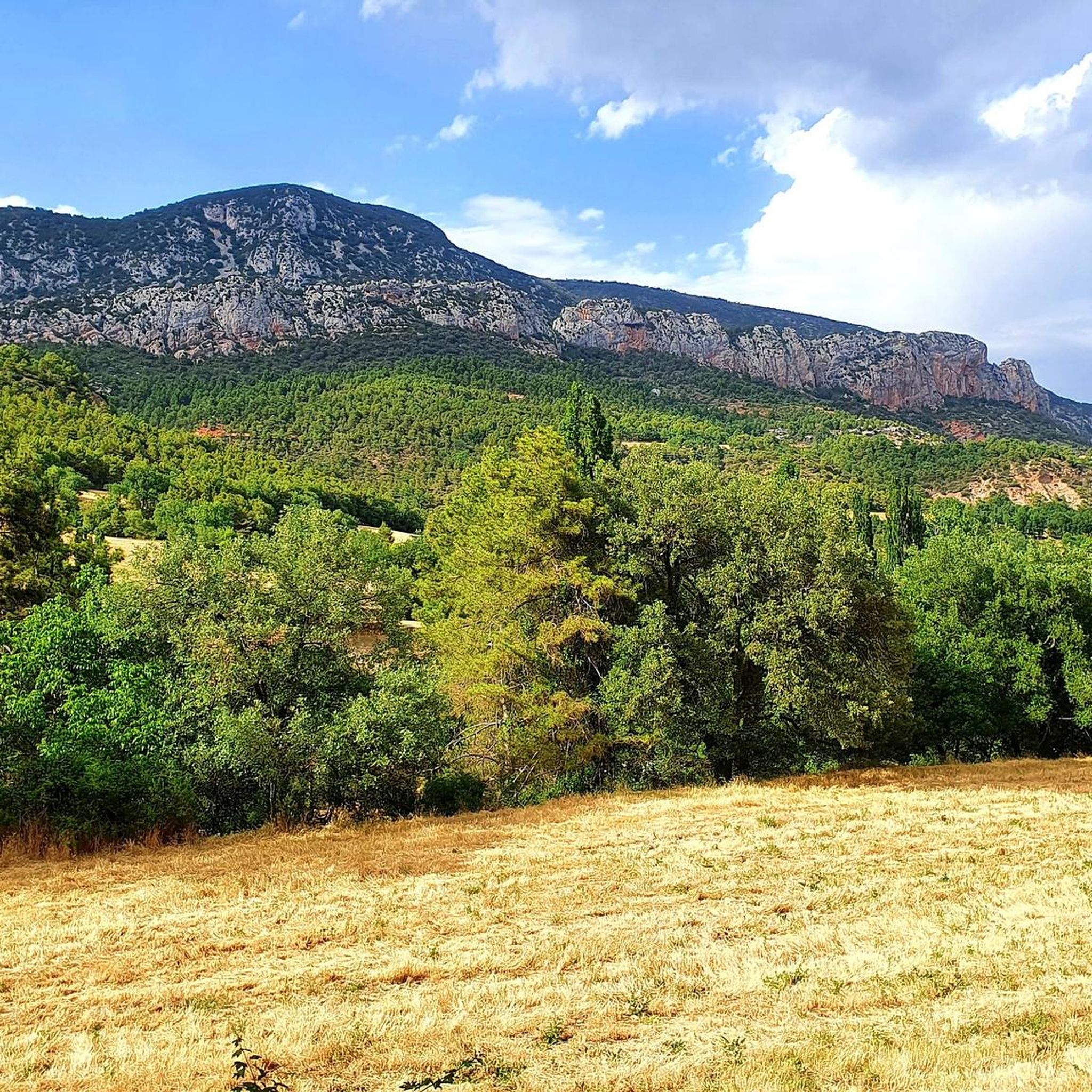
The Coll de Comiols is a hill located at 1101 meters high. It acts as the border of several municipalities in the Pallars Jussà region. It offers magnificent views of the surrounding mountains and the Cuenca de Tremp.
0
0

Ideal place for cyclists. We can enjoy an incredible landscape and views throughout the climb to the pass. Located at a height of 1,321 metres, in the Catalan pre-Pyrenees, it joins the counties of Pallars Jussà and Alt Urgell.
0
0
Frequently Asked Questions
What types of activities can I enjoy on the mountain passes around Coll de Nargó?
The mountain passes in the Coll de Nargó area are primarily popular for cycling, including road cycling and gravel biking, offering challenging ascents and scenic routes. You can also find trails for running and mountain biking. Additionally, the region around Coll Piquer is known for rock climbing, featuring imposing cliffs for various skill levels.
Which mountain passes offer the most spectacular panoramic views?
For breathtaking vistas, consider visiting Cyclist sculpture at Coll de Serra Seca, which offers spectacular views of the area. Coll de Bóixols provides incredible landscapes throughout the climb, and Coll de Comiols offers magnificent views of the surrounding mountains and the Cuenca de Tremp. Coll d'Arnat is noted for its fantastic panorama from a deserted high plateau, and Prat Montaner Mountain Pass also boasts excellent views of the Serra de Boumort.
Are there challenging mountain passes for experienced cyclists in the region?
Yes, experienced cyclists will find several challenging options. Coll de Bóixols is appreciated for its challenging ascents and is ideal for cyclists. The Cyclist sculpture at Coll de Serra Seca is known for its especially tough last leg. For a longer, more immersive alpine experience, Coll de Port, a high mountain pass in the pre-Pyrenees, is featured in routes spanning over 100 km with substantial elevation gains.
What natural features can I expect to see when exploring the mountain passes?
The region around Coll de Nargó is characterized by diverse landscapes, including oak and holm oak woods, rivers, and the stunning pre-Pyrenean mountains. You'll encounter high mountain scenery, particularly around passes like Coll de Port, and unique geological formations, especially in areas like Coll Piquer, known for its limestone and conglomerate cliffs.
Are there any cultural or historical sites near the mountain passes around Coll de Nargó?
While the passes themselves are natural features, the municipality of Coll de Nargó, which serves as a gateway to these passes, is rich in cultural and historical heritage. You can explore Romanesque monuments, such as the Church of Sant Climent, and visit dinosaur exhibition halls, adding a historical dimension to your trip.
What do visitors enjoy most about the mountain passes in the Coll de Nargó area?
Visitors frequently praise the spectacular and incredible views offered by many passes, such as Cyclist sculpture at Coll de Serra Seca and Coll de Bóixols. Cyclists particularly appreciate the challenging ascents and rewarding vistas. The sense of a deserted high plateau and fantastic panoramas, as found at Coll d'Arnat, is also highly valued.
Are there opportunities for gravel biking near Coll de Nargó's mountain passes?
Yes, the area is well-suited for gravel biking. Coll d'Arnat is specifically mentioned as having a gravel road where gravel tires are recommended. Prat Montaner Mountain Pass is also located on a beautiful gravel road. You can find more gravel biking routes in the area by exploring the Gravel biking around Coll De Nargó guide.
Can I find mountain biking trails around the passes?
Absolutely. The region offers a variety of mountain biking trails that often incorporate or pass near the mountain passes. For instance, the Volta a Gavarra is a 47-kilometer mountain bike route traversing significant mountainous terrain. You can discover more options in the MTB Trails around Coll De Nargó guide.
What is the best time of year to visit the mountain passes around Coll de Nargó?
While specific recommendations for all passes aren't provided, community tips suggest avoiding the hottest days for challenging climbs like the Cyclist sculpture at Coll de Serra Seca. For rock climbing at Coll Piquer, mid-winter, late autumn, and early spring offer excellent conditions. Generally, spring and autumn are ideal for cycling and hiking due to milder temperatures.
Are there running trails available near these mountain passes?
Yes, there are running trails in the vicinity of Coll de Nargó that allow you to experience the mountainous terrain. You can find various routes, including loops of different distances and difficulty levels. For detailed running options, refer to the Running Trails around Coll De Nargó guide.
Is Coll Piquer a mountain pass, and what is it known for?
Coll Piquer is not a traditional mountain pass for transit but is primarily known as a premier rock climbing destination. It features imposing cliffs composed of limestone and conglomerate rock, offering a wide range of technical climbing routes suitable for various skill levels. It's highly regarded for its unique geological formations and excellent climbing conditions during cooler months.
Most popular routes around Coll De Nargó
Most popular attractions around Coll De Nargó

Get inspired with the komoot mobile app


Explore more
See even more epic mountain passes by checking out these guides around Coll De Nargó:
