Top 16 Natural Monuments around Seira
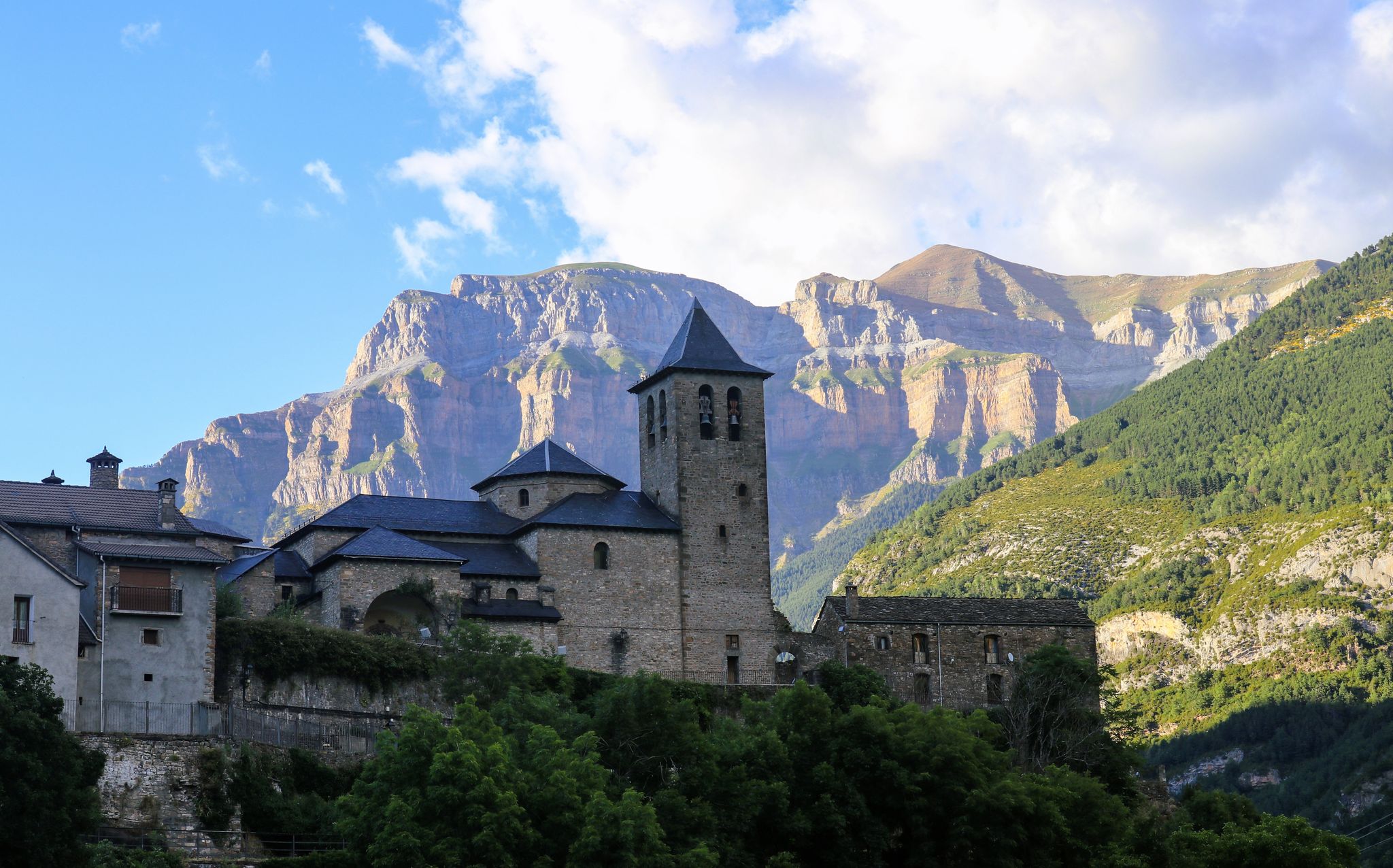
Best natural monuments around Seira are found in a mountainous setting within the Ribagorza comarca of Aragon, Spain. Situated on the Ésera River, this region provides access to the Pyrenean foothills. The area is characterized by high peaks, glacial lakes, and waterfalls, offering diverse natural landscapes. Visitors can explore a variety of natural features, from dramatic mountain passes to serene alpine waters.
Best natural monuments around Seira
- The most popular natural monuments is Ibón of Plan (Basa de la Mora)…
Last updated: October 4, 2026
Ibón of Plan (Basa de la Mora)
Highlight • Lake
The name of Basa de la …
Translated by Google •
Tip by

Collado de Sahún
Highlight • Mountain Pass
Translated by Google •
Tip by

Sign up now to discover places like this
Get recommendations on the best single tracks, peaks, & plenty of other exciting outdoor places.
Ibón del Sen
Highlight • Lake
Translated by Google •
Tip by

Espigantosa Waterfall
Highlight • Waterfall
Translated by Google •
Tip by

Tramarius Bridge
Highlight • Bridge
Translated by Google •
Tip by
Sign up for free to discover even more natural monuments around Seira.
Already have an account?
Start today with a free account
Your next adventure awaits.

Other adventures around Seira

Tips from the Community


A legendary mountain pass in the Pyrenees. A crossing point between the Chistau and Benasque valleys, linking Sobrarbe and Ribagorza at an altitude of 2000m.
0
0

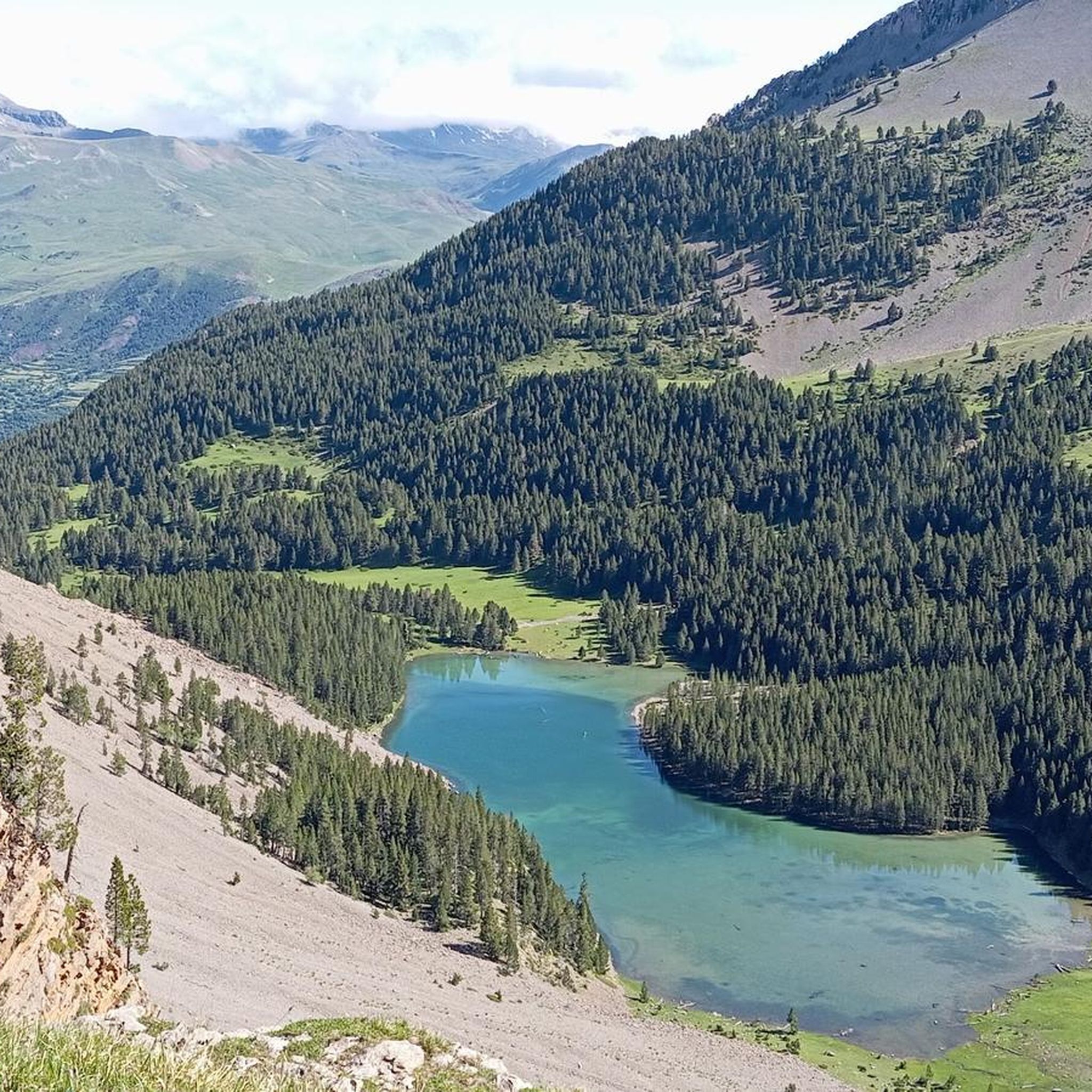
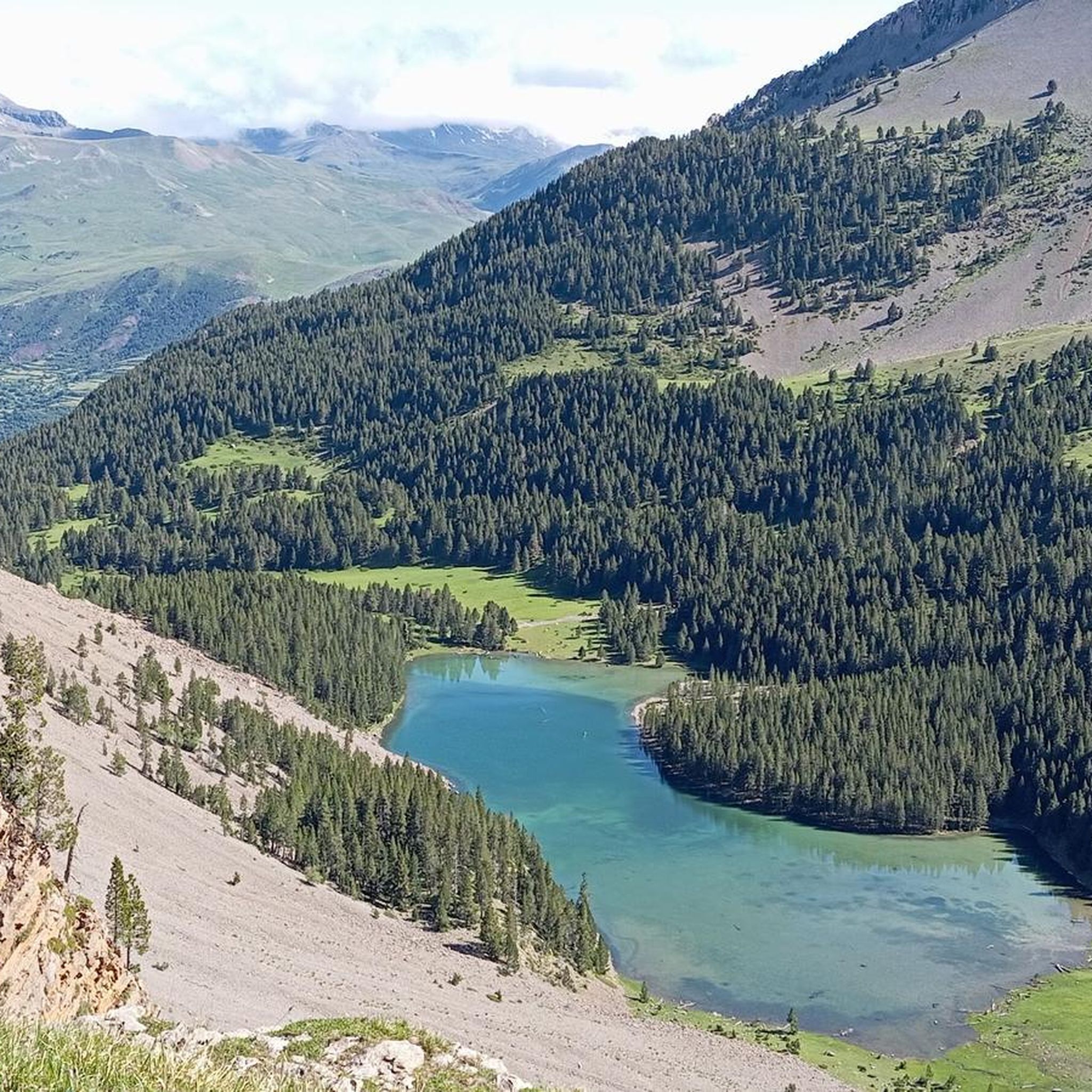
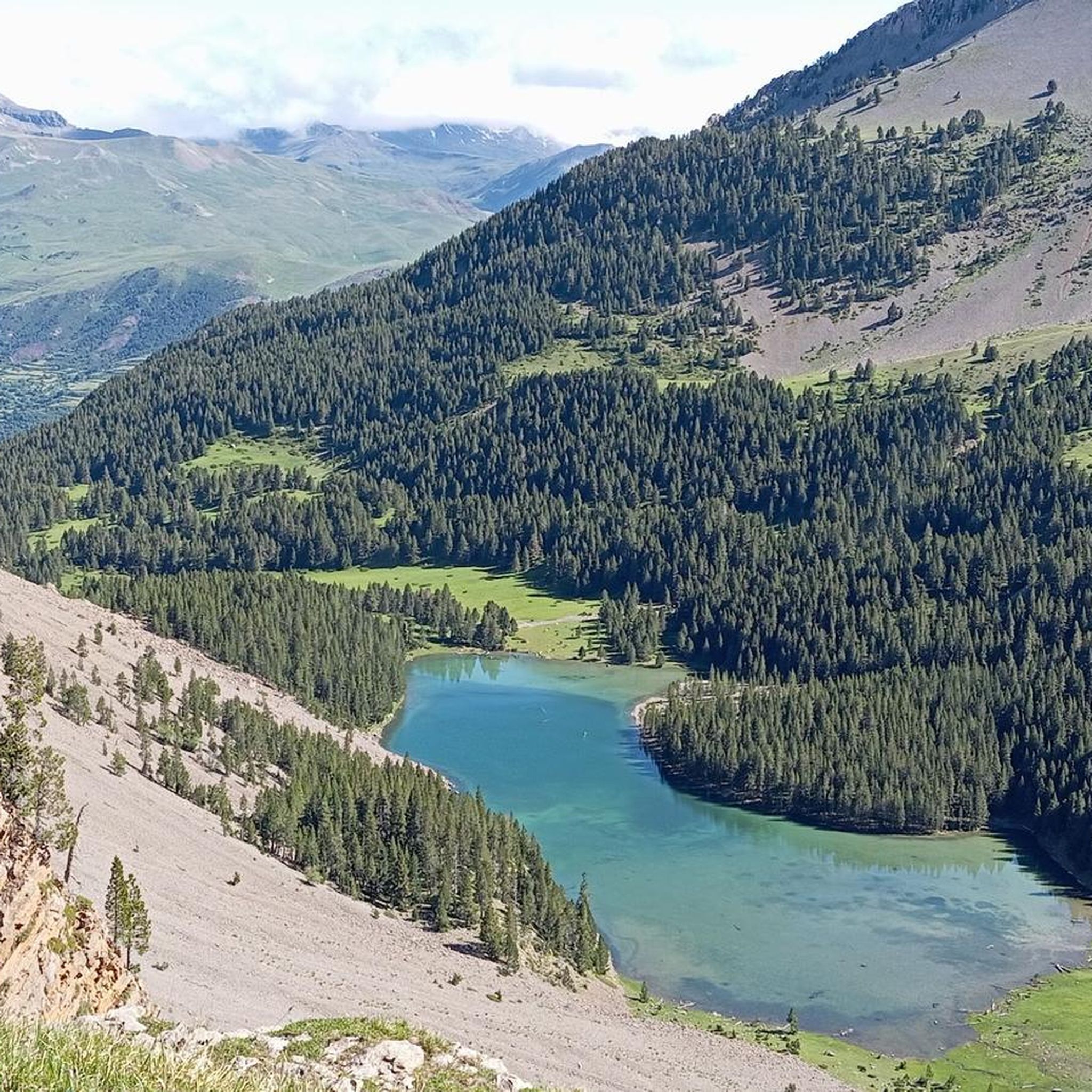
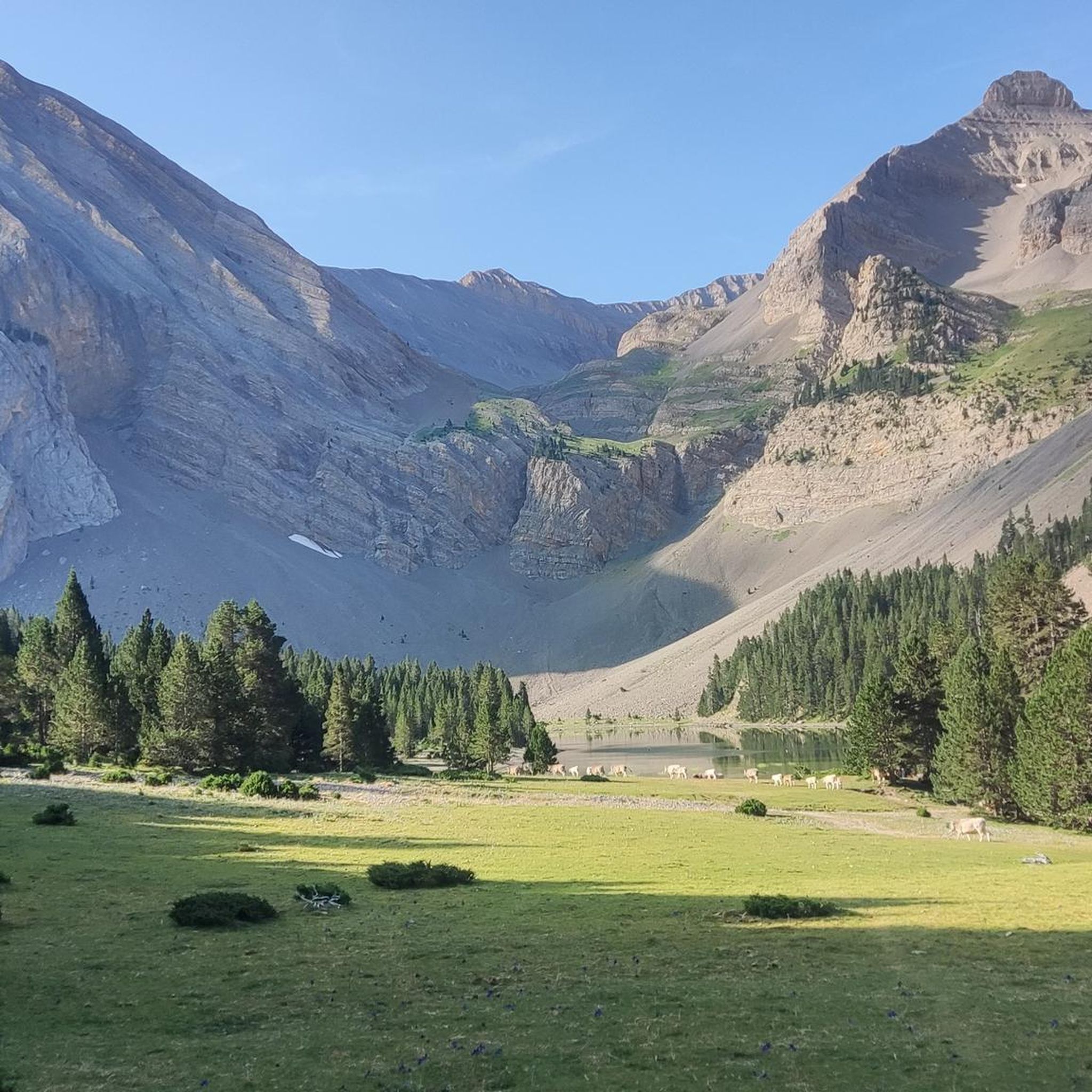
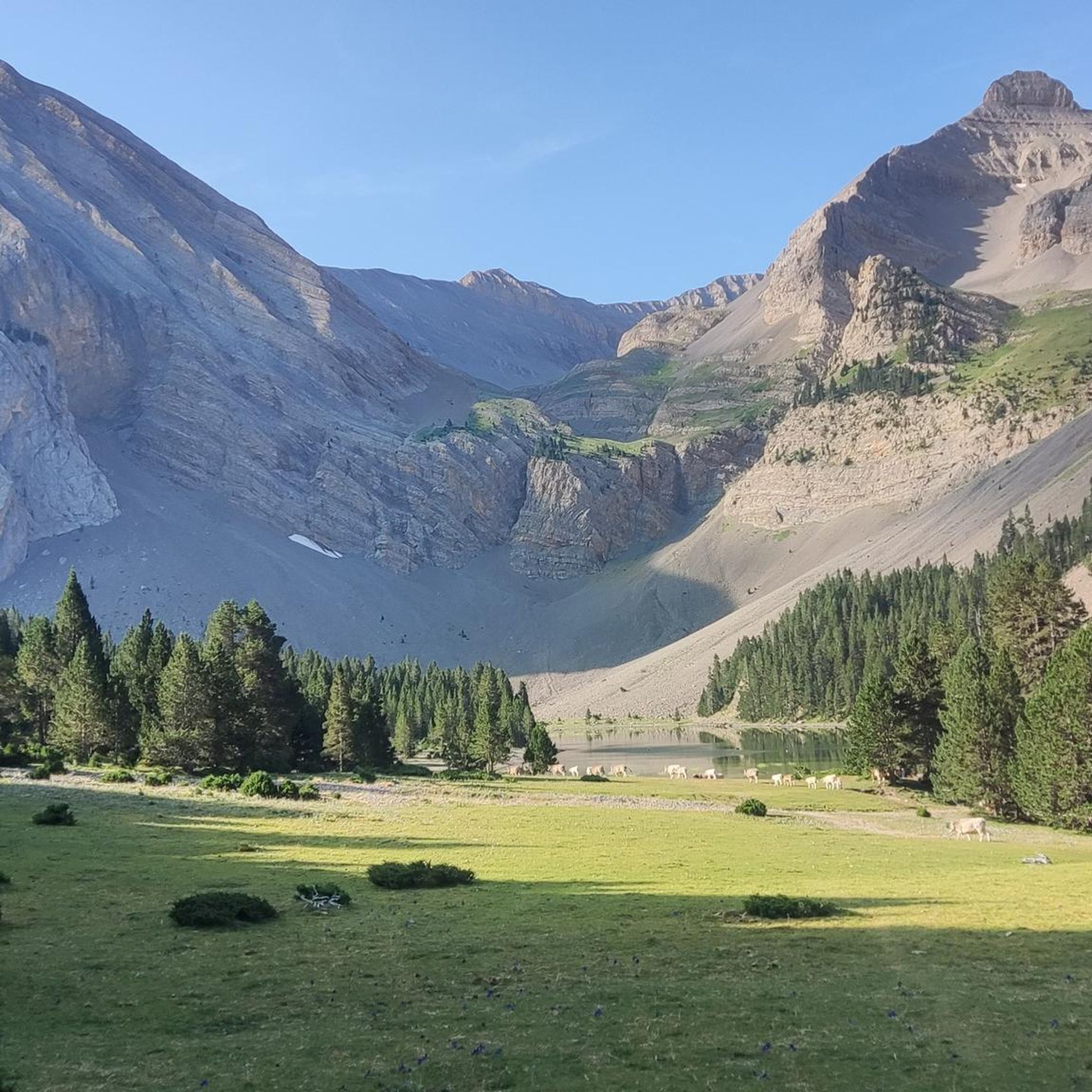
Despite being relatively easy to access, this beautiful lake located at 2300 m altitude is not one of the most visited in the Pyrenees. However, it stands out for being located in a very clear glacial cirque, with an almost perfect overexcavation basin. All Aragonese lakes are protected as they are included in the Inventory of Singular Wetlands, so any activity that could modify the quality of their waters is prohibited. While bathing is not specifically mentioned, it is understood that bathing with chemicals on the skin such as sunscreen, deodorants, perfumes or creams is negatively affecting the quality of the water, so it cannot be done. You can read the protection decree and the list of wetlands included here: aragon.es/-/humedales-de-aragon
0
0
Despite being relatively easy to access, this beautiful lake located at 2300 m altitude is not one of the most visited in the Pyrenees. However, it stands out for being located in a very clear glacial cirque, with an almost perfect overexcavation basin. All Aragonese lakes are protected as they are included in the Inventory of Singular Wetlands, so any activity that could modify the quality of their waters is prohibited. While bathing is not specifically mentioned, it is understood that bathing with chemicals on the skin such as sunscreen, deodorants, perfumes or creams is negatively affecting the quality of the water, so it cannot be done. You can read the protection decree and the list of wetlands included here: aragon.es/-/humedales-de-aragon
0
0

Access is via forest tracks in good condition. Obviously, to reach 2000m it takes a little time but the reward is worth it: the views are magnificent over the valleys and peaks at 360 degrees. A delight !
1
0

This bridge, originally Romanesque in style (not Roman) has been rebuilt on multiple occasions. It crosses the waters of the Eriste ravine and under it there are some deep pools where you can take a good bath, although the water temperature is not suitable for everyone.
0
0
Beautiful and powerful waterfall that can be comfortably observed from the Pleta del Estalló, located at about 1,500 meters above sea level. This is also where the bus departing from Eriste arrives in the summer months. You can check the bus schedules at the tourist office or on the website of the town hall.
1
0

Superb view of the impressive Espigantosa waterfall.
0
0
Frequently Asked Questions
What are some of the most notable natural monuments around Seira?
The region around Seira, situated in the mountainous Ribagorza comarca, offers a variety of impressive natural monuments. Among them, the Ibón of Plan (Basa de la Mora) is a popular lake known for its stunning beauty and a local folktale. Another must-see is the powerful Espigantosa Waterfall, which provides impressive views. For those seeking panoramic vistas, Collado de Sahún offers breathtaking views of peaks like Aneto and Posets.
What kind of natural features can I expect to see around Seira?
Seira's location in the Aragonese Pyrenees means you'll encounter diverse natural features. Expect dramatic high-mountain landscapes, numerous glacial lakes (known as ibones), powerful waterfalls, and impressive mountain passes. The area is characterized by its pristine alpine environments, carved by ancient glaciers, and features like the Ésera River valley.
What is the best time of year to visit the natural monuments near Seira?
The best time to visit depends on your preferred activities. Summer (June to September) is ideal for hiking and mountaineering, with warmer temperatures and accessible trails. In winter, the region transforms into a paradise for snowshoeing and skiing, particularly in areas like the Posets-Maladeta Natural Park. Spring and autumn offer beautiful transitional landscapes with fewer crowds, though some higher-altitude trails might still have snow or be less accessible.
Are there any natural monuments around Seira that are particularly good for families?
Yes, the Espigantosa Waterfall is considered family-friendly. It offers impressive views and is accessible, with a bus service available from Eriste during summer months to the Pleta del Estalló, where the waterfall can be comfortably observed.
Are there hiking opportunities near the natural monuments around Seira?
Absolutely. The region is a prime destination for hiking. You can find routes like the challenging Ibones de Barbarisa Trail from Sahún Pass or the Lakes of Barbarisa and Foradet Waterfall — circular from Collado de Sahún. Many trails lead to glacial lakes and offer stunning mountain vistas. For more options, explore the Hiking around Seira guide.
What other outdoor activities are available near Seira's natural monuments?
Beyond hiking, the mountainous terrain around Seira supports various outdoor activities. Mountaineering is popular in the high peaks of Posets-Maladeta Natural Park. The Ésera River valley offers scenic walks. In winter, snowshoeing and skiing are common. For cycling enthusiasts, there are numerous road cycling routes, such as the Valle de Benasque – integral of Castejón de Sos to Llanos del Hospital. You can also find running trails in the area.
Are there any natural monuments around Seira that offer impressive viewpoints?
Yes, several natural monuments provide spectacular views. Collado de Sahún is a prime example, offering panoramic vistas of major Pyrenean peaks like Aneto, Posets, and Monte Perdido. Many of the glacial lakes, such as Ibón of Plan (Basa de la Mora) and Ibón del Sen, are also renowned for their scenic beauty and serve as excellent viewpoints within their glacial cirques.
What wildlife might I encounter near Seira's natural monuments?
The diverse ecosystems of the Aragonese Pyrenees are home to a variety of wildlife. In the high-mountain areas, you might spot chamois, marmots, and various bird species, including impressive raptors like griffon vultures, particularly in parks like Sierra y Cañones de Guara. The natural parks also protect diverse flora, making them rich areas for nature observation.
What should I wear when visiting the natural monuments around Seira?
Given the mountainous environment, it's advisable to dress in layers, even in summer, as weather conditions can change rapidly. Sturdy hiking boots are essential for most trails. Depending on the season, bring waterproof and windproof outer layers, sun protection (hat, sunglasses, sunscreen), and plenty of water. For winter visits, appropriate cold-weather gear, including insulated clothing and snow-specific footwear, is necessary.
Are there any natural monuments around Seira that are accessible by public transport?
While many natural monuments in mountainous regions require private transport or a significant hike, the Espigantosa Waterfall offers some public transport access. During the summer months, a bus service operates from Eriste to the Pleta del Estalló, which is the viewing point for the waterfall. It's recommended to check schedules at the local tourist office or the town hall website for current information.
What do visitors say about the natural monuments around Seira?
Visitors frequently praise the stunning natural beauty and the sense of tranquility found in the region. The Ibón of Plan (Basa de la Mora) is often described as beautiful and legendary. The Espigantosa Waterfall is noted for its powerful flow and superb views. Many appreciate the challenging yet rewarding ascents to places like Collado de Sahún for its incredible panoramic vistas. The area is well-regarded for its pristine nature and opportunities for outdoor adventure.
Are there any circular walks among the natural monuments near Seira?
Yes, the region offers several circular routes that allow you to experience multiple natural features. For instance, the Lakes of Barbarisa and Foradet Waterfall — circular from Collado de Sahún is a notable option for hikers. Additionally, the region research mentions a circular route around the gorge of La Aigüeta de Barbaruens, which leads to the Hermitage of the Virgin of Plan, offering a blend of natural beauty and local heritage.
Most popular attractions around Seira

Get inspired with the komoot mobile app


Explore more
Extend your search for the best caves by checking out these guides of the top ones around Seira:
