Top 11 Natural Monuments around Teo
Natural monuments around Teo offer a glimpse into the diverse landscapes of Galicia, a region in the Spanish province of A Coruña. The municipality of Teo is situated amidst a landscape characterized by rolling hills, rivers, and a rich natural heritage. This area provides access to various natural formations, from ancient forests to significant viewpoints. It serves as a gateway to exploring the natural wonders prevalent throughout the Galician community.
Best natural monuments around Teo
- The most popular natural monuments…
Last updated: October 4, 2026
Alameda Park (Santiago de Compostela)
Highlight • Parking
Translated by Google •
Tip by

Carballeira de San Lourenzo
Highlight • Forest
Translated by Google •
Tip by

Sign up now to discover places like this
Get recommendations on the best single tracks, peaks, & plenty of other exciting outdoor places.
Pico Sacro
Highlight • Summit
Translated by Google •
Tip by

Artistic Botanical Garden of Padrón
Highlight • Natural
Translated by Google •
Tip by
Galicia Forest 🌳 Monte Gaiás, Santiago de Compostela
Highlight • Forest
Tip by
Sign up for free to discover even more natural monuments around Teo.
Already have an account?
Start today with a free account
Your next adventure awaits.

Tips from the Community

The trees in this park are impressive.
0
0

The park is natural with a few old and new art projects
1
0

Alameda Park is located in the heart of Santiago de Compostela. The park was designed in the style of a country estate. More than 90 different plant species thrive here. The park also hosts exciting concerts and performances throughout the year. The park was originally created on land donated to the city by the Counts of Altamira in the 16th century. Over time, the area of the park has been expanded and now includes a total of three areas: the Alameda Park, the Ferradura Path and the Santa Susana Oak Forest.
6
0

At the beginning of the 12th century, the convent of San Lorenzo de Trasouto was founded in a shadowy oak grove on the banks of the Sarela River. Outside this building, which over time became a palace - 'pazo' in Galician - and is currently a distinguished restaurant for celebrations, there is still a leafy grove of centuries-old oaks. The oak being the most typical tree in Galicia - linked in many cases to mythical and legendary tradition -, the 'carballeiras', the name by which the oak forest areas are known in Galicia, have always been spaces for meeting, pilgrimage, party and celebration; quasi-sacred, shady, magical spaces... Hidden among the trees there is a fountain and two 'cruceiros', large stone crosses that marked the paths and are a hallmark of Galicia.
3
0

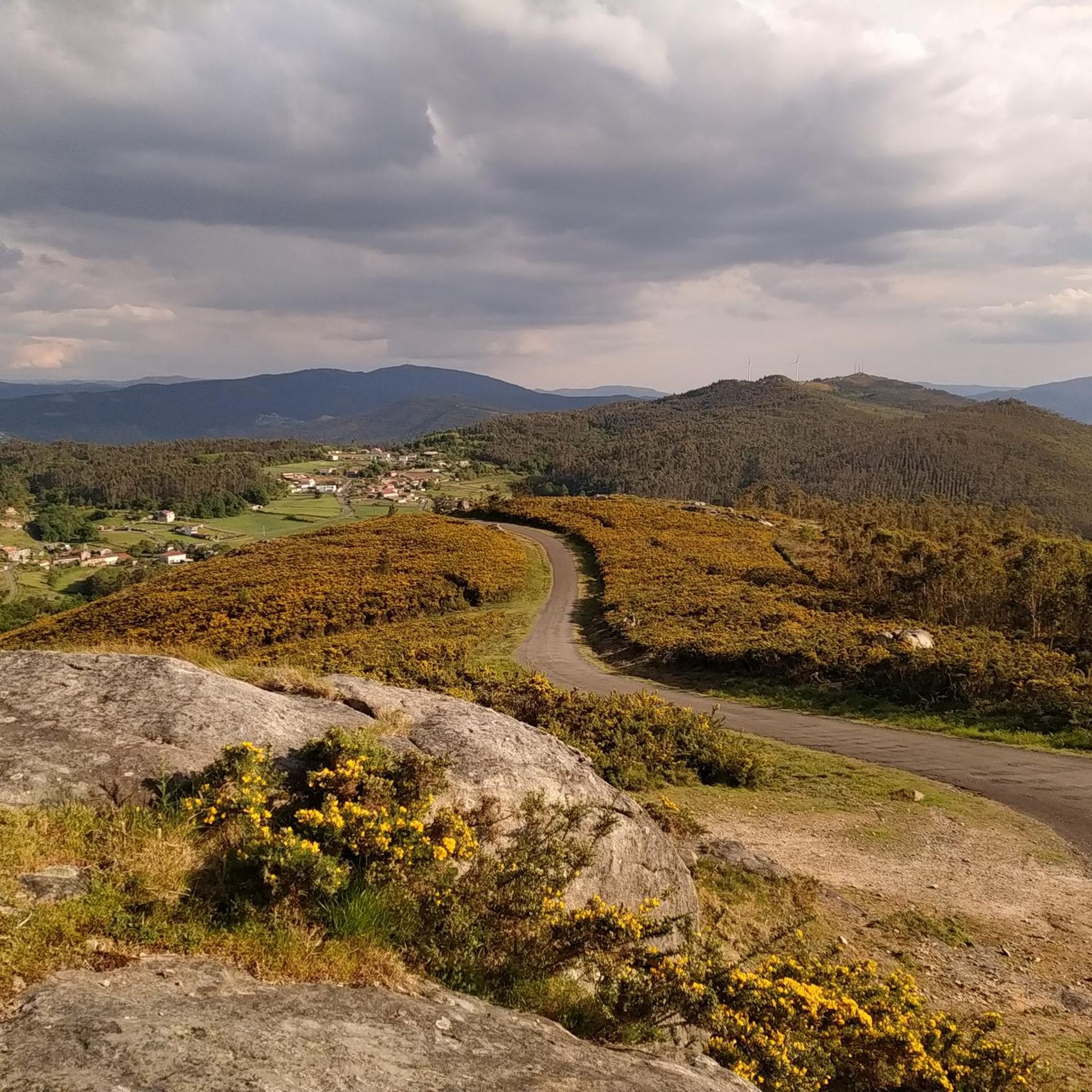
Rising 600m, Pico Sacro south of Santiago de Compostela has been guiding travelers since the beginning of time. The peak offers spectacular views of the surrounding valleys
1
0
The Padrón Artistic Botanical Garden, dating from 1896, is considered the first botanical garden in Spain. Covering approximately 1 hectare, the garden is home to approximately 300 species
1
0

An isolated mountain peak, giving it a unique point of reference in the surrounding landscape. The top of Pico Sacro is the first place from where you can see the towers of the church of Santiago de Compostela
2
1
Frequently Asked Questions
What are some of the most popular natural monuments to visit around Teo?
Visitors frequently enjoy the View of the Cathedral of Santiago de Compostela from Monte do Gozo, which offers a stunning panorama and features a famous pilgrim monument. Another beloved spot is Carballeira de San Lourenzo, a serene forest with centuries-old oaks, often associated with local traditions. The Artistic Botanical Garden of Padrón, considered Spain's first botanical garden, is also a popular choice.
Are there family-friendly natural monuments near Teo?
Yes, several natural monuments around Teo are suitable for families. The Carballeira de San Lourenzo, with its ancient oak trees, offers a pleasant environment for a family stroll. The Alameda park provides open spaces and views, while the Artistic Botanical Garden of Padrón is an educational and beautiful spot for all ages. Even the Monte do Gozo viewpoint is family-friendly, offering an iconic view of Santiago de Compostela.
What kind of natural features can I expect to see in the Teo region?
The Teo region, situated in Galicia, is characterized by diverse natural features. You'll find ancient forests like the Carballeira de San Lourenzo and the Galicia Forest on Monte Gaiás, rich in native trees and plants. There are also significant viewpoints such as the one at Monte do Gozo, offering expansive vistas. Beyond Teo, the wider Galician region boasts dramatic coastal formations like Praia das Catedrais, deep river canyons in Ribeira Sacra, and unique waterfalls like Fervenza do Ézaro.
Are there historical or cultural sites integrated with the natural monuments?
Many natural monuments in the Teo area have strong historical and cultural ties. The Carballeira de San Lourenzo, for instance, is an ancient oak grove linked to traditional gatherings and features 'cruceiros' (stone crosses). The Alameda park in Santiago has historical walking paths and sculptures from the 19th century. The Monte do Gozo viewpoint is significant for pilgrims on the Camino de Santiago, featuring a monument to Saint Jacob.
What outdoor activities can I do near these natural monuments?
The area around Teo offers a variety of outdoor activities. You can explore numerous routes for road cycling, gravel biking, and mountain biking. For example, there are challenging road cycling loops like the 'Sanctuary of Escravitude – Padrón Bridge loop' and diverse MTB trails such as the 'Currunchos Forest Trail – Forest Path Near Stream loop'. You can find more details on these activities and routes on the Road Cycling Routes around Teo, Gravel biking around Teo, and MTB Trails around Teo guide pages.
Are there hiking trails near the natural monuments around Teo?
While specific hiking trails directly within each natural monument are not detailed, the region's natural settings, such as the Carballeira de San Lourenzo and the Galicia Forest, provide opportunities for walks and exploration. The wider Galician region, including areas like Monte Aloia Natural Park and Ribeira Sacra, is renowned for its extensive hiking networks. For guided routes, consider the cycling and mountain biking guides which often traverse scenic natural areas.
What do visitors enjoy most about the natural monuments in the Teo area?
Visitors particularly appreciate the stunning views, especially from the Monte do Gozo, which offers a memorable sight of Santiago de Compostela. The tranquility and historical atmosphere of places like the Carballeira de San Lourenzo with its ancient oaks are also highly valued. Many enjoy the blend of nature and culture, finding the areas perfect for relaxation and photography, as evidenced by the numerous photos shared by the komoot community.
Is the Artistic Botanical Garden of Padrón worth visiting?
Absolutely. The Artistic Botanical Garden of Padrón is historically significant, considered the first botanical garden in Spain, established in 1896. It spans approximately 1 hectare and is home to around 300 different plant species, making it a fascinating and beautiful destination for nature lovers and those interested in horticulture.
Can I find viewpoints with panoramic scenery near Teo?
Yes, the area offers excellent viewpoints. The most prominent is the View of the Cathedral of Santiago de Compostela from Monte do Gozo, which provides an iconic perspective of the city. Additionally, the Alameda park in Santiago also offers beautiful views, particularly of the western facade of the historic city.
What is the best time of year to visit the natural monuments around Teo?
Galicia experiences a mild climate, making many natural monuments enjoyable year-round. Spring and autumn generally offer pleasant temperatures for outdoor activities and lush landscapes. Summer is popular for its warmth, though some coastal areas can be crowded. Winter can be cooler and wetter, but the forests and viewpoints can still be beautiful, especially on clear days. Always check local weather forecasts before your visit.
Are there any unique natural monuments in the wider Galician region that are accessible from Teo?
While Teo itself offers local gems, the wider Galician region, easily accessible from Teo, boasts several unique natural monuments. These include the stunning Praia das Catedrais (Beach of the Cathedrals) with its immense rock arches, the breathtaking Ribeira Sacra and Sil Canyon known for its dramatic river gorge and monasteries, and the Fervenza do Ézaro, the only waterfall in continental Europe that flows directly into the Atlantic Ocean.
Can I find places with significant tree cover or forests near Teo?
Yes, Teo is known for its forests and leafy groves. The Carballeira de San Lourenzo is a prime example, featuring a dense grove of centuries-old oaks. The Galicia Forest on Monte Gaiás is another area being landscaped with native Galician trees and plants, offering a natural escape close by.
Most popular attractions around Teo

Get inspired with the komoot mobile app


Explore more
Extend your search for the best caves by checking out these guides of the top ones around Teo:
