Top 12 Natural Monuments around Lubián
Best natural monuments around Lubián are primarily found within the Sanabria Lake and Segundera and Porto Mountain Ranges Natural Park, which encompasses the Alta Sanabria region of Zamora, Spain. This area is characterized by mountainous landscapes and significant geological features shaped by glaciation. The park features the largest glacial lake on the Iberian Peninsula, along with numerous glacial valleys, cirques, and lagoons. These natural formations provide diverse ecosystems and opportunities for outdoor exploration.
Best natural monuments around Lubián
- The most…
Last updated: July 1, 2026
Sotillo Waterfall
Highlight • Waterfall
Translated by Google •
Tip by

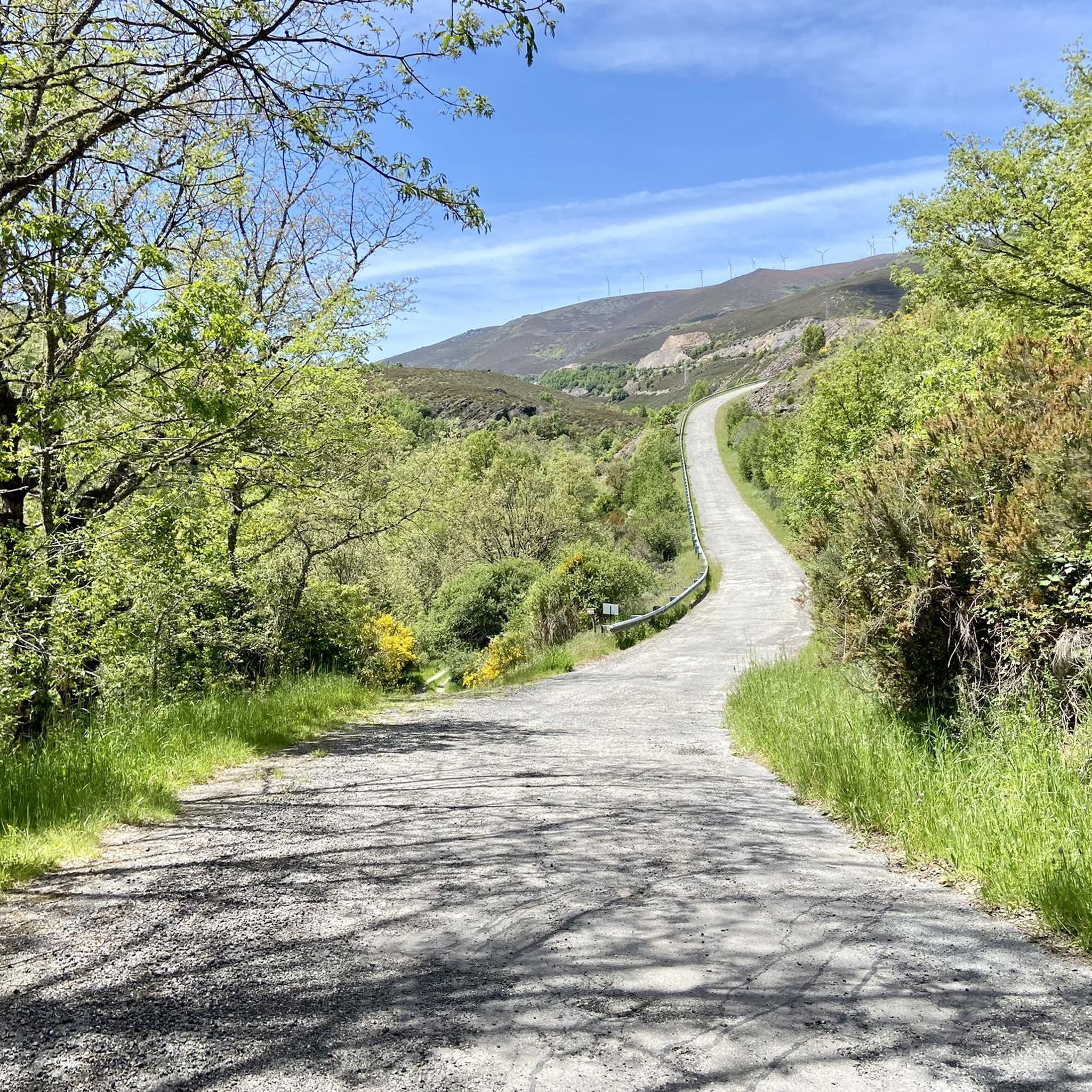
Scenic landscape in Parque Natural de Montesinho
Highlight • Natural Monument
Translated by Google •
Tip by

Sign up now to discover places like this
Get recommendations on the best single tracks, peaks, & plenty of other exciting outdoor places.
Sign up for free
Serra Serrada Reservoir
Highlight • Lake
Translated by Google •
Tip by

Tejedelo Forest
Highlight • Forest
Translated by Google •
Tip by
Castro de As Muradellas
Highlight • Historical Site
Translated by Google •
Tip by
Sign up for free to discover even more natural monuments around Lubián.
Sign up for free
Already have an account?
Start today with a free account
Your next adventure awaits.
Login or Signup
Tips from the Community

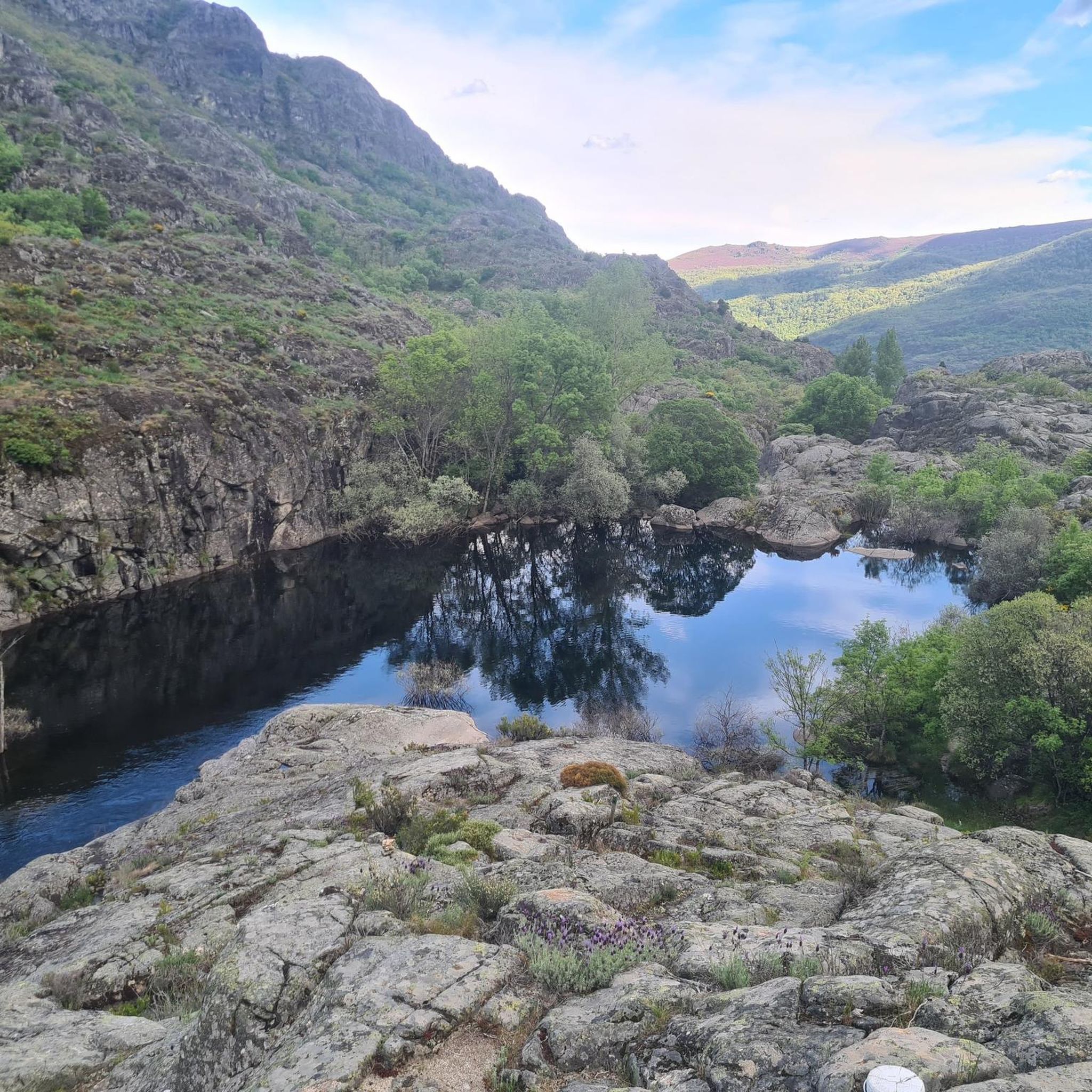
Sotillo Waterfall, located in Sotillo de Sanabria (Cobreros municipality, Zamora), is one of the natural gems of the Sanabria Lake Natural Park and one of the most spectacular hiking trails in Castile and León. Its waterfall is approximately 20 meters high, making it particularly impressive in spring and after rain.
2
0

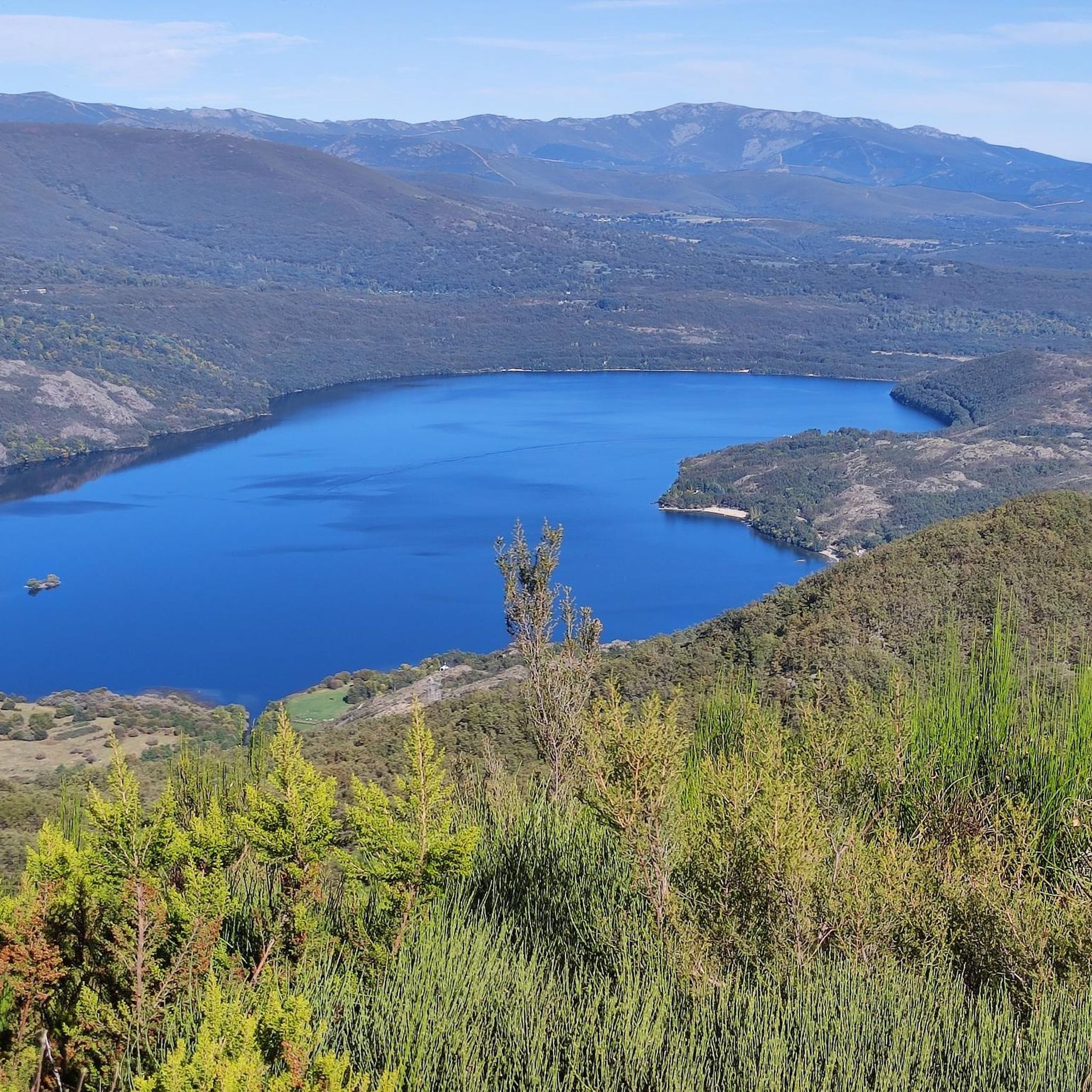
The Montesinho Natural Park covers an area of approximately 75 thousand hectares and is located in the Terra Fria Transmontana region, in the extreme northeast of Portugal, bordering the Spanish communities of Galicia and Castile-Leon. It covers the territories of two municipalities, namely Bragança and Vinhais. As a curiosity, you should know that there are more than 90 villages within the Montesinho Natural Park and that the highest point in the park is the Serra do Montesinho, whose peak is 1,486 metres above sea level.
2
0
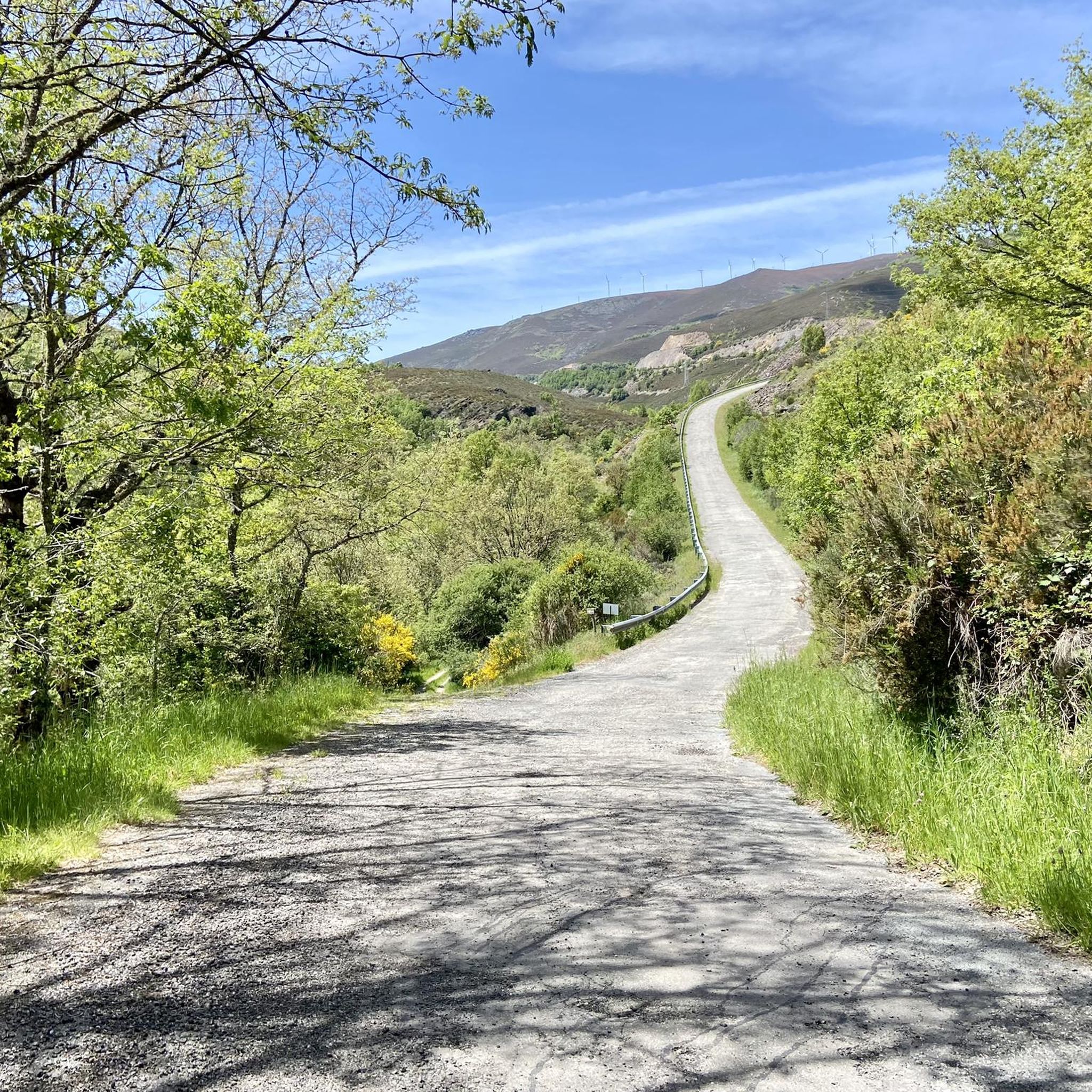
The Serra Serrada Dam, built on the bed of the Andorinhas river, is located in the parish of França, in the municipality of Bragança, Bragança District, in Portugal. The dam was designed in 1986 and began operating in 1989.
3
0
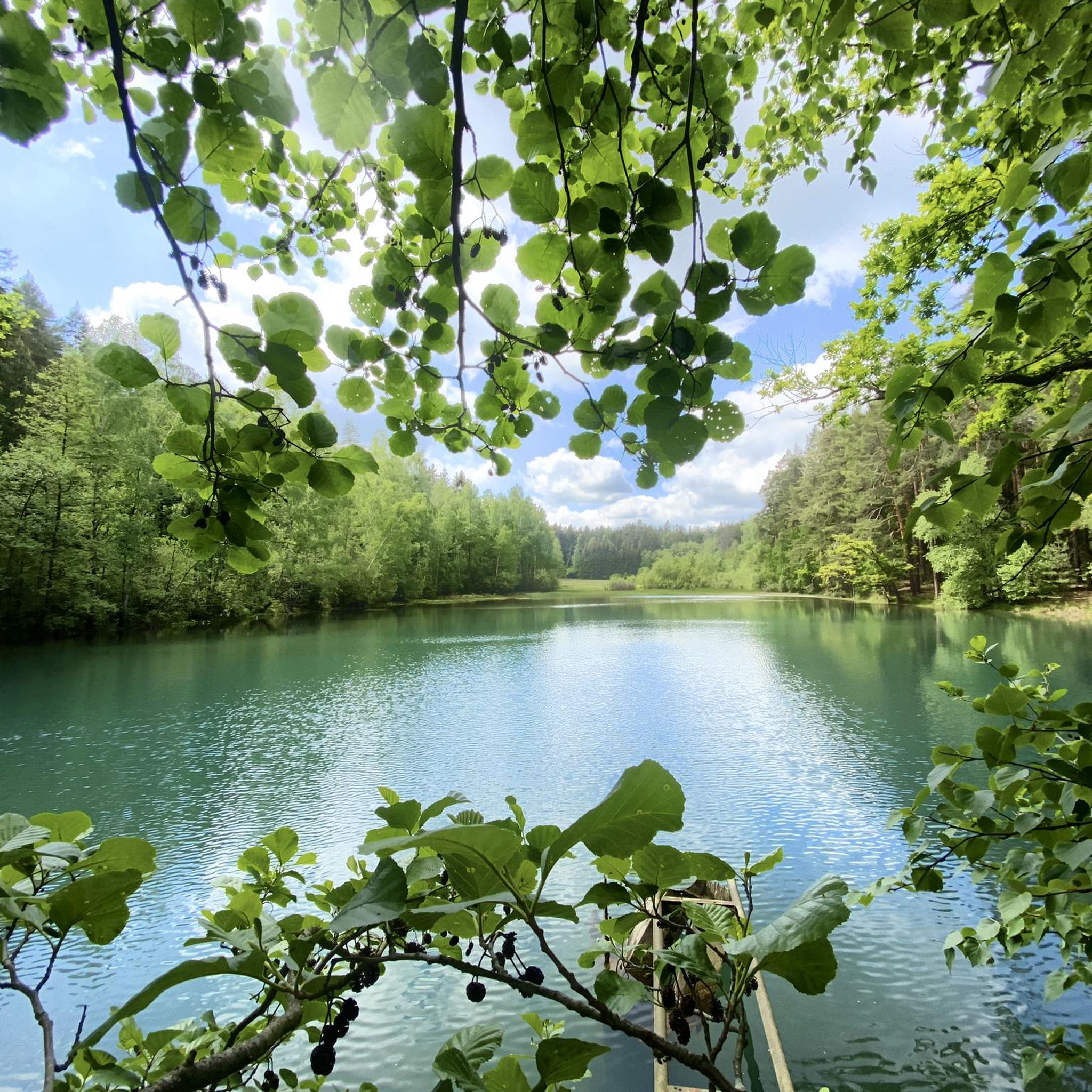
The Tejedelo Forest, located in Requejo de Sanabria, Zamora, is a magical place that transports you to a fairy tale among ancient beings. Here, more than a hundred ancient yew trees, up to a thousand years old, surround you and invite you to recharge your energy in their haven of peace and beauty.
1
0


The prize of the Sotillo waterfall route is this beautiful waterfall that is well worth a stop.
1
0
Impressive set of yews. Although the most spectacular are those in the area of the wooden walkways, there are other beautiful specimens on the descent from the Peñas de Veladero viewpoint.
1
1

Following the path marked with the beacons, we enter the forest of "El Tejedelo" where we will be accompanied by majestic ancient yew trees, which appear like giants on the sides of the path.
2
0
Frequently Asked Questions
What are the primary natural attractions near Lubián?
The main natural attractions around Lubián are found within the Sanabria Lake and Segundera and Porto Mountain Ranges Natural Park. This extensive park is home to the largest glacial lake on the Iberian Peninsula, numerous glacial valleys, cirques, and lagoons, all shaped by ancient glaciers. It also features the dramatic landscapes of the Sierra Segundera and Sierra de Porto mountain ranges.
Are there any impressive waterfalls to visit near Lubián?
Yes, the Sotillo Waterfall is a must-see. Located within the Sanabria Lake Natural Park, it boasts an approximate 20-meter drop from the Arroyo de Pingón. It is particularly striking after rainfall or during spring, making it an ideal spot for hiking.
What kind of geological features can I observe in the natural monuments around Lubián?
The region is a prime example of glacial geology. You can observe the vast Lake Sanabria, which is the largest glacial lake on the Iberian Peninsula, along with numerous glacial valleys, cirques, and over 20 scattered lagoons. These formations are direct evidence of the powerful ancient glaciers that shaped the landscape.
Are there family-friendly natural monuments or trails near Lubián?
Yes, the Tejedelo Forest is considered family-friendly. It's a magical place in Requejo de Sanabria, where you can walk among ancient yew trees, some up to a thousand years old, offering a peaceful and beautiful natural experience for all ages.
What outdoor activities can I do near these natural monuments?
The area around Lubián offers a variety of outdoor activities. You can find excellent hiking trails, including routes to the Sotillo Waterfall or through the Tejedelo Forest. There are also running trails and road cycling routes that allow you to explore the diverse landscapes of the Sanabria Lake Natural Park and its surroundings.
Where can I find scenic viewpoints near Lubián?
For expansive vistas, visit the View of the Montesinho Hills. This viewpoint offers stunning panoramas of the Montesinho Natural Park, which borders Spain in northeast Portugal, showcasing diverse landscapes of hills and forests.
What kind of wildlife can be observed in the natural parks near Lubián?
The Sanabria Lake and Segundera and Porto Mountain Ranges Natural Park is rich in biodiversity. You might spot wildlife such as the golden eagle, wolf, and roe deer. The varied terrain, influenced by both Atlantic and Mediterranean climates, supports over 1,500 plant species, including oak, holly, yew, birch, and alder forests.
Is there a quiet natural spot for relaxation near Lubián?
Yes, the Scenic landscape in Parque Natural de Montesinho is known for its tranquil environment and unique rock formations. It provides a perfect setting for relaxation and immersing yourself in nature's quiet beauty.
Are there any reservoirs or lakes to visit apart from Lake Sanabria?
Yes, the Serra Serrada Reservoir, located in Portugal, is another beautiful water body. It offers a dreamlike landscape with very little tourism, making it an ideal spot if you prefer a peaceful natural setting away from crowds.
What is the best time of year to visit the natural monuments around Lubián?
Spring is an excellent time to visit, especially if you want to see waterfalls like the Sotillo Waterfall at their most impressive after seasonal rains. The warmer months are generally good for hiking and exploring the diverse flora, while autumn offers beautiful colors in the forests.
Are there any specific forests worth exploring for their natural beauty?
Absolutely, the Tejedelo Forest is highly recommended. It's renowned for its ancient yew trees, some of which are centuries old, creating a unique and almost magical atmosphere perfect for a peaceful walk.
What makes the Sanabria Lake unique among natural monuments?
Lake Sanabria stands out as the largest glacial lake on the Iberian Peninsula. Its formation dates back to the Quaternary period, shaped by massive glaciers. This geological history, combined with its impressive depth of up to 51 meters and rich biodiversity, makes it a truly unique natural monument.
Most popular routes around Lubián
Most popular attractions around Lubián

Get inspired with the komoot mobile app


Explore more
Extend your search for the best caves by checking out these guides of the top ones around Lubián:
