Top 11 Natural Monuments around Tielmes
Best natural monuments around Tielmes showcase a landscape shaped by the Tajuña River, featuring diverse natural attractions. The region offers a blend of riverine environments, agricultural plains, and areas with ancient trees and unique geological formations. These sites provide opportunities to explore the local environment and its historical significance. Tielmes' natural heritage includes notable features like the Vía Verde del Tajuña and the Centenary Holm Oak of Valhondo.
Best natural monuments around Tielmes
- The most popular natural monuments is Risco…
Last updated: July 1, 2026
Risco de las Cuevas of Perales de Tajuña
Highlight • Cave
Translated by Google •
Tip by

Azud de Vaciabotas
Highlight • Structure
This is the dam or weir where the Caz del Molino takes its water from the Tajuña River. It is also known as the Azud del Molino and …
Translated by Google •
Tip by
Sign up now to discover places like this
Get recommendations on the best single tracks, peaks, & plenty of other exciting outdoor places.
Sign up for free
San Isidro Spring and Singular Tree of Villar del Olmo
Highlight • Natural Monument
Translated by Google •
Tip by

Peña Bermeja
Highlight • Natural Monument
Translated by Google •
Tip by
Monte Quiebrahilos Summit
Highlight • Summit
Translated by Google •
Tip by
Sign up for free to discover even more natural monuments around Tielmes.
Sign up for free
Already have an account?
Start today with a free account
Your next adventure awaits.
Login or Signup


Tips from the Community

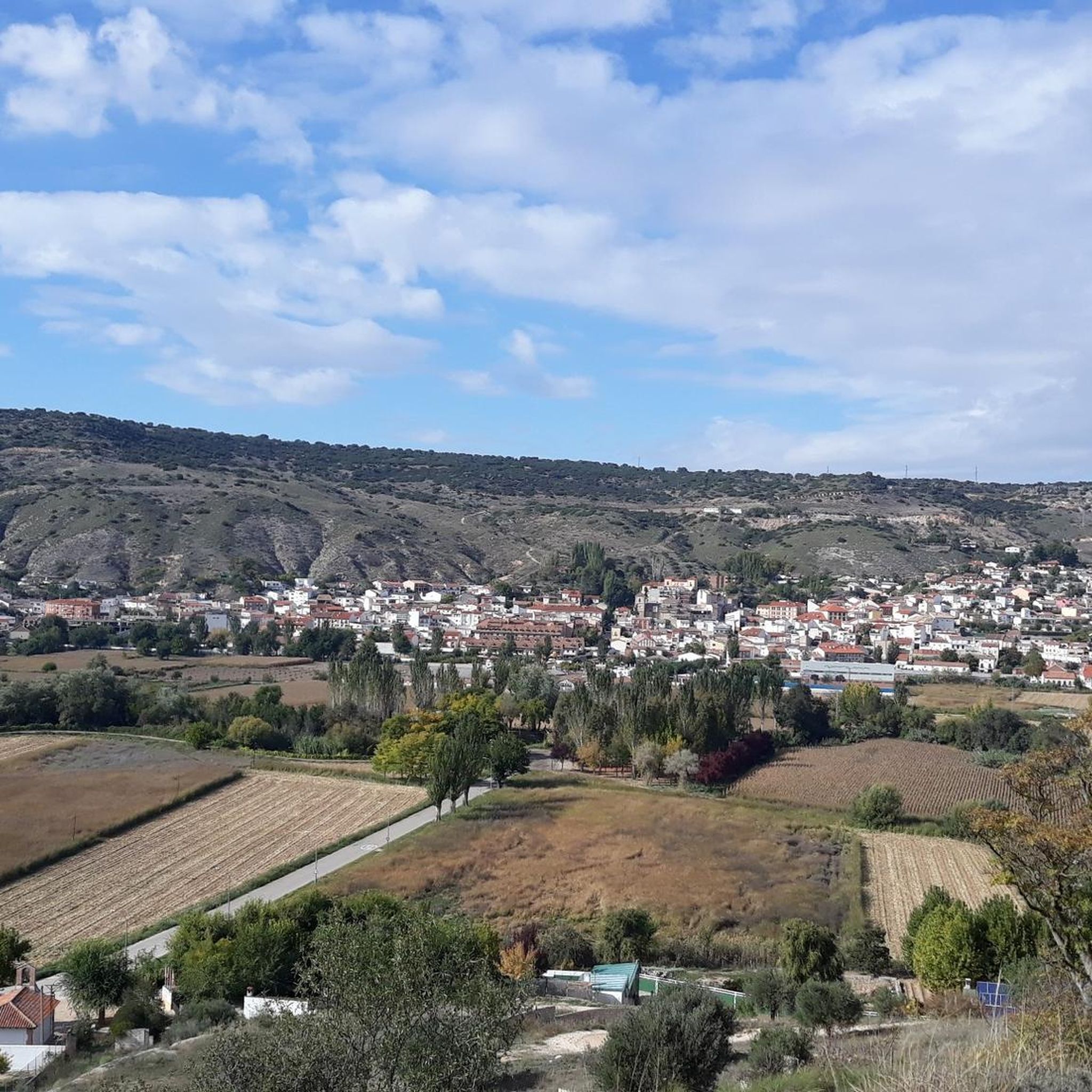
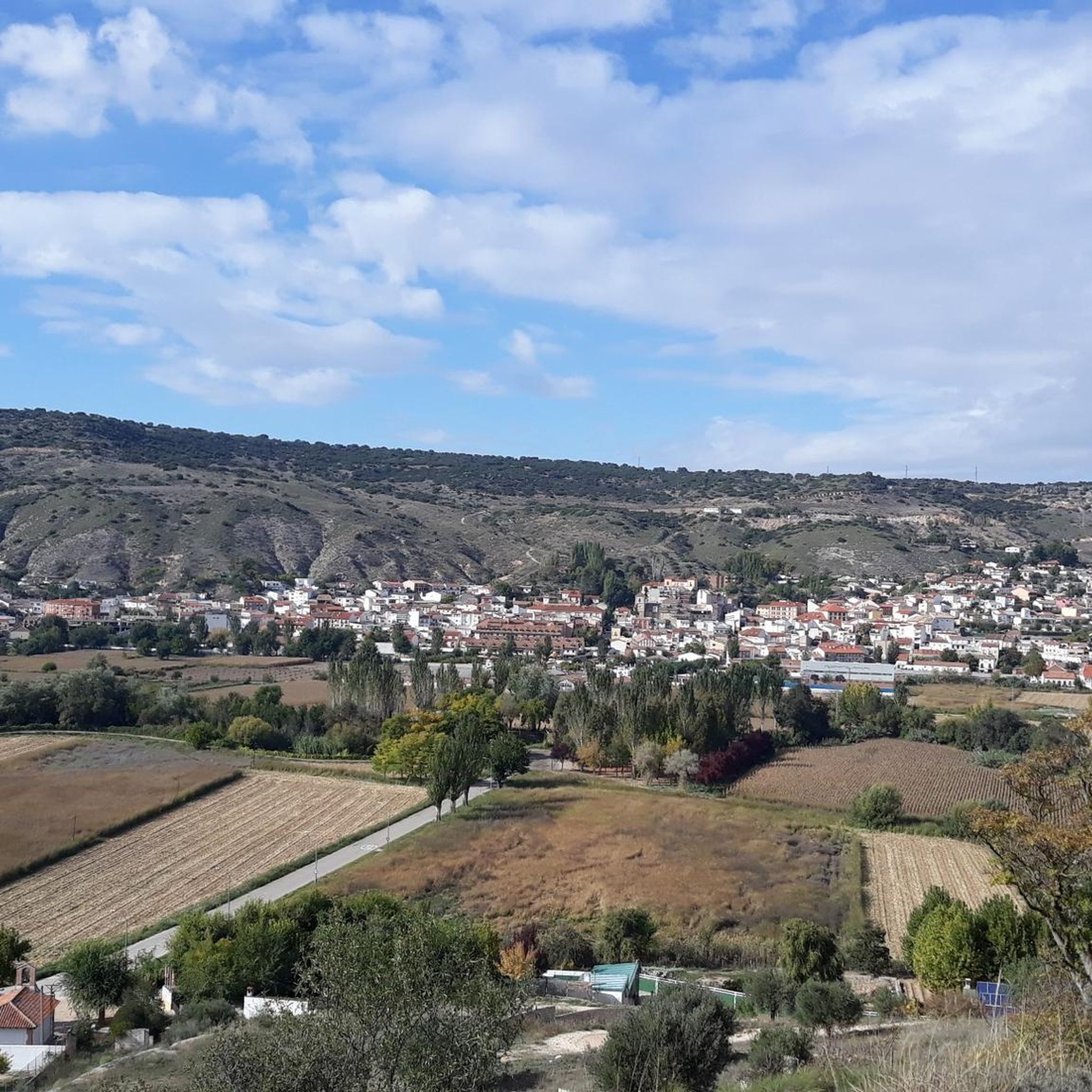
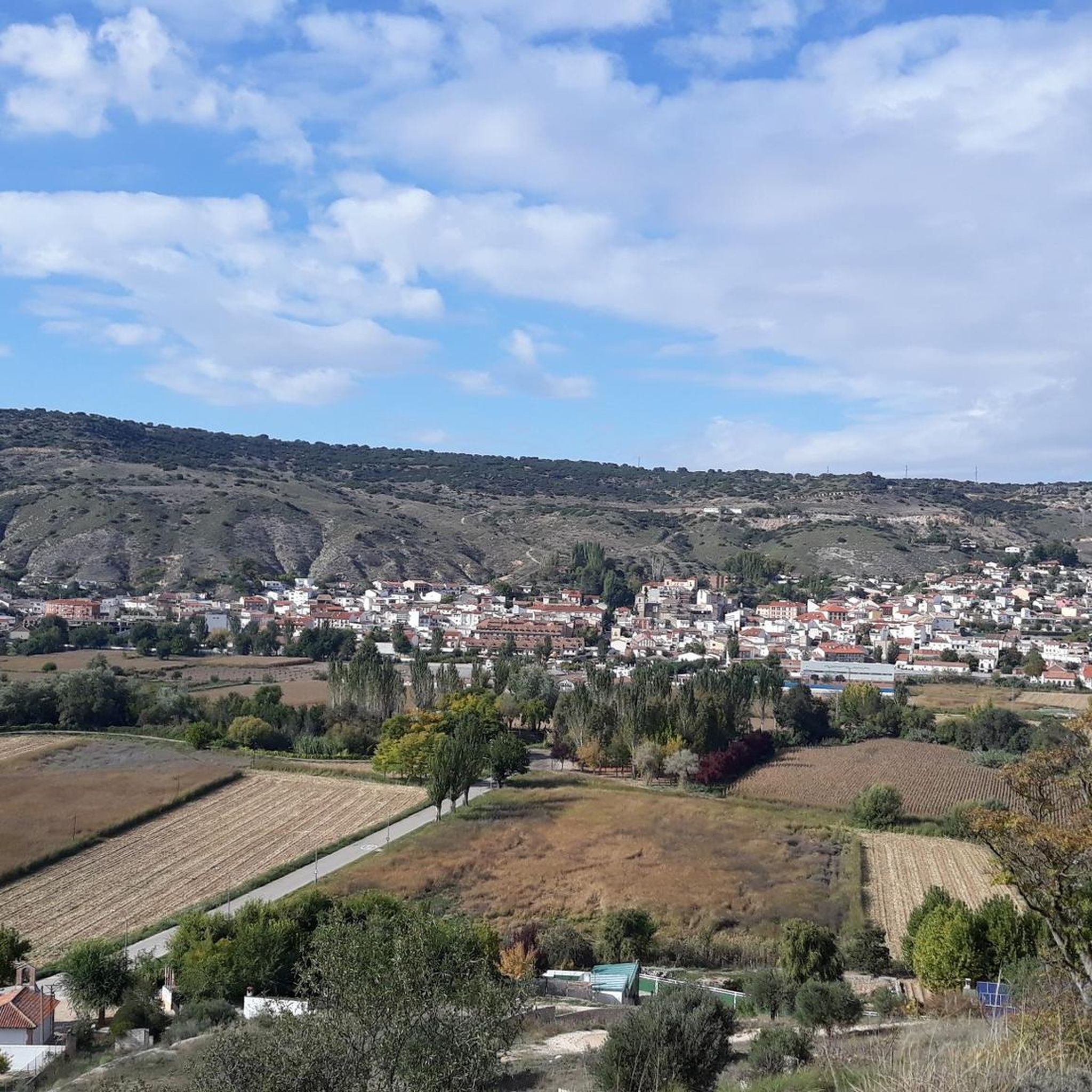
Villar del Olmo is a well-kept and welcoming village, located at the head of the Vega stream, an agricultural valley between the slopes of Mediterranean scrubland where the landscapes of the Las Vegas and Alcarria regions of Madrid meet. It is a transit area between towns, valleys, moors and countryside. The Plaza Mayor is a beautiful Castilian-style space, which centres the dynamics of the village. It has whitewashed facades, stone arcades, a historic fountain, the Town Hall and the parish church, and next to them the Casa del Maestro and the schools. In the lowest part of the village, between the urban complex and the neighbourhoods of modern houses of Las Suertes and La Trinidad, there is the Fuente de San Isidro and a poplar declared a Singular Tree by the Community of Madrid. It is about twenty metres high and is almost one hundred years old.
0
0
Peña Bermeja is a good geological observation point to appreciate the reliefs that have developed through river erosion over the last thirty million years, after the withdrawal of the immense sea that covered the entire territory. The cliffs of Peña Bermeja are common formations on the highest edges of the valleys, appearing in the limestones of the moorland that occupy the stratum located between the high plains and the slopes of impermeable marl and gypsum that fall towards the plain. In many places these limestone walls have been used to exploit stone quarries.
0
0
The caves of the primitive Carpetanian settlement of Caraca are a window in time, from the first Carpetanian inhabitants to the present day, representing the different cultures that have populated the Tajuña valley over time. The current state shows the deterioration typical of a hillside made of marl and gypsum that is brittle and easily eroded. In the time of the Carpetanians, it was a troglodyte settlement with interior passages that connected different galleries, had water channels, warehouses and houses protected from intruders at a certain height from the ground, accessed by ladders and ropes. In the middle of the last century, the Risco de las Cuevas was the setting for several films.
0
0
Vaciabotas Dam This is the dam or weir where the Caz del Molino takes its water from the Tajuña River. It is also known as the Azud del Molino and is one of the irrigation channels of the Madrid plain. The dam's waterfall is next to the old Molino Nuevo or Molino de la Isla, which is privately owned and documented in the Topographic Relations of Felipe II. The riverbank is a cool environment of giant trees and riverside vegetation. The irrigation channel and the course of the Tajuña are separated by the dam and until they meet again at the Puente del Palo they form the island that gives the place its name. In the area of Tielmes there are the Presón weirs, the Presa del Marqués and the Cantarranas Molino waterfall, all of Islamic origin.
1
0
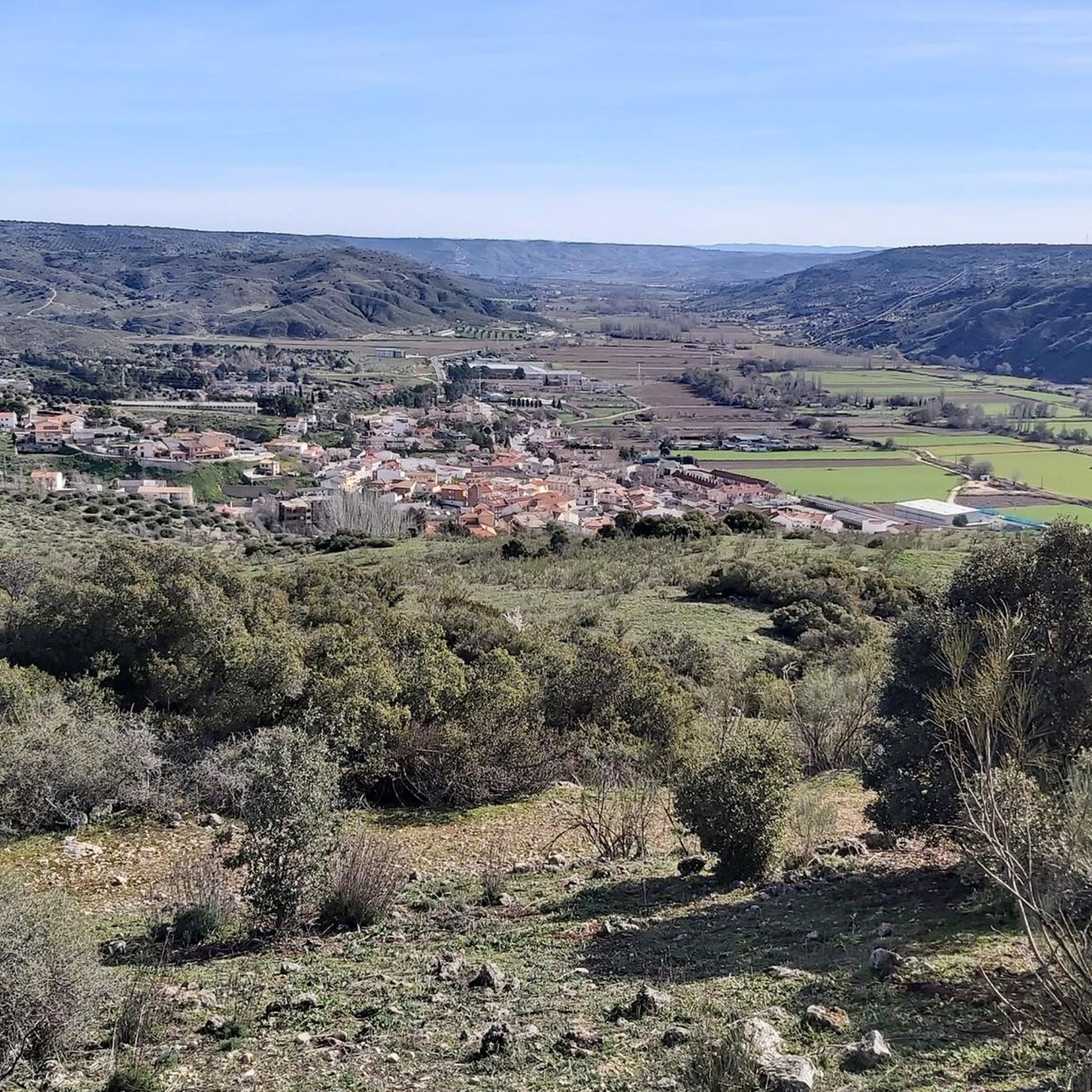
The geodetic vertex of Mount Quiebrahilos is at an altitude of 813 metres, it is one of the highest hills in the municipality of Valdaracete with Mount Valdelasierpe (815 m). The views of the sea of olive trees and the cultivated fields are extraordinary. The elevation is surrounded by a dense belt of holm oaks and next to it are the facilities of a Canal de Isabel II reservoir.
0
0

Cozy town in the region of Las Vegas, has hiking trails and is known as the door of the Alcarria of Madrid. A nice place is the Fuente de San Isidro, with a monumental poplar 20 meters high and almost a century old.
1
0
Frequently Asked Questions
What are some notable natural monuments to visit around Tielmes?
Beyond the popular Risco de las Cuevas of Perales de Tajuña, which showcases a primitive Carpetanian settlement, you can explore the Azud de Vaciabotas, a dam with a cool environment of giant trees and riverside vegetation. Another significant site is Peña Bermeja, offering a geological observation point to appreciate reliefs formed by river erosion.
Are there any historical natural monuments or sites near Tielmes?
Yes, the Risco de las Cuevas of Perales de Tajuña is a significant historical natural monument. It represents a primitive Carpetanian settlement with interior passages and has been a setting for films. Additionally, the Azud de Vaciabotas, also known as Azud del Molino, has Islamic origins and is documented in historical records.
What hiking opportunities are available near Tielmes' natural monuments?
The region offers various hiking trails, many of which are accessible via the Vía Verde del Tajuña. You can find moderate routes like the "Puente del Tajuña – Tajuña Greenway loop from Tielmes" or the "Puente del Tajuña – Fuente de la Mariblanca loop from Tielmes." For more options, explore the Hiking around Tielmes guide.
Can I cycle along any of the natural attractions in Tielmes?
Absolutely. The Vía Verde del Tajuña is a prime natural attraction, a repurposed railway line perfect for cycling. It stretches for approximately 49 kilometers, offering scenic routes along the Tajuña River. You can find routes like "Vía Verde del Tajuña – from Perales de Tajuña to Ambite" in the Cycling around Tielmes guide.
Are there family-friendly natural attractions in the Tielmes area?
Yes, the San Isidro Spring and Singular Tree of Villar del Olmo is considered family-friendly. It features a beautiful Castilian-style plaza, a historic fountain, and a monumental, nearly century-old poplar tree. The Vía Verde del Tajuña also offers low-difficulty, mostly flat terrain suitable for family walks and bike rides.
What unique geological features can I observe among the natural monuments?
At Peña Bermeja, you can observe reliefs developed by river erosion over millions of years, including cliffs formed in the limestones of the moorland. The area's landscape is characterized by these formations, which are common on the highest edges of the valleys.
What kind of wildlife can I expect to see near Tielmes' natural monuments?
Along the Tajuña River, especially near the Vía Verde, you can observe diverse bird species such as cattle egrets, mallards, common kingfishers, and great coots. In the more steppe-like páramo areas, you might spot great bustards, little bustards, and red partridges.
Is there a significant ancient tree in the Tielmes area?
Yes, the Centenary Holm Oak of Valhondo is a particularly noteworthy natural landmark in Tielmes. It is recognized for its significant age and impressive size, standing as a testament to the region's long-standing natural history and contributing significantly to the local ecosystem.
Where can I find panoramic views of the Tielmes landscape?
For extraordinary views of the olive groves and cultivated fields, visit the Monte Quiebrahilos Summit. At an altitude of 813 meters, it offers a wide panorama and is surrounded by a dense belt of holm oaks.
What are the best outdoor activities to do near Tielmes' natural monuments?
The area is ideal for outdoor activities like hiking and cycling, especially along the Vía Verde del Tajuña. You can also explore MTB trails. For detailed routes, check out the Hiking around Tielmes, Cycling around Tielmes, and MTB Trails around Tielmes guides.
What kind of vegetation can be found along the Vía Verde del Tajuña?
Along the Vía Verde del Tajuña, you'll find diverse flora. Near the riverbanks, there's riparian vegetation like reeds, rushes, poplars, and elms. Further from the water, the landscape becomes more steppe-like, featuring holm oaks, aromatic plants such as thyme, rosemary, and lavender, and cultivated fields.
Most popular attractions around Tielmes

Get inspired with the komoot mobile app


Explore more
Extend your search for the best caves by checking out these guides of the top ones around Tielmes:
