Burgo De Osma-Ciudad De Osma
Burgo De Osma-Ciudad De Osma
Top 16 Natural Monuments around Burgo De Osma-Ciudad De Osma
Best natural monuments around Burgo De Osma-Ciudad De Osma are characterized by unique geological formations and diverse ecosystems within the province of Soria, Spain. The region features a landscape shaped by river erosion, creating dramatic canyons and karstic systems. These natural areas offer opportunities for observing varied flora and fauna, including raptors. The area provides a blend of natural wonders and historical sites integrated into the landscape.
Best natural monuments around Burgo De Osma-Ciudad De Osma
- The most popular natural…
Last updated: July 1, 2026
Hermitage of Saint Bartholomew
Highlight • Religious Site
Translated by Google •
Tip by

Gullurías Viewpoint
Highlight • Viewpoint
Translated by Google •
Tip by
Sign up now to discover places like this
Get recommendations on the best single tracks, peaks, & plenty of other exciting outdoor places.
Sign up for free
Cueva Grande (Río Lobos Canyon)
Highlight • Cave
Translated by Google •
Tip by

Entrance Trail to Cañón del Río Lobos from Casarejos (GR-86)
Highlight (Segment) • Trail
Translated by Google •
Tip by

Colmenar de los Frailes
Highlight • Structure
Translated by Google •
Tip by

Sign up for free to discover even more natural monuments around Burgo De Osma-Ciudad De Osma.
Sign up for free
Already have an account?
Start today with a free account
Your next adventure awaits.
Login or Signup
Popular around Burgo De Osma-Ciudad De Osma
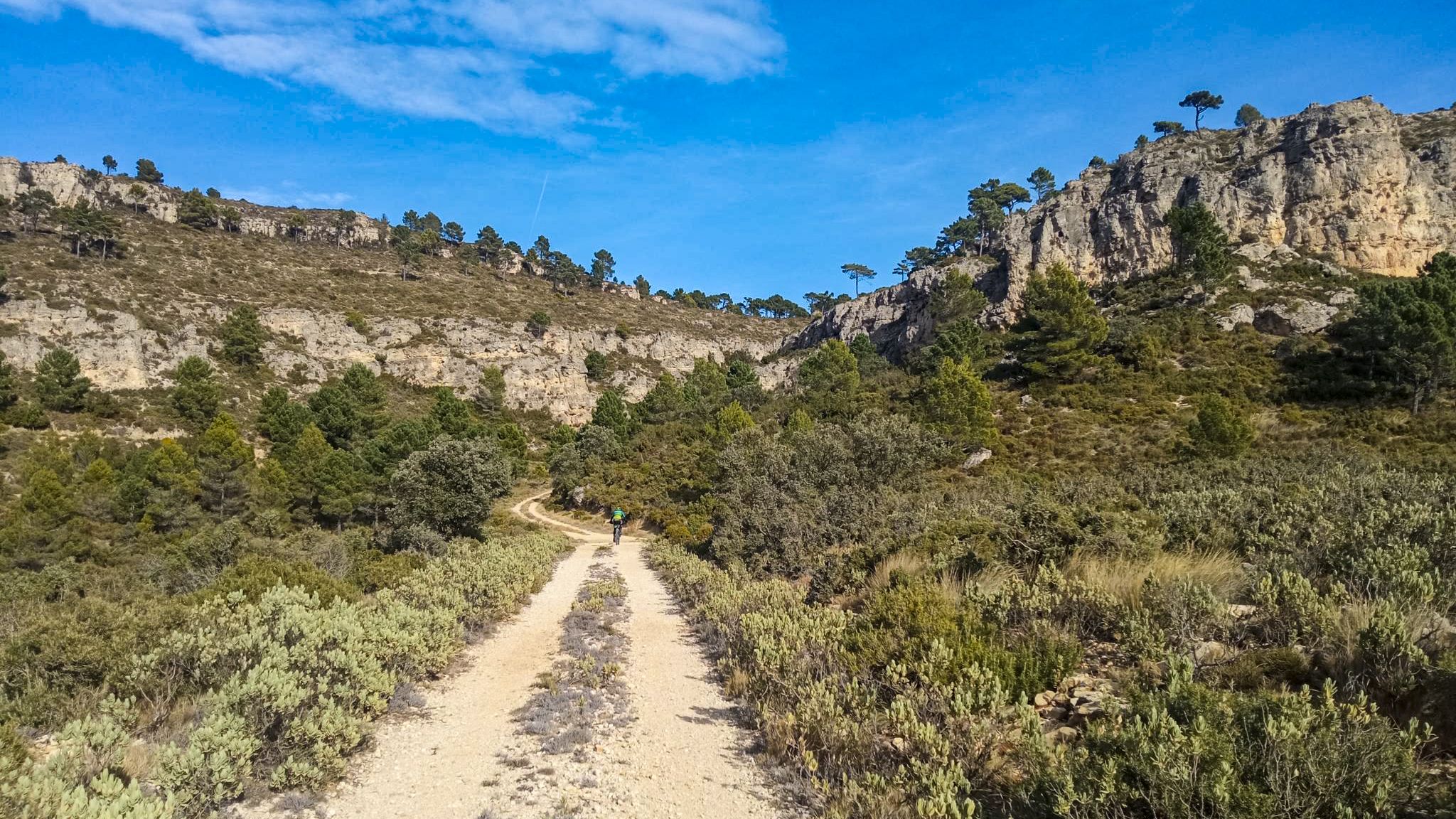
10 gravel routes to discover hidden gems in Spain
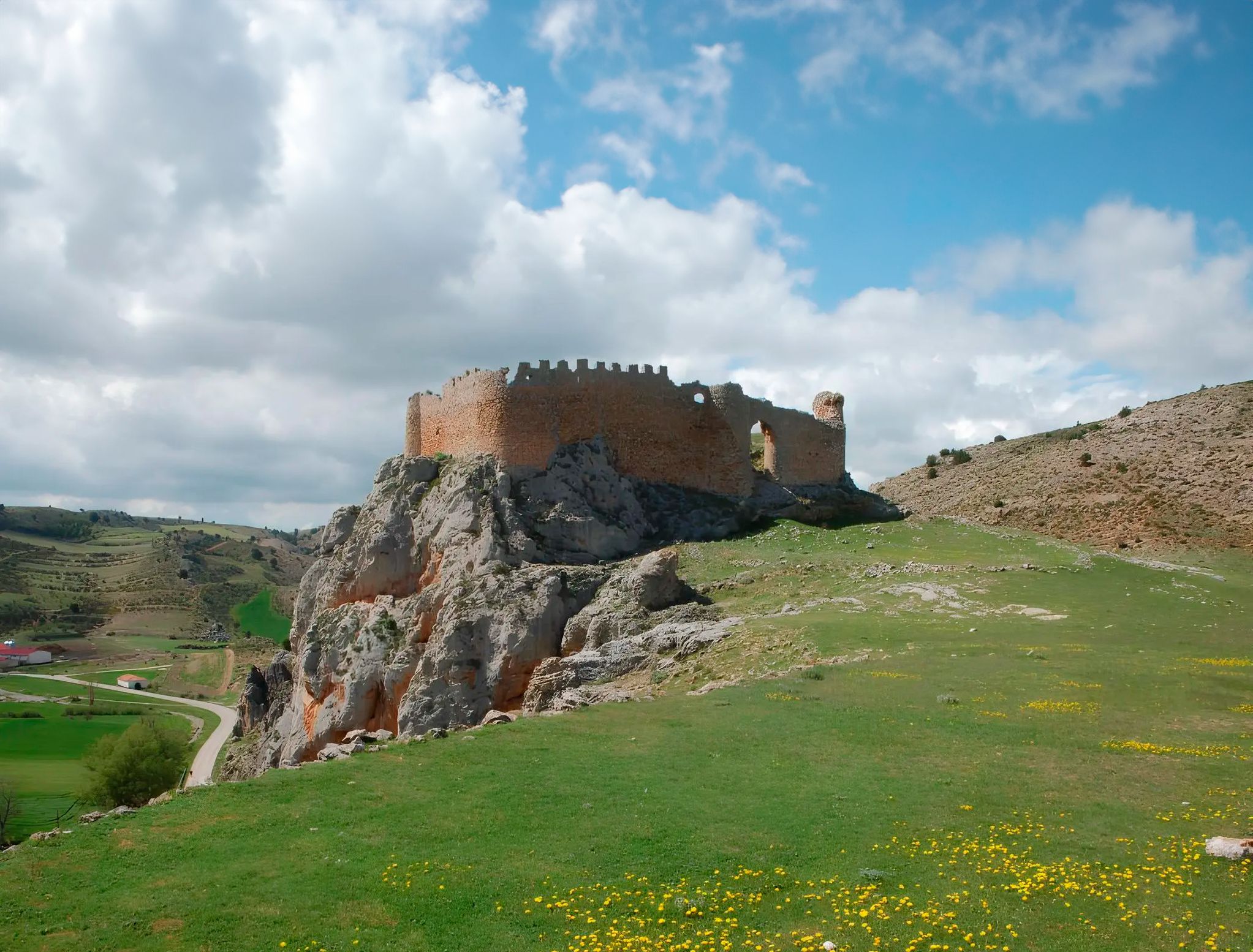
Around the Spanish province of Soria - Sendero Ibérico Soriano (GR 86)
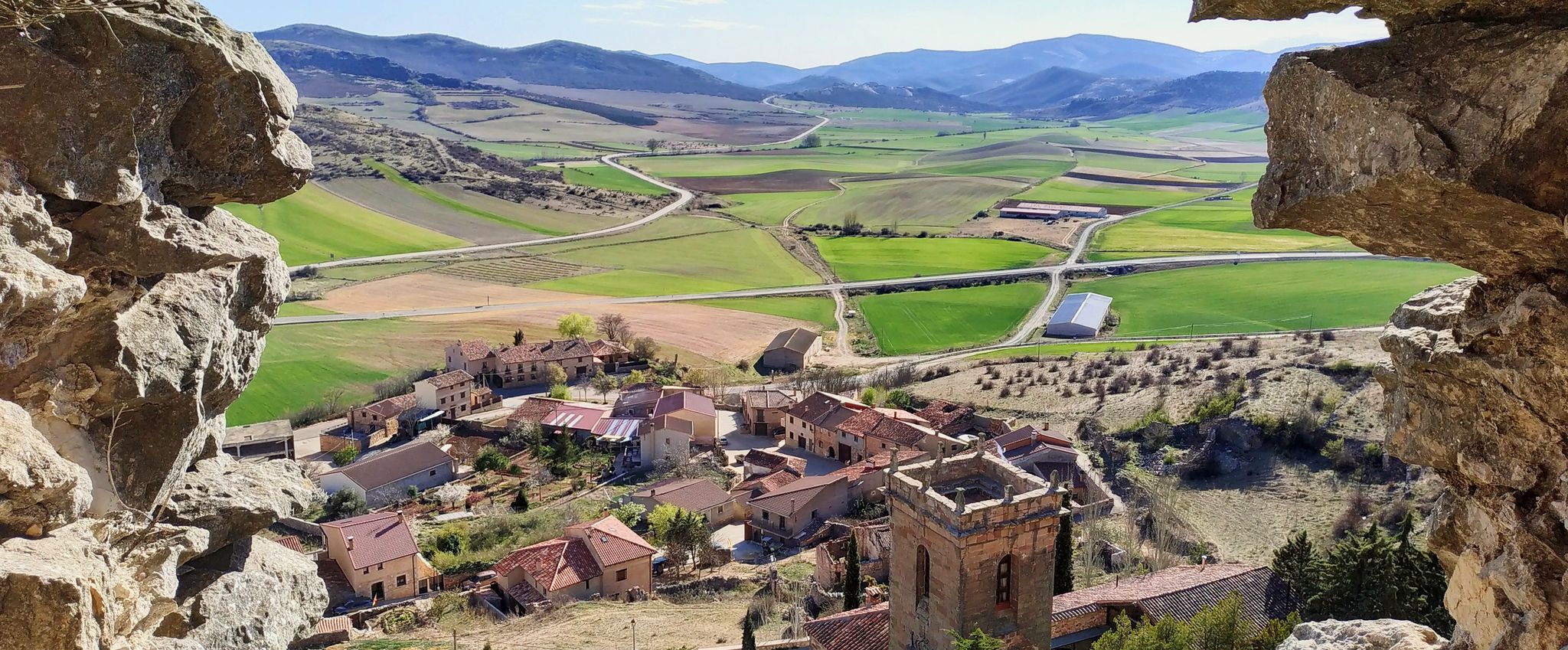
Spain’s Camino del Cid by bicycle — El Destierro
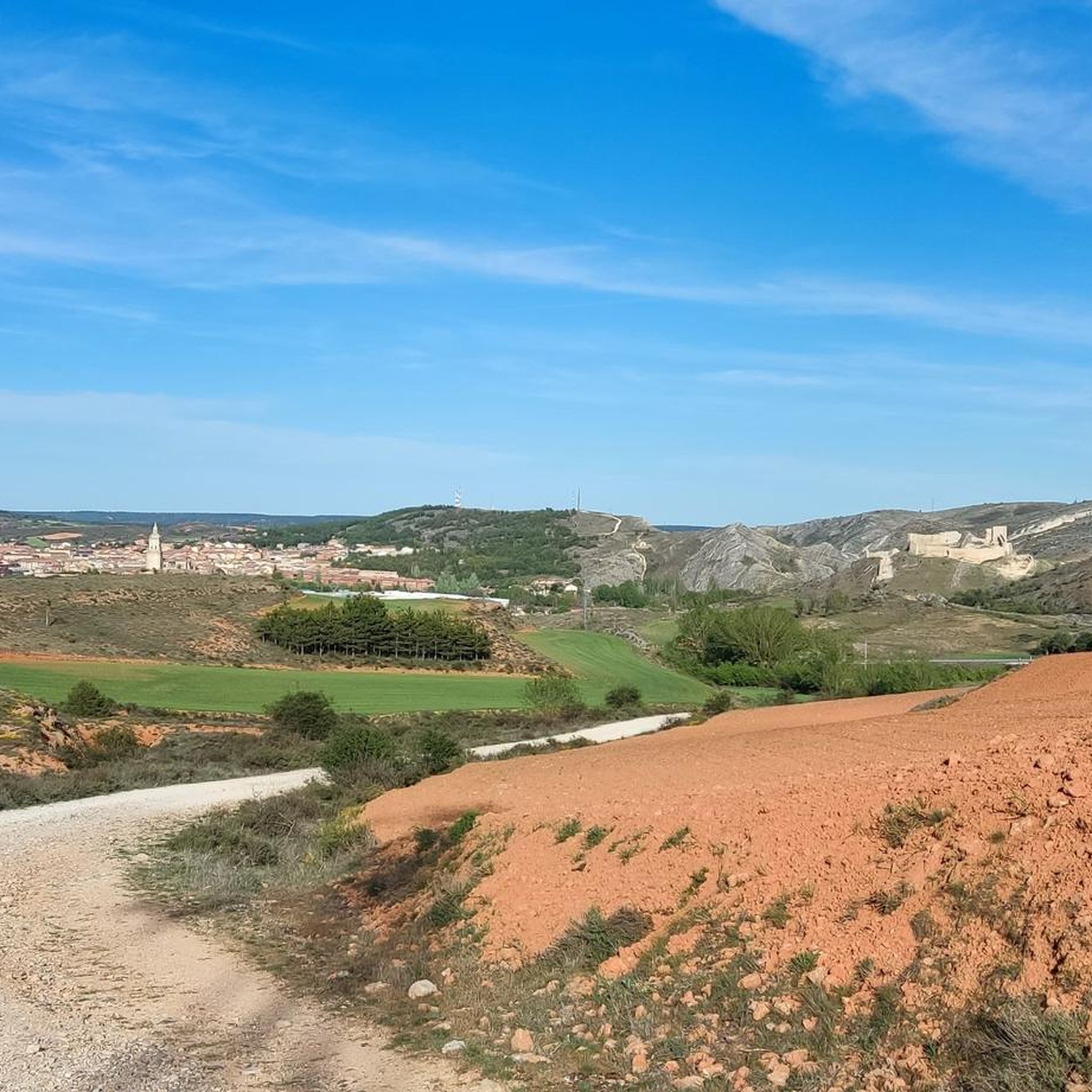
Road Cycling Routes around Burgo De Osma-Ciudad De Osma
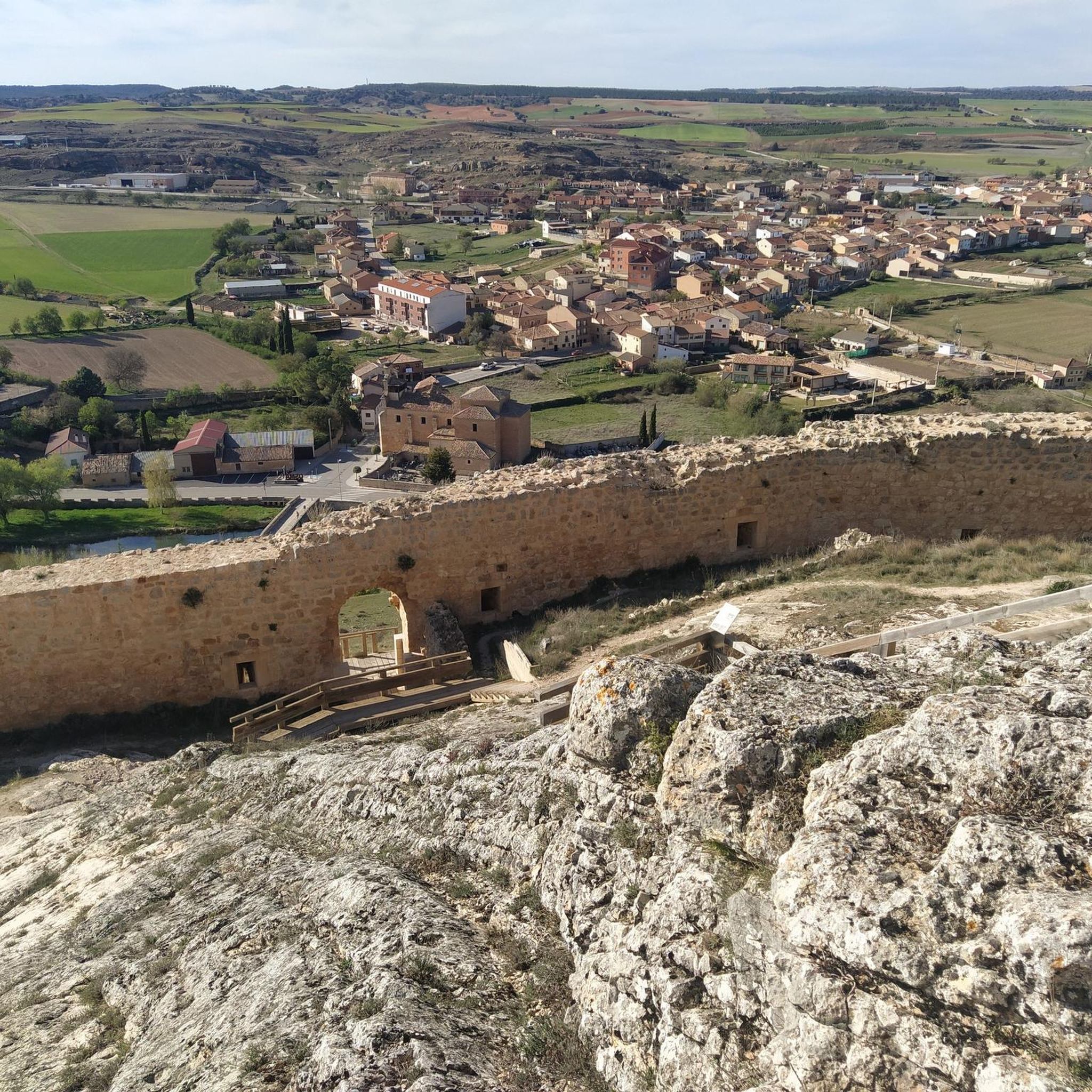
MTB Trails around Burgo De Osma-Ciudad De Osma
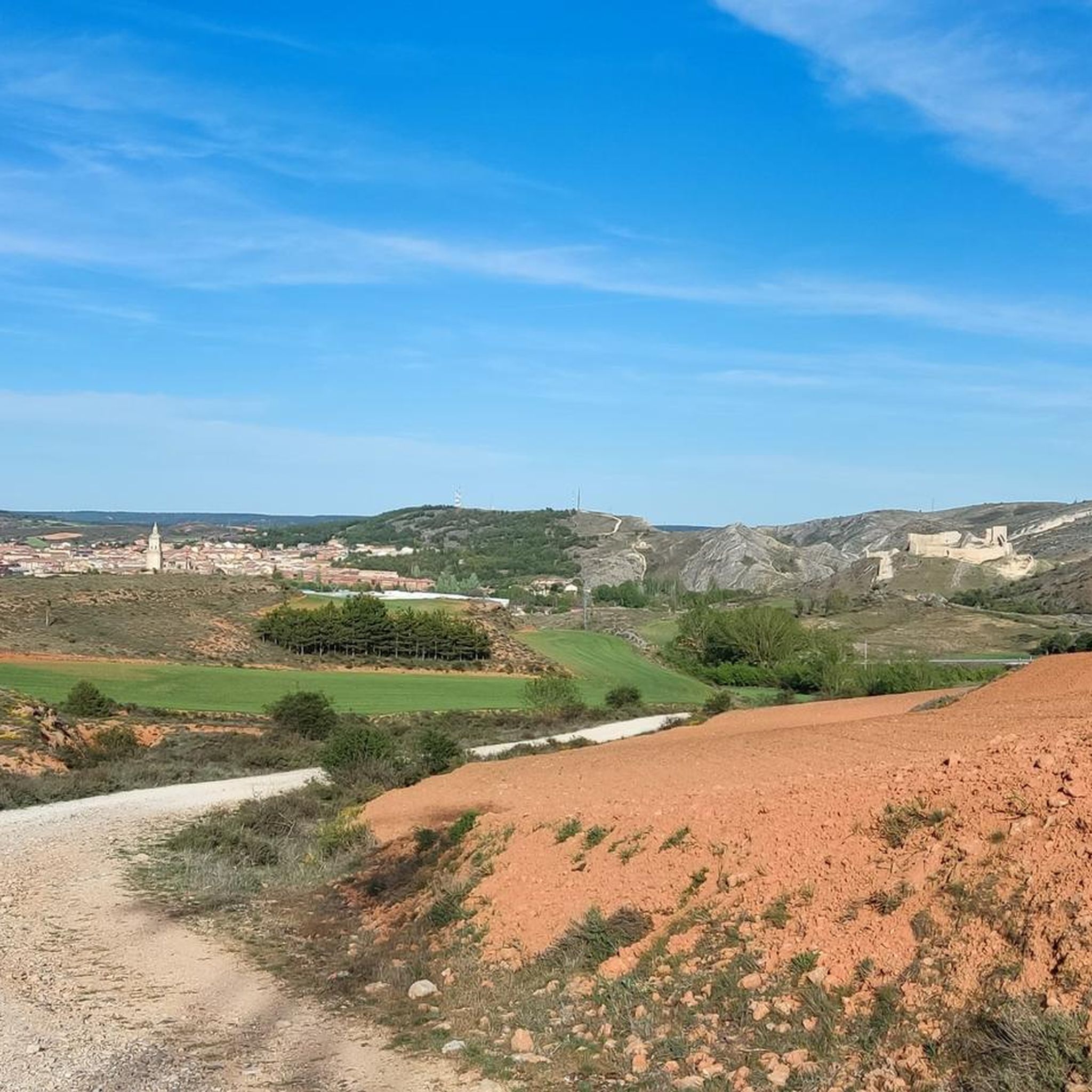
Cycling around Burgo De Osma-Ciudad De Osma
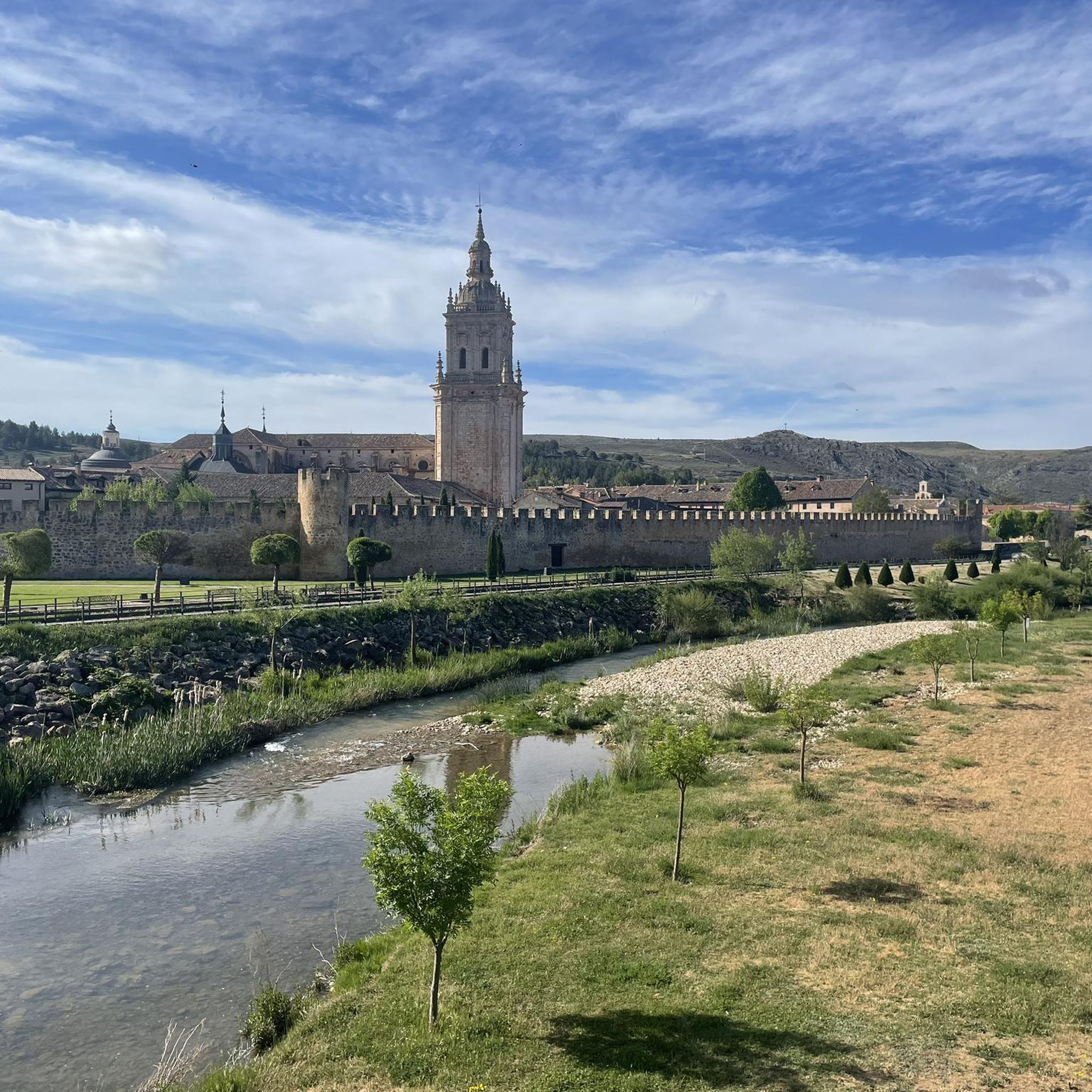
Hiking around Burgo De Osma-Ciudad De Osma
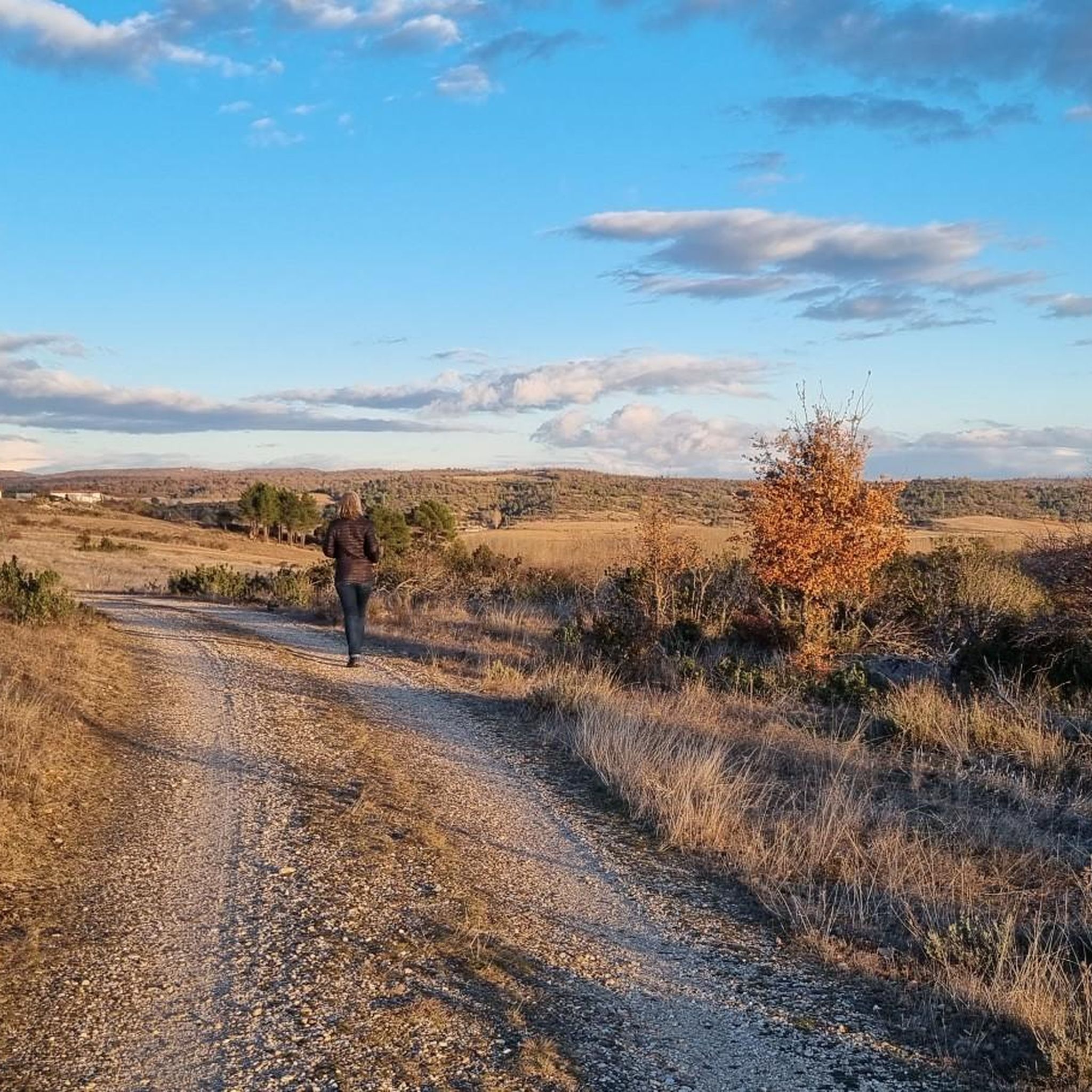
Running Trails around Burgo De Osma-Ciudad De Osma

Gravel biking around Burgo De Osma-Ciudad De Osma
Other adventures around Burgo De Osma-Ciudad De Osma


Tips from the Community


One of the resources traditionally exploited in the region was honey collection. This spot, known as "El Colmenar de los Frailes," housed the Templar community's beehives. They were made from hollowed tree trunks, each with a stone slab placed on top as a lid, leaving small entrance areas for the bees. They lined the rocky outcrops of the Canyon.
0
1

The Gullurías Viewpoint is a spectacular vantage point located in the Cañón del Río Lobos Natural Park. From the viewpoint, you can see the pine forests of Soria and Burgos, as well as the peaks of the Iberian System, including Urbión Peak.
4
0
The Hermitage of San Bartolomé is a fascinating church located in the Cañón del Río Lobos Natural Park, in the communities of Herrera de Soria, Nafría de Ucero, and Ucero. Built in the first quarter of the 13th century, in a style that transitions from Romanesque to Gothic.
4
0
Bullías trail, a very nice circular hiking route
0
0
The LOBOS River canyon is worth visiting
0
0
The large cave, a large cavity in an idyllic landscape, which is the surroundings of the hermitage of San Bartolomé
0
1

"Colmenar de los Frailes" is a curious place where you can see some old beehives on the rock, built from hollow tree trunks.
2
0
Frequently Asked Questions
What are the most significant natural monuments to visit near Burgo de Osma-Ciudad de Osma?
The most significant natural monuments include the spectacular Cañón del Río Lobos Natural Park, known for its dramatic limestone gorge and rich biodiversity. Another must-see is the Hermitage of Saint Bartholomew, uniquely situated within the canyon, and Cueva Grande (Río Lobos Canyon), an impressive natural cave nearby. Additionally, the Monumento Natural de La Fuentona offers a serene experience with its crystal-clear waters and the source of the Abión River.
What kind of terrain can I expect when exploring the natural monuments?
You can expect varied terrain, primarily characterized by deep canyons with towering limestone walls, karstic landscapes, and extensive pine and juniper forests. Areas like Cañón del Río Lobos feature riverbeds, caves, and trails that can range from easy walks to more challenging routes with elevation changes, especially when accessing viewpoints like Gullurías Viewpoint.
Are there family-friendly activities or trails at the natural monuments?
Yes, many areas are suitable for families. The Cañón del Río Lobos Natural Park offers various trails, some of which are easy walks along the river, perfect for families. The interpretation center at the park provides educational exhibits. La Fuentona also has accessible paths for a pleasant family outing. Always check specific trail conditions for suitability with younger children.
Can I bring my dog to the natural monuments?
Generally, dogs are welcome on trails within natural parks and monuments, but it's crucial to keep them on a leash to protect wildlife and ensure the safety of other visitors. Always check specific regulations for each area, especially concerning sensitive ecological zones or protected bird nesting sites within places like Cañón del Río Lobos.
What are the best times to visit the natural monuments around Burgo de Osma-Ciudad de Osma?
Spring and autumn are ideal for visiting, offering pleasant temperatures for hiking and enjoying the scenery. Spring brings lush greenery and blooming flora, while autumn showcases beautiful fall colors. Summer can be warm, making early mornings or late afternoons preferable for activities. Winter visits are possible but require appropriate gear, especially if snow is present.
What outdoor activities can I do near these natural monuments?
The region is excellent for various outdoor activities. Hiking is popular, with numerous trails available, including those leading to and through the Cañón del Río Lobos. Cycling is also a great option, with routes for mountain biking, road cycling, and gravel biking. For more detailed route information, you can explore guides like MTB Trails around Burgo De Osma-Ciudad De Osma, Road Cycling Routes around Burgo De Osma-Ciudad De Osma, and Gravel biking around Burgo De Osma-Ciudad De Osma.
Are there any historical or cultural sites integrated into the natural monuments?
Yes, the Hermitage of Saint Bartholomew, a 13th-century Romanesque church with Gothic influences, is a prominent historical site located within the Cañón del Río Lobos. It was once part of a Templar monastery and is known for its unique architectural symbols. Another interesting historical feature is Colmenar de los Frailes, ancient beehives carved into the rock, also found within the canyon.
Where can I find the best viewpoints to appreciate the natural beauty?
The Cañón del Río Lobos Natural Park offers several official viewpoints. The Gullurías Viewpoint is particularly spectacular, providing elevated perspectives over the pine forests of Soria and Burgos, and even peaks of the Iberian System. Other viewpoints like Costalago, La Lastrilla, El Castillo, and La Galiana also offer stunning vistas.
What wildlife can I expect to see in the natural monuments?
The natural monuments, especially Cañón del Río Lobos, are rich in biodiversity. It's a significant habitat for raptors, including eagles and a substantial population of griffon vultures that nest in the cliffs. You might also spot various other bird species, as well as mammals like deer, wild boar, and otters near the rivers. The diverse flora includes extensive forests of juniper and black pine.
How long should I plan for a visit to the natural monuments?
To fully experience the Cañón del Río Lobos Natural Park, a full day is recommended, especially if you plan to hike to the hermitage, explore caves, and visit viewpoints. La Fuentona can be enjoyed as a half-day or full-day excursion, depending on how many hiking routes you wish to undertake. Shorter visits are possible to specific highlights, but a more immersive experience benefits from dedicated time.
Is parking available at the natural monuments?
Yes, parking is generally available at the main access points and near popular attractions within the natural monuments. For instance, many viewpoints in Cañón del Río Lobos are accessible by car. However, some areas, like the Gullurías Viewpoint, may require a hike after parking, so it's advisable to check specific access details for your chosen destination.
What should I wear for hiking in the natural monuments?
Comfortable hiking shoes with good grip are essential, as trails can be uneven or rocky. Layered clothing is recommended to adapt to changing weather conditions, especially in spring and autumn. A hat, sunscreen, and plenty of water are also advisable, particularly during warmer months or for longer hikes. For winter, waterproof and warm clothing is necessary.
Are there any unique geological formations to observe?
Absolutely. The Cañón del Río Lobos is a prime example, featuring a spectacular 25-kilometer gorge with limestone walls over 100 meters high, carved by the Lobos River. This area showcases impressive karstic landscapes, caves like Cueva Grande, and the unique source of the Abión River at La Fuentona, which emerges from a karstic system.
Most popular routes around Burgo De Osma-Ciudad De Osma
Most popular attractions around Burgo De Osma-Ciudad De Osma

Get inspired with the komoot mobile app


Explore more
Extend your search for the best caves by checking out these guides of the top ones around Burgo De Osma-Ciudad De Osma:
