Top 10 Natural Monuments around Santibáñez Del Val
Best natural monuments around Santibáñez Del Val include a variety of impressive landscapes and unique geological formations in the province of Burgos, Spain. The area features narrow limestone canyons, ancient juniper forests, and picturesque natural spots. These natural features offer opportunities to observe diverse ecosystems and unique geological formations. Visitors can explore a range of natural areas, from high mountain passes to serene waterfalls.
Best natural monuments around Santibáñez Del Val
- The most popular natural monuments is View of Peña…
Last updated: July 1, 2026
Viewpoint over the Yecla Gorge
Highlight • Gorge
Translated by Google •
Tip by

Alto de Peña Alta (1078 m)
Highlight • Mountain Pass
Translated by Google •
Tip by

Sign up now to discover places like this
Get recommendations on the best single tracks, peaks, & plenty of other exciting outdoor places.
Sign up for free
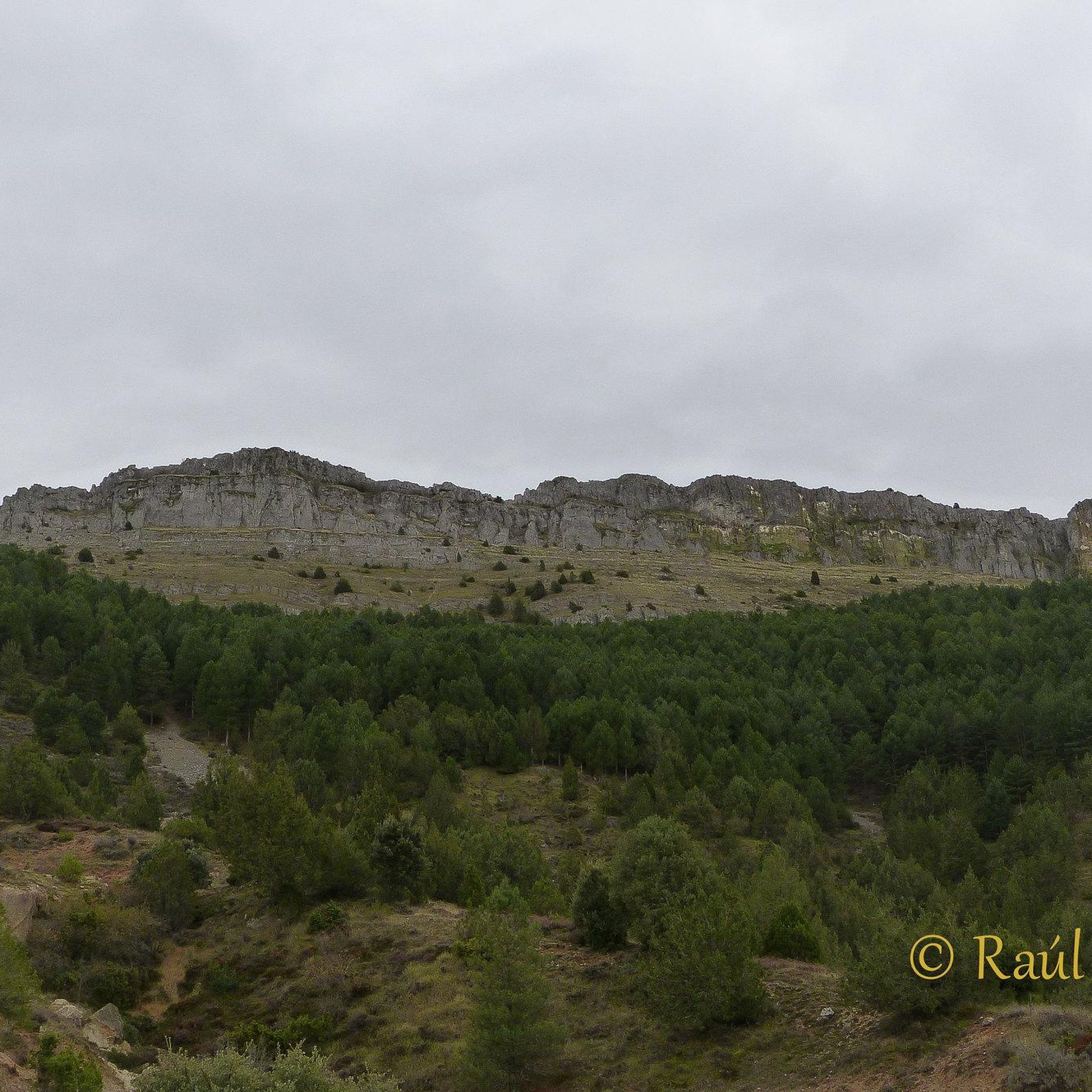
View of Peña de Carazo
Highlight • Viewpoint
Translated by Google •
Tip by

El Churrión Waterfall
Highlight • Waterfall
Translated by Google •
Tip by
Alto de la Cabeza Summit
Highlight • Summit
Translated by Google •
Tip by
Sign up for free to discover even more natural monuments around Santibáñez Del Val.
Sign up for free
Already have an account?
Start today with a free account
Your next adventure awaits.
Login or Signup



Tips from the Community

Spectacular area for hiking routes
0
0
A spectacular waterfall with dizzying walls
0
0


impressive canyon with walkways. Bikes must be left parked, they do not fit
0
0
Spectacular canyon, which can be visited via the walkways provided for this purpose. Be careful, bicycles do not fit, as it has been verified.
0
0

About three kilometers southwest of Silos lies a gorge also known as Desfiladero de la Yecla. A footpath leads through the deep cut in the limestone cliffs, whose valley floor the sun barely reaches. Colonies of griffon vultures and other birds of prey live in this adventurous landscape.
2
0

The gorge is nice to walk through since some walls have a verticality of 50m and we can also see vultures. The walk to Santo Domingo runs along a track with no problems for both walking and cycling except for the gorge itself.
2
1

Alto de la Cabeza is the highest point in the Ribera del Duero with its 1343 m high. The top is crowned by a metal cross.
1
0
Frequently Asked Questions
What unique geological features can I explore around Santibáñez Del Val?
The region is rich in unique geological formations. A standout is the Desfiladero de Yecla, a stunningly narrow limestone canyon with steep, vertical walls, creating an almost subterranean atmosphere. You can experience this marvel via well-maintained elevated walkways. Another notable feature is the View of Peña de Carazo, offering panoramic views of the Tabladillo valley and surrounding limestone mountains.
Are there ancient forests to visit in the area?
Yes, the Espacio Natural de la Yecla y los Sabinares del Arlanza is home to one of the most extensive and best-preserved juniper forests in the world. These 'sabina albar' trees are relict species, with some specimens estimated to be over two thousand years old, offering a glimpse into ancient ecosystems.
Where can I find impressive viewpoints of the landscape?
Several spots offer breathtaking views. The View of Peña de Carazo provides excellent vistas of the Tabladillo valley. For a higher perspective, Alto de Peña Alta (1078 m), within the Sabinares de Arlanza - La Yecla natural park, offers expansive views of the surrounding natural setting. Additionally, the Peñas del Tuero Viewpoint allows you to see the entire Arlanza Valley after a climb through oak forests.
What kind of wildlife can I expect to see?
The inaccessible rocky cliffs of the Desfiladero de Yecla are a sanctuary for diverse raptors, most notably a significant population of griffon vultures. Other birds of prey like golden eagles and peregrine falcons can also be observed. The broader Espacio Natural de la Yecla y los Sabinares del Arlanza supports a wide range of mammals such as roe deer, wild boars, wild cats, and otters.
Are there hiking opportunities near these natural monuments?
Absolutely. The region offers numerous hiking trails. For example, you can explore the hiking routes around Santibáñez Del Val, which include paths like the 'La Yecla Gorge and Santibañez del Val — circular from Santo Domingo de Silos' and the 'Hermitages Trail (PRC-BU 120)'. The walk to El Churrión Waterfall is also considered easy and pleasant.
What other outdoor activities are available around Santibáñez Del Val?
Beyond hiking, the area is excellent for cycling. You can find various gravel biking routes and MTB trails. Many routes incorporate natural monuments like Alto de Peña Alta and View of Peña de Carazo, offering challenging and scenic rides through the natural park.
Are there any waterfalls to visit?
Yes, you can visit El Churrión Waterfall. This small waterfall's water volume varies with the season, but the walk to it is generally easy and enjoyable. If you're lucky, you might even spot deer in the area.
Are there family-friendly natural monuments suitable for children?
The walk to El Churrión Waterfall is considered easy and family-friendly. The elevated walkways through the Desfiladero de Yecla also offer an accessible and exciting experience for families, allowing children to safely explore the narrow gorge.
Can I bring my dog to the natural monuments?
While many natural areas in Spain are dog-friendly, it's always best to check specific regulations for protected zones like the Espacio Natural de la Yecla y los Sabinares del Arlanza. Generally, dogs are permitted on trails but must be kept on a leash to protect wildlife and ensure the safety of other visitors. Specific rules for the Desfiladero de Yecla should be verified locally.
What is the best time of year to visit the natural monuments around Santibáñez Del Val?
Spring and autumn are generally the best seasons. In spring, the landscape is lush, and waterfalls like El Churrión will have more water. Autumn offers pleasant temperatures for hiking and beautiful fall foliage. Summers can be hot, especially in the gorges, while winters can be cold, though the unique geological formations remain impressive year-round.
Is there a particularly picturesque or tranquil spot to visit?
Yes, the Alberca de Silos, located very close to Santibáñez del Val and Santo Domingo de Silos, is a charming and unique natural spot. It features a green, transparent pool in front of a statue and an old medieval washhouse, creating a picturesque and contemplative atmosphere ideal for relaxation and photography.
Are there places to eat or stay near the natural monuments?
Santibáñez del Val and nearby towns like Santo Domingo de Silos offer various accommodation options, including rural guesthouses and hotels. You'll also find local restaurants and cafes serving traditional Castilian cuisine, perfect for refueling after exploring the natural monuments.
Most popular routes around Santibáñez Del Val
Most popular attractions around Santibáñez Del Val

Get inspired with the komoot mobile app


Explore more
Extend your search for the best caves by checking out these guides of the top ones around Santibáñez Del Val:
