Top 18 Natural Monuments around Azkoitia
Best natural monuments around Azkoitia include significant geological formations and natural landscapes in the broader Gipuzkoan region. Azkoitia is situated in the Urola river valley, surrounded by the Basque Mountains, with elevations reaching nearly 950 meters. The area features historical heritage, including dolmens and hill-fort remains, alongside its natural attractions. Visitors can explore the nearby coastal natural monuments, particularly the Flysch Cliffs, which are part of the Basque Coast Geopark.
Best natural monuments around Azkoitia
- The most popular natural monuments…
Last updated: August 25, 2026
Algorri Flysch
Highlight • Natural Monument
Translated by Google •
Tip by

San Telmo Hermitage
Highlight • Religious Site
Translated by Google •
Tip by

Sign up now to discover places like this
Get recommendations on the best single tracks, peaks, & plenty of other exciting outdoor places.
Sign up for free
Cretaceous–Paleogene Boundary Cliffs
Highlight • Natural Monument
Attention: Be aware of the tides - the coast cannot be safely crossed during high tides
Translated by Google •
Tip by

Playa de Sakoneta
Highlight • Beach
Translated by Google •
Tip by

Portutxiki Viewpoint
Highlight • Viewpoint
Translated by Google •
Tip by

Sign up for free to discover even more natural monuments around Azkoitia.
Sign up for free
Already have an account?
Start today with a free account
Your next adventure awaits.
Login or Signup

Other adventures around Azkoitia

Tips from the Community

Super beautiful cliffs! Unfortunately, it was still high tide where we were, so the flysch cliffs were only visible at low tide. Check the tides at tideschart.com.
0
0

The first (or last section if reversing the route) section is absolutely NOT accessible. Possibly only at extreme low tide. We were there an hour before extreme low tide, and it was completely impossible. I would choose to simply follow the route at a higher elevation and skip the "beach" section. Especially since the beach is made up of large stones and rocks, difficult to walk on because you always have to watch your step due to loose stones.
1
0

Mostly the area is windy especially due to topography. Do not forget to carry water with yourself. Enjoy the Bay of Biscay
2
0

Amazing views of much of the coast where you can see the flish
1
0


Spectacular route along the Cantabrian cornice enjoying the famous flich dating back 50 million years and its small hermitage with 8 Basque surnames.
3
0

Sant Telmo viewpoint where we have spectacular views
2
1
ATTENTION/WARNING: The first or - if you are doing a reversed tour - the last part of the coast is only recommended/possible at absolute low tide. Otherwise it is very dangerous and difficult and definitely not possible with children.
5
0
Frequently Asked Questions
What are the most prominent natural monuments to explore near Azkoitia?
The most prominent natural monuments in the region, easily accessible from Azkoitia, are the spectacular Flysch Cliffs of Zumaia and Deba. These geological formations are part of the Basque Coast Geopark and offer a unique glimpse into Earth's history, with layers of rock revealing millions of years of geological events.
What is the geological significance of the Flysch Cliffs?
The Flysch Cliffs are an extraordinary example of geological stratification, formed over 100 million years. They are often referred to as a 'book of Earth's history' because their exposed layers tell a story of past climates, biological events, and even the mass extinction event that wiped out the dinosaurs 66 million years ago. They are recognized by UNESCO and the International Union of Geological Sciences (IUGS) for their international importance.
Is the Algorri Flysch accessible, and what should I know before visiting?
Yes, the Algorri Flysch is a particularly noteworthy section of the Flysch formations. However, its accessibility depends heavily on the tide. The section at sea level can be either fully accessible, partially accessible, or completely inaccessible. It's highly recommended to check tide times beforehand to ensure a safe and enjoyable visit.
Are there viewpoints to get a good overview of the coastal natural monuments?
Absolutely. The Mendatagaina Viewpoint and Flysch Cliffs, located on the great wall of Aitzuri, offers spectacular panoramic views over the entire Basque coast, especially over Sakoneta beach. From here, you can clearly observe the erosion dynamics of the coast and the formation of the cliffs and tidal flat.
What kind of outdoor activities can I do near these natural monuments?
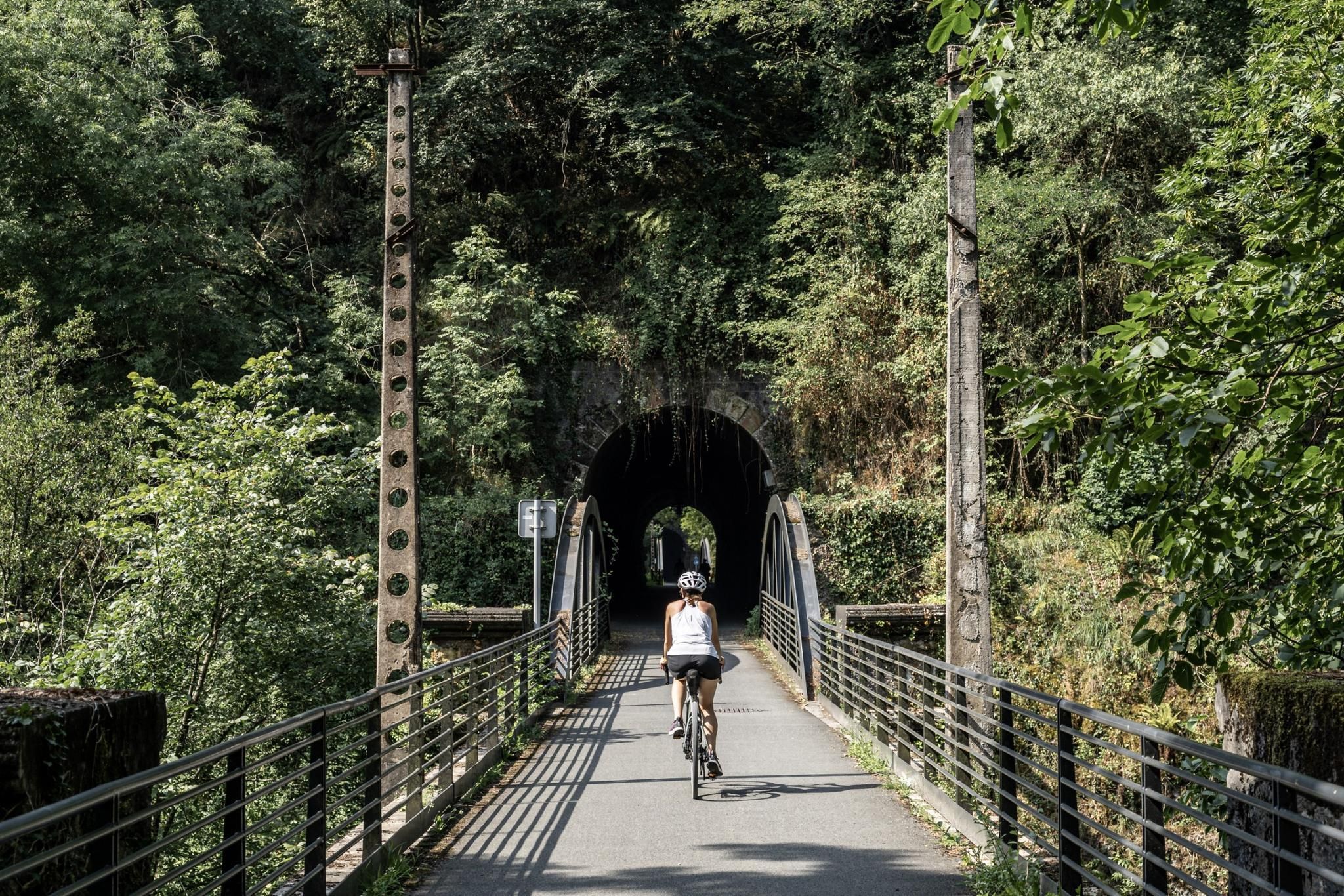
The region around Azkoitia offers a variety of outdoor activities. You can explore the extensive tidal flats of the Flysch Cliffs, discover fossils, and hike along coastal paths. For cycling enthusiasts, there are numerous routes, including those along the Urola Greenway. You can find more information on cycling routes in the Cycling around Azkoitia guide, Road Cycling Routes around Azkoitia, and Gravel biking around Azkoitia guides.
What is the best time to visit the natural monuments, especially the Flysch Cliffs?
The Flysch Cliffs can be visited year-round, but the best time to explore the intertidal platform (La Rasa Mareal) is during low tide. This allows for safe passage along the seashore and better viewing of the geological formations. Spring tides are particularly recommended for a more extensive exploration. Always check local tide charts before planning your visit.
Are there any historical or cultural sites near the natural monuments?
While the focus of the natural monuments is geological, the region itself is rich in history. For example, the San Telmo Hermitage is a notable religious building located near the coast, offering historical context alongside natural beauty. Azkoitia also has a rich historical and cultural heritage, including dolmens and hill-fort remains in the surrounding Urola river valley.
What should I be aware of regarding safety when visiting the coastal natural monuments?
When visiting coastal areas like the Flysch Cliffs, especially sections like the Cretaceous–Paleogene Boundary Cliffs, it is crucial to be aware of the tides. Many sections along the seashore are only safely accessible at low tide. Attempting to cross during high tide can be very dangerous. Always check tide times in advance and exercise caution.
Are the natural monuments around Azkoitia suitable for families with children?
Many areas around the natural monuments, particularly the coastal paths and viewpoints, can be enjoyed by families. Exploring the tidal flats at low tide can be an educational and engaging experience for children. However, some sections, especially those requiring passage along the beach, may be challenging or unsafe for children during high tide, so planning according to tide schedules is essential.
What do visitors enjoy most about the natural monuments in this region?
Visitors consistently praise the stunning scenery and the unique geological significance of the Flysch Cliffs. The opportunity to witness millions of years of Earth's history laid bare, combined with breathtaking coastal views, makes for a truly memorable experience. The area is highly appreciated by the komoot community, with hundreds of upvotes and photos shared, highlighting its natural beauty and unique formations.
Are there any specific geological formations that mark significant historical events?
Yes, the Cretaceous–Paleogene Boundary Cliffs are particularly significant. At this point, the geological boundary of 65 million years ago, which marks the dinosaur extinction event, is exposed. This thin black layer of rock is a direct result of a meteorite impact that occurred around that time.
Can I bring my dog to the natural monuments and trails?
While many outdoor areas in the Basque Country are dog-friendly, it's always best to check specific regulations for natural parks and protected areas. On coastal paths and trails, keeping dogs on a leash is generally recommended for their safety and to protect local wildlife. Always ensure you clean up after your pet.
Most popular routes around Azkoitia
Most popular attractions around Azkoitia

Get inspired with the komoot mobile app


Explore more
Extend your search for the best caves by checking out these guides of the top ones around Azkoitia:
