Top 20 Natural Monuments around Robledo De Chavela
Best natural monuments around Robledo De Chavela are found in a region situated in the western Sierra de Madrid, between the Guadarrama and Gredos mountain ranges. Over 85% of its territory is environmentally protected, including its designation within the Natura 2000 network. The municipality features a diverse landscape with holm oak groves, pine forests, dehesas, ash groves, and riparian vegetation along the Cofio River. This area offers varied natural settings for exploration.
Best natural monuments around Robledo De Chavela
- The…
Last updated: August 25, 2026
Seat of Philip II
Highlight • Viewpoint
Some experts assure that these granite seats, for the king and two companions, are the …
Translated by Google •
Tip by

Mount Abantos
Highlight • Summit
Translated by Google •
Tip by
Sign up now to discover places like this
Get recommendations on the best single tracks, peaks, & plenty of other exciting outdoor places.
Sign up for free
Picadas Reservoir
Highlight • Lake
Translated by Google •
Tip by
Hornillo Waterfall
Highlight • Waterfall
Translated by Google •
Tip by
Bear Cave
Highlight • Natural Monument
Translated by Google •
Tip by
Sign up for free to discover even more natural monuments around Robledo De Chavela.
Sign up for free
Already have an account?
Start today with a free account
Your next adventure awaits.
Login or Signup
Popular around Robledo De Chavela
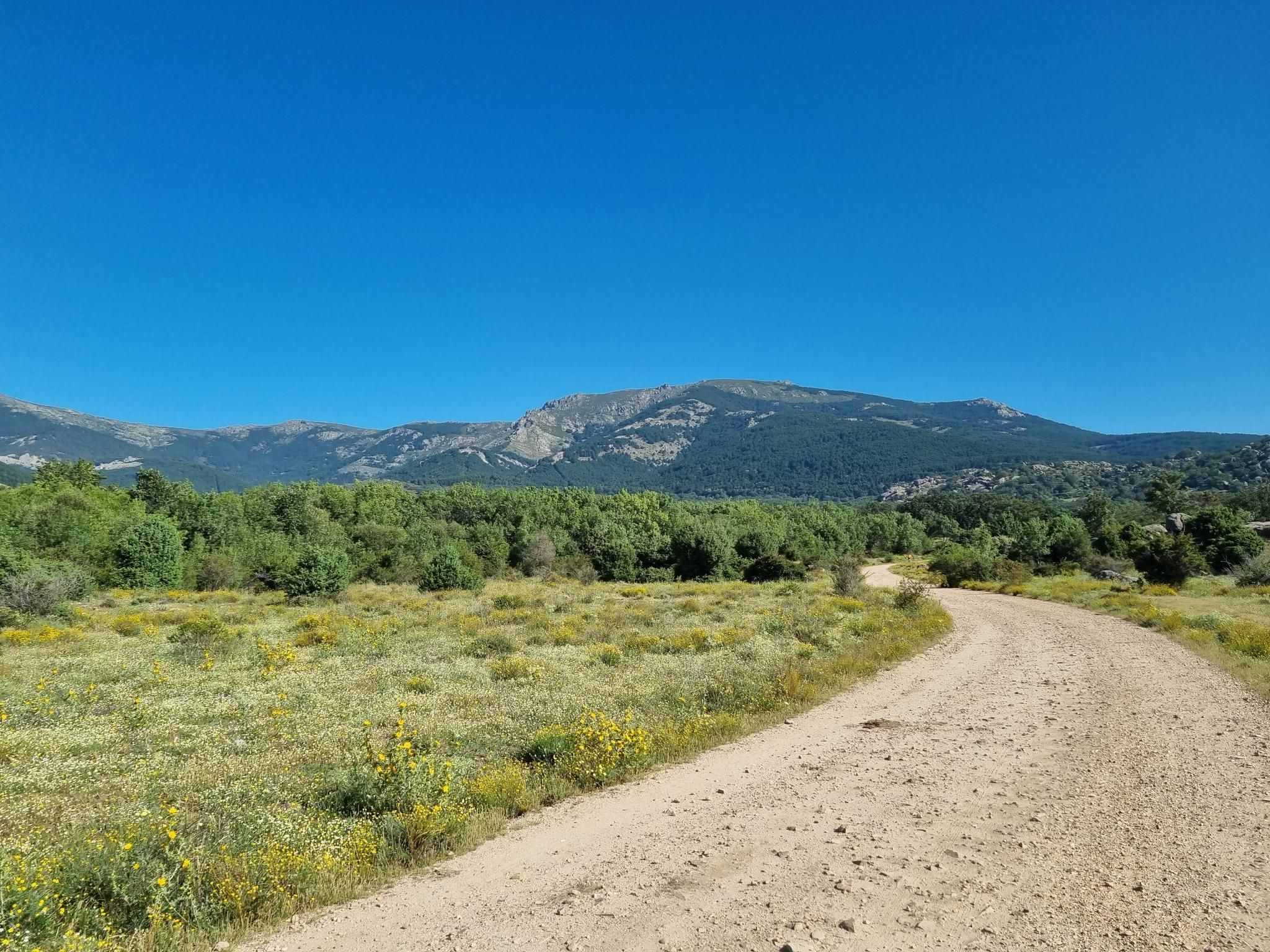
The treasures of Guadarrama – on foot along the GR 10 in Madrid
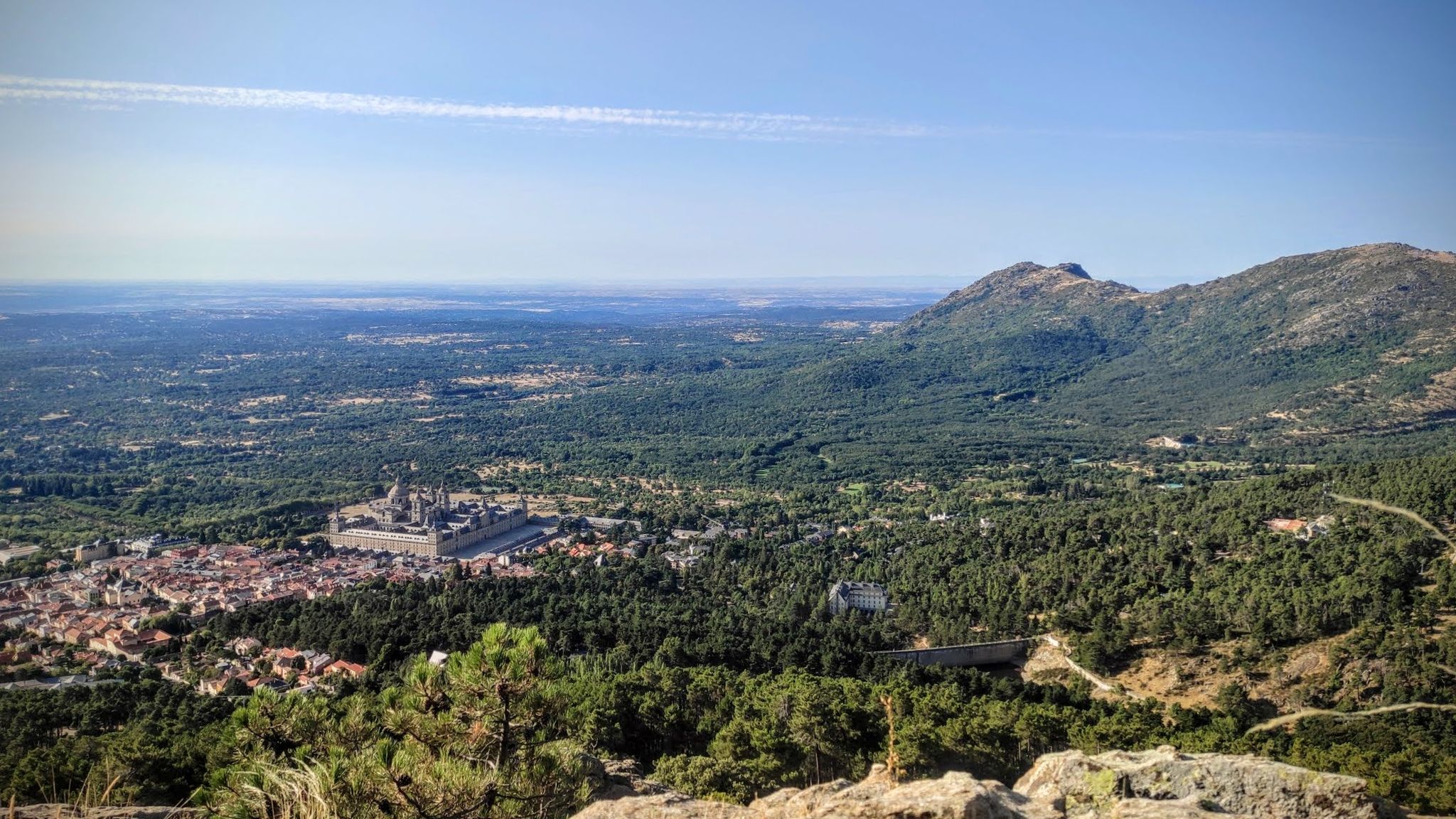
Sierras, countryside, reservoirs and history – Tour of Madrid gravel
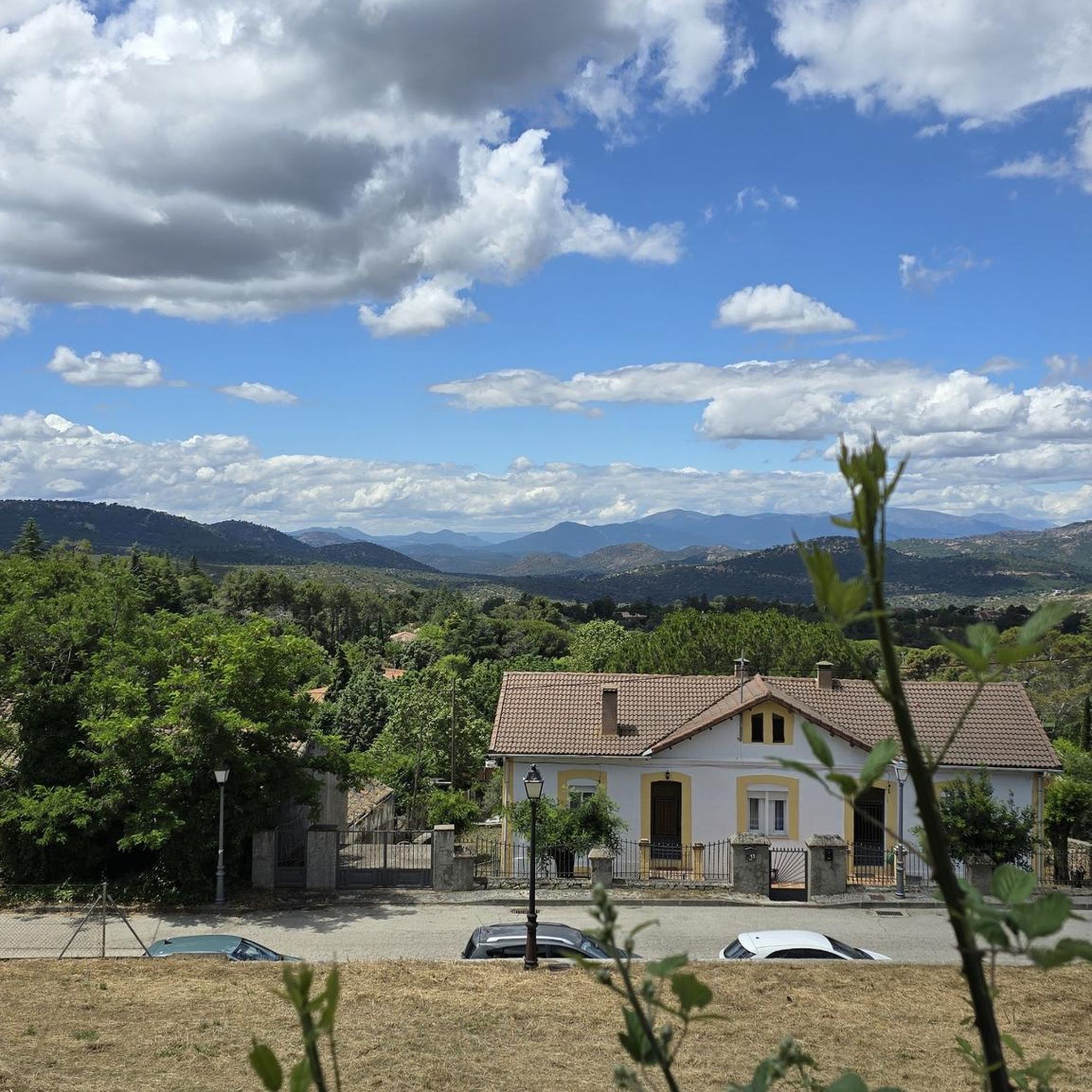
MTB Trails around Robledo De Chavela
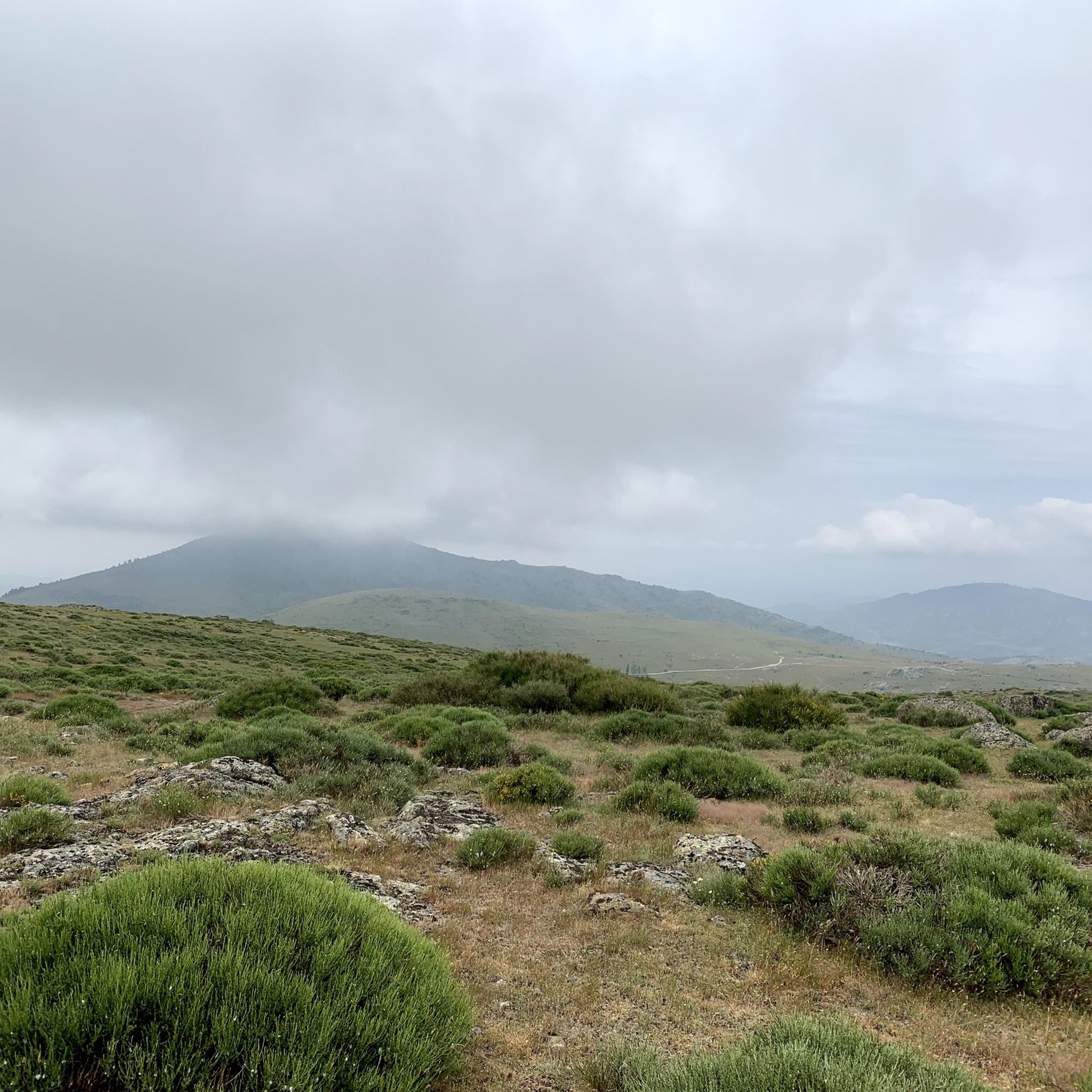
Hiking around Robledo De Chavela
Road Cycling Routes around Robledo De Chavela
Cycling around Robledo De Chavela
Running Trails around Robledo De Chavela

Gravel biking around Robledo De Chavela

Tips from the Community

The Embalse de Picadas is a natural enclave located on the course of the Alberche river, surrounded by pine forests and steep slopes that create a landscape of great beauty. Its calm waters and uncrowded environment make it an ideal place to enjoy nature in the Sierra Oeste of Madrid.
0
0

They say (I don't know how true this is) that Philip II used to watch the progress of the construction of the colossal monastery from this very spot during his hunting trips, which he was very fond of. Whether true or not, it makes for a beautiful viewpoint, especially in autumn.
1
0

The Chair of Philip II is a famous granite viewpoint in San Lorenzo de El Escorial, near Madrid. Legend has it that King Philip II used it to view the construction of the Monastery of El Escorial. However, experts believe it was actually an ancient Celtic altar, possibly used for rituals. Today, it's a popular hiking spot with stunning views of the monastery and its surroundings.
3
0

The Bear Cave in San Lorenzo de El Escorial is not a real, deep cave in the geological sense, but rather a peculiar rock formation in the Bosque de la Herrería. It is a natural cavity formed by the arrangement of large granite boulders that create a kind of shelter or "cave." It is located in the Bosque de la Herrería, a protected natural area declared a UNESCO World Heritage Site. It is on a very popular hiking trail, relatively close to the Chair of Philip II and the Fuente de los Hermanitos. Its name comes from the fact that its shape and size might evoke the idea of a bear's den, although no real bear ever lived there. Rather, it is a visual attraction, especially for children. Beyond being a "real" cave, it is a point of interest on the hiking trails in the Bosque de la Herrería.
0
0

The Chair of Philip II is a group of platforms and seats carved in granite. According to tradition, Philip II used this site as an observatory during the construction of the Monastery of El Escorial. However, some theories suggest that it could be an ancient Vetton altar. This site offers spectacular views of the Monastery of El Escorial and its surroundings, including the La Herrería forest. The route to reach the Chair of Philip II is quite accessible and can be done in approximately one hour from the San Lorenzo de El Escorial Tourist Office.
1
0
The Chair of Philip II is a group of platforms and seats carved in granite. According to tradition, Philip II used this site as an observatory during the construction of the Monastery of El Escorial. However, some theories suggest that it could be an ancient Vetton altar. This site offers spectacular views of the Monastery of El Escorial and its surroundings, including the La Herrería forest. The route to reach the Chair of Philip II is quite accessible and can be done in approximately one hour from the San Lorenzo de El Escorial Tourist Office.
1
0


Beautiful waterfall that, although it can be avoided, is always nice to see its waters fall from the highest parts of the Sierra on its southern side. When it's hot, a great place to cool off.
1
1
Frequently Asked Questions
What unique natural features can I explore around Robledo de Chavela?
The region boasts a diverse landscape, including holm oak groves, pine forests, dehesas, ash groves, and riparian vegetation along the Cofio River. You can also find significant hydrological features like the Alberche River, the Molino de la Presa stream, and the San Juan reservoir. Mountain peaks such as El Almojón, La Almenara, and San Benito define the characteristic profile of the area.
Are there any family-friendly natural monuments to visit?
Yes, several natural monuments are suitable for families. The Hornillo Waterfall is part of a circular hiking route along the Hornillo River Path, offering an entertaining family outing through pine forests and granite formations. The Bear Cave, a peculiar rock formation in the Bosque de la Herrería, is also considered family-friendly and a point of interest on hiking trails.
Where can I find the best panoramic views of the region?
For breathtaking views, visit the Seat of Philip II, a famous granite viewpoint near San Lorenzo de El Escorial. It offers spectacular vistas of the Monastery of El Escorial, the Guadarrama Valley, and the Sierra de Navacerrada. Another excellent spot is Mount Abantos, a classic peak in the Guadarrama range, known for its panoramic views from the summit.
What kind of wildlife can I observe in the natural monuments area?
The region is a haven for wildlife, particularly for ornithology. It's home to protected species such as the Iberian imperial eagle, black vulture, and black stork. The diverse ecosystems, including holm oak groves and riparian vegetation, support a rich variety of flora and fauna, making it an excellent spot for nature observation.
Are there hiking opportunities near the natural monuments?
Absolutely. The area offers numerous hiking trails. For example, the Hornillo Waterfall is part of a popular circular hiking route. You can find many more options, including routes of varying difficulty, by exploring the Hiking around Robledo De Chavela guide.
What other outdoor activities are available besides hiking?
Beyond hiking, the mountainous terrain and scenic routes are ideal for cycling. The Puerto de Malagón, for instance, is a notable mountain pass popular in the Spanish cycling scene. You can discover various routes for gravel biking in the Gravel biking around Robledo De Chavela guide, and running trails in the Running Trails around Robledo De Chavela guide.
What is the best time of year to visit the natural monuments?
The region's diverse landscape and outdoor activities can be enjoyed throughout the year. Spring and autumn generally offer pleasant temperatures for hiking and exploring. During these seasons, the flora is vibrant, and wildlife is active. Summer can be warm, but higher elevations like Mount Abantos provide cooler conditions. Winter offers a different charm, especially in the pine forests, though some trails might be more challenging.
Are there any historical or cultural sites connected to the natural monuments?
Yes, the Seat of Philip II is steeped in history. Tradition suggests King Philip II used these granite platforms to observe the construction of the Monastery of El Escorial. Some experts also believe it may be an ancient Celtiberian altar, adding a layer of historical intrigue to its natural beauty.
What is the significance of the protected areas around Robledo de Chavela?
Over 85% of Robledo de Chavela's territory is environmentally protected, including its designation within the Natura 2000 network and the Special Conservation Zone "Cuencas y encinares de los ríos Alberche y Cofio." This protection underscores the area's significant ecological value, preserving its diverse ecosystems, rich biodiversity, and critical habitats for species like the Iberian imperial eagle and black vulture.
Can I bring my dog to the natural monuments and trails?
While the region is rich in natural beauty, specific regulations for dogs in protected areas like the Natura 2000 network and Special Conservation Zones may apply. It's advisable to check local municipal ordinances for Robledo de Chavela and specific protected areas regarding dog policies, especially concerning leashing and waste disposal, to ensure compliance and protect wildlife.
What kind of geological formations can be found here?
The geology of the area is primarily characterized by granite formations. You'll encounter large granite boulders, polished rock surfaces shaped by water, and mountain peaks like Mount Abantos, which is part of the Sierra de Guadarrama's morphological block. The Stone slab above the Valmayor reservoir is another example of the prominent granite features in the landscape.
Is there a place to learn about the local ecosystem and traditional land uses?
Yes, the Mirador de la Dehesa offers an opportunity to understand the local dehesa ecosystem. Guided visits can explain traditional practices like charcoal production and the evolution of extensive livestock farming, showcasing how human influence has shaped a sustainably managed landscape over centuries.
Most popular routes around Robledo De Chavela
Most popular attractions around Robledo De Chavela

Get inspired with the komoot mobile app


Explore more
Extend your search for the best caves by checking out these guides of the top ones around Robledo De Chavela:
