Top 9 Natural Monuments around Campolara
Best natural monuments around Campolara include a diverse range of geological formations and historical sites. The region features prominent summits, ancient megalithic structures, and natural viewpoints offering expansive vistas. These natural features provide opportunities for exploring varied landscapes and observing local wildlife.
Best natural monuments around Campolara
- The most popular natural monuments is Pico Mencilla, a summit that offers views of Pico Trigaza and San Millan. The climb up Pineda has some rocky sections, but it is not difficult. …
Last updated: October 4, 2026
Pico Mencilla
Highlight • Summit
Translated by Google •
Tip by

Castillejo
Highlight • Summit
Translated by Google •
Tip by

Sign up now to discover places like this
Get recommendations on the best single tracks, peaks, & plenty of other exciting outdoor places.
Dolmen of Cubillejo de Lara
Highlight • Historical Site
Translated by Google •
Tip by
Campo de los Corros
Highlight • Viewpoint
Translated by Google •
Tip by

Peñalara
Highlight • Summit
Translated by Google •
Tip by

Sign up for free to discover even more natural monuments around Campolara.
Already have an account?
Start today with a free account
Your next adventure awaits.

Tips from the Community

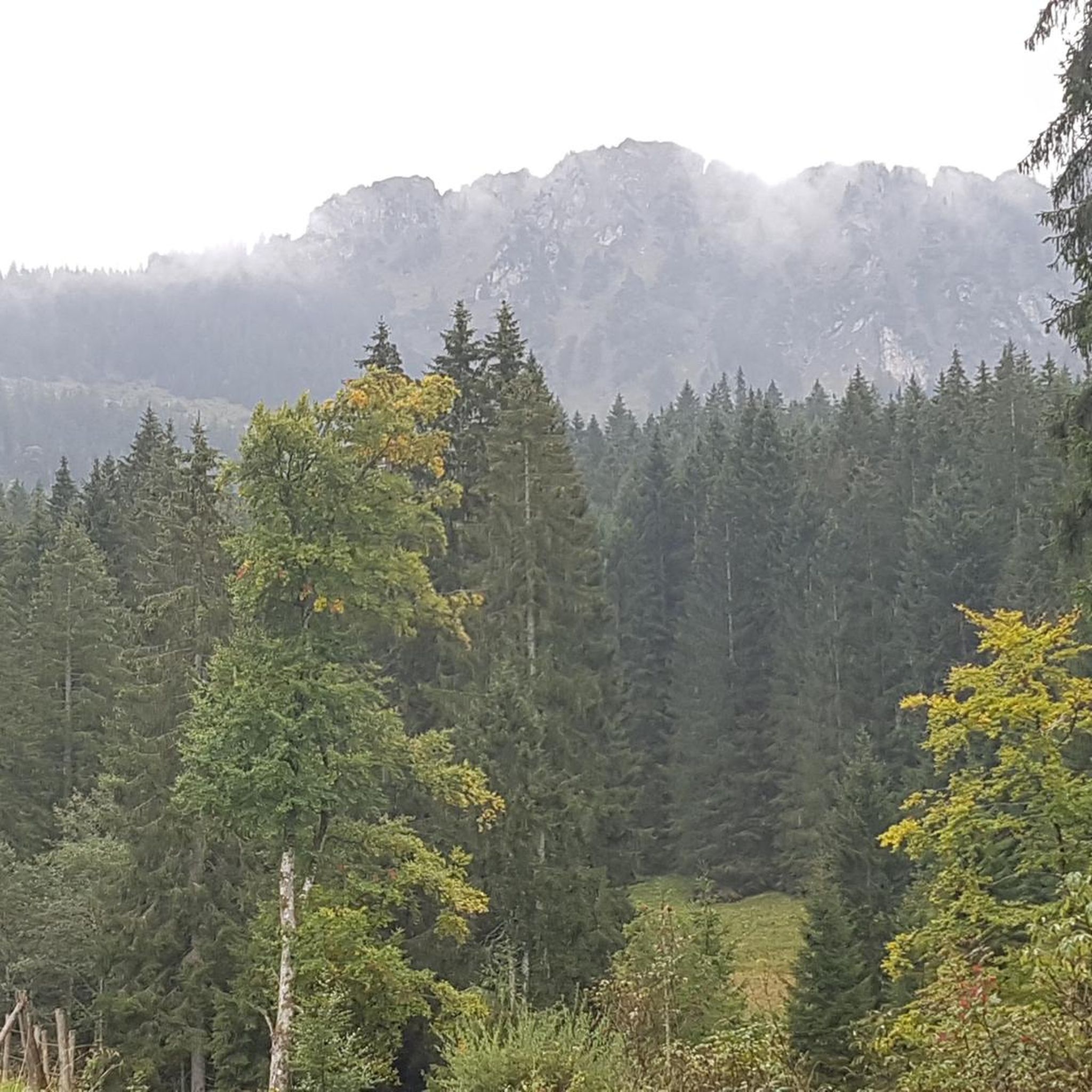
The summit of Peñalara in Burgos (also known as Peña Lara or Sierra de Lara) rises to 1,296 meters in altitude in the heart of the Sierra de la Demanda region, overlooking the historic valley of Tierra de Lara.
0
0
Peñalara is a rocky mountain range and an impressive natural viewpoint of 1,296 meters in altitude, located in the Sierra de Lara (Lara region / Sierra de la Demanda). The hike is worth it to enjoy the views from its summit.
0
0
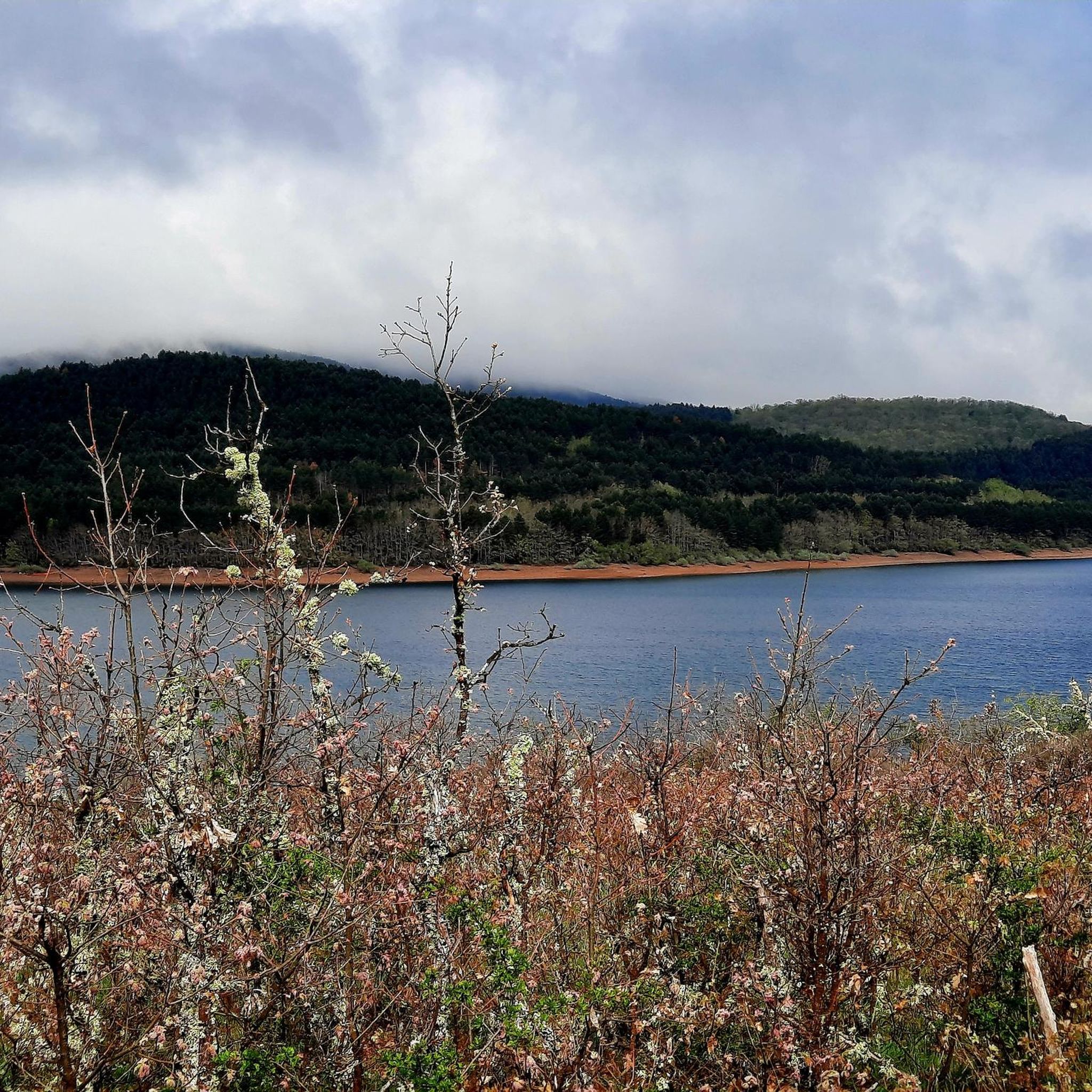
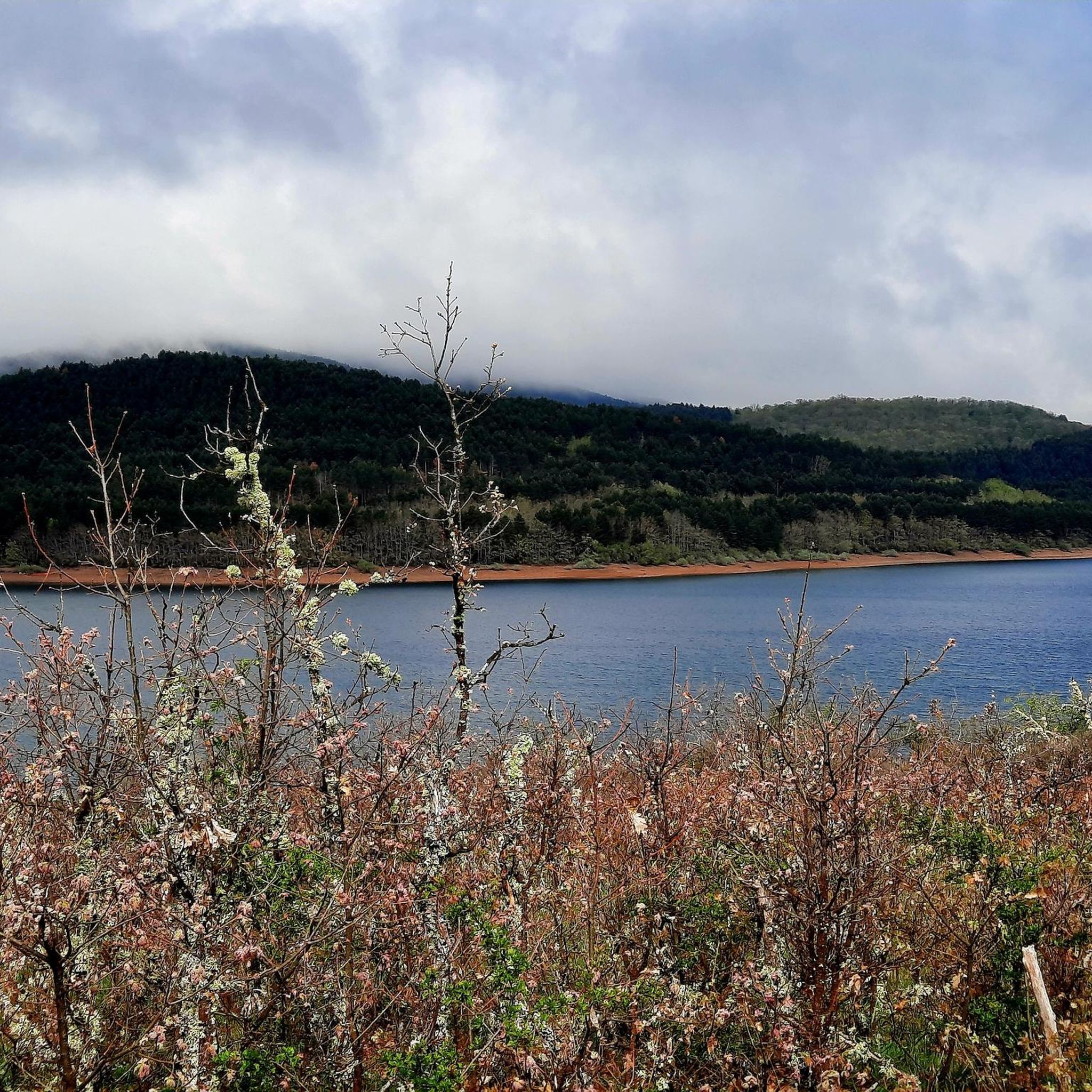
Small mountain refuge at about 1800 meters altitude. It is in quite bad condition, but offers a place to stop and rest before undertaking the last stretch to crown the Mencilla.
0
0
El Mencilla is the highest summit of the Mencilla mountain range, which in turn is part of the Sierra de la Demanda within the Iberian system. With an altitude of 1932 meters above sea level and a prominence of 532 meters, it gives its name to the homonymous mountain range. It is located in the Sierra de la Demanda natural space and the municipal terms of Pineda de la Sierra and Tinieblas de la Sierra converge here, part of the Sierra de la Demanda region, in the province of Burgos.
0
0
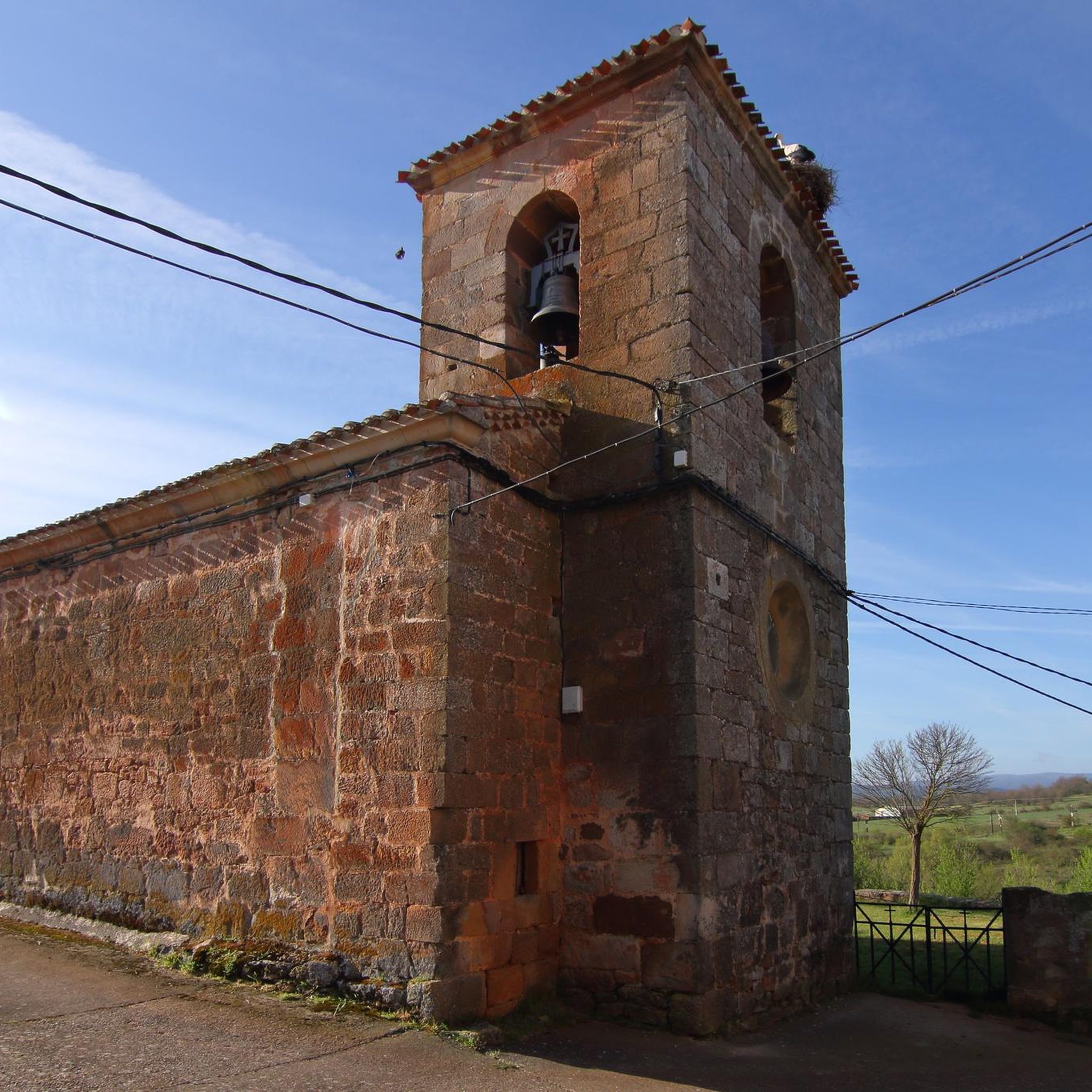
El Castillejo (1,347 m) is a twin peak located in the Sierra de las Mamblas, 5 km north of the town of Covarrubias (Burgos). It owes its name to its natural defensive rock formations. On its summit, an artificial cavity is preserved that served as a strategic watchtower. The mountain offers a spectacular panoramic view of the Arlanza valley and the Sierra de la Demanda. At its foothills lies the Hermitage of Our Lady of Mamblas (Ermita de Nuestra Señora de Mamblas). The terrain features rocky barriers that served as a defensive settlement in antiquity.
0
0


The Cubillejo/Mazariegos dolmen is considered the prototype of the megalithic passage tomb and preserves, on one of the large stone blocks that form its structure, a series of interesting rock carvings.
0
0
Frequently Asked Questions
What are some prominent summits to visit around Campolara?
The region offers several notable summits. Pico Mencilla is a popular choice, providing views of Pico Trigaza and San Millan. While it has some rocky sections, the climb is generally not difficult. Another summit, Castillejo, is named for its distinctive tower shape and offers spectacular views of the Sierra del Mencilla to the North and the Muela de las Mamblas to the East.
Are there any historical natural monuments in the Campolara area?
Yes, you can visit the Dolmen of Cubillejo de Lara, a significant historical site. This funerary megalithic monument, approximately 5,000 years old, features a circular chamber and a wide corridor. It is recognized as an Asset of Cultural Interest and even preserves interesting rock carvings on one of its large stone blocks.
Where can I find the best panoramic views of the region?
For breathtaking panoramas, the Peñas del Tuero Viewpoint is highly recommended. After a climb through oak paths, you'll reach the top of cliffs where you can see the entire Arlanza Valley. The summits of Castillejo and Pico Mencilla also offer spectacular vistas of the surrounding mountain ranges.
What outdoor activities can I do near these natural monuments?
The area around Campolara's natural monuments is excellent for various outdoor activities. You can find numerous routes for hiking, running, and mountain biking. For detailed options, explore the Hiking around Campolara, Running Trails around Campolara, and MTB Trails around Campolara guides.
Are there hiking trails suitable for different difficulty levels?
Yes, the hiking trails near Campolara cater to various skill levels. For instance, the 'Quintanilla de las Viñas, Peñalara, and Cubillejo Dolmen Loop' is a moderate route, while the 'Mirador de las Penas del Tuero por Retuerta' offers a more difficult challenge. You can find a range of options in the Hiking around Campolara guide.
What is the terrain like for hiking near these natural monuments?
The terrain varies, offering diverse experiences. For example, the climb up Pico Mencilla includes some rocky and uncomfortable sections, requiring careful footing. The Caracena Canyon, a nearby natural feature, is characterized by gorges, high cliffs, and unique geological formations, which can involve pushing a bike in some brambly sections but rewards with stunning scenery.
Can I spot wildlife near the natural monuments?
Yes, the natural areas around Campolara are home to diverse wildlife. At the Peñas del Tuero Viewpoint, you can observe the perches of griffon vultures. The Caracena River Canyon, a short distance away, is also known for its extraordinary fauna and flora, making it an excellent location for nature observation.
Are there any other notable natural features in the wider region worth exploring?
Beyond Campolara's immediate highlights, the nearby Campisábalos area offers impressive natural features. These include the Natural Stone Arch in the Caracena Canyon, known for its unique geological formations, and the Caracena River Canyon itself, with its gorges and high cliffs. The Puente del Cerezo, a rustic bridge where the Lillas and Sorbe rivers meet, also provides an idyllic natural setting.
What do visitors enjoy the most about the natural monuments around Campolara?
Visitors particularly appreciate the spectacular views from summits like Castillejo and Pico Mencilla, as well as the panoramic vistas from the Peñas del Tuero Viewpoint. The historical significance of sites like the Dolmen of Cubillejo de Lara also draws considerable interest, offering a blend of nature and ancient history.
Are there family-friendly natural monuments around Campolara?
While specific 'family-friendly' categories aren't listed for all monuments, many natural areas can be enjoyed by families. The general outdoor environment, with opportunities for hiking and exploring, makes places like the Dolmen of Cubillejo de Lara an interesting educational visit. For easier walks, consider checking the 'moderate' difficulty routes in the Hiking around Campolara guide.
What is the best time of year to visit the natural monuments around Campolara?
Generally, spring and autumn offer the most pleasant conditions for exploring natural monuments, with milder temperatures and vibrant landscapes. Summer can be warm, while winter may bring colder weather and potentially snow at higher elevations like Pico Mencilla, which might require careful attention to weather forecasts, especially regarding fog.
Are the trails around Campolara's natural monuments dog-friendly?
Many natural trails in the region are generally dog-friendly, especially if dogs are kept on a leash and owners adhere to local regulations regarding waste. However, specific restrictions might apply in certain protected areas or near wildlife nesting sites, such as around the Peñas del Tuero Viewpoint where bird nesting is present. Always check local signage.
Most popular attractions around Campolara

Get inspired with the komoot mobile app


Explore more
Extend your search for the best caves by checking out these guides of the top ones around Campolara:
