Top 5 Natural Monuments around Villayerno Morquillas
Natural monuments close to Villayerno Morquillas offer a glimpse into the diverse landscapes of the Burgos province. This region is characterized by significant geological formations and varied natural beauty. Visitors can explore areas featuring ancient archaeological sites, unique cave systems, and tranquil lagoons. These natural areas provide opportunities to observe distinct ecosystems and geological features within the wider Castilla y León region.
Best natural monuments around Villayerno Morquillas
- The most popular natural monument is Atapuerca Archaeological Site, a historical…
Last updated: July 1, 2026
Atapuerca Archaeological Site
Highlight • Historical Site
Translated by Google •
Tip by

Rosette Monument, Paseo de la Isla
Highlight • Monument
Translated by Google •
Tip by

Sign up now to discover places like this
Get recommendations on the best single tracks, peaks, & plenty of other exciting outdoor places.
Sign up for free
Beginning of human being in Europe
Highlight • Historical Site
Translated by Google •
Tip by

Carcedo Lagoons
Highlight • Lake
Translated by Google •
Tip by

Start today with a free account
Your next adventure awaits.
Login or Signup

Tips from the Community

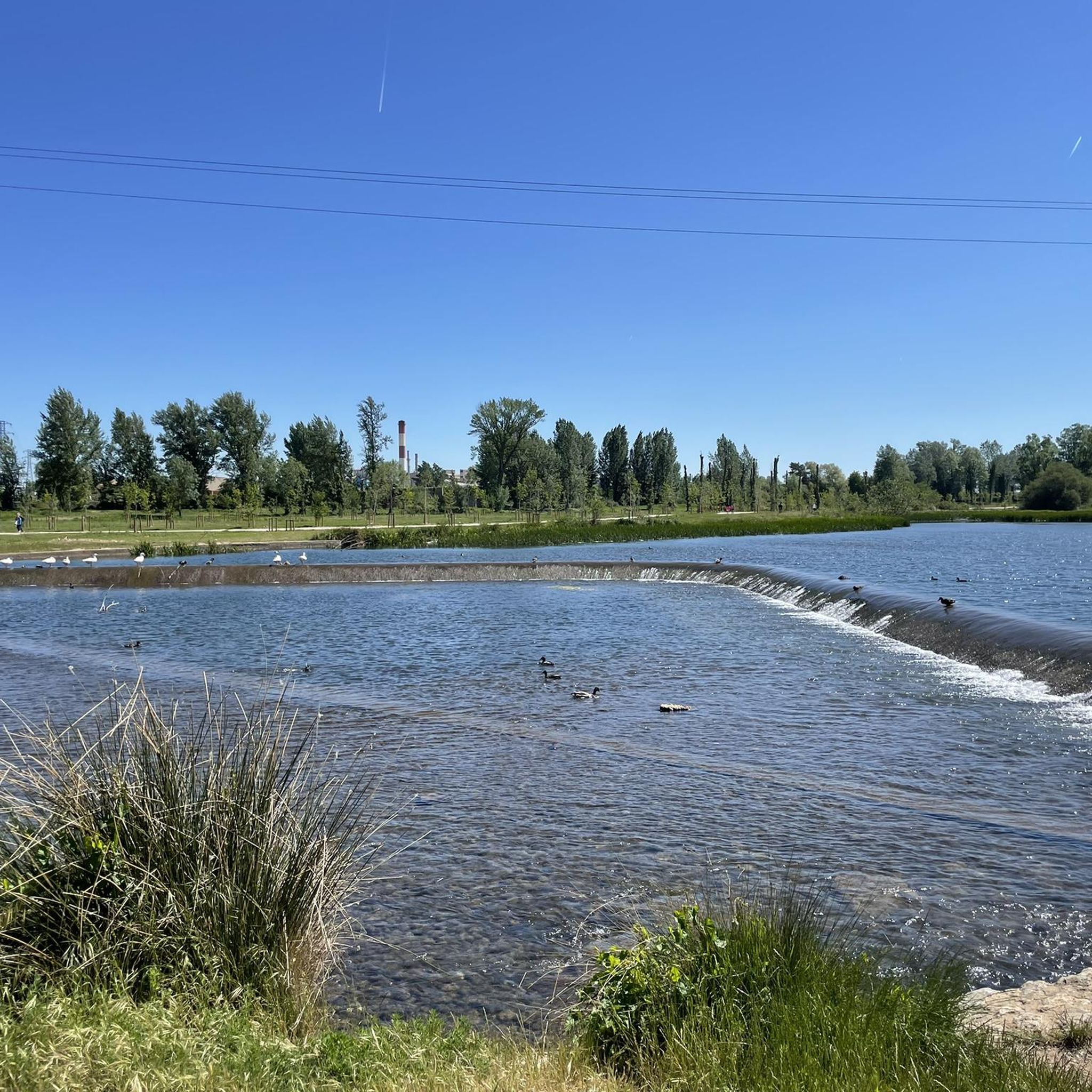
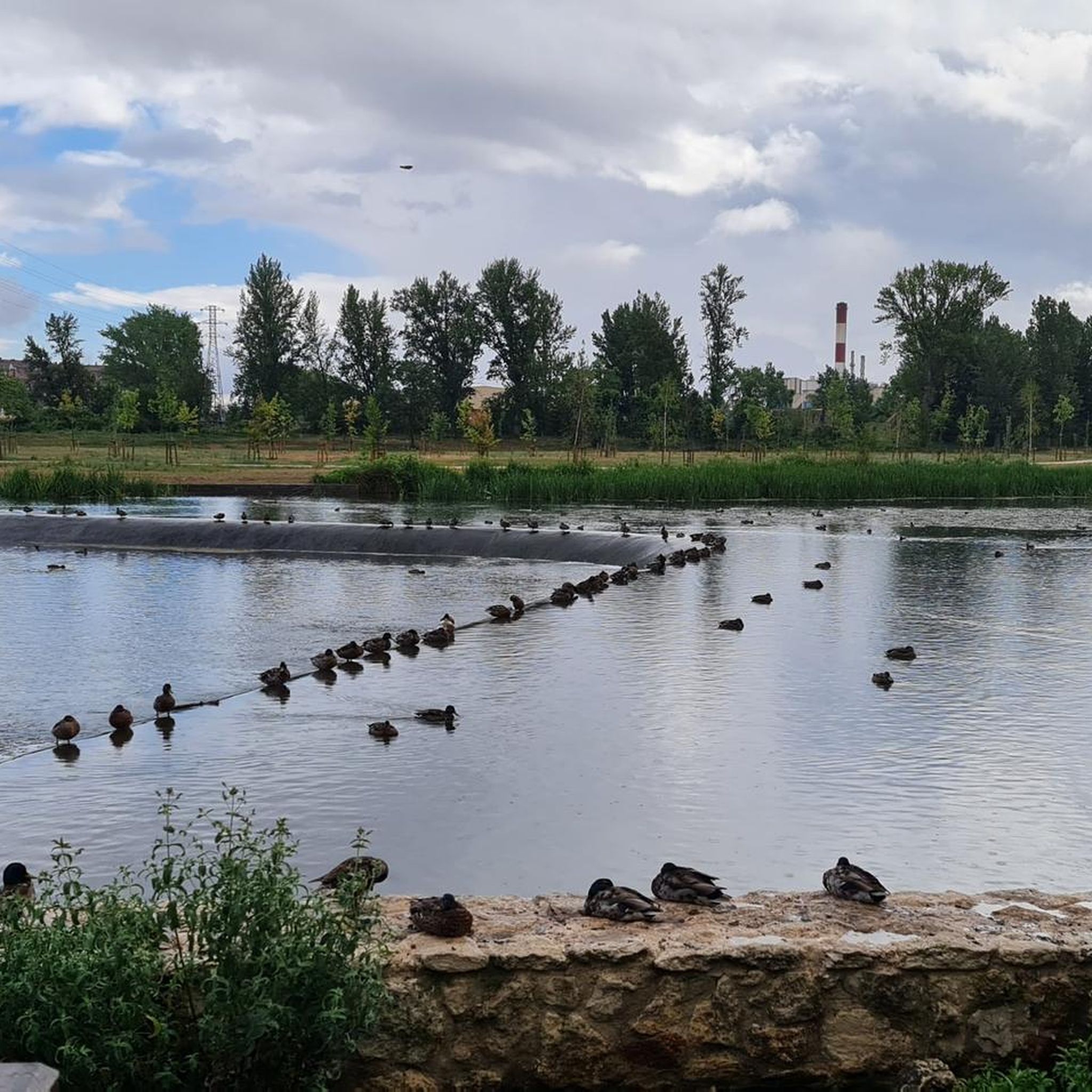
A small wetland near Carcedo, ideal for a quick stop, enjoying the scenery, and birdwatching.
0
0


Burgos has the privilege of being one of the greenest cities in Spain. According to a municipal study from 2018, we have 37 square meters of green areas per inhabitant, with the national average being 11 square meters per inhabitant. The creation of what would later be called Paseo de la Isla was born during the Napoleonic occupation of the city. Today it is an authentic botanical garden in which we find various species of trees and bushes perfectly identified with cartouches. We find chestnut trees, maples, firs, firs, plane trees, beeches, poplars, redwoods, cedars, cypresses, hollies, alders, strawberry trees, birches, catalpas, hawthorns, ashes, acacias... In 2012 the rehabilitation carried out in the Parque de la Isla received the Alhambra award for the best public gardening project. This award is granted by the Spanish Society of Parks and Gardens.
24
0

The rosette, one of the most famous decorative elements on the promenade. The roundabout is the start of a romantic promenade about 800m long and is known as an island walk. I look forward to photos from your journey of discovery…
4
0

One of the best-known names in Spain because this town is known for the set of prehistoric excavations that are unique in southern Europe.
0
0

Atapuerca is a World Heritage site with its famous Paleolithic excavations, which can also be visited by prior arrangement. The Gran Dolina is famous, place where the Homo antecessor (probably H.erectus - experts are not yet sure whether it is a human species of its own) dates to > 850,000 a. A UK remnant was found in the Sima del Elefante that was even older and is estimated at > 1 million a. In the Sima de los Huessos (Bone Cave) 29 complete H.Heidelbergensis skeletons (>400000 a old) were found. (i.e. 80% of all fossil human finds) They are the ancestors of the Neanderthals (200000-40000 a), who in turn lived approx. 40000 a , replaced by H.sapiens (d.s. we), became extinct. To emphasize the importance of this site, it is the cradle of the European natives, here are the testimonies of the first people who immigrated from Africa and therefore they have also been rightly named a UNESCO World Heritage Site. The skeleton finds can be seen in the Museo de la Evolución Humana in Burgos (located in the middle of the old town of Burgos and is a hot tip)
0
0

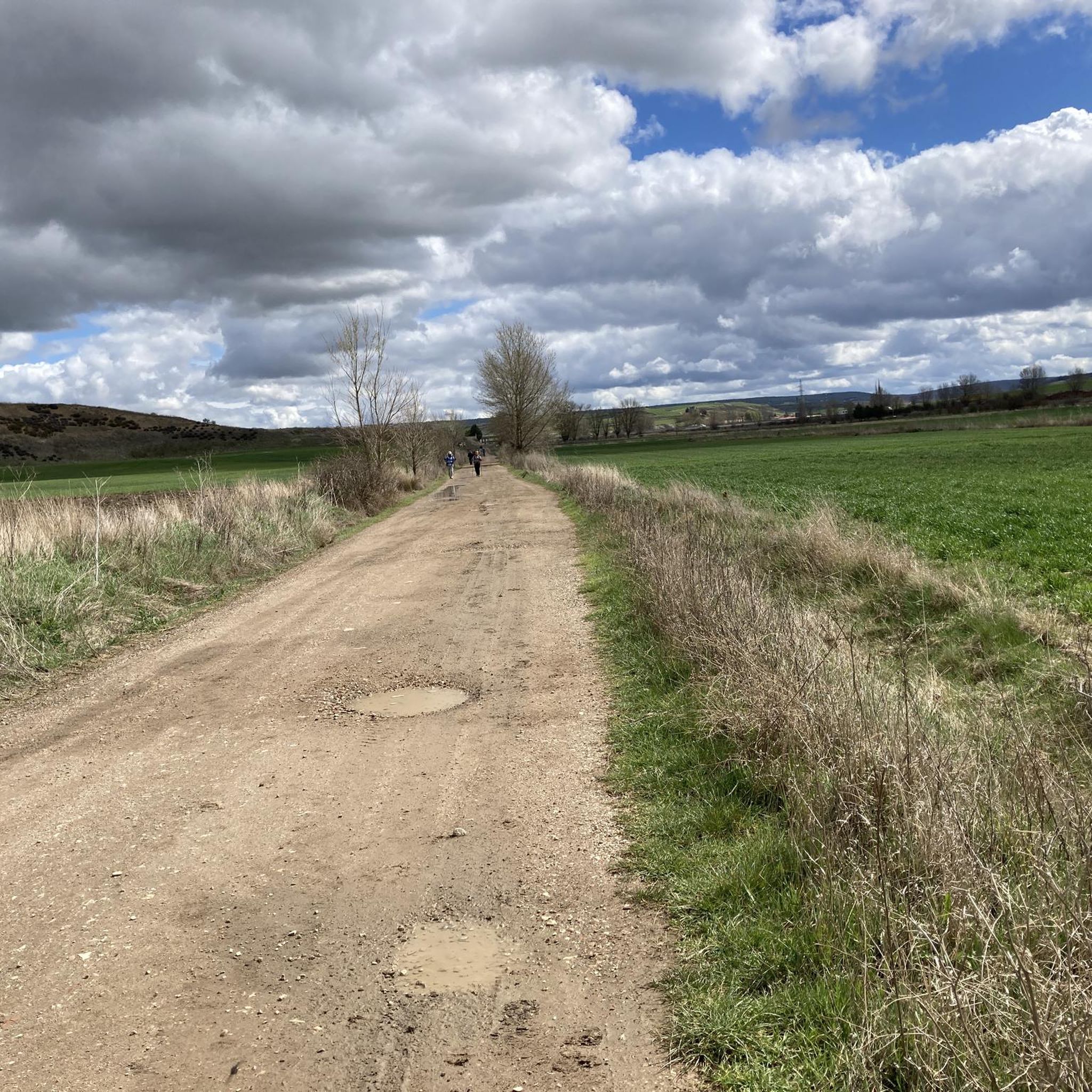
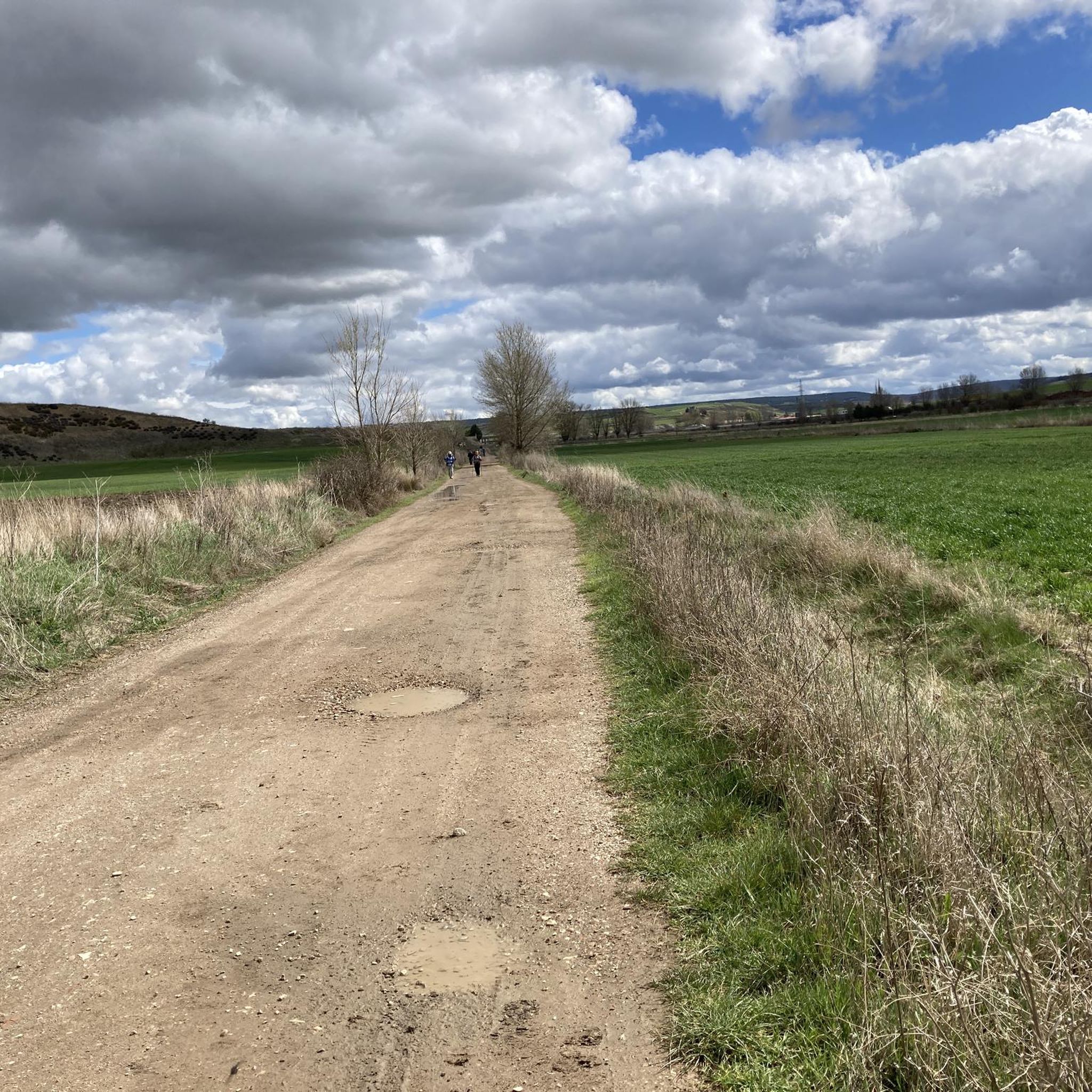
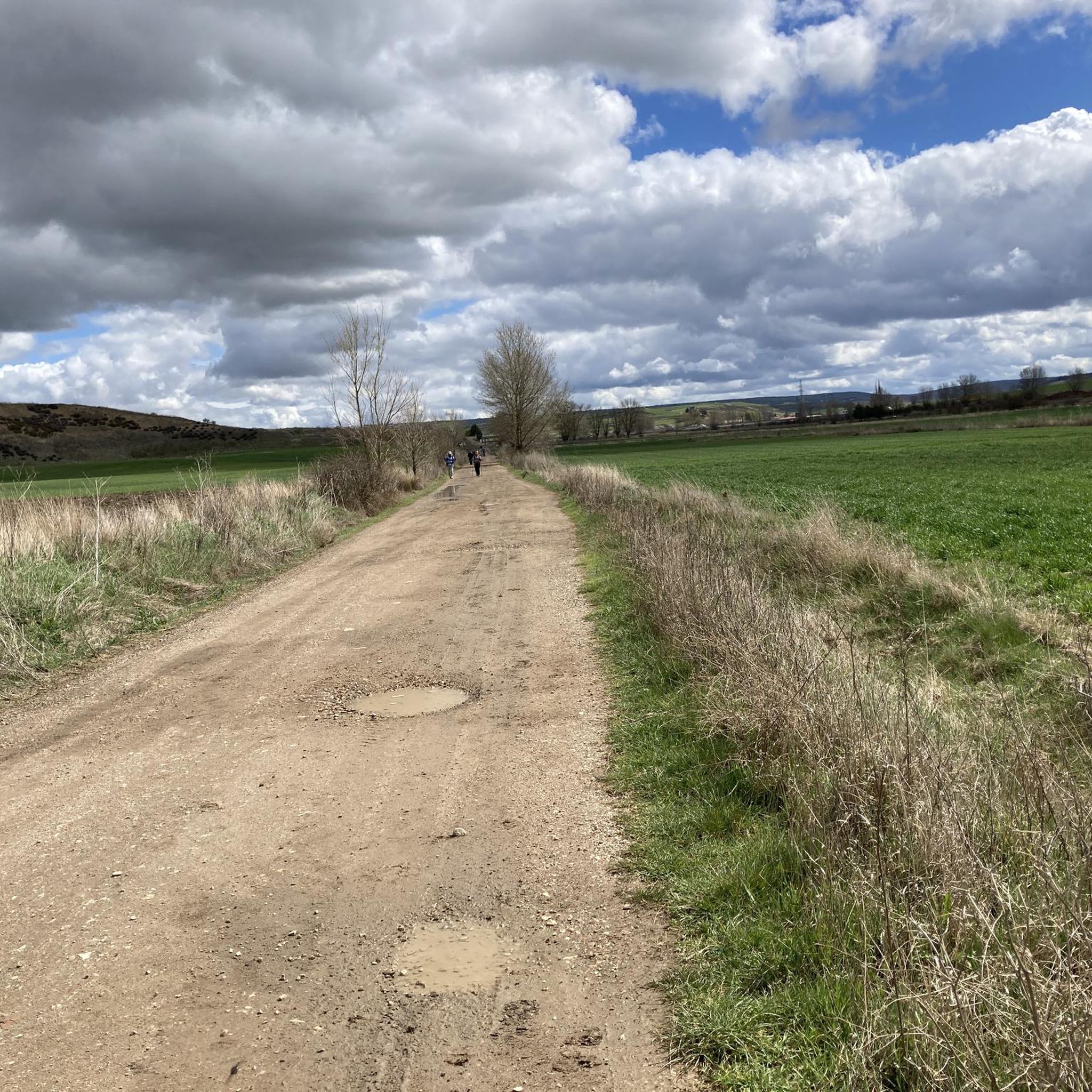
honestly? Here the Way of St. James runs on asphalt and that day I just thought ... do a museum tour? Neanderthals look - so through and away - that day I met 2 Italians - one of them I later gave my straw hat, which I bought in Sicily because he got away - so a piece of home against the heat.
3
0

Frequently Asked Questions
What are the most notable natural monuments and areas to visit near Villayerno Morquillas?
While Villayerno Morquillas itself is a small village, the wider Burgos province offers several significant natural areas. These include the spectacular Atapuerca Archaeological Site, a UNESCO World Heritage site known for its prehistoric excavations. Further afield, you can explore the Natural Monument of Mount Santiago, home to the impressive Salto del Nervión waterfall, or the geological formations and hiking trails of Cañón de Río Lobos Natural Park.
Are there any family-friendly natural attractions in the area?
Yes, several natural attractions near Villayerno Morquillas are suitable for families. The Carcedo Lagoons offer a tranquil setting for enjoying scenery and birdwatching. The Rosette Monument, Paseo de la Isla in Burgos is part of a botanical garden, providing a pleasant, green space for a family stroll. For a historical and educational outing, the Atapuerca Archaeological Site is also considered family-friendly, offering insights into early human history.
What kind of outdoor activities can I do near these natural monuments?
The region around Villayerno Morquillas provides various outdoor activities. You can find numerous hiking trails, such as those in the Cañón de Río Lobos Natural Park or around the glacial lakes of Lagunas de Neila. Cycling and gravel biking routes are also popular. For example, you can explore routes like 'Mile 0 of the Camino del Cid' or 'Special bridge – Sierra de la Demanda Greenway loop' for gravel biking, or 'City Tour of Burgos' for cycling. For hiking, consider routes like 'Miraflores Charterhouse – Arlazón River Trail loop'. You can find more details on these activities in the hiking guide, cycling guide, and gravel biking guide for Villayerno Morquillas.
Are there any natural monuments with significant historical or archaeological importance?
Absolutely. The most prominent is the Atapuerca Archaeological Site, a UNESCO World Heritage site. It's renowned for its prehistoric excavations and contains significant hominid remains, offering crucial insights into early human history in Europe. The Atapuerca Archaeological Site Cave Entrance leads to a primary archaeological site with hominid bones dating back over 400,000 years.
What is the best time of year to visit the natural monuments in the Burgos province?
The best time to visit largely depends on the specific natural monument and your preferred activities. Spring (April-June) and autumn (September-October) generally offer pleasant temperatures for hiking and exploring, with lush landscapes in spring and vibrant colors in autumn. Summer can be warm, especially in inland areas, but is ideal for water activities in places like Hoces del Río Duratón. Winter can be cold, particularly in higher elevations like Lagunas de Neila, where snow can create a beautiful, serene landscape, though some access might be limited.
Are there any natural parks or reserves close to Villayerno Morquillas?
Yes, the region boasts several natural parks. Notable ones include Cañón de Río Lobos Natural Park, known for its geological formations and hiking. Slightly further, but still accessible, are Hoces del Río Duratón Natural Park (in Segovia but close to Burgos) with its dramatic gorges, and Lagunas de Neila Glacier Lagoons Natural Park, featuring stunning glacial lakes and high peaks.
Can I find viewpoints to admire the natural landscapes?
Yes, many natural areas offer excellent viewpoints. In Cañón de Río Lobos Natural Park, you can find panoramic views from Mirador de la Galiana and Balconcillo. The Natural Monument of Mount Santiago provides an aerial viewpoint overlooking the spectacular Salto del Nervión waterfall. The Carcedo Lagoons also offer a peaceful setting for enjoying the scenery.
What are the options for accommodation and dining near Villayerno Morquillas and the natural monuments?
Villayerno Morquillas itself is a small village, so options might be limited. However, the nearby city of Burgos offers a wide range of accommodation, from hotels to guesthouses, and numerous cafes, pubs, and restaurants serving local cuisine. Smaller towns and villages closer to the natural parks, such as those near Cañón de Río Lobos or Lagunas de Neila, may also have rural guesthouses or small eateries.
Are the trails in these natural areas dog-friendly?
Many natural areas in Spain are generally dog-friendly, especially on marked trails, provided dogs are kept on a leash and owners clean up after them. However, specific rules can vary by natural park or protected area. It's always advisable to check the regulations for each specific park or site you plan to visit, particularly for sensitive ecological zones or archaeological sites like Atapuerca.
How far are the Lagunas de Neila Glacier Lagoons Natural Park from Villayerno Morquillas?
Lagunas de Neila Glacier Lagoons Natural Park is located further southeast in the Burgos province. The driving time from Villayerno Morquillas to Lagunas de Neila is approximately 1.5 to 2 hours, depending on the specific route and traffic conditions.
What unique geological features can be observed in the natural monuments of this region?
The region is rich in diverse geological features. The Natural Monument of Mount Santiago showcases a complex karstic system that feeds the Salto del Nervión waterfall. Cañón de Río Lobos Natural Park is characterized by its impressive limestone canyons and caves. Lagunas de Neila Glacier Lagoons Natural Park features ancient glacial cirques and a series of glacial lakes, remnants of past ice ages.
What do visitors particularly enjoy about the natural monuments around Villayerno Morquillas?
Visitors often appreciate the unique blend of natural beauty and historical significance. The Atapuerca Archaeological Site is highly regarded for its profound historical importance and the opportunity to witness groundbreaking prehistoric excavations. The Carcedo Lagoons are praised for their tranquility and birdwatching opportunities, offering a peaceful escape. The overall diversity, from ancient human history to serene wetlands and dramatic canyons, is a major draw.
Most popular routes around Villayerno Morquillas
Most popular attractions around Villayerno Morquillas

Get inspired with the komoot mobile app


Explore more
Extend your search for the best caves by checking out these guides of the top ones around Villayerno Morquillas:
