Top 9 Natural Monuments around Villa De Ves
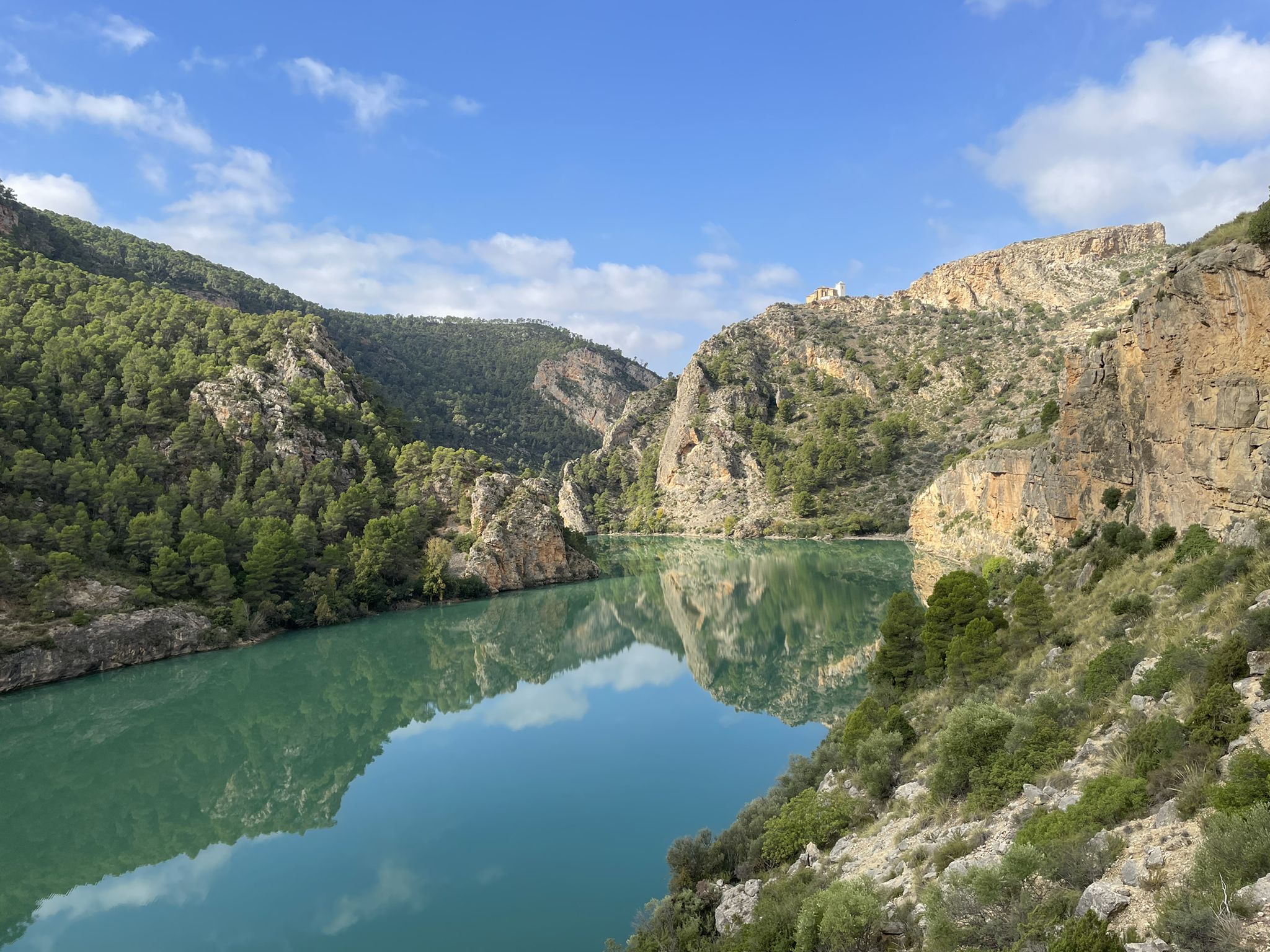
Natural monuments around Villa De Ves are primarily defined by the Júcar River and its dramatic geological formations. This area in Albacete, Spain, features a rich natural landscape of canyons, gorges, and river environments. The region offers diverse ecosystems and opportunities for outdoor pursuits. Its low mountains, pine forests, and limestone cliffs create a mosaic of landscapes for exploration.
Best natural monuments around Villa De Ves
- The most popular natural monuments is Peña del Buitre, a canyon that features…
Last updated: October 17, 2026
Peña del Buitre
Highlight • Canyon
Translated by Google •
Tip by

Impressive valley
Highlight (Segment) • Gorge
Translated by Google •
Tip by

Sign up now to discover places like this
Get recommendations on the best single tracks, peaks, & plenty of other exciting outdoor places.
El Morrón – Júcar River Gorge
Highlight (Segment) • Gorge
Translated by Google •
Tip by

Cueva de Don Juan
Highlight • Cave
Translated by Google •
Tip by
Molinar Reservoir
Highlight • Lake
Translated by Google •
Tip by

Sign up for free to discover even more natural monuments around Villa De Ves.
Already have an account?
Start today with a free account
Your next adventure awaits.
Other adventures around Villa De Ves

Tips from the Community

The trail continues from here, but if you are mountain biking this might be a good place to return. The view of this gigantic wall is one of the main sites of the Júcar Canyon. It is almost 200 meters high and deserves a photo or two.
0
0

Incredible route through the Júcar river gorge where the sandstone has been eroded by the passage of time and the weather creating this spectacular landscape.
0
0

It is a large cave that is located in the Sierra del Boquerón at 660 meters above sea level. Inside you can see numerous formations created throughout history as a result of dripping and runoff of water (stalactites and stalagmites among others). Without a doubt, it is one of the attractions of the area and its interior can be visited during the summer months through the following link: https://www.cuevadedonjuan.es/es/pagina/horarios-y-tarifas
1
0

The reservoir was built in 1964 to regulate the flow of the Júcar River and guarantee the supply of water to the population and farmland in the area. It has a storage capacity of about 100 million cubic meters of water. The area is popular for water sports such as fishing, canoeing and windsurfing.
2
0
This gigantic wall is one of the icons of the Júcar canyon. Here you can perceive the immensity of the deep cleft of almost vertical walls reaching about 200 meters in height.
1
0

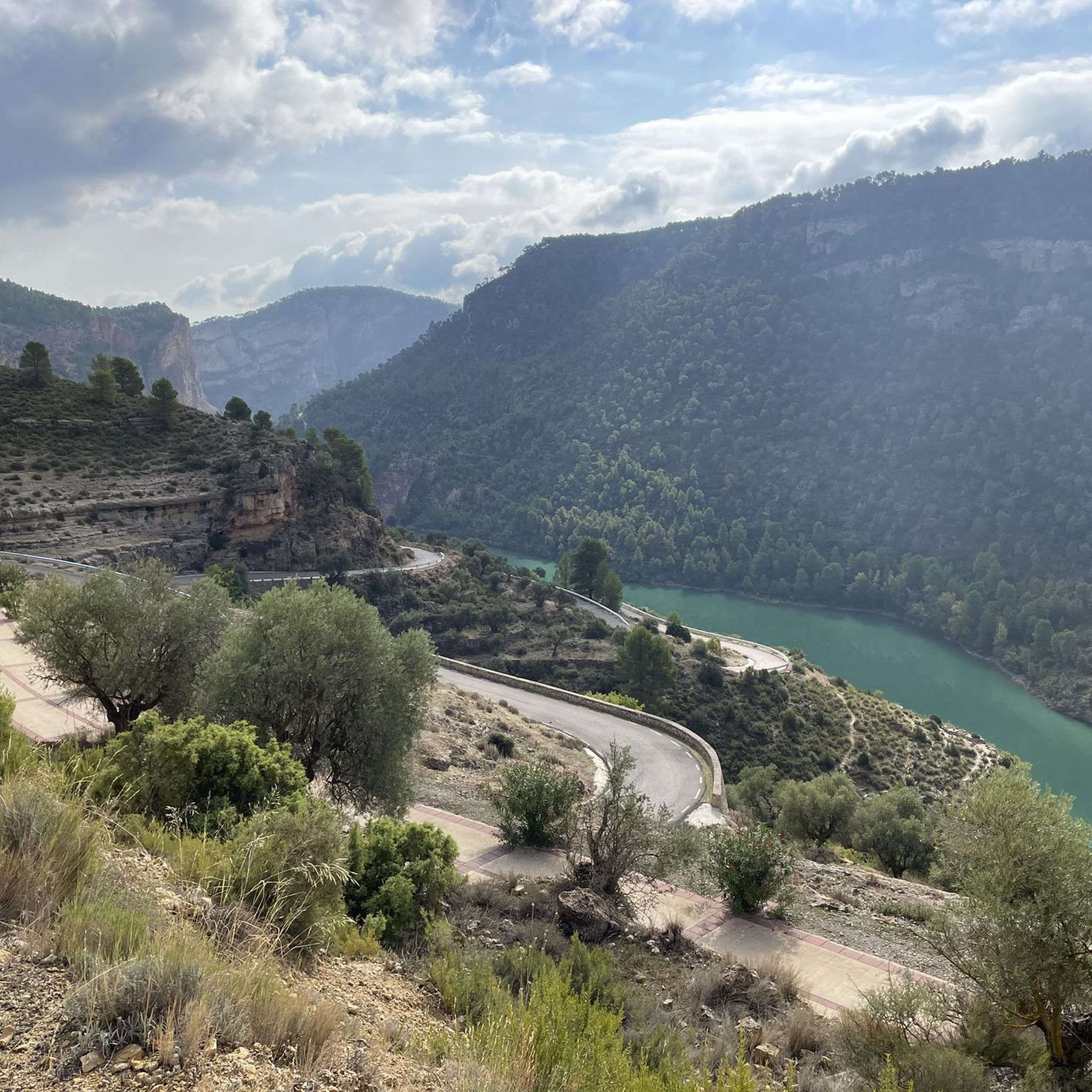
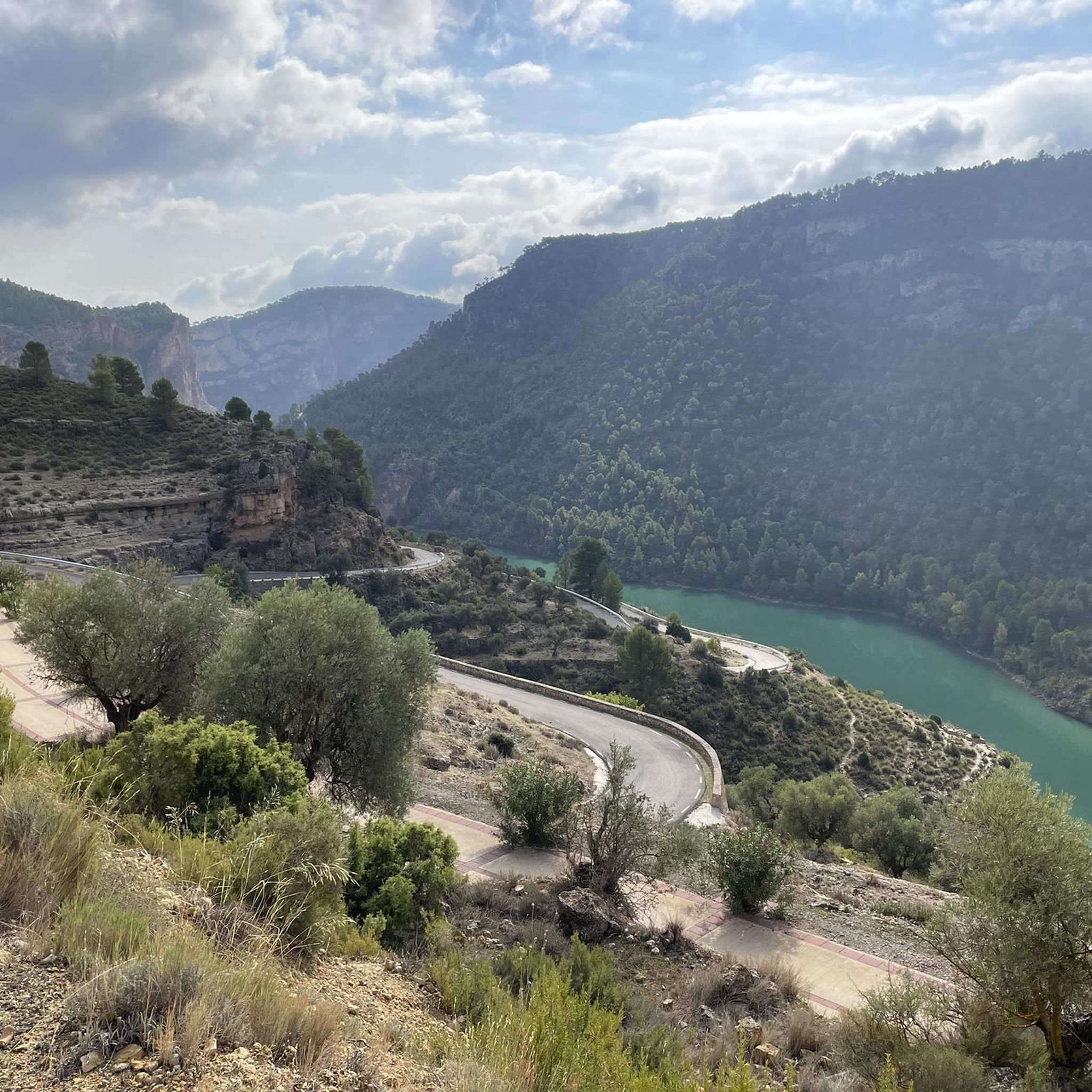
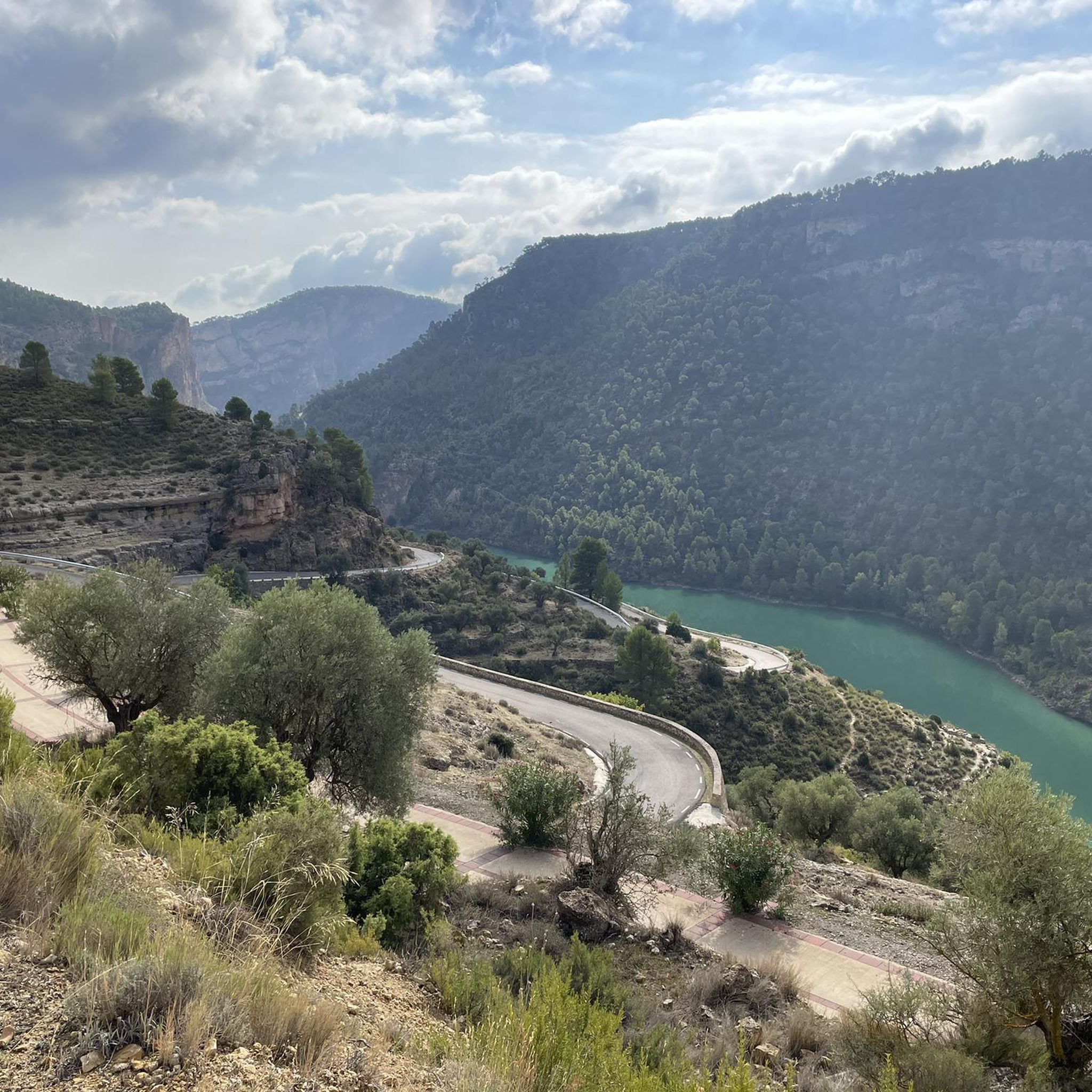
The first climb from Casas del Rio to Balsa de Ves is very hard. The road is in poor condition and has a lot of slope!
0
0

From Balsa de Ves it's an absolutely beautiful route down to the Rio Cabriel and then up again towards La Portera. An absolutely breathtaking route - you discover something new at every bend. At the Rio Cabriel there is a bathing area and a campsite as well as an old hydraulic water wheel.
1
0
Frequently Asked Questions
What are some of the most striking natural features to explore around Villa de Ves?
The region is defined by the dramatic geological formations of the Júcar River, including deep canyons and gorges. Notable features include the iconic Peña del Buitre, a gigantic wall with almost vertical sides reaching about 200 meters in height, and the spectacular El Morrón – Júcar River Gorge, where sandstone has been eroded by time and weather.
Are there family-friendly natural monuments in the Villa de Ves area?
Yes, the Molinar Reservoir is considered family-friendly. It's a beautiful lake area on the Júcar River, popular for water sports like fishing, canoeing, and windsurfing, offering a serene environment for families to enjoy.
What outdoor activities can I do near the natural monuments?
The area around Villa de Ves offers a variety of outdoor activities. You can find numerous hiking trails, including routes like 'Cañón del Júcar' and 'Embalse del Molinar', by exploring Hiking around Villa De Ves. For cyclists, there are routes like 'Descent to Tranco del Lobo' and 'Júcar Gorge', detailed in Cycling around Villa De Ves. Mountain biking enthusiasts can check out trails such as 'La Hunde and Pico Palomera Route' in MTB Trails around Villa De Ves.
Where can I find a bathing spot or campsite near the natural monuments?
The Impressive valley, which leads down to the Rio Cabriel, features a bathing spot and a campsite. It also has an old hydraulic water wheel, making it a great destination for both natural beauty and recreational opportunities.
What kind of wildlife can be observed in the natural monuments of Villa de Ves?
The Tranco del Lobo, a narrow section of the Júcar River, is particularly rich in wildlife. You can observe diverse flora and a wide array of animals, including aquatic birds like mallards and herons, raptors such as peregrine falcons, golden eagles, and Bonelli's eagles. Wild boars and ibex are also present, and the waters are home to pike, black bass, carp, and crayfish.
Are there any caves to visit in the area?
Yes, the Cueva de Don Juan is a large cave located in the Sierra del Boquerón. Inside, you can see numerous formations like stalactites and stalagmites. It is generally open for visits during the summer months. You can check the current visiting hours and rates on their official website: cuevadedonjuan.es.
What is the best time to visit the natural monuments around Villa de Ves?
The region's natural beauty, with its rivers, canyons, and forests, can be enjoyed throughout much of the year. Spring and autumn offer pleasant temperatures for hiking and outdoor activities. Summer is ideal for water sports at the Molinar Reservoir and visiting the Cueva de Don Juan. Winter can also be beautiful, especially for bird watching, though some activities might be weather-dependent.
Are there opportunities for bird watching or photography?
Absolutely. The Molinar Reservoir and the Tranco del Lobo are excellent for bird watching, with a variety of aquatic birds and raptors. The entire surroundings of Villa de Ves, characterized by low mountains, pine forests, and limestone cliffs, offer numerous natural routes and viewpoints that are perfect for capturing the scenic beauty through photography.
What is the Molinar Reservoir known for?
The Molinar Reservoir is renowned for its high scenic value, showcasing a harmonious blend of forest masses, canyons, and gorges where the Júcar River flows. It's a popular spot for water sports, active tourism, hiking, bird watching, and landscape photography. Historically, it was built to regulate the Júcar River and supply water to the area.
Can I find historical sites related to the natural monuments?
Yes, the area around the Molinar Reservoir includes the remains of the first hydroelectric plant built in Spain by Hidroeléctrica Española, offering an impressive canyon experience. Additionally, the Tranco del Lobo area once housed a hydroelectric plant built in the early 20th century, adding a historical dimension to its natural beauty.
What kind of terrain can I expect on trails near Villa de Ves's natural monuments?
The terrain generally features low mountains, pine forests, and limestone cliffs of the Júcar valley. Trails can range from easy walks along riverbanks to more challenging routes through canyons and gorges, often with significant elevation changes, as seen in highlights like Peña del Buitre.
Most popular attractions around Villa De Ves

Get inspired with the komoot mobile app


Explore more
Extend your search for the best caves by checking out these guides of the top ones around Villa De Ves:
